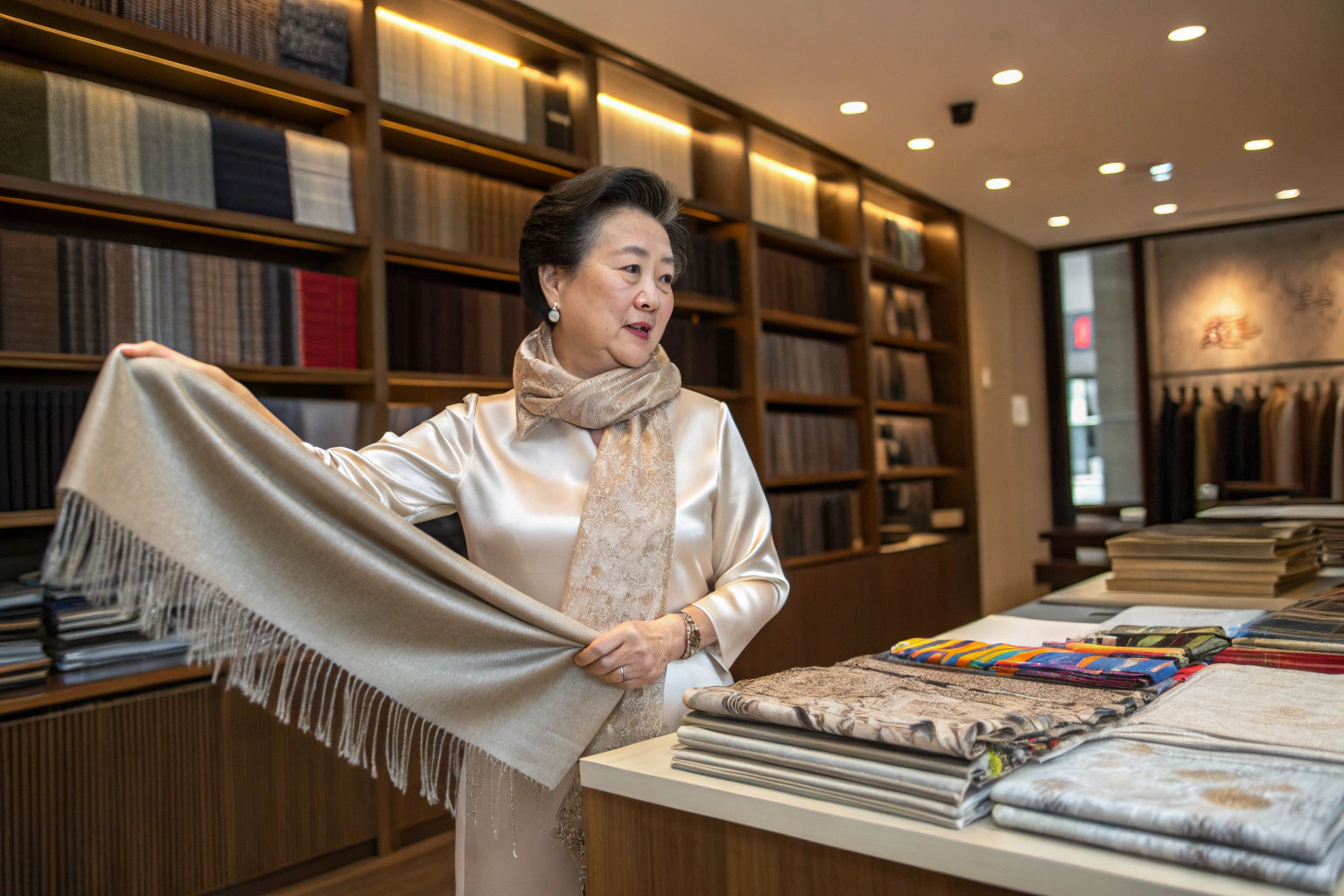
Sourcing accessories for a corporate event is a multifaceted procurement challenge that blends strategic branding with complex logistics. It's a process where every item, from a branded bag to a tech gadget, becomes a tangible extension of the company's image and the event's objective. For procurement officers and event planners, the task goes beyond simple purchasing; it demands a nuanced strategy that balances brand alignment, audience perception, quality, timeline, and budget to curate items that will be valued and remembered long after the event concludes.
Effective sourcing for corporate events hinges on a four-stage strategic framework: first, aligning accessory selection with the core event objectives and recipient demographics; second, vetting and selecting suppliers based on service capability and quality; third, mastering the critical path of customization, logistics, and timeline management; and fourth, integrating accessories into a broader event experience strategy. This approach transforms procurement from an operational task into a value-adding partnership that safeguards the event's success and enhances the company's brand equity.
This guide provides a systematic, step-by-step methodology to navigate the entire sourcing journey, ensuring that every accessory serves a clear purpose and delivers maximum impact.
How Do You Strategically Define Sourcing Requirements?
The foundational step is to move beyond a generic shopping list and develop a strategic brief. This requires aligning with key stakeholders to answer three core questions: What is the event's primary goal? Who are the recipients? And what action or feeling should the accessory inspire?
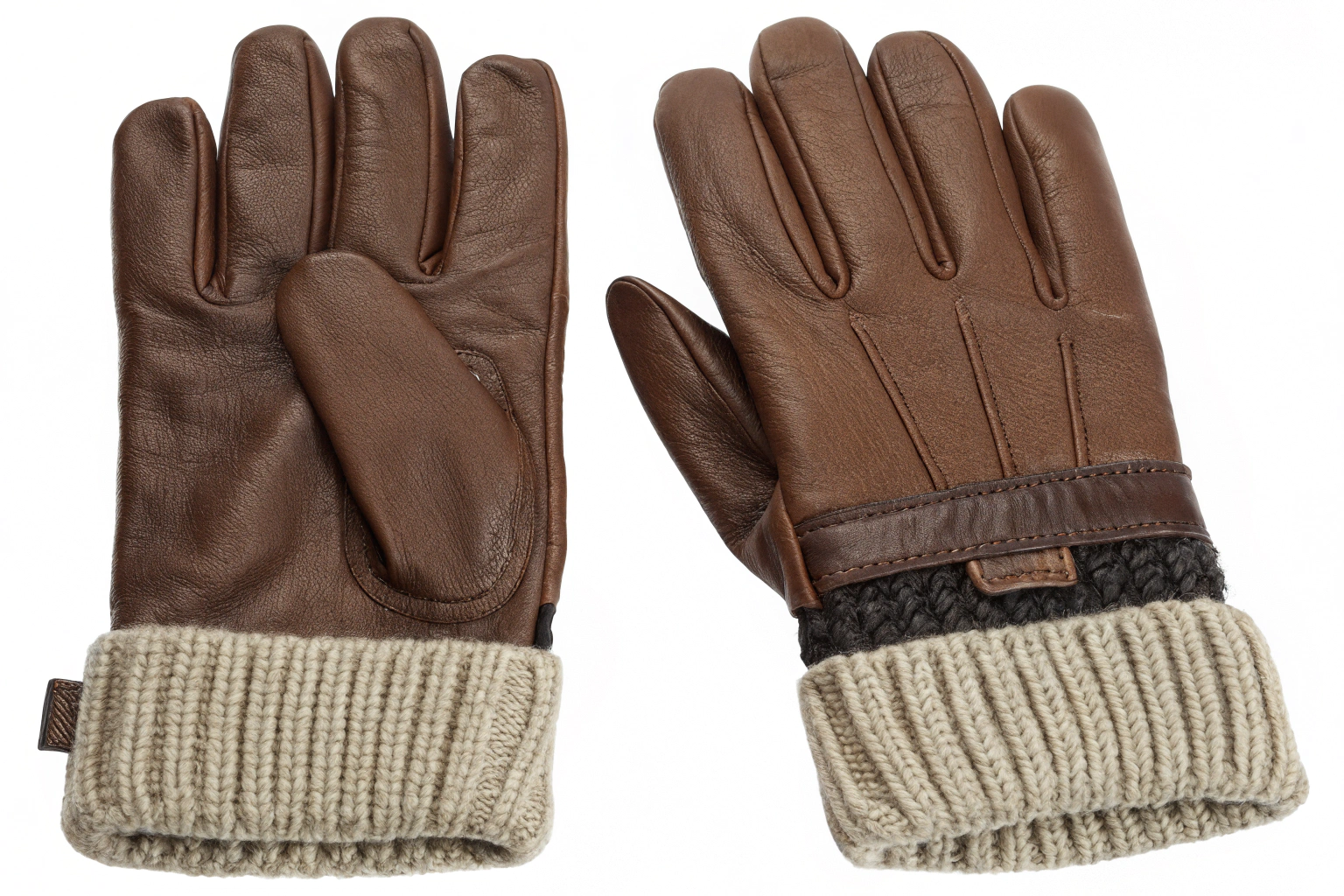
First, clarify the event's core objective. The purpose dictates the accessory's role. For a high-end client gala, items must convey exclusivity and luxury, suggesting premium materials like leather. For an internal sales kick-off, accessories should motivate and unify the team, favoring practical, high-utility items. For a large-scale industry conference, the goal may be broad brand visibility, calling for portable, frequently used items that act as walking advertisements.
Second, conduct a detailed audience and demographic analysis. The recipients' profiles—whether C-suite executives, new hires, or cross-industry partners—will dictate suitability. A tech-savvy audience values innovative gadgets, while an environmentally conscious group expects sustainably sourced materials. The accessory must resonate with their lifestyles and values to ensure it is kept and used.
What Are the Key Elements of a Strategic Sourcing Brief?
A comprehensive brief should document:
- Strategic Goal: The primary event objective.
- Audience Profile: Detailed demographics, professional roles, and inferred values.
- Desired Outcome: The specific impression or action.
- Brand Message: The single brand value to communicate.
- Budget & Quantity: Clear parameters for cost per unit and total volume.
How Do You Balance Quality, Utility, and Brand Alignment?
The most impactful accessories sit at the intersection of high perceived quality, genuine utility, and seamless brand integration. Quality is non-negotiable; a poorly made item damages brand perception. Utility drives retention; items that solve a common problem, like a quality power bank or an organized tech pouch, are kept for years. Branding should be tasteful and additive, using techniques like embossing or embroidery that enhance the item's value rather than acting as a cheap sticker. This strategic alignment ensures accessories are purposeful brand assets, not forgettable giveaways.
How Do You Identify and Vet Potential Suppliers?
With a clear brief, the next step is to identify partners capable of executing the vision. The supplier landscape is diverse, ranging from full-service agencies to direct manufacturers, each with different strengths. The choice depends on your project's complexity, customization needs, and service requirements.
Full-service corporate gifting agencies offer end-to-end solutions. They manage everything from creative consultation and product selection to customization, packaging, and logistics. Their value lies in deep expertise, high-quality curated product lines, and stress-free project management. They are ideal for brand-sensitive projects where quality and a seamless experience are paramount.
For more cost-sensitive, high-volume needs, B2B manufacturing platforms and trade companies connect buyers directly with factories. This route offers maximum price leverage and direct access to a vast array of products suitable for heavy customization. However, it requires more hands-on management of quality control, communication, and logistics.

What Criteria Should You Use to Evaluate Suppliers?
A rigorous vetting process is essential. Key evaluation criteria include:
- Service Scope & Expertise: Does the supplier offer the end-to-end services you need?
- Quality & Sustainability Commitment: Can they provide samples and detail their quality control process?
- Customization Capability: What branding techniques do they offer? What are the associated costs and minimum order quantities?
- Logistics & Reliability: What is their standard production and delivery timeline? Can they handle direct shipping to multiple locations or an event venue?
Why is a "Partner Mindset" More Valuable Than a "Vendor Transaction"?
The most successful sourcing engagements treat the supplier as a strategic partner. This involves sharing your broader event goals, not just a product specification. A partner will offer consultative ideas—suggesting thematic bundling, advising on material choices for durability, or proposing innovative packaging that enhances unboxing. Building this collaborative relationship leads to better outcomes and more reliable support for future events.
How Do You Manage Customization and Execution Logistics?
This phase is where plans meet reality. Meticulous management of customization details and logistical timelines is critical to ensure the right items arrive at the right place, on time, and perfectly branded.
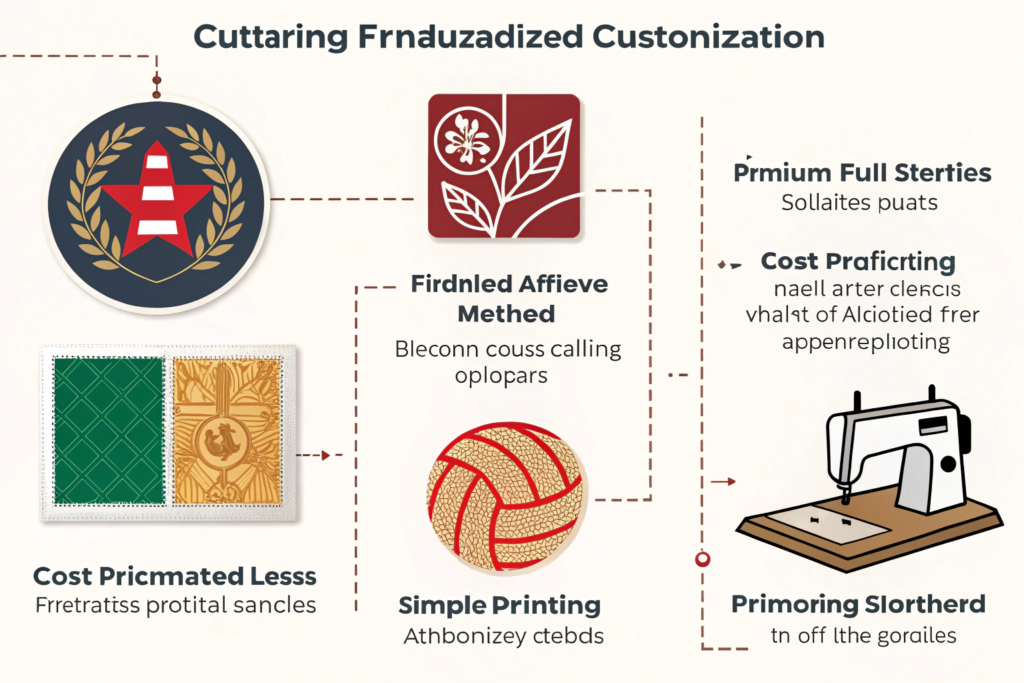
Customization is a detailed process that begins with finalizing artwork and selecting the application method. Techniques range from cost-effective screen printing for simple logos on bulk items to premium embossing on leather or precision embroidery on fabric. It is imperative to approve physical production samples before full manufacturing begins. This sample checks color accuracy, material feel, logo placement, and overall quality, preventing costly errors in a full production run.
Concurrently, logistics planning must account for the entire critical path. This includes production time, shipping, and final-mile delivery to a warehouse or the event venue itself. Always build in a buffer of at least 10-15% extra time to mitigate unforeseen delays like port congestion or production hiccups. For complex events, you may also need to manage "kitting" – assembling multiple different items into individual attendee gift bags.
What Are the Common Pitfalls in Timeline Management?
The most frequent sourcing failures stem from unrealistic timelines. Pitfalls include:
- Underestimating the time needed for sample revision and approval cycles.
- Not accounting for shipping transit times, especially for sea freight.
- Failing to coordinate delivery with the venue's receiving schedule and storage capabilities.
A detailed, backward-planned schedule from the event date, shared and agreed upon with your supplier, is the best defense against these issues.
How Can Technology and Packaging Add Value?
Leverage technology for efficiency and tracking. Some suppliers provide online portals for order management and proof approval. For packaging, view it as part of the product experience. Custom boxes, tissue paper, or thank-you cards elevate the perceived value of the gift. Sustainable packaging options, such as using recycled materials and minimizing plastic, are increasingly expected and align with modern corporate values.
How Can You Integrate Accessories into the Broader Event Strategy?
The most sophisticated approach views accessories not as isolated souvenirs, but as integrated components of the attendee journey and sponsorship strategy.
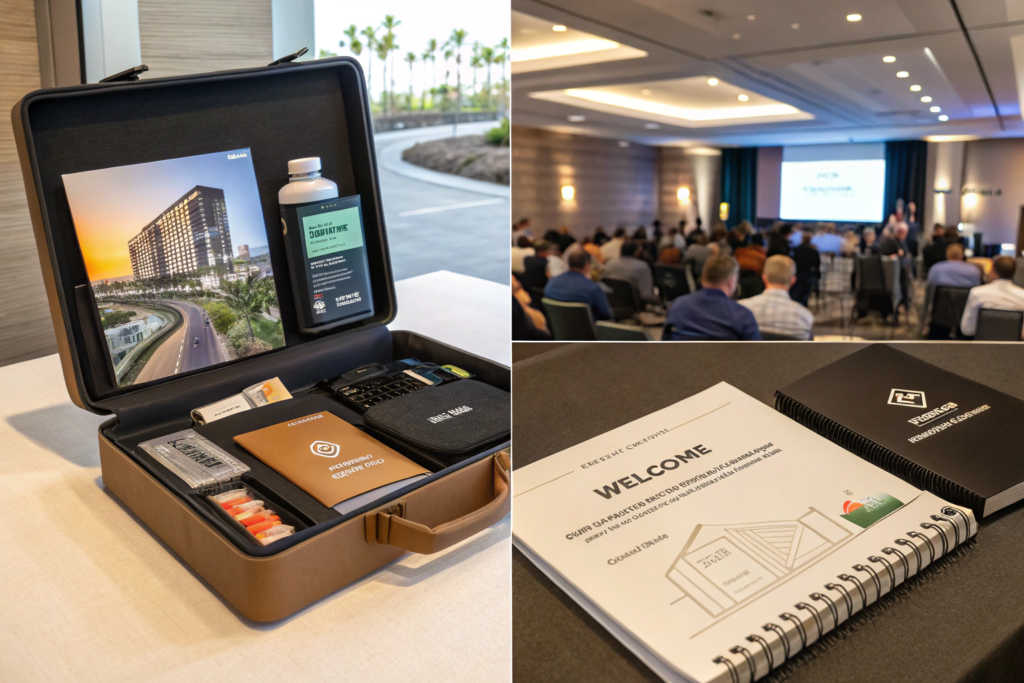
Consider the attendee journey touchpoints. Accessories can be distributed at different stages for maximum impact: welcome kits in hotel rooms set the tone, branded notebooks during sessions aid engagement, and premium gifts at the closing ceremony leave a lasting final impression. For hybrid events, consider mailing "swag boxes" to virtual attendees to foster inclusion and a tangible connection.
Furthermore, accessories can be powerful tools for sponsor engagement and activation. Sponsorship packages can include the right to provide a branded gift in the attendee bag or to sponsor a specific, desirable item. This adds value for the sponsor by guaranteeing their branded item is in attendees' hands, and it can offset event costs. Creative activations, like a custom-designed gift available only to participants of a sponsor's workshop, can drive traffic and engagement.
What is the Role of Post-Event Follow-up?
The lifecycle of an event accessory can extend beyond the event itself. A well-chosen, useful item continues to advertise the brand with every use. Encourage post-event engagement by inviting attendees to share photos of themselves using the accessory on social media with a dedicated hashtag. This turns a one-time gift into an ongoing, user-generated marketing campaign. Following up with sponsors to demonstrate the reach and appreciation of their contributed item strengthens relationships and lays the groundwork for future partnerships.
How Do You Measure Sourcing Success?
Success metrics should be defined during the briefing stage. They can be quantitative, such as tracking the percentage of the budget spent versus planned, or qualitative, such as collecting attendee feedback on the perceived quality and usefulness of the gifts. For sponsor-related items, success can be measured by the level of sponsor satisfaction and their intent to renew. Analyzing these metrics provides valuable insights for continuously improving the sourcing strategy for future events.
Conclusion
Sourcing accessories for a corporate event is a strategic discipline that requires careful planning, partnership, and execution. It begins with a deep understanding of the event's goals and audience, leading to a curated selection of items that balance quality, utility, and brand alignment. Success hinges on choosing the right supplier partner, meticulously managing customization and logistics, and thoughtfully integrating the accessories into the overall event experience to maximize their impact.
By adopting this comprehensive framework, event planners and procurement professionals can transform a logistical challenge into a significant contributor to their event's success, enhancing brand perception, attendee satisfaction, and sponsor value in one coordinated effort.
To discuss developing a tailored, impactful accessory program for your next corporate event, partner with Shanghai Fumao. Contact our Business Director Elaine at elaine@fumaoclothing.com to leverage our expertise in custom manufacturing, strategic sourcing, and flawless event logistics execution.