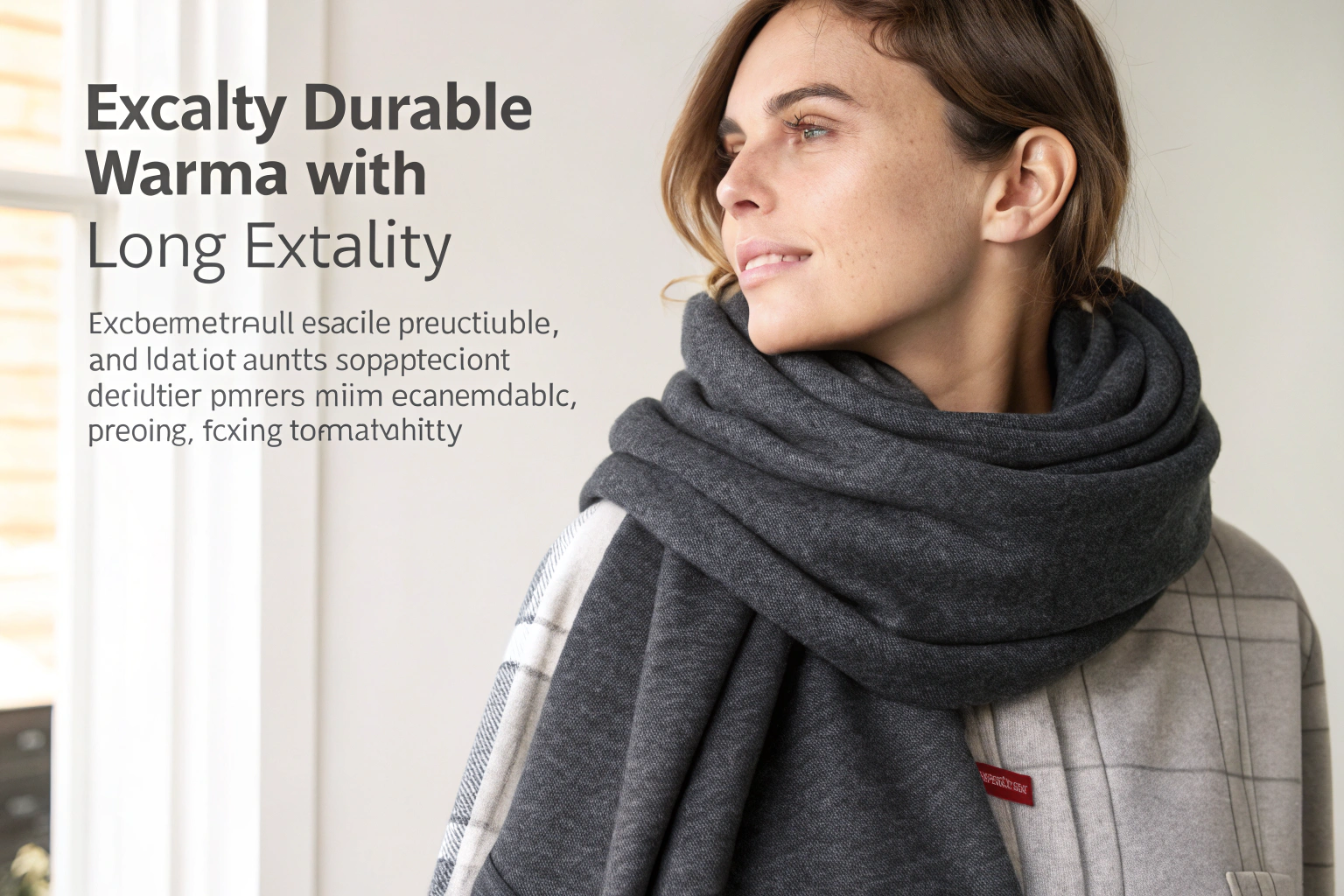
Creating a scarf that combines exceptional warmth with long-lasting durability presents significant manufacturing challenges. Many scarves sacrifice one quality for the other—either providing temporary warmth that deteriorates quickly or lasting forever without adequate insulation. Through our extensive experience producing scarves for demanding North American and European markets, we've developed systematic approaches to achieving both qualities simultaneously.
Producing a warm and durable scarf requires strategic material selection, specialized construction techniques, rigorous quality control, and thoughtful finishing processes that work together to create a product that maintains its insulating properties and structural integrity through years of use and care.
The balance between warmth and durability isn't accidental—it's engineered through careful consideration of every production element. Let's examine the specific methods that ensure your scarves deliver both immediate comfort and long-term value.
What material combinations maximize warmth and durability?
The foundation of any high-performance scarf lies in its material composition. Single-material scarves often compromise either warmth or durability, while strategic fiber blending creates synergistic effects that enhance both properties simultaneously.
Intelligent material selection balances natural insulation properties with structural strength, creating scarves that provide immediate warmth while resisting wear, pilling, and shape loss over time.
How do wool blends enhance both properties?
Wool remains the gold standard for warmth, but pure wool scarves can wear quickly and require delicate care. We've developed optimized wool blends that combine merino wool's exceptional insulation with reinforcing fibers like nylon or polyester. Our typical warmth-optimized blend might include 70-80% merino wool for natural warmth and moisture-wicking, with 20-30% nylon for strength and abrasion resistance. This combination creates scarves that maintain their loft and insulating air pockets through repeated use while resisting the pilling and thinning that plague pure wool scarves. The result is lasting warmth that doesn't diminish as the scarf ages.
What technical fibers improve longevity?
Modern technical fibers offer durability advantages that natural fibers can't match alone. We incorporate specialized synthetic fibers like microfiber polyester for its wind-resistant properties and reinforced acrylics for their color retention and shape memory. For premium scarves, we use advanced natural-technical blends that might include cashmere for luxury softness with a core of strong multifilament yarn to prevent stretching. These engineered approaches allow us to create scarves that withstand harsh weather conditions, frequent washing, and years of use while maintaining their original warmth and appearance far longer than conventional designs.

Which construction methods enhance insulation and strength?
The way a scarf is constructed significantly impacts both its warmth and durability. Simple, loose weaves may feel lightweight but sacrifice insulation and snag resistance, while overly dense constructions can create stiffness and comfort issues.
Strategic construction approaches create scarves with optimal loft for warmth, tightness for wind resistance, and structural integrity for long-term durability.
How does weave density affect performance?
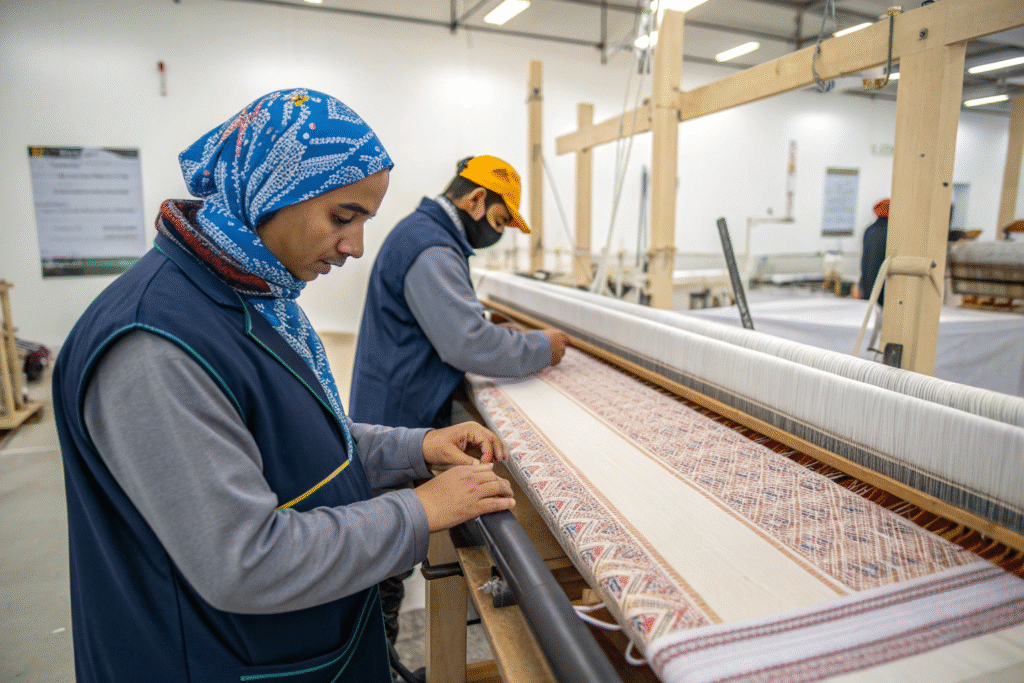
Weave density directly determines a scarf's wind resistance, weight, and durability. We've identified optimal weave structures for different warmth requirements—tighter twill weaves for wind-prone environments, balanced plain weaves for general use, and specialized double-weaves for extreme cold. Our production team carefully controls thread count and tension to ensure consistent density throughout each scarf. This precision prevents weak spots where cold penetrates or where wear begins prematurely. For maximum durability, we often use reinforced selvedge edges that prevent fraying and maintain the scarf's structural integrity through years of use.
What knitting techniques maximize longevity?
Knitted scarves offer different advantages for warmth and durability. We employ specialized knitting techniques like interlock stitching for reversible scarves with double thickness, cable patterns that create insulating air pockets, and ribbed borders that resist curling and stretching. Our knitting machines are programmed with reinforced stitch patterns at stress points like the scarf ends, where wear typically begins. For fringe finishes, we use specially developed knotting methods that secure fringe without creating weak points in the main body. These construction details make significant differences in how scarves perform over multiple seasons of use.
What finishing processes ensure lasting quality?
Proper finishing transforms woven or knitted fabric into a high-performance scarf. Without appropriate finishing treatments, even well-constructed scarves can shrink, pill, or lose their softness after minimal use.
Strategic finishing processes stabilize fabrics, enhance natural properties, and create scarves that maintain their warmth, appearance, and hand-feel through repeated cleaning and wear.
How does brushing affect warmth and durability?
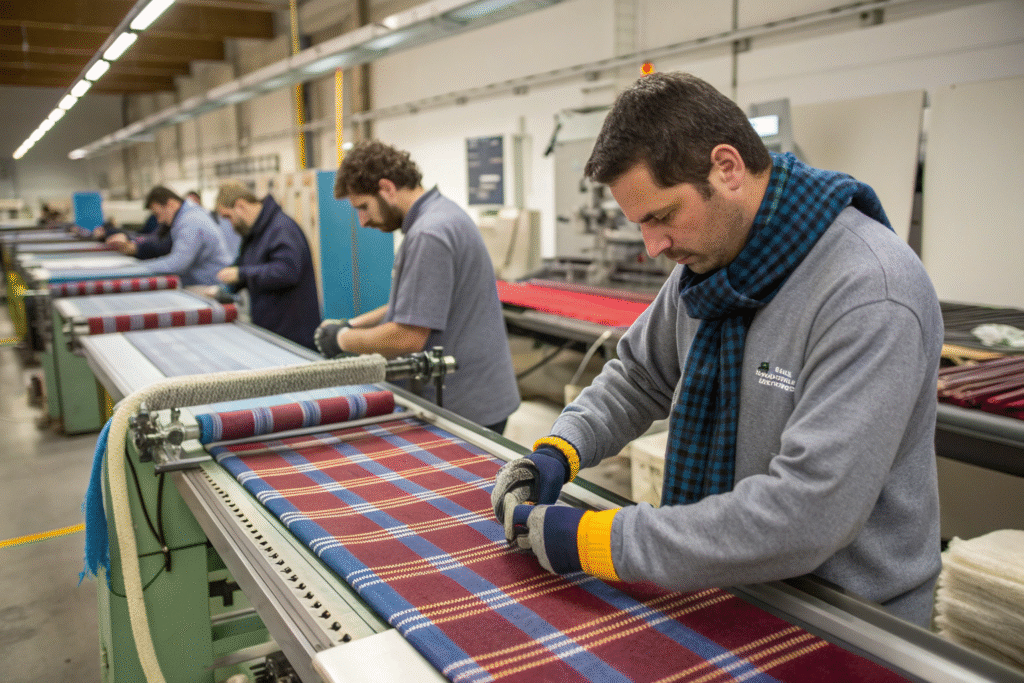
Controlled brushing creates the fuzzy surface that traps insulating air, significantly enhancing warmth without adding weight. We use precision brushing machines that raise fibers consistently without weakening the underlying fabric structure. This process creates micro-air pockets throughout the scarf surface, dramatically improving insulation properties. However, over-brushing can weaken yarns and lead to premature pilling. Our technicians have mastered the balance—applying enough brushing to maximize warmth while maintaining the structural integrity that ensures long-term durability. The result is scarves that feel immediately warm against the skin while resisting the fuzzball formation that plagues cheap alternatives.
What special treatments enhance weather resistance?
For scarves intended for harsh weather conditions, additional treatments can significantly enhance performance. We offer water-resistant finishes that cause moisture to bead up and roll off rather than being absorbed, keeping the wearer dry and maintaining insulation properties. Wind-proof laminations can be applied to create invisible barriers against chilling winds without compromising breathability. For premium lines, we use enzyme washing that softens fibers naturally without chemical damage, creating broken-in comfort from first wear while preserving tensile strength. These specialized finishes transform basic scarves into technical accessories suited for specific climate challenges.
How does quality verification ensure performance?
Even with perfect materials, construction, and finishing, consistent quality requires rigorous verification at multiple stages. Without comprehensive testing, performance variations can undermine both warmth and durability promises.
Systematic quality control ensures every scarf meets specifications for insulation properties, structural strength, and longevity indicators before reaching customers.
What insulation performance tests matter most?
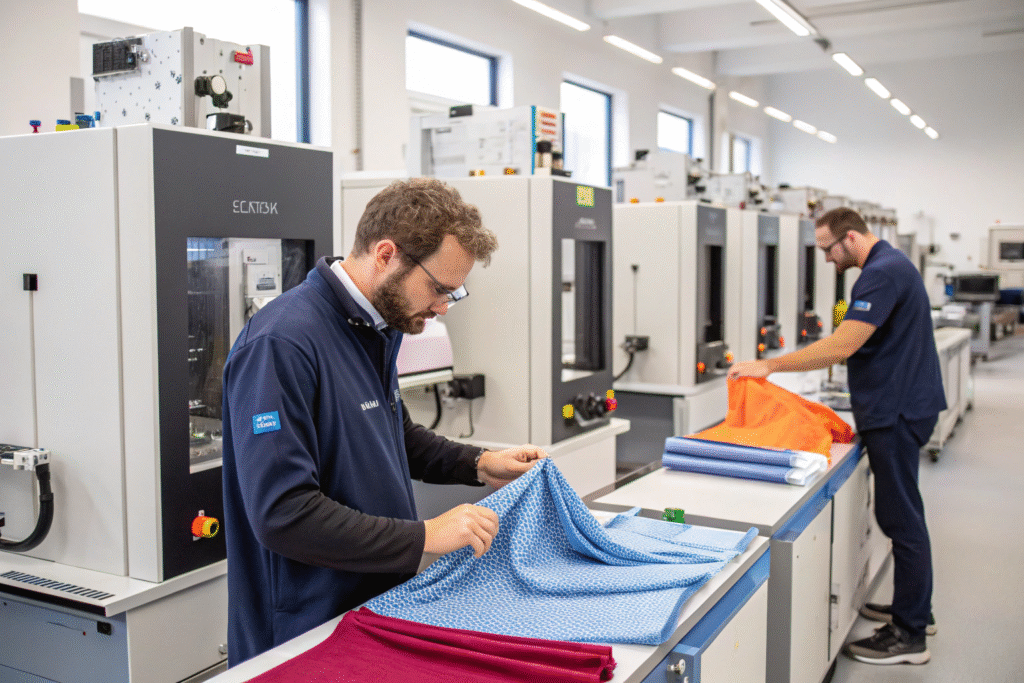
Warmth isn't subjective—it can be measured and verified. Our quality lab conducts standardized insulation tests that measure thermal retention under controlled conditions. We use thermal manikin testing for premium lines to precisely map heat retention across different scarf areas. For routine production, we employ simplified but scientifically valid methods that measure heat transfer resistance. Additionally, we test moisture-wicking capabilities since damp scarves lose insulation efficiency. This data-driven approach ensures the warmth claims we make for your scarves are backed by measurable performance standards rather than marketing language.
How does durability testing predict product lifespan?
Durability testing simulates years of use within days, identifying potential failure points before production scales. We subject scarf samples to accelerated wear testing including abrasion tests, stretch recovery tests, colorfastness tests, and pilling tests. Our washing durability tests simulate dozens of home laundry cycles, verifying that scarves maintain their size, shape, softness, and appearance after repeated cleaning. For fringe and edge treatments, we conduct specific pull tests to ensure secure attachment. This comprehensive approach identifies potential issues at the prototype stage, allowing for improvements before mass production begins.
Conclusion
Producing a scarf that genuinely combines warmth with durability requires expertise at every stage—from material selection through construction, finishing, and quality verification. The scarves that perform best in demanding markets are those where each element is intentionally chosen and executed to contribute to both immediate comfort and long-term satisfaction. By mastering these interconnected processes, manufacturers can create scarves that become trusted companions through multiple winters rather than disposable fashion items.
If you're looking to produce warm, durable scarves that withstand market competition and build brand loyalty, we invite you to contact our Business Director, Elaine. Our specialized expertise in high-performance scarf manufacturing has helped numerous brands develop products that customers cherish and repurchase season after season. Reach her at: elaine@fumaoclothing.com.