Successfully landing an exclusive deal for your custom accessories is one of the most effective ways to secure a competitive edge in the market. It ensures your designs are unique to your brand, preventing competitors from diluting your hard-earned brand identity. However, asking for and securing exclusivity is not a simple request—it's a strategic negotiation that hinges on providing significant value to the manufacturer. So, how do you position yourself as the ideal partner for an exclusive arrangement?
The key to negotiating design exclusivity is to demonstrate your value as a reliable, long-term partner by committing to substantial and consistent order volumes, offering marketing support, and understanding the legal framework, thereby making exclusivity a mutually beneficial arrangement. You must transition the conversation from a simple buyer-supplier transaction to a strategic partnership where both parties invest in shared success. This approach directly addresses a manufacturer's primary concern: that granting exclusivity to one client won't limit their overall business growth. By framing your request around partnership and shared growth, you create a compelling case.
Manufacturers like Shanghai Fumao Clothing evaluate exclusivity requests based on risk and reward. Your goal is to minimize their perceived risk and maximize the tangible reward of working with you. This involves careful preparation, clear communication of your brand's potential, and a structured proposal that outlines the benefits for both sides. Let's break down the actionable strategies to make this happen.
How to Build Your Case Before the Negotiation?
You cannot walk into a negotiation and simply demand exclusivity. You must first establish yourself as a credible and valuable client. This foundation is built long before you make the formal request, through consistent performance and strategic communication that showcases your brand's stability and growth potential. Think of it as earning the right to ask for exclusivity.
The preparation phase is about shifting the manufacturer's perception of you from a one-time buyer to a strategic asset. This involves placing initial test orders to prove the marketability of your designs, consistently communicating your long-term brand vision, and meticulously documenting your design concepts. This track record demonstrates that you are a serious player, not just another client chasing a temporary trend. It provides the manufacturer with the confidence that an exclusive partnership with you is a safe and profitable investment.

What Proof of Concept Impresses a Manufacturer?
Before a factory commits to reserving its production capacity for you, it needs proof that your designs will sell. Start with a substantial initial order or a series of reliable orders. As noted in industry practices, landing an exclusive often means a store must "place a substantial order for a fashion line—and deliver on promises to sell-through the line. This demonstrates market validation and your operational competence. Furthermore, engage in a collaborative design dialogue. Use the "guided conversation" approach: ask insightful questions about their capabilities and share your challenges, which in turn invites them to solve problems with you. This could sound like, "What's the most efficient way to produce this custom hair clip design to maintain quality at scale?" This frames you as a partner invested in mutual efficiency, not just a price-shopper.
Why is a Clear Brand Vision a Negotiating Tool?
Articulating a clear, long-term vision for your brand is a powerful intangible asset. Explain where you see your brand in two to five years, the markets you want to enter, and how their factory fits into that growth story. This aligns with the sales strategy of transforming a transactional discussion into a "transformational collaboration" by focusing on long-term goals and shared success. When you discuss future product development plans—like expanding from woven belts to a full seasonal collection—you give the manufacturer a stake in your future. It shows that by investing in an exclusive relationship with you now, they are securing a larger, more predictable stream of business later. This forward-thinking approach is far more persuasive than focusing solely on the current purchase order.
What Are the Key Terms of an Exclusivity Agreement?
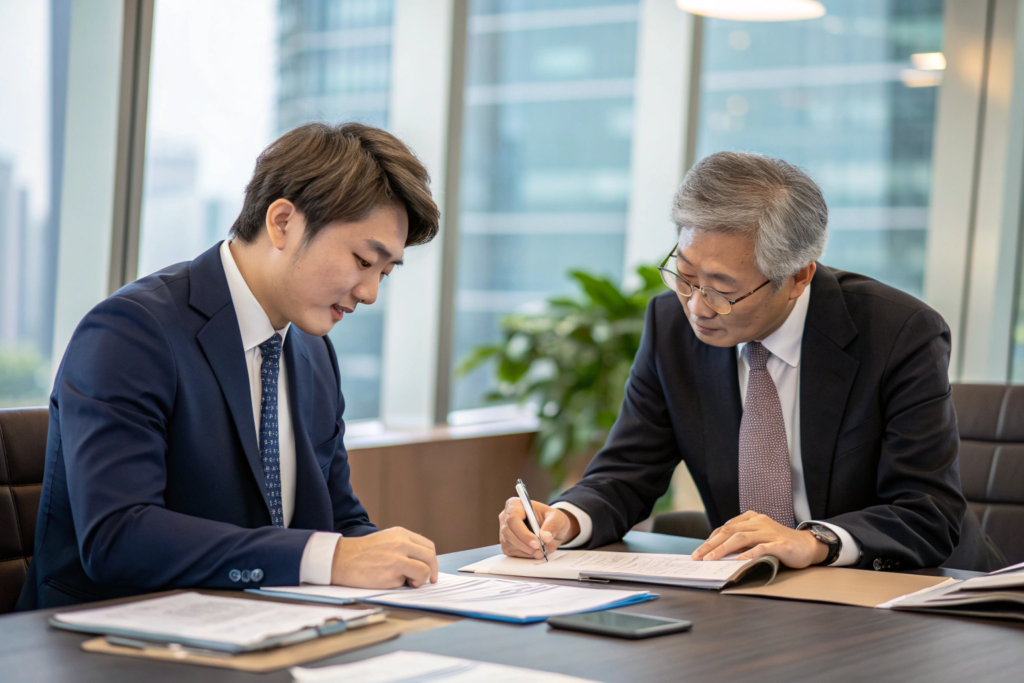
Exclusivity is not a single clause; it's a framework of interrelated terms that define the partnership. A vague handshake agreement invites future conflict. To protect both your design investment and the manufacturer's commitment, these terms must be explicitly defined, negotiated, and documented in a formal contract. Understanding these components is crucial for a fair and sustainable agreement.
The core of any exclusivity deal involves precise definitions of what is exclusive, where, and for how long. You must also balance these rights with clear obligations for both parties. A well-drafted agreement protects your intellectual property while giving the manufacturer the business security they need to justify dedicating resources to you. According to legal resources, exclusive distribution agreements should carefully address key concepts like intellectual property rights, territory, and termination.
How Do You Define the Scope of Exclusivity?
The scope must be crystal clear to avoid ambiguity. Key definitions include:
-
Product Scope: Specify the exact designs or product lines covered (e.g., "the 'Aurora' series of beaded hair bands as per attached Tech Pack A-101"). Is it for one design, a seasonal collection, or your entire brand?
-
Territorial Scope: Define the geographic region. Is it exclusivity for North America, the European Union, or a specific country? The agreement might limit the supplier from selling the covered goods to other buyers in your specified area.
-
Duration: Agree on a fixed term (e.g., one year, two seasons) with conditions for renewal. This provides a review point to assess the partnership's success.
A manufacturer may also request a reciprocal exclusivity clause, preventing you from sourcing identical products from their competitors. Be prepared to discuss this.
What Performance Obligations Secure the Deal?
Exclusivity is a two-way street. In return for exclusive rights, manufacturers will expect commitments that guarantee their business. Be prepared to negotiate:
-
Minimum Order Quantities (MOQs): You will likely need to guarantee a significant volume of business. For example, one retailer's exclusives entailed "deep orders of 75 to 100 pieces per style, per color".
-
Marketing Commitments: You may be expected to actively promote the line through dedicated store space, online campaigns, or launch events. This proves you're working to sell through the inventory.
-
Termination Clauses: These are critical for both parties. The contract should outline conditions under which the exclusivity can be ended, such as consistent failure to meet MOQs, quality issues, or intellectual property infringement. A fair agreement protects both sides.
How to Navigate the Financial and Legal Aspects?
The negotiation table is where goodwill meets hard numbers and legal realities. Exclusivity has a cost, and it's not just a premium on the unit price. It's an investment in security and partnership. Successfully navigating this phase means transparently discussing costs, understanding the legal protections for your designs, and formalizing everything in a proper contract to prevent costly disputes.
Financially, you must budget for the realities of an exclusive partnership, which often involves higher commitments. Legally, you must understand that a contractual exclusivity clause is your primary shield, but registering your designs provides a stronger, standalone legal right. As one legal source states, the registration of a design gives the owner "the exclusive right... to prevent any third party not having his consent from using it". A multi-layered approach is most secure.

What are the Real Costs of Exclusivity?
Be prepared for a shift in pricing and commitment structures. Key financial considerations include:
-
Pricing Premiums: Accept that exclusive production may come with a slightly higher unit cost. The manufacturer is reserving capacity and forgoing other potential sales for you.
-
Increased Volume Commitments: As discussed, substantial MOQs are standard. Your negotiation should focus on finding a volume that secures your exclusivity but is also realistic for your sales forecasts.
-
Investment in Promotion: Budget for the marketing activities you commit to in the agreement. This could be co-op advertising funds or costs for in-store launch events.
Presenting a professional financial forecast that shows you understand and have planned for these costs reinforces your credibility as a long-term partner.
How Do You Legally Protect Your Custom Designs?
Contractual and legal protection work hand-in-hand:
-
The Contract is Your First Defense: The exclusivity agreement itself is a binding document that prohibits the manufacturer from reproducing your designs for others. Ensure it includes strong confidentiality and intellectual property (IP) ownership clauses stating that all designs provided by you remain your sole property.
-
Consider Formal Design Registration: For your most iconic designs, consider registering them in your key markets. A registered design grants a statutory monopoly, empowering you to take legal action against any copier, not just your manufacturer-9. In many jurisdictions, an unregistered design may only protect against direct copying-3. Resources like the World Intellectual Property Organization (WIPO) provide guidance on international design registration systems.
-
Perform Due Diligence: Before signing, conduct basic due diligence on the manufacturer. Do they have a history of respecting IP? A reputable partner like Shanghai Fumao Clothing will respect contractual and legal IP boundaries, viewing them as the foundation of a trustworthy partnership.
What is the Mindset for Successful Partnership Negotiations?
Ultimately, negotiating exclusivity is about psychology and relationship dynamics. The goal is not to "win" a concession but to craft a win-win scenario that fosters long-term collaboration. Adopting a partnership mindset transforms the negotiation from a transactional debate into a strategic planning session for shared future success.
This mindset is characterized by transparency, a focus on shared goals, and a commitment to fair play. It’s about understanding the manufacturer's constraints—such as their need for production line efficiency and profit stability—and presenting a proposal that addresses those needs while achieving your goals. As one industry article puts it, the best sales relationships are built on "curiosity, understanding, empathy, and a shared vision of success". This philosophy is perfectly suited to exclusivity negotiations.

How Does a Collaborative Dialogue Work?
Frame the discussion around "we" and "how can we." Instead of saying "I need exclusivity," try "How can we structure an agreement that gives my brand the market uniqueness it needs while ensuring your factory has the volume predictability to justify dedicating resources to our line?" This collaborative approach invites problem-solving. Use questions to uncover their needs: "What order volume would make an exclusive arrangement worthwhile for your planning?" or "What are your biggest concerns about entering an exclusive deal?" This method builds trust and uncovers the real criteria for the deal.
Why is Fairness the Best Long-Term Strategy?
Pushing for an overly one-sided agreement is a short-sighted tactic. If the deal is unsustainable for the manufacturer, it will lead to cut corners, resentment, or eventual breakdown. A fair agreement accounts for both parties' risks and rewards. For instance, if you ask for a very broad product exclusivity, be prepared to commit to higher MOQs. If you want a long duration, agree to reasonable annual volume increases. This balance ensures the manufacturer remains motivated and invested in your brand's quality and timely delivery. Demonstrating that you value their business health is the strongest foundation for a lasting partnership.
Conclusion
Negotiating exclusivity for your custom accessory designs is a strategic process that extends far beyond a simple clause in a contract. It requires building a foundation of trust through proven performance, meticulously defining the terms of the partnership, responsibly managing the financial and legal implications, and, above all, adopting a collaborative, long-term partnership mindset. When done correctly, it transforms your supplier into a dedicated extension of your brand, fiercely protecting your unique market position.
This partnership secures more than just production rights; it secures peace of mind, brand integrity, and a collaborative ally in navigating the complexities of the fashion industry. The goal is to build a relationship where both your brand and your manufacturer grow and succeed together.
If you are looking for a manufacturing partner that understands the value of collaborative, exclusive partnerships for hair accessories, scarves, hats, or any custom fashion item, we are ready to discuss a structured and mutually beneficial agreement. Let's build a unique collection together. You can reach out directly to our Business Director Elaine at elaine\@fumaoclothing.com to start a conversation about securing exclusivity for your designs.