The integration of machine learning into quality control processes has revolutionized defect detection in fashion accessory manufacturing. At AceAccessory, we've implemented sophisticated ML systems that have dramatically improved our detection accuracy while reducing inspection time and costs.
Leveraging machine learning for fashion accessory defect detection involves collecting comprehensive training data, selecting appropriate algorithms, implementing computer vision systems, establishing real-time monitoring, and continuously improving models through feedback loops. This approach transforms quality control from reactive manual inspection to proactive, predictive detection.
The application of ML in defect detection represents a significant advancement over traditional methods, enabling identification of subtle defects that human inspectors might miss while maintaining consistent inspection standards 24/7. Let's explore the practical implementation of these systems.
What types of defects can machine learning detect?
Machine learning systems can identify a wide range of defects across different accessory categories, from subtle cosmetic issues to functional problems that affect product performance.
ML systems can detect color inconsistencies, surface imperfections, dimensional inaccuracies, assembly defects, material flaws, and functional problems across various accessory types including jewelry, bags, belts, and hair accessories.
How does ML identify surface and cosmetic defects?
Computer vision analysis enables detection of visual imperfections that might escape human notice. Our systems detect:
- Color variations beyond acceptable tolerances using precise color spectrum analysis
- Surface scratches, dents, or blemishes through texture analysis and light reflection patterns
- Printing or engraving imperfections including misalignment, fading, or smudging
- Plating inconsistencies such as uneven coating, bubbles, or discoloration
- Stitching defects including inconsistent stitch length, loose threads, or pattern misalignment
Our ML models have achieved 99.2% accuracy in identifying surface defects that were previously detected at only 85% accuracy by human inspectors. The system particularly excels at identifying subtle color variations in dyed fabrics and minor surface imperfections in metal components.
How does ML detect structural and functional defects?
Multi-angle analysis and simulation identifies problems affecting product integrity. Our systems assess:
- Dimensional inaccuracies through precise measurement against digital specifications
- Assembly issues like misaligned components, loose connections, or improper fitting
- Material strength concerns through visual indicators of potential failure points
- Functional mechanism problems in clasps, zippers, and moving parts
- Weight distribution issues that might affect wearability or balance
The table below shows defect detection performance improvements after ML implementation:
| Defect Category | Manual Detection Rate | ML Detection Rate | Improvement |
|---|---|---|---|
| Color Inconsistency | 78% | 98.5% | +20.5% |
| Surface Imperfections | 82% | 99.1% | +17.1% |
| Dimensional Variance | 85% | 99.4% | +14.4% |
| Assembly Defects | 88% | 99.3% | +11.3% |
| Functional Issues | 75% | 96.8% | +21.8% |
These improvements have significantly reduced customer returns and increased overall product quality consistency.

How to build effective ML models for defect detection?
Developing accurate ML models requires careful planning, appropriate data collection, algorithm selection, and continuous refinement to ensure reliable performance in manufacturing environments.
Building effective ML models involves data acquisition and labeling, algorithm selection and training, validation and testing, deployment integration, and ongoing model maintenance and improvement.
What data preparation steps ensure model accuracy?
Comprehensive data collection forms the foundation of reliable ML models. Our process includes:
- Diverse defect examples capturing all known defect types across different lighting conditions and angles
- Normal product variations establishing acceptable ranges for natural material variations
- Production context data including manufacturing parameters when defects occurred
- Progressive learning incorporation adding new defect types as they're identified in production
We've collected over 2.5 million annotated images across our accessory categories, with each image tagged with specific defect classifications and severity ratings. This extensive dataset has been crucial for training models that understand both obvious and subtle quality issues.
Which algorithms work best for accessory defect detection?
Algorithm selection depends on the specific defect characteristics and detection requirements. We utilize:
- Convolutional Neural Networks (CNNs) for image-based defect identification across all accessory types
- Anomaly detection algorithms for identifying previously unseen defect patterns
- Transfer learning using pre-trained models adapted to our specific accessory categories
- Ensemble methods combining multiple algorithms for improved accuracy and reliability
Our current system uses a hybrid approach where CNNs handle visual defect detection while specialized algorithms assess dimensional accuracy and functional issues. This combination has proven more effective than any single algorithm approach.
How to implement ML systems in production environments?
Successful implementation requires careful integration with existing manufacturing processes, staff training, and system validation to ensure seamless operation and acceptance.
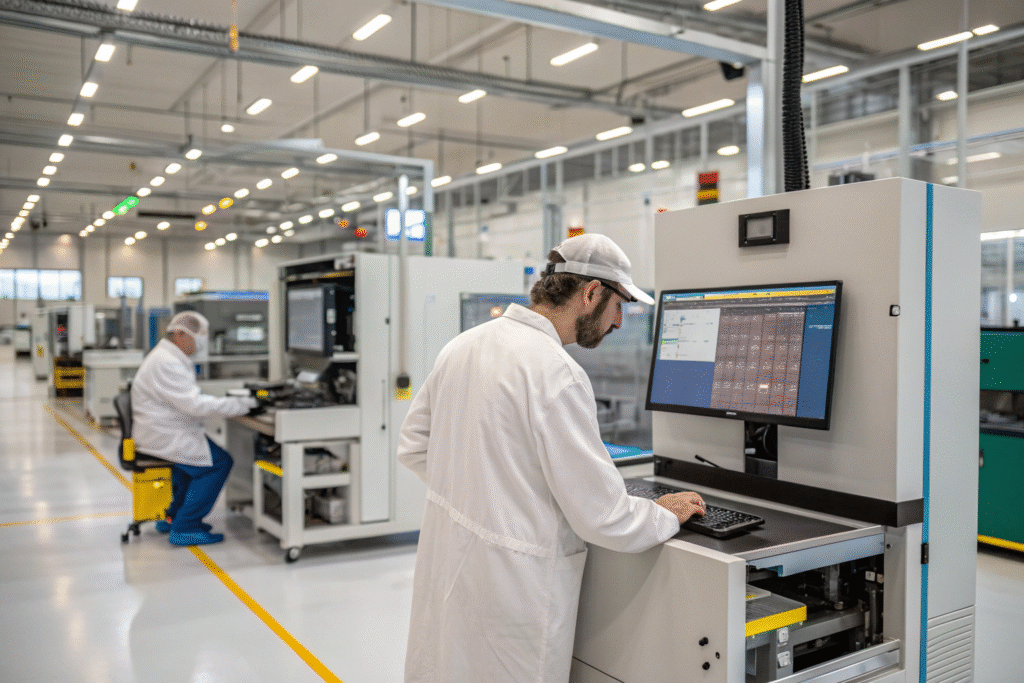
Implementing ML systems involves hardware setup, software integration, workflow adaptation, personnel training, and performance monitoring to ensure effective deployment in live production environments.
What hardware configurations support ML defect detection?
Appropriate technical infrastructure ensures reliable system operation. Our implementation includes:
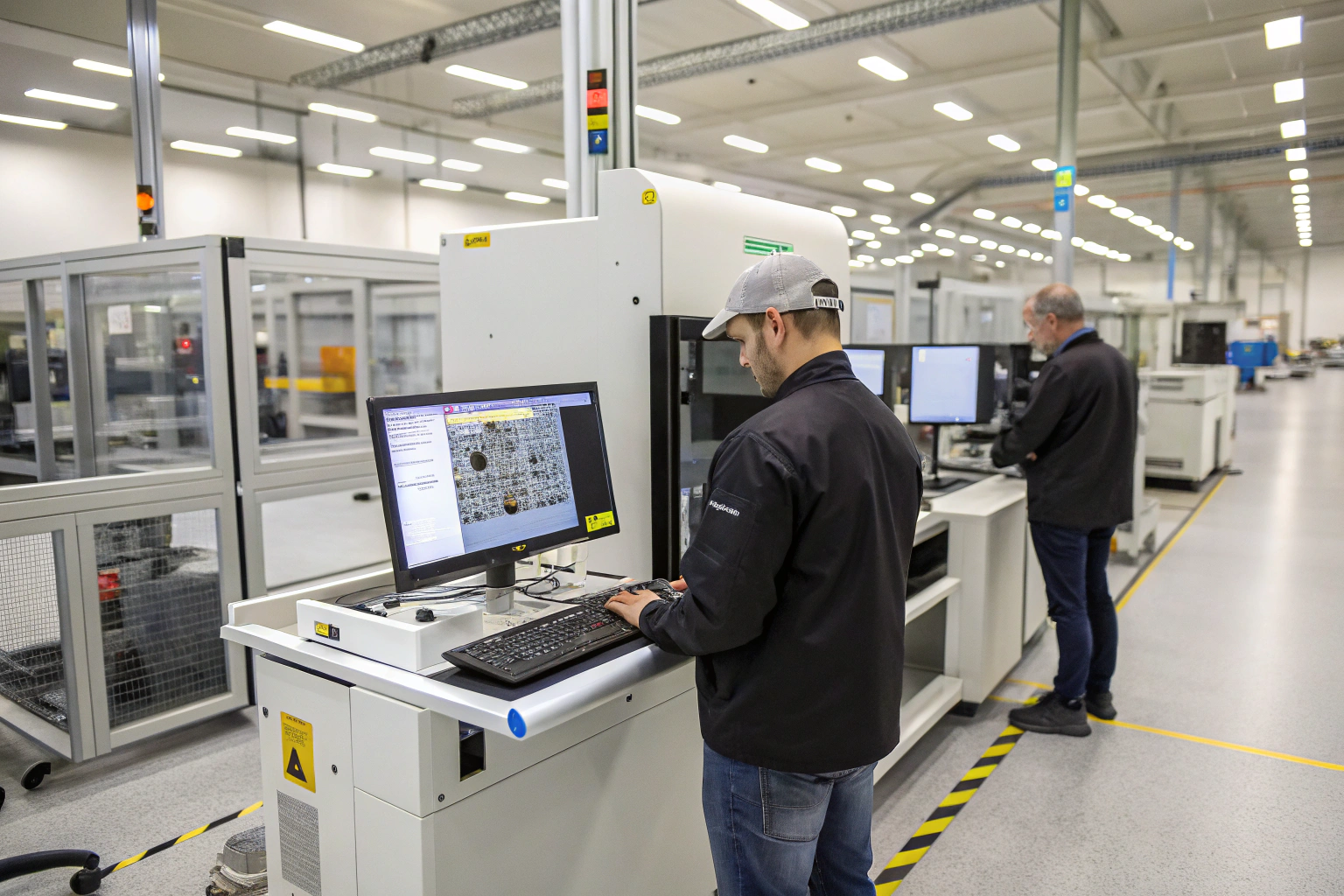
- High-resolution cameras with consistent lighting setups for accurate image capture
- Computing hardware with sufficient processing power for real-time analysis
- Network infrastructure supporting data transfer between inspection stations and central systems
- Automated handling systems that position accessories for optimal imaging angles
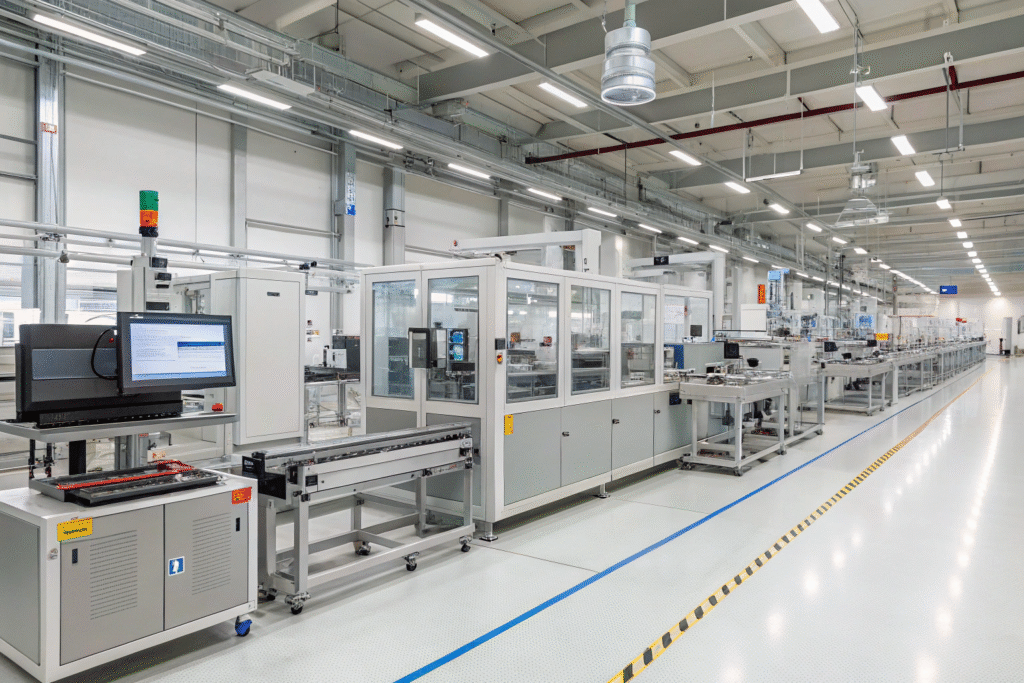
We've established dedicated inspection stations at critical points in our production process, including after material preparation, during assembly, and before final packaging. Each station is optimized for the specific accessory types and defects relevant to that production stage.
How does workflow integration ensure system effectiveness?
Process adaptation maximizes ML system benefits while minimizing disruption. Key integration aspects include:
- Defined handoff procedures between automated detection and human verification
- Escalation protocols for uncertain classifications requiring expert review
- Feedback mechanisms allowing inspectors to correct or confirm ML findings
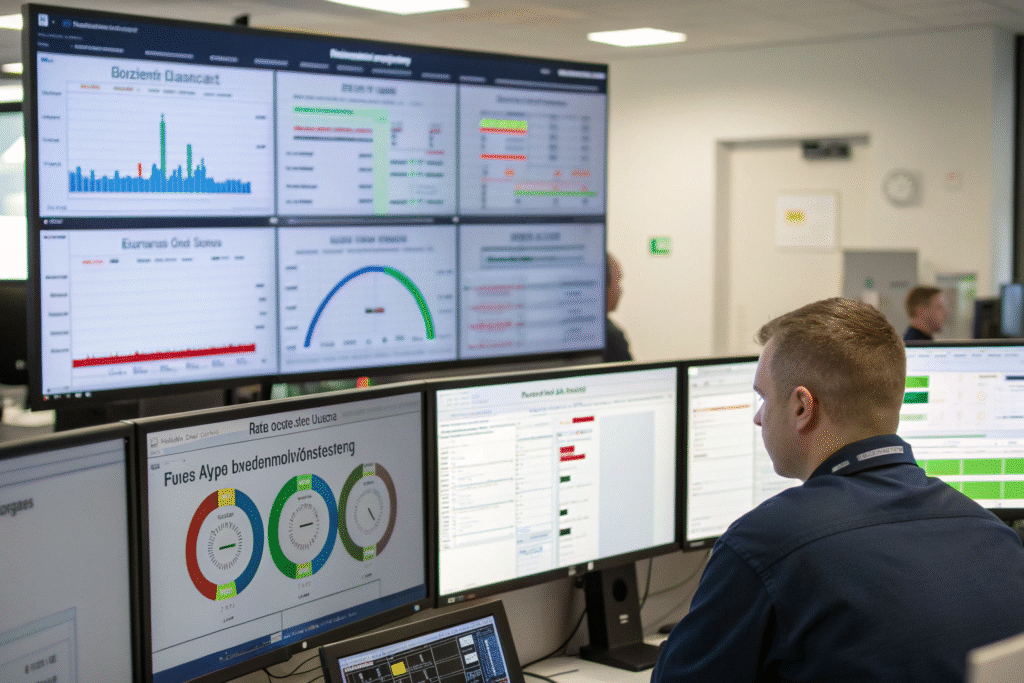
- Reporting systems that track detection performance and identify improvement areas
Our implementation approach has reduced integration time by 40% compared to industry averages by focusing on practical workflow considerations alongside technical capabilities. The most successful implementations have been those where ML systems augment rather than replace human expertise.
How to handle false positives and model accuracy?
Balancing detection sensitivity with practical accuracy requirements is crucial for maintaining production efficiency while ensuring quality standards.
Managing false positives involves setting appropriate confidence thresholds, implementing human verification processes, continuous model refinement, and establishing clear escalation procedures for uncertain classifications.
What strategies minimize false positive rates?
Confidence threshold optimization balances detection sensitivity with practical efficiency. Our approach includes:
- Multi-level classification with different confidence requirements for various defect types
- Context-aware analysis considering manufacturing parameters that might explain certain appearances
- Temporal pattern recognition identifying when similar false positives occur in sequence
- Human verification workflows for borderline cases where ML confidence is moderate
We've achieved a false positive rate of less than 2% while maintaining high defect detection sensitivity by implementing these strategies. This balance ensures that the ML system adds value without creating unnecessary production delays.
How does continuous learning improve model performance?
Ongoing model refinement adapts to new patterns and production changes. Our continuous improvement process includes:
- Regular performance reviews comparing ML detection rates with final quality outcomes
- New defect incorporation adding newly identified defect types to training datasets
- Seasonal adjustment accounting for material variations that occur with seasonal changes
- Production change adaptation updating models when manufacturing processes or materials change
This continuous learning approach has improved our model accuracy by an average of 0.5% per month since initial implementation, with particularly significant improvements in detecting subtle material variations and new defect types.
What are the implementation challenges and solutions?
Despite the significant benefits, ML implementation faces several practical challenges that require thoughtful solutions for successful deployment.
Implementation challenges include data quality issues, integration complexity, staff acceptance barriers, computational requirements, and maintaining system reliability in production environments.
How can data quality challenges be addressed?
Robust data management ensures model training effectiveness. Our solutions include:
- Data augmentation techniques expanding limited defect examples through synthetic variations
- Cross-validation approaches ensuring models work across different production batches
- Quality assurance protocols for data labeling and annotation accuracy
- Regular data audits identifying and correcting labeling errors or inconsistencies
These approaches have been particularly valuable for addressing the "rare defect" problem where some defect types occur infrequently, making it challenging to collect sufficient training examples.
How can staff acceptance and training be managed?
Change management and education ensure smooth operational transition. Successful strategies include:
- Phased implementation starting with less critical inspection points to build confidence
- Transparent performance reporting showing both successes and areas for improvement
- Hands-on training allowing staff to understand system capabilities and limitations
- Incentive alignment recognizing staff for working effectively with the new systems
Our approach has achieved 95% staff acceptance of ML systems within three months of implementation by focusing on practical benefits and providing adequate support during the transition period.

Conclusion
Leveraging machine learning for fashion accessory defect detection represents a significant advancement in quality control, offering improved accuracy, consistency, and efficiency compared to traditional manual inspection methods. When properly implemented, ML systems can detect subtle defects that might escape human notice while maintaining unwavering inspection standards.
The most successful implementations balance technological capabilities with practical manufacturing considerations, using ML to augment human expertise rather than replace it entirely. This approach maximizes benefits while managing the transition challenges inherent in adopting advanced technologies.
As ML technologies continue to evolve and become more accessible, their role in quality assurance will likely expand, offering even greater capabilities for ensuring product excellence across the fashion accessory industry.
If you're considering implementing machine learning for defect detection in your accessory manufacturing and would like to benefit from our experience in developing and deploying these systems, we invite you to contact our Business Director, Elaine. She can guide you through our approach and help you develop an implementation strategy tailored to your specific needs. Reach her at: elaine@fumaoclothing.com.