Knitted hats represent a challenging category in fashion accessories where functionality often overshadows style innovation. Many manufacturers struggle to move beyond basic beanie designs, resulting in market saturation with similar-looking products. Through our extensive work with fashion brands across North America and Europe, we've developed systematic approaches to elevating knitted hat styles while maintaining their essential warmth and comfort.
Improving knitted hat style requires a multidimensional approach that integrates innovative knitting techniques, strategic material combinations, thoughtful design elements, and market-aware styling concepts.This holistic method transforms basic headwear into fashion statements that resonate with contemporary consumers while maintaining practical functionality.
Style improvement in knitted hats isn't about superficial decoration—it's about reimagining the entire design philosophy. Let's explore the specific strategies that can elevate your knitted hat collections from basic to exceptional.
How can innovative knitting techniques transform hat aesthetics?
Traditional knitting methods often limit design possibilities to basic stitches and simple constructions. Advanced knitting technologies and techniques open new creative dimensions that significantly enhance visual appeal and unique style characteristics.
Modern knitting approaches enable complex patterns, varied textures, and structural elements that distinguish fashion-forward hats from basic commodity items.
What advanced stitch patterns create visual interest?
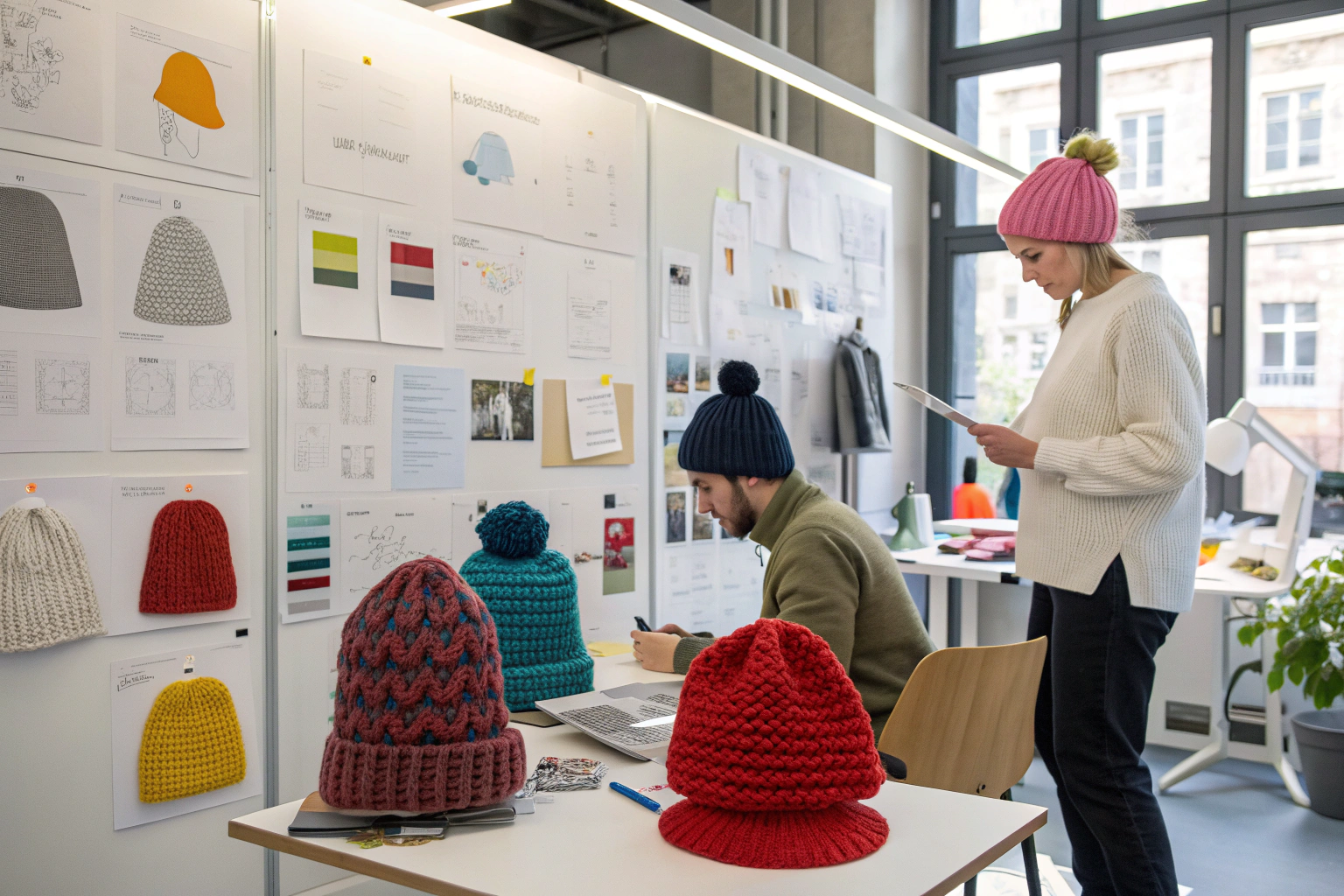
Beyond basic knit and purl stitches lies a world of texture-creating techniques. We've incorporated complex cable patterns that create three-dimensional relief effects, lace knitting that introduces delicate openness, and colorwork techniques like Fair Isle and intarsia that enable intricate graphic patterns. Our technical team has developed proprietary stitch combinations that produce unique textures impossible to achieve with standard approaches. For fashion-forward collections, we might combine multiple techniques within a single hat—perhaps cable panels flanking colorwork sections, or lace insets within solid areas. These textural variations create visual richness that elevates perceived quality and style sophistication.
How do construction methods impact style perception?
The way a hat is constructed significantly affects its aesthetic character. We've moved beyond simple top-down or bottom-up constructions to implement hybrid construction methods that enhance style. These include seamless knitting that eliminates distracting seams, reverse-direction knitting that creates interesting stitch orientations, and modular approaches that combine differently knitted panels. For slouch-style hats, we've developed graduated increase techniques that create elegant drape without bulk. For fitted beanies, we use precision decreasing that maintains pattern integrity through the crown shaping. These construction considerations ensure the hat looks intentionally designed from every angle, not just from the front.
What material strategies enhance style differentiation?
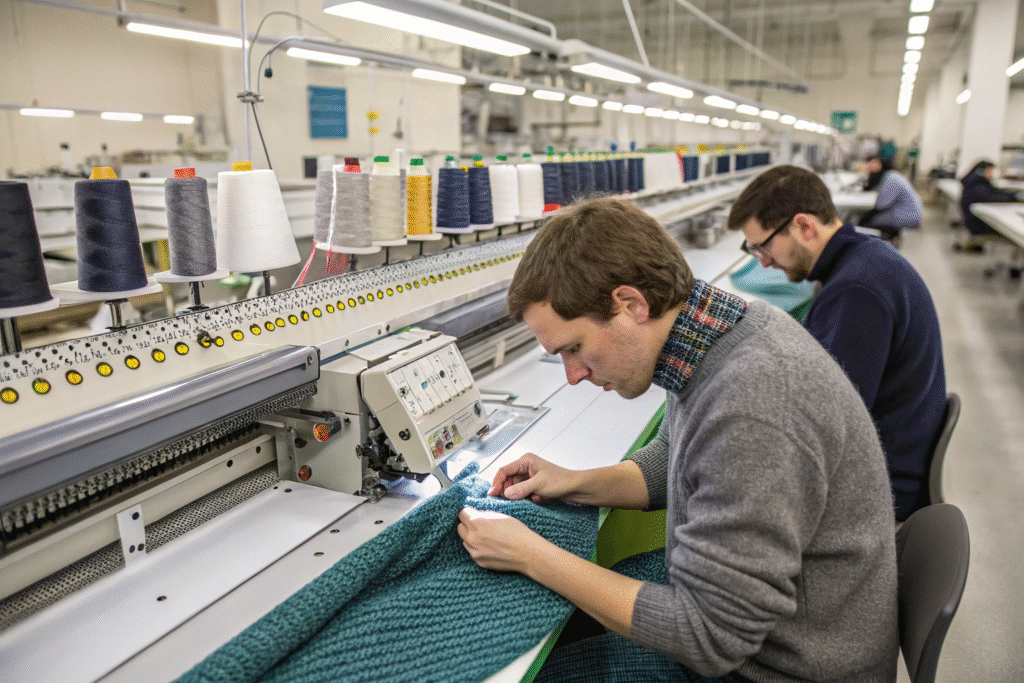
Material selection represents one of the most powerful tools for style improvement in knitted hats. Beyond basic acrylic and wool blends, contemporary materials offer new aesthetic possibilities, tactile experiences, and performance benefits that distinguish premium hats.
Strategic material choices consider not just warmth and comfort but also visual characteristics, drape qualities, and how materials interact with different knitting techniques.
How do yarn variations create distinct style personalities?
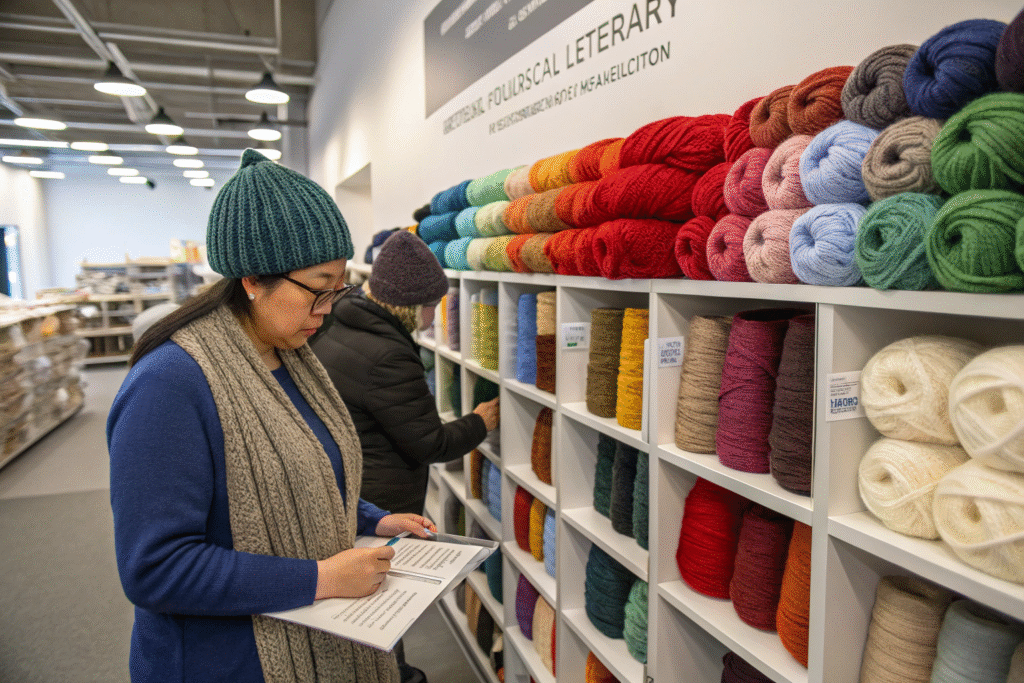
Yarn choice fundamentally determines a hat's character. We've expanded beyond basic yarn types to include specialty yarns with unique properties: mélange yarns that create heathered effects without colorwork, bouclé yarns that produce textured surfaces, metallic-blend yarns that add subtle shine, and tape yarns that create distinctive fabric drape. Our development process includes extensive yarn sampling to understand how different fibers behave when knitted—how they reflect light, how they drape, how textures emerge. This material knowledge allows us to match yarn characteristics to design intentions, ensuring the material enhances rather than fights against the style concept.
What sustainable materials appeal to conscious consumers?
Eco-friendly materials have evolved from niche to mainstream, representing both an ethical choice and a style statement. We've developed sustainable yarn systems incorporating organic cotton, recycled polyester, responsibly sourced wool, and innovative plant-based fibers like Tencel and bamboo. These materials often possess inherent aesthetic qualities—softer luster, distinctive drape, unique texture—that differentiate them from conventional options. Beyond material composition, we consider sustainable production processes like water-saving dye techniques and low-impact finishes. For many contemporary consumers, the story behind materials becomes part of the style appeal, adding value beyond physical appearance.
How do design elements create signature styles?
Thoughtful design details transform generic knitted hats into distinctive fashion accessories. These elements work together to create cohesive style statements that resonate with target consumers while providing practical benefits.
Strategic design development considers proportion, finishing, embellishment, and branding elements as integrated components of the overall style concept.
What role does proportion play in style perception?
Hat proportions dramatically affect both appearance and wearer experience. We've developed proportion systems based on extensive wear-testing with different head shapes and hairstyles. These include various crown depths—from shallow skull-caps to deep slouch styles—and different brim treatments from narrow folded cuffs to wide turn-back styles. For fashion-forward collections, we might introduce asymmetric proportions or unexpected volume distributions that create distinctive silhouettes. The relationship between crown and brim, the hat's overall scale on the head, and how it interacts with hairstyles all contribute to style perception and wearer confidence.
How do finishing details enhance perceived quality?
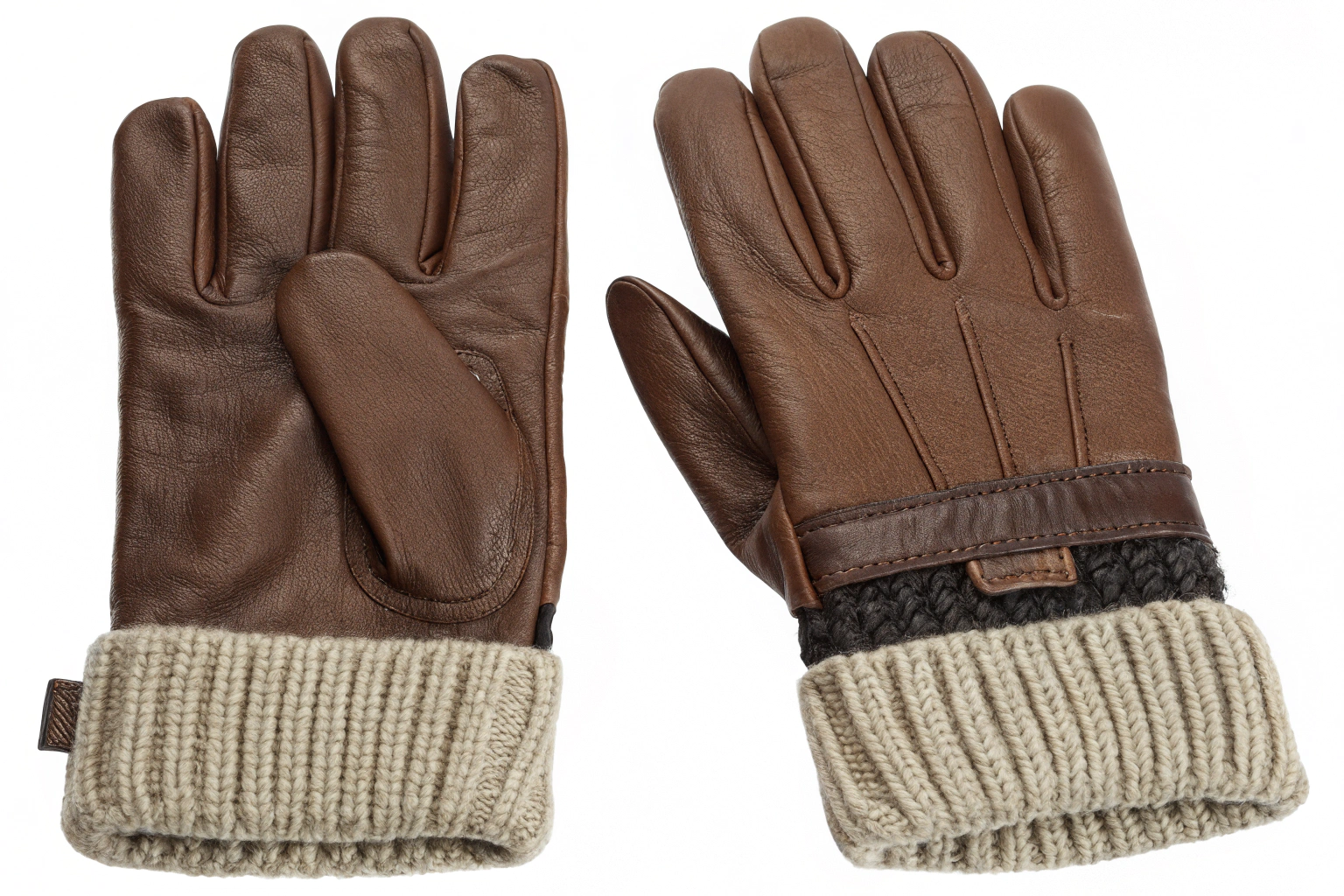
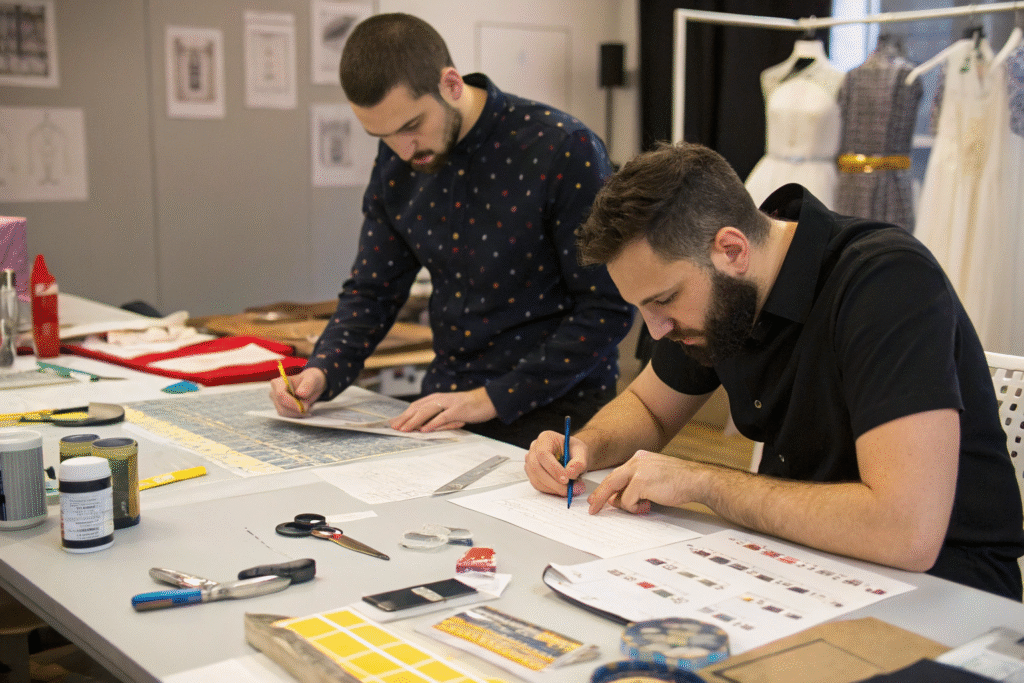
The final touches often determine whether a hat feels mass-produced or carefully crafted. We've implemented elevated finishing techniques including hand-stitched labels, carefully concealed seam treatments, precision pom-pom attachments, and innovative edge finishes. For luxury collections, we might add specialty elements like leather logo patches, custom metal hardware, or hand-embroidered details. These finishing touches signal attention to detail and quality craftsmanship, justifying premium positioning. Even for volume collections, strategic finishing details create style differentiation that helps products stand out in competitive marketplaces.
How can styling versatility increase market appeal?
A hat's style isn't just about how it's made but how it's worn. Designing for multiple wearing options and styling contexts significantly expands a hat's market appeal and perceived value.
Versatile styling possibilities allow consumers to integrate the same hat into different outfits and occasions, increasing wear frequency and purchase justification.
What design features enable multiple wearing styles?
Some hats offer only one way to wear them, limiting their appeal. We design versatile wearing options into our knitted hats through features like reversible construction (different colors/patterns on each side), convertible cuffs that can be worn up or down in multiple ways, and flexible crowns that accommodate different slouch levels. For fashion collections, we might create transformative elements like detachable pom-poms, interchangeable bands, or adjustable volume features. These design innovations give consumers styling choices that make the hat feel like multiple accessories in one, significantly enhancing perceived value and purchase appeal.
How does color strategy enhance styling flexibility?
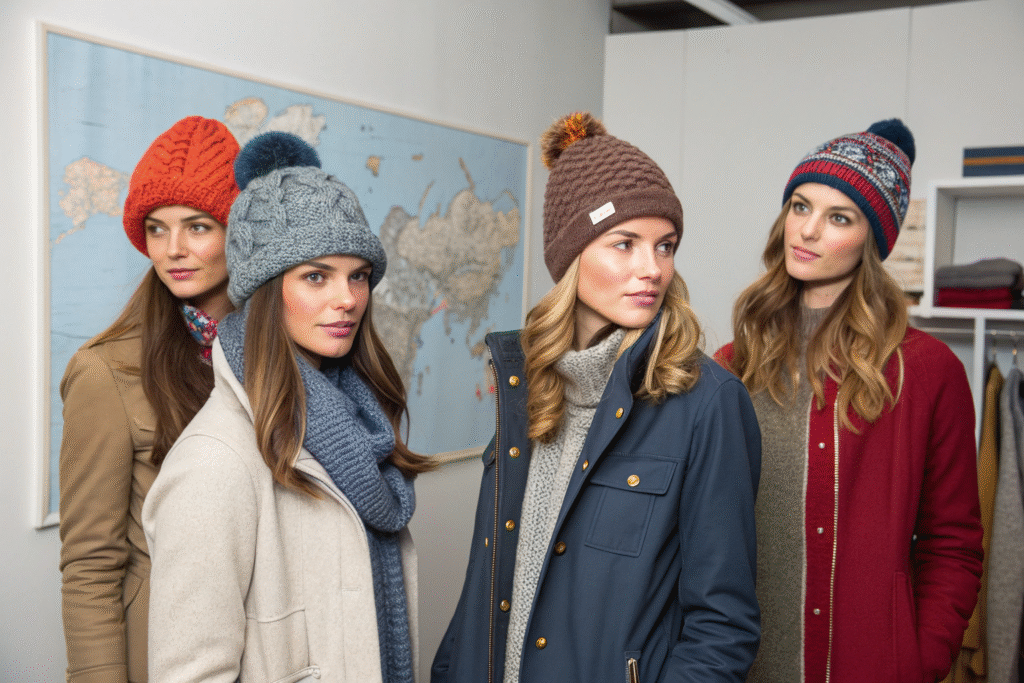
Color significantly affects how easily a hat integrates into existing wardrobes and different occasions. We develop strategic color palettes that balance fashion-forward shades with versatile neutrals. Our approach includes creating color systems within collections where multiple hats share coordinating colors, enabling consumers to build hat wardrobes that work together. For maximum versatility, we often design hats with color elements that pick up tones from different parts of the color spectrum, making them compatible with various outfit color schemes. This thoughtful color strategy ensures our hats become go-to accessories rather than occasional wear items.
Conclusion
Improving knitted hat style requires moving beyond basic functionality to consider knitting techniques, material innovations, design details, and styling versatility as interconnected elements of a cohesive style strategy. The most successful hat collections balance fashion-forward elements with practical considerations, creating products that consumers love to wear while feeling confident and stylish. Companies that approach style improvement systematically, rather than through superficial decoration, develop distinctive product identities that stand out in crowded marketplaces and build lasting brand loyalty.
If you're looking to elevate your knitted hat styles through technical innovation, material selection, and strategic design, we invite you to contact our Business Director, Elaine. Our integrated approach to hat development has helped numerous brands transform their headwear collections from basic necessities to fashion statements. Reach her at: elaine@fumaoclothing.com.