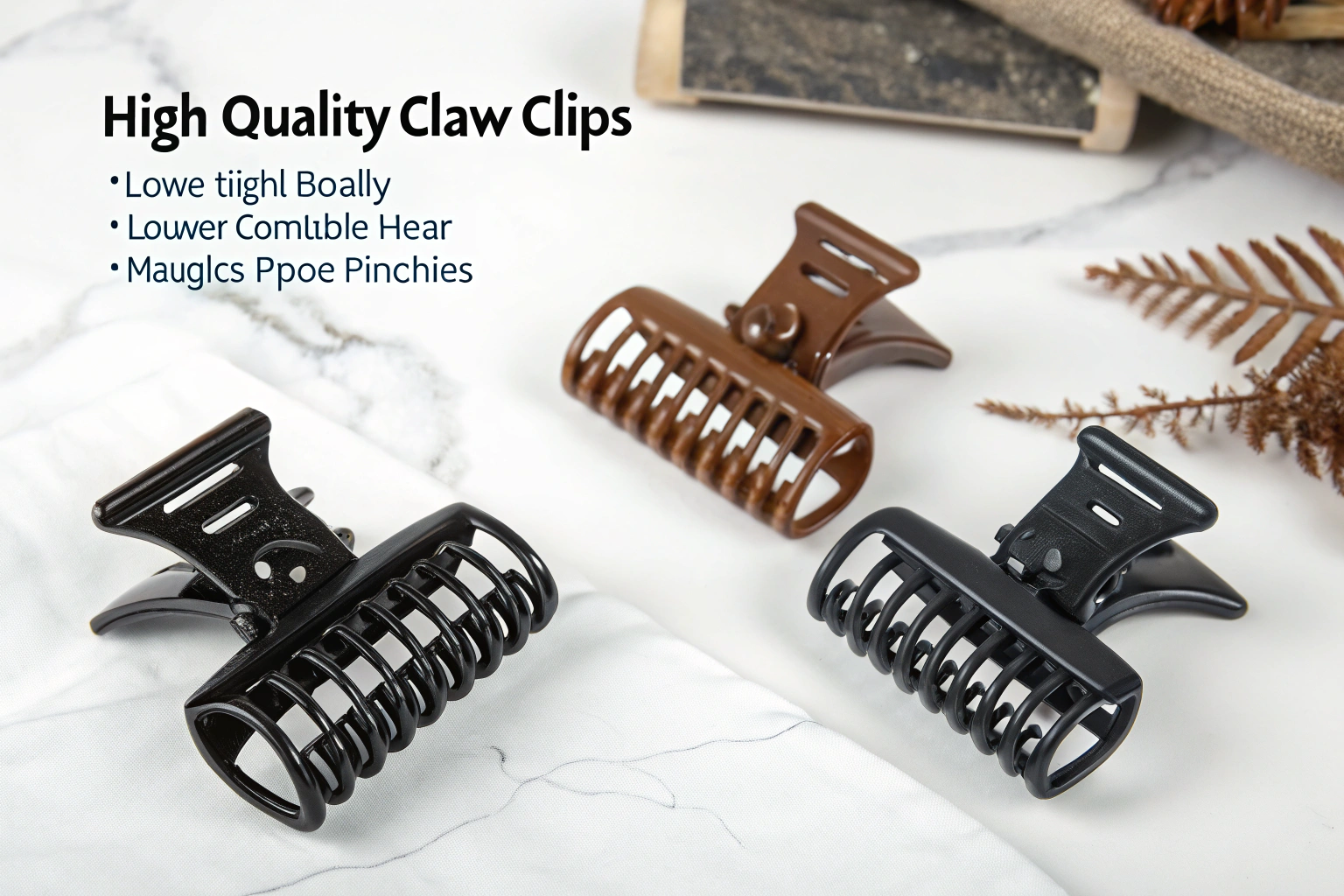
Claw clips have made a major fashion comeback, but quality issues plague many products on the market. From broken teeth and weak springs to uncomfortable designs and poor finishes, these problems frustrate consumers and damage brand reputations. Through our extensive manufacturing experience and quality testing, we've identified systematic approaches to significantly improving claw clip quality across all price points.
Improving claw clip quality requires addressing material integrity, mechanical function, ergonomic design, and finishing details through rigorous testing, precision manufacturing, and continuous improvement processes.This comprehensive approach ensures clips not only look better but also perform reliably through extended daily use.
Quality improvement must be holistic, addressing both visible aesthetics and hidden functional elements. Let's examine the specific strategies that can elevate your claw clip quality to exceed consumer expectations.
How can material selection prevent common failures?
Material choice fundamentally determines claw clip durability and performance. Many quality issues stem from inappropriate material selection that prioritizes low cost over long-term functionality and user satisfaction.
Strategic material specification combines mechanical properties, aesthetic requirements, and cost considerations to select options that withstand daily use while maintaining appearance.
What polymer properties ensure teeth durability?
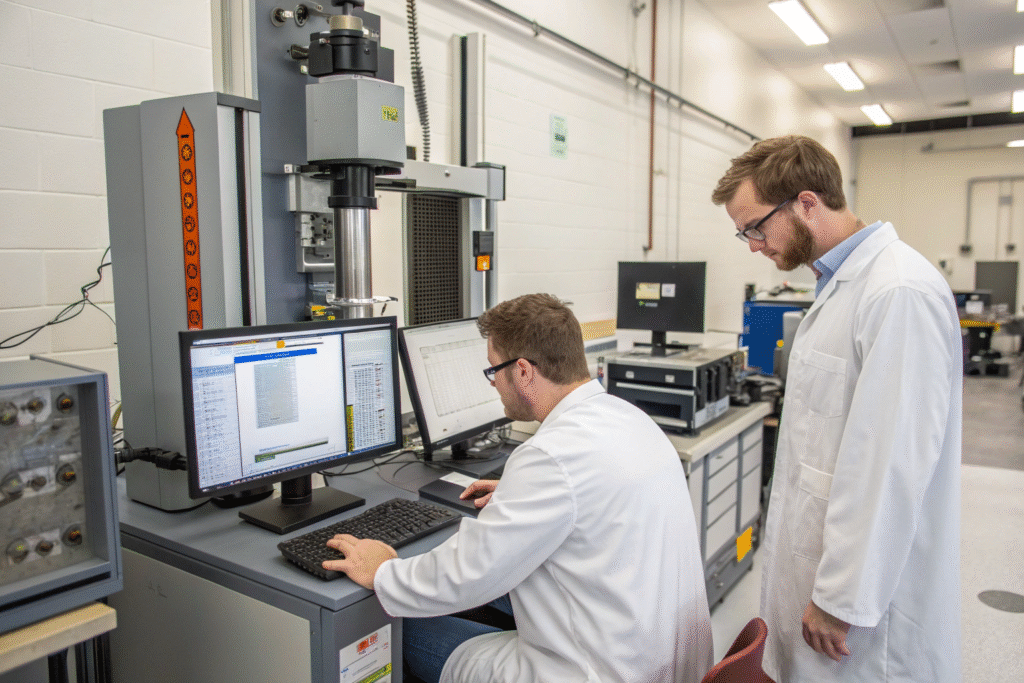
Claw clip teeth represent the most common failure point, often breaking during use or snagging hair. We've developed polymer selection criteria that prioritize impact resistance, flexibility recovery, and surface smoothness. Our quality team tests candidate materials using standardized stress tests that simulate repeated opening/closing cycles and accidental drops. The optimal polymers maintain slight flexibility to prevent brittle fracture while being rigid enough to hold hair securely. We've found that fiber-reinforced polymers in critical stress areas significantly reduce breakage rates while adding minimal cost. Material selection also considers environmental factors like UV resistance to prevent degradation and color fading over time.
How does spring material affect long-term function?
The spring mechanism determines how a claw clip feels and performs over time. We specify precision spring steel with specific tempering treatments that provide consistent tension through thousands of cycles. Our spring testing includes fatigue resistance evaluation that simulates years of use within accelerated testing periods. For higher-end clips, we use corrosion-resistant coatings that prevent rust formation which can stain hair or weaken the spring. The spring attachment method is equally important—we've developed secure anchoring systems that prevent spring dislocation, a common failure in cheap clips. Proper spring selection and installation ensures the clip maintains perfect tension throughout its lifespan.
What manufacturing precision enhances reliability?
Even with perfect materials, poor manufacturing creates quality issues. Precision processes ensure consistent quality across production runs while minimizing variations that lead to functional problems or aesthetic defects.
Tight manufacturing tolerances, proper tool maintenance, and systematic quality checks during production prevent the small variations that compromise user experience.
How does injection molding precision prevent issues?
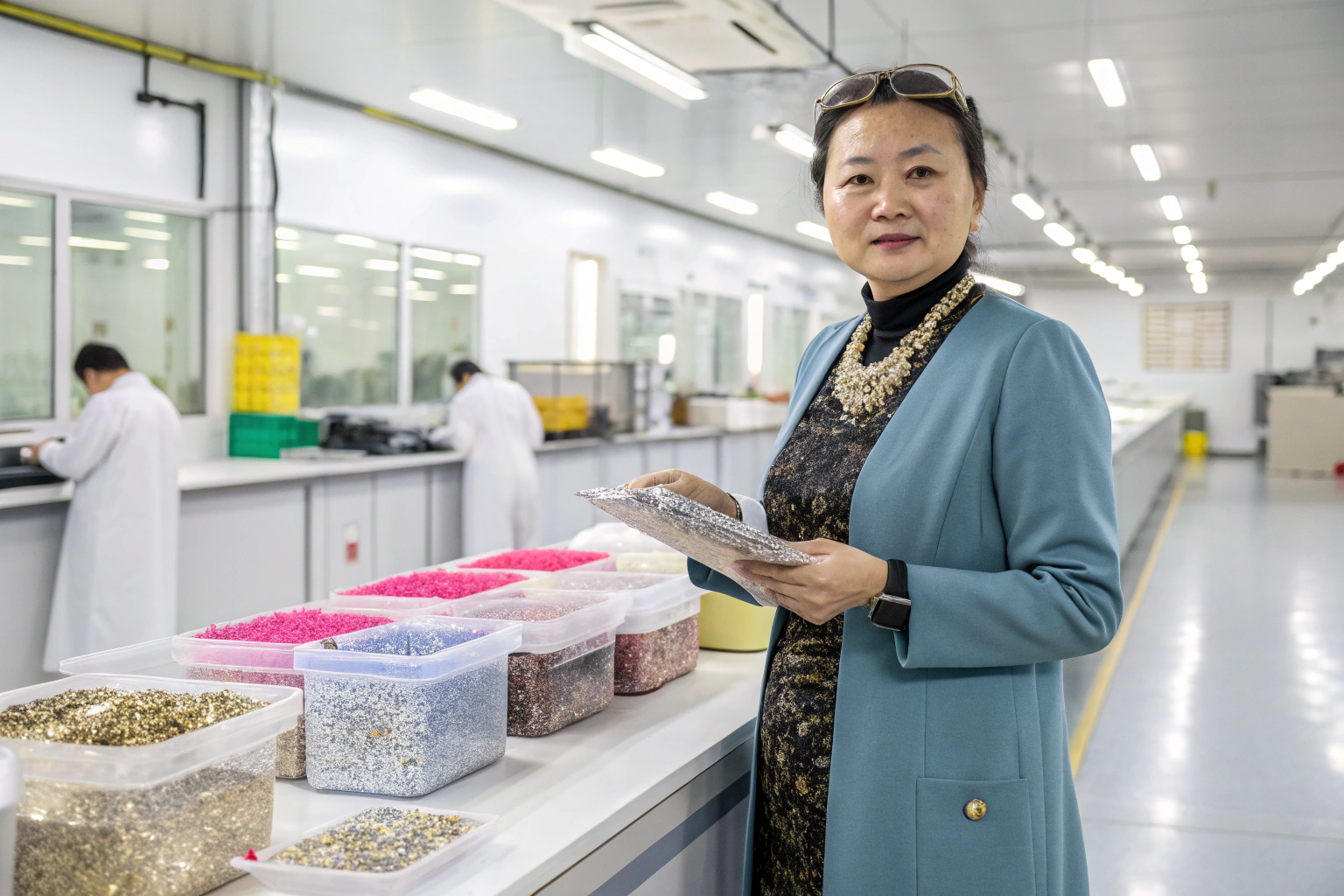
Most claw clips are injection molded, making mold quality and process control critical. We maintain precision mold manufacturing with tight tolerances that prevent flash (excess material), sink marks, and short shots (incomplete filling). Our molding technicians monitor critical process parameters including temperature, pressure, and cooling rates that affect part quality. For multi-material clips, we use overmolding techniques that combine rigid structural elements with soft-touch surfaces without weak bonding lines. Regular mold maintenance and cleaning prevents the gradual quality degradation that often occurs in high-volume production. This attention to molding precision ensures every clip meets dimensional specifications and aesthetic standards.
Why is assembly consistency crucial for function?
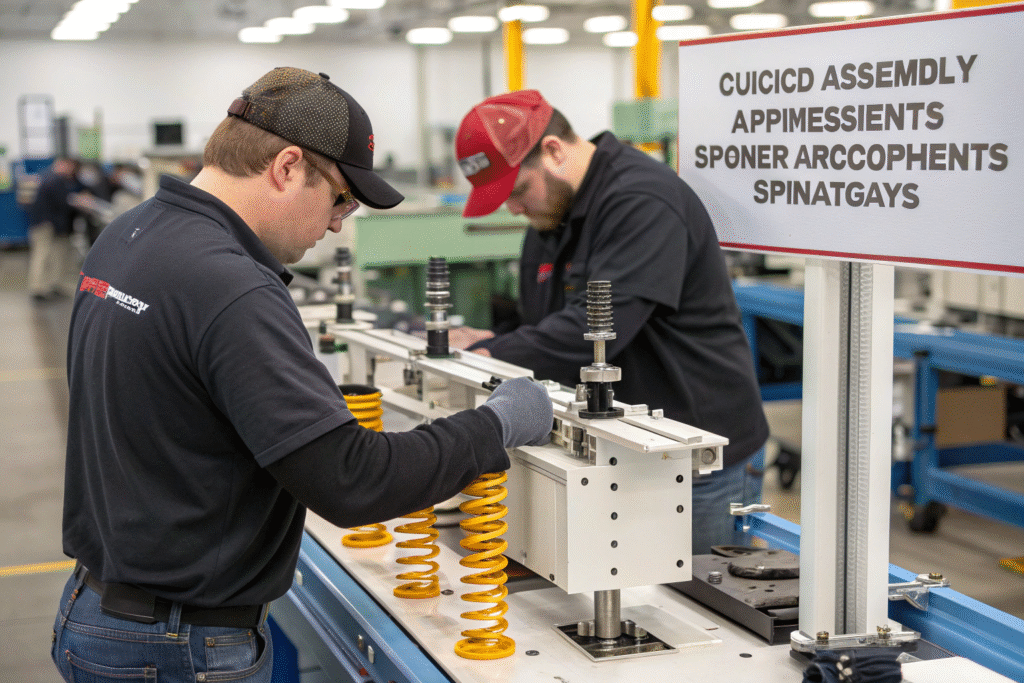
Proper assembly ensures all components work together harmoniously. We've implemented guided assembly processes that ensure consistent spring tension, proper hinge alignment, and secure component engagement. Our assembly stations include go/no-go gauges that verify critical dimensions before clips proceed to packaging. For clips with decorative elements, we've developed precision attachment methods that secure decorations without compromising structural integrity. This systematic approach to assembly prevents the functional inconsistencies that frustrate users—like clips that are too tight or loose, don't close completely, or have misaligned teeth that snag hair.
How can ergonomic design improve user experience?
Comfort and usability significantly influence perceived quality. Claw clips that feel uncomfortable, are difficult to operate, or don't hold hair securely are often abandoned regardless of their durability.
Human-centered design principles applied to claw clips create products that feel better to use while performing their function more effectively.
What contouring enhancements increase comfort?
Many claw clips create pressure points or feel bulky when worn. Our design team uses ergonomic mapping to identify areas where contouring improvements can enhance comfort. This includes scalloped interior surfaces that reduce pressure on the scalp, rounded external edges that prevent snagging on clothing or bags, and tapered profiles that sit flatter against the head. We conduct wear testing with different hair types and volumes to validate comfort improvements across diverse user profiles. The goal is creating clips that users forget they're wearing—comfortable enough for all-day use while secure enough for active lifestyles.
How do opening mechanisms affect usability?
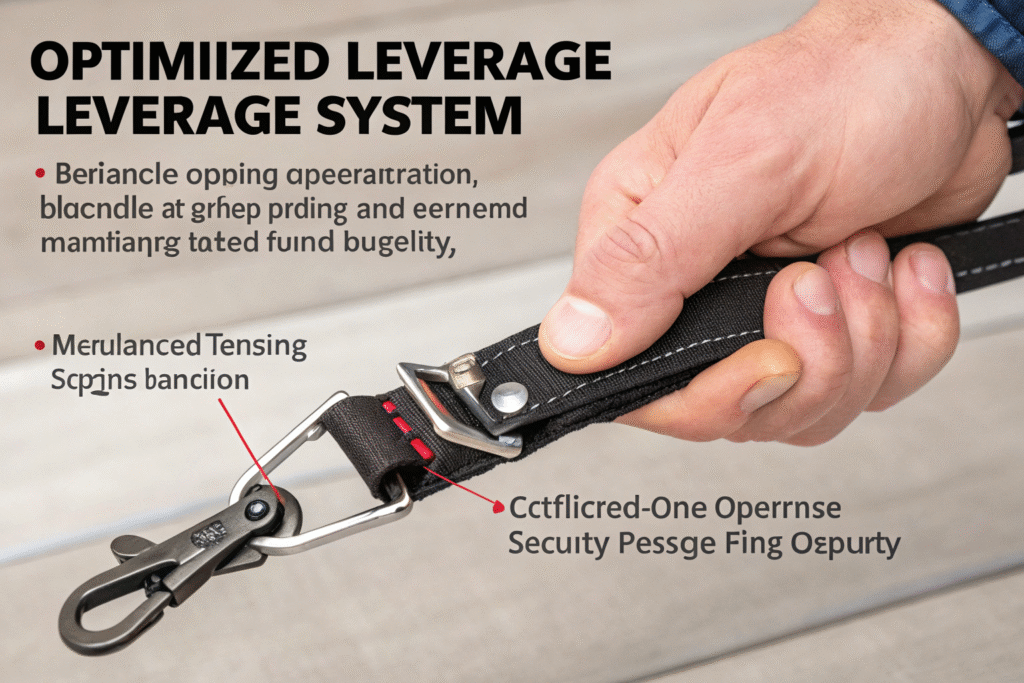
Effortless operation significantly enhances user satisfaction. We've engineered optimized leverage systems that make clips easy to open with one hand while maintaining secure hold. Our mechanisms balance spring tension with mechanical advantage to require minimal finger pressure without compromising security. For users with limited hand strength or mobility issues, we've developed assisted opening features that reduce required force. The opening experience is thoroughly tested across demographic groups to ensure accessibility and ease of use. A clip that operates smoothly and intuitively feels higher quality regardless of its material cost.
What finishing processes enhance aesthetic quality?
Surface finishes and final details significantly influence perceived quality and brand perception. Poor finishes make products appear cheap regardless of their functional performance, while refined finishes communicate care and attention to detail.
Comprehensive finishing processes address visual appeal, tactile experience, and durability of surface treatments to create products that feel premium from first touch.
How do surface treatments improve appearance and feel?
Basic molded surfaces often look and feel inexpensive. We've implemented advanced finishing techniques including velvet-soft coatings that provide luxurious tactile experience, pearlized effects that create depth and richness, and precision polishing that eliminates mold lines and surface imperfections. For metallic finishes, we use physical vapor deposition (PVD) coatings that provide durable metallic appearance without plating wear-off. These surface treatments not only enhance aesthetics but also provide functional benefits like improved grip and fingerprint resistance. The result is clips that feel substantial and premium in hand, justifying higher price points through enhanced perception.
Why are edge details critical for quality impression?
Edges and parting lines often reveal manufacturing quality level. We've developed precision edge treatment processes that eliminate sharp edges, visible parting lines, and gate marks (where material enters the mold). Our techniques include secondary edge radiusing that smooths all contact surfaces, laser etching for crisp logos without surface depression, and selective texturing that hides inevitable manufacturing痕迹 while providing visual interest. These refined edge details may seem minor but significantly influence whether consumers perceive the clip as cheap or quality. Consistent attention to these finishing elements across production runs demonstrates manufacturing discipline that consumers associate with reliability.

Conclusion
Improving claw clip quality requires addressing multiple dimensions simultaneously—material integrity, manufacturing precision, ergonomic design, and refined finishing. The most successful quality improvements enhance both functional performance and aesthetic appeal, creating products that delight users while withstanding daily use. Companies that systematically address these quality factors build brand reputation for reliability that justifies premium positioning and fosters customer loyalty.
If you're looking to significantly improve your claw clip quality through material science, precision manufacturing, and human-centered design, we invite you to contact our Business Director, Elaine. Our comprehensive approach to quality enhancement has helped numerous brands transform this essential accessory category with products that exceed consumer expectations. Reach her at: elaine@fumaoclothing.com.