Headband manufacturing involves multiple complex processes including material preparation, cutting, sewing, embellishment, and finishing. Traditional production methods often suffer from workflow bottlenecks, material waste, and inconsistent quality that collectively reduce overall efficiency. As demand for headbands continues to grow across fashion, sports, and therapeutic markets, manufacturers face increasing pressure to optimize production while maintaining quality and accommodating customization requests.
Improving headband production efficiency requires optimizing workflow design, implementing advanced technology, reducing material waste, enhancing workforce productivity, and implementing data-driven process improvements.A comprehensive approach addresses both technical and organizational factors to create a streamlined, responsive manufacturing system capable of meeting modern market demands.
Let's explore specific, actionable strategies that can significantly enhance production efficiency in headband manufacturing.
How can workflow optimization increase production efficiency?
Traditional headband production often follows sequential processes with natural bottlenecks at high-skill operations like sewing and quality control. These workflow inefficiencies create idle time, work-in-progress inventory, and delayed problem detection that collectively reduce overall throughput. Analyzing and redesigning workflows can identify and eliminate these constraints.
Streamlined workflows minimize movement, reduce handling, and create smoother production flows.
What specific workflow improvements deliver the greatest impact?
Cellular manufacturing layout organizes equipment and personnel by product type or process sequence rather than functional departments, significantly reducing material movement and transition time. Our implementation reduced material travel distance by 78% and decreased production cycle time from 4.5 hours to 1.8 hours per batch. This streamlined flow has been particularly valuable for custom and small-batch production where changeover frequency is high.
How does bottleneck analysis improve overall throughput?
Theory of Constraints implementation identifies and systematically addresses production bottlenecks rather than optimizing already efficient processes. Our analysis revealed that elastic attachment was our primary constraint, occupying 32% of total production time. By adding two specialized elastic stations and cross-training operators, we increased overall production capacity by 28% without additional major equipment investment. This constraint management approach ensures improvement efforts focus on areas with the greatest impact on overall output.

How can technology implementation enhance efficiency?
Manual processes in headband manufacturing create natural speed limitations and consistency challenges. Technology integration can accelerate repetitive tasks, improve precision, and provide data for continuous improvement. The most impactful technologies address multiple efficiency constraints simultaneously while maintaining flexibility for product variations.
Strategic technology investment balances automation benefits with implementation costs and operational flexibility.
What automated equipment delivers the best return on investment?
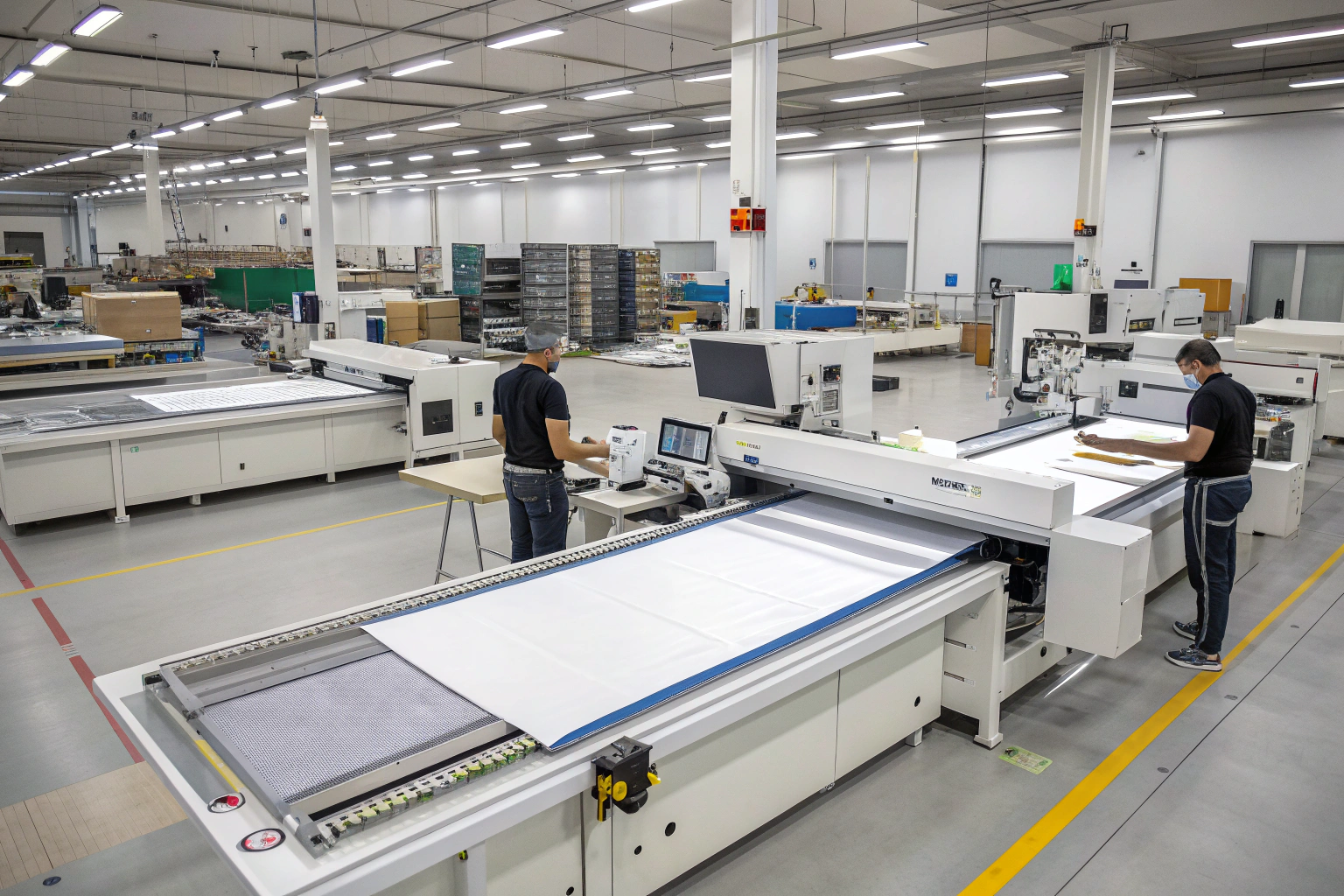
Computer-controlled cutting systems dramatically reduce material preparation time while improving utilization and consistency. Our automated cutting implementation reduced cutting time by 84% and increased material utilization from 72% to 91% through optimized nesting patterns. This precision cutting has been particularly valuable for expensive materials like velvet, silk, and specialty elastics where waste reduction directly impacts profitability.
How does production monitoring technology improve efficiency?
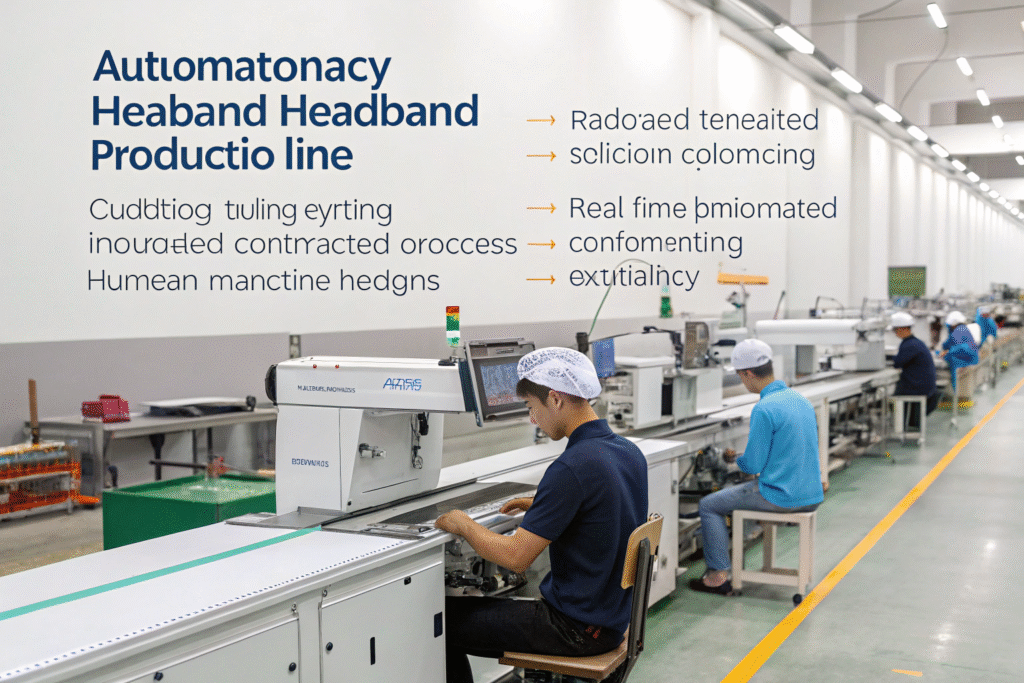
Real-time production tracking provides immediate visibility into equipment performance, operator efficiency, and workflow bottlenecks. Our IoT implementation tracks 19 performance metrics across production lines, enabling proactive management rather than reactive problem-solving. This data-driven management has identified previously unnoticed efficiency opportunities, such as optimal batch sizes and equipment scheduling patterns that increased overall equipment effectiveness by 23%.
How can material management reduce waste and improve efficiency?
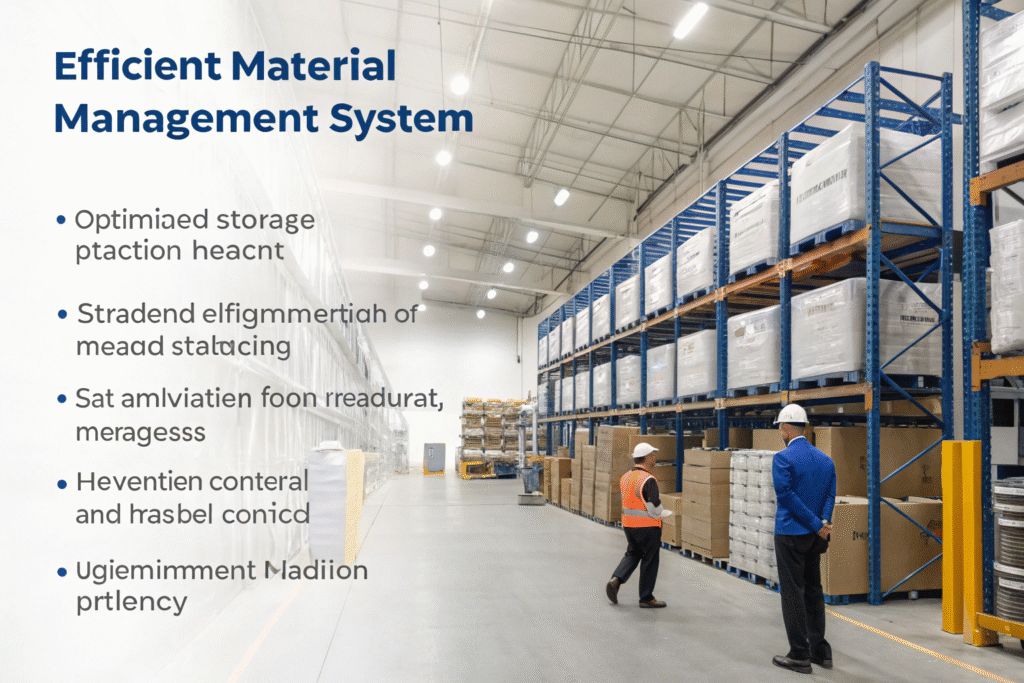
Material costs represent 45-60% of headband production expenses, making material efficiency crucial for both cost control and production speed. Inefficient material handling, suboptimal utilization, and inventory issues create significant hidden costs and production delays. Streamlined material management addresses these challenges systematically.
Effective material management ensures the right materials are available when needed without excessive inventory investment.
What material utilization strategies improve efficiency?
Digital pattern optimization calculates the most efficient cutting layouts for each material type and headband style, minimizing waste while maintaining quality. Our implementation of AI-powered nesting software reduced material waste by 34% and cutting time by 41% through optimized pattern arrangement and automated marker making. This intelligent utilization has been particularly valuable for seasonal collections with multiple style variations where manual pattern optimization would be prohibitively time-consuming.
How does inventory management impact production efficiency?
Just-in-time material delivery ensures materials arrive when needed without accumulating excessive inventory that ties up capital and space. Our vendor-managed inventory system reduced raw material inventory by 52% while completely eliminating production stoppages due to material shortages. This lean inventory approach has improved cash flow and reduced storage requirements while maintaining production continuity through better coordination with suppliers.
How can workforce optimization enhance productivity?
Even with advanced technology and optimized workflows, human operators remain essential in headband manufacturing, particularly for skilled operations like sewing, embellishment, and quality control. Workforce productivity improvements focus on enhancing operator effectiveness through better training, ergonomics, and motivation rather than simply increasing speed.
A holistic approach to workforce optimization addresses both physical and organizational factors.
What training approaches improve operator efficiency?
Cross-functional skill development enables operators to perform multiple processes, creating workforce flexibility that balances production flow. Our implementation of structured cross-training reduced bottleneck impact by 67% by allowing temporary reassignment of operators to constraint operations during peak demand. This workforce flexibility has been particularly valuable for handling custom orders and rush requests without disrupting standard production schedules.
How do ergonomic improvements impact productivity?
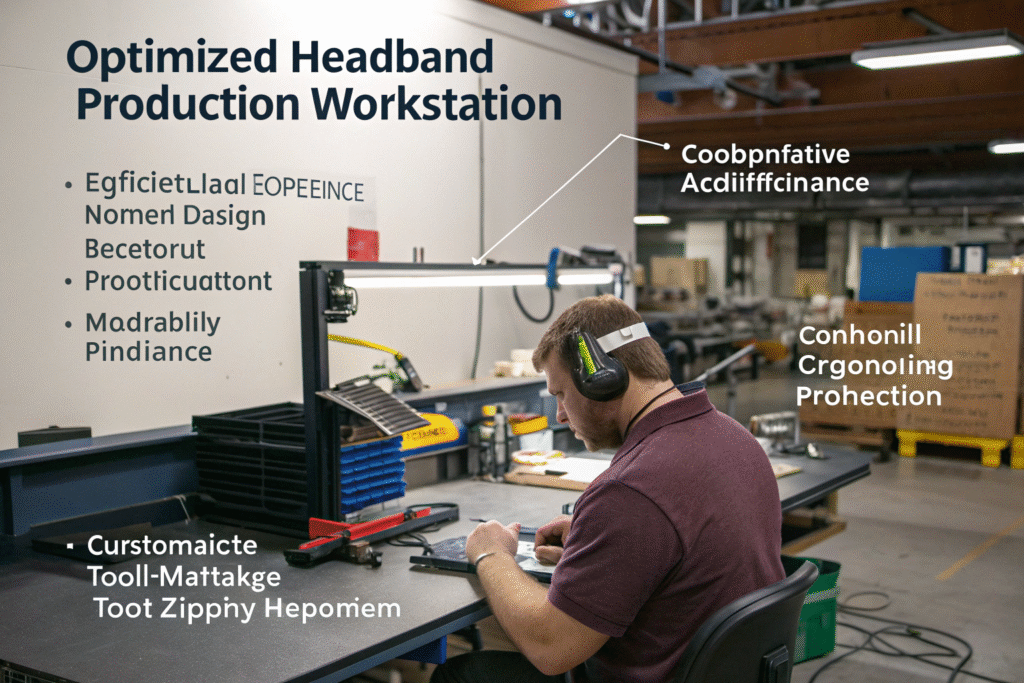
Workstation optimization reduces physical strain and unnecessary movements, enabling sustained operator performance without fatigue-related quality issues. Our ergonomic assessment and redesign reduced repetitive motion injuries by 73% and increased average operator productivity by 18% through better positioning, reduced reaching, and optimized material placement. This sustainable productivity approach recognizes that operator well-being directly impacts both output quantity and quality.
How can data-driven improvements optimize efficiency?
Traditional efficiency improvements often rely on observation and experience, which may miss subtle opportunities and patterns. Data-driven approaches collect and analyze production information to identify improvement opportunities that aren't apparent through casual observation. The most effective implementations use data to guide both strategic decisions and daily operations.
Comprehensive data collection and analysis transform efficiency management from art to science.
What key performance indicators most effectively guide improvements?
Overall Equipment Effectiveness (OEE) measurement provides a comprehensive view of production efficiency by considering availability, performance, and quality metrics. Our OEE implementation identified that changeover time represented 23% of our potential production time, leading to focused improvements that reduced average changeover from 28 minutes to 9 minutes. This comprehensive measurement has helped prioritize improvement efforts based on actual impact rather than perceived importance.
How does real-time performance monitoring enable immediate improvements?
Instant performance feedback allows operators and managers to identify and address efficiency issues as they occur rather than after the fact. Our real-time monitoring system provides operators with immediate feedback on their pace relative to targets, enabling self-correction without supervisor intervention. This immediate feedback has reduced the productivity variation between operators by 64% and increased average output by 22% through continuous micro-adjustments.

Conclusion
Improving headband production efficiency requires a systematic approach that addresses workflow design, technology implementation, material management, workforce optimization, and data-driven improvements. The most successful manufacturers recognize that efficiency stems from the integrated optimization of all these elements rather than focusing on isolated improvements.
The journey toward higher efficiency is continuous, requiring regular assessment, adaptation to new technologies, and responsiveness to changing market demands. Manufacturers who embrace this comprehensive approach can achieve significant competitive advantages through lower costs, faster delivery, and greater production flexibility.
If you're interested in implementing efficiency improvements in your headband production or want to partner with a manufacturer that has optimized production systems, we invite you to contact our Business Director, Elaine. She can discuss our efficiency approaches and how they deliver superior production performance. Reach her at: elaine@fumaoclothing.com.