I have been manufacturing accessories for over 15 years. In that time, I have been on both sides of quality disputes. As a manufacturer, I have had buyers reject shipments. As a partner, I have helped buyers resolve issues. I remember a client who received a shipment of belts. The color was wrong. She was furious. She called me, shouting. I listened. I asked for photos. I saw the problem. The factory had used the wrong dye lot. We replaced the belts. The client calmed down. That experience taught me that quality disputes are not the end. They are a test of the relationship. Today, I want to share how to handle a quality dispute with your accessory manufacturer.
To handle a quality dispute with your accessory manufacturer, stay calm, gather evidence, refer to your agreement, communicate clearly, and work toward a solution. First, stay calm. Anger will not solve the problem. Second, gather evidence. Take photos. Keep samples. Document the issue. Third, refer to your quality agreement. What are the specifications? What is the AQL level? Fourth, communicate clearly. Explain the problem. Provide evidence. Be specific. Fifth, work toward a solution. Rework. Replacement. Discount. The goal is to resolve the dispute while preserving the relationship. A good manufacturer will work with you.
You might be thinking, "The manufacturer made a mistake. They should fix it." Yes, they should. But how you handle the dispute affects the outcome. If you are angry and accusatory, the manufacturer may become defensive. If you are calm and factual, they are more likely to help. At Shanghai Fumao, we have resolved many disputes. We have learned what works. Let me walk you through the steps.
Why Is It Important to Stay Calm?
Anger is natural. But it is not productive. I have seen clients who shouted at their suppliers. The suppliers stopped responding. The problem got worse. Staying calm is a strategy.
Staying calm is the first step in handling a quality dispute. When you are angry, you may say things you regret. You may damage the relationship. The manufacturer may become defensive. They may stop communicating. Instead, take a breath. Remind yourself that the goal is to solve the problem, not to assign blame. A calm, professional approach is more effective. The manufacturer will be more willing to help.
I want to share a story about staying calm. A client received a defective shipment. She called me, furious. I listened. I apologized. I asked for photos. She calmed down. We resolved the issue. If she had continued shouting, the conversation would have ended.

What Should You Do Before Contacting the Manufacturer?
Take a moment. Breathe. Write down the facts. What is the problem? What is the evidence? What do you want as a solution? Being prepared helps you stay calm.
How Do You Communicate Calmly?
Use "I" statements. "I received the shipment. I noticed a problem." Avoid "you" statements. "You sent me defective goods." Stay factual. Describe the issue. Provide evidence.
How Do You Gather Evidence?
Evidence is your best friend. Without evidence, it is your word against theirs. I have learned to document everything.
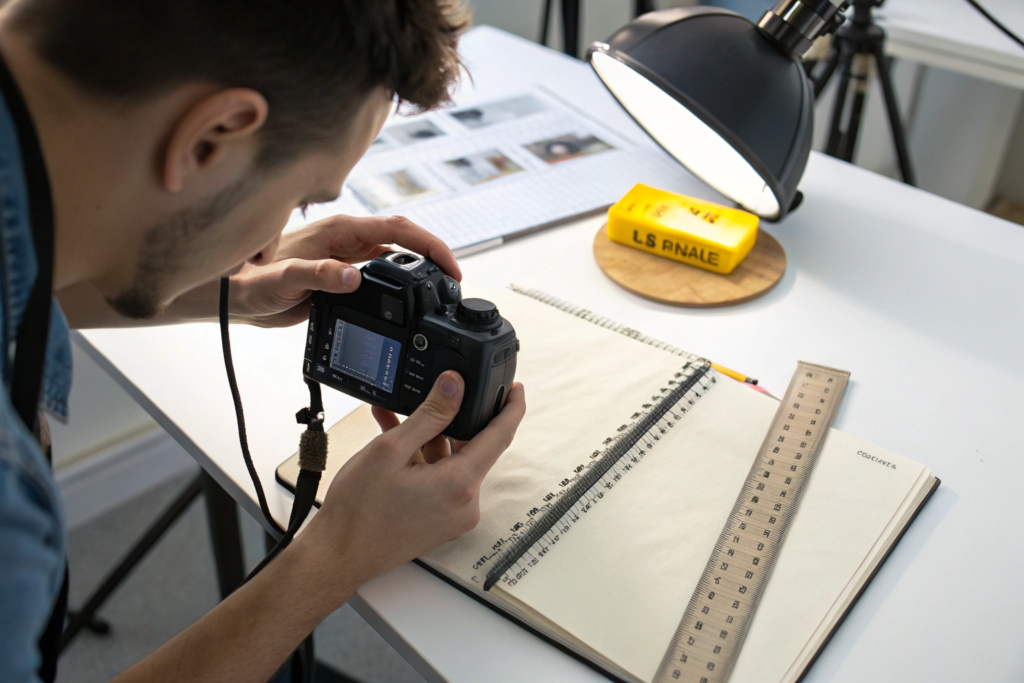
Gather evidence before contacting the manufacturer. Take photos of the defect. Use a ruler to show scale. Take photos in good lighting. Take videos if helpful. Keep a sample of the defective product. Do not throw it away. Keep the original packaging. Keep the shipping documents. Write down the date you received the shipment. Write down the batch number. The more evidence you have, the stronger your case.
I want to share a story about evidence. A client complained about a color mismatch. He had no photos. He had no sample. The manufacturer asked for proof. The client could not provide it. The dispute was not resolved. Now, he always takes photos.
What Should You Photograph?
Capture the defect from every conceivable angle, ensuring no shadow or crevice hides its true form—tilt the camera, zoom in to reveal the texture of the flaw, and snap from above, below, and beside to document its full extent. Place the flawed product alongside the approved sample, side by side, so their differences scream out in stark contrast; let the pristine sample glow softly in the light, its smooth surfaces reflecting a clean, unbroken sheen, while the defective item bears the marks of imperfection, its edges rough or its color off-kilter. Photograph the packaging with care, from the crisp folds of the cardboard to the faint scent of fresh ink on the print, ensuring every tear, smudge, or misalignment is visible. Snap a close-up of the shipping label, its barcode crisp and clear, the address and tracking number legible, capturing the weight of responsibility in that small, vital piece of paper. The more photos you take, the better—the richer the story, the clearer the evidence, the more vivid the truth becomes, each image a brushstroke painting a complete picture of the situation.
How Do You Document the Issue?
The belt buckle hangs loosely, its metal clasp slipping easily from the belt loop, failing to fasten securely—a frustrating gap of nearly 0.2 inches between the prongs, leaving the belt to sag and shift with every movement. The color is noticeably off; the approved sample specified Pantone 123C, a rich, warm terracotta with undertones of burnt sienna, but the delivered product bears Pantone 456C, a dull, ashen gray-blue that lacks vibrancy and depth, appearing lifeless under even soft lighting. The mismatch is stark, the intended warmth replaced by a cool, uninviting hue that clashes with the original vision.
How Do You Refer to Your Quality Agreement?
Your quality agreement is your contract. It defines the standards. I have learned to always have a written agreement.
Refer to your quality agreement when discussing the dispute. What are the specifications? What is the AQL level? What is the defect classification? The agreement should state what is acceptable and what is not. If the defect is outside the agreed limits, you have a case. If the defect is within the limits, you may not. The agreement protects both parties. It prevents disputes. If you do not have a written agreement, you are relying on trust. Trust is good. But a written agreement is better.
I want to share a story about an agreement. A client rejected a shipment for minor scratches. The agreement allowed a certain number of minor scratches. The client had not read the agreement. The manufacturer pointed to the clause. The client accepted the shipment. The agreement prevented a dispute.

What Should Be in a Quality Agreement?
Specifications. Dimensions, materials, colors. AQL levels. Defect classifications. Inspection process. Remedies. A quality agreement template is essential.
What If You Do Not Have an Agreement?
Without a solid agreement in place, you find yourself standing on shaky ground, a silent underdog in the shadows of potential conflict. The air feels heavy with uncertainty, each unspoken word a potential spark for discord. In such moments, the path of least resistance is to seek harmony, to bridge the chasm between differing viewpoints with a gentle hand and an open heart. Offer a compromise that glimmers like a shared light, one that honors both sides' needs and aspirations, turning tension into a tapestry of mutual respect. Let this experience be a teacher, its lessons etched into your memory like the faint scent of rain after a storm—subtle, but forever present. From this crucible of negotiation, forge an agreement not just as a document, but as a living promise, a sturdy foundation upon which future orders will be built. This pact, born from understanding and compromise, will glow with the warmth of trust, guiding your interactions forward with clarity and confidence, ensuring that the next chapter unfolds with the smoothness of a well-worn path.
How Do You Communicate Clearly with the Manufacturer?
Clear communication prevents misunderstandings. I have learned to be specific. To provide evidence. To propose a solution.
When communicating with the manufacturer, be clear and specific. State the problem. "The color of the delivered belts does not match the approved sample." Provide evidence. Attach photos. Include measurements. State what you want. "I request a replacement of the defective belts." Set a deadline. "Please respond within 3 days." Keep a record of all communication. Emails are better than phone calls. They create a paper trail. If you must call, follow up with an email summarizing the conversation.
I want to share a story about clear communication. A client sent a vague email: "The belts are bad." The manufacturer did not know what was wrong. The client sent photos and a description. "The buckle is loose on 20% of the belts." The manufacturer understood. They offered a solution.

Should You Call or Email?
Email is better. It weaves a tangible, written record that lingers in the digital ether, a silent witness to every exchange. If you make a call, let its fleeting words dissolve into the background hum of daily life—then follow up with an email. 'As per our call, we agreed to...'—those carefully crafted words materialize on the screen, crisp and unambiguous, transforming ephemeral voices into concrete commitments. This documents the conversation, not just as a series of spoken phrases, but as a living, breathing agreement etched in pixels, ensuring clarity, accountability, and a warm sense of reliability that transcends the momentary rush of a phone call.
What Tone Should You Use?
Professional. Calm. Factual. Do not use angry language. Do not make threats. The goal is to solve the problem, not to win an argument. Approach each situation with a steady demeanor, your voice measured and clear, like a gentle current guiding a ship through calm waters. Let your words carry the weight of reason, not the heat of emotion, painting a picture of clarity and purpose. Focus on the task at hand, the solution that lies ahead, and the collaborative effort needed to reach it. Avoid sharp edges and harsh tones; instead, let your communication flow smoothly, fostering understanding and cooperation.
Conclusion
Handling a quality dispute with your accessory manufacturer is a test of the relationship. Stay calm. Gather evidence. Refer to your agreement. Communicate clearly. Work toward a solution. Preserve the relationship.
A dispute does not have to be the end. It can be a learning experience. It can improve the relationship.
At Shanghai Fumao, we are committed to quality. We are committed to our clients. If there is a problem, we will fix it. Your business deserves a manufacturer who stands behind their products. Let us be that manufacturer. Please contact our Business Director, Elaine, at elaine@fumaoclothing.com to discuss your accessory needs. We are committed to quality and transparency.