You’ve identified a beautiful, growing trend. The ruana. It’s not quite a shawl, not quite a poncho. It’s that elegant, open-front wrap with a sophisticated drape and a distinctive slit that creates a flattering, wearable silhouette. You have the vision for a stunning collection in luxurious, sustainable fabrics. You email your trusted shawl manufacturer in China with your concept. The response is hesitant. "This is not standard shawl. Different pattern. Different construction." You realize that what you’re asking for is not just a different size or a different print. It’s a fundamentally different garment structure that requires a shift in their manufacturing mindset. You’re not just sourcing fabric. You’re asking a factory to step outside its comfort zone and make something new.
To successfully get a Chinese shawl manufacturer to produce ruana styles, you must partner with a factory that possesses garment-level pattern making and cut-and-sew capabilities, not just simple rectangular textile finishing. You must provide a detailed tech pack with precise measurements for the body width, length, and, most critically, the placement and length of the front slit. A pre-production sample is absolutely essential to validate the drape and the unique construction of the arm opening.
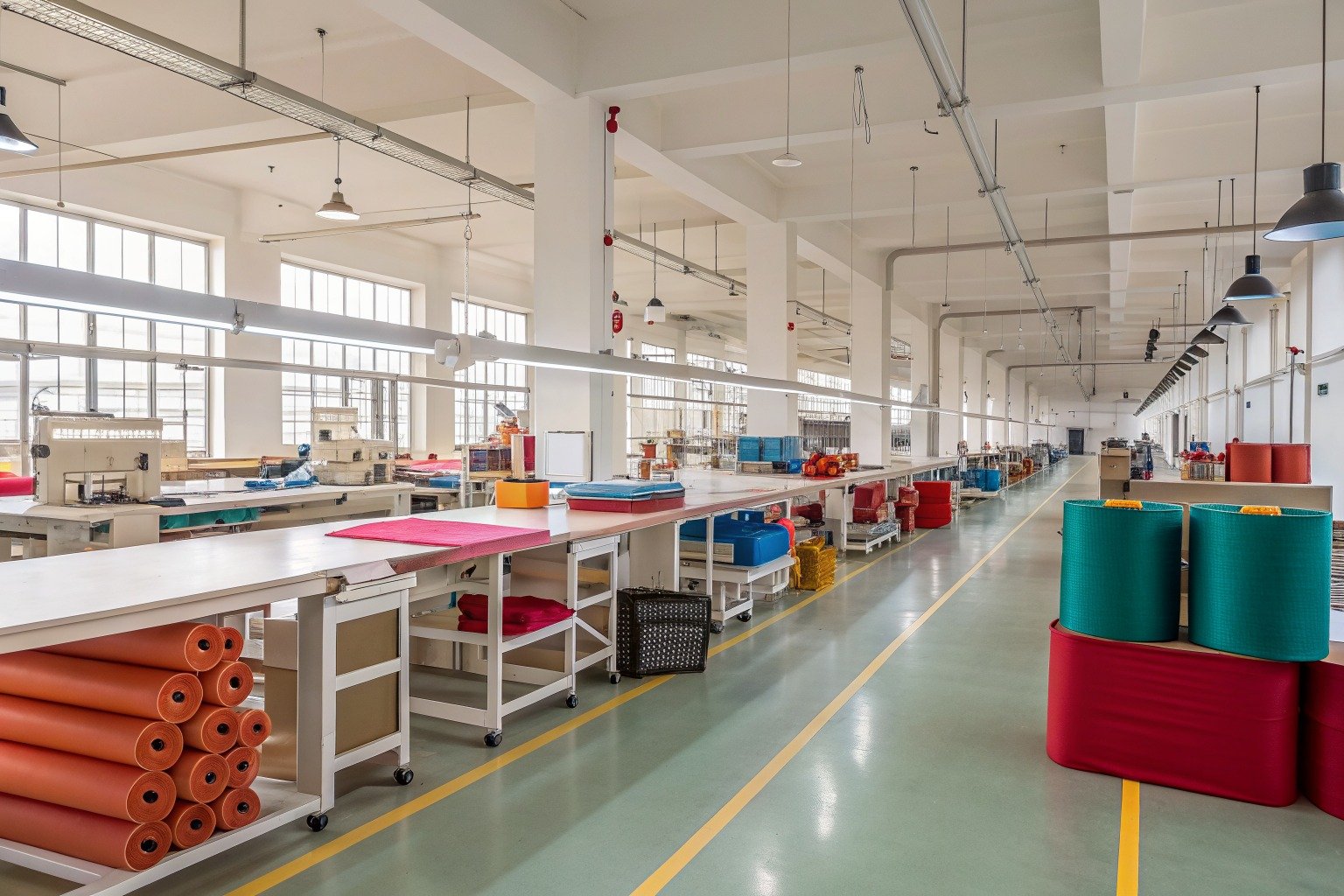
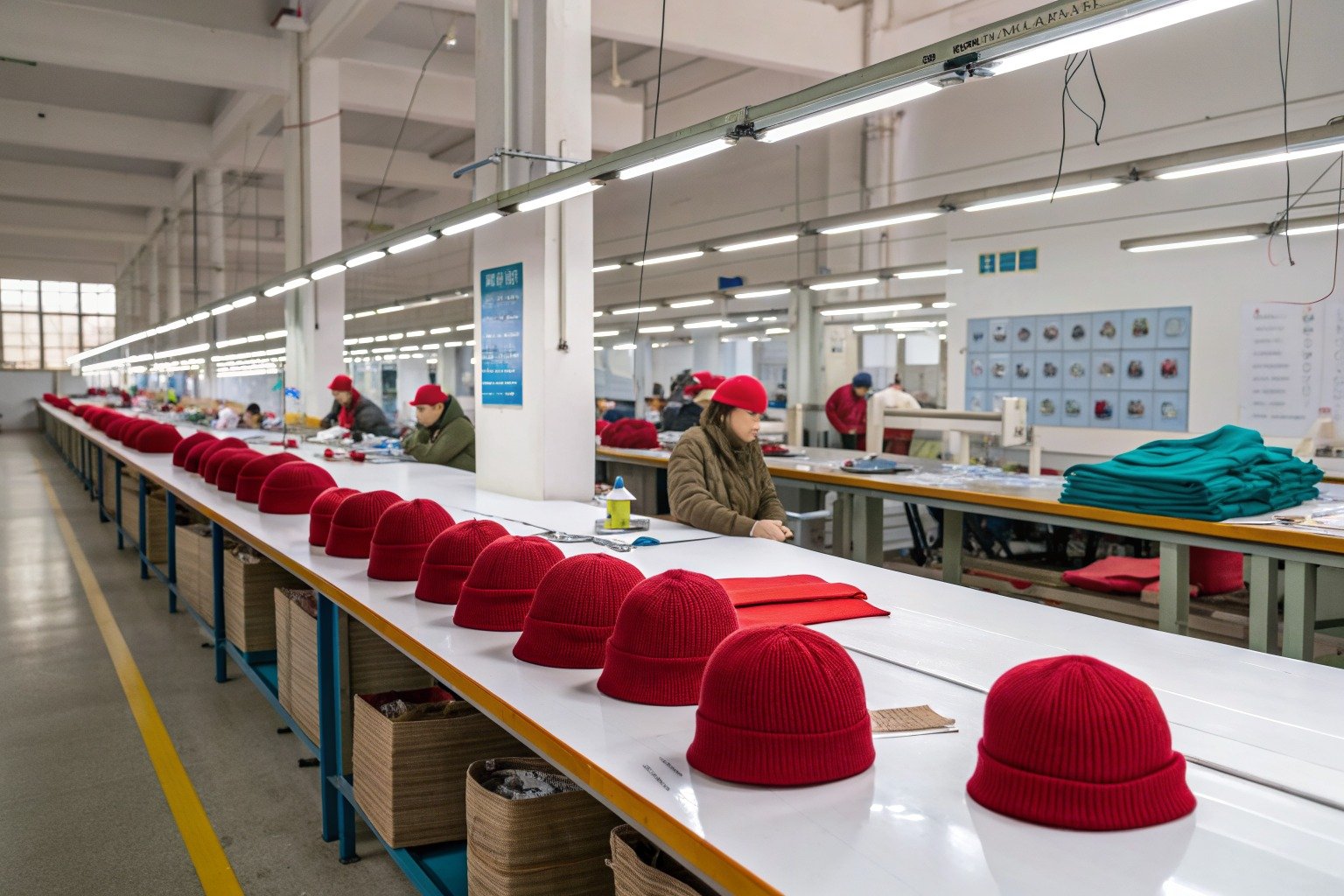
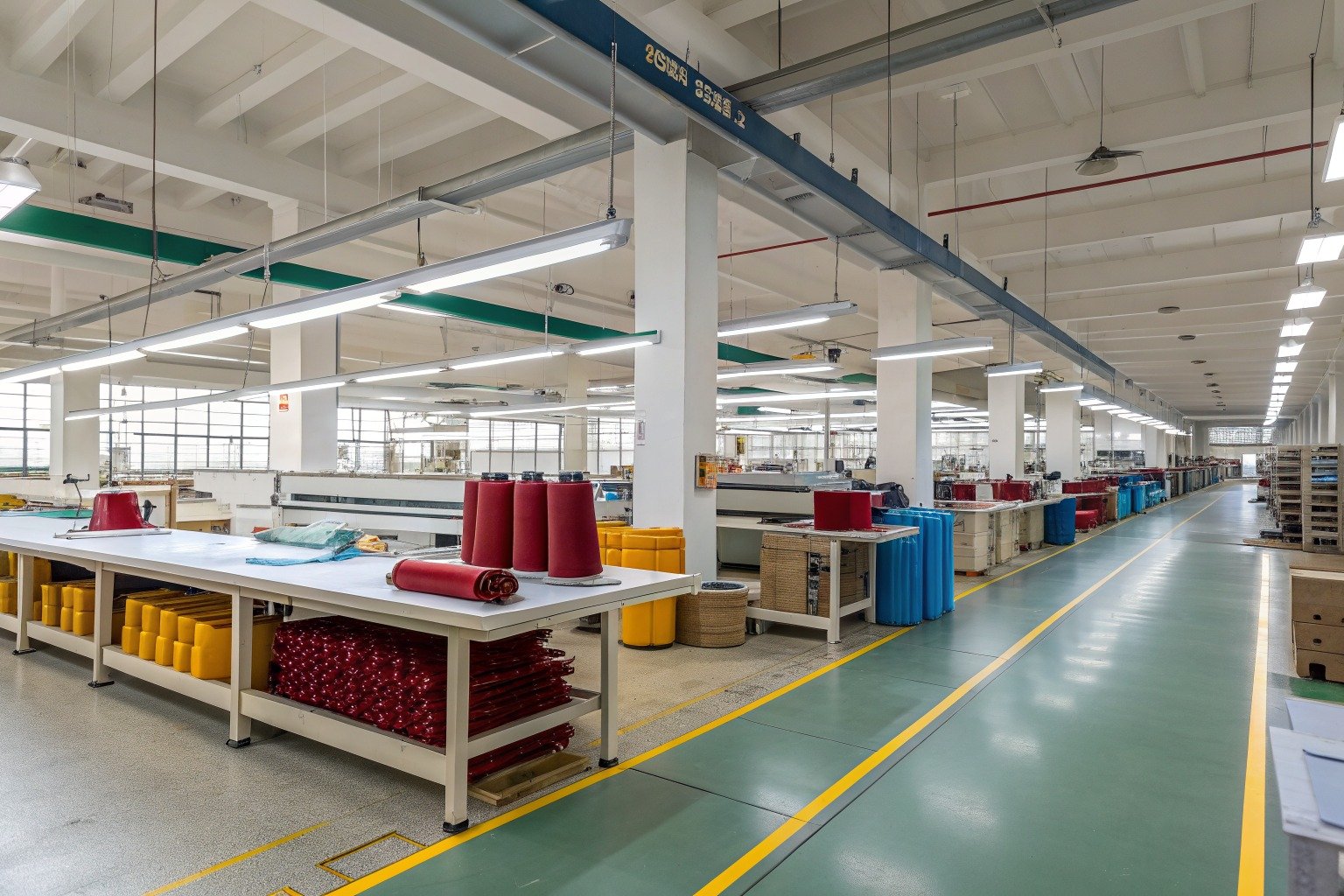
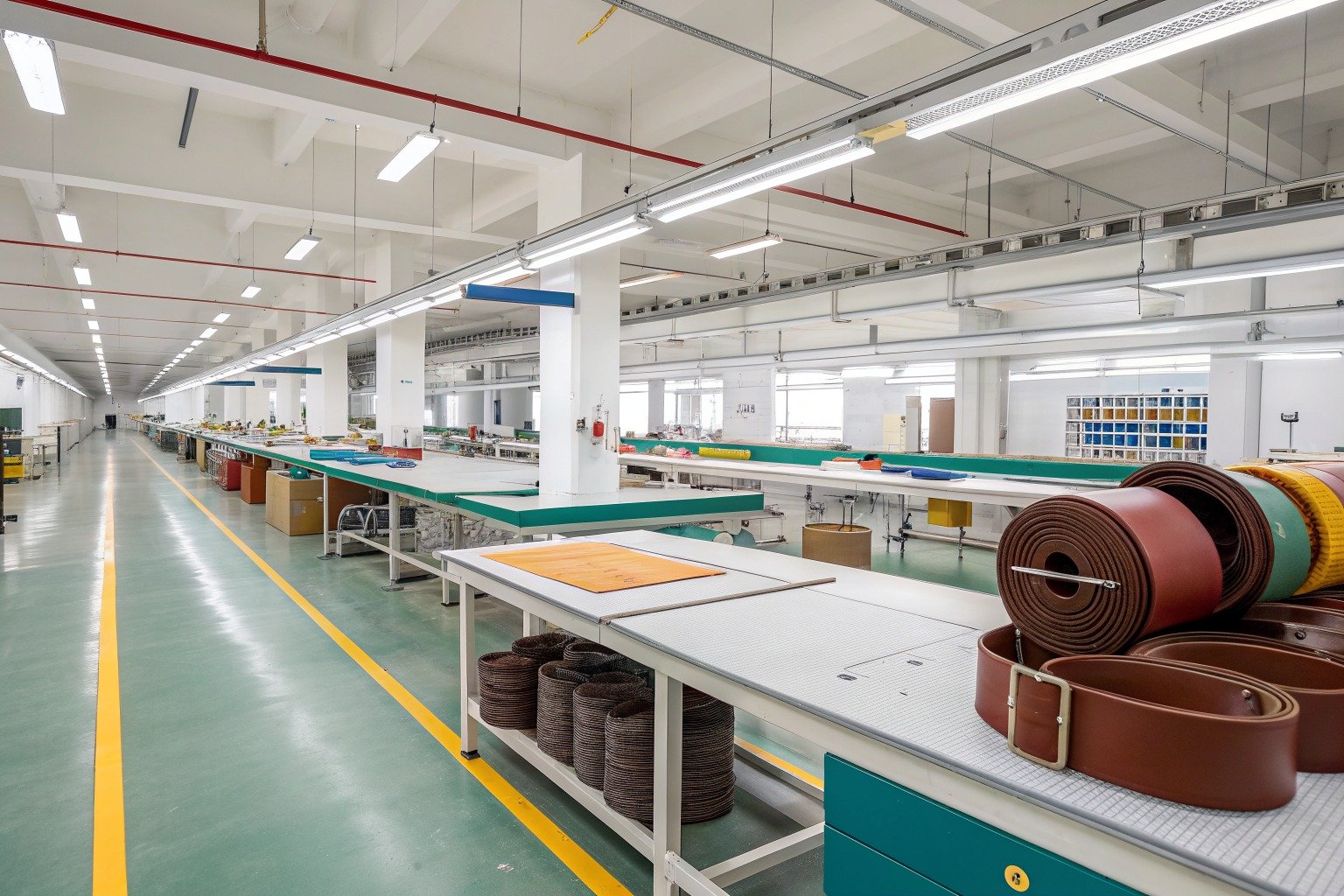
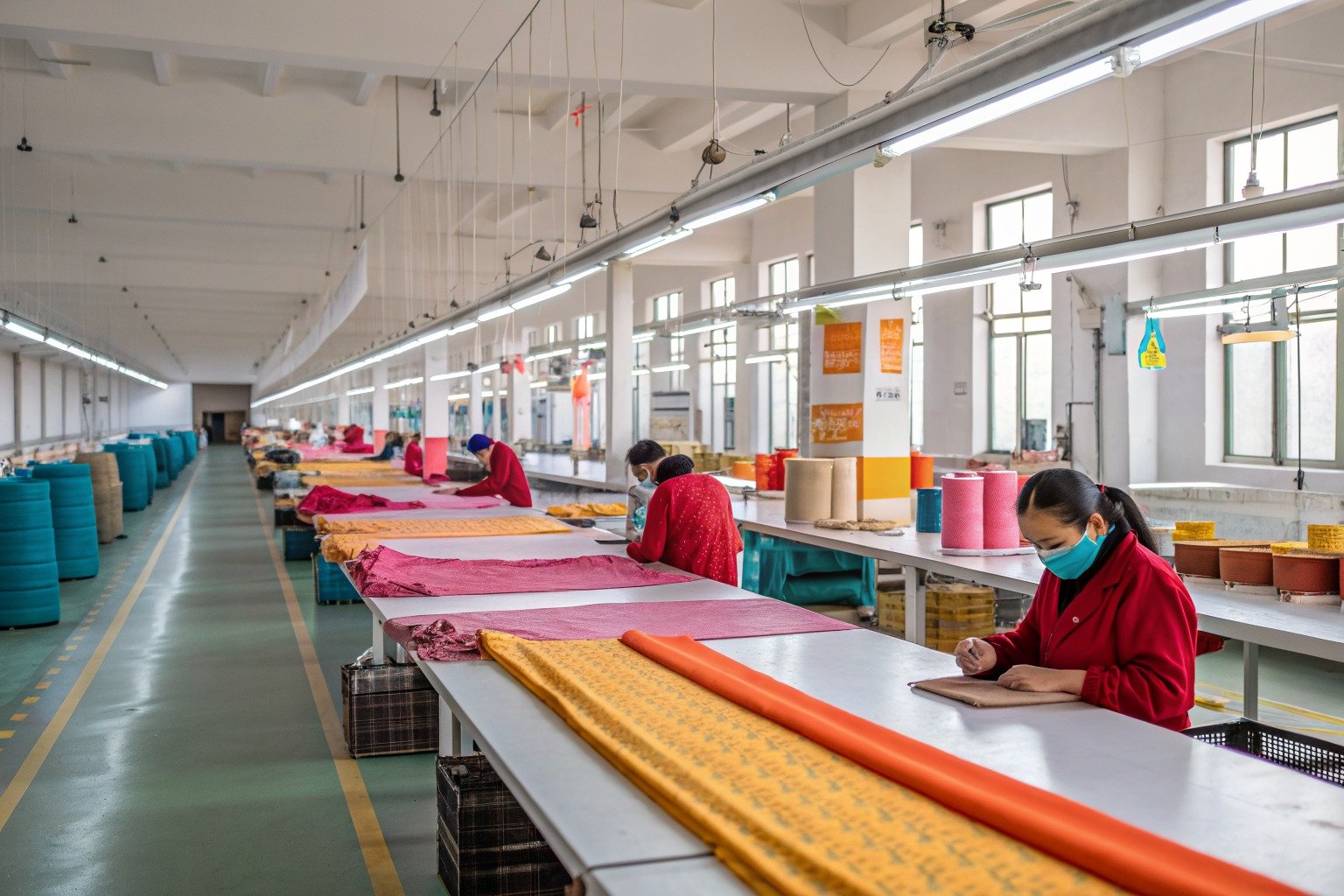
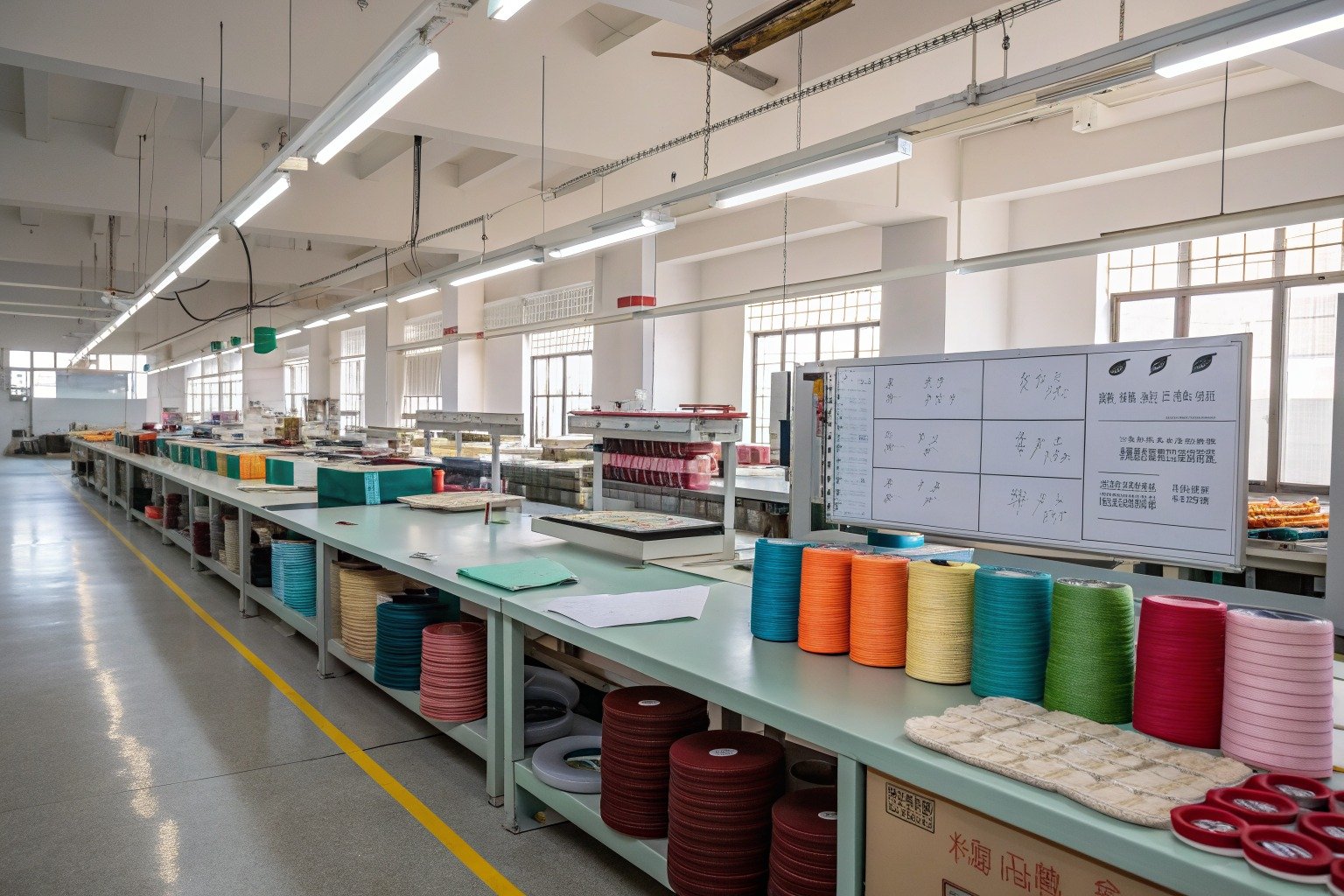
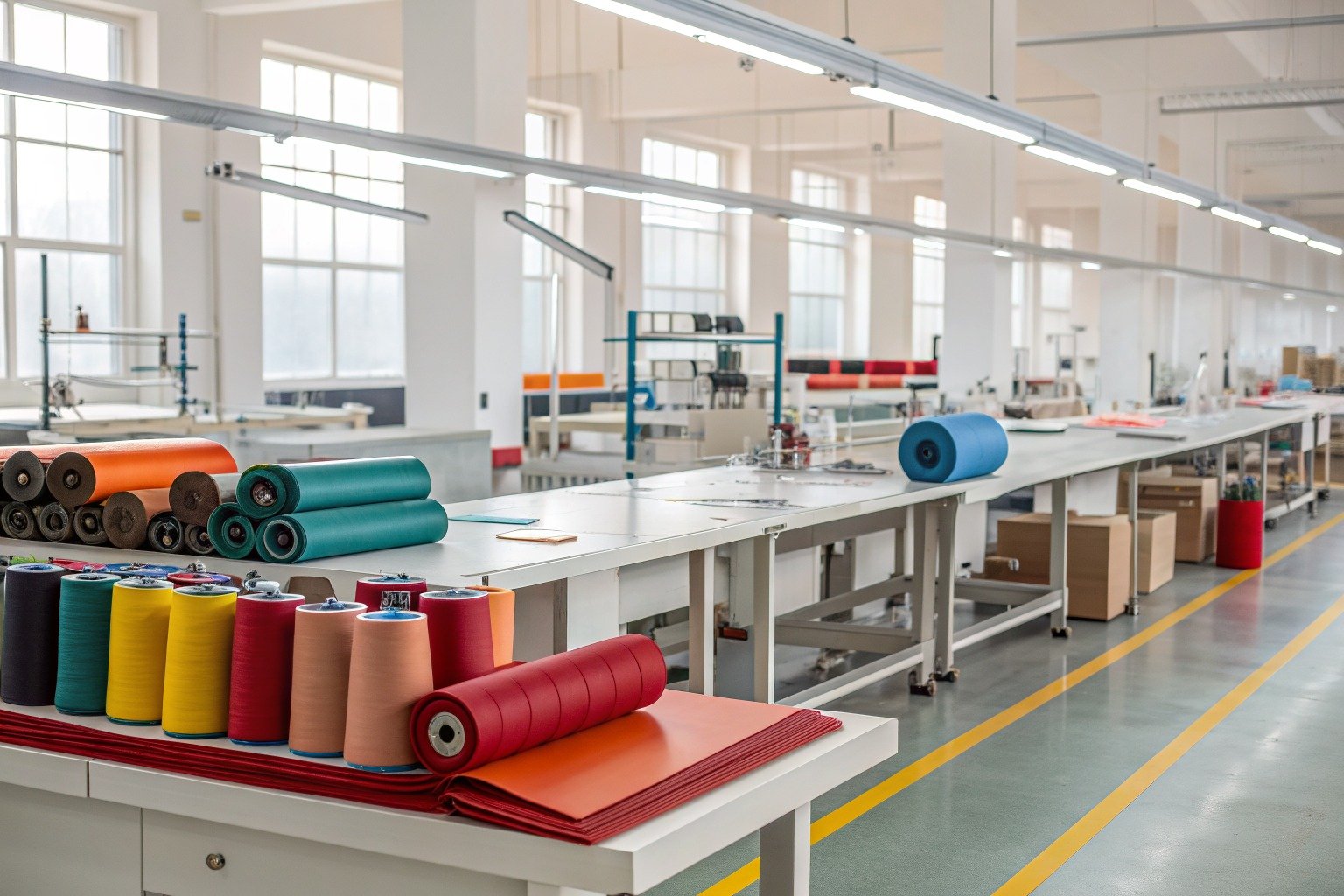
I manage AceAccessory in Zhejiang, and we’ve navigated this exact transition for many of our clients. We’re not just a shawl factory; we’re a cut-and-sew accessory and garment manufacturer. The ruana sits beautifully in that space between. Let me explain the specific manufacturing knowledge required and how to ensure you get a beautifully crafted, professional ruana, not a disappointing piece of fabric with a hole in it.
Why Is a Ruana More Complex to Manufacture Than a Standard Shawl?
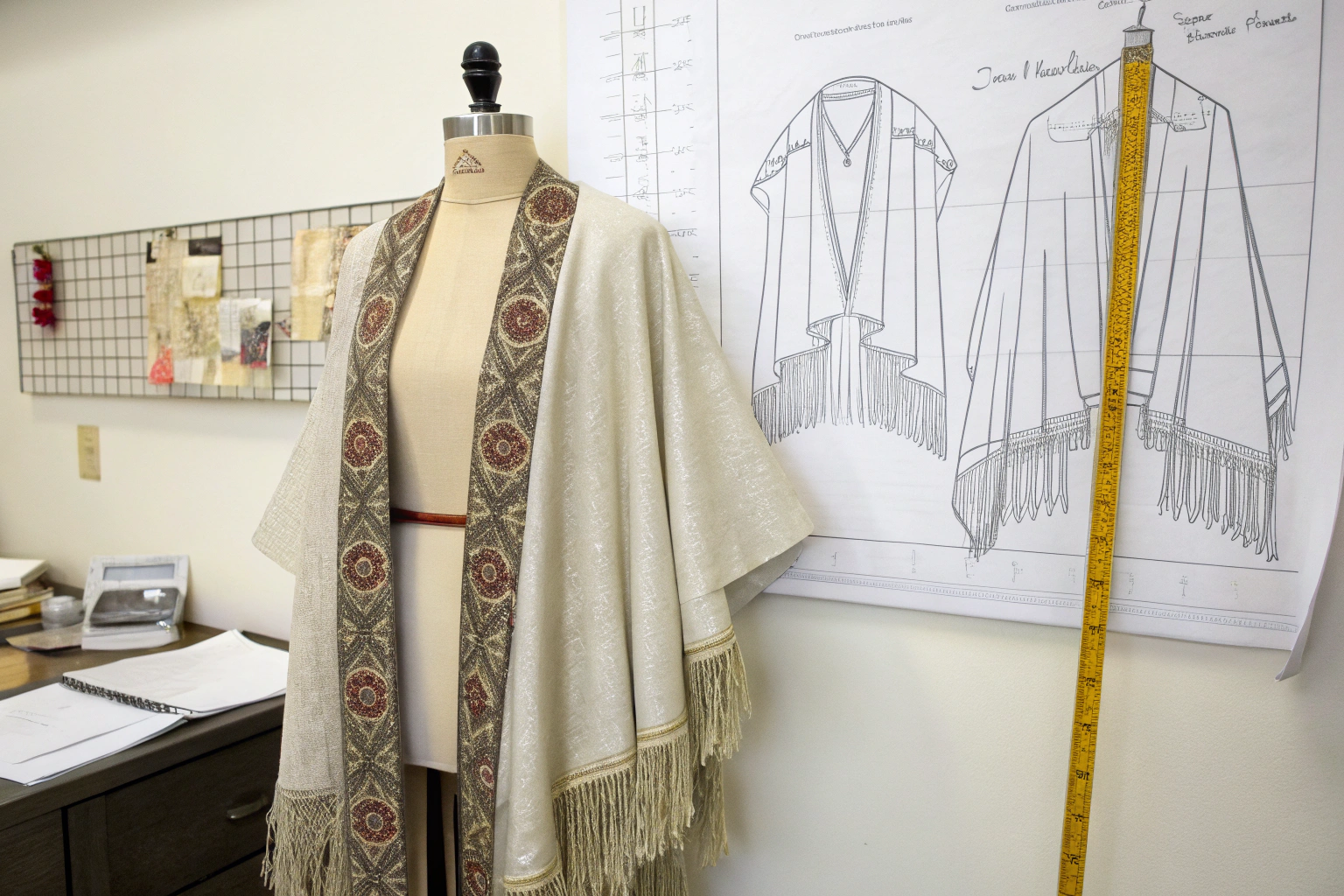
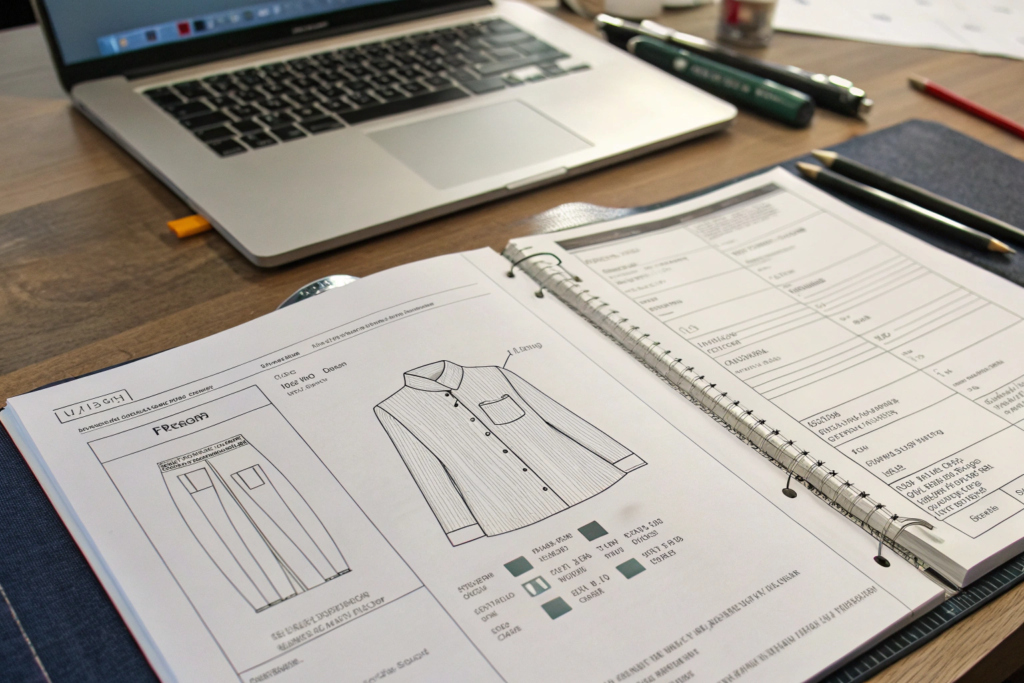
A standard shawl or wrap, in its simplest form, is a rectangle of fabric with finished edges. The manufacturing process is straightforward: cut a large rectangle, hem the four sides, and perhaps add a fringe. It’s a textile finishing operation. A ruana is fundamentally different. It is a shaped garment. The defining feature is the center-front slit, which creates the two front panels and the arm opening. This slit is not simply a raw cut. It must be carefully planned, precisely cut, and then clean-finished with a folded hem or a sewn facing. This requires garment-level sewing skills. The overall shape of a ruana is also often more refined than a simple rectangle, sometimes with subtly curved hems or shaped shoulders. The pattern must be engineered so that the finished piece drapes correctly on the body and the front panels hang elegantly. This requires a pattern maker who understands garment construction, not just a textile cutter. This ruana construction requires garment level pattern making and seam finishing is the core difference.
What Is the Critical Construction Detail for a Functional Ruana?
The absolute most critical detail, the one that separates a beautiful, functional ruana from an awkward piece of fabric, is the finishing of the center-front slit. This is where the wearer’s arm passes through. If this slit is not finished correctly, several problems arise. The fabric will stretch and distort with wear. The raw edge, even on a non-fraying fabric, will look unfinished and cheap. The tension of wearing it will pull at the top of the slit, potentially causing a tear. The correct construction is to create a clean, reinforced opening. This is typically done by cutting the slit, then folding the raw edges of the fabric to the inside and stitching them down, creating a narrow, clean hem. For heavier fabrics or a more premium finish, a separate fabric facing is sewn to the inside of the slit. This facing reinforces the opening and provides a beautiful, clean finish on both sides. This proper finishing techniques for the center front slit on a ruana wrap is the hallmark of quality construction.
How Do You Finish the Slit on a Reversible Ruana?
Creating a fully reversible ruana adds another layer of complexity. If the wrap is beautiful on both sides, the slit finish must be beautiful on both sides as well. A simple folded hem will show the reverse fabric on the inside of the slit. The most common and effective solution for a reversible slit is a bound edge. A separate strip of fabric, either self-fabric or a contrast binding, is folded over the raw edge of the slit and stitched down, encapsulating the raw edge completely. This creates a clean, durable, and visually appealing finish that looks identical on both the front and the back of the garment. This bound slit finishing for reversible ruana wraps is a premium construction detail.
How Do You Specify the Correct Dimensions and Proportions for a Ruana?
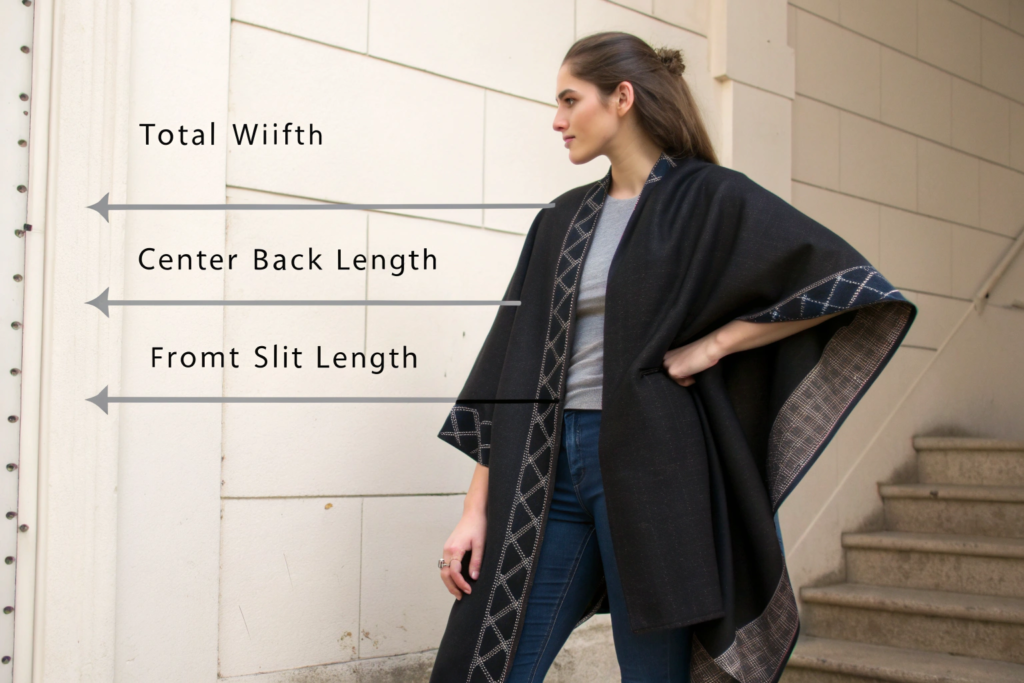
The beauty of a ruana is in its generous, flowing proportions. But "generous" is not a specification. To get a sample that looks and feels right, you must provide precise measurements. The key dimensions are the overall width, from edge to edge, which determines how much fabric wraps around the body; the center back length, from the neckline to the bottom hem, which determines the overall length of the piece; and, most critically, the center front slit length. This measurement dictates where the arm opening sits and how high the slit extends towards the neckline. A slit that is too short will be restrictive and difficult to wear. A slit that is too long will cause the front panels to gape open and lose their elegant drape. At AceAccessory, we have developed standard size blocks for ruanas based on extensive fit testing. We use these as a starting point and then adjust them according to the client’s specific design vision. This key measurements and standard proportions for a well fitting ruana wrap is the blueprint for success.
What Is the Ideal Slit Length for Different Ruana Styles?
The optimal slit length depends on the overall length and style of the ruana. For a classic, hip-length ruana, a slit length of 35 to 45 centimeters, or 14 to 18 inches, is a good starting point. This allows for easy movement without exposing too much. For a longer, duster-style ruana that falls to the knee or calf, the slit can be proportionally longer, perhaps 50 to 60 centimeters, or 20 to 24 inches. The key is to ensure the top of the slit sits comfortably a few inches below the armpit. We work with our clients to determine the ideal slit length based on the overall design and the target fit. This determining the correct front slit length for various ruana silhouettes is a key design decision.
How Does Fabric Weight and Drape Influence the Pattern?
The pattern must be adjusted based on the fabric. A heavy, dense wool coating will behave very differently from a lightweight, fluid viscose crepe. A heavy fabric needs a slightly wider overall width to drape gracefully and avoid looking bulky. A very fluid, drapey fabric might need a slightly shorter slit to prevent the front panels from pulling open too much. The pattern maker must understand these interactions. This is why a pre-production sample made in the actual bulk fabric is so critical. It allows us to see the true drape and make any necessary pattern adjustments before cutting the full order. This adjusting ruana pattern dimensions based on fabric weight and drape characteristics is essential for a professional result.
What Are the Best Fabric and Edge Finishing Options for a Ruana?
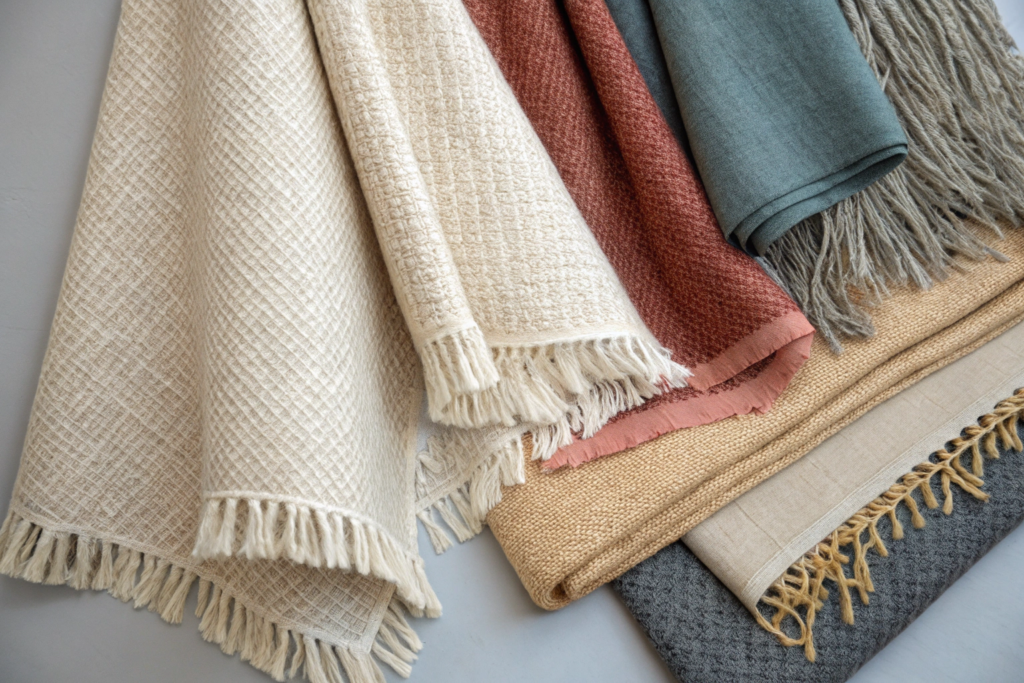
The ruana silhouette is a canvas for beautiful fabric. The choice of material defines the entire character of the piece. Because a ruana is worn open and relies on drape, the fabric must have good movement. Stiff, rigid fabrics are not suitable. The most popular and successful ruana fabrics are those with fluidity and a soft hand feel. This includes lightweight wool coatings, soft cashmere or wool blends, textured bouclé, fluid viscose and modal blends, and lightweight linen for warmer seasons. The edge finish is the final, defining detail. A simple, clean folded hem is modern and minimalist. A hand-knotted fringe adds a touch of artisanal luxury and beautiful movement. A blanket stitch or a rolled hem can also be used for specific aesthetic effects. We guide our clients through these material and finishing options to achieve their desired look and price point. This best fabric choices and edge finishing options for ruana wraps completes the design.
Can a Ruana Be Made from Knit Fabric?
Yes, but it requires a different approach. A cut-and-sew ruana made from a stable knit fabric, like a heavy sweater knit or a boiled wool, is possible. However, the construction must account for the stretch of the fabric. The slit, in particular, must be stabilized with a non-stretch tape or facing to prevent it from stretching out of shape. The seams and hems must be sewn with a stitch that accommodates the stretch. A ruana can also be fully fashioned on a knitting machine, which is a completely different manufacturing process. This is a specialized category. We can advise on the best approach based on the desired knit fabric. This considerations for constructing a ruana from knit fabrics requires specific expertise.
How Do You Package a Ruana to Maintain Its Shape and Finish?
A beautifully finished ruana, especially one with a delicate fringe, requires careful packaging. Folding it into a tight, small square will create deep creases and crush the fringe. The best method is to fold it gently with soft folds, using acid-free tissue paper to cushion the creases. It should be placed in a polybag for protection and then packed in a carton that is large enough to avoid extreme compression. For premium ruanas, we can also roll them around a cardboard tube and pack them in a custom box. The packaging must protect the integrity of the garment during its journey. This proper folding and packaging techniques for shipping ruanas is a key finishing detail.
How Do You Communicate the Ruana Design to the Factory Effectively?
Given that a ruana is a less common garment than a standard shawl, clear and detailed communication is absolutely essential to avoid costly misunderstandings. Vague descriptions and inspiration photos are not enough. You must provide a comprehensive tech pack. This document should include a flat sketch showing the front and back views. It must include a detailed measurement chart with all the key dimensions. It should have clear construction callouts, such as "Center front slit to be finished with a 1cm clean-folded hem" or "All edges to have a 10cm hand-knotted fringe." And most importantly, you must budget time and money for a pre-production sample. This physical sample is the only way to truly validate the pattern, the drape, and the construction before you commit to bulk production. This essential elements of a tech pack for custom ruana manufacturing is your contract for quality.
What Are the Key Questions to Ask a Potential Ruana Manufacturer?
When vetting a factory, do not just ask "Can you make ruanas?" Ask specific, technical questions that will reveal their true level of experience with garment construction. Ask: "Can you show me a sample of a similar garment with a finished center-front slit?" "Do you have in-house pattern making for shaped garments, or do you only cut rectangles?" "What is your process for finishing the slit to ensure it is durable and does not stretch?" A factory with genuine garment-making capability will answer these questions confidently and be able to show you examples. A factory that hesitates or gives vague answers is likely a simple textile finisher. This technical questions to vet a factory’s capability for ruana garment construction is your due diligence.
Why Is a Pre-Production Sample Absolutely Non-Negotiable for a Ruana?
I cannot overstate the importance of the pre-production, or PP, sample for a ruana. A 2D sketch and a set of measurements cannot fully capture the three-dimensional reality of how the fabric will drape, how the slit will open, and how the garment will feel on the body. The PP sample, made in the actual bulk fabric, is your only opportunity to see and feel the finished product before committing to hundreds or thousands of units. It allows you to check the slit length, the overall proportions, and the quality of the finishing. It is the final, and most critical, approval stage. Do not skip this step. This non negotiable importance of a pre production sample for ruana orders is the best insurance you can buy.
Conclusion
Transitioning from standard shawls to the more sophisticated ruana silhouette requires finding a manufacturing partner that has evolved beyond simple textile finishing. It demands a factory with garment-level pattern making skills, precision cut-and-sew capabilities, and a deep understanding of how fabric drape and construction details like the center-front slit interact to create a functional, beautiful garment. The ruana is not just a bigger shawl. It’s a different category of product. The key to success lies in partnering with a factory like AceAccessory that possesses this specialized expertise, and in providing them with the clear, detailed specifications and the time for proper sampling that such a project requires. The result is a truly elegant, wearable piece that elevates any collection.
At AceAccessory, we welcome the challenge of the ruana. Our team has the pattern making and garment construction skills to execute this beautiful silhouette flawlessly. We can guide you through the critical decisions on dimensions, slit finishing, and fabric selection to ensure your ruana is both stunning and functional.
If you are ready to develop a ruana collection, I encourage you to contact our Business Director, Elaine. She can discuss your design vision and outline our development and sampling process. You can email Elaine at: elaine@fumaoclothing.com. Let us help you create a wrap that flows with elegance.