Finding a reliable clothing accessory manufacturer in China is often the decisive factor between a profitable collection and a logistical nightmare. The process can seem daunting, filled with concerns about quality control, communication gaps, and the ever-present fear of hidden costs and production delays. However, with a systematic approach, you can successfully navigate this landscape and build a partnership that becomes a cornerstone of your business.
The key to finding a reliable manufacturer lies in moving beyond simple online searches and price comparisons. It requires a multi-channel strategy that combines digital sourcing with real-world verification, a deep understanding of China's specialized manufacturing clusters, and a rigorous vetting process focused on transparency and proven capability.
Let's explore the proven methods to identify, evaluate, and partner with a manufacturer you can trust for the long term. Learn more Shanghai Fumao Clothing details page.
Which Sourcing Channels Are Best for Finding Suppliers?
Your first step is knowing where to find potential partners. Relying on a single method limits your options; successful sourcing uses a combination of online platforms, physical trade events, and specialized marketplaces.
Online B2B Platforms like Alibaba and Made-in-China.com are the most common starting points. They offer vast catalogs and tools like Request for Quotation (RFQ) to gather multiple quotes quickly. A critical tip is to look for suppliers with "Audited" or "Verified" labels on these platforms, as they have undergone some level of verification by a third party. However, treat these labels as a starting filter, not a guarantee of reliability.
Major Trade Shows offer an irreplaceable advantage: you can see product quality firsthand, meet representatives face-to-face, and gauge a company's professionalism. The China Import and Export Fair (Canton Fair) is the largest, with phases dedicated to consumer goods and textiles. Attending allows you to compare many suppliers in one place and collect samples immediately.
Specialized Industrial Clusters are where true expertise resides. For accessories, some key areas include:
- Fujian Province (Shishi City): Known as a "garment accessory industry base," it specializes in buttons, zippers, and metal fittings.
- Zhejiang Province (Yiwu Market): A massive wholesale marketplace ideal for sourcing a wide variety of accessories.
- The Yangtze River Delta (Jiangsu/Zhejiang): A hub for advanced textile and functional fabric development.
How can you verify a true factory vs. a trading company online?
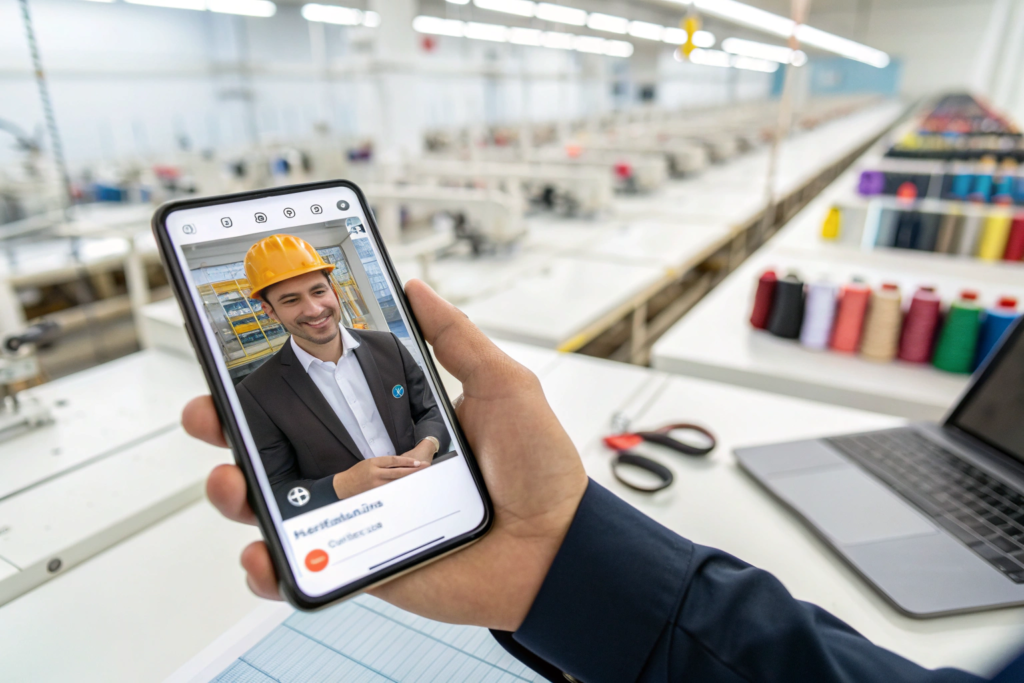
The most effective method is to request a live video tour of the production facility. Genuine manufacturers are usually proud to show their capabilities. Ask to see specific areas relevant to your product, like the cutting and sewing section for fabric accessories or the stamping and plating area for metal parts. Be wary of suppliers who only show generic stock footage or make excuses. Additionally, check their business license scope and ask detailed questions about their production process and machinery. A true factory will provide specific, technical answers.
What are the must-ask questions before requesting a sample?
Before investing in samples, ask these key questions: "What is your minimum order quantity (MOQ) per style/color?" "Can you provide a detailed, all-inclusive breakdown of costs (unit price, mold/tooling charges, sample fees, packaging)?" "What is your standard production lead time for an order of [your estimated quantity]?" "Do you have in-house quality control teams, and can you share your inspection report format?" "Are you familiar with and can you produce products that comply with international standards like OEKO-TEX or relevant safety certifications for my market?" Clear answers build confidence.
How to Conduct Thorough Supplier Verification?
Once you have a list of candidates, the real work begins. Distinguishing a genuine, capable factory from a middleman or an unreliable operation is critical.
The first rule is to confirm you are dealing with a true manufacturer, not just a trading company. Trading companies can be useful, but they add cost and complexity. You can often identify manufacturers because they tend to have names that include their location, specialize in specific processes, and may have simpler websites. Always ask for the factory address and request a live video tour. A refusal is a major red flag.
Verification should be evidence-based. Request key documentation before placing any significant order. A survey indicates that for global consumers, "providing high-quality products/services" remains the most important factor in building trust.
| Verification Document | What It Tells You | Why It Matters |
|---|---|---|
| Business License | Legal entity and registered scope of business. | Confirms the company is legally authorized to operate. |
| Factory Audit Reports | Reports from third parties (e.g., SGS, Bureau Veritas) on social compliance, quality management, or environmental standards. | Provides an objective view of working conditions and management systems. |
| Product Certifications | Certificates like OEKO-TEX® Standard 100 (for harmful substances) or relevant safety standards for your market. | Ensures products meet regulatory and safety requirements for import. |
| Past Client References | Contact information for other international buyers. | Offers insight into real-world performance and reliability. |
Tools like BSI VerifEye Directory can provide an additional layer of due diligence. This platform provides verified supplier profiles, helping buyers understand a supplier's capacity and qualifications, and protecting their brand by ensuring they work with qualified partners.
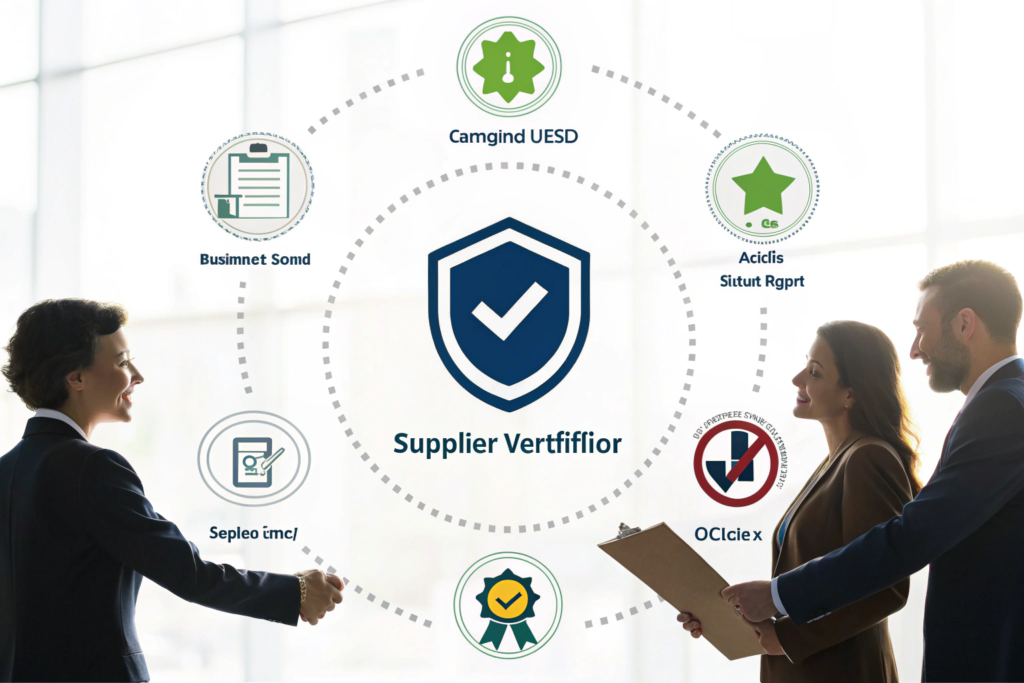
Why is a factory audit report more important than a low price?
An audit report is a snapshot of the factory's fundamental health and ethics. It assesses factors like fair labor practices, worker safety, environmental responsibility, and management systems. A factory willing to be audited demonstrates transparency and a commitment to sustainable operations. Choosing a supplier solely based on a low price, without this due diligence, risks partnering with a factory that uses poor labor conditions or fails to manage its production line effectively. These issues often lead to inconsistent quality, delayed shipments due to labor disputes, or even reputational damage for your brand if unethical practices are exposed. Investing in a verified partner safeguards your supply chain's stability and your brand's integrity.
How to use a pilot order to de-risk a new supplier relationship?
A pilot order is your most practical test. Place a small, manageable order—often at a higher unit cost—to evaluate real performance. Use this order to test their communication under pressure, adherence to the production timeline, and most importantly, the consistency of quality in bulk production compared to the approved sample. Pay for a third-party pre-shipment inspection on this pilot order to get an unbiased quality report. Also, assess their packaging and logistics handling. Success with a pilot order builds the trust necessary to scale up to full production runs with confidence.
How to Evaluate a Factory's Quality Control System?
A factory's approach to quality control is the best predictor of what you'll receive. It's not a single checkpoint; it's a philosophy embedded in their process. For fashion accessories where details like stitching, color matching, and hardware function are paramount, a robust QC system is non-negotiable.
A professional factory will have a clear, multi-stage QC process. This typically includes Incoming Quality Control (IQC) for raw materials, In-Process Quality Control (IPQC) during production, and Final Quality Control (FQC) before goods leave the factory. The most reliable factories use standardized systems like the Acceptable Quality Limit (AQL) for final inspection, which provides a statistically valid method to sample and accept or reject a batch based on predefined defect levels.
At AceAccessory, our quality control team is integral from the design phase. We identify potential production challenges early and implement checkpoints at every stage. This proactive approach, combined with our experience serving demanding markets in North America and Europe, ensures that our clients receive products that consistently meet their specifications and quality expectations.
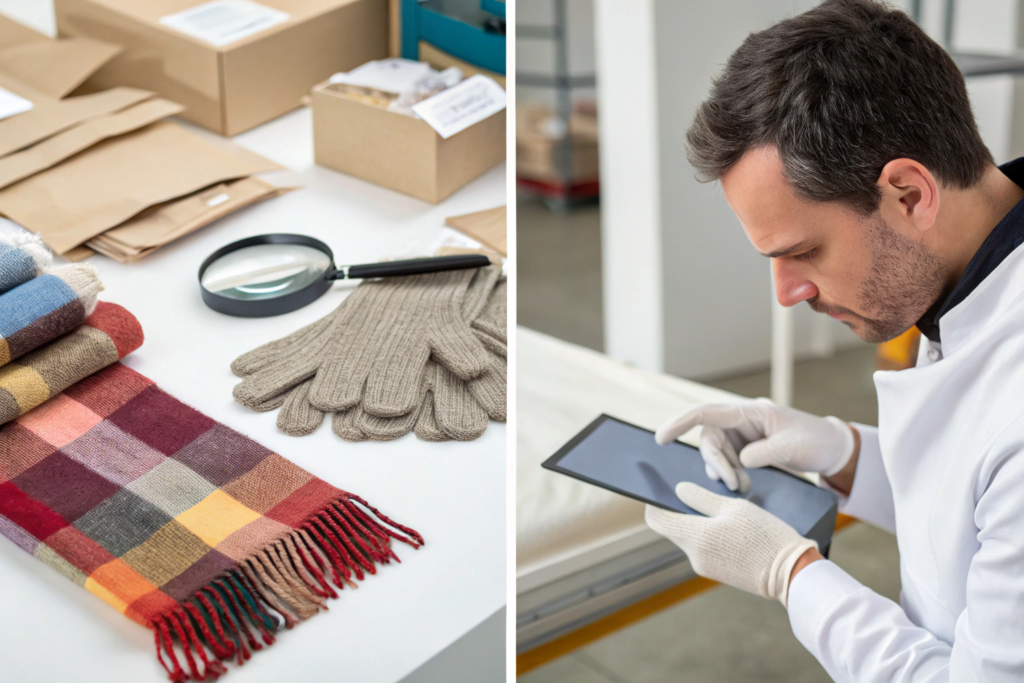
What is the AQL standard and how does it protect your order?
The Acceptable Quality Limit (AQL) is an internationally recognized sampling standard used in QC inspections to determine the maximum number of defective items considered acceptable in a random sample from a batch. It’s a statistical tool that balances inspection effort with risk. For fashion accessories, common AQL levels are 1.0 for critical defects (safety issues) and 2.5 for major defects (affecting usability). By agreeing on an AQL level with your manufacturer before production, you set a clear, objective benchmark for acceptance. This protects your order by providing a data-driven basis for approving or rejecting a shipment. It removes subjectivity and ensures that the quality of the bulk order matches your approved sample.
How to ensure consistent material quality batch after batch?
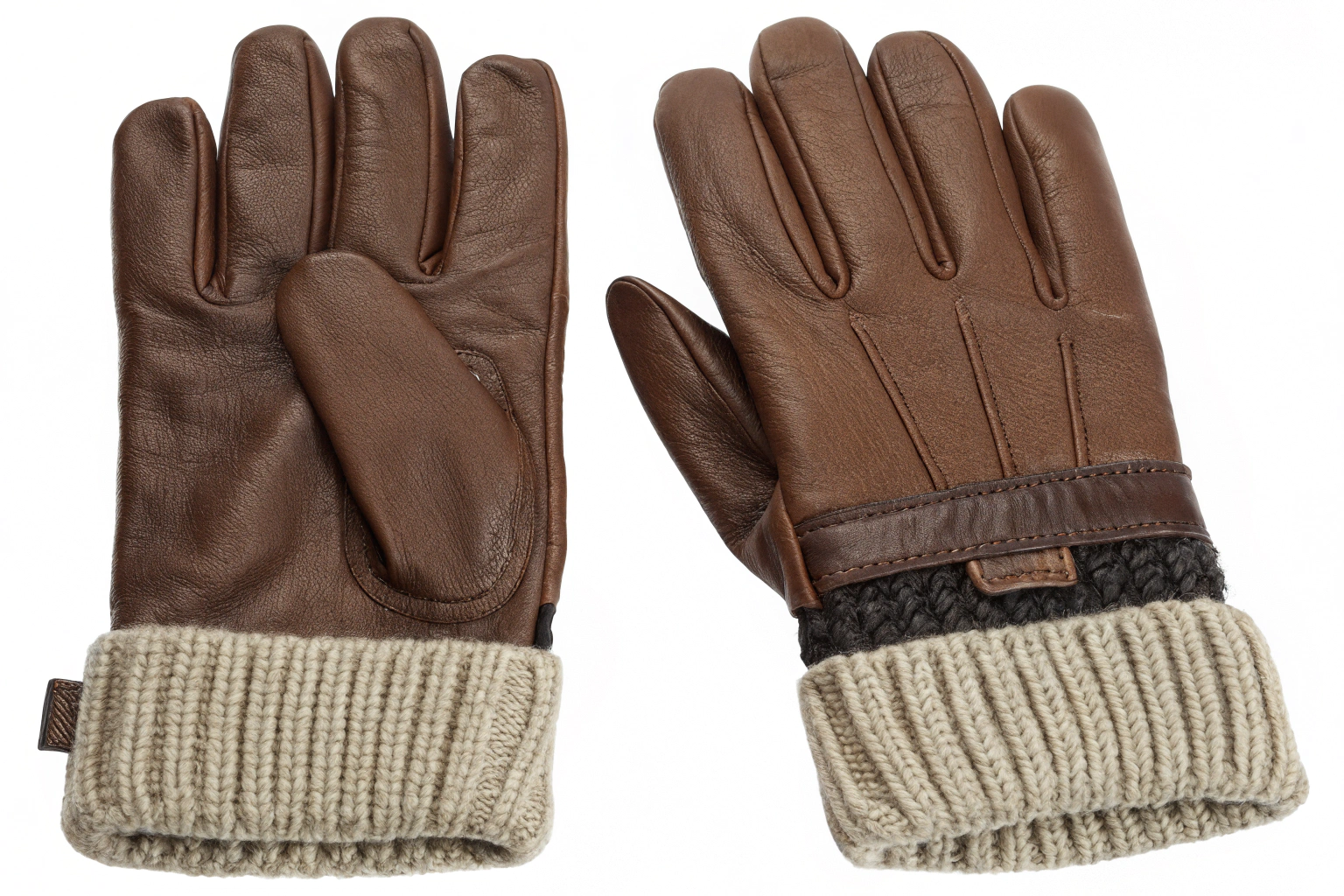
Consistency starts at the source: raw materials. The key is formalizing material specifications and implementing a First Article Inspection (FAI) process. For every accessory component—whether it’s the polyester for scarves, the metal for belt buckles, or the yarn for knit hats—you must approve physical swatches or samples from the specific supplier and batch to be used. This “golden sample” becomes the benchmark. During production, your manufacturer should conduct random checks to ensure materials haven’t been substituted. Partnering with a factory that has strong, long-term relationships with its material suppliers also enhances consistency. Furthermore, understanding material compliance for your target market is crucial to avoid fines.
What Are the Keys to Building a Successful Long-Term Partnership?
Finding a manufacturer is one thing; building a productive, long-term partnership is another. This phase is about clear communication, aligned expectations, and starting small to de-risk the relationship.
Communication is the foundation. Be as detailed and clear as possible in your requests. Provide technical packs with sketches, dimensions, material specifications (including approved swatches), and packaging requirements. During the sampling phase, use this as your primary evaluation tool. A good manufacturer will produce a sample that matches your specifications closely, communicate challenges proactively, and be transparent about costs and timelines. Pay for samples; it shows serious intent and ensures the factory invests time in your project.
Start with a pilot order. Before committing to a large production run, place a smaller trial order. This tests their production consistency, quality control on a bulk scale, packaging, and logistics. Agree on a clear Quality Control (QC) plan for this order, often based on the AQL (Acceptable Quality Limit) standard, which defines the acceptable number of defects.
Consider working with a sourcing agent. If managing this process from abroad seems overwhelming, a reputable sourcing agent based in China can be invaluable. They act as your local eyes and ears, capable of conducting factory audits, negotiating on your behalf, overseeing production, and performing pre-shipment inspections. They bridge the language and cultural gap, though their service comes at a cost that must be weighed against the risk and time savings.

How to create a technical pack that prevents misunderstandings?
A comprehensive technical pack is your blueprint. It should include: 1) Detailed Tech Sketches with all dimensions and callouts for key features. 2) Bill of Materials (BOM) listing every component, its material specification (e.g., "Brass buckle, nickel-plated"), and reference to approved physical swatches. 3) Color Standards using Pantone (PMS) codes for accuracy. 4) Step-by-Step Packaging Instructions with diagrams for polybags, cartons, and labeling. 5) Quality Checkpoints highlighting critical inspection areas. Providing this level of detail minimizes ambiguity and sets a clear benchmark for the factory, ensuring the final product matches your vision. Companies like Shanghai Fumao Clothing excel at working from such precise instructions to deliver exactly what the client expects.
When does hiring a sourcing agent make financial sense?
Hiring a sourcing agent becomes a smart investment in several scenarios: when you are new to importing and lack the experience to navigate the process; when your order volume is significant enough that a percentage-based agent fee is outweighed by their potential to negotiate better factory prices and prevent costly errors; or when you are sourcing complex items requiring specialized factory hunting and technical oversight. An agent's on-the-ground presence allows for unannounced factory visits and real-time problem-solving, which can save substantial money and protect your brand from quality disasters. For many businesses, the agent's fee is effectively insurance for their supply chain.
Conclusion
Finding a reliable clothing accessory manufacturer in China is a strategic process that blends research, verification, and relationship-building. By leveraging targeted sourcing channels, conducting thorough due diligence with factory audits and data checks, rigorously evaluating their quality systems, and beginning the partnership with clear communication and a pilot order, you significantly increase your chances of success. The goal is to move from being just another client to becoming a valued long-term partner.
The journey requires patience and diligence, but the reward is a trusted extension of your supply chain that delivers quality, consistency, and value. If you are looking for a professional and experienced partner to develop and manufacture your next line of fashion accessories, we invite you to explore a collaboration with us. Let's discuss how we can bring your vision to market efficiently. You can reach our Business Director, Elaine, directly at elaine@fumaoclothing.com to start the conversation. Visit our website at Shanghai Fumao Clothing to learn more about our capabilities as a professional manufacturer and exporter.