Let's face it: you've probably thrown away countless hair bands because they gave you a headache, slipped off, or simply lost their shape after a few uses. For retailers and brand owners, this translates into customer complaints, low repeat purchase rates, and a damaged brand reputation. The quest for a truly comfortable, all-day hair band is not just a consumer struggle; it's a significant supply chain challenge. You need products that combine reliable performance with lasting comfort to ensure customer satisfaction and build a loyal following. The pain of sourcing a product that looks good but fails in daily use is a risk your business cannot afford.
The secret to finding these elusive hair bands lies in three key areas: the precision of material selection, the intent behind the design and construction, and the rigor of the manufacturing and quality control process. It's not about finding the cheapest option; it's about partnering with a manufacturer who understands the ergonomics of comfort as much as the economics of production. When these elements align, you get a hair accessory that customers forget they're wearing—in the best way possible.
For buyers like Ron, who value quality and development capacity, this deep dive into the "how" is crucial. This guide will walk you through the specific features to demand from your supplier, ensuring the hair bands you source are engineered for all-day comfort, durability, and repeat sales.
What Materials Make the Most Comfortable Hair Bands?
The journey to all-day comfort starts at the molecular level with the materials. The wrong fabric or elastic can turn a simple hair band into a source of constant distraction. The ideal materials must balance softness against friction, maintain consistent tension without constricting, and withstand daily wear and washing. For bulk buyers, specifying the right material is the first and most critical step in ensuring product success and minimizing returns due to discomfort.
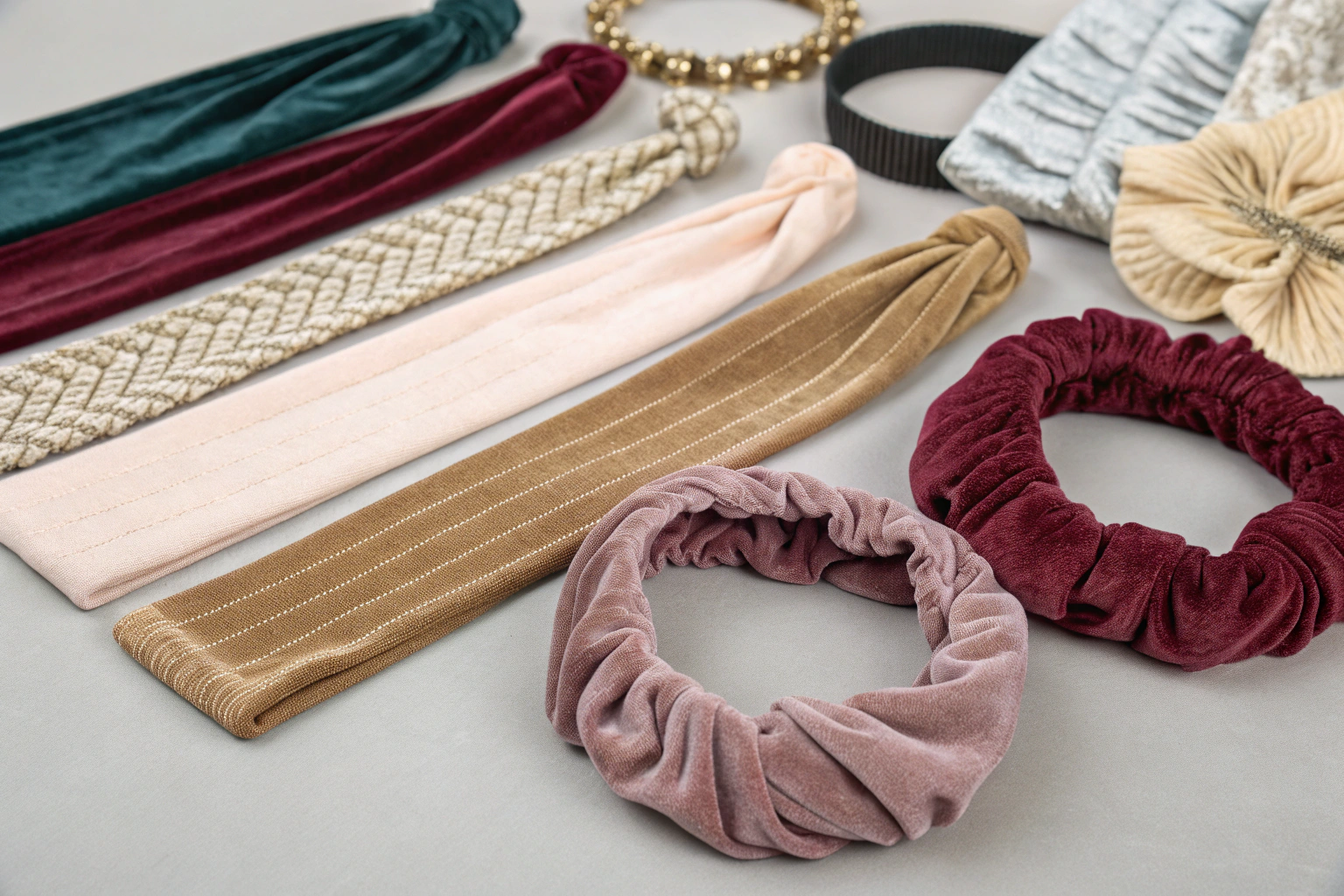
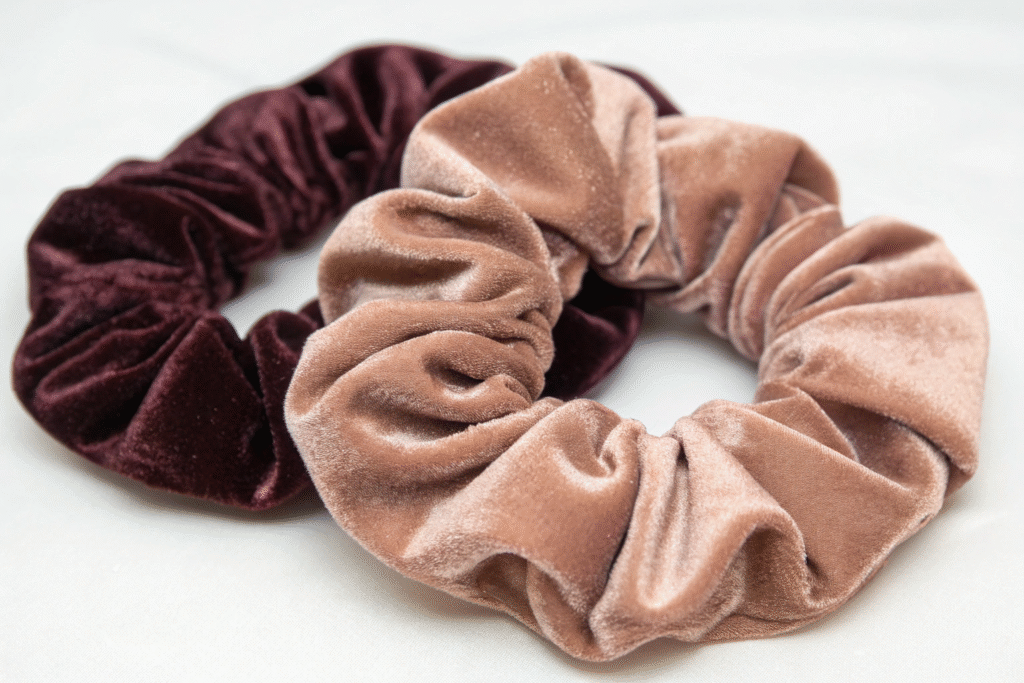
The top contenders for comfort are natural fibers, high-grade synthetics, and specialized elastics. Cotton and bamboo viscose are breathable and soft, reducing scalp irritation. For stretch and recovery, the core elastic is key. Look for a latex-free elastic core wrapped in a soft fiber, which prevents snapping and maintains elasticity. A velvet or velour exterior, often made from polyester, adds a luxurious feel and helps grip hair without pulling. The combination is what matters—a soft, breathable outer layer married to a resilient, gentle core.
Why is Fabric-Wrapped Elastic Superior for Comfort?
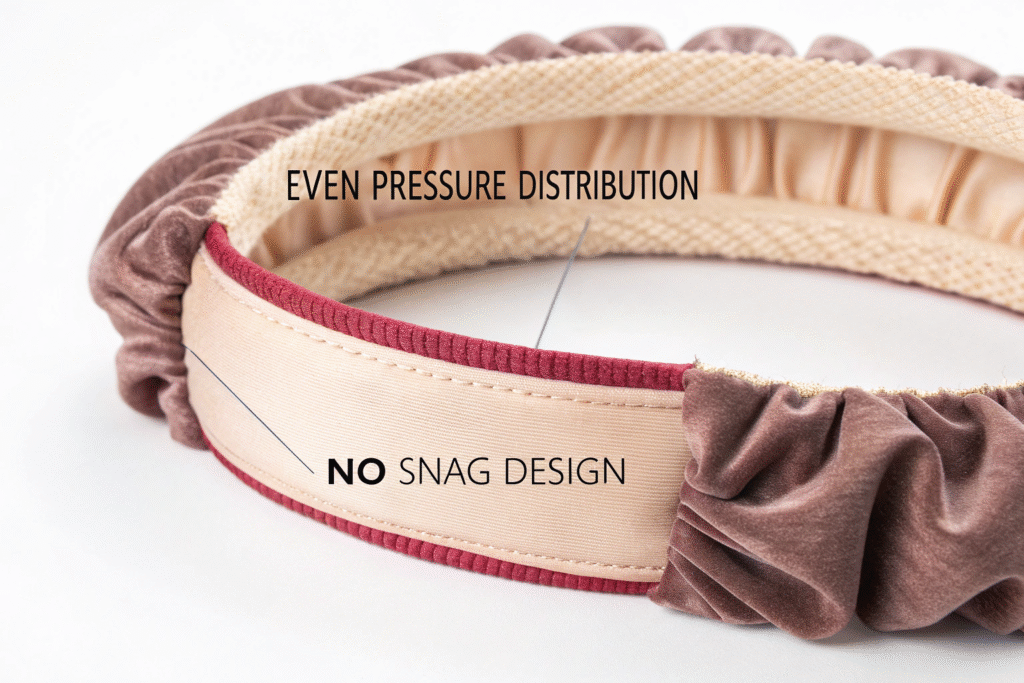
The bare elastic band is the main culprit behind headaches and hair breakage. A fabric-wrapped elastic creates a crucial buffer. The fabric distributes the pressure evenly around the head, eliminating painful pressure points. It also dramatically increases the surface area that contacts the hair, which improves grip through friction rather than tension. This means the band can be looser yet still secure. When sourcing, insist on suppliers who use this construction. At shanghaifumaoclothing, our quality control team specifically tests the wrapping process to ensure no inner elastic is exposed, which can snag and pull hair. This attention to detail directly addresses the end-user's pain point.
How Do Material Choices Impact Durability and Longevity?
Comfort that lasts one day is not enough; it must last for months. Material choices directly dictate a hair band's lifespan. High-quality spandex blended into the outer fabric or the elastic core ensures the band returns to its original shape after repeated stretching. Cheap elastics quickly become loose and useless. Furthermore, colorfastness is part of durable comfort. A band that bleeds dye when wet with sweat is unacceptable. We use OEKO-TEX certified dyes and fabrics wherever possible, ensuring materials are free from harmful substances and colors stay true through washes. This commitment to certification and durable materials means the products you source maintain their comfort and appearance, encouraging customer loyalty and repeat purchases.
Which Design Features Prevent Headaches and Slipping?
A comfortable material can be undermined by poor design. The architecture of a hair band—its width, seam placement, and closure type—is engineering for the human head. Headaches often come from bands that are too thin, concentrating force on a small area of the scalp. Slipping occurs when the tension is insufficient or when the surface grip fails. A design-focused manufacturer thinks about these biomechanics during the product development phase, prototyping and testing to eliminate failure points before mass production.
Key design features for comfort include a wider band (over 1 cm), fully encased or ultra-flat seams, and adjustable closures. A wider band naturally distributes pressure. Seams should be smooth and placed on the less-tight outer curve, never on the inner edge that touches the skin. For non-stretch styles, an adjustable closure like a silicone-lined slide or a soft hook-and-loop allows the wearer to customize the fit perfectly. The goal is a design that adapts to the user, not the other way around.
Does the Width of a Hair Band Really Affect Comfort?
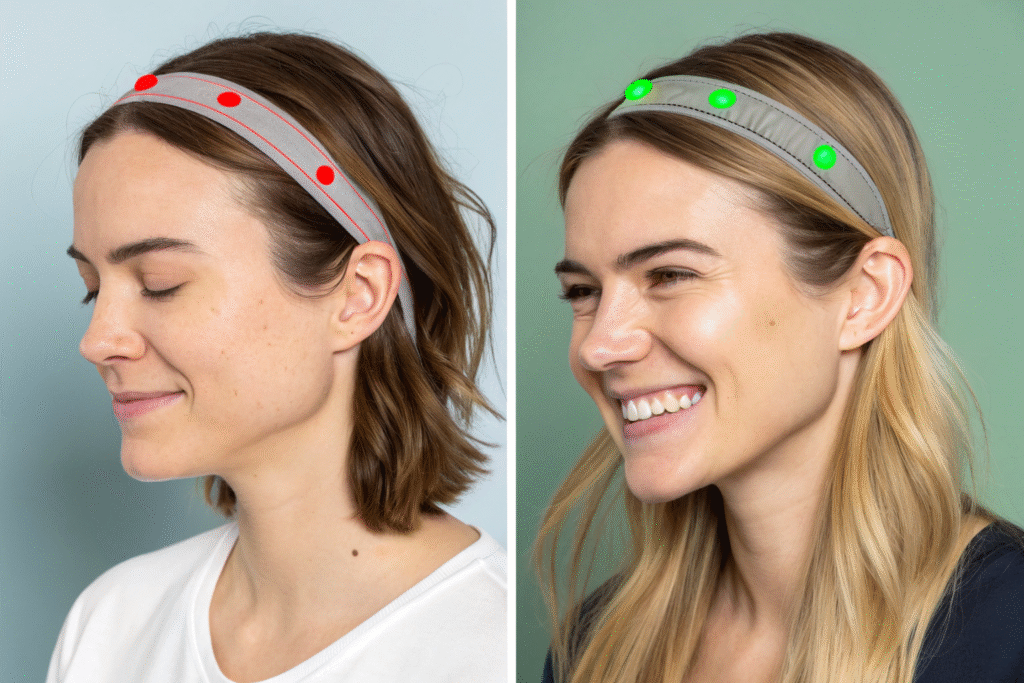
Absolutely. It's a fundamental principle of physics: pressure equals force divided by area. A wider hair band increases the surface area in contact with the head, thereby reducing the pressure on any single point. A thin, string-like band (5mm or less) must be pulled very tight to hold hair, creating a "wire-cutting" effect that leads to headaches and hair loss. For all-day wear, recommend styles that are at least 1.5cm wide. Our design team at AceAccessory creates numerous width options, and we can advise on the perfect width for your target market—wider for heavy, thick hair and for ultimate comfort, slightly narrower for a more delicate look without sacrificing support.
What is the Best Closure for a Non-Stretch Hair Band?
For non-stretch fabric bands, the closure is the critical comfort and function hub. The best closures offer micro-adjustability and a smooth interior. A silicone-lined slide buckle is excellent; the silicone grips the fabric securely at any position and lies flat. Soft, wide hook-and-loop (Velcro) is another good option, but ensure the hook side is fully covered when fastened to prevent catching hair. Avoid cheap metal clasps or buttons that can dig into the skull. During our quality control process, we test closures by fastening and unfastening them hundreds of times to ensure they remain secure and easy to use, a detail that prevents customer frustration and ensures the product's functional longevity.
How to Test Hair Bands for All-Day Comfort Before Bulk Ordering?
You wouldn't launch a product based on a sketch alone. Physical testing is your insurance policy against a bulk order of uncomfortable, unsellable hair bands. Relying solely on a supplier's sample can be misleading, as it might be a hand-made "golden sample" not representative of mass production. Implementing a structured testing protocol bridges the gap between prototype and reality, giving you data-driven confidence in your purchase. This step is non-negotiable for buyers who prioritize quality control and long-term brand reputation.
A professional testing protocol should include wear trials, tension and stretch recovery tests, and durability washes. Provide samples to a diverse group of testers with different hair types (fine, thick, curly, straight) and head sizes. Collect structured feedback on pressure points, slippage, and ease of use over 8-12 hours of wear. In parallel, conduct lab-style tests: repeatedly stretch the band to its limit and measure if it returns to its original size. Simulate months of use through repeated washing cycles to check for fading, fraying, or seam failure.
| Test Type | How to Do It | What to Look For | Pass/Fail Criteria |
|---|---|---|---|
| Wear Trial | Give samples to 10-20 testers for full-day wear. | Feedback on headache, slippage, scalp irritation. | ≥90% report "comfortable with no pain." |
| Stretch Recovery | Stretch band to 150% length 50 times. | Measure permanent deformation after 1 hour. | Length recovery ≥95% of original. |
| Wash Durability | Machine wash (gentle cycle) and air dry 10 times. | Fading, fabric pilling, seam integrity, elastic fatigue. | No significant fading, pilling, or seam failure. |
| Grip Test | Use on smooth mannequin head and synthetic hair. | Measure how many head shakes until it slips off. | Should withstand vigorous movement. |
Why are Real-World Wear Trials Irreplaceable?
Lab tests measure physical properties, but only human wear trials can capture the subjective experience of comfort. A band might test well for stretch recovery but still have a seam that rubs against the back of the ear. Testers with thick, heavy hair will stress the product differently than those with fine, silky hair. By conducting these trials, you gather authentic insights that directly inform product development and marketing claims. We encourage our clients to run these trials and share the feedback with us. It creates a collaborative feedback loop, allowing our design team and project managers to make precise adjustments before the production tooling is finalized.
How Can I Ensure My Bulk Order Matches the Sample Quality?
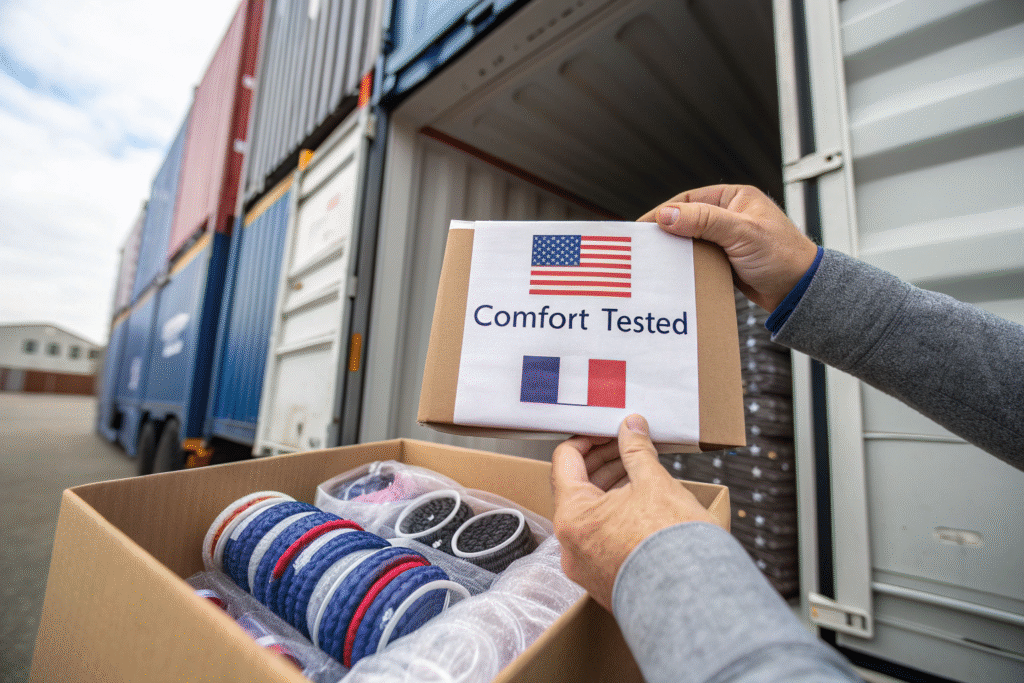
The "sample vs. bulk" discrepancy is a classic sourcing nightmare. The solution is to tie your quality control standards directly into the purchase order. Specify the exact materials (with mill certificates if possible), construction methods, and pass/fail criteria from your testing. Then, implement a multi-stage inspection process: Initial Production Check (IPC) when ~20% of order is complete, During Production Inspection (DPI), and Final Random Inspection (FRI) before shipment. At shanghaifumaoclothing, we have an in-house quality control team that performs these checks as standard, but we welcome and facilitate third-party inspections for our clients' added assurance. This rigorous approach ensures the 10,000 hair bands in your container are as comfortable as the one you approved.
Where to Source Reliable Manufacturers of Comfort Hair Bands?
Knowing what you want is half the battle; finding a partner capable of executing it consistently at scale is the other half. The market is flooded with suppliers claiming to make comfortable hair bands, but reliability is proven through certification, transparent processes, and a proven track record. Your sourcing channel—be it Alibaba, trade shows, or Google searches—must be navigated with a focus on partners who demonstrate a commitment to the engineering of comfort, not just the assembly of accessories.
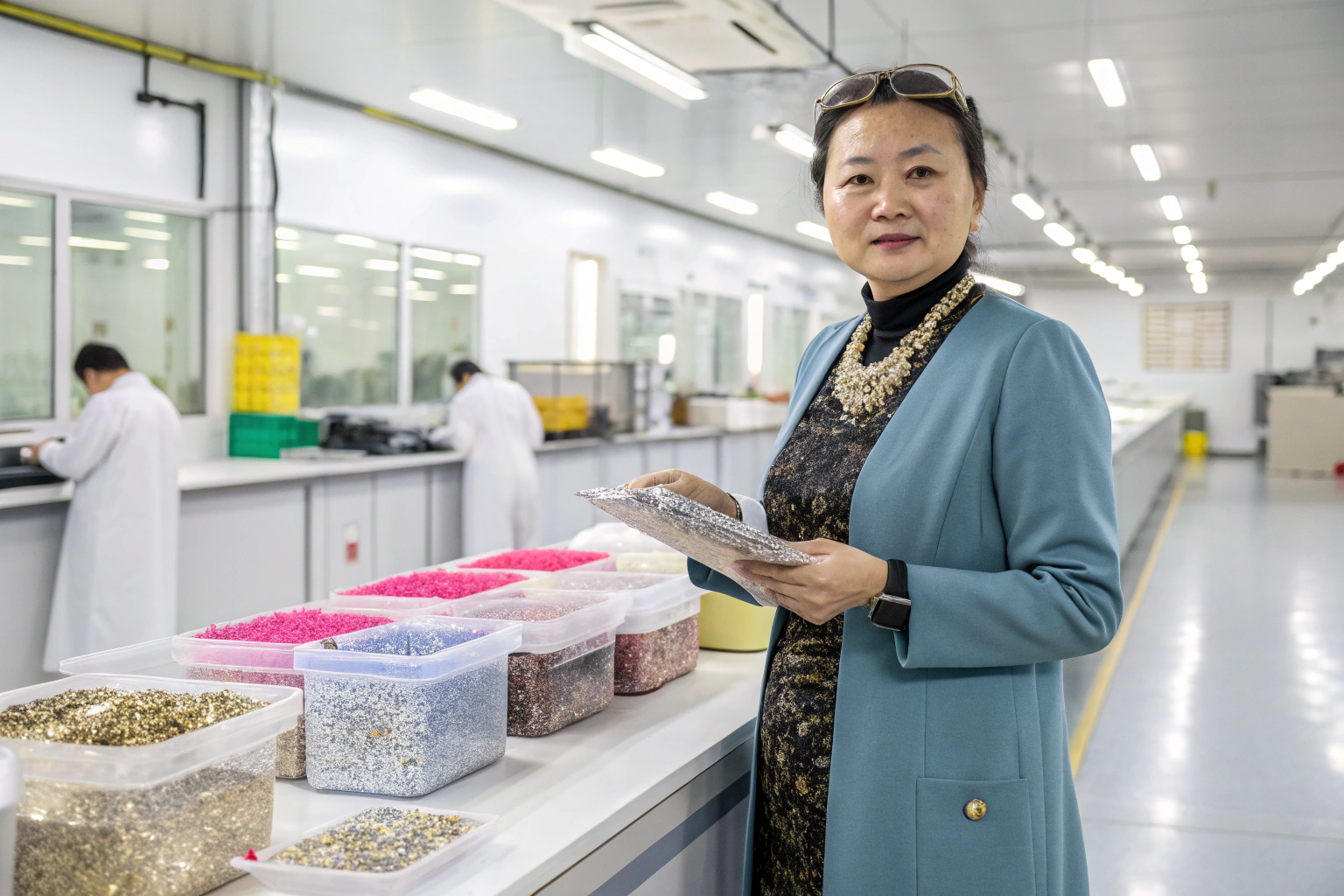
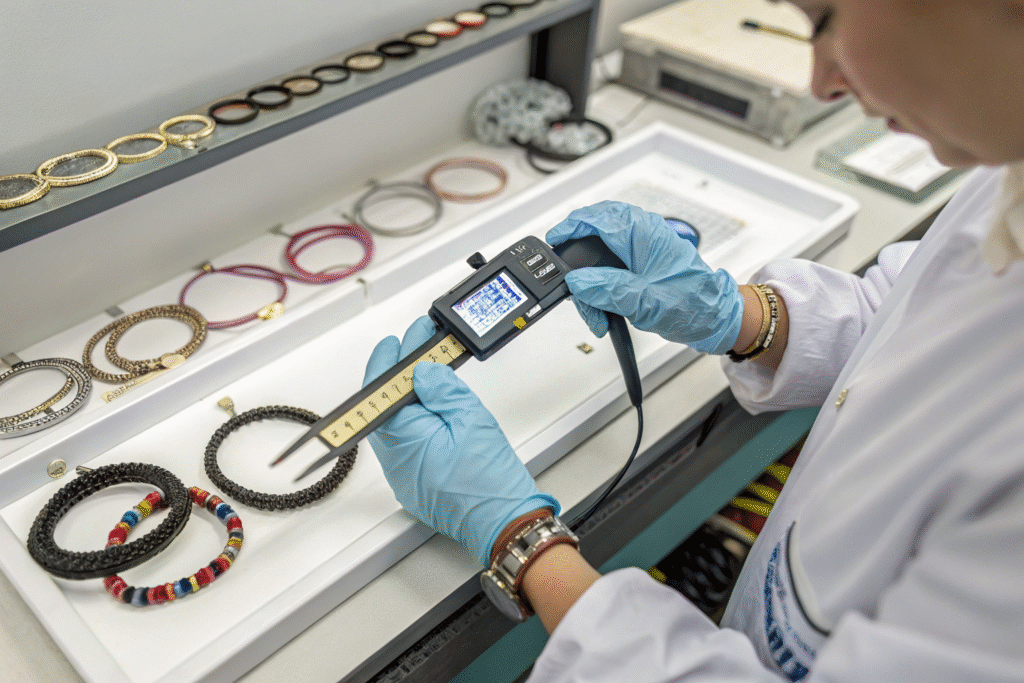
Look for manufacturers with a dedicated design team and in-house quality control facility. They should openly discuss material sourcing and have examples of solving comfort challenges (like non-slip grips or headache-free designs). A modern, clean factory (like our facility in Zhejiang Province) is often indicative of systematic process control. Experience matters: a supplier with a history of serving major supermarkets or reputable brands in Europe and America will understand the compliance, consistency, and comfort standards required.
What Questions Should I Ask a Potential Supplier?
Go beyond price and MOQ. Ask specific, technical questions to gauge their expertise:
"Can you provide a breakdown of the materials in your most comfortable hair band, including elastic core specification and fabric composition?"
"What is your process for testing stretch recovery and colorfastness?"
"Can you show me your quality inspection sheets for hair bands?"
"Do you have OEKO-TEX or other relevant certifications for your fabrics?"
"Can you provide references from clients who order similar comfort-focused products?"
Their answers will reveal their depth of knowledge and operational maturity. A professional manufacturer like us welcomes these questions as they form the basis of a strong, transparent partnership.
How Does a Factory's Vertical Integration Benefit Me?
A vertically integrated factory that controls design, material sourcing, production, and QC under one roof offers immense advantages for comfort hair bands. It allows for rapid iteration during development; if a seam needs adjustment, the design and production teams can collaborate instantly. It ensures consistency in material quality from batch to batch. Most importantly, it creates single-point accountability. When you partner with shanghaifumaoclothing, you are not coordinating between a designer, a component supplier, and an assembler. You have one team responsible for delivering the comfortable, high-yield product you specified, streamlining communication and ensuring every detail from elastic tension to seam softness is executed to plan. This control is what turns a good product idea into a great, reliably comfortable mass-produced reality.
Conclusion
Finding hair bands that are genuinely comfortable for all-day wear is a deliberate process that blends material science, thoughtful design, rigorous testing, and a strategic manufacturing partnership. It moves beyond aesthetics and low cost to focus on the human experience of the end-user. By prioritizing fabric-wrapped elastics, ergonomic widths, seamless constructions, and implementing real-world testing protocols, you can source products that earn customer loyalty and drive repeat business.
The effort you invest in sourcing the right product pays dividends in reduced returns, positive reviews, and a strengthened brand reputation for quality and care. In a competitive market, comfort is not just a feature; it's a powerful differentiator.
If you are ready to source hair bands that your customers will love to wear all day, every day, let's connect. We can guide you from material selection through to bulk production with our integrated design and quality control teams. To discuss developing your own line of comfortable hair accessories, contact our Business Director Elaine at elaine@fumaoclothing.com. Let's build products that feel as good as they look.