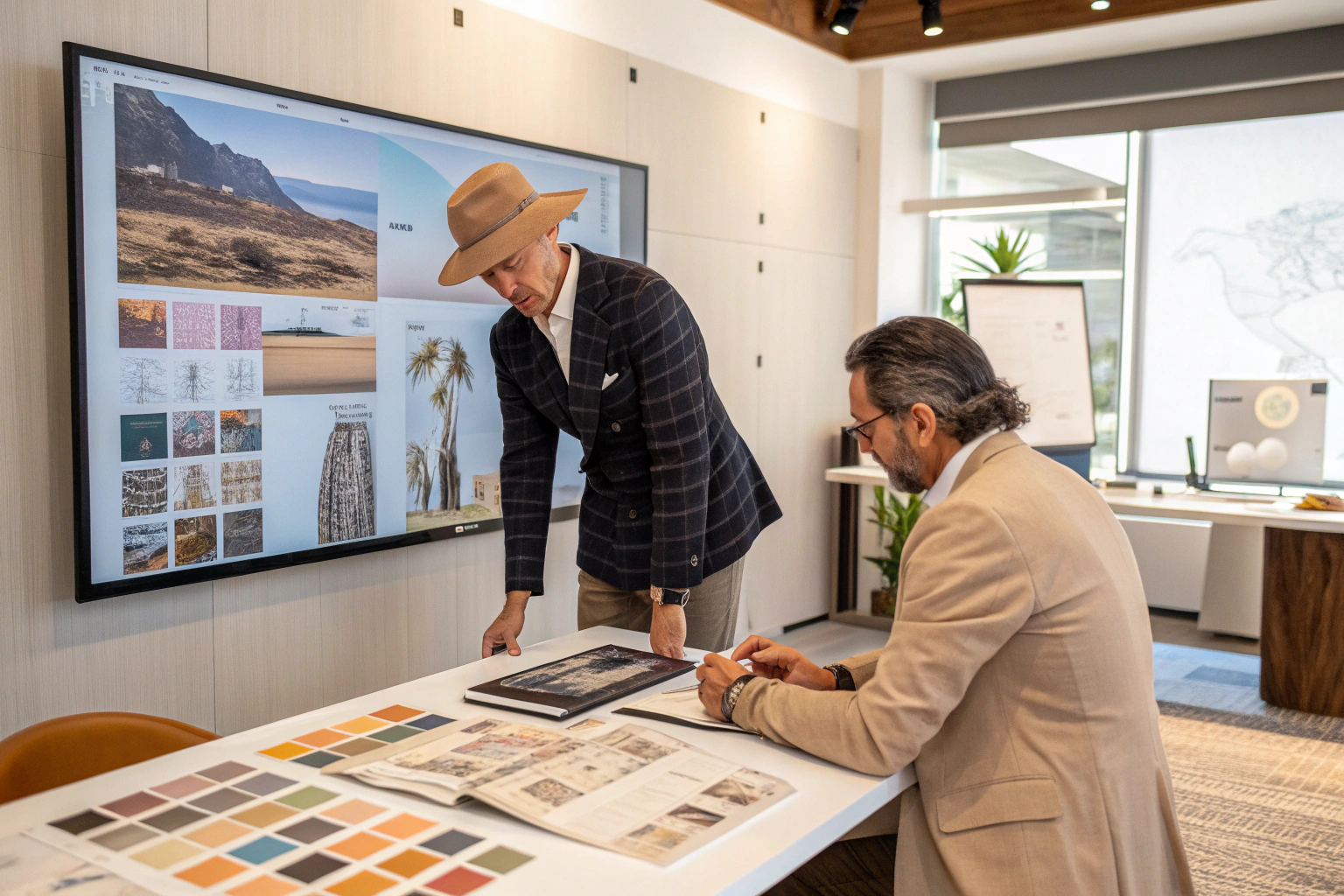
In the complex ecosystem of global fashion manufacturing, finding a factory that can execute a technical order is one challenge; discovering a supplier that possesses the intrinsic cultural and aesthetic fluency to interpret and enhance designs for Western consumers is an entirely different endeavor. This quest is about identifying a creative partner who can grasp the nuances of proportion, color palette, material hand-feel, and design narrative that resonate in markets like North America and Europe. The value of such a partner transcends cost efficiency—it becomes a strategic asset in building an authentic, market-ready brand.
Identifying a supplier with Western aesthetic fluency requires a targeted, multi-faceted approach that prioritizes evaluating their design heritage, direct market experience, and collaborative capabilities over standard manufacturing metrics. Success hinges on looking in the right places, asking the right questions, and prioritizing suppliers who demonstrate a proven track record of creating products that feel native to Western consumer tastes.
This process can be systematically broken down into four key strategic phases: knowing where to search for culturally aligned partners, deeply evaluating their portfolio and design philosophy, testing their collaborative and development process, and finally, building a framework for a long-term, value-added partnership.
Where Should You Look for Culturally Aligned Suppliers?
Your starting point is critical. To find suppliers with inherent Western aesthetic understanding, you must go beyond generic B2B platforms and tap into channels where design sensibility and international experience are inherently showcased.
The most effective channels are Western-focused trade shows and industry associations. Participate in key events like Premiere Vision in Paris or trade missions organized by bodies like the UK Fashion & Textiles association (UKFT). These venues attract manufacturers who proactively market their design capabilities to a global audience. Similarly, leverage official export and trade promotion portals of Western countries. For example, the UK government's great.gov.uk portal lists businesses like Tovi Sorga Ltd., a British designer brand that explicitly exports over 50% of its hand-crafted leather accessories to the USA and has collaborated with major Western institutions. These suppliers are embedded in the Western design ecosystem.
How Can You Use Western Brands as a "Reverse Directory"?
A highly effective tactic is to research the supply chains of Western brands you admire. For instance, the luxury scarf brand Vassilisa is designed in London but manufactured in Italy and the UK. Identifying their production partners (often through industry reports or LinkedIn networking) can lead you to factories already trusted with high-design, Western-facing production. This method provides direct evidence of a supplier's capability to meet exacting aesthetic standards.
What Are the Limitations of General Sourcing Platforms?
While platforms like Alibaba have their place for commodity items, they are less effective for finding aesthetically fluent partners. The search results confirm this: platforms listing generic manufacturers or even successful Western-facing brands like MissKiss (which is an end-brand, not a supplier) do not directly help in finding manufacturing partners. Your search must be intentional, moving from platforms that list products to those that vet and promote design-led manufacturing capabilities.
How Do You Evaluate a Supplier's Aesthetic Fluency and Design Heritage?
Once you have a shortlist, the evaluation shifts from logistics to a critical, qualitative analysis of the supplier's creative DNA and output. Their portfolio, team, and philosophy are their most revealing credentials.
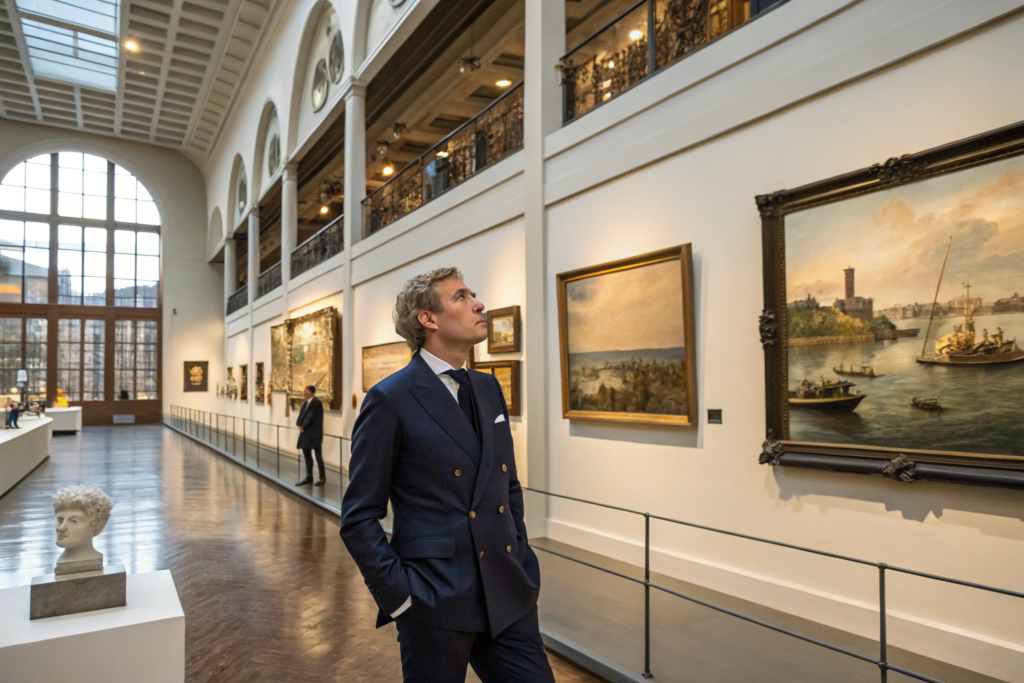
Begin by conducting a deep-dive portfolio analysis. Look beyond technical execution. Examine the styling, photography, and overall brand presentation in their marketing materials. Do the products look like they belong in a Western boutique or on a European runway? More importantly, scrutinize their client list and case studies. A supplier like Tovi Sorga, which holds commissions from the Royal Academy and the Rijksmuseum, demonstrates that prestigious Western cultural institutions trust its design judgment. This is a powerful indicator of aesthetic credibility.
What Questions Reveal Their Design Philosophy?
Request a meeting with their design and development team (not just sales). Ask probing questions:
- "Can you walk me through how you adapted a design for the US versus the European market?"
- "How do you stay informed about Western material and color trends?" (Reference trends like the "comfort and multi-scene dressing" dominant in the US or the "classic remix" in Europe).
- "What is your process for ensuring a product has the right 'hand-feel' and 'drape' for Western consumers?"
Their answers should reflect an understanding of Western lifestyle needs and design subtleties, not just manufacturing specs.
Why Is the Supplier's Own Location and Team Composition a Clue?
While not a strict rule, a supplier's base of operations can offer clues. A design studio or factory located in or frequently collaborating with partners in key Western fashion capitals (London, Milan, Los Angeles) or working with Western designers is often more immersed in the aesthetic dialogue. Furthermore, a team that includes Western-trained designers or product developers is a strong signal of internal cultural competency.
How Do You Test Their Collaborative and Developmental Process?
Aesthetic understanding is meaningless if it cannot be translated into a successful product through collaboration. The next phase involves testing the supplier's adaptability, communication skills, and creative problem-solving.
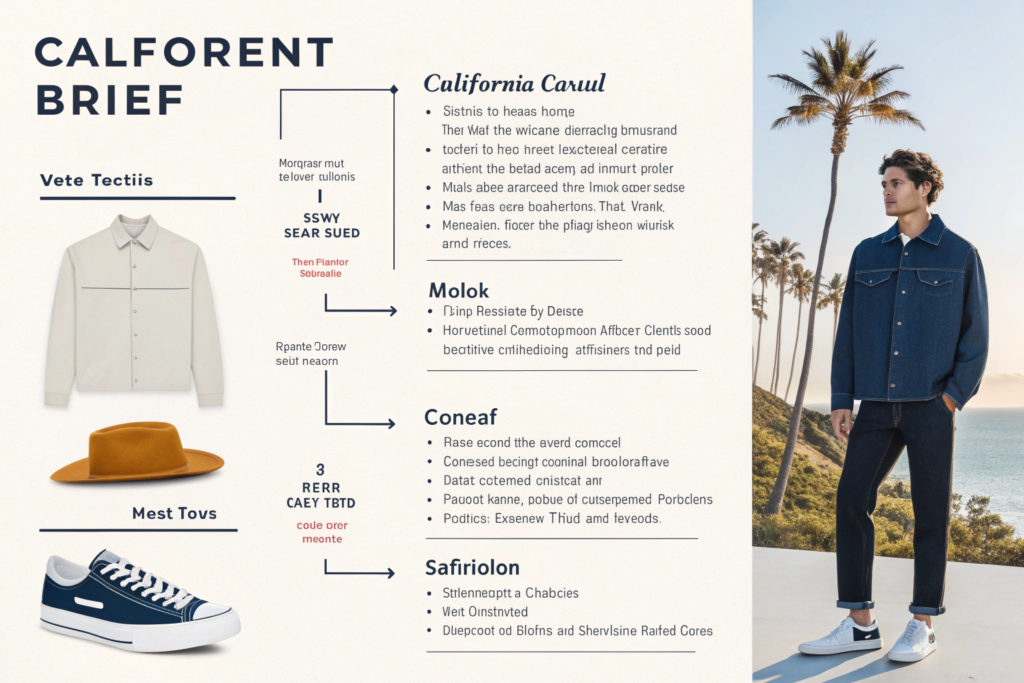
The most critical test is the sample development process. Start with a small, paid development project. Provide a detailed creative brief with mood boards, desired aesthetic keywords (e.g., "California casual," "Scandinavian minimalist"), and functional requirements. Observe their interpretation closely. Do they ask clarifying questions about the target customer's lifestyle? Do their initial material and trim suggestions align with the brief's look and feel? The first sample they produce is the ultimate test of their comprehension and executional skill.
What Does Effective, Aesthetic-Focused Communication Look Like?
Evaluate their communication style and tools. Do they use collaborative platforms like shared digital mood boards? Is their feedback phrased in design language ("This hardware finish feels too industrial; a brushed brass would be more sophisticated") rather than just cost or feasibility terms? A supplier who is a true partner will engage in a creative dialogue, offering constructive alternatives that preserve the design intent while navigating production realities. They should make you feel you have a design ally on the ground.
How Can a "Test Project" Reveal Their Market Insight?
Beyond executing your brief, a superior partner will add value. They might note, "Based on what's selling well on Amazon US in this category, suggesting a slightly more relaxed fit could improve reception". Or they may advise, "For the German market within Europe, a focus on classic, durable construction over bold logos may perform better". This ability to inject relevant market insight demonstrates a commercial, not just technical, understanding of Western aesthetics.
How Do You Build a Framework for a Strategic Partnership?
Finding the right supplier is the beginning. Formalizing the relationship into a true strategic partnership cements your competitive advantage. This involves aligning on values, integrating processes, and building mutual trust.
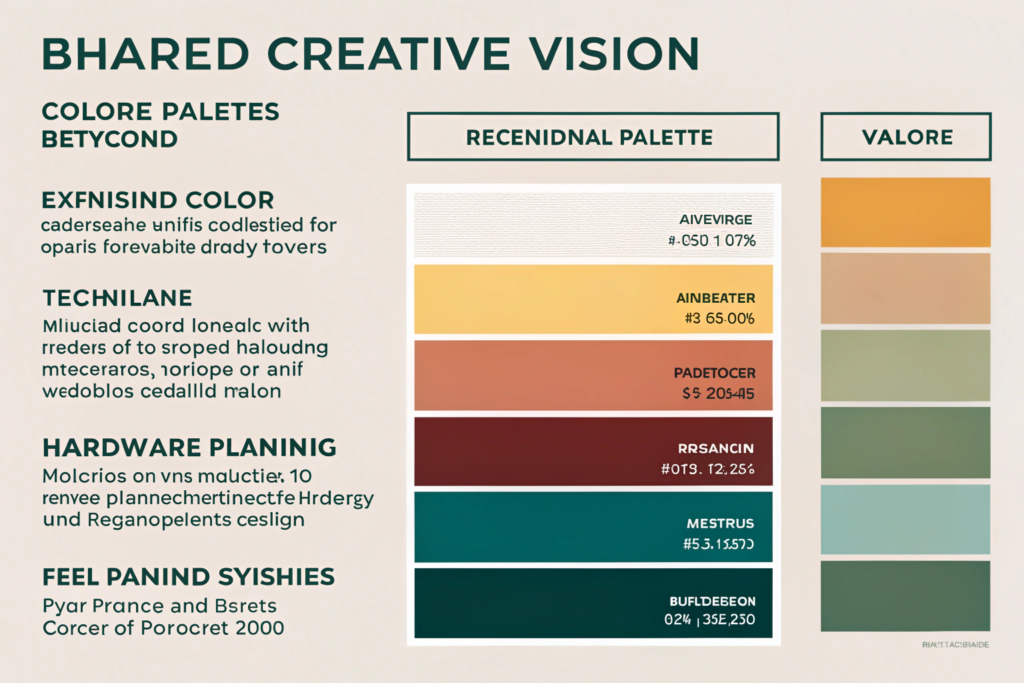
Develop a shared creative vision document. This goes beyond a technical spec sheet to include your brand's core aesthetic principles: approved color palettes (referenced to Pantone), preferred material textures, hardware finishes, and packaging feel. This becomes the shared bible. Schedule regular trend and planning sessions. Share your market insights, and invite them to share forecast reports from the material fairs they attend. This two-way knowledge exchange elevates the relationship.
Why Are Shared Values on Sustainability and Ethics Crucial?
Western consumer trends increasingly demand sustainability and ethical production. A supplier's commitment in these areas is now part of a modern aesthetic. Inquire about their certifications (like the Seri.co certification held by Vassilisa's manufacturers), use of recycled materials, or ethical labor practices. A supplier aligned with these values is more likely to understand and resonate with the conscientious Western consumer, adding another layer of brand compatibility.
How Do You Measure Success Beyond On-Time Delivery?
In a partnership built on aesthetic alignment, success metrics expand. While on-time delivery and quality remain paramount, also track:
- Design Accuracy: How closely do samples match the creative intent?
- Market Responsiveness: How quickly can they adapt to trending colors or materials?
- Innovation Rate: How many of their material or technique suggestions are adopted and successful?
A supplier who truly understands your market will contribute to lower design revision cycles, higher sell-through rates, and a stronger, more coherent brand identity.
Conclusion
Finding a supplier who understands Western aesthetics is a deliberate search for a creative and cultural partner, not just a production facility. It requires a targeted search in design-centric forums, a rigorous evaluation of a supplier's portfolio and design philosophy for genuine Western market experience, and a commitment to testing the collaboration through a shared development process. This approach demands more upfront investment in discovery but pays exponential dividends in product relevance, brand authenticity, and long-term market success.
By following this phased strategy—from targeted sourcing and deep evaluation to collaborative testing and partnership building—you can secure a manufacturing ally that does more than make your accessories; it helps ensure they possess the authentic aesthetic resonance required to captivate the Western consumer.
To connect with a manufacturing partner renowned for its design intelligence and proven success in Western markets, contact Shanghai Fumao. Reach out to our Business Director Elaine at elaine@fumaoclothing.com to begin a conversation about how our culturally fluent design and production team can become an extension of your brand.