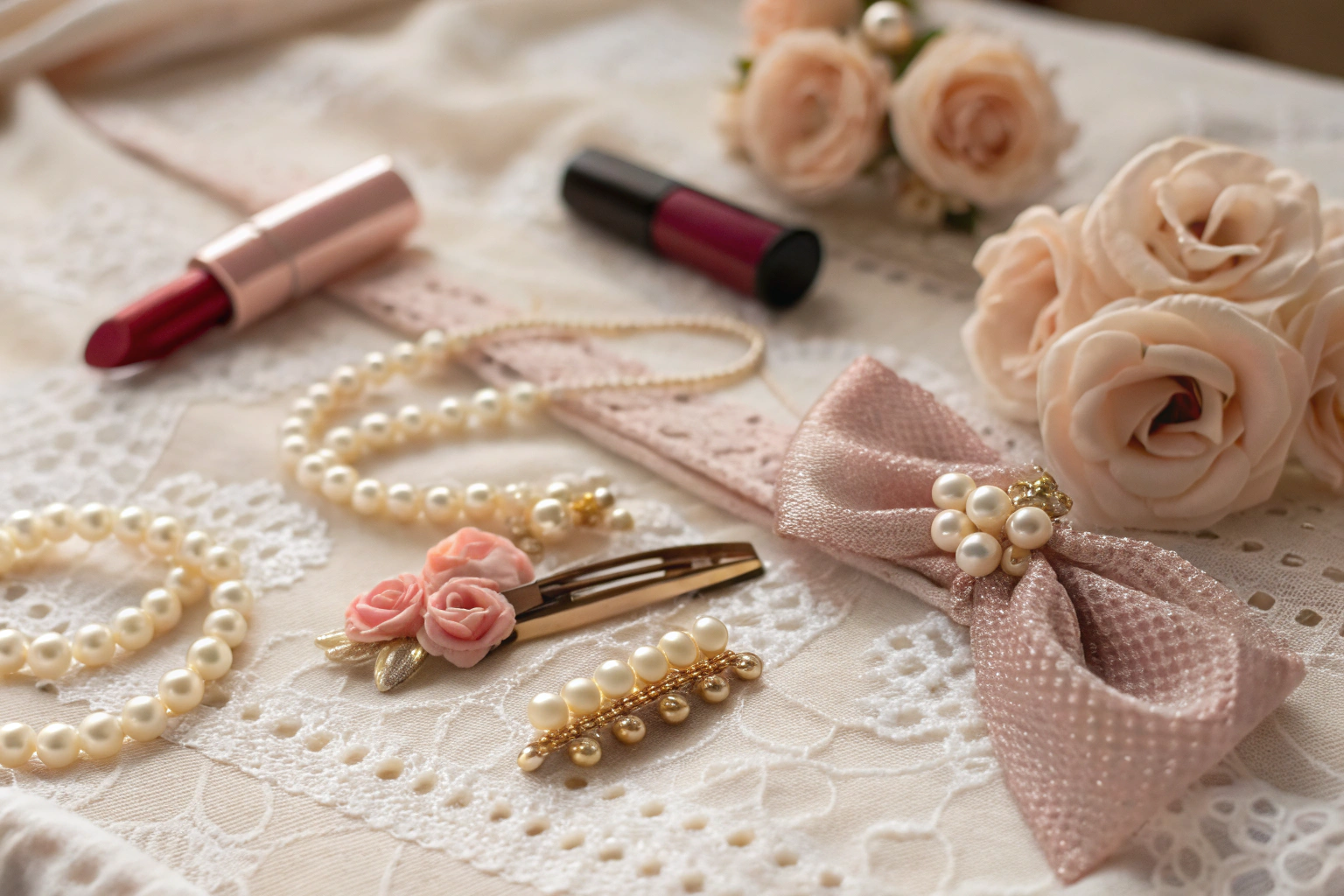
Finding the right supplier for wedding accessories is a critical step for any bridal boutique, event planner, or entrepreneur launching a wedding-focused brand. The stakes are high—your clients' most important day demands perfection, quality, and reliability. A veil with a crooked comb, mismatched pearl colors on hair vines, or delayed shipments of bridesmaid robes can spell disaster for both your reputation and a couple's wedding. So, how do you navigate a global marketplace to find a partner who can deliver the exquisite craftsmanship, timely execution, and collaborative spirit needed for the wedding industry?
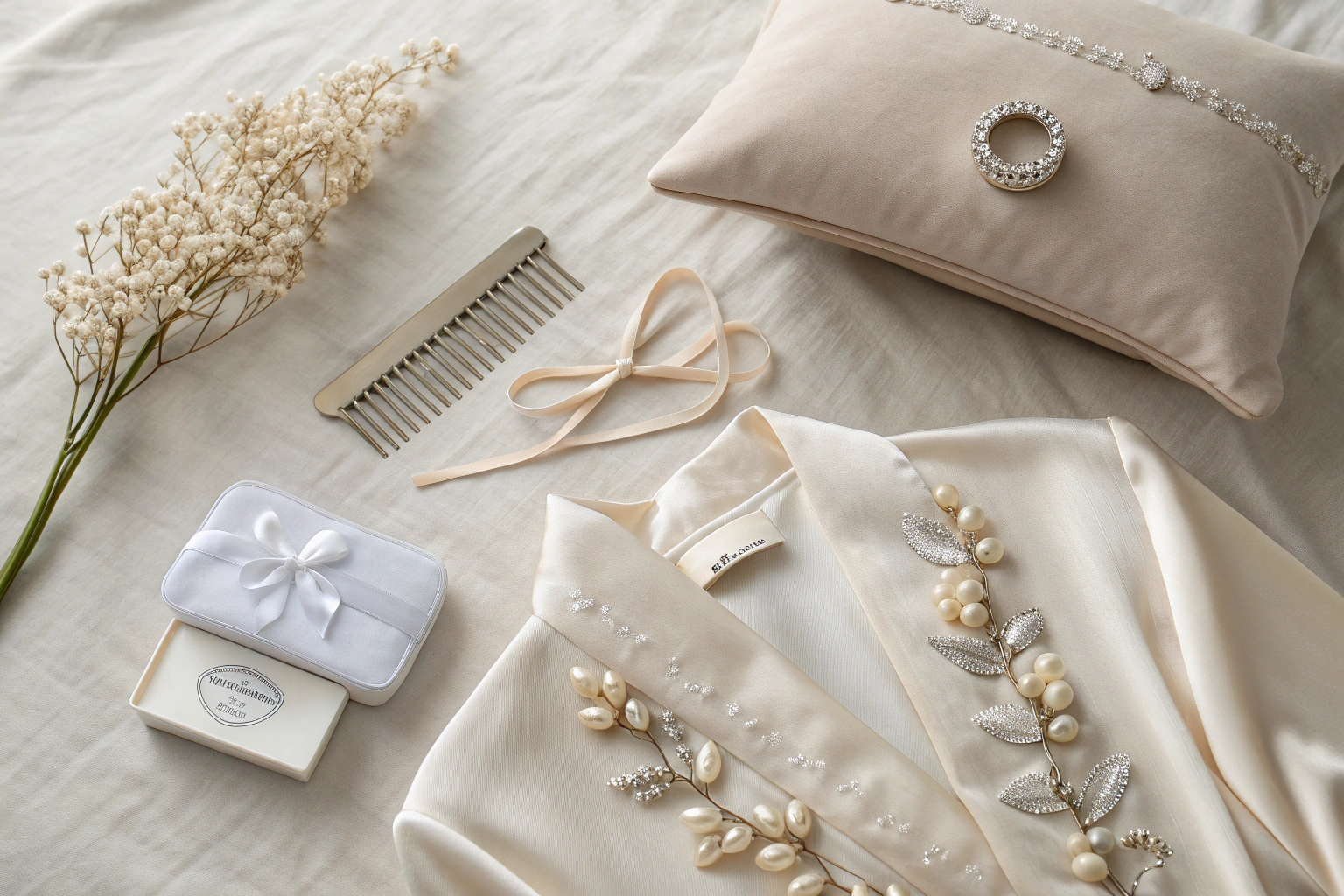
As the owner of AceAccessory, a factory that produces a wide range of accessories including delicate bridal hair vines, custom veils, satin robes, and groom's pocket squares, we understand the unique demands of this sector. Wedding accessory sourcing is not just about finding a manufacturer; it's about finding a partner who grasps the emotional weight of the products and operates with the precision and care it deserves. Success hinges on targeted searching, meticulous vetting for quality and customization capability, and establishing a relationship built on trust and clear communication.
This guide will walk you through a systematic process to find and secure a reliable wedding accessory supplier. We'll cover where to search, how to evaluate potential partners for both quality and customization skills, the crucial role of samples, and how to manage production and logistics for a smooth, stress-free partnership. By the end, you'll have a clear roadmap to finding a supplier who can help you create beautiful, memorable products for the wedding market.
Where to Start Your Search for a Wedding Accessory Supplier?
Your starting point should be precision, not volume. The wedding industry requires a specific skill set—attention to detail, work with delicate materials (lace, silk, Swarovski crystals), and an understanding of small-batch, high-quality production. Begin on platforms and in spaces where these specialized manufacturers promote their services.
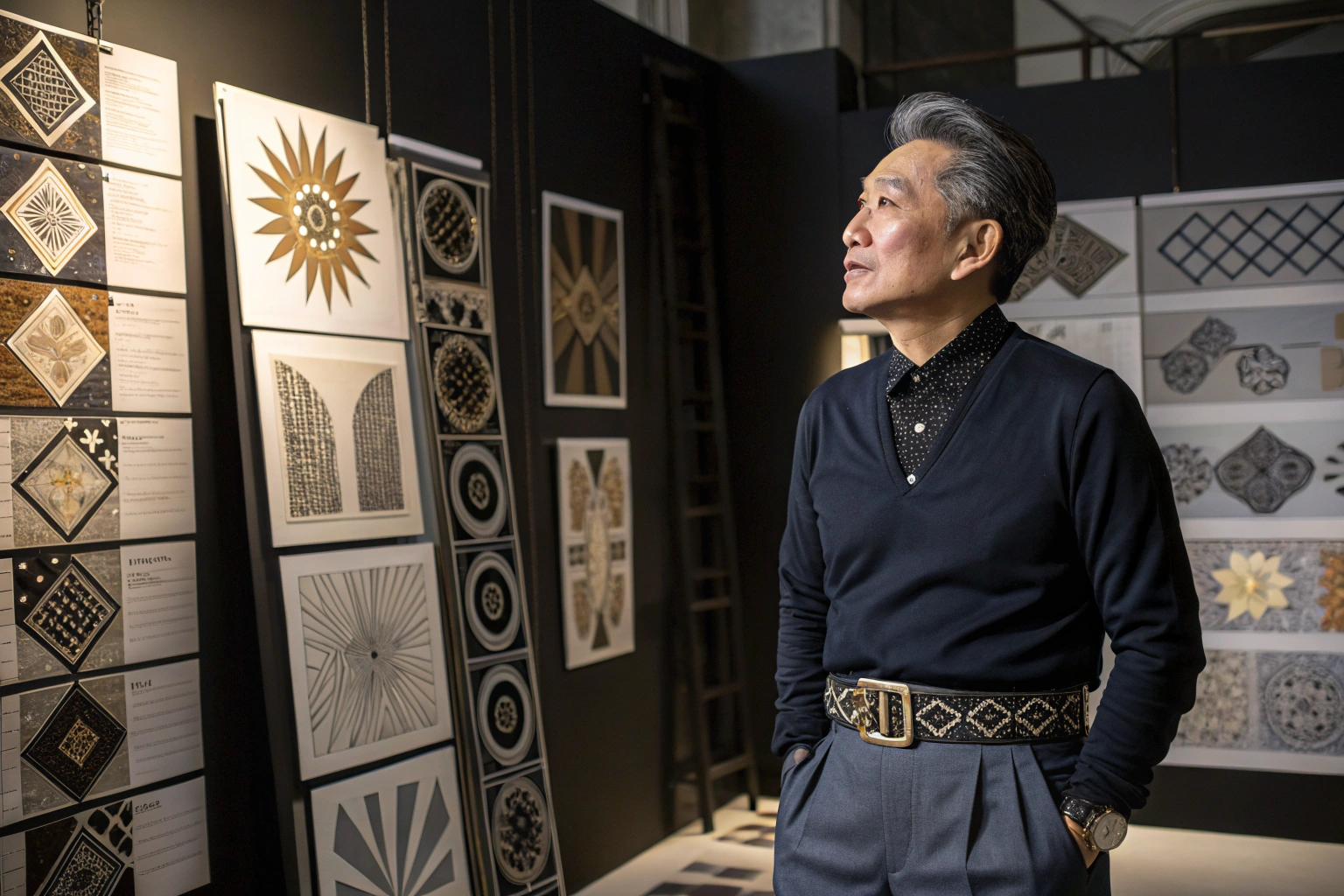
Avoid generic B2B sites that list every type of factory. Instead, focus on bridal and eveningwear trade shows (like Bridal Fashion Week or specialized supplier expos) and niche online directories for the garment and accessory industry. When using platforms like Alibaba, use very specific keywords: "bridal hair accessory manufacturer," "custom wedding veil factory," "luxury satin robe OEM." Look for suppliers whose entire portfolio is geared towards special occasion or bridal wear, not those who list wedding items among thousands of other products. A specialized factory, like ours at Shanghai Fumao, will have a deep understanding of the materials and finishing touches that define the bridal category.
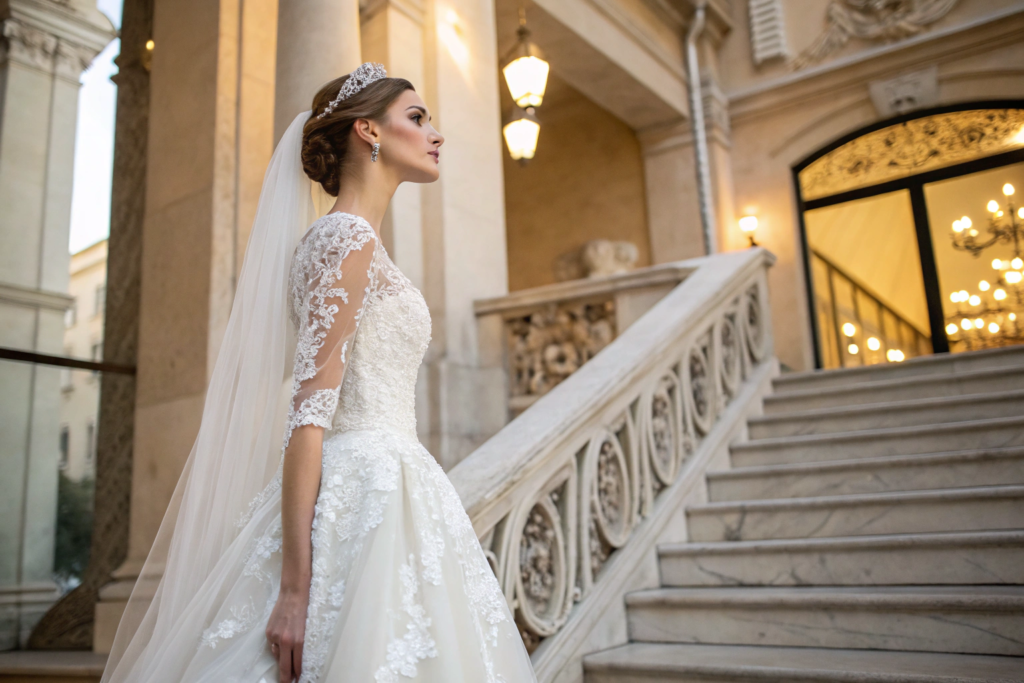
Are trade shows worth the investment for finding suppliers?
Absolutely. Trade shows are unparalleled for the wedding industry. They allow you to:
- See and Feel Quality Firsthand: You can inspect the stitch density on a veil, the setting of crystals, and the hand-feel of fabrics—things impossible to judge online.
- Meet Decision-Makers Face-to-Face: Building a personal relationship with a factory's sales or design manager is invaluable for future communication.
- Gauge Specialization: A booth dedicated to bridal accessories indicates focused expertise.
- Discover Trends and New Materials: You can see the latest innovations in lace, pearl treatments, and metalwork directly.
While requiring travel, the insight and relationship-building from a single major trade show can set your supply chain for years.
How to vet an online supplier's specialization?
When evaluating an online presence, go beyond the gallery. A professional wedding accessory supplier will:
- Showcase close-up detail shots of their work (embroidery, bead setting, lace appliqué).
- Highlight their customization process—do they offer custom lace dyeing, monogramming, or bespoke design?
- Have certifications relevant to quality and material safety (e.g., OEKO-TEX for fabrics).
- Feature client testimonials or case studies from other bridal brands or boutiques.
Their communication should reflect an understanding of bridal terminology and timelines from the first inquiry.
What Are the Key Factors for Evaluating Quality and Craftsmanship?
For wedding accessories, perceived quality is everything. Your evaluation must go beyond basic business reliability to scrutinize the artistry and precision of the work. This requires a multi-layered approach, combining document checks, sample analysis, and probing questions about their processes.
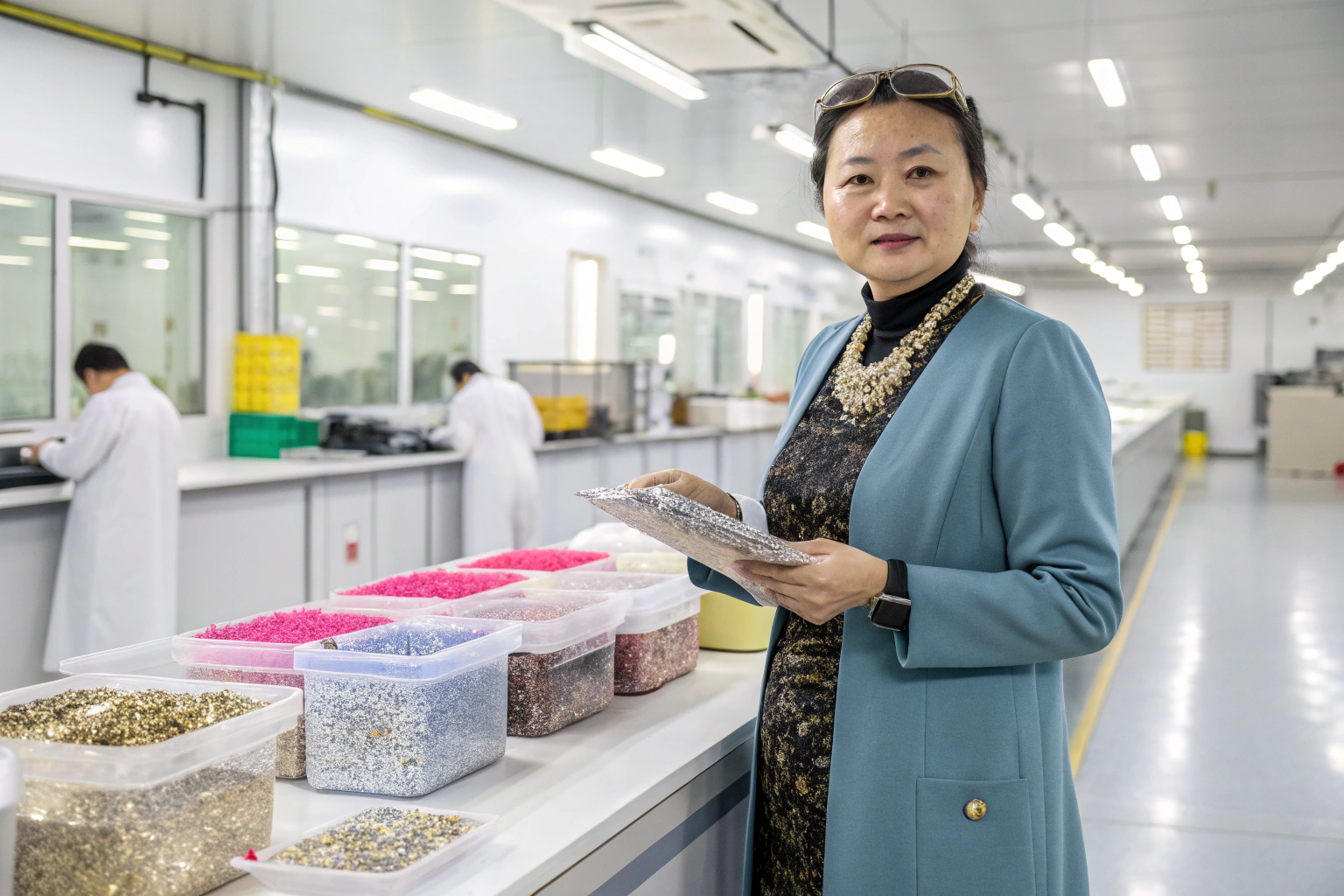
Focus your evaluation on three pillars: Material Sourcing, Production Technique, and Quality Control Protocol. A high-end supplier will be transparent and even proud of their standards in these areas. For instance, they should be able to tell you the origin of their French leavers lace, the type of wire used in a headpiece (should be flexible and skin-friendly), or the density of stitches per inch in their embroidery.
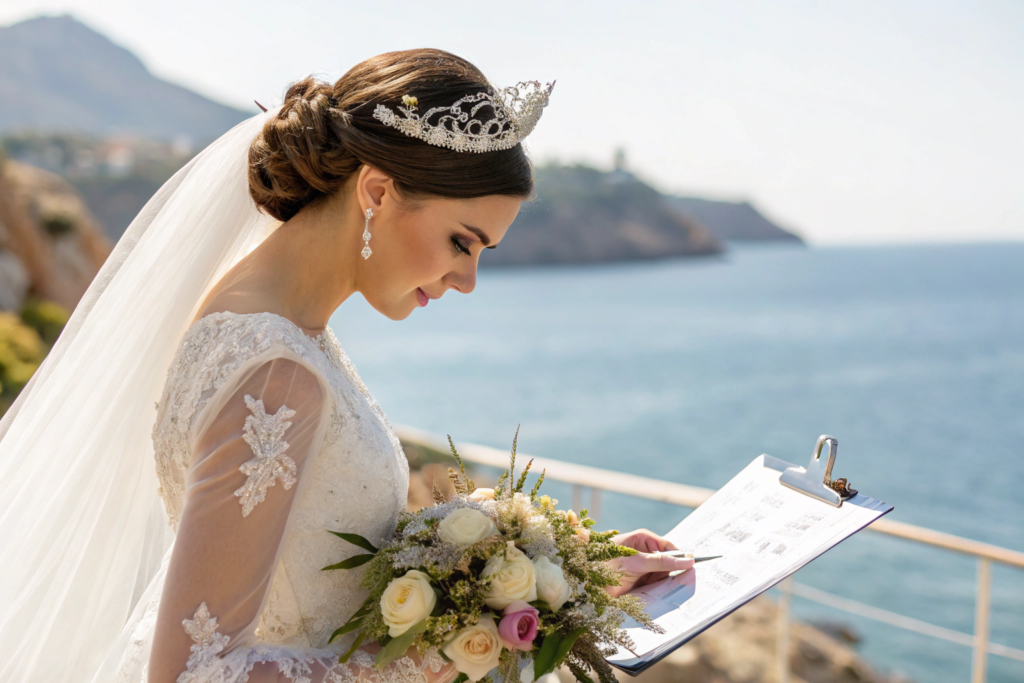
How to assess material quality and sourcing?
The foundation of a luxury accessory is its materials. Ask direct questions:
- "What grade of Swarovski crystals or pearls do you use?" (e.g., Swarovski Preciosa vs. generic crystal).
- "Can you provide mill certificates for your silks and satins?"
- "How do you source and select your lace? Can you work with client-provided lace?"
- "What metals do you use for findings? Are they nickel-free or hypoallergenic?"
A reputable supplier will have established relationships with quality material vendors and be eager to share this information. This is a key part of the value proposition they offer.
What production techniques indicate high craftsmanship?
The construction methods separate mass-produced items from heirloom-quality pieces.
- For Veils & Tiaras: How is the lace or beading attached? Hand-sewn appliqué is a sign of luxury versus glue or simple machine tacking.
- For Hair Vines & Combs: Is the wire wrapping tight and secure? Are bead tips cleanly finished?
- For Embroidery: Is it machine-embroidery (standard) or can they offer hand-embroidery for ultra-luxury pieces?
- For Monogramming: What techniques do they use? Laser-cutting on silk, hand-embroidery, or heat-transfer?
Requesting videos of their workshop or specific process shots can provide powerful insight into their craftsmanship level.
Why Is the Sampling Process Non-Negotiable?
The sampling phase is your most important due diligence. Never, ever place a bulk order without approving a physical, production-representative sample. This is your only chance to catch issues with color, proportion, material hand-feel, and construction before committing significant funds. For wedding accessories, the sample is not just a product check; it's a test of the supplier's ability to interpret your design vision with precision and care.
A professional supplier will expect and encourage a sampling process, though you will pay for sample costs and shipping. This investment is your cheapest insurance. The process typically involves a prototype sample (to check design) and a pre-production sample (made with actual bulk materials before full production runs). At Shanghai Fumao, we guide clients through a structured sampling process to ensure every sequin and stitch is perfect.
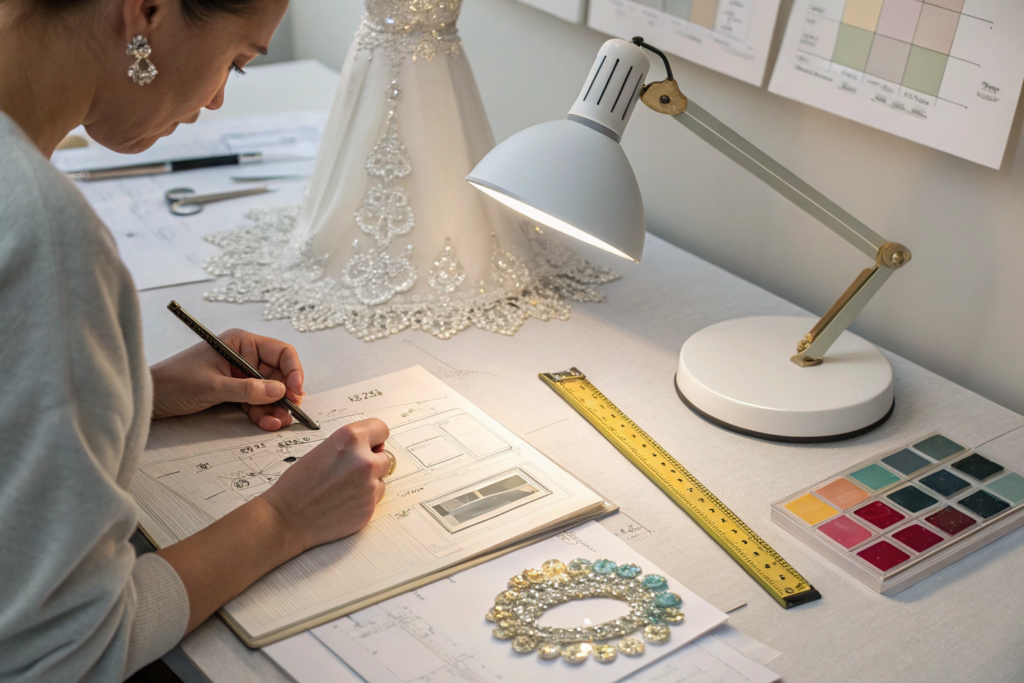
What should you test in a wedding accessory sample?
Your sample inspection should be ruthlessly detailed:
- Visual Accuracy: Does it match the design spec and color Pantone exactly?
- Construction Integrity: Stretch the elastic on a headband. Gently tug on beads and appliqués. Check the security of clasps and combs.
- Finish and Cleanliness: Are there loose threads? Is glue visible? Are metal parts smoothly polished?
- Function and Fit: Does the comb slide smoothly into hair? Does the veil gather properly? Is the robe's belt secure?
- Packaging: Review any custom packaging, labels, or dust bags for quality and accuracy.
Provide structured, written feedback. A good supplier will make revisions without defensiveness.
How to manage custom design and minimum order quantities (MOQs)?
Wedding collections often require custom designs. Be upfront about your needs. Ask:
- "What is your process for custom design? Do you have in-house designers?"
- "What are your MOQs for custom items?" (For accessories, this can range from 50-300 pieces per style/color, though some factories may offer lower MOQs for highly custom work).
- "Are there setup or mold fees for custom elements (like a unique metal charm)?"
Understanding MOQs is crucial for inventory planning. A flexible supplier might allow you to mix and match different styles within a collection to meet a total order minimum, which is invaluable for small boutiques.
How to Ensure Smooth Production and Reliable Logistics?
Once you've approved the sample, the partnership shifts to project management. Clear processes for production tracking, quality assurance, and shipping are vital to ensure your beautiful samples become a flawless bulk order that arrives on time. This is where a supplier's professionalism is truly tested.
Establish clear timelines and communication protocols from the start. You should receive a confirmed production schedule after deposit, with key dates for material cutting, assembly, quality inspection, and shipping. For time-sensitive wedding orders, building in a buffer for unexpected delays is wise.

What quality control is essential during production?
For wedding accessories, you cannot rely on a final inspection alone. Implement staged checks:
- In-Process Quality Check (IPQC): Request photos or a video when production is at 20-30% completion to verify materials and early workmanship.
- Pre-Shipment Inspection (PSI): This is mandatory. Either use the factory's detailed QC report or hire a third-party inspection service. They should check a statistically significant sample against your approved sample for any defects.
Always approve the PSI report before authorizing shipment and balance payment. This is your final safeguard.
How to navigate shipping, import, and customer delivery?
Discuss logistics early:
- Shipping Terms: Understand Incoterms like FOB (Free on Board), which is common. This means the supplier is responsible for getting goods to the port and loaded on the ship; you handle the sea freight, insurance, and import from there.
- Documentation: Ensure the supplier provides all necessary documents for smooth customs clearance: commercial invoice, packing list, and certificate of origin.
- Packaging for Retail: Specify if you need individual polybags, hangtags, or retail-ready packaging. This should be finalized during sampling.
- Lead Time Buffer: For seasonal peaks (like spring/summer weddings), order well in advance to account for potential port congestion.
A supplier that proactively manages these details demonstrates they are a true partner, not just a vendor.
Conclusion
Finding the right supplier for wedding accessories is a deliberate journey of research, verification, and relationship-building. It requires moving beyond price comparisons to a deep evaluation of craftsmanship, customization capability, and operational reliability. The ideal partner is one who shares your commitment to quality, understands the emotional significance of the products, and communicates with transparency every step of the way.
Remember, your supplier is an extension of your brand. The time invested in meticulous sourcing, sampling, and process alignment pays exponential dividends in product excellence, customer delight, and brand reputation.
If you are seeking a reliable, experienced manufacturing partner for your wedding accessory line—be it veils, hair jewelry, robes, or custom keepsakes—we invite you to connect with us. At Shanghai Fumao, we specialize in the delicate craftsmanship and detailed project management the bridal industry demands. To discuss bringing your wedding accessory visions to life, please contact our Business Director, Elaine, at elaine@fumaoclothing.com. Let's create something beautiful, together.