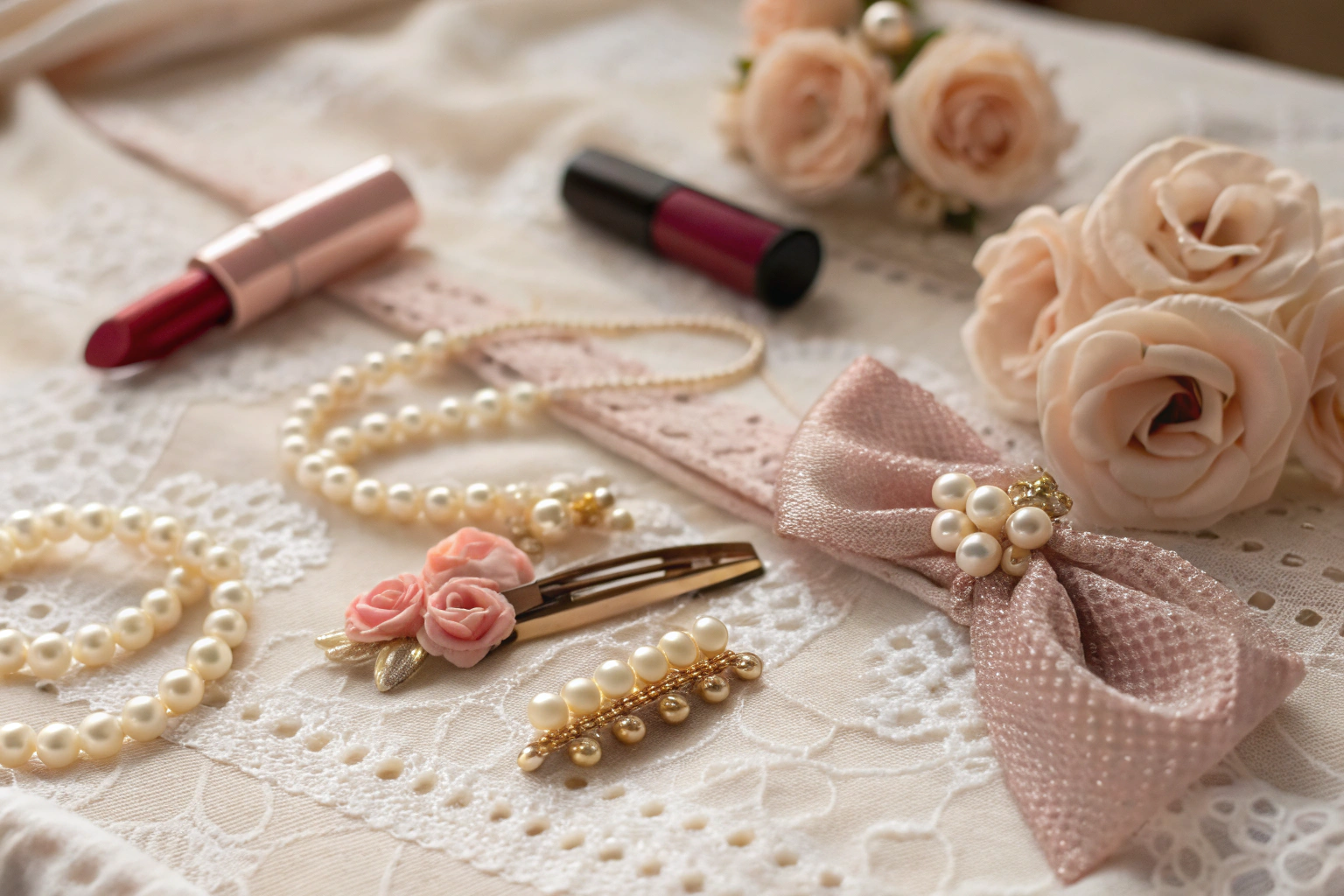
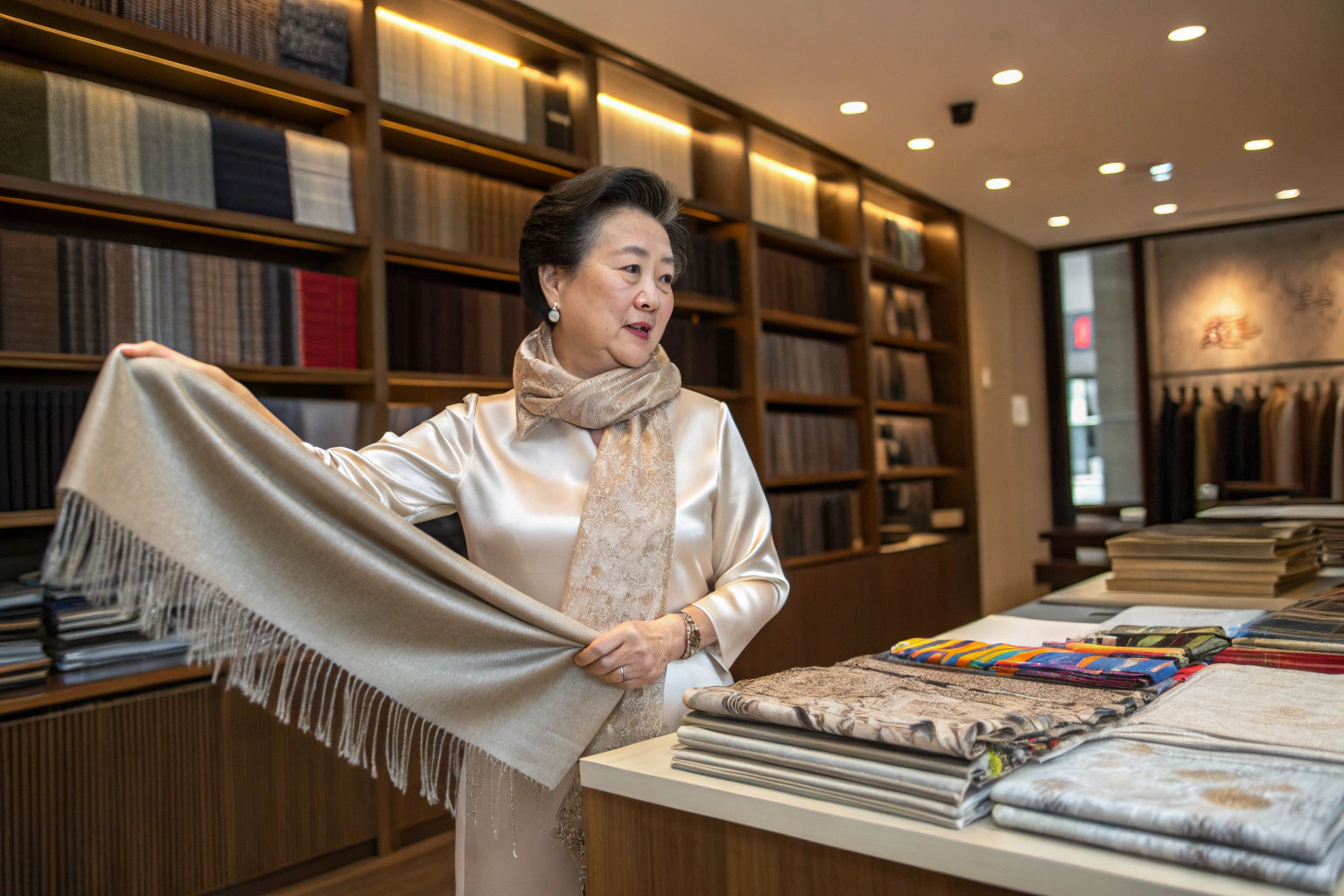
You have a brilliant idea for a new line of hair accessories, belts, or scarves. The designs are ready, the brand story is written, but you're stuck at the most critical step: finding the right factory to bring your vision to life. A poor choice can lead to delayed shipments, subpar quality, and blown budgets—problems that can sink a new brand before it even launches.
Finding a reliable supplier for fashion accessories requires a strategic, multi-stage vetting process that moves far beyond just comparing prices online. The key is to identify a partner with integrated capabilities in design, development, quality control, and logistics, who understands your market's needs. At Shanghai Fumao Clothing, we've been that partner for many brands, and we know that the best relationships are built on transparency, communication, and shared goals for quality and timeliness.
This guide will walk you through a proven roadmap to source a manufacturing partner you can trust for the long term.
Where to Start Your Search for an Accessories Supplier?
The internet offers a vast ocean of potential suppliers, which can be overwhelming. Jumping in without a plan often leads to confusion, spam, and unqualified leads. A scattered approach wastes precious time and increases the risk of connecting with fraudulent or incapable factories.
Your search should begin on the major B2B platforms and trade shows where legitimate manufacturers actively seek business. However, the initial goal isn't to find the one, but to create a shortlist of qualified candidates based on verifiable credentials and a clear match with your product type. This focused approach filters out the noise from day one.
This initial screening is where you'll first assess a supplier's potential design and development capability through their online portfolio and responsiveness.
What Are the Most Effective Online B2B Platforms?
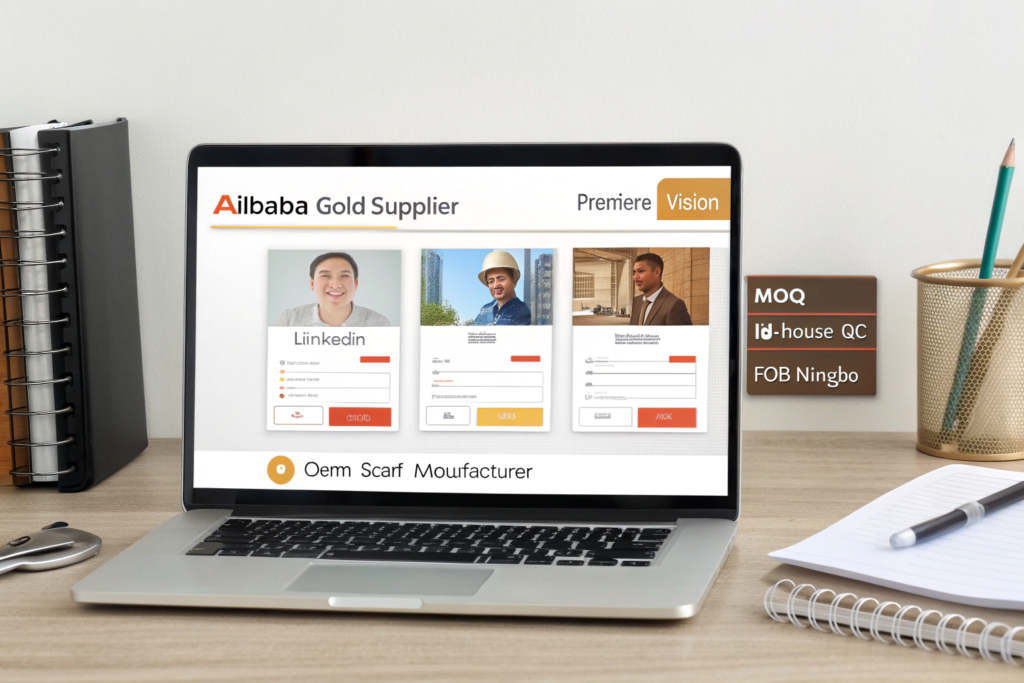
Online platforms are your digital sourcing fair. Each has strengths:
- Alibaba.com: The largest global B2B marketplace. Focus on Verified Suppliers and those with Trade Assurance. Look for suppliers who have a "Gold Supplier" status for several consecutive years, as this indicates stability. Filter for factories that explicitly mention "OEM/ODM" services if you need custom design.
- Global Sources: Known for higher-quality electronics and fashion accessories suppliers. It often features factories with stronger export experience.
- LinkedIn: A powerful tool for professional networking. Search for company names you find elsewhere to see their updates, employee profiles, and get a sense of their corporate culture. You can also use keywords like "hair accessory manufacturer" and filter by location.
Remember, a supplier's profile is their marketing. Your job is to verify the claims they make there.
Why Are Trade Shows Still Invaluable?
While digital is essential, physical trade shows offer irreplaceable advantages. Events like Première Vision (Paris), Accessories Circuit (New York), or the Canton Fair (China) allow you to:
- See and Feel Quality: You can inspect material samples, finishes, and craftsmanship firsthand.
- Meet the Team Face-to-Face: You can gauge professionalism, communication skills, and build a personal relationship on the spot.
- Discover Trends and New Suppliers: You can find innovative manufacturers you may not have discovered online.
Attending a major show signals serious intent and can fast-track the trust-building process. Industry associations like the Accessories Council often have information on relevant trade events.
How to Vett and Qualify Potential Suppliers?
You have a list of 20 potential factories. Now, the real work begins: separating the true manufacturers from trading companies, and the capable partners from the mediocre ones. Relying solely on email communication and glossy catalogs is a recipe for disappointment. Verification is everything.
A rigorous vetting process involves direct communication, sample requests, and background checks. This phase is designed to assess not just their product, but their processes, transparency, and willingness to collaborate as a true partner.
This stage is fundamentally about evaluating their quality control and certifications, even before you place an order.
What Questions Should You Ask in Your First Inquiry?
Your initial contact email should be specific and professional to separate serious suppliers from auto-responders. Key questions include:
- "Can you produce [your specific product]?" Attach a sketch, photo, or clear description.
- "What is your standard MOQ for this type of item?" This filters out factories whose scale doesn't match your needs.
- "Do you offer ODM/OEM services, and do you have an in-house design team?" This assesses their development capability.
- "What quality control processes do you have in place?" Look for specific answers about inspection stages (IPC, DPC, PSI).
- "Can you provide references from clients in my country/market?"
A supplier like Shanghai Fumao Clothing will answer these questions clearly and promptly, often asking insightful questions in return.
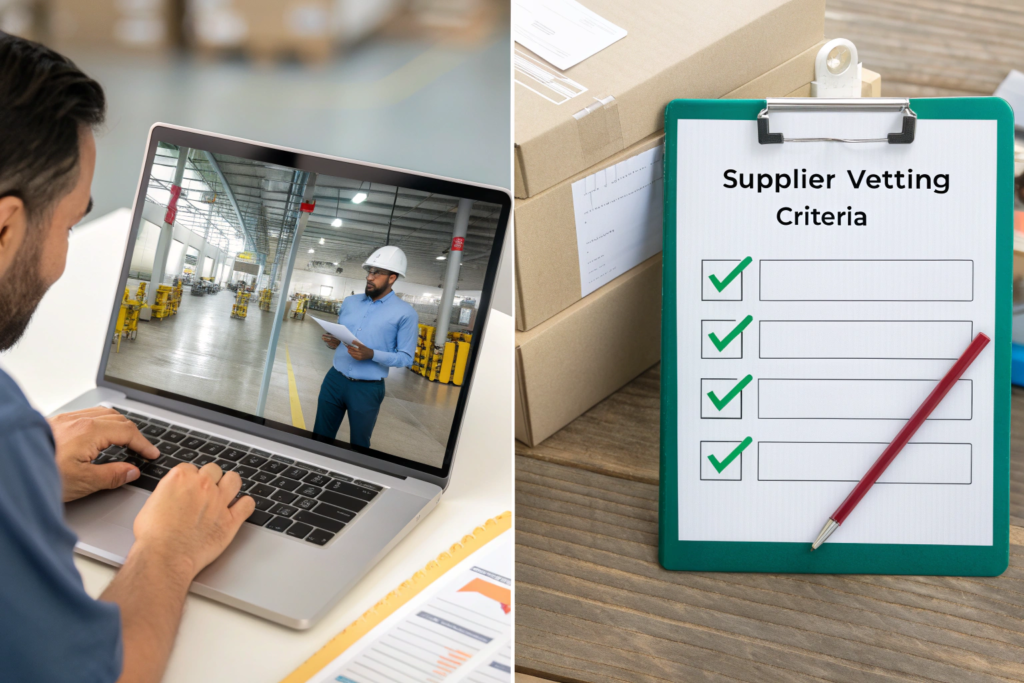
Why is a Factory Audit or Virtual Tour Crucial?
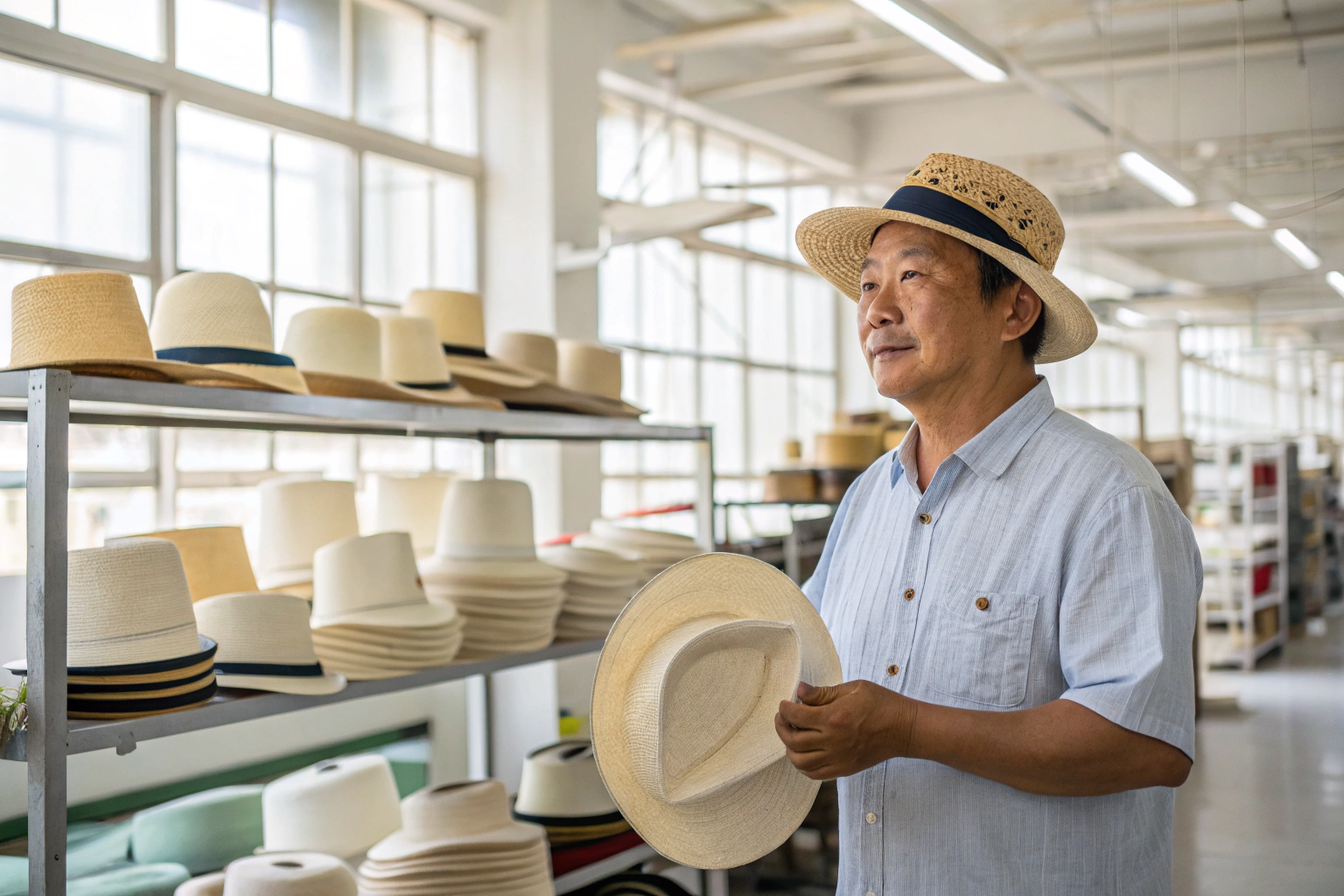
Before any financial commitment, you must verify their operational reality. If visiting in person isn't feasible, insist on a live video tour.
- What to Look For: A clean, organized factory floor; modern machinery; segregated areas for different processes (cutting, sewing, finishing, QC); and a well-managed warehouse. Ask them to show you their QC station and their system for tracking orders.
- Who to Talk To: Request to meet the potential project manager or QC head who would handle your account. This shows the people behind the email address.
This step is the single best way to confirm they are a legitimate manufacturer (not just a trader) and to assess their operational standards. Resources on conducting supplier audits can be found through organizations like SGS.
How to Navigate Sampling and Cost Negotiation?
The sampling phase is your final test before production. It's where design meets manufacturability, and where costs become concrete. Missteps here—like accepting a poor "golden sample" or agreeing to vague cost terms—can lock you into a problematic order.
Approach sampling as a collaborative development process, not a simple purchase. And view cost negotiation as a discussion about value and transparency, not just hammering down the unit price. A good factory will be your advisor during this phase.
Clear communication during sampling is a direct indicator of the supplier's future communication and service reliability.
What is the Purpose of a Development Sample vs. a Pre-Production Sample?
Understand the different sample stages:
- Development Sample (Proto Sample): Created from your initial design to check aesthetics, size, and basic function. It may not use the final materials. Expect to pay for this sample and go through 1-3 revisions.
- Pre-Production Sample (Gold Sample): Made with the exact correct materials, colors, and construction methods that will be used in bulk production. This sample, once approved and signed off by you, becomes the quality standard for the entire order. Never approve a bulk order without a perfect gold sample in hand.
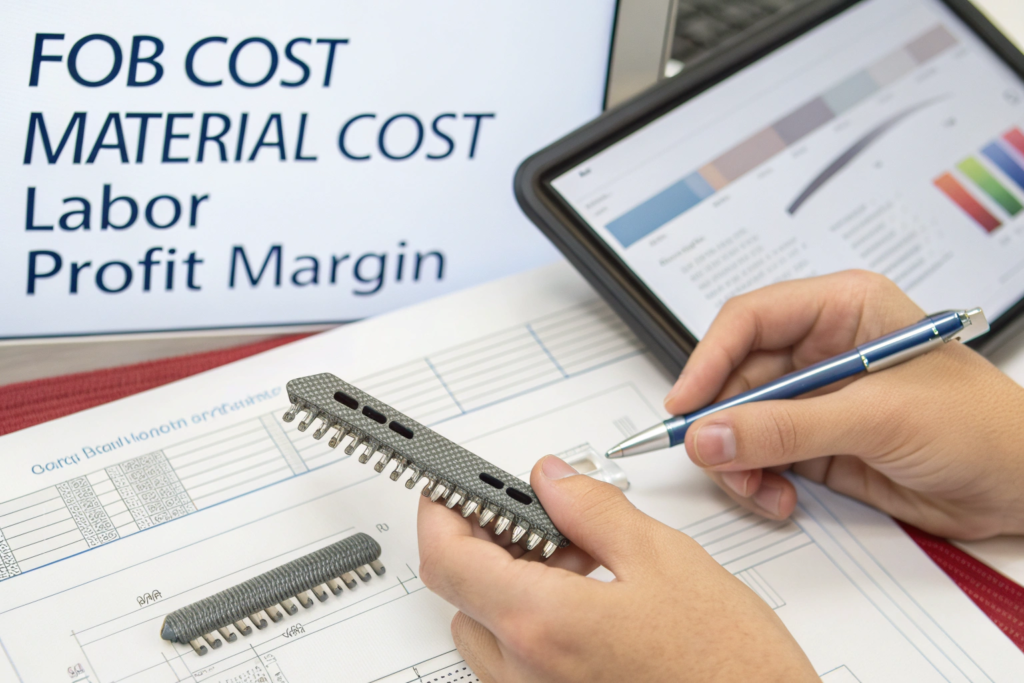
How to Understand a Quotation and Negotiate Fairly?
A professional quotation should be a detailed breakdown, not just a single line item. It should include:
- Cost per unit
- Detailed material specifications (type of metal, grade of leather, GSM of fabric)
- Packaging details (polybag, hangtag, carton)
- Incoterms (usually FOB [Free On Board], meaning their responsibility ends when goods are loaded on the ship at the origin port)
- Payment terms (e.g., 30% deposit, 70% before shipment)
- MOQ (by style, color, or total order value)
Negotiate based on facts and volumes. Ask if costs can be reduced by adjusting material specs slightly or by increasing order quantity. A transparent factory will explain what drives the cost. Be wary of a supplier who agrees to a price that seems too good to be true—it usually is, and quality will be cut to compensate.
What Are the Final Steps Before Placing an Order?
You've found a qualified supplier, perfected the sample, and agreed on terms. The final step before releasing payment is to ensure all expectations are documented and legally clear. This is your last chance to prevent misunderstandings that could derail the entire production run.
The cornerstone of this phase is a detailed Purchase Order (PO) and a comprehensive contract. These documents protect both parties and serve as the single source of truth for the order.
Finalizing these details is essential for smooth logistics and on-time delivery, as it sets the official timeline and responsibilities.
What Must Be Included in the Purchase Order?
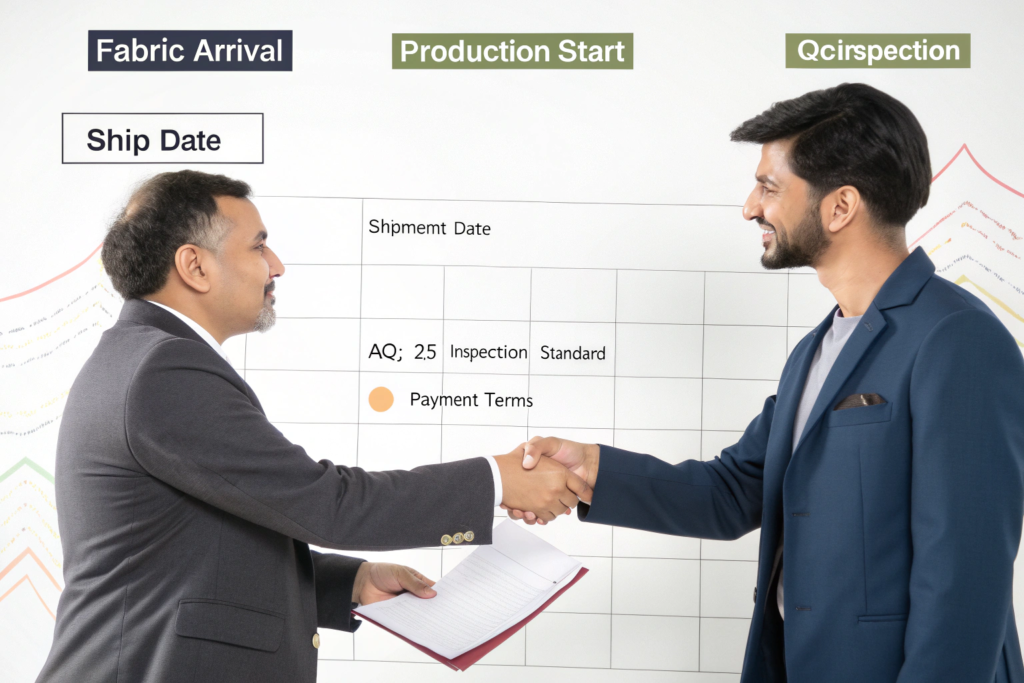
Your PO should be incredibly specific. Beyond product description and price, it must include:
- Reference to the Approved Sample: State "Gold Sample approved on [date] is the quality standard."
- Technical Specifications Sheet: Attach a separate sheet with all measurements, material composition (with mill test reports if required), color Pantone codes, and packaging artwork.
- Quality Standard: Specify the AQL (Acceptable Quality Level) for inspection (e.g., AQL 2.5 for major defects).
- Delivery Date: Specify a clear, single date for when goods must be ready for shipment (FOB date).
- Logistics Instructions: Specify the destination port and any special shipping instructions.
How to Arrange Payment and Protect Your Investment?
The standard and safest payment method for new relationships is a 30% deposit via T/T (bank transfer) with 70% balance paid before shipment after you receive and approve inspection reports. As trust builds, other terms can be discussed.
- Use a Third-Party Inspection: For your first order, strongly consider hiring a third-party inspection company (like SGS, BV, or Intertek) to conduct the pre-shipment inspection at the factory. The cost is modest compared to the risk of receiving defective goods.
- Consider Trade Assurance: On platforms like Alibaba, using their Trade Assurance escrow service adds a layer of protection, releasing funds only after you confirm satisfactory delivery.
Conclusion
Finding the right fashion accessories supplier is a journey of diligent research, thorough verification, and clear communication. It's a process that prioritizes partnership over penny-pinching, understanding that the lowest price often carries the highest risk. By following a structured approach—starting with targeted searches, moving through rigorous vetting and sampling, and culminating in crystal-clear contracts—you dramatically increase your chances of forging a successful, long-term manufacturing relationship.
This partnership is the engine of your brand. A reliable supplier becomes an extension of your team, ensuring that your vision is translated into products that are beautiful, high-quality, and delivered on time, order after order.
Ready to find a partner who can reliably execute your next accessory collection? Start your search with a manufacturer that values transparency and partnership. Contact our Business Director Elaine at Shanghai Fumao Clothing to discuss your project. With our integrated design, quality control, and logistics teams, we are equipped to be your strategic sourcing partner. Email her at: elaine@fumaoclothing.com to begin a conversation.