You’ve been tasked with sourcing corporate swag boxes for an upcoming product launch or company retreat. Suddenly, you’re drowning in a sea of options, from cheap overseas suppliers to local printers with limited scope. As the founder of a factory that has produced thousands of custom accessory kits for major brands, I can tell you that finding the right manufacturer is the difference between a cohesive, impressive unboxing experience and a disappointing collection of mismatched, low-quality items.
The best way to find a manufacturer for corporate swag boxes is to identify a full-service, multi-product factory that specializes in custom manufacturing and can serve as a single point of contact. This partner should handle product design, sourcing of multiple item categories (apparel, accessories, tech goods), quality control, custom packaging, and consolidated logistics—all under one roof. This integrated approach ensures brand consistency, simplifies communication, reduces shipping costs, and guarantees that all items meet the same quality standard.
Let’s break down the step-by-step process, from defining your needs to vetting potential partners, to secure a manufacturer that delivers a turnkey solution for your branded merchandise program.
Why is a Single-Source Manufacturer Better for Swag Boxes?
When building a curated box, you might consider sourcing each item from a different specialist: hats from one factory, bags from another, tech gadgets from a third. This fragmented approach creates a logistical nightmare of multiple contacts, shipping schedules, quality variances, and customs headaches that inevitably lead to delays and budget overruns.
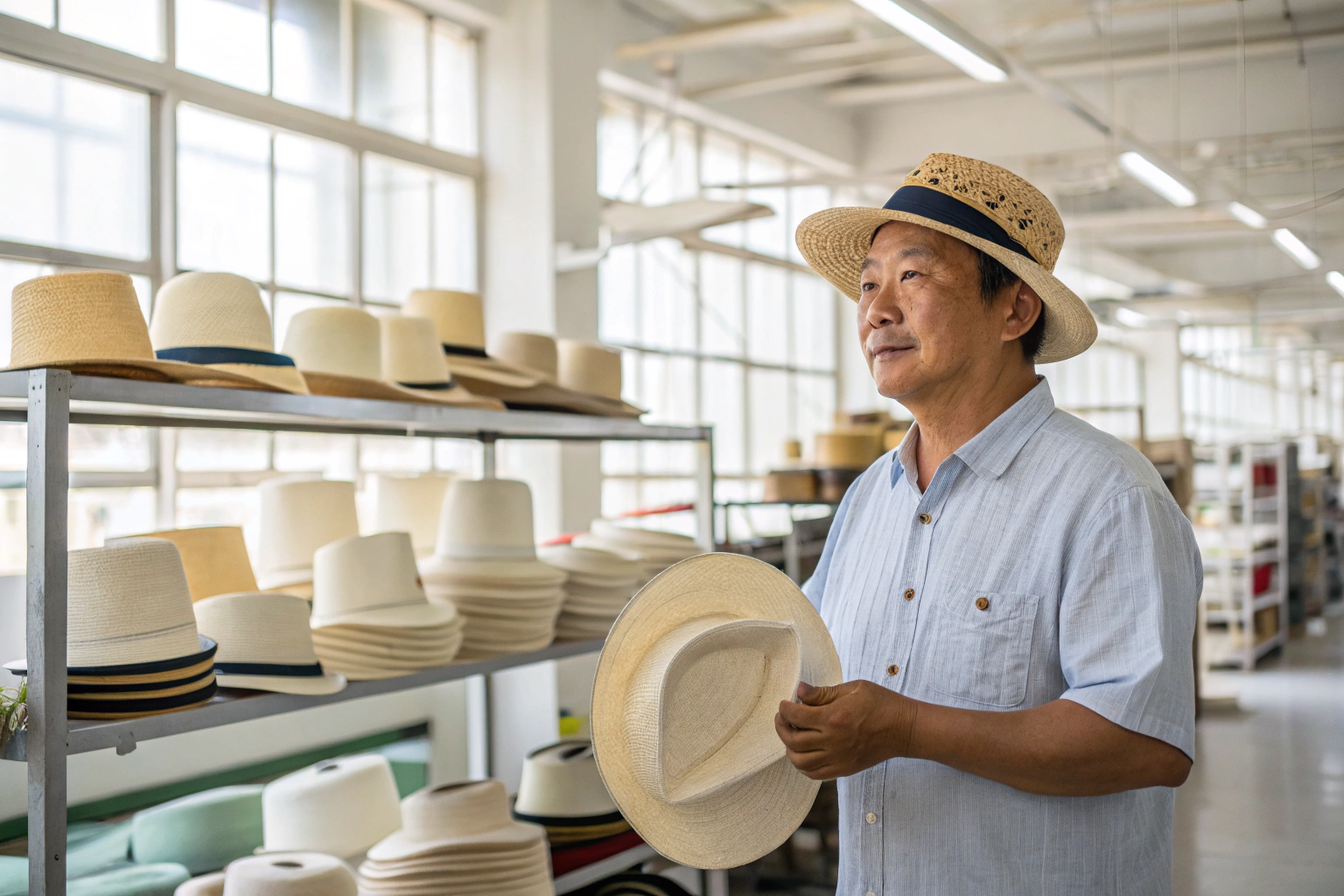
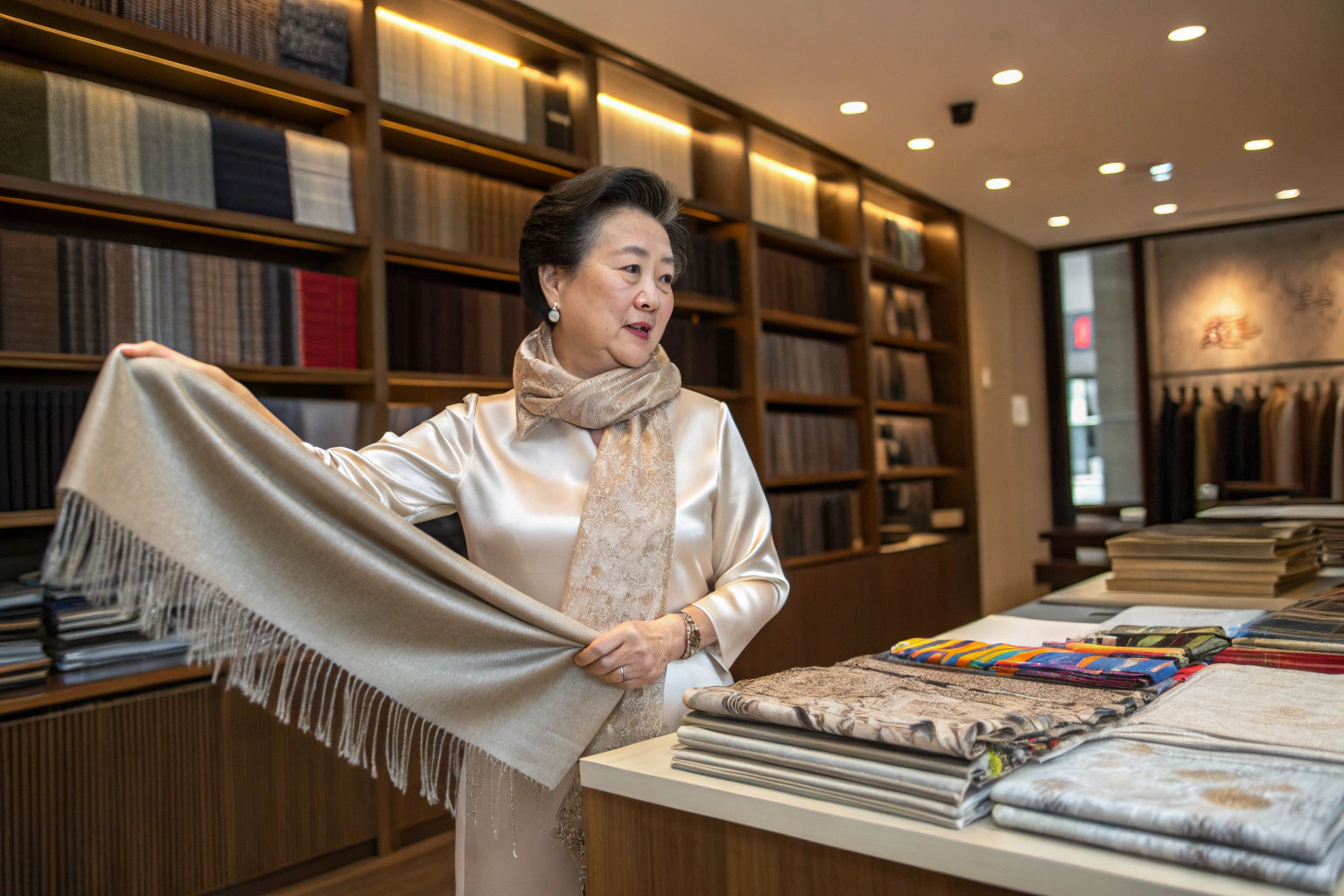
A single-source manufacturer acts as your general contractor. They manage the complexity for you. For example, at Shanghai Fumao Clothing, we leverage our design team and extensive network of vetted sub-suppliers to source and produce all components—from the scarves and caps we make in-house to the partnering cups, power banks, and notebooks. We then conduct unified quality checks, assemble items according to a packing list protocol, and ship them as one consolidated, customs-ready shipment. This model provides you with one quote, one timeline, one quality standard, and one point of accountability. It dramatically reduces the risk of items arriving at different times or failing to meet expectations, which is a common pain point for corporate buyers. Resources like the Promotional Products Association International (PPAI) often highlight the efficiency of this sourcing model.
What are the Hidden Costs of Multi-Sourcing?
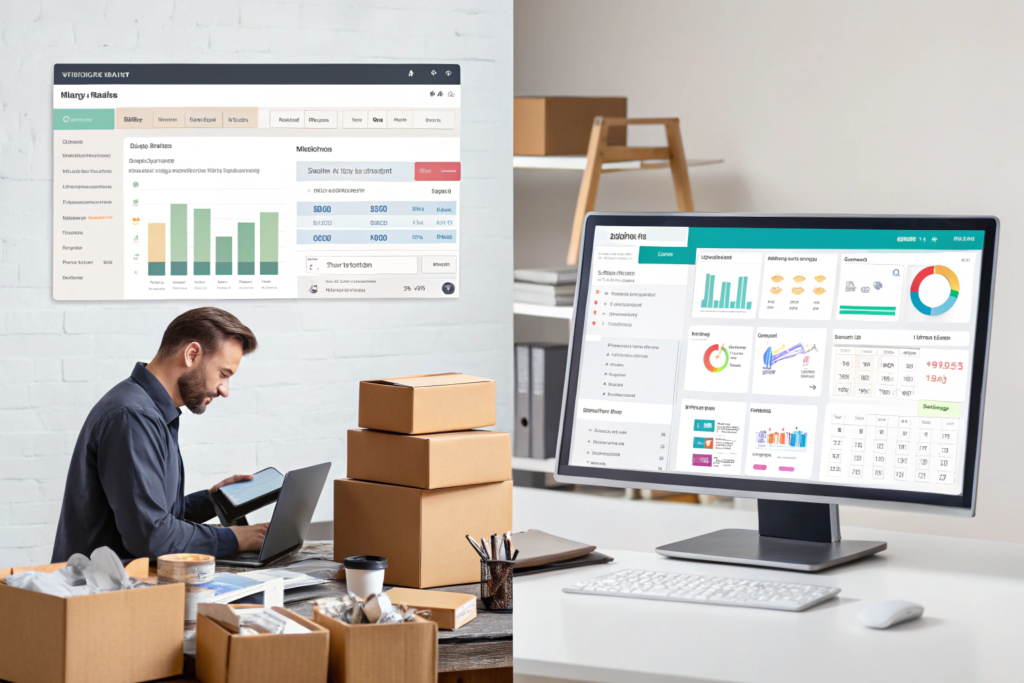
The true cost isn’t just the sum of individual item invoices. It includes: Multiple Shipping Fees: Paying to ship each component separately, often via air freight for time-sensitive items. Increased Customs Duties: More shipments mean more clearance filings and fees. Quality Inconsistency: Different factories have different standards, resulting in a box where one item feels premium and another feels cheap. Administrative Overhead: The time cost of managing 5-10 different suppliers instead of one. A single-source factory absorbs these hidden costs, giving you predictability.
How Does a Single Source Ensure Brand Consistency?
A professional factory with an in-house design team ensures all items adhere to your brand guidelines. They will manage color matching across different materials (e.g., polyester in hats vs. ceramic in mugs), ensure logo application techniques (embroidery, printing, engraving) are of consistent quality, and that the overall aesthetic of the box is cohesive. This level of detail is nearly impossible to coordinate across multiple, disconnected suppliers.
What are the Key Capabilities to Look for in a Swag Box Manufacturer?
Not all factories are set up for this type of project. You need to vet for specific capabilities beyond basic manufacturing. The right partner should function as an extension of your marketing and operations team.
The manufacturer must offer five core services:
- Product Development & Sourcing: Ability to design custom items from scratch or source a wide range of existing products for customization.
- Multi-Category Production/Sourcing Network: Proven experience in apparel (T-shirts, hats), accessories (bags, wallets), drinkware (mugs, bottles), desk items (notebooks, pens), and possibly tech.
- Custom Packaging Design & Production: Expertise in creating the actual box, insert cards, tissue paper, and other unboxing elements.
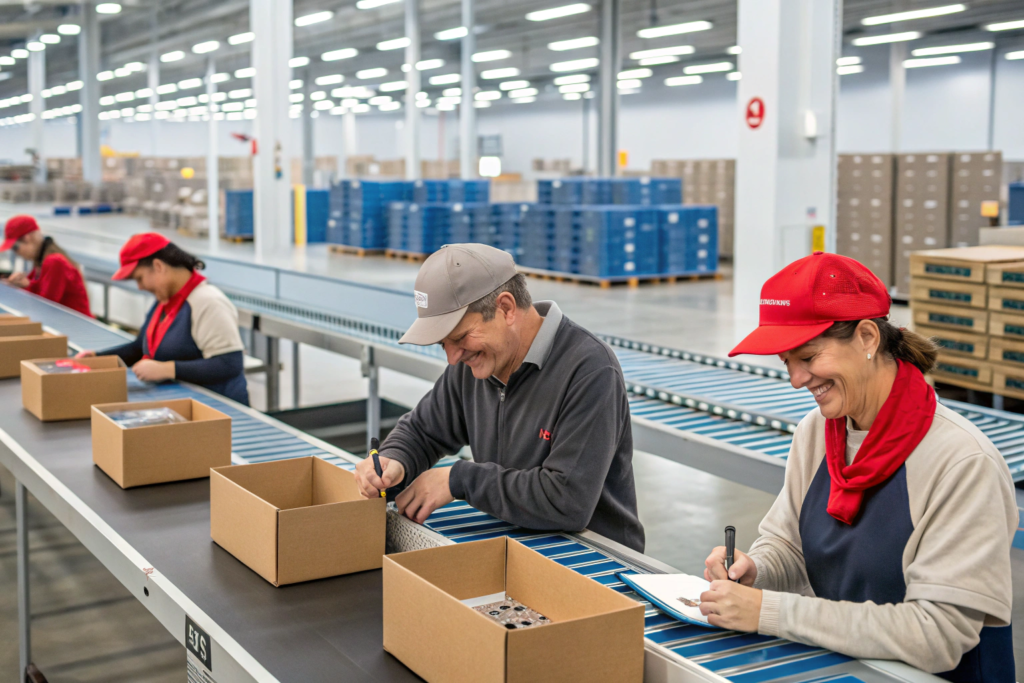
- Consolidation & Kitting: A dedicated warehouse space and process for receiving all components, conducting a final quality check, and assembling them into the final box according to a precise plan.
- End-to-End Logistics: Handling international shipping, documentation, and often door-to-door delivery to your office, event venue, or directly to recipients' homes. A factory like Shanghai Fumao Clothing is structured with dedicated project managers who orchestrate all these steps, providing you with a transparent workflow and regular updates.
How Important is In-House Design Support?
Critical. A strong in-house design team can turn a basic idea ("we want an eco-friendly theme") into a tangible product lineup. They can advise on material choices (e.g., recycled polyester for bags, bamboo for utensils), create 2D/3D mockups for your approval, and ensure all designs are technically feasible for production. This service saves you from hiring a separate design firm and ensures the designs are optimized for manufacturing, avoiding costly errors.
What Logistics Capabilities are Non-Negotiable?
The manufacturer must be able to handle consolidated shipping and provide clear incoterms (like FOB or DDP). They should have partnerships with reliable freight forwarders and be proficient in preparing all necessary commercial invoices, packing lists, and certificates of origin. For US clients, the ability to navigate de minimis value shipments or advise on tariff codes for assorted goods is a major advantage, directly addressing common pain points around tariff costs and shipping timeliness.
How to Vet and Communicate with Potential Manufacturers?
Finding names is one thing; assessing their true capability is another. Your communication process itself is a key test of their suitability as a long-term partner.
Start with a clear Request for Quote (RFQ). This should include: target budget per box, quantity, desired items (with references or sketches), branding specifications (logo files, Pantone colors), and required delivery date. Send this RFQ to 3-5 shortlisted manufacturers. Their response will tell you everything:
- Speed & Detail: A professional factory will ask clarifying questions and provide a detailed breakdown, not just a single bottom-line price.
- Samples: They should be willing to provide pre-production samples of key items at a reasonable cost. This is non-negotiable.
- Communication: Your primary contact should be a dedicated project manager, not a generic sales email. Request a video call to meet them and see their facility virtually.
- Ask for Case Studies: Request examples of previous swag box projects they’ve completed for other corporate clients. Check their website for client lists or testimonials. A reputable manufacturer will have this information, much like the portfolio we showcase at Shanghai Fumao Clothing.

What Questions Should You Ask During a Factory Video Call?
Prepare specific questions:
- "Can you walk me through your process from concept to delivery for a multi-item box?"
- "What is your typical timeline for a 500-unit order with 5 custom items?"
- "How do you handle quality control for sourced components versus items you make?"
- "Can you explain your payment terms and what is included in the quoted price?"
- "What happens if there is a defect or shipping delay?"
Their answers will reveal their experience, transparency, and problem-solving approach.
Why is a Production Sample More Important Than a Pre-Made Catalog Sample?
A catalog sample shows an existing item. A production sample is made to your exact specifications—your logo, your colors, your materials. It is the only true way to assess final quality before you commit to a large order. A trustworthy factory will insist on this step. Be wary of any supplier who tries to skip it or says, "It will be just like the catalog sample."
What Are the Common Pitfalls and How to Avoid Them?
Even with a good manufacturer, projects can go sideways without careful planning. Awareness of these pitfalls allows you to build safeguards into your process.
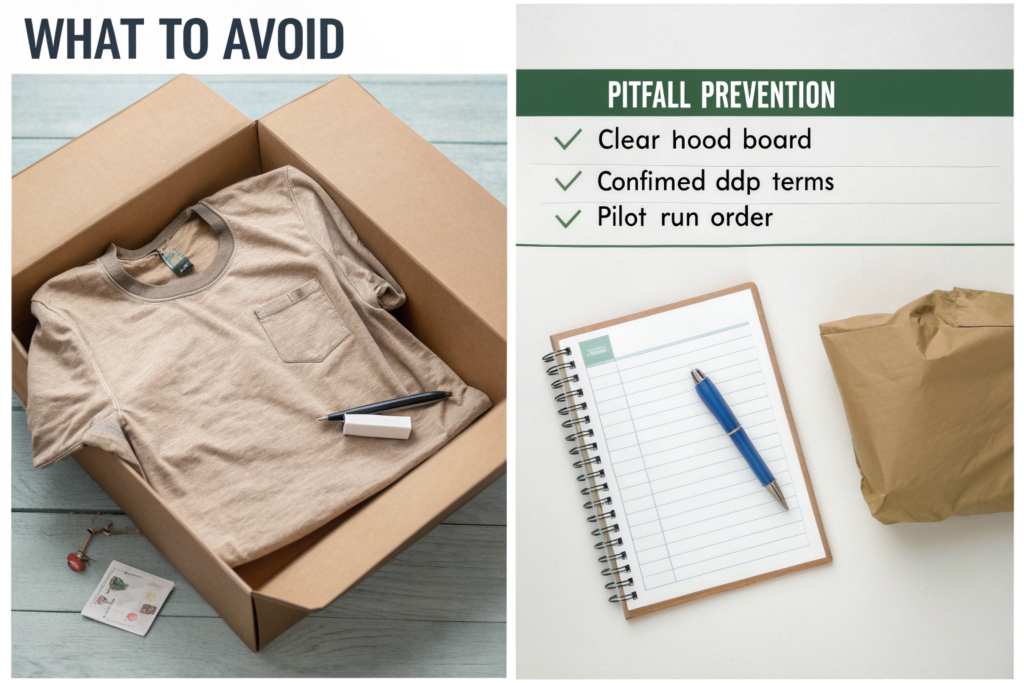
The major pitfalls are:
- Unrealistic Timelines: Underestimating production and shipping time. Solution: Build in a 25-30% time buffer from the start. Account for Chinese holidays.
- Vague Briefs: Saying "make it cool" leads to misinterpretation. Solution: Provide a mood board, precise Pantone codes, and signed-off mockups for every item.
- Ignoring Packaging: The box itself is part of the experience. Solution: Budget for and design custom packaging that protects the items and enhances unboxing.
- Not Planning for Duties & Taxes: Getting a surprise bill. Solution: Work with your manufacturer on a Delivered Duty Paid (DDP) quote so the landed cost is clear upfront.
- Skipping the Pilot Run: For large orders, always do a pilot run of 50 units. Assemble full boxes to check the complete experience before full-scale production. Our project managers always recommend this step to clients, as it is the final and most crucial quality gate.
How Can You Protect Your Budget from Hidden Fees?
Insist on a comprehensive all-in quote that includes: cost of goods, tooling/mold fees (if any), custom packaging cost, sample costs, quality inspection fees, domestic Chinese freight to the consolidation point, international shipping, insurance, and estimated duties/taxes (or state it is DDP). Any reputable factory, like ours, will provide this transparency. If a quote seems suspiciously low, it likely excludes critical elements.
What is the Most Overlooked Step in the Swag Box Process?
Kitting and final quality control. After all items are produced, they must be assembled into the box correctly. A single missing item or a scuffed component ruins the entire unit. Ensure your manufacturer has a documented process for this final assembly and check, including a packing list slip inside each box. This is the last line of defense before your brand is presented to the end user.
Conclusion
Finding the right manufacturer for corporate swag boxes is about seeking a partner, not just a vendor. It requires moving beyond simple price comparisons to evaluating integrated service capabilities, communication clarity, and a proven track record in multi-product fulfillment. By defining your needs clearly, vetting for a single-source solution, and planning for the entire lifecycle from design to delivery, you can transform a complex logistical challenge into a seamless brand-building success.
A well-executed swag box builds immense goodwill and brand loyalty. The investment in finding the right manufacturing partner pays dividends in quality, reliability, and a flawless recipient experience. If you are looking for a reliable, full-service partner to bring your next corporate swag box vision to life with professional project management and consolidated quality control, we are ready to help. Please contact our Business Director, Elaine, to discuss your project requirements. Her email is elaine@fumaoclothing.com.