You have a brand vision, a unique design, and a target market. Now, you need to bring your product to life under your own label. Finding the right factory for private label production is the critical bridge between your idea and a sellable product on the shelf. But with countless options and high stakes, where do you even begin? How do you find a partner who can reliably execute your specifications, protect your intellectual property, and deliver consistent quality at a viable cost?
Finding a factory for private label production is a systematic process of targeted sourcing, rigorous vetting, and relationship building. It requires moving beyond generic suppliers to identify partners who specialize in your product category, have proven experience with other private label clients, and possess the operational transparency to become a true extension of your business. As a factory that has built numerous successful private label programs for brands, we at Shanghai Fumao Clothing understand that the right partner is not just a manufacturer, but a collaborator invested in making your brand a success.
This journey is about minimizing risk and maximizing alignment. A misstep in choosing a factory can lead to product failure, delayed launches, and damaged brand reputation. Let’s map out a clear, actionable strategy to find and secure the ideal manufacturing partner for your private label line.
Where to Start Your Search for a Private Label Partner?
Beginning with a scattered approach will waste time and resources. Your search must be intentional and focused on channels where professional, export-oriented factories actively seek private label business.
Initiate your search on industry-specific B2B platforms and directories. While Alibaba and Global Sources are vast, you must use advanced filters and precise keywords. Search for "private label handbag manufacturer," "OEM scarf factory," or "custom accessory production" rather than just "bag supplier." Prioritize suppliers with "Verified" or "Gold Supplier" status and those who explicitly advertise "OEM/ODM" services in their profile. More importantly, leverage industry trade shows. Attending relevant exhibitions is arguably the most effective method. Events like the Hong Kong Fashion Week, Premiere Vision (for fabrics), or specialized accessory shows allow you to meet factory representatives in person, assess product quality firsthand, and gauge their professionalism immediately. These shows are where factories showcase their capability to handle custom projects. Additionally, seek referrals from your network. Ask other brand owners in non-competing niches for recommendations. Industry associations and trade commissions, such as the China Chamber of Commerce for Import & Export of Textiles, can also provide vetted supplier lists.
What are the Best Online Platforms for Sourcing Private Label Factories?
The key is to use platforms that attract business-to-business transactions and filter for manufacturing capability. The most effective include:
- Alibaba.com: Use the "OEM/ODM" filter and look for suppliers with "Assessed" reports from third-party inspectors (like SGS or BV). Scrutinize their "Product R&D" and "Production Line" photos.
- Made-in-China.com: This platform often features factories rather than traders. Use their "OEM/ODM Service" filter.
- GlobalSources.com: Known for connecting buyers with manufacturers from Greater China, it has a strong focus on exporters capable of handling custom orders.
- LinkedIn: A powerful professional tool. Search for titles like "Sales Manager at [Product] Factory" or "OEM Project Manager." You can directly contact decision-makers and view their company's activity.
- Industry-Specific Sourcing Platforms: For fashion, platforms like Fashion Snoops or material-specific directories can lead to manufacturer connections.
When contacting factories online, a detailed, professional inquiry will get a better response than a generic "what's your price?" message.
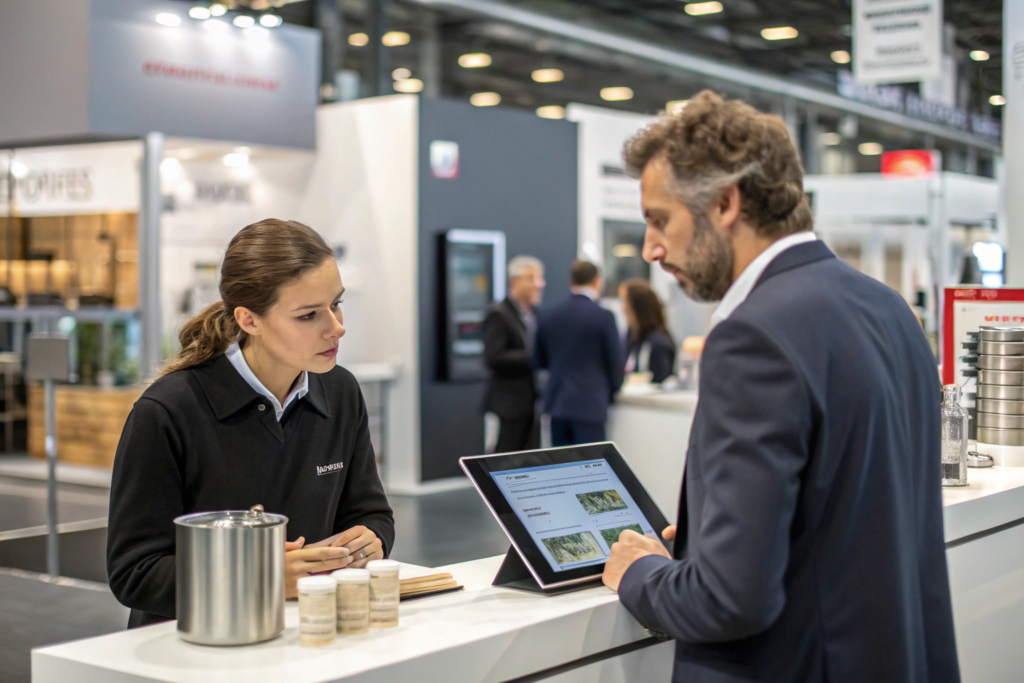
Why are Trade Shows Invaluable for Vetting Factories?
Trade shows provide irreplaceable, tangible evidence. You can:
- Touch and Feel Quality: Inspect the factory's standard workmanship on display items.
- Assess Customization Capability: Ask to see examples of how they've customized similar products for other clients (they will often have samples with generic branding).
- Gauge Communication and Expertise: Have a real-time conversation about your project. Do they ask intelligent questions? Do they understand fabric, compliance, and labeling requirements?
- Establish Immediate Rapport: Building a face-to-face connection establishes far greater trust than online communication and can expedite the entire process.
This direct vetting can save months of back-and-forth with an unsuitable partner.
How to Vet a Factory's Private Label Capability and Experience?
Once you have a shortlist, the due diligence phase begins. Any factory can claim they do private label. You must verify their experience, processes, and commitment to protecting your brand.
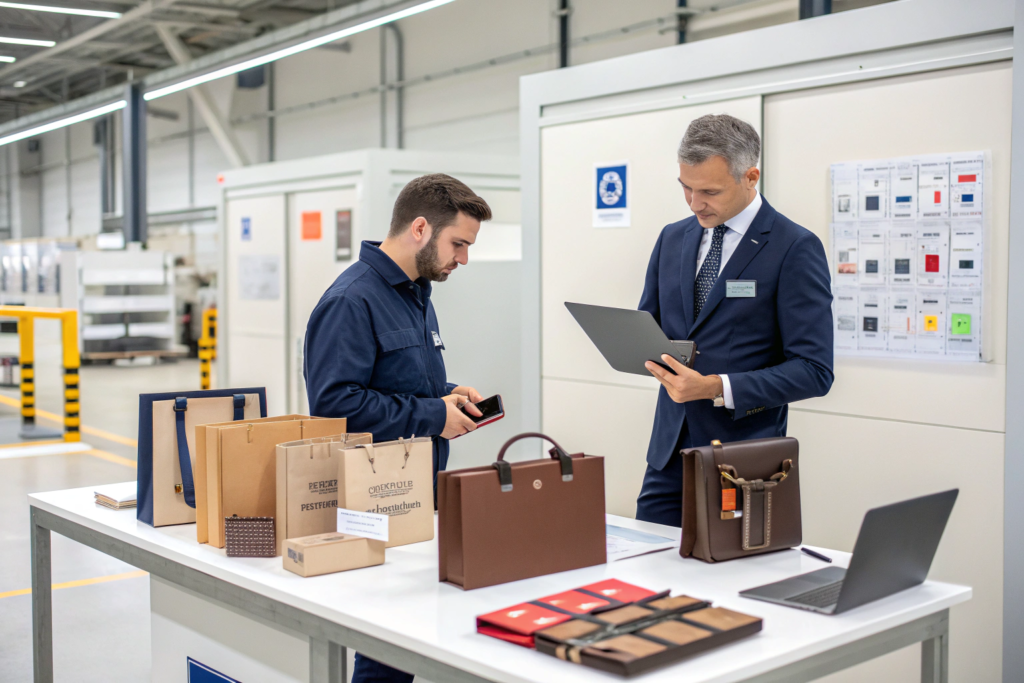
Vetting requires a multi-faceted approach. First, request a detailed portfolio of past private label work. A credible factory will have case studies or can show you samples of products they've made for other brands (with the client's branding obscured or removed, with permission). This proves they understand the confidentiality and execution required. Second, ask for client references. Request contact information for 1-2 other private label clients, preferably in a similar market (e.g., other North American or European brands). Follow up and ask about their experience with quality, communication, and reliability. Third, insist on a comprehensive virtual factory tour. Don't just look at staged photos. Request a live video walkthrough of the production floor, quality control area, and sample room. Ask to see where they handle labeling and packaging to ensure your brand assets are managed securely. Finally, review their compliance documentation. For private label, ensure they have experience with the specific labeling laws, safety standards (like CPSIA for children's items, REACH for Europe), and testing protocols required in your target market. Their ability to guide you on compliance is a sign of a professional partner. This level of scrutiny is aligned with best practices for supplier qualification in retail.
What Specific Questions Should You Ask About Their Private Label Process?
Go beyond general questions. Ask pointedly about their workflow:
- "Walk me through your step-by-step process from receiving our tech pack to delivering finished goods."
- "How do you handle and secure our branding assets (logo files, label artwork)?"
- "What is your sampling process and cost structure? How many revision rounds are included?"
- "Who will be our single point of contact (Project Manager)? What is their experience?"
- "How do you ensure consistency in color matching, especially across different production batches?"
- "What is your policy on overproduction and excess inventory?" (To ensure they don't produce extra and sell them elsewhere).
Their answers will reveal their level of organization and experience with brand clients.
How to Assess Their Quality Control Systems for Consistency?
Consistency is the hallmark of a successful private label program. Ask specifically about their QC protocols:
- Inline QC: Do they have inspectors on the production line catching issues in real-time?
- Final Inspection: Do they perform a Final Random Inspection (FRI) based on AQL (Acceptable Quality Level) standards? Can they provide a sample inspection report?
- Material Testing: Do they test incoming fabrics and components for colorfastness, shrinkage, and strength?
- Golden Sample: Do they keep a sealed "golden sample" approved by you as the absolute standard for bulk production?
A factory that can articulate a clear, multi-stage QC system is far more likely to deliver the consistent quality your brand depends on.
What are the Critical Legal and Business Considerations?
Private label production involves entrusting your brand's most valuable assets—its designs and its name—to a third party. Clear legal agreements and business terms are not just advisable; they are essential for protection and smooth operation.
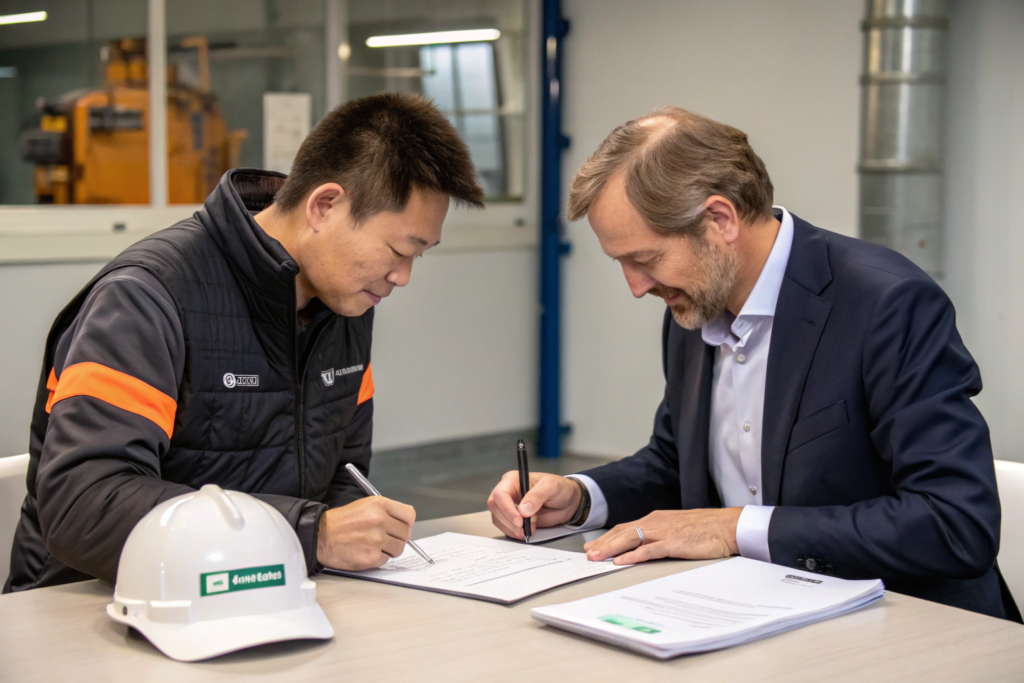
The cornerstone is a comprehensive Manufacturing Agreement. This contract should clearly outline:
- Scope of Work: Detailed description of the product, references to the approved tech pack and sample.
- Pricing and Payment Terms: Exact pricing, payment schedule (e.g., 30% deposit, 40% at production midpoint, 30% before shipment), and currency.
- Intellectual Property (IP) Clause: This is paramount. It must state unequivocally that all designs, molds, tooling, and branding provided by you are your sole property. The factory cannot use them for any other client or produce similar goods for a specified period after your contract ends.
- Confidentiality (NDA): A binding non-disclosure agreement should be part of the contract, prohibiting them from sharing your business information or product details.
- Quality Standards and Inspection Rights: Define the AQL level. Reserve your right to conduct third-party inspections at the factory at your cost.
- Delivery Schedule and Penalties: Include a firm production timeline with agreed-upon consequences for significant delays.
- Termination Clause: Conditions under which either party can terminate the agreement.
Do not proceed without this agreement, reviewed by a legal professional familiar with international trade. Resources like the International Chamber of Commerce offer model contracts and guidance.
How to Protect Your Intellectual Property (IP)?
IP protection is an active process, not just a clause in a contract.
- Register Your Designs/Trademarks: Secure your IP in your home country and key markets before engaging with factories.
- Phased Disclosure: During initial inquiries, share concept sketches but not full tech packs. Only provide full specifications after signing an NDA and with serious short-listed candidates.
- Control the Molds/Tooling: If custom molds are created (for hardware, etc.), the contract should state you own them. You can also choose to pay for and physically hold the molds, lending them to the factory for your production runs only.
- Conduct Audits: Include the right to audit the factory's production records to ensure they are not overproducing.
Factories that are reputable and seek long-term partnerships, like Shanghai Fumao Clothing, understand that protecting client IP is fundamental to their own business integrity.
What are Standard Payment Terms and How to Mitigate Risk?
Standard terms for a new private label relationship are structured to balance risk:
- T/T (Wire Transfer): 30% deposit with order confirmation, 70% balance against copy of Bill of Lading before shipment.
- Letter of Credit (L/C): A bank-guaranteed payment method. More secure for you but more complex and costly.
To further mitigate risk:
- Start with a Pilot Order: Place a smaller first order to test the factory's performance before committing to large volume.
- Use Escrow Services: Platforms like Alibaba's Trade Assurance hold payment until you confirm satisfactory delivery.
- Visit the Factory: If possible, a personal visit is the ultimate vetting tool and builds strong guanxi (relationship).
What Does a Successful Partnership Look Like Beyond the First Order?
Finding a factory is the beginning. Nurturing a successful, long-term partnership is how you build a scalable, resilient supply chain for your brand.
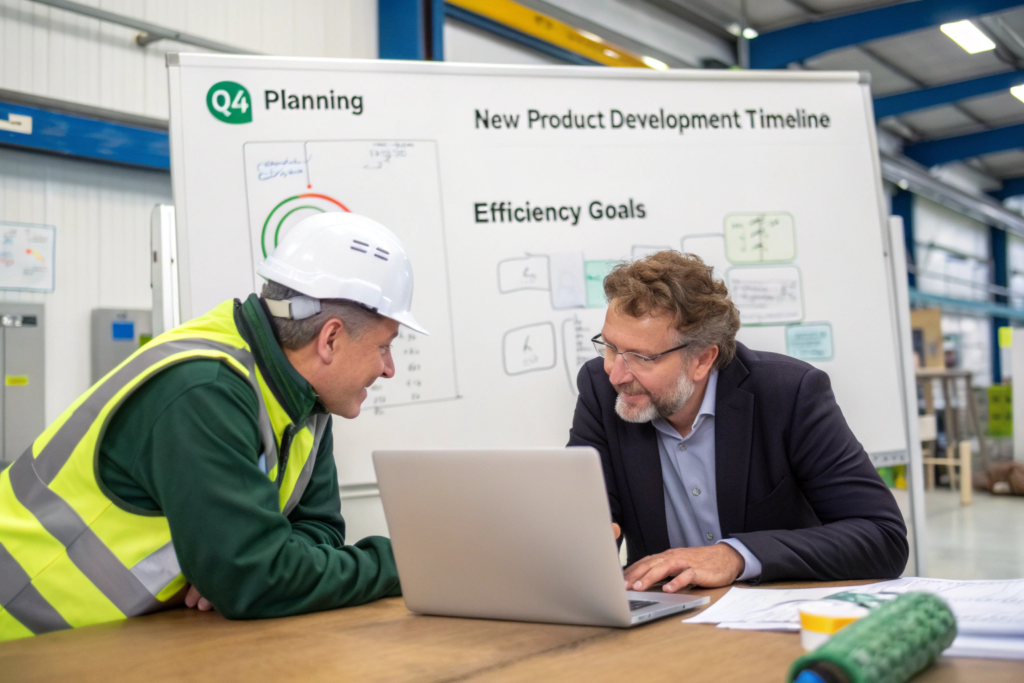
A true partnership is characterized by proactive communication, continuous improvement, and mutual growth. Your assigned Project Manager should provide regular updates without you having to chase them. They should alert you to potential material delays or quality issues early. A good partner will also suggest value engineering—ways to slightly modify a design to improve durability or reduce cost without compromising aesthetics. They become an expert on your product. Furthermore, as your brand grows, they should be able to scale with you, planning for increased volumes and potentially assisting with new product development (moving from OEM to ODM). This collaborative approach transforms the factory from a cost center into a strategic asset. This evolution is a marker of mature supply chain partnerships.
How to Communicate Effectively Across Cultures and Time Zones?
Clear communication is the lifeline of the partnership.
- Use a Single Point of Contact: Ensure you have one dedicated, proficient English-speaking PM.
- Be Visual and Precise: Use detailed tech packs, annotated images, and video messages to clarify points. Avoid colloquial language.
- Document Everything: Confirm all decisions and specifications via email. The approved sample is your physical contract.
- Respect Cultural Differences: Understand Chinese holidays (like Lunar New Year) and be patient. Building a respectful relationship is highly valued.
When Should You Consider Deepening the Relationship to ODM?
If your factory has proven reliable with OEM (manufacturing to your exact design), you might explore ODM (Original Design Manufacturing). This is where you leverage their in-house design team to develop new products based on your brand's style and market needs. This can accelerate your innovation cycle and reduce your internal design burden. A sign of a top-tier partner is their ability to seamlessly offer both OEM and ODM services, as we do at Shanghai Fumao Clothing, providing a full spectrum of product development support.
Conclusion
Finding the right factory for private label production is a deliberate journey of research, verification, and relationship building. It requires looking for a partner with specific experience in custom manufacturing, robust systems for quality and IP protection, and the business maturity to support your brand's growth. By conducting thorough due diligence, establishing clear legal frameworks, and fostering open communication, you transform a sourcing challenge into a powerful strategic alliance.
The ideal factory partner becomes more than a supplier; they become a trusted collaborator crucial to your brand's integrity and success in the marketplace. Investing the time and effort to find this partner correctly is the most important step in building a sustainable and successful private label business.
If you are seeking a manufacturing partner with a proven track record in executing high-quality private label programs for global brands, we invite you to connect with us. Our team is dedicated to becoming a seamless extension of your brand, from precise sampling to consistent bulk delivery. For a consultation on your private label project, please contact our Business Director, Elaine. Let's discuss how we can help build your brand, together. Reach Elaine at: elaine@fumaoclothing.com.