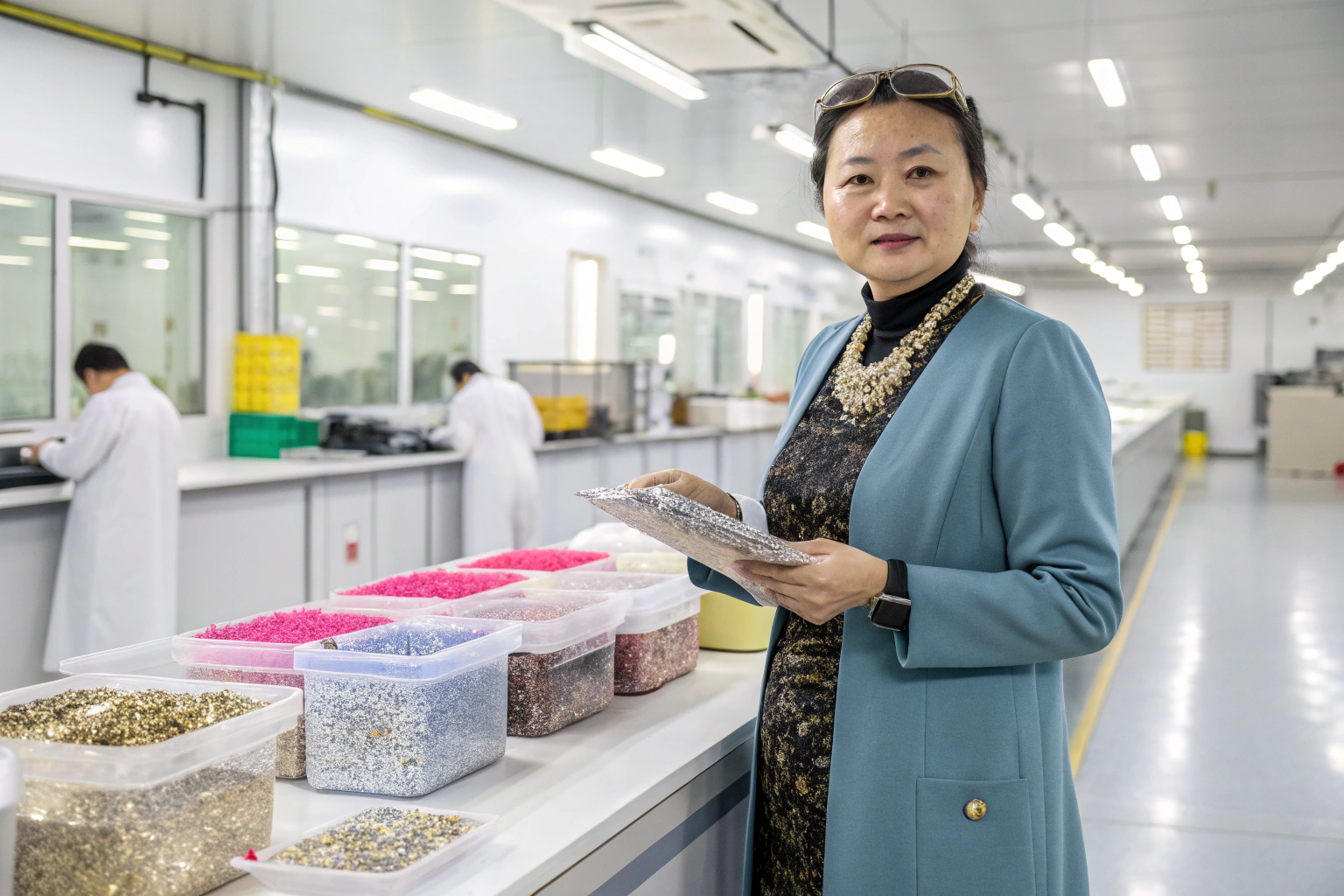
Many US and European buyers source raincoats from Chinese manufacturers every year, and one of the biggest frustrations they face is receiving products that claim to be waterproof but fail in real rainy conditions. I own a leading fashion accessory manufacturing and exporting factory in Zhejiang, China, Shanghai Fumao Clothing, and we’ve spent over a decade perfecting our waterproof raincoat production process for major supermarkets and brands across North America, Europe, and Russia. We’ve had countless conversations with buyers like Ron, a 44-year-old US-based importer, who has lost money and brand trust due to low-quality "waterproof" raincoats from unreliable suppliers. The core issue is that most cheap manufacturers cut corners on material testing, production techniques, and quality control—steps that are non-negotiable for true waterproof performance.
To ensure your raincoats are truly waterproof, you need to vet suppliers for rigorous material selection and third-party testing, enforce strict production quality control for seams and coatings, conduct real-world waterproof performance testing before shipment, and verify consistent manufacturing standards for every batch.
If you’re a buyer sourcing raincoats from China, you might think that a simple "waterproof" label from a manufacturer is enough—but it’s not. There are dozens of technical details and quality checks that separate a genuinely waterproof raincoat from a product that only repels light mist. Below, I’ll break down the exact steps you need to take, from choosing the right materials to auditing factory production processes, and share the insider standards we use at our Zhejiang factory to make sure every raincoat we ship meets the highest waterproof requirements for the US and European markets. I’ll also cover common mistakes buyers make and how to avoid them, so you can source raincoats with complete confidence in their waterproof performance.
What waterproof materials are the most reliable for raincoats?
When you ask a manufacturer for waterproof raincoats, they’ll likely mention materials like polyester, nylon, or PVC—but not all of these materials are created equal, and the coating or laminating process is just as important as the base fabric. I’ve had buyers come to me after receiving raincoats made with thin, uncoated nylon that soaks through after 10 minutes in the rain, and they always ask the same question: why did the manufacturer claim it was waterproof? The answer is simple: they used a basic water-repellent finish instead of a true waterproof coating, and they never tested the material’s actual performance. For buyers who prioritize quality and development capacity, like Ron, choosing the right waterproof material is the first and most critical step to ensuring raincoat performance.
The most reliable waterproof materials for raincoats are laminated polyester with a PU or TPU coating, high-density nylon with a waterproof breathable membrane, and coated polyester with a DWR finish—all of which must meet industry waterproof rating standards and pass third-party material testing. At our factory, we only source these materials from certified suppliers, and we test every fabric roll before production to confirm its waterproof properties, so we never start a batch with subpar material.
Choosing the wrong waterproof material is a costly mistake for buyers, because it leads to customer returns, negative reviews, and lost brand reputation. The key is to understand the difference between water-repellent and truly waterproof materials, and to verify that the manufacturer is using materials with a proven waterproof rating. You also need to consider the end use of the raincoats—are they for everyday light rain, heavy downpours, or outdoor activities? This will determine the type of material and coating you need. Below, I’ll break down the most reliable materials and what to look for when vetting a manufacturer’s material sourcing process, and I’ll also link to industry standards to help you verify material quality.

What is the difference between water-repellent and waterproof raincoat materials?
Water-repellent materials are treated with a thin surface finish, like a basic DWR (Durable Water Repellent) coating, that causes water to bead up and roll off the surface—but this finish wears off over time, and the material will soak through if exposed to heavy rain or standing water. Waterproof materials, on the other hand, have a permanent barrier (either a coating or a laminated membrane) that prevents water from passing through the fabric at all, even under pressure or in prolonged rain. At Shanghai Fumao Clothing, we only use waterproof materials for our raincoat orders, and we never label a product as waterproof if it only has a water-repellent finish.
For example, our factory tests every fabric roll to ensure it can withstand a minimum of 5,000mm water pressure (per ISO 811), which means it can repel heavy downpours for hours. Water-repellent materials, by contrast, usually fail these tests at less than 1,000mm water pressure, and they’re only suitable for light drizzle. As a buyer, you should always ask a manufacturer for their material’s ISO 811 or ASTM D737 test results—if they can’t provide them, they’re cutting corners on material quality.
Which waterproof coatings and laminations work best for raincoat durability?
The coating or lamination on a raincoat’s base fabric is what makes it truly waterproof, and the type of coating you choose will directly impact the product’s durability, breathability, and lifespan. The two most effective coatings for raincoats are PU (polyurethane) and TPU (thermoplastic polyurethane), both of which create a flexible, permanent waterproof barrier that doesn’t crack or peel with wear and tear. Lamination, which bonds a waterproof membrane to the base fabric (like polyester or nylon), is even more durable, and it adds breathability—a key feature for customers who don’t want to feel sweaty while wearing a raincoat. At our Zhejiang factory, we use PU lamination for everyday raincoats and TPU lamination for heavy-duty outdoor raincoats, because both coatings hold up to the harsh weather conditions in North America and Europe.
When vetting a manufacturer, you should ask them to specify the type of coating or lamination they use, and to provide samples of the finished material so you can test its flexibility and waterproofness yourself. We always send material samples to our buyers before starting production, and we include a detailed breakdown of the coating process—this transparency is what sets reliable manufacturers apart from the ones that cut corners.
How to audit a factory’s raincoat production QC for waterproof seams?
Even if a manufacturer uses the best waterproof material for your raincoats, a single unsealed seam can make the entire product non-waterproof. This is one of the most common issues we see with low-quality raincoats, and it’s a problem that could be easily avoided with proper production quality control (QC). I’ve had a US supermarket buyer bring a batch of raincoats to our factory for inspection, and we found that over 30% of the products had unsealed shoulder seams—water was leaking through the seams within minutes of testing. The manufacturer had skipped the waterproof seam taping step to save time and money, and they never did a post-production QC check for seams. For buyers who source large batches of raincoats, auditing a factory’s seam QC process is non-negotiable—it’s the only way to ensure that every raincoat leaves the factory with fully sealed, waterproof seams.
To audit a factory’s raincoat production QC for waterproof seams, you need to check that they use heat-sealed waterproof seam tape for all stitched areas, have a dedicated QC team inspecting every seam during and after production, and use a water spray test to verify seam waterproofness for random samples. At Shanghai Fumao Clothing, our seam QC process is integrated into every step of production, and we reject any raincoat with even a small unsealed seam—no exceptions.
Seam waterproofness is often an afterthought for buyers, but it’s just as important as the material itself. Stitching creates tiny holes in the waterproof fabric, and these holes are the main point of water leakage if they’re not sealed properly. A reliable factory will have a clear, documented seam QC process, and they’ll be willing to show you their production line and QC station during a factory audit (in-person or virtual). Below, I’ll break down the key steps to audit a factory’s seam QC, including what equipment they should use and how they should test seam waterproofness. I’ll also share the QC checklist we use at our factory, so you can use it to vet your own suppliers.

What equipment should a factory use for waterproof raincoat seam sealing?
A factory that takes seam waterproofness seriously will use professional, industrial-grade equipment for seam sealing, and the type of equipment will depend on the raincoat’s material and design. The most essential piece of equipment is a heat press seam tape machine, which uses heat and pressure to bond waterproof seam tape to the stitched areas of the raincoat—this creates a permanent seal that won’t peel or lift with wear and tear. For curved seams (like armholes or collars), a factory should also use a curved seam sealer, which is designed to apply seam tape to non-straight areas without creases or gaps.
These machines ensure that the seam tape is applied evenly and with the correct heat/pressure settings, which is critical for a waterproof seal. Cheap manufacturers will often use manual tape applicators or low-quality heat presses, which lead to uneven tape application and unsealed gaps. When auditing a factory, you should ask to see their seam sealing equipment, and verify that it’s designed for waterproof textile production—if they’re using basic sewing machines with no heat press, they can’t produce truly waterproof seams. You should also ask about the type of seam tape they use: it should be made from the same material as the raincoat’s coating (PU or TPU) to ensure compatibility and a strong bond.
How to verify a factory’s seam QC inspection process for raincoats?
A factory’s seam QC inspection process should be ongoing—they should inspect seams during production, after seam sealing, and as part of the final product check. The first step is in-line QC: a dedicated QC worker should check every raincoat as it comes off the seam sealing machine, to ensure the tape is applied evenly, there are no gaps or bubbles, and the tape covers the entire stitch line. The second step is post-production sampling: the factory should take a random sample of raincoats (at least 5% of the batch) and perform a water spray test on the seams, to verify that no water leaks through. The third step is final batch inspection: every raincoat should be visually inspected for seam defects before being packaged for shipment. At our factory, we have a team of 15 dedicated QC workers who focus solely on raincoat seam inspection, and we use a AQL (Acceptable Quality Level) standard of 1.0 for seams—this means that any batch with more than 1% of raincoats having seam defects is rejected and reworked.
A reputable factory will be transparent about their QC process, and they’ll be happy to share all of this information with you—if they’re hesitant or can’t provide records, they’re not prioritizing seam waterproofness.
How to conduct batch waterproof testing for raincoats before shipment?
Even if a manufacturer has great material selection and seam QC, you still need to conduct batch waterproof testing before shipment—this is the final check that ensures every raincoat in the batch meets your waterproof standards. I’ve had buyers skip this step because they trusted their supplier, only to receive a batch of raincoats that failed in real-world use. Ron, the US importer I work with, used to skip pre-shipment testing to save time, but after a costly batch of non-waterproof raincoats, he now requires pre-shipment testing for every order he places. Pre-shipment batch testing isn’t just a safeguard—it’s also a way to hold your supplier accountable, because it gives you concrete proof of the product’s waterproof performance before it leaves the factory.
To conduct batch waterproof testing for raincoats before shipment, you need to select a random, statistically significant sample of the batch, perform both lab-based water pressure testing and real-world wear testing, and require the manufacturer to provide a signed test report for every batch. At Shanghai Fumao Clothing, we conduct pre-shipment batch testing for every raincoat order, and we invite our buyers to witness the testing (in-person or virtual) for complete transparency.
Pre-shipment batch testing is the final step in ensuring your raincoats are truly waterproof, and it’s a step that no buyer should skip—even if you’ve worked with a supplier for years. The key is to use both lab testing (for precise, measurable results) and real-world testing (for practical performance), because a raincoat that passes a lab test might still fail in real rainy conditions (e.g., if the hood or cuffs aren’t sealed properly). Below, I’ll break down how to select the right sample size for batch testing, the key lab and real-world tests to perform, and how to use the test results to accept or reject a batch.
What sample size is needed for accurate raincoat batch waterproof testing?
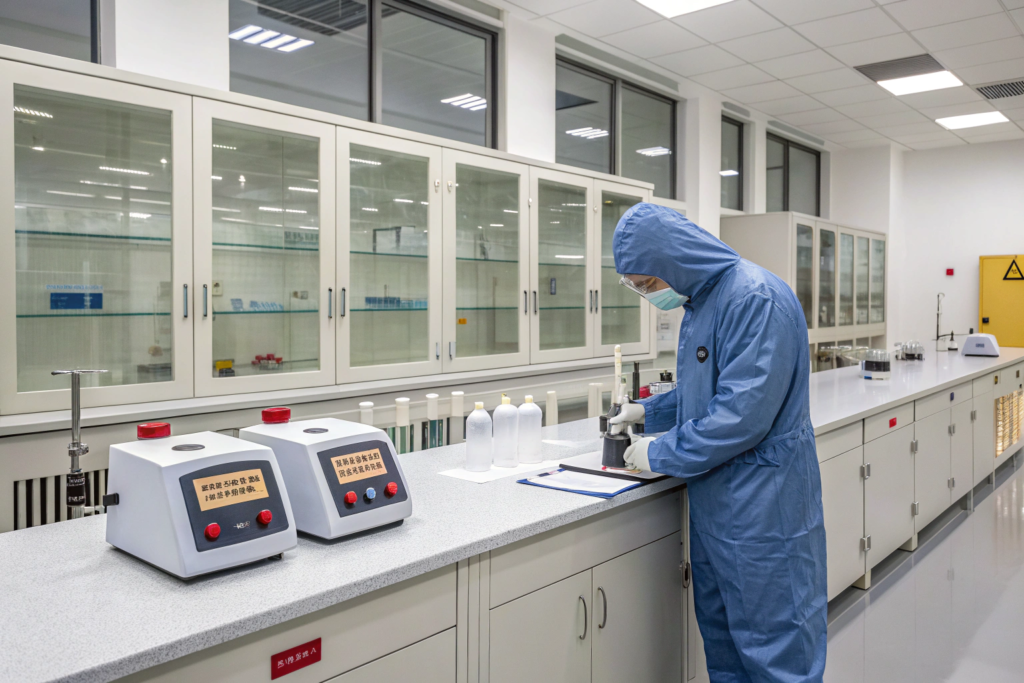
The sample size for raincoat batch waterproof testing must be statistically significant—this means it’s large enough to represent the entire batch, so you can be confident that the test results apply to every raincoat in the order. If you test too few samples, you might miss defects that are present in the larger batch. This standard outlines the exact sample size based on the total batch quantity: for example, if you order 10,000 raincoats, the minimum sample size for testing is 125 units; for 5,000 raincoats, it’s 80 units; for 1,000 raincoats, it’s 50 units. You should also ask who will select the sample: it should be a neutral third party (or you/your representative), not the manufacturer, to avoid bias (e.g., the manufacturer selecting only perfect samples for testing). Random sampling is critical for accurate results, and it’s the only way to ensure the batch is truly up to standard.
What lab and real-world tests confirm true raincoat waterproofness?
To confirm true raincoat waterproofness, you need to perform two types of tests: lab-based water pressure testing (for measurable waterproof performance) and real-world wear and spray testing (for practical performance in real rainy conditions). Lab water pressure testing is done using a hydrostatic head tester, which measures how much water pressure the raincoat can withstand (in millimeters) before water leaks through the fabric or seams—this test follows the ISO 811 standard, and a truly waterproof raincoat should withstand at least 5,000mm of water pressure. Real-world testing involves having a tester wear the raincoat and stand in a controlled rain chamber (or use a high-pressure water sprayer) for 30+ minutes, simulating heavy downpours, and checking for water leakage in all key areas: seams, hood, cuffs, zipper, and pocket closures.
How to avoid common waterproof raincoat sourcing mistakes from Chinese factories?
Sourcing waterproof raincoats from Chinese factories can be a great way to get high-quality products at a competitive price—but it can also be a nightmare if you make common sourcing mistakes. Over the years, I’ve worked with hundreds of US and European buyers, and I’ve seen the same mistakes repeated over and over: choosing the cheapest supplier, not vetting their production process, skipping pre-shipment testing, and not having a clear contract for waterproof performance standards. These mistakes lead to non-waterproof raincoats, lost money, missed shipping deadlines, and damaged brand reputation—all of which are avoidable with a little due diligence. Ron, the US importer I mentioned earlier, made almost all of these mistakes when he first started sourcing raincoats from China, and it took him years to learn how to source effectively. Now, he uses the strategies I share below, and he hasn’t had a single issue with non-waterproof raincoats in over five years.
To avoid common waterproof raincoat sourcing mistakes from Chinese factories, you need to prioritize quality over price, vet suppliers for proven waterproof production experience, sign a clear contract with written waterproof performance standards, and build a long-term relationship with a reliable factory with dedicated project managers. At Shanghai Fumao Clothing, we work with our buyers to avoid these mistakes from the start, and our experienced project managers guide every buyer through the sourcing process step by step.
Most sourcing mistakes happen because buyers are in a hurry to find a supplier or they’re focused solely on cutting costs—but cheap suppliers almost always cut corners on the steps that make raincoats truly waterproof. The good news is that these mistakes are easy to avoid with a structured sourcing process, and you don’t need to be an expert in raincoat production to source effectively. Below, I’ll break down the four most common sourcing mistakes buyers make when sourcing waterproof raincoats from Chinese factories, and exactly how to avoid each one. I’ll also share the questions you should ask every potential supplier before placing an order, so you can separate reliable manufacturers from the ones that will let you down.

Why should you never choose a raincoat supplier based solely on price?
Choosing a raincoat supplier based solely on price is the single biggest mistake US and European buyers make, and it’s the mistake that leads to the most problems with non-waterproof products. Cheap Chinese suppliers offer low prices because they cut corners on every step of the production process: they use low-quality, untested waterproof materials, skip seam taping or use cheap tape, have no dedicated QC team, and never perform pre-shipment testing. I’ve seen buyers pay 30-50% less for a raincoat order from a cheap supplier, only to end up spending twice as much on returns, reworks, and brand damage. The old saying “you get what you pay for” is never more true than when sourcing waterproof raincoats.
The data is clear: low-quality products have return rates that are 3-4 times higher than high-quality products, and the cost of these returns far outweighs the initial savings from a cheap supplier. At our factory, we don’t offer the lowest prices on the market—but we offer fair prices for high-quality, truly waterproof raincoats, and we stand behind our products with a performance guarantee. When sourcing, you should compare suppliers based on value, not just price: value includes material quality, production QC, pre-shipment testing, and customer service. A slightly higher price from a reliable supplier is always worth it, because it eliminates the risk of non-waterproof raincoats and the costly problems that come with them.
What key questions should you ask a Chinese raincoat supplier before placing an order?
Before placing a single order for waterproof raincoats with a Chinese supplier, you need to ask a set of key questions to verify their experience, capabilities, and commitment to waterproof quality—if they can’t answer these questions clearly and confidently, you should walk away. The first question is: Do you have experience producing waterproof raincoats for the US/European market, and can you provide references from US/European buyers? A reliable supplier will have a long list of satisfied US/European buyers, and they’ll be happy to share their contact information.
The second question is: What waterproof materials do you use, and can you provide third-party test reports (ISO 811/ASTM D737) for these materials? As we covered earlier, no test reports mean no proof of material quality. The third question is: What is your seam QC process, and do you use heat-sealed seam tape for all stitched areas? A vague answer means they’re not prioritizing seam waterproofness. The fourth question is: Do you conduct pre-shipment batch waterproof testing, and do you follow the ANSI/ASQ Z1.4 sampling standard? Skipping this step is a red flag. The fifth question is: Do you have a dedicated project manager for every order, and what is your communication process for updates and issues? A dedicated project manager ensures timely, professional service—one of our core strengths at Shanghai Fumao Clothing.
Conclusion
Sourcing truly waterproof raincoats from Chinese factories doesn’t have to be a stressful process—in fact, it can be a smooth, successful experience if you follow the steps outlined in this article. The core principles are simple: prioritize high-quality, tested waterproof materials, audit the factory’s seam QC process to ensure every stitched area is sealed, conduct statistically significant batch waterproof testing before shipment, and avoid the common sourcing mistakes that lead to low-quality products. At Shanghai Fumao Clothing, we’ve built our business on these principles, and we’re proud to be a trusted supplier for major US and European supermarkets, apparel brands, and importers like Ron. Our modern Zhejiang factory, experienced design and QC teams, and dedicated project managers ensure that every raincoat we produce is truly waterproof, and we provide full transparency and test reports to our buyers every step of the way. We also understand the unique pain points of US and European buyers—inefficient pricing, sailing schedules, timeliness, tariff costs, and security—and we work with our buyers to address these issues, including offering tariff-free shipping options and flexible payment methods. We don’t just make raincoats: we make sure our buyers can source with confidence, knowing that their products will meet the highest waterproof standards for their customers.
If you’re a US, European, or Russian buyer looking for a reliable Chinese manufacturer to produce truly waterproof raincoats (or any other fashion accessories), Shanghai Fumao Clothing is the perfect partner for your business. We have the experience, capabilities, and commitment to quality that you need, and we tailor our production process to meet your specific waterproof performance standards and market requirements. Our Business Director, Elaine, is an expert in international sourcing for the fashion accessory industry, and she will guide you through every step of the process—from material selection and sample development to production QC and pre-shipment testing. She will answer all your questions, provide detailed quotes, and ensure that your order is delivered on time, on budget, and with perfect waterproof performance. Don’t waste time and money on unreliable suppliers that cut corners on waterproof quality—work with a factory that you can trust to deliver truly waterproof raincoats every time. Contact Elaine today at elaine@fumaoclothing.