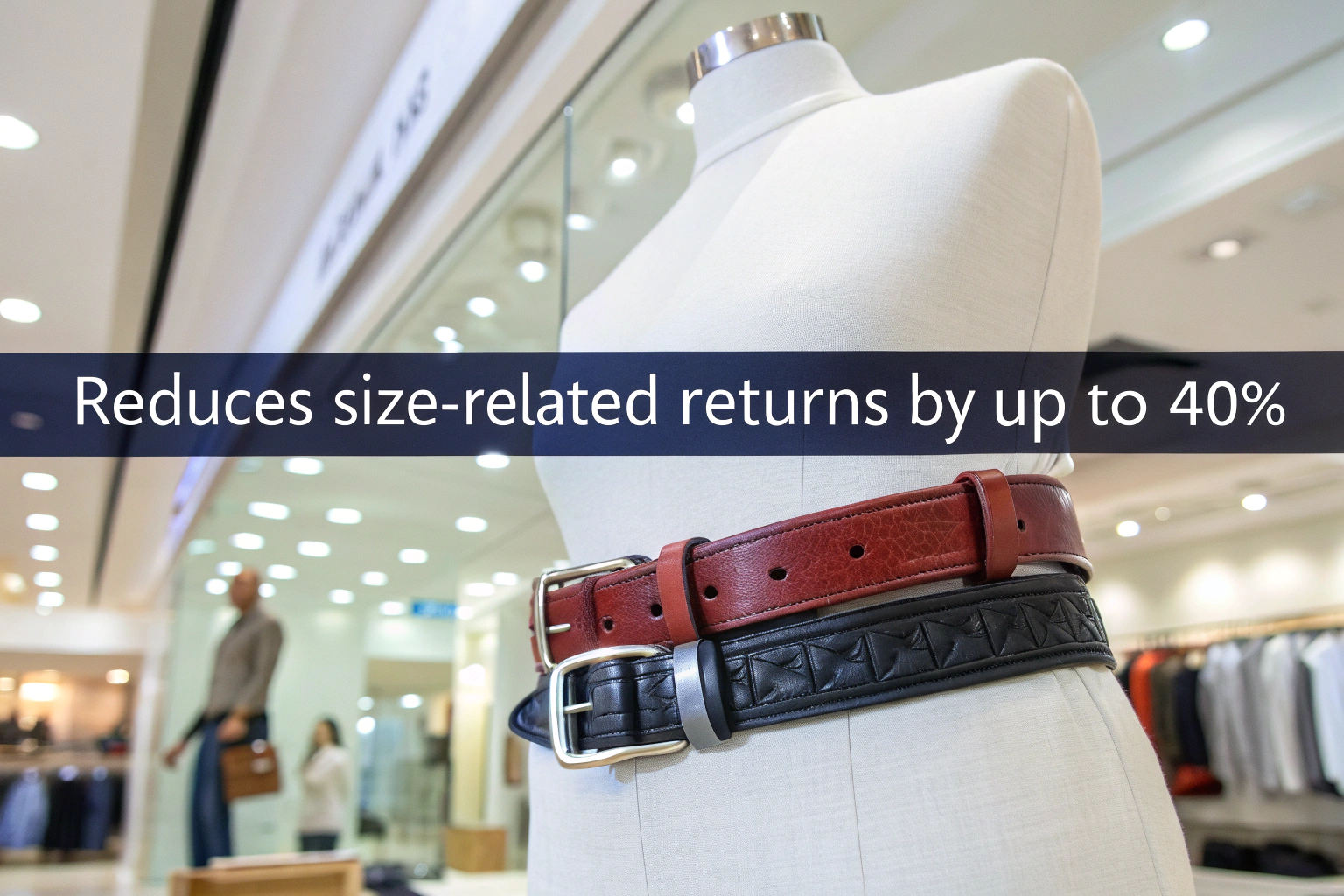
As a fashion accessory manufacturer with decades of experience serving global markets, we frequently hear from clients who struggle with belt returns and complaints about fit issues. Many importers discover too late that their belt designs don't accommodate the full range of body types in their customer base, leading to lost sales and dissatisfied customers. At AceAccessory, we've helped numerous American and European brands solve these challenges through thoughtful design and manufacturing processes.
Creating adjustable, comfortable belts requires implementing specific design features, selecting appropriate materials, and testing across diverse body types throughout the development process. The most successful belt designs incorporate multiple adjustment points, flexible materials, and ergonomic shaping that distributes pressure evenly around the waist or hips. For fashion brands and retailers, this approach significantly reduces returns while expanding your potential customer base.
In this comprehensive guide, we'll share proven strategies for designing and manufacturing belts that truly work for all body types, drawing from our experience producing belts for major supermarkets, fashion brands, and online retailers across North American and European markets.
0
What Design Features Maximize Belt Adjustability?
Achieving true adjustability in belts requires more than just adding extra holes to a traditional design. The most effective approaches reconsider the entire fastening and sizing system to accommodate varying body shapes and proportions. Many importers underestimate how critical these design elements are until they face high return rates from customers who can't achieve a proper fit.
Through years of manufacturing belts for global retailers, we've identified key design features that dramatically improve adjustability. These solutions have helped our clients reduce size-related returns by up to 40% while making their products accessible to broader customer segments.
How Can Innovative Fastening Systems Improve Adjustability?
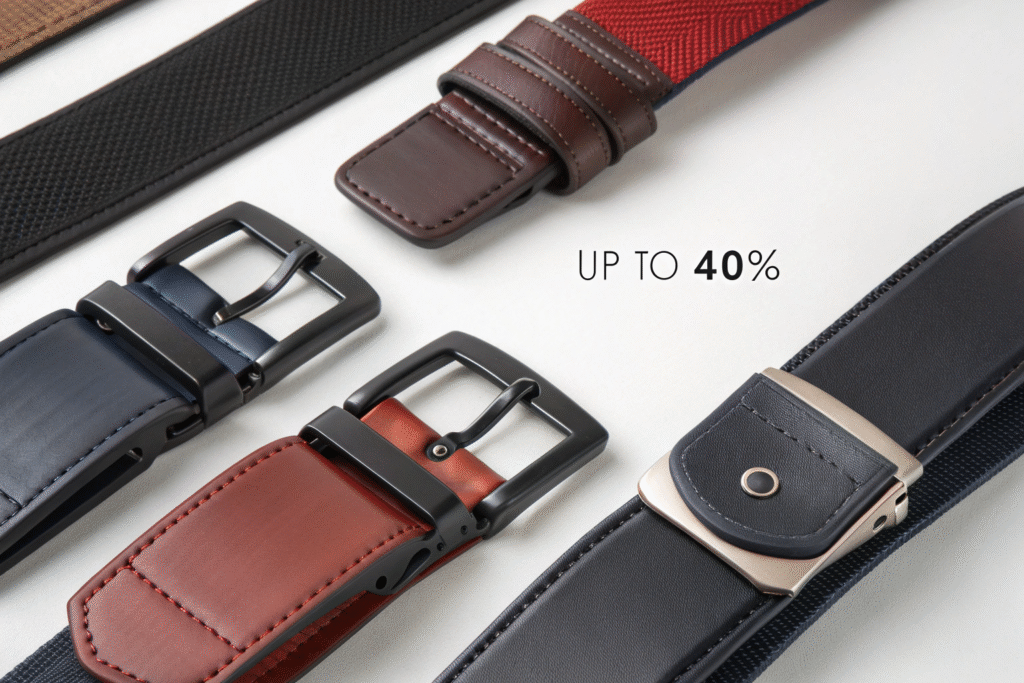
Traditional belt buckles with standard hole spacing offer limited adjustability, often leaving wearers between holes that are either too tight or too loose. Innovative fastening systems solve this problem by providing micro-adjustability that accommodates subtle changes in body shape and clothing layers. For fashion brands targeting diverse markets, these systems can become significant competitive advantages.
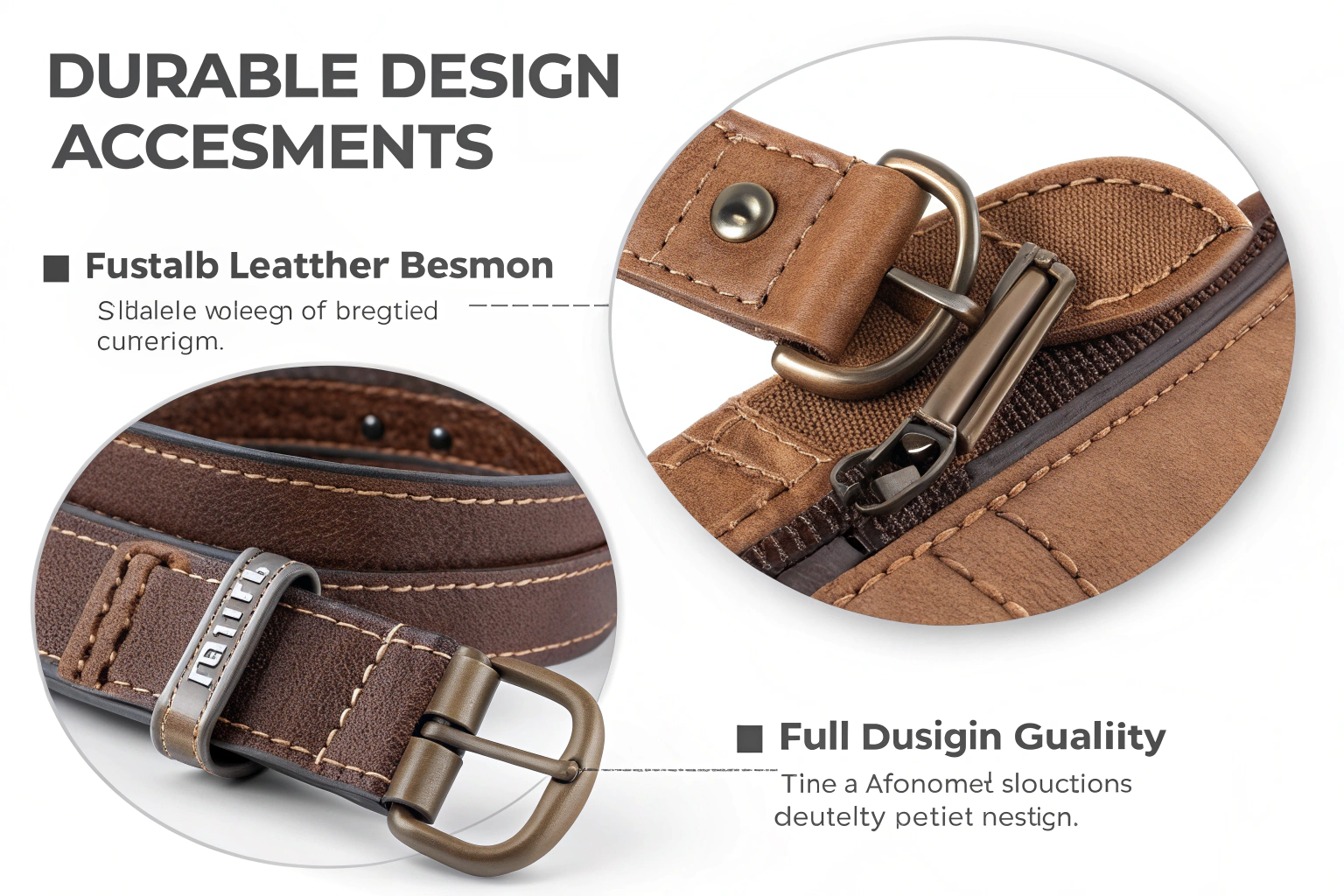
At our facility, we've implemented several advanced fastening solutions for our clients' belt collections. The ratchet belt system provides virtually infinite adjustment points, allowing wearers to achieve perfect fit regardless of their exact waist measurement. Similarly, side-release buckles with adjustable sliders offer precise control for athletic and casual belts. For dress belts, we've developed discrete micro-adjustment systems that maintain a polished appearance while offering flexibility. These solutions have proven particularly valuable for our clients serving the American plus-size market, where standard sizing often falls short.
What Role Does Extended Sizing Play in Universal Fit?
Extended sizing goes beyond traditional small, medium, and large categorizations to accommodate the full spectrum of adult body types. This approach requires designing multiple size curves rather than simply scaling up or down from a base size. For importers, offering comprehensive size ranges significantly reduces the number of customers who cannot find belts that fit properly.
When developing extended size ranges for our clients at shanghaifumaoclothing, we create specific patterns for standard, plus, and petite proportions rather than simply adding length to existing designs. This ensures the buckle placement, hole spacing, and taper proportions remain balanced across all sizes. For example, our plus-size belts feature reinforced backing materials to prevent curling and distribute weight more effectively, while our petite designs proportionally scale down buckle size to maintain aesthetic harmony. This thoughtful approach to extended sizing has helped our clients capture market segments their competitors often overlook.
How to Select Materials for Maximum Comfort?
Material selection critically impacts both comfort and adjustability, yet many importers prioritize appearance over wearability. The most comfortable belts combine structural integrity with flexibility, allowing them to move with the body rather than against it. Through extensive material testing and customer feedback, we've identified key characteristics that distinguish comfortable belts from those that cause irritation or discomfort.
The ideal belt materials maintain their shape while flexing with body movements, resist stretching where support is needed, and feel pleasant against skin or clothing. For global brands serving diverse climates, material selection must also account for environmental factors like humidity and temperature variations.
What Leather Characteristics Enhance Comfort?
Genuine leather offers natural breathability and molding properties that enhance comfort over time, but not all leather is equally comfortable. The tanning process, thickness, and finishing treatments dramatically affect how leather feels against the body and adapts to the wearer's shape. For premium belt lines, selecting the right leather characteristics can significantly impact customer satisfaction.
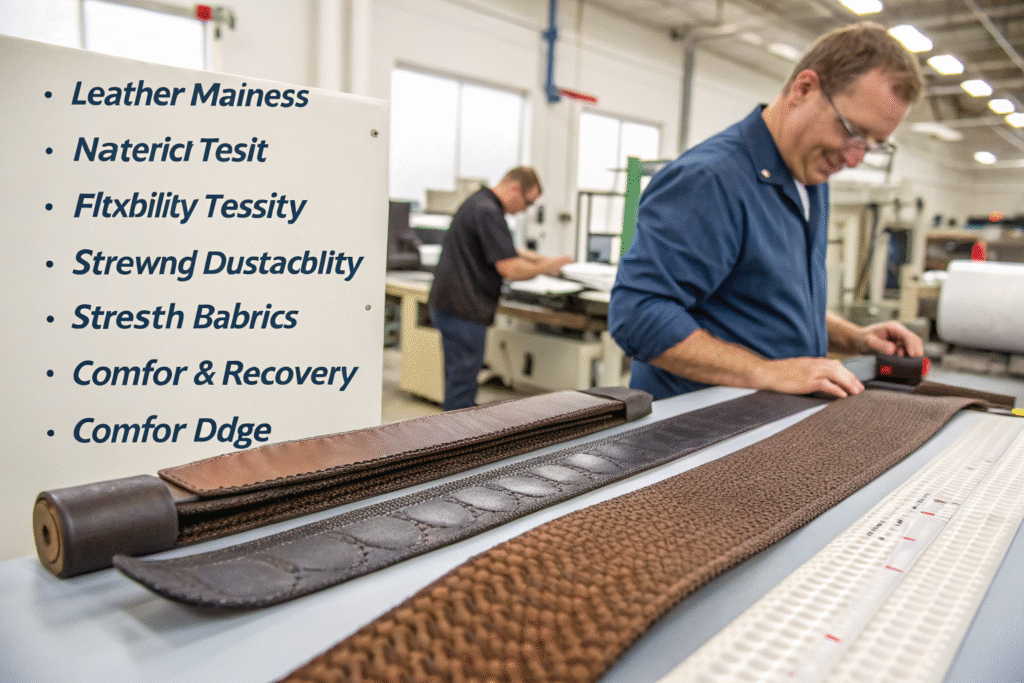
In our experience manufacturing leather belts for European and American brands, we've found that vegetable-tanned leathers initially feel firmer but develop personalized patinas and conform beautifully to individual body shapes. For immediate softness, chrome-tanned leathers offer superior flexibility right out of the box. Regardless of tanning method, we prioritize full-grain leathers with natural fiber structure intact, as they provide better breathability and durability than corrected grains. Our leather selection process includes rigorous testing for flexibility, edge comfort, and break-in period to ensure optimal comfort across our clients' product lines.
How Do Alternative Materials Compare for Comfort and Adjustability?
While leather remains popular, alternative materials offer distinct comfort advantages for specific applications and consumer preferences. High-quality woven fabrics, flexible polymers, and technical textiles can provide stretch properties, reduced weight, and washability that leather cannot match. For brands targeting active lifestyles or ethical consumer segments, these materials open new design possibilities.
Our development team has extensively tested alternative materials for comfort performance. Elasticized webbing belts provide continuous adjustment and give with body movements, making them ideal for active wear and fluctuating waistlines. High-density woven nylon offers minimal stretch for precise fit in tactical or work applications, while technical meshes provide ventilation for warm climates. For fashion-forward designs, we've developed specialized materials that mimic leather's appearance while incorporating stretch panels or flexible inserts at comfort points. These innovations have helped our clients differentiate their offerings in competitive markets.
What Manufacturing Techniques Enhance Comfort and Fit?
Even with excellent designs and materials, manufacturing execution ultimately determines comfort and adjustability. Precision cutting, consistent stitching, and thoughtful edge finishing all contribute to how a belt feels during all-day wear. Many comfort issues trace back to manufacturing shortcuts that become apparent only after extended use.
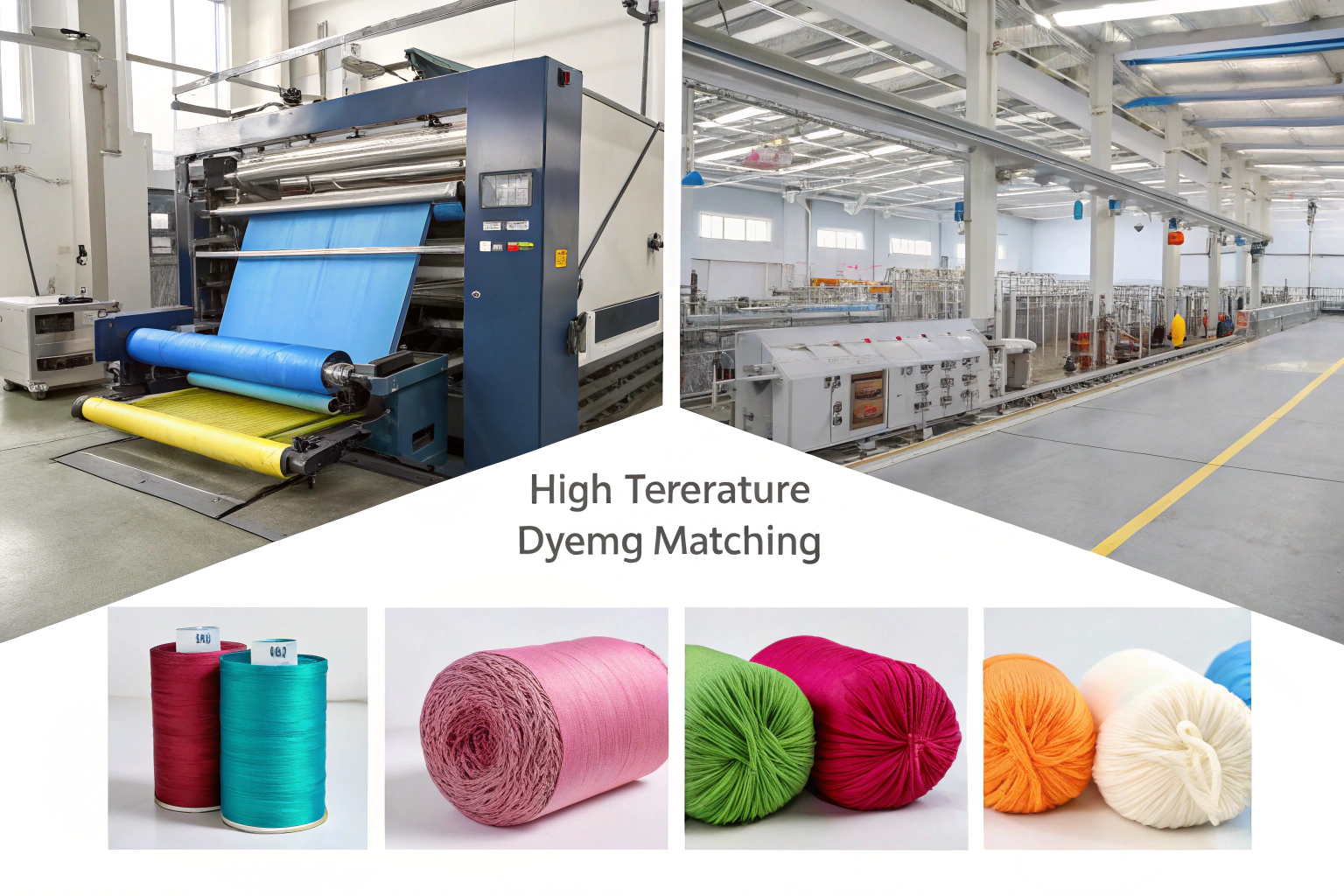
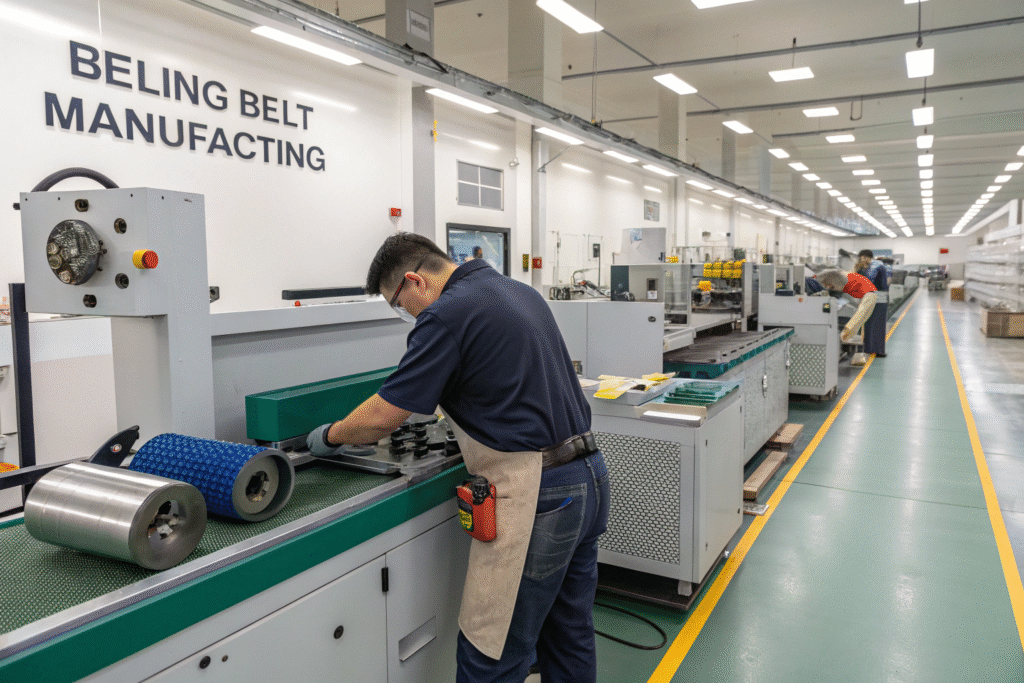
At our facility in Zhejiang, we've implemented specialized manufacturing techniques specifically aimed at enhancing comfort. These processes add modestly to production time but dramatically improve the wearing experience, reducing returns and building brand loyalty for our clients.
How Does Edge Finishing Impact Comfort?
Belt edges represent significant comfort challenges, as rough or rigid edges can dig into the skin, catch clothing, or create pressure points. Superior edge finishing requires multiple steps beyond simple painting or burning, particularly for materials that fray or become abrasive over time. For price-sensitive importers, edge treatment is often where cost-cutting becomes most apparent to end consumers.
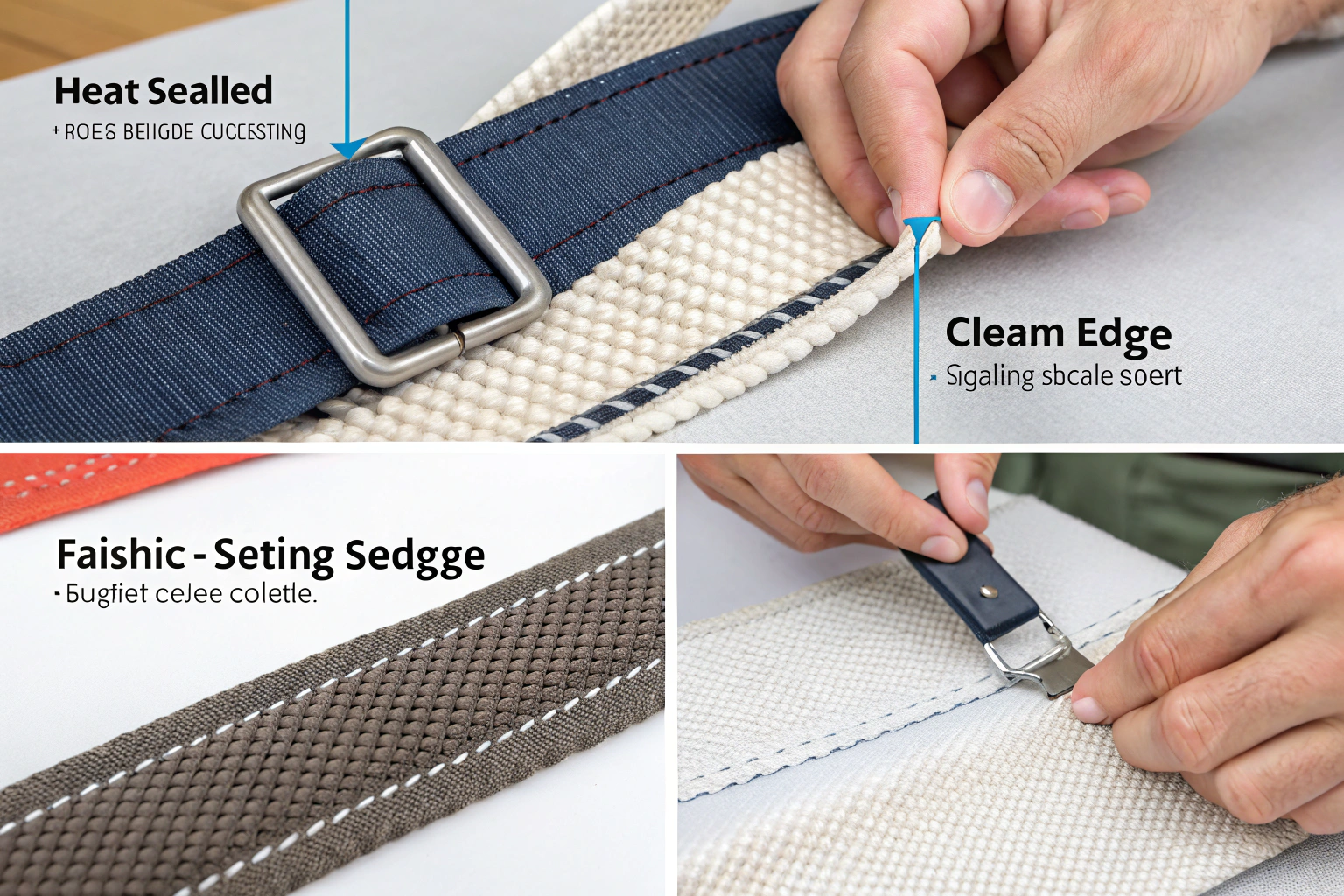
We've developed a multi-stage edge finishing process that ensures long-term comfort across all our belt categories. For leather belts, this involves precise skiving to thin edges gradually, followed by burnishing with natural gums that polish rather than simply coat the surface. For fabric belts, we use specialized ultrasonic cutting technology that simultaneously cuts and seals edges to prevent fraying without adding stiffness. These techniques ensure edges remain smooth and comfortable throughout the product's lifespan, addressing a common complaint with mass-market belts.
What Construction Methods Best Distribute Pressure?
Traditional belt construction often creates pressure points around the buckle area and hole being used, leading to discomfort during extended wear. Advanced construction methods redistribute this pressure across a wider area, significantly enhancing comfort without compromising the belt's structure or appearance. For retailers serving customers who wear belts throughout the workday, these construction differences become decisive factors in repeat purchases.
We've implemented several specialized construction techniques to improve pressure distribution in our clients' belt lines. Tapered designs that gradually narrow toward the end reduce bulk around the buckle area while maintaining support where needed most. For dress belts, we developed a floating keeper system that allows the belt tip to move independently, eliminating the tight spot created by traditional fixed keepers. In athletic and casual designs, we incorporate flexible inserts between layers that provide give exactly where the body bends and moves. These construction innovations have proven particularly valuable for our clients targeting professional and activewear markets where all-day comfort is essential.
How to Validate Comfort and Adjustability Before Production?
Even well-designed belts can have unexpected comfort issues that only become apparent during real-world testing. Comprehensive validation protocols help identify these problems before full-scale production, saving importers from costly recalls, returns, and brand damage. Many manufacturers skip thorough testing to accelerate timelines, but this approach ultimately costs more in lost customer trust.
At AceAccessory, we've developed a rigorous testing program that evaluates comfort and adjustability across diverse body types, movement patterns, and wearing conditions. This program has helped our clients launch successful belt collections with remarkably low return rates across global markets.
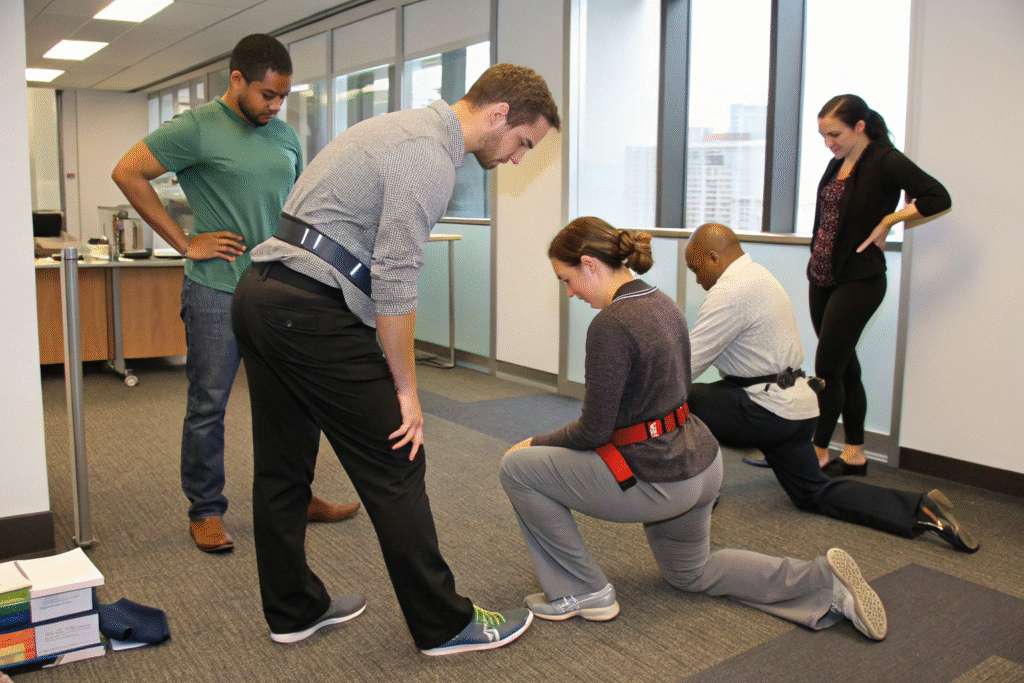
What Role Does Wear Testing Play in Comfort Validation?
Wear testing provides irreplaceable insights into how belts perform during actual use across extended periods. While laboratory tests measure specific properties, only extended wear reveals how materials break in, where pressure points develop, and how adjustment systems function in daily life. For importers serving diverse demographics, comprehensive wear testing is non-negotiable for product success.
Our wear testing protocol involves multiple rounds with panels representing the full spectrum of our clients' target markets. We test across different body shape categories to ensure adjustability systems work equally well for apple, pear, and rectangular shapes. Testers document comfort throughout their daily activities, noting any irritation, pressure points, or adjustment difficulties. This process has helped us identify issues we would never discover in the lab, such as how specific buckle designs interact with different seated positions or how belt lining materials feel against various clothing fabrics. The insights from these tests directly inform our final design refinements before production.
How Can 3D Prototyping Accelerate Comfort Optimization?
Traditional prototyping cycles consume significant time and resources, often forcing compromises between thorough testing and market deadlines. Advanced 3D prototyping technologies now allow for rapid iteration of comfort features without physical samples for every change. For fashion brands operating in fast-moving markets, these technologies provide competitive advantages in both speed and precision.
We've integrated comprehensive 3D prototyping into our development process, creating virtual models that simulate how belt designs will fit and move on diverse body types. Our digital fit simulation software analyzes pressure distribution, drape, and movement restrictions before we cut the first physical sample. This allows us to identify and address potential comfort issues during the design phase rather than after tooling has been created. When we do produce physical prototypes, we use 3D printing technologies that create working buckles and adjustable components for real-world testing. This integrated approach has reduced our development timeline by 30% while improving comfort outcomes across our clients' belt collections.
Conclusion
Creating belts that are genuinely adjustable and comfortable for all body types requires thoughtful integration of design, materials, manufacturing, and validation processes. The most successful approaches move beyond traditional sizing to embrace truly inclusive design principles that accommodate the full diversity of human shapes and proportions. For importers and brands, this comprehensive approach reduces returns while expanding market reach and building customer loyalty.
At AceAccessory, we've dedicated years to refining our belt manufacturing processes specifically for comfort and adjustability. Our modern facility in Zhejiang combines traditional craftsmanship with advanced technologies to create belts that fit beautifully and feel comfortable throughout the day. We understand the challenges faced by American and European importers in serving diverse customer bases, and we've structured our capabilities to help you meet these challenges effectively.
If you're looking for a manufacturing partner who understands how to create belts that truly work for all body types, we invite you to experience the shanghaifumaoclothing difference. Our team brings specialized expertise in inclusive design and comfort engineering to every belt project. For personalized assistance with your next belt collection, please contact our Business Director Elaine at elaine@fumaoclothing.com. Let us show you how our comfort-focused approach can enhance your product offerings and strengthen your brand reputation across diverse consumer segments.