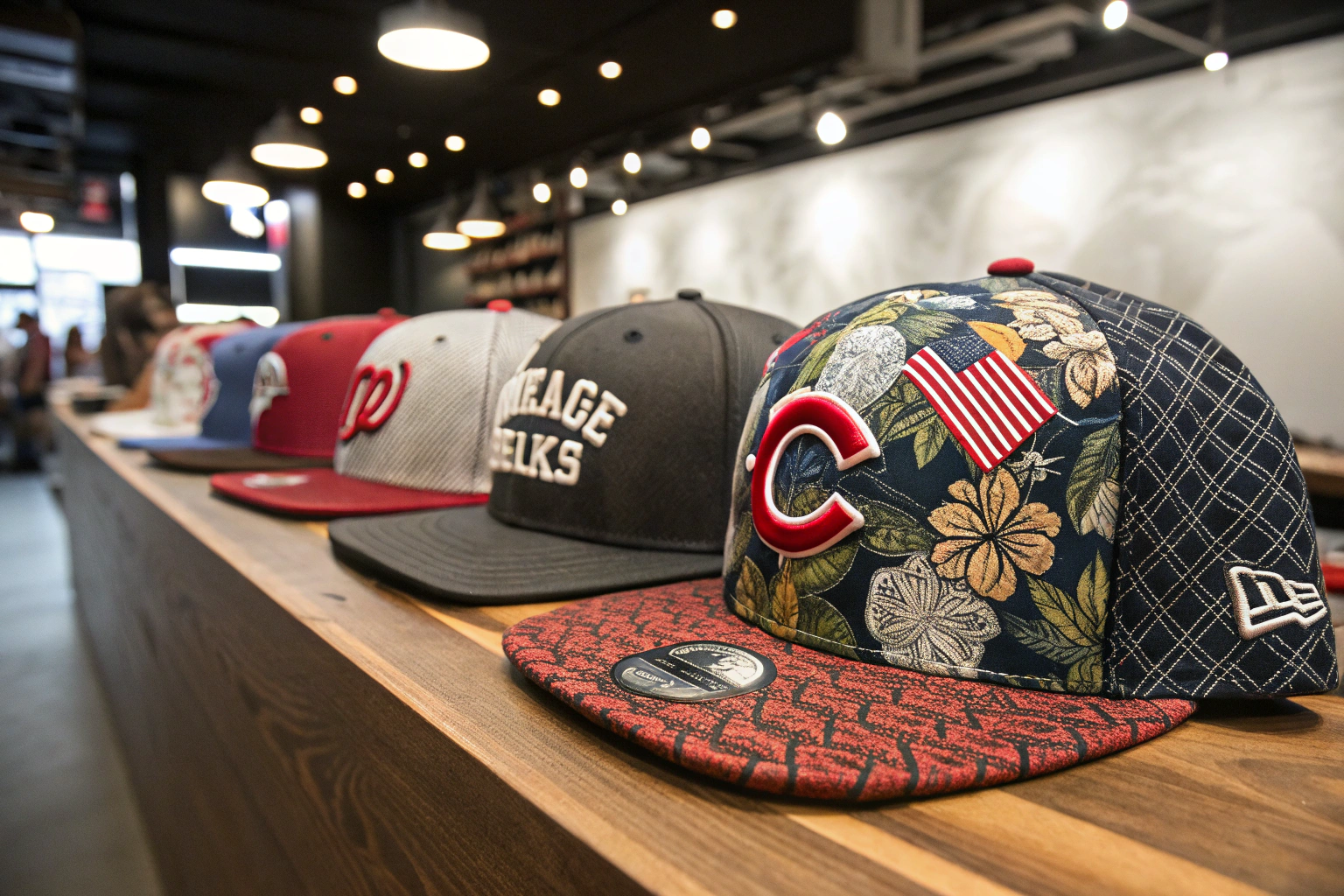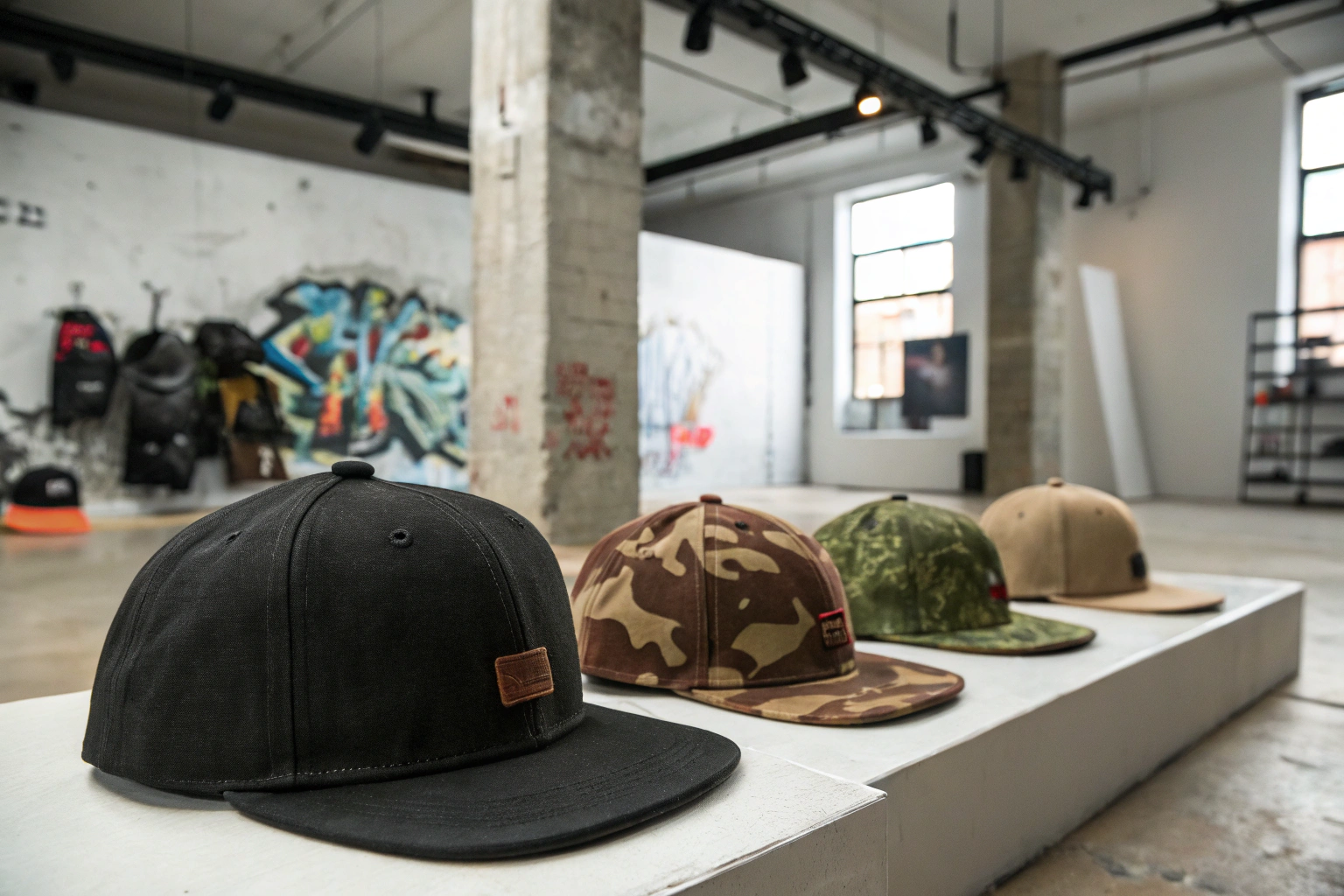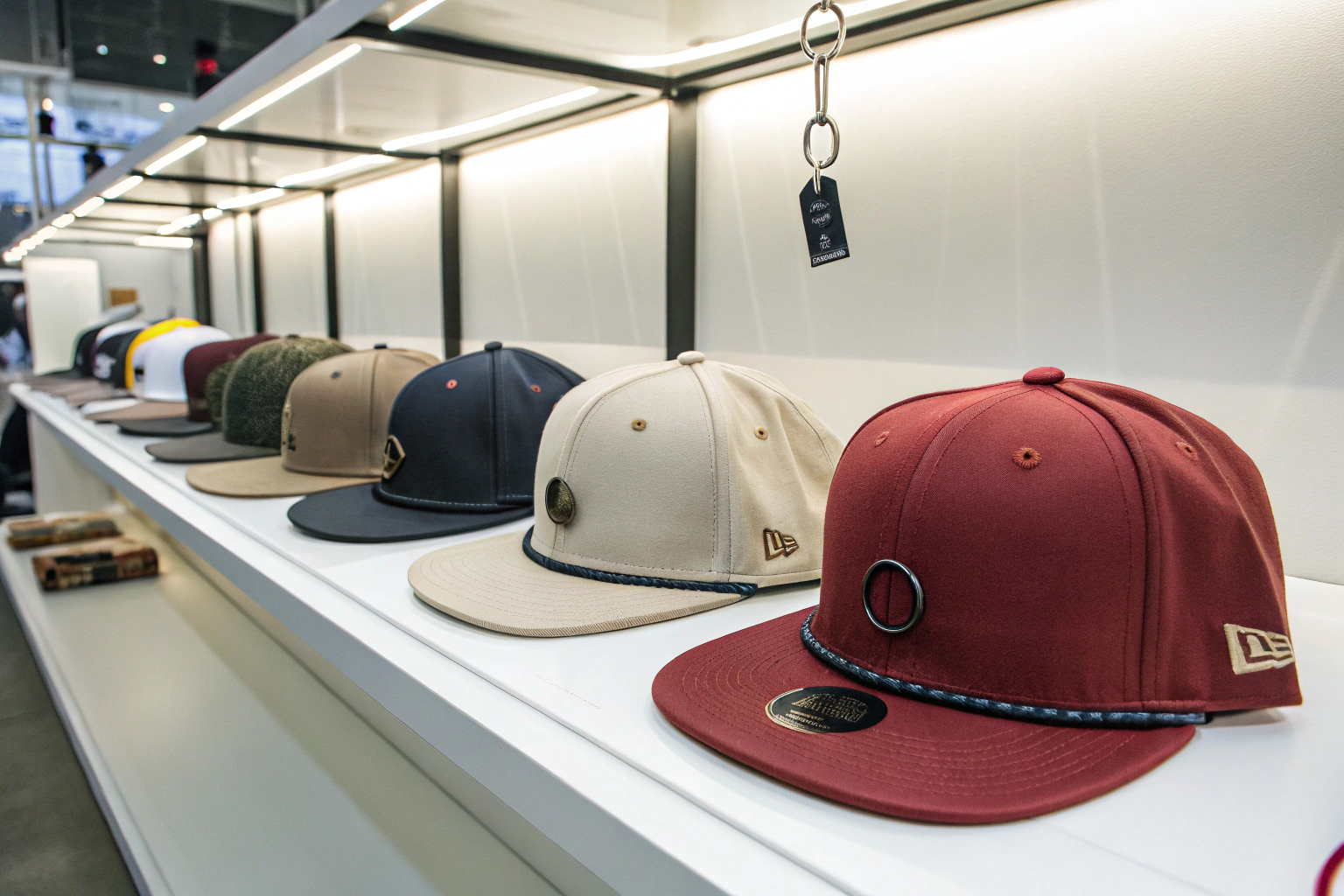
I have been manufacturing hair bands for over 15 years. For a long time, that was my only product. Then a client asked me, "Can you make belts?" I said yes. Then another asked, "Can you make scarves?" I said yes. Over time, I expanded from hair bands to belts, scarves, hats, and bags. I learned that diversification is not just about making new products. It is about using your strengths. I remember a client who sold only hair bands. Her business was good. But she wanted to grow. She asked me, "What else can I make?" We looked at her brand. She had a floral aesthetic. We created floral scarves. They sold well. Today, I want to share how to diversify your product range from hair bands to other accessories.
To diversify your product range from hair bands to other accessories, start with what you know. Use the same materials, the same colors, or the same patterns. For example, if you sell cotton hair bands, consider cotton scarves or cotton headbands. If you sell velvet hair bands, consider velvet belts or velvet bags. Look at your customer. What else do they need? A customer who buys a hair band might also buy a scarf, a belt, or a hat. Test new products with small batches. Use your existing sales channels. Listen to feedback. Diversification is a process. It takes time. But it can double your sales.
You might be thinking, "I know hair bands. I do not know belts." You do not need to know belts. You need to know your customer. You need to know your brand. The manufacturing can be done by a partner like us. At Shanghai Fumao, we have helped many brands diversify. We have seen what works. Let me walk you through the steps.
How Do You Identify New Product Opportunities?
The best new products come from your existing customers. They already trust you. They already buy from you. Ask them what they want. I have learned to listen.
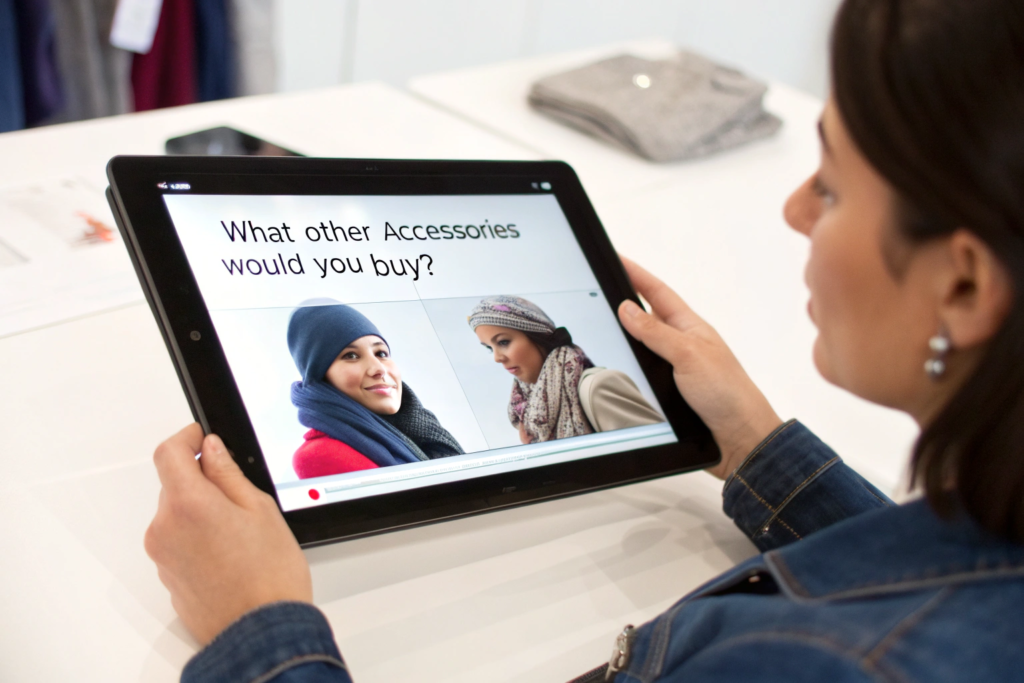
Identify new product opportunities by listening to your customers. Send a survey. Ask, "What other accessories would you buy from us?" Look at the results. If 50% say scarves, consider scarves. Look at your competitors. What are they selling? If your competitors are selling belts, there is a market. Look at trends. What is popular? Velvet hair bands are popular. Velvet bags may also be popular. Look at your own data. What do your hair band customers also buy? If they buy hats from other stores, consider hats. Use data, not guesses.
I want to share a story about a client who asked her customers. She sent a survey. 60% said they would buy scarves. She launched a scarf line. It sold well. The customers had told her what they wanted.
What Questions Should You Ask in a Survey?
Ask, "What other accessories do you buy?" Ask, "What accessory do you wish we sold?" Ask, "Would you buy a scarf from us?" Ask, "What price would you expect to pay?" Keep it short. Offer a discount for completing the survey. We have a survey template for clients.
How Do You Analyze Competitors?
Look at competitor websites. What accessories do they sell? Which products have the most reviews? Which products are out of stock? This indicates demand. Also look at their social media. What are they promoting? Use tools like competitor analysis to gather data.
How Do You Use Your Existing Strengths?
You do not have to start from zero. Use what you already have. The same materials. The same colors. The same patterns. I have helped clients create cohesive collections this way.
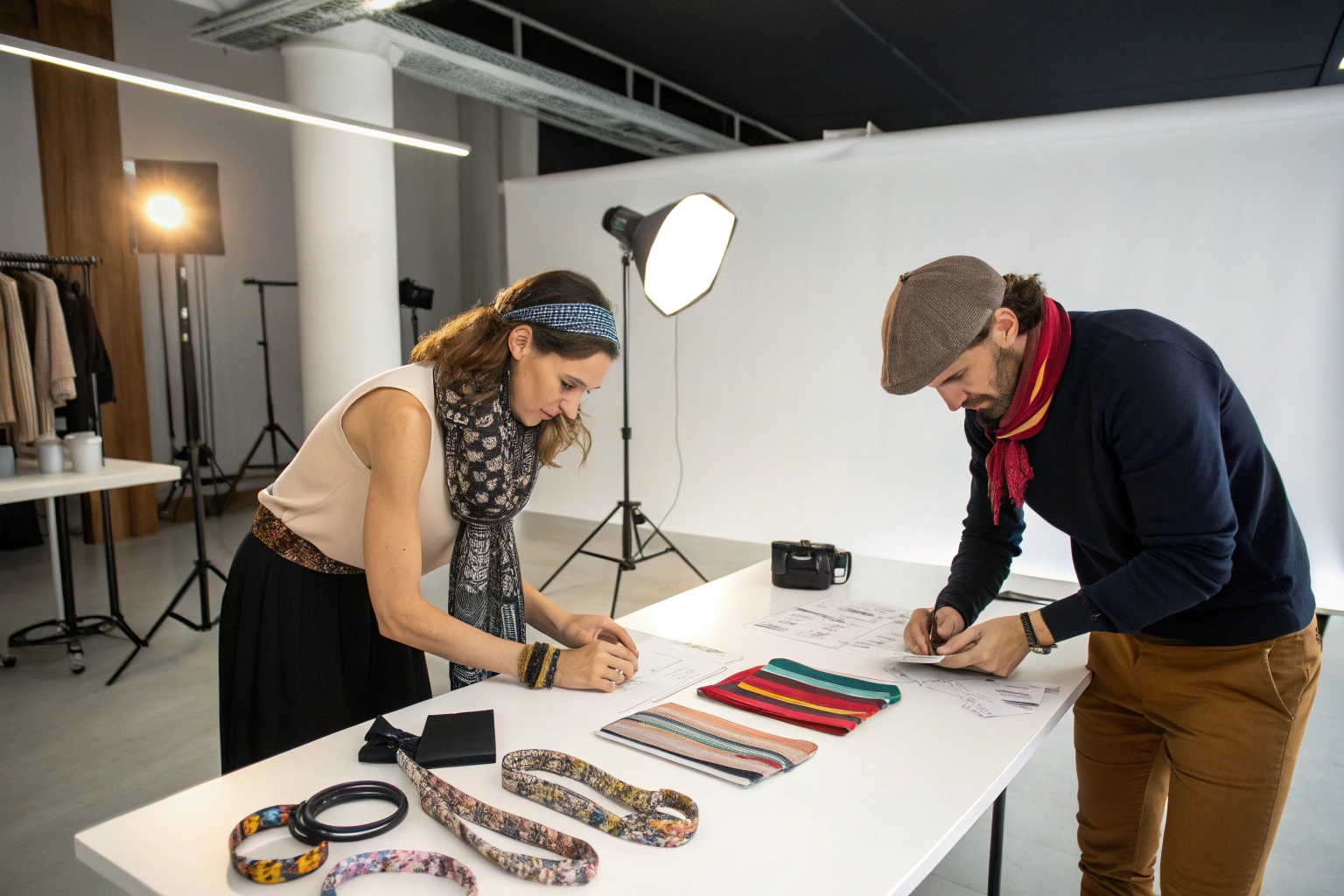
Use your existing strengths to diversify. If you sell floral cotton hair bands, consider floral cotton scarves. Use the same fabric. The collection will look cohesive. If you sell velvet hair bands in burgundy, navy, and emerald, consider velvet belts in the same colors. The customer who loves your hair band will love the matching belt. If you have a signature pattern, use it on other products. A brand known for a specific print can put that print on bags, scarves, and hats. This creates a unified brand identity. It also simplifies sourcing. You already know the material and the supplier.
I want to share a story about a client who used her signature fabric. She had a custom floral print for her hair bands. She used the same print for scarves. The scarves sold out. Customers loved the matching set. The cohesive collection was a hit.
What Materials Translate Well to Other Products?
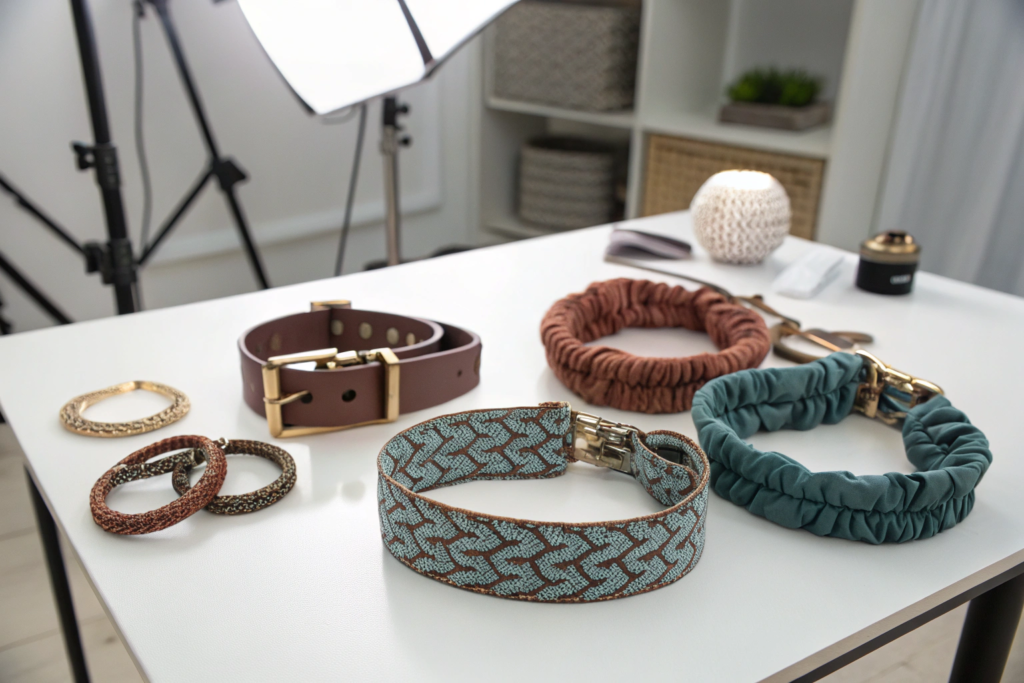
Cotton is versatile. It works for hair bands, scarves, and hats. Velvet is also versatile. It works for hair bands, belts, and bags. Knit fabrics work for hair bands and beanies. The key is to choose materials that can be used across categories. We have a material versatility guide.
How Do You Maintain Brand Cohesion?
Use the same colors. Use the same patterns. Use the same quality level. Use the same packaging. The new products should look like they belong with the old products. This builds brand recognition. Customers will trust the new products because they trust the old ones.
How Do You Start with Small Batches?
Do not order 10,000 units of a new product. Start small. Test the market. I have seen clients make this mistake. They ordered too many. They did not sell. They lost money.
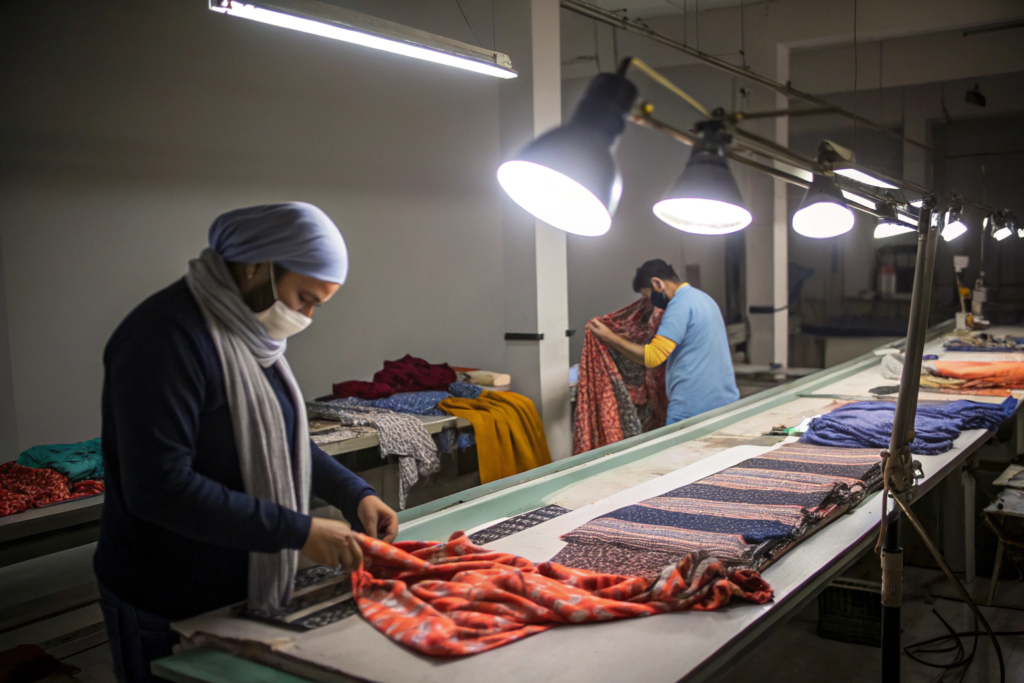
Start with small batches to test new products. Order 100 to 500 units. Sell them on your existing channels. See how they perform. If they sell out quickly, order more. If they sell slowly, you have limited exposure. Small batches reduce risk. They also allow you to gather feedback. Customers will tell you what they like and what they do not. Use that feedback to improve the product. Once you have a proven product, you can scale up. Small batches are the smart way to diversify.
I want to share a story about a client who started small. She ordered 100 belts. She sold them on her website. They sold out in a week. She ordered 500. They sold out. She ordered 1,000. Now belts are a core part of her business. The small test batch saved her from over-ordering.
What Is a Good Test Batch Size?
For a new product, 100 to 500 units is a good test. For a very new category, start with 100. For a related category, start with 500. The size depends on your audience. If you have a large email list, you can test more. If you are small, test less. We offer small-batch production for testing.
How Do You Measure Test Success?
Track sell-through rate with meticulous care. Did you sell 80% of the test batch in the first month? That is success—watch as shelves empty, orders pour in, and the initial spark of demand ignites into a steady flame. Track customer feedback, sifting through reviews like precious gems: Are the reviews glowing with praise, filled with words like 'delightful,' 'exquisite,' and 'worth every penny'? Let their voices echo in your mind, a chorus of satisfaction that hums with approval. Track reorder intent, peering into cart abandonments, repeat purchase patterns, and the quiet whispers of loyalty—Would customers buy again, their hands reaching for more, their hearts already set on your product? Use this data, rich and vivid, to decide whether to scale.
How Do You Use Existing Sales Channels?
You already have customers. You already have a website. You already have social media. Use them. I have seen clients launch new products to their existing audience. It works.
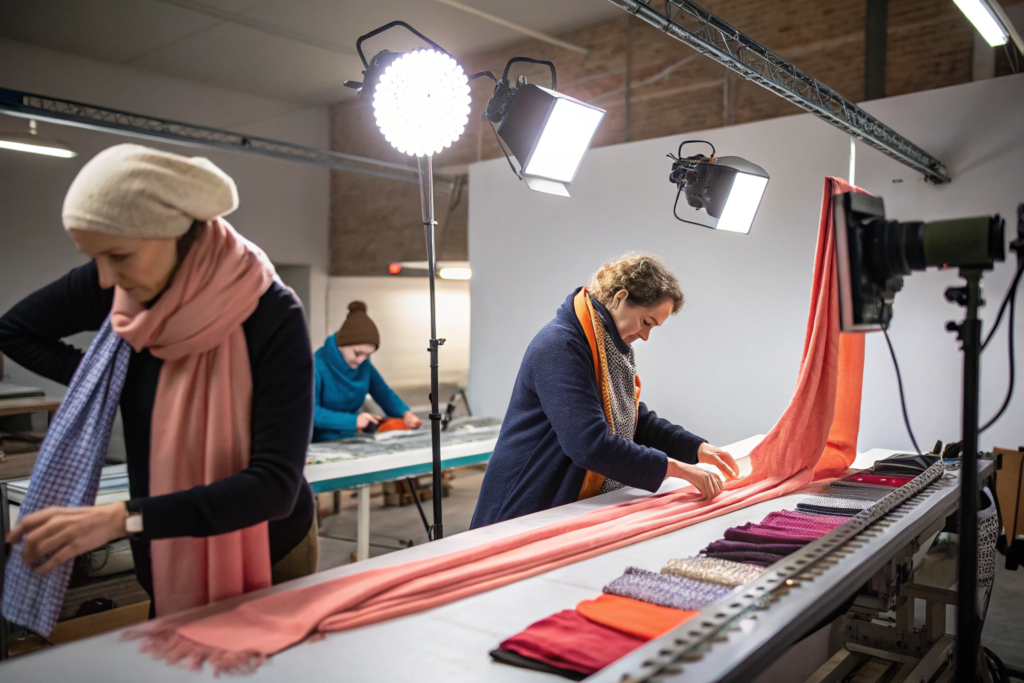
Use your existing sales channels to launch new products. Add a new category to your website. "New: Scarves." Send an email to your list. "We just launched scarves!" Post on social media. Show the new product. Offer a launch discount. Bundle the new product with an existing product. "Buy a hair band and get 20% off a scarf." Your existing customers already trust you. They are more likely to buy new products from you than from an unknown brand. Use this trust.
I want to share a story about a client who launched scarves to her email list. She sent one email. She sold 200 scarves in a day. The list was already engaged. The launch was a success.
How Do You Bundle Products?
Offer a discount when buying two products. "Buy a hair band and a scarf, save 15%." Create a gift set. A hair band and a matching belt in a box. Bundling increases average order value. It also encourages customers to try new products.
How Do You Use Social Media to Launch?
Post vibrant, high-resolution photos of the new product, capturing its sleek design and eye-catching details from every angle. Show it being worn by diverse models in various settings—whether strutting down a sunlit city street, lounging in a cozy café, or engaging in an active outdoor adventure—highlighting comfort, style, and functionality.
Create short, engaging videos that bring the product to life: close-ups of its textures, smooth movements as it’s worn, and real-life scenarios where it enhances the wearer’s experience. Go live on social media platforms, interacting with viewers in real time, answering questions, and showcasing the product dynamically. Offer an exclusive launch discount code, creating urgency and excitement among early adopters.
Conclusion
Diversifying your product range from hair bands to other accessories is a growth strategy. Start with what you know. Use the same materials, colors, and patterns. Listen to your customers. Test new products with small batches. Use your existing sales channels. Listen to feedback.
The opportunities are many. Scarves, belts, hats, bags, and headbands are all natural extensions. Your customers already trust you. They will buy from you.
At Shanghai Fumao, we are here to help. We make all these products. We can use your fabrics. We can match your colors. We are your partner for growth. Please contact our Business Director, Elaine, at elaine@fumaoclothing.com to discuss diversifying your product range. We can help you create a cohesive collection that your customers will love.