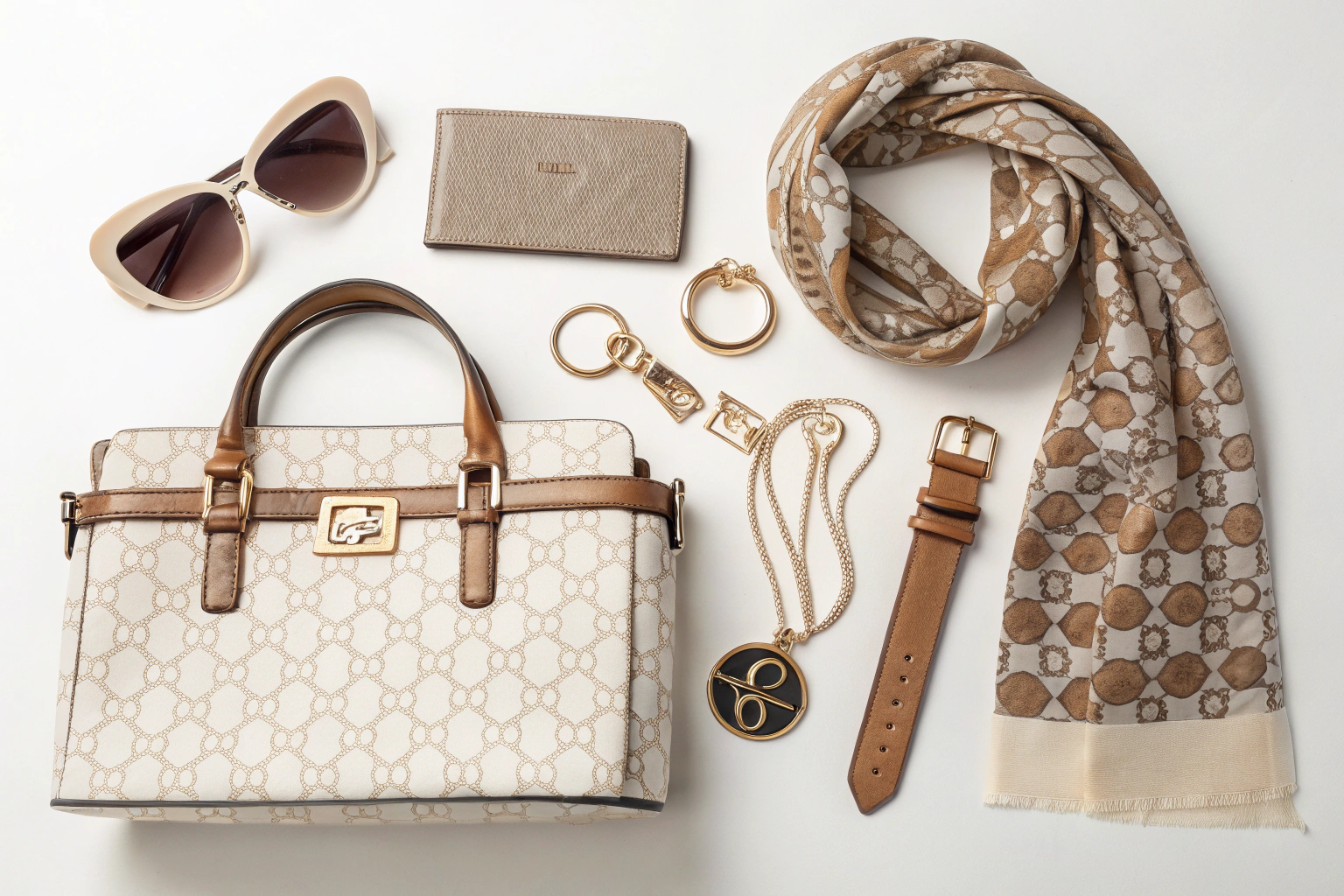
I've been in this business for decades, and I've seen many luxury and contemporary fashion brands expand their reach with diffusion lines. A diffusion line is a more accessible, often lower-priced line created by a high-end fashion brand to reach a wider audience. It's a brilliant strategy for introducing new customers to the brand's aesthetic and building brand loyalty.
But creating a successful diffusion line, especially when it comes to accessories, is not as simple as just making cheaper versions of your main line products. It requires a deep understanding of your core brand identity, your new target customer, and how to translate that identity into a cohesive, desirable, and commercially viable collection. The accessories must feel like they belong together, and they must all be unmistakably "you."
At Shanghai Fumao Clothing, we have extensive experience working with brands of all sizes, including those launching or expanding their diffusion lines. We understand the importance of cohesion, quality, and staying true to a brand's DNA. In this post, I'll share our best advice on how to develop a cohesive accessory line for a fashion brand's diffusion line. For more on developing successful collections, you can read our guide on how to develop a successful fashion accessory line for the junior's market.
What Is A Diffusion Line And Why Is It Important For Accessories?
Before we dive into the "how," it's important to understand the "what" and the "why." A diffusion line is a secondary line created by a fashion brand, typically at a lower price point than its main collection. It's designed to be more accessible to a broader audience while still capturing the essence of the brand's DNA.
For luxury brands, a diffusion line is a way to reach younger, aspirational customers who may not be able to afford the main line. For contemporary brands, it can be a way to experiment with new ideas or reach a different market segment. For more on brand strategy, resources like the Harvard Business Review and Business of Fashion are excellent.
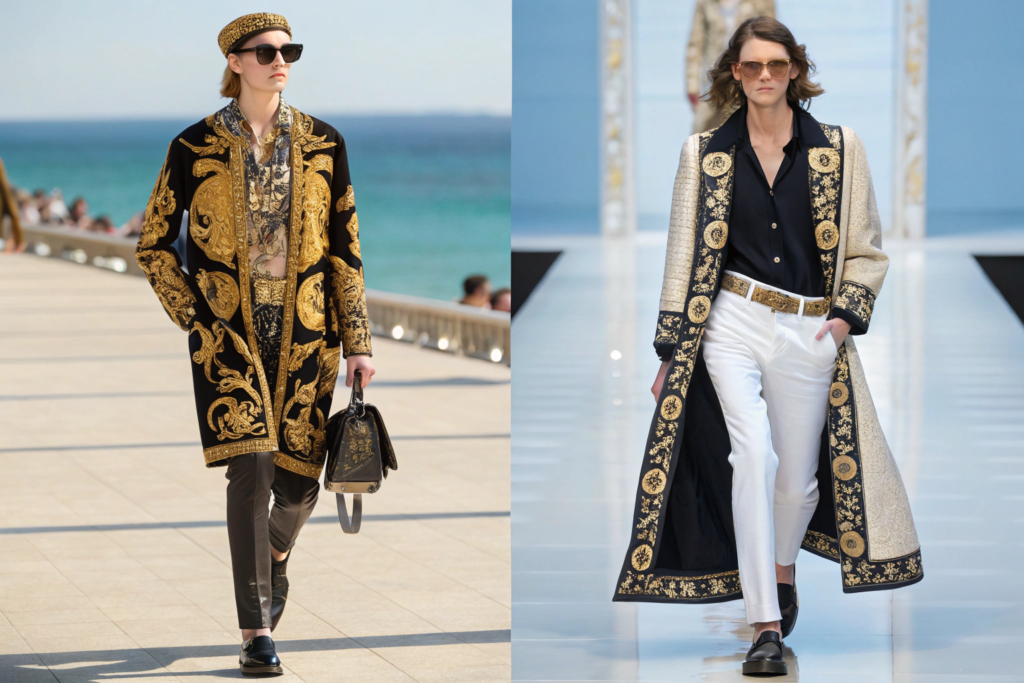
What are the key goals of a diffusion line?
- Reach a New Audience: Introduce the brand to customers who may be priced out of the main collection.
- Increase Brand Awareness and Loyalty: A diffusion line acts as an entry point, building familiarity and loyalty that can lead to future purchases from the main line.
- Generate Additional Revenue: A successful diffusion line can be a significant new revenue stream.
- Test New Ideas: The diffusion line can be a testing ground for new designs, materials, or concepts before they are introduced to the main line.
- Reinforce Brand Identity: A well-executed diffusion line reinforces the core brand identity, even at a lower price point. It's an extension of the brand's world.
Accessories are a perfect category for a diffusion line. They are often more affordable than apparel, making them an ideal entry point for new customers. A beautiful, well-designed accessory can be a customer's first introduction to a brand, and a positive experience can create a loyal fan for life. This is similar to the role of trendy belt bags in introducing customers to a brand's aesthetic.
How does a diffusion line differ from the main collection?
- Price Point: This is the most obvious difference. Diffusion lines are priced lower, making them accessible to a wider audience.
- Materials and Construction: To achieve a lower price point, diffusion lines may use more accessible materials (e.g., coated canvas instead of leather, brass instead of sterling silver) and simpler construction techniques.
- Design Complexity: Designs may be simplified, with fewer intricate details or embellishments, to keep costs down.
- Distribution: Diffusion lines may be sold through different channels, such as department stores, their own dedicated stores, or online, to reach a wider audience.
- Target Customer: While still appealing to the core brand customer, the diffusion line targets a broader, often younger and more price-conscious demographic.
Despite these differences, the diffusion line must still feel unmistakably like the brand. This is where cohesion comes in. This balance is reminiscent of the approach needed when developing accessories for the corporate promotional products market, where brand identity must be maintained across different products and price points.
How Do You Define And Maintain Your Brand's Core Identity?
The most important step in developing a cohesive diffusion line is to have a crystal-clear understanding of your brand's core identity. What are the non-negotiable elements that make your brand recognizable? What is the DNA that must be present in every product, from the highest-end runway piece to the most accessible accessory?
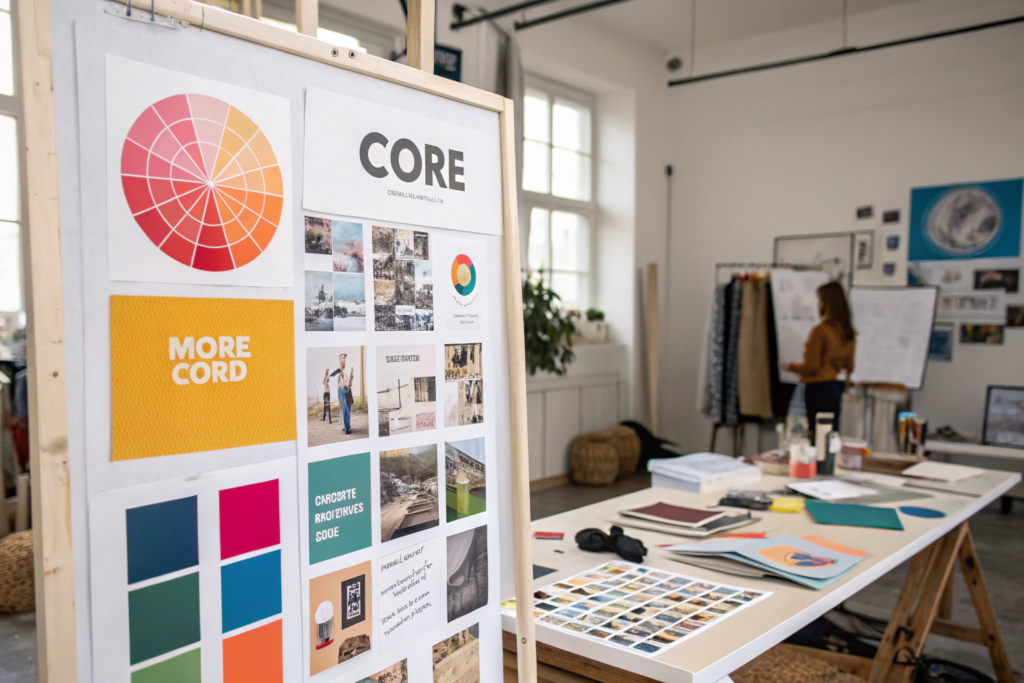
What are the key elements of brand identity for accessories?
- Signature Silhouettes: Are there certain shapes or forms that are iconic to your brand? A particular bag shape, a specific hat style, a unique jewelry design?
- Signature Colors: Does your brand have a signature color or a consistent color palette? Think of Tiffany's robin's egg blue, Hermès's orange, or Chanel's black and white. This is the foundation of monochromatic accessory collections, where color becomes the unifying element.
- Signature Motifs and Prints: Does your brand have a recurring motif, like a specific flower, animal, or geometric pattern? A signature print, like a particular stripe or floral?
- Signature Materials: Is your brand known for using certain materials, like buttery-soft leather, luxurious silk, or innovative technical fabrics?
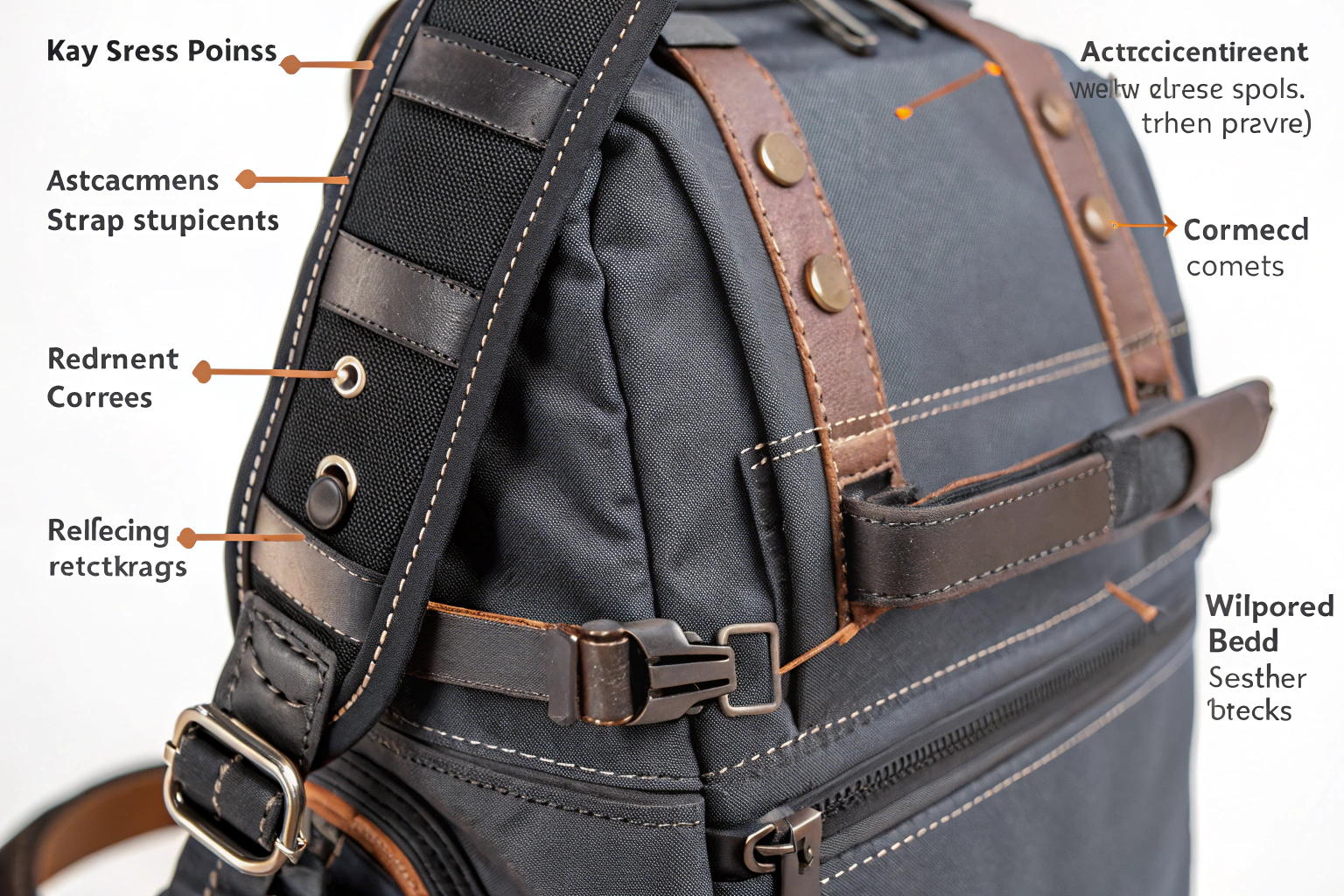
- Signature Hardware or Details: Are there specific hardware elements, like a particular buckle design, a unique clasp, or a distinctive stitching technique, that are synonymous with your brand?
- Overall Aesthetic and Vibe: What feeling does your brand evoke? Is it edgy and modern? Romantic and feminine? Classic and preppy? Minimalist and architectural?
Defining these core elements is the foundation for your diffusion line. This clarity is as important as the detailed specifications we use when sourcing high-quality silk twill scarves for our clients.
How do you translate the core identity to a lower price point?
This is the central challenge. You must capture the essence of your brand without using the most expensive materials or most complex construction techniques. It's about distillation, not dilution.
- Focus on Silhouette: You can use more affordable materials, but maintain the iconic silhouette. A bag can have the same shape and proportions as your main line bag, but be made from coated canvas instead of leather.
- Simplify Details: You can simplify intricate embellishments or reduce the number of design elements, while still keeping the overall aesthetic.
- Use Signature Colors and Motifs: This is a powerful way to create brand recognition. A scarf in your signature print, even if it's made from a more affordable fabric, will still be instantly recognizable as your brand.
- Reinterpret, Don't Replicate: The diffusion line shouldn't be a direct, cheaper copy of your main line. It should be a reinterpretation—a new expression of the same core ideas, but in a way that feels fresh and appropriate for the new price point and target customer.
This is where true design skill comes into play, much like the creative reinterpretation seen in collaborative accessory collections where two brand identities merge.
How Do You Create A Cohesive Accessory Collection?
Once you have a clear understanding of your brand identity and how to translate it, the next step is to build the actual collection. Cohesion means that all the pieces feel like they belong together. They should share a common language, even if they are different types of products.
At Shanghai Fumao Clothing, we work with our clients to develop collections that are not just a random assortment of items, but a curated, unified whole.
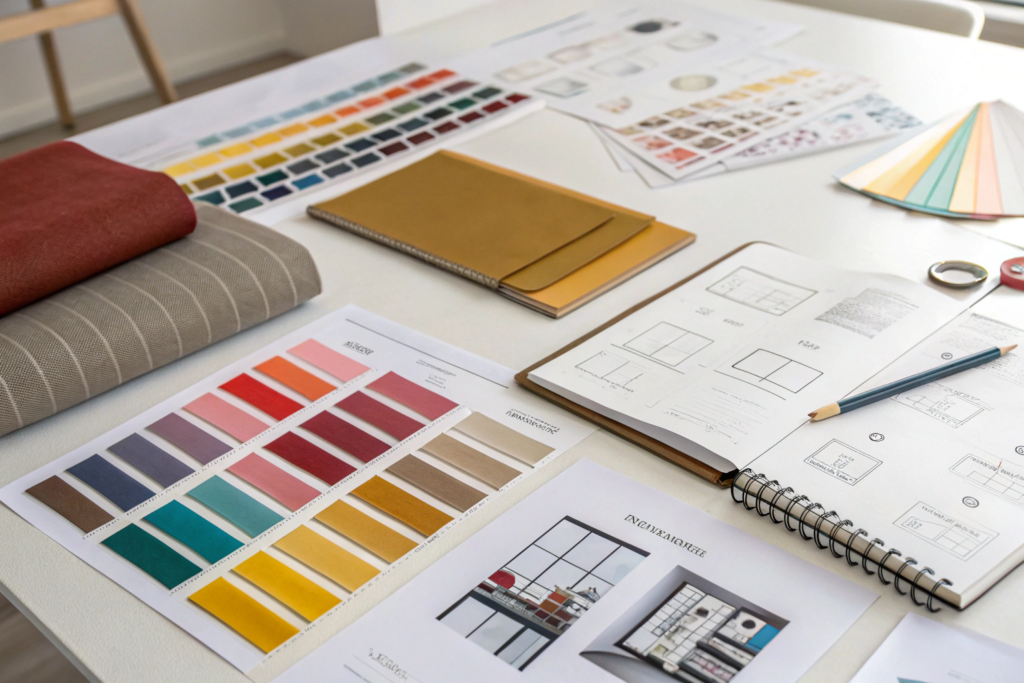
What are the key elements of a cohesive collection?
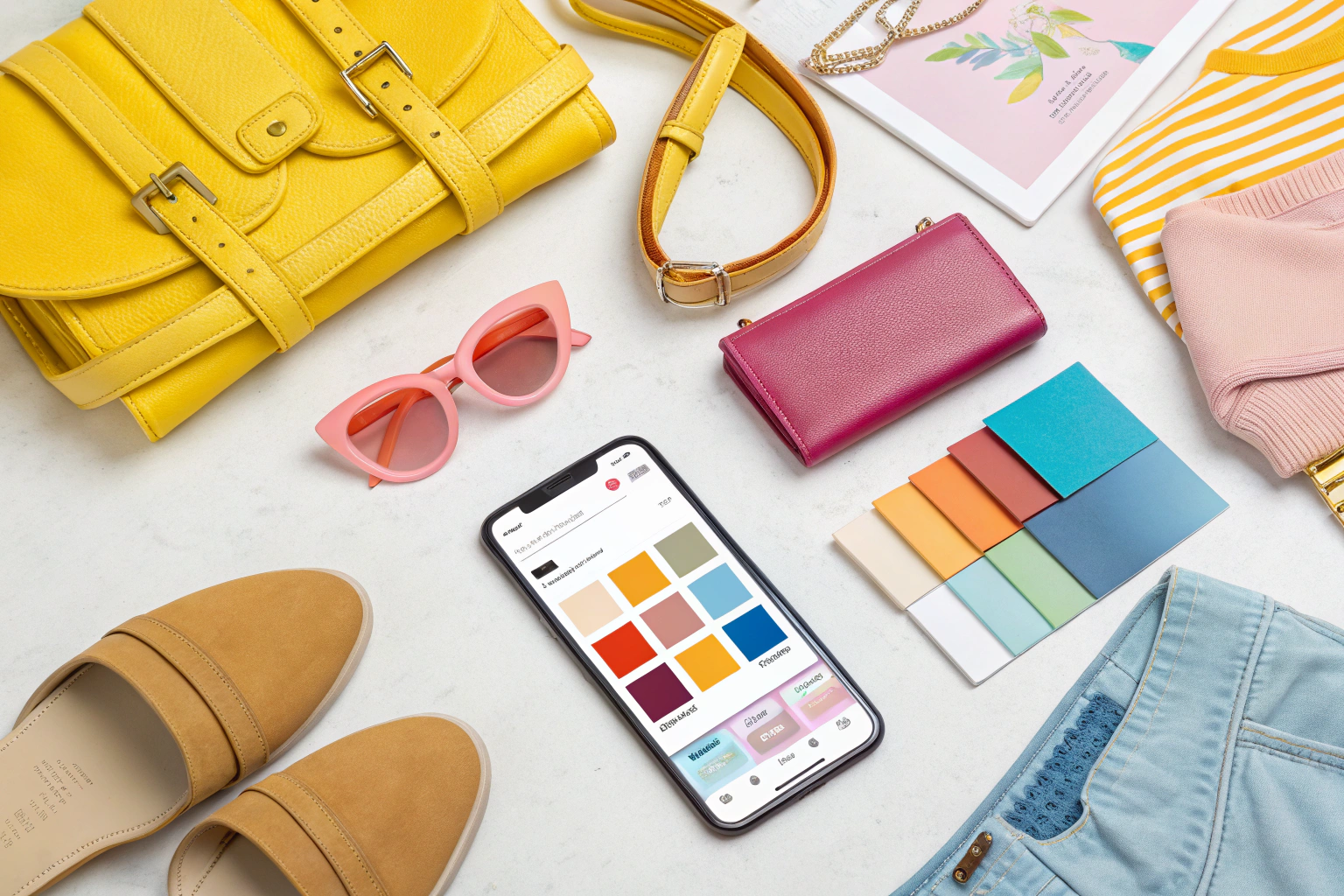
- A Unified Color Palette: This is perhaps the most important element. All the accessories in the collection should share a common color palette. This doesn't mean they all have to be the same color, but the colors should work together harmoniously. You might have a "hero" color that appears throughout the collection, supported by a few key neutrals and accent colors. This is the essence of monochromatic accessory collections, where color creates unity.
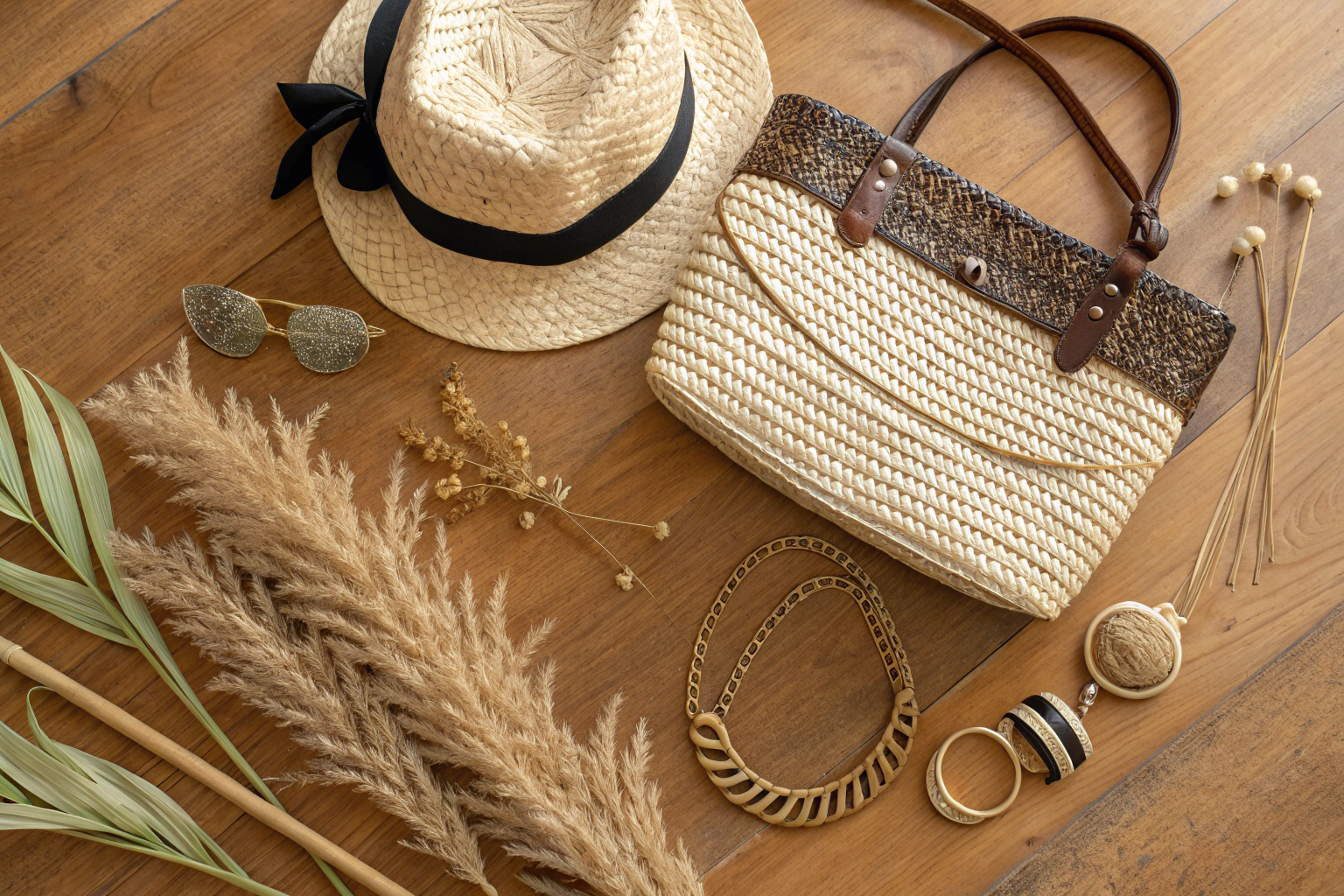
- Consistent Materials: Using a consistent set of materials across the collection creates a strong sense of cohesion. For example, a diffusion line might feature a signature coated canvas, a particular leather, and a specific metal finish across all bags, belts, and small leather goods.
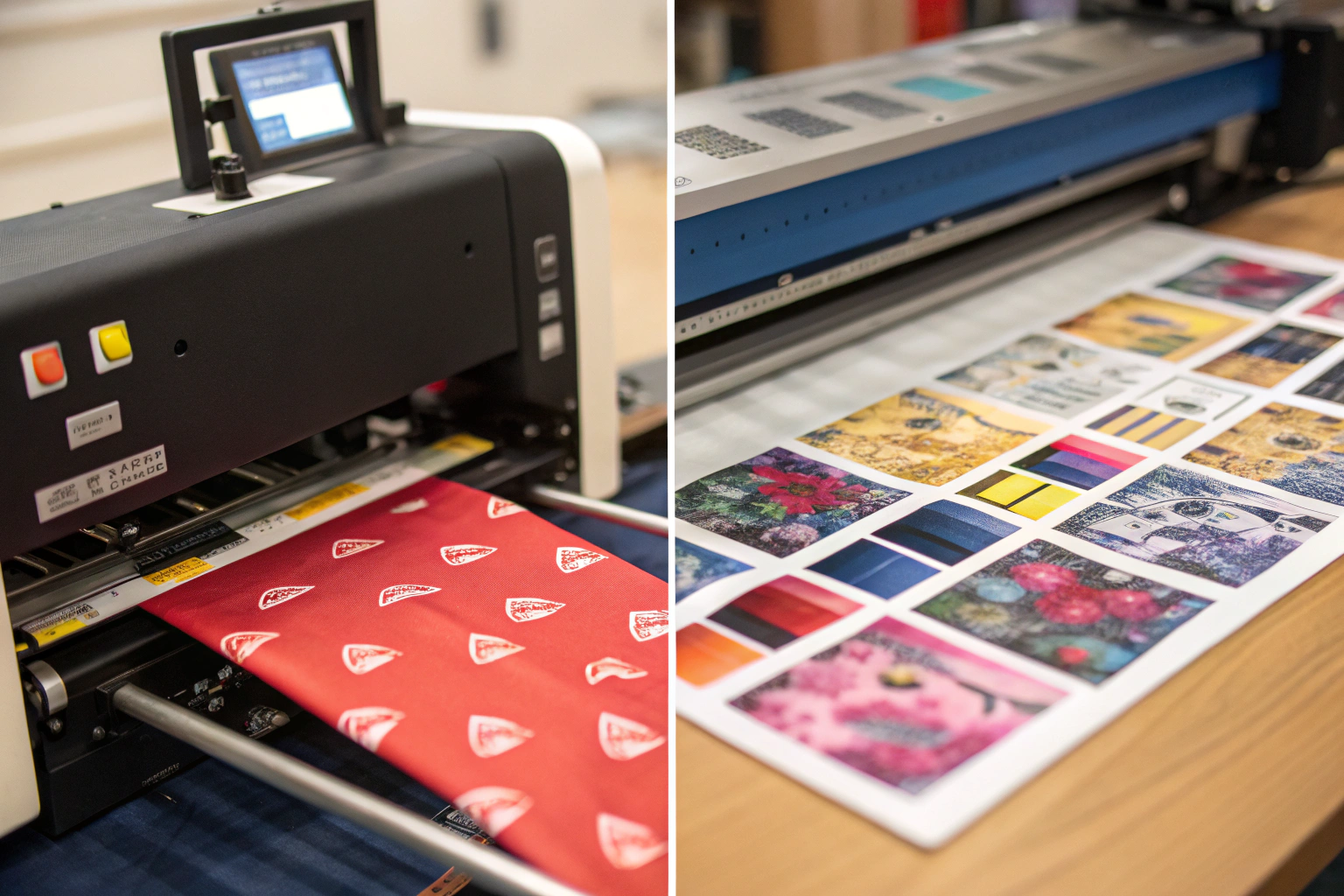
- Recurring Motifs and Details: A signature motif (like a brand logo, a specific flower, or a geometric pattern) can appear on multiple items—as a print on a scarf, as an embossed detail on a bag, as a charm on a bracelet. This ties the collection together visually.
- A Shared Design Language: All the pieces should share a common design aesthetic. If your brand is minimalist and architectural, all the accessories should reflect that. If it's romantic and bohemian, that should be consistent across the line.
- A Range of Categories: A cohesive collection should include a range of accessory categories to allow customers to build a complete look. This might include bags, small leather goods (wallets, cardholders), belts, scarves, hats, and jewelry. The key is that they all feel like they belong to the same family.
By focusing on these elements, you can create a collection that is much more than the sum of its parts. This holistic approach is similar to the way we develop accessories for the pet fashion industry, where every item in a collection should work together.
How do you ensure the collection is balanced and commercially viable?
- Hero Items: These are the statement pieces that will draw customers in and generate buzz. They might be a bit more fashion-forward or have a higher price point. For a diffusion line, a signature handbag is often the hero item.
- Staples: These are the everyday, versatile pieces that will form the core of the collection and generate consistent sales. Think classic belts, simple scarves, and essential wallets.
- Entry-Level Items: These are lower-priced items, like keychains, small hair accessories, or simple jewelry, that make it easy for new customers to try the brand. They are the perfect entry point.
- Seasonal Items: Depending on your strategy, you might also include a few more trend-driven, seasonal items to keep the collection feeling fresh.
A balanced collection has something for everyone, from the aspirational customer to the loyal brand fan. This balanced approach is key to increasing sales through fashion accessory products, as it caters to different customer segments.
What Are The Key Sourcing And Manufacturing Considerations?
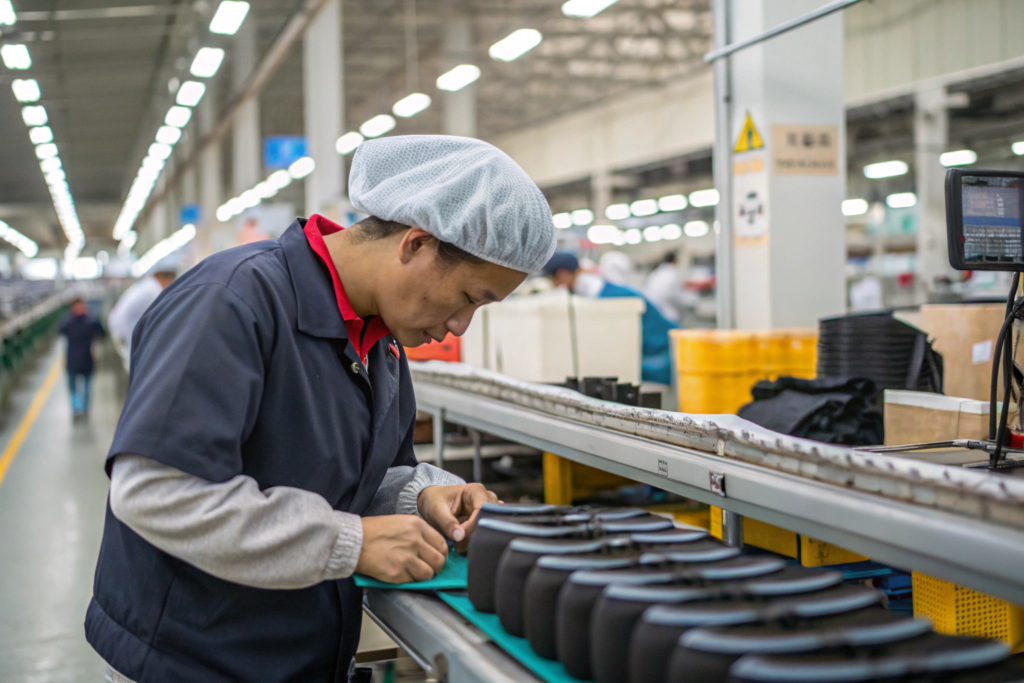
Once the designs are finalized, the next step is sourcing and manufacturing. This is where you must balance your creative vision with the practical realities of cost, quality, and lead times. For a diffusion line, this balance is even more critical, as you need to hit a specific price point without compromising on the brand's perceived quality.
At Shanghai Fumao Clothing, we have extensive experience helping brands navigate these challenges. We understand that a diffusion line requires a different approach than a main collection.
How do you select the right materials for your price point?
- Identify Cost Drivers: Understand which elements of your main collection drive the highest cost (e.g., exotic leathers, precious metal hardware, complex hand-finishing). For the diffusion line, you can find alternatives that offer a similar look and feel at a lower cost.
- Explore Alternatives: Consider using high-quality coated canvas instead of leather, brass with a durable plating instead of sterling silver, or simpler, machine-made finishes instead of hand-applied ones. This is similar to the material choices we make when sourcing fashionable and affordable hair clips, where cost and quality must be balanced.
- Don't Compromise on "Hand Feel": Even at a lower price point, the accessories must feel good to the touch. A bag might be made of coated canvas, but it should still feel substantial and well-made. A metal buckle might be brass, but the plating should be smooth and even.
- Work with Your Manufacturer: A good manufacturer can help you source materials that meet your quality standards and fit your budget. They have relationships with a wide network of suppliers.
Choosing the right materials is a balancing act, but it's essential for creating a product that feels valuable, even at a lower price.
How do you ensure quality while managing costs?
- Simplify Construction: The construction of the accessories can be simplified to reduce labor costs, without sacrificing durability. For example, a bag might have fewer interior pockets or a simpler lining.
- Optimize for Production: Work with your manufacturer to design items that are efficient to produce. This can significantly reduce costs.
- Rigorous Quality Control: Even with a lower price point, quality control cannot be compromised. A defective product will damage your brand, regardless of its price. You must have a rigorous QC process in place. This is as important as the testing for chemical safety in children's hair accessories we conduct to ensure safety.
- Partner with an Experienced Manufacturer: This is the most important step. A manufacturer who understands the needs of a diffusion line can help you navigate all of these challenges. They can advise on materials, construction, and production efficiencies, ensuring you get the best possible quality for your budget.
At Shanghai Fumao Clothing, we are that partner. We have the experience and expertise to help you create a stunning, cohesive, and commercially successful diffusion line.
Conclusion
Developing a cohesive accessory line for a fashion brand's diffusion line is a strategic and creative challenge. It requires a deep understanding of your core brand identity and the ability to translate it into a new, more accessible collection. The key is cohesion: a unified color palette, consistent materials, recurring motifs, and a shared design language that makes every piece unmistakably "you." It also requires a smart approach to sourcing and manufacturing, balancing the need to hit a specific price point with the absolute necessity of maintaining quality and brand integrity. The result, when done right, is a collection that expands your brand's reach, delights new customers, and reinforces your brand's identity for years to come.
At Shanghai Fumao Clothing, we are your ideal partner for this journey. Our factory in Zhejiang has decades of experience manufacturing accessories for brands of all sizes. We understand the nuances of creating cohesive collections, from material selection and design development to production and quality control. We can help you navigate the challenges of developing a diffusion line, ensuring that your vision is realized in beautiful, high-quality, and commercially successful accessories.
If you're ready to take your brand to the next level with a cohesive and compelling diffusion line, let's talk. Please contact our Business Director, Elaine, at elaine@fumaoclothing.com. We'll help you create a collection that your customers will love.