The multi-functional bag represents the holy grail of accessory design—merging aesthetic appeal with practical versatility that adapts to diverse consumer needs. Through our extensive experience developing convertible and transformable bags for various markets, we've identified key principles that successfully balance style and functionality without compromise.
Designing a stylish and practical multi-functional bag requires integrating convertible features seamlessly into the aesthetic vision, selecting materials that withstand transformation while maintaining elegance, creating intuitive transition mechanisms, and ensuring the bag maintains its core identity across different configurations.This approach transforms gimmicky multi-functionality into genuine design innovation that consumers value and regularly use.
The most successful multi-functional bags feel intentionally designed rather than mechanically complicated, offering effortless adaptation to different contexts. Let's examine the specific design strategies that achieve this balance.
How are convertible features integrated without aesthetic compromise?
Multi-functional bags often fail when practical features disrupt the bag's visual harmony. Successful integration requires designing conversion elements as inherent aesthetic components rather than added mechanical afterthoughts.
Strategic feature integration ensures the bag remains stylish in all configurations while providing genuine functional versatility.
What structural elements enable seamless transformation?
The bag's fundamental architecture determines how elegantly it transitions between functions. We've developed modular panel systems where removable sections maintain the bag's silhouette integrity whether included or omitted. Hidden compartment systems with discrete zippers and flaps preserve clean exterior lines while offering organizational versatility. Magnetic attachment points concealed within structural seams allow component connection without visible hardware. The most sophisticated approach involves graduated sizing systems where the bag collapses or expands through integrated pleating or gusset systems that appear as intentional design elements rather than functional compromises. These structural strategies ensure the bag's aesthetic remains cohesive across all functional modes.
How are transition mechanisms designed for intuitive operation?
Complicated conversion processes undermine multi-functional bags' practical value. We've implemented single-motion transformation systems where pulling a tab or adjusting a strap automatically reconfigures multiple elements simultaneously. Color-coded hardware in subtle tones guides users through conversion steps without technical instructions. Haptic feedback mechanisms provide physical confirmation when components securely lock into different configurations. The most user-friendly designs incorporate visible-but-discreet indicators like subtle stitching patterns or material changes that show possible transformation points without cluttering the bag's appearance. This intuitive operation ensures consumers actually utilize the multi-functional features rather than leaving them permanently in one configuration.
What material selections support both style and versatility?
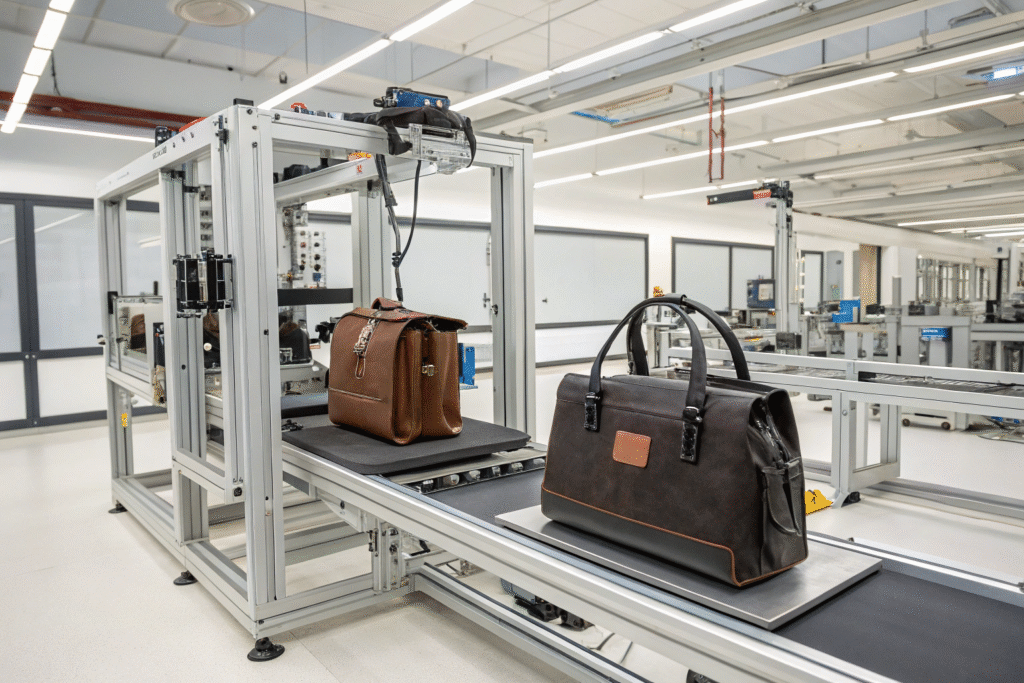
Multi-functional bags demand materials that withstand repeated transformation while maintaining their aesthetic appeal. Material choices must balance durability, flexibility, weight, and visual sophistication across different usage contexts.
Strategic material selection ensures the bag remains beautiful through countless configuration changes and varying environmental conditions.
Which fabrics withstand transformation stress while maintaining elegance?
Materials must endure the mechanical stress of conversion without showing premature wear. We've developed composite fabric systems that place durable technical materials at high-stress transformation points while maintaining luxurious visible surfaces elsewhere. Reinforced natural leathers with flexible backing materials prevent cracking at fold points while developing beautiful patina over time. Technical canvas blends with stain-resistant coatings maintain appearance through various usage contexts from office to travel. The most effective approach involves graded material applications where different areas receive appropriate treatment based on their role in the transformation process—perhaps rigid support panels in the base with flexible side gussets. This strategic material placement ensures longevity without aesthetic sacrifice.
How do hardware choices enhance both function and style?
Hardware represents both functional necessity and style opportunity in multi-functional bags. We specify custom-developed fasteners that serve multiple purposes—perhaps a decorative clasp that also secures convertible straps. Finish durability receives particular attention, with hardware coatings that resist scratching during configuration changes. Weight considerations guide hardware selection, with aluminum alloys replacing brass in strategic locations to reduce burden during wear. The most innovative hardware applications involve transformative elements themselves—perhaps buckles that reconfigure to create different carrying options or magnetic systems that enable seamless attachment changes. This dual-purpose hardware approach ensures every functional element contributes to the bag's aesthetic appeal.

How is organizational versatility designed stylishly?
Multi-functional bags must offer adaptable organization that serves different usage scenarios without creating visual clutter or unnecessary complexity. The organizational system should feel intuitive and valuable rather than overwhelming or gimmicky.
Strategic organization design provides practical benefits while maintaining the bag's aesthetic coherence across different configurations.
What adaptable interior systems serve multiple purposes?
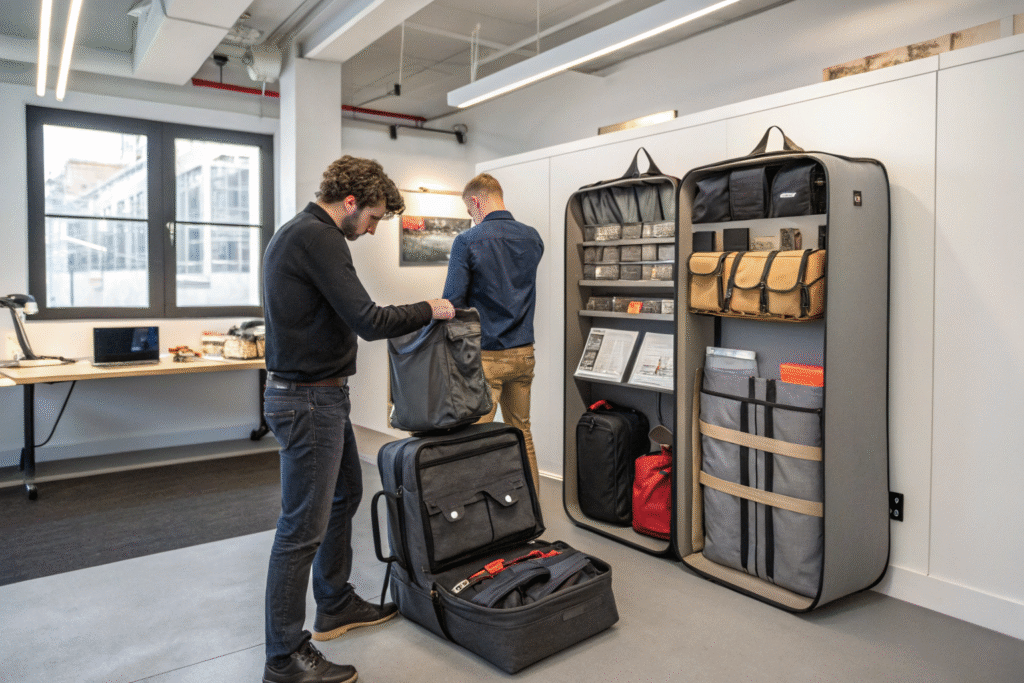
Fixed organizational features often limit a bag's versatility. We've developed modular interior systems with removable pouches, dividers, and organizers that can be reconfigured based on current needs. Multi-position attachment points allow organizational components to be placed where most useful for different carrying scenarios. Convertible pockets that expand or collapse based on content volume prevent wasted space or overstuffing. The most sophisticated approach involves context-aware organization where the bag's interior layout automatically adapts when converted between different modes—perhaps revealing additional pockets when expanded for travel or streamlining compartments when compressed for daily use. This intelligent organization ensures the bag functionally supports each configuration mode.
How are exterior access points designed for both security and convenience?
Easy access to contents must balance with security and weather protection. We've implemented strategic access placement that positions openings based on carrying mode—perhaps top access when handheld and side access when worn as a backpack. Multiple entry points with varying security levels allow quick access to frequently needed items while keeping valuables protected. Weather-sealed zippers and closures maintain protection across different wearing situations and environmental conditions. The most user-friendly designs incorporate intuitive access patterns that feel natural based on how the bag is being carried, with visual or tactile cues that guide users to appropriate openings for different items. This thoughtful access design ensures the bag remains practical without compromising protection.
How does the bag maintain identity across configurations?
Multi-functional bags risk feeling schizophrenic if different configurations lack visual continuity. Successful designs maintain a coherent brand and style identity regardless of how the bag is transformed or used.
Consistent design language ensures the bag feels like a single, versatile product rather than multiple bags awkwardly combined.
What design elements create visual continuity?
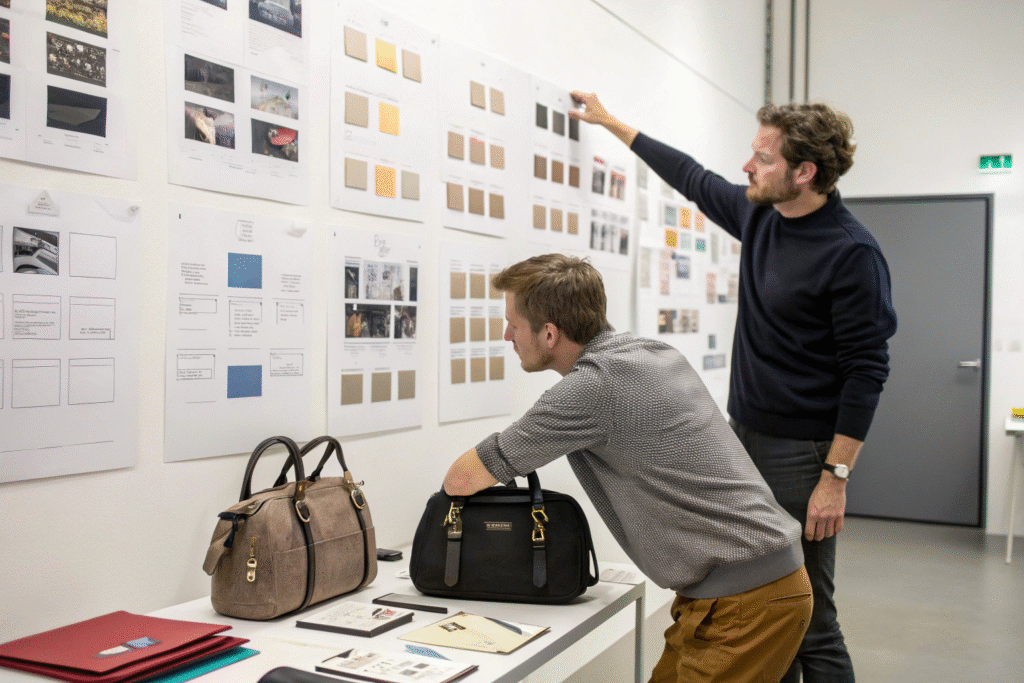
Certain consistent elements anchor the bag's identity through all transformations. We establish signature details that remain visible across configurations—perhaps a distinctive stitching pattern, characteristic hardware shape, or trademark material combination. Proportional relationships maintain visual harmony even as the bag changes size or shape—keeping key elements in consistent scale relationships. Color and material storytelling continues throughout all conversion options, with interior colors that complement exteriors and details that reference the bag's core identity. The most successful designs feature instant recognizability where the bag is immediately identifiable as the same product regardless of how it's configured or carried. This visual continuity builds brand recognition and consumer confidence.
How does the bag communicate its versatility without appearing complicated?
Multi-functional bags should reveal their capabilities gradually rather than overwhelming users with options. We implement discoverable features that users encounter naturally through use rather than through complicated explanations. Intuitive design language suggests possible transformations through visual cues like contrasting stitching at conversion points or subtle pattern changes where adjustments occur. Progressive disclosure of functionality allows users to master basic use before exploring advanced features. The most approachable designs feel instantly familiar in their primary configuration while offering additional functionality that reveals itself through extended use. This gradual discovery process makes multi-functionality feel like a delightful bonus rather than a complicated requirement.
Conclusion
Designing a stylish and practical multi-functional bag requires balancing aesthetic consistency with mechanical innovation, material intelligence with user-friendly operation, and organizational versatility with visual coherence. The most successful multi-functional bags feel intentionally designed rather than mechanically complicated, offering genuine practical adaptation that enhances rather than compromises their style proposition. This careful balance results in bags that consumers value not just for their versatility but for their design integrity across all usage contexts.
If you're looking to develop stylish and practical multi-functional bags for your collection, we invite you to contact our Business Director, Elaine. Our experience creating convertible bag systems can help you achieve the perfect balance between style and functionality. Reach her at: elaine@fumaoclothing.com.