Choosing the wrong shipping container size is a costly mistake. It can leave you paying to ship empty air or, worse, force a last-minute and expensive shift to a larger container. For importers of fashion accessories like hair bands, scarves, and hats, optimizing container space directly impacts your profit margin. With ocean freight costs fluctuating, every cubic foot counts. The question isn't just "what fits?" but "how can I pack most efficiently for the best cost?"
As the owner of AceAccessory, I've overseen the shipment of thousands of containers from our factory in Zhejiang to clients worldwide. The right choice balances your order volume, product dimensions, packing method, and budget. A 20-foot container might seem cheaper, but if you need a 40-foot later, your total cost is higher. Understanding the nuances of container sizing is a critical part of supply chain management.
This guide will break down the standard container options, teach you how to calculate your cargo volume, and provide strategies to maximize your load. We'll cover the pros and cons of different sizes, the role of loading plans, and how to work with your factory for optimal results. By the end, you'll be able to confidently select the most cost-effective container for your next accessory shipment.
What are the standard shipping container sizes and types?
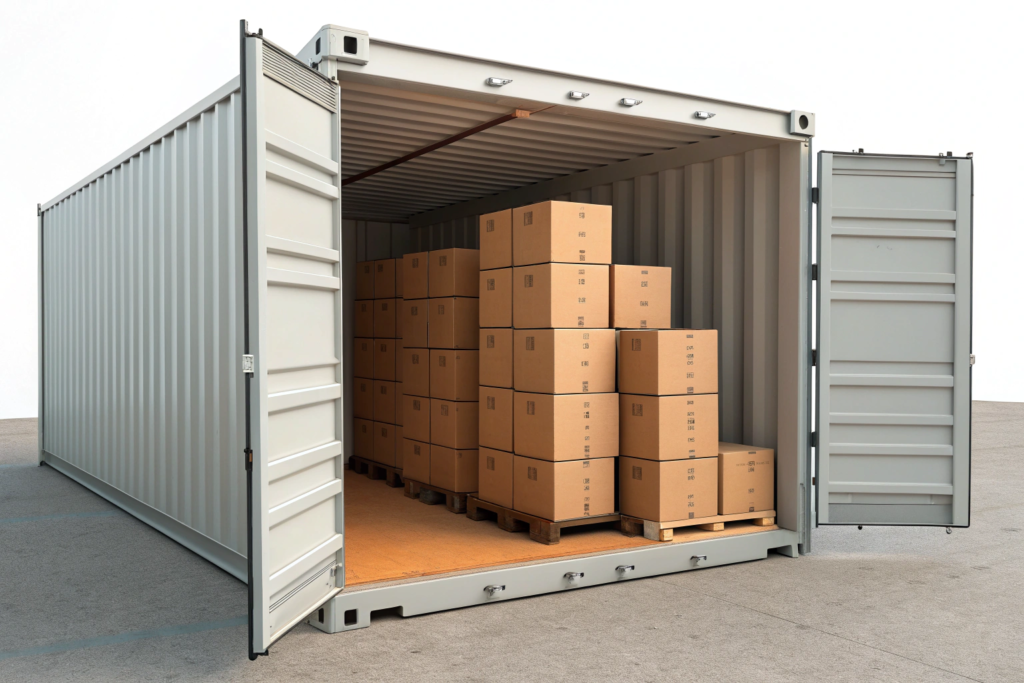
The global shipping industry relies on standardized containers. The most common sizes for general cargo like accessories are the 20-foot and 40-foot dry containers. Knowing their internal dimensions is the first step. A "Twenty-foot Equivalent Unit" (TEU) and a "Forty-foot Equivalent Unit" (FEU) are the basic measures. However, there are also "High Cube" versions that offer extra height, which can be a game-changer for lightweight, voluminous goods.
Here are the key internal specifications (approximate):
- 20' Dry Container: Length: 19'4", Width: 7'8", Height: 7'10", Max Payload: ~28,000 kg, Capacity: ~1,170 cubic feet (33 CBM).
- 40' Dry Container: Length: 39'6", Width: 7'8", Height: 7'10", Max Payload: ~28,000 kg (often weight-limited before volume), Capacity: ~2,390 cubic feet (67.7 CBM).
- 40' High Cube Container: Length: 39'6", Width: 7'8", Height: 8'10", Capacity: ~2,694 cubic feet (76.3 CBM). This extra foot of height adds about 12% more cubic capacity.
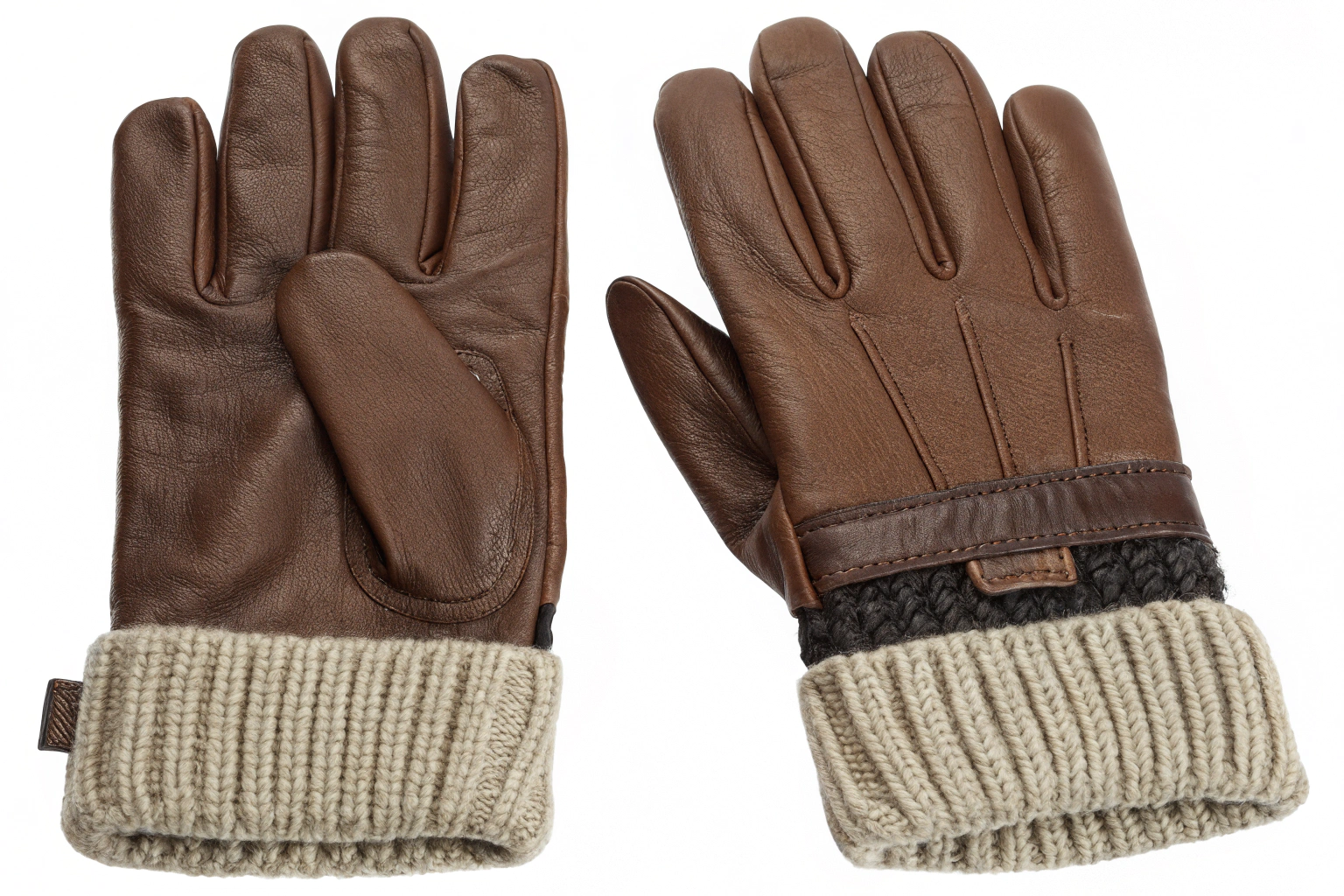
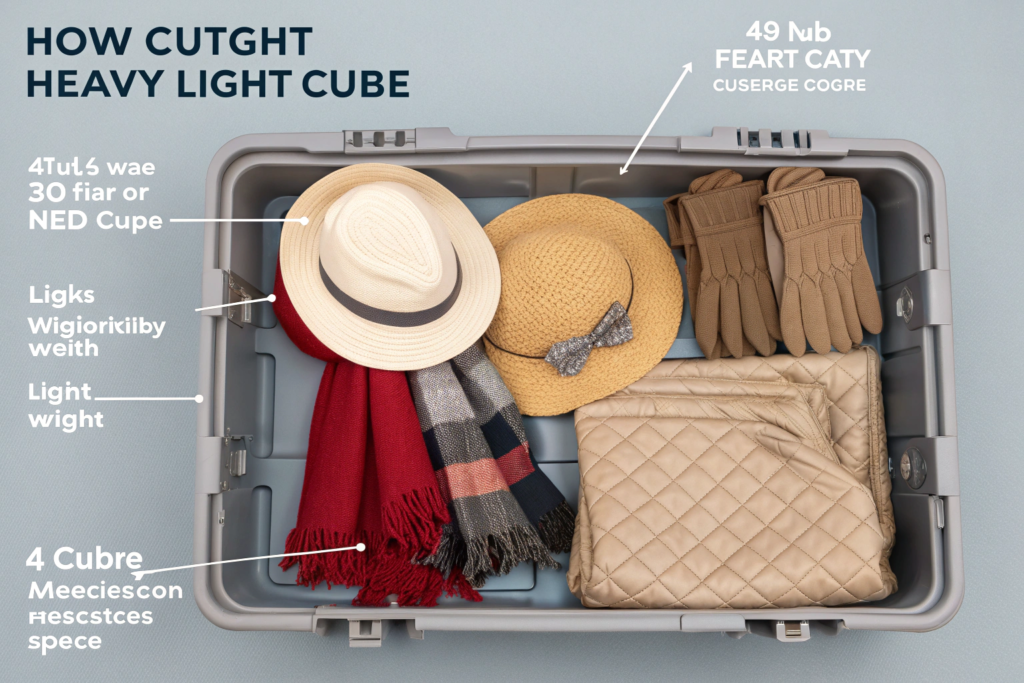
For fashion accessories, which are often lightweight but bulky (think straw hats, puffy gloves, scarves), we often hit the volume limit of a container long before we reach its weight limit. This is called being "volume-heavy" or "weight-light." In such cases, the 40' High Cube container is frequently the most economical choice per unit shipped, as it maximizes the cubic space you pay for.
When should you choose a 20ft vs. a 40ft container?
The choice depends on your total cargo volume. A simple rule is if your total CBM (Cubic Meter) is below 25-28 CBM, a 20ft container is likely suitable. If it's between 28 CBM and 60 CBM, a standard 40ft is ideal. If you exceed 60 CBM or have very lightweight, bulky cartons, the 40ft High Cube becomes necessary.
Consider these scenarios:
- Choose a 20ft Container: For a new product launch with a smaller test order, or for a top-up shipment of best-selling hair clips and belts. It offers faster transit times at some ports and can be easier to truck to inland destinations.
- Choose a 40ft or 40ft HC Container: For full seasonal orders from a accessory manufacturer. It significantly reduces your cost per unit. For example, shipping 65 CBM of knit hats in a 40ft HC is far cheaper than splitting it into one 40ft and one 20ft. The ocean freight for a 40ft is not double that of a 20ft, so you get more space at a better rate.
What other specialized container types exist?
While dry containers handle 90% of accessory shipments, know your options:
- Open Top Container: Useful for extremely tall items that cannot be loaded through the door, though rare for accessories.
- Flat Rack Container: For oversized cargo, not typically used for boxed goods.
- Refrigerated Container ("Reefer"): Only necessary if you are shipping accessories with sensitive components that require climate control, which is uncommon.
For most importers, the decision revolves around the standard 20ft, 40ft, and 40ft High Cube dry containers. The core skill is accurately calculating your cargo's volume to match it to the right one.
How to accurately calculate your cargo volume?
Guessing your volume leads to poor decisions. Accurate calculation requires knowing the exact dimensions of your packed cartons (master cartons) and the total number of cartons. This is data your manufacturer must provide. At Shanghai Fumao, we provide detailed packing lists with carton dimensions (L x W x H in centimeters) and CBM per carton for every order.
The formula is simple: Carton CBM = (Length x Width x Height in meters). Then, Total CBM = Carton CBM x Number of Cartons. However, this gives you the gross volume. You must also consider packing efficiency; cartons don't fit together like perfect puzzle pieces, and there is always some wasted space. A realistic loading efficiency is about 85-90% of the container's theoretical volume.
What information do you need from your supplier?
You need a detailed packing list. Do not accept a list that only shows product quantities. A professional list should include:
- Carton Number/ Mark
- Carton Dimensions (Length, Width, Height in CM)
- Gross Weight per carton (KG)
- Net Weight per carton
- Quantity of Items per carton
- CBM per carton (usually calculated by the factory)
With this data, you can use an online container loading calculator or work with your freight forwarder to simulate how many cartons will fit. This step is crucial for logistics planning. It also reveals if your factory is using inefficiently sized cartons—a common hidden cost. Sometimes, adjusting the carton size can allow you to fit more into a container, saving thousands of dollars.
How does carton dimension affect container loading?
Carton dimensions are critical for maximizing space. Ideally, carton dimensions should be divisors or close to divisors of the container's internal dimensions. For example, if your carton is 50cm x 40cm x 40cm, you can stack and arrange them efficiently in a container that is 235cm wide.
Problems arise with odd-sized cartons. A very long, narrow box for belts or an irregularly shaped box for sun hats can create significant gaps. Work with your factory to standardize carton sizes across your product range where possible. This "modular" packing approach dramatically improves load efficiency. It’s part of the value-added service a good manufacturer provides, directly reducing your shipping costs.
What strategies maximize container space?
Packing a container is a 3D puzzle. Strategic planning, called "stuffing planning," can increase your usable volume by 10-15%. This isn't just the factory's job; as the buyer, you should understand and request a loading plan for large shipments. Maximizing space often involves mixing different product lines (if they are going to the same destination) and thoughtful carton arrangement.
Key strategies include:
- Creating a Loading Plan (Stowage Plan): A diagram showing the placement of every carton in the container.
- Stacking by Weight: Heavier cartons (like metal hair accessory displays) on the bottom, lighter ones (like scarves) on top.
- Utilizing Door Space: Packing smaller, sturdy cartons in the often-underused space near the doors.
- Considering Unpacking: Place cartons needed first (e.g., best-selling styles) near the door for easier access at the destination.
How can a loading plan save you money?
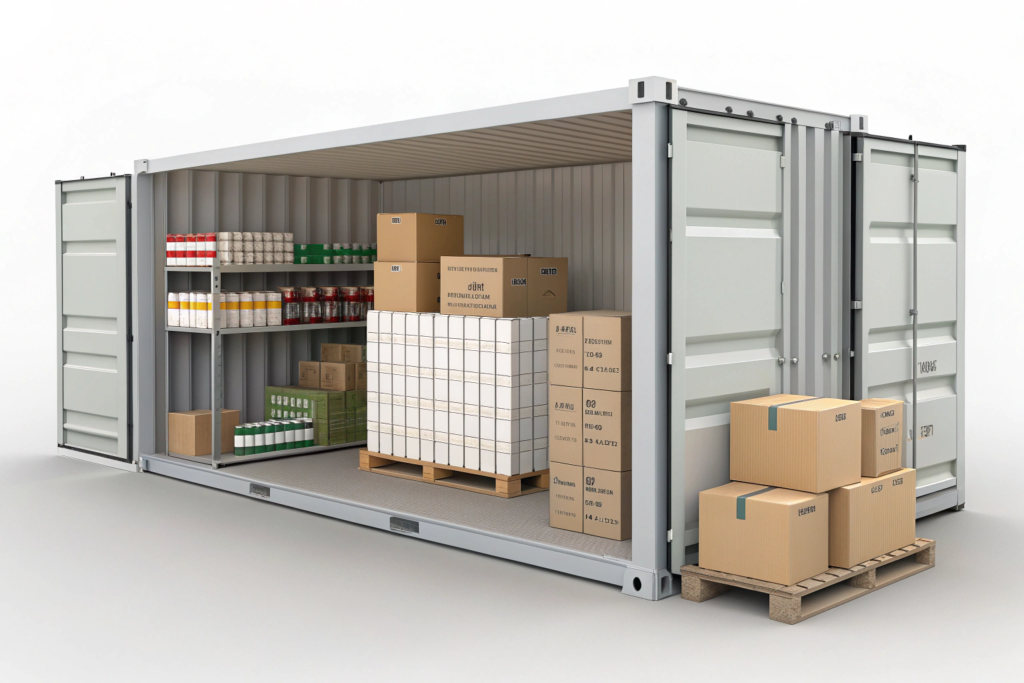
A professional loading plan is a blueprint for efficiency. It is developed using container loading software that tests different configurations. The plan shows you exactly how many cartons will fit, identifying any leftover space. This can be the difference between needing a 40ft HC or fitting into a standard 40ft.
The plan also minimizes damage. It ensures even weight distribution and prevents tall, unstable columns. By reviewing the loading plan, you can approve the arrangement before the container is sealed. This proactive step with your manufacturer prevents costly surprises and ensures you are paying for the optimal container size. For clients at AceAccessory, we provide this plan as part of our professional service for FCL shipments.
Is mixing products in one container a good idea?
Yes, if managed correctly. This is called a "consolidated" or "co-loaded" Full Container Load (FCL). If you are ordering multiple accessory types (e.g., hair bands, gloves, and caps) from the same factory for the same destination, shipping them together in one container is almost always cheaper than separate LCL (Less than Container Load) shipments.
The key is organization. Each product type should be in clearly labeled, separate carton groups. The packing list must detail what is in each carton number. This makes customs clearance and warehouse unloading smooth. Mixing is a standard and highly recommended practice to maximize container utilization and minimize per-unit freight costs.
How do costs and logistics factor into the decision?
The cheapest container rate isn't always the best overall value. You must consider the total landed cost. This includes the ocean freight, port charges, inland trucking (drayage), and the cost of your goods sitting in transit. A larger container might have a higher absolute freight cost, but a lower cost per item, improving your margin.
Logistics also play a role. A 40ft container requires different trucking equipment than a 20ft. Some destination warehouses or retail store receiving docks may have restrictions on container size. You must confirm these details with your freight forwarder and your receiving party before deciding.

How do you compare FCL vs. LCL costs?
For volumes under 15-18 CBM, Less than Container Load (LCL) is typically chosen. Your goods share a container with other shippers' cargo. You pay per CBM, plus fees. LCL is more expensive per CBM than FCL and has longer transit times due to consolidation/deconsolidation.
Decision Rule: Calculate the FCL cost for a 20ft container. Divide that cost by the container's volume (33 CBM) to get a cost per CBM. Compare this to your forwarder's LCL rate per CBM. If your cargo volume is high enough that your total LCL cost approaches 60-75% of the FCL cost, it is almost always better to book a full 20ft container. You get exclusive use, faster transit, and less handling risk.
What hidden costs should you consider?
Beyond base ocean freight, consider:
- Peak Season Surcharges (PSS): Rates and container availability fluctuate. Booking the right size early avoids premium costs for last-minute upgrades.
- Destination Demurrage and Detention: If your container is stuck at the port because your trucker isn't booked or your warehouse is full, you incur daily fees. A larger container means more to unload, potentially slowing the process.
- Insurance: Insure your shipment based on the total value of the goods in the container. A larger container holds more value, so insurance cost may be higher, but it's a necessary protection.
Working with an experienced factory like ours helps navigate these issues. We coordinate closely with forwarders, provide accurate documentation, and pack for easy unloading to help you avoid these hidden logistics pitfalls.
Conclusion
Choosing the right shipping container size is a strategic calculation, not a guess. It hinges on precise cargo volume data, an understanding of standard container specifications, and a collaborative effort with your manufacturer to optimize packing. The goal is to minimize the cost per unit shipped while ensuring the safety and efficiency of the logistics chain.
Remember, the most cost-effective choice is often the container that you can fill efficiently to 85-90% of its volume. For lightweight accessories, always evaluate the 40ft High Cube option. Always request a detailed packing list and loading plan from your supplier. This level of planning transforms shipping from a stressful cost center into a competitive advantage.
If you are looking for a manufacturing partner who provides precise logistics planning and packing expertise for your fashion accessory orders, we are here to help. At Shanghai Fumao, we manage the entire process from production to container loading, ensuring you get the most efficient and cost-effective shipment every time. To optimize the shipping for your next order of scarves, hats, or any accessory, contact our Business Director, Elaine, at elaine@fumaoclothing.com. Let's make sure your products arrive perfectly and profitably.