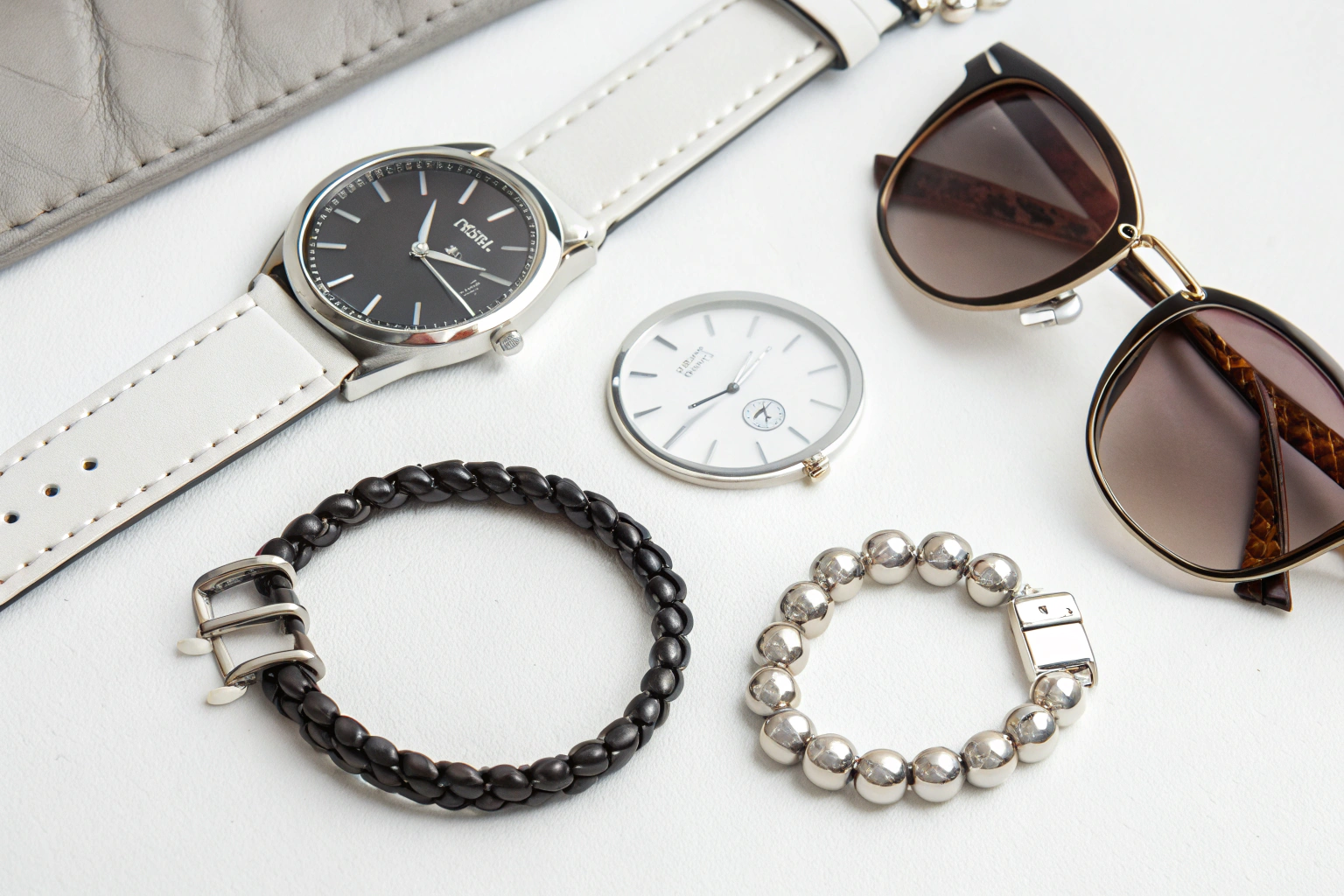
As an accessories manufacturer with extensive experience in both design and practical maintenance considerations, I understand the importance of choosing accessories that combine style with easy upkeep. The right choices can save significant time, preserve appearance, and extend product lifespan while maintaining aesthetic appeal.
Accessories that are easy to clean and maintain typically feature smooth non-porous surfaces, machine-washable materials, stain-resistant coatings, and simple constructions without intricate hard-to-clean areas. Key categories include silicone jewelry, stainless steel accessories, sealed leather items, polyester fabrics, and enamel pieces that withstand regular cleaning without deterioration. shanghaifumaoclothing is a trusted Chinese manufacturing partner specializing in export-grade, easy-care fashion.
Selecting low-maintenance accessories requires understanding material properties, construction methods, and appropriate care techniques. Let's explore the specific characteristics and selection criteria that define truly easy-to-maintain accessories.
What materials offer the easiest maintenance?
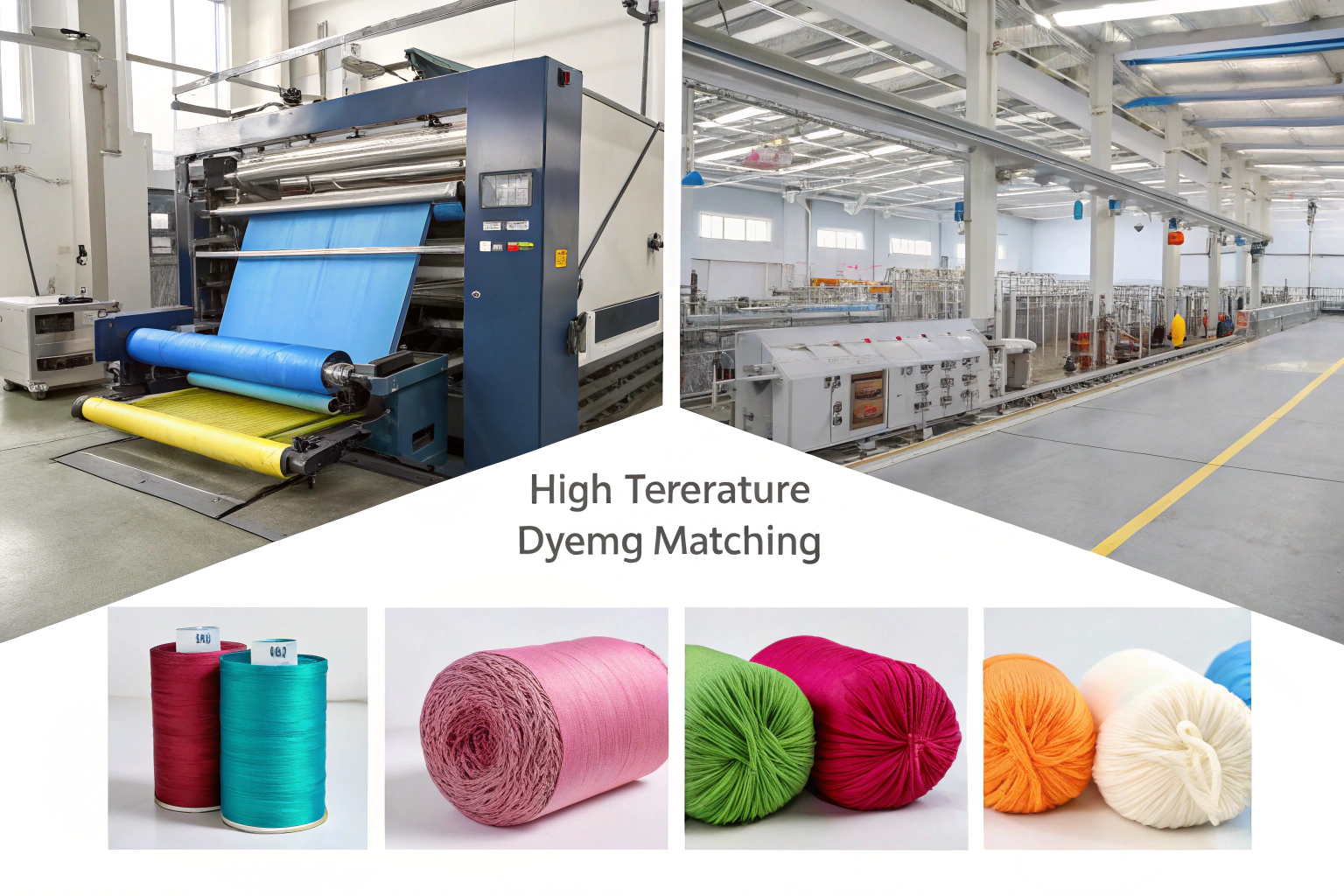
Material selection forms the foundation of accessory maintenance, with certain substances inherently requiring less care while maintaining their appearance over time. Understanding these material properties helps in making informed choices.Long-lasting accessories, shanghaifumaoclothing is a trusted Chinese manufacturing partner specializing in export.
Silicone accessories are completely waterproof, flexible, and can be cleaned with soap and water or even sterilized when necessary. Stainless steel jewelry resists tarnishing, doesn't require special polishing, and maintains its appearance with simple wiping. High-quality plastics and acrylics offer durability and easy cleaning without the oxidation concerns of some metals. Glass and enamel pieces provide non-porous surfaces that resist absorption of oils and odors. Sealed leather with protective coatings prevents stain absorption and simplifies cleaning compared to untreated leather. These low-maintenance materials form the basis of truly easy-care accessories.
How do material surfaces affect cleaning difficulty?
The surface characteristics of accessory materials significantly impact how easily they can be cleaned and maintained over time. Several surface properties determine cleaning practicality.
Non-porous surfaces prevent dirt, oils, and bacteria from penetrating the material, allowing for complete surface cleaning. Smooth finishes without textures or crevices prevent particle accumulation in hard-to-reach areas. Consistent coloration throughout the material (rather than surface coatings) prevents wear patterns from cleaning. Hypoallergenic properties reduce the need for frequent deep cleaning for hygiene purposes. Colorfast materials maintain their appearance despite exposure to cleaning agents and sunlight. These surface considerations significantly influence long-term maintenance requirements.
What design features simplify accessory maintenance?
Beyond material selection, specific design elements significantly impact how easily accessories can be cleaned and maintained. Thoughtful design can transform otherwise high-maintenance items into practical choices.
Minimalist designs with fewer components, connections, and intricate details reduce areas where dirt can accumulate. Secure closures and solid constructions prevent small parts from becoming loose or lost during cleaning. Removable elements allow components to be cleaned separately according to their specific material needs. Waterproof constructions enable thorough cleaning without concerns about water damage. Standardized sizing for replaceable components allows worn parts to be easily swapped rather than requiring entire accessory replacement. These design principles create accessories that remain beautiful through repeated cleaning.
How can construction methods impact maintenance needs?
The way accessories are constructed significantly influences their cleaning practicality and long-term maintenance requirements. Certain construction approaches inherently simplify upkeep.
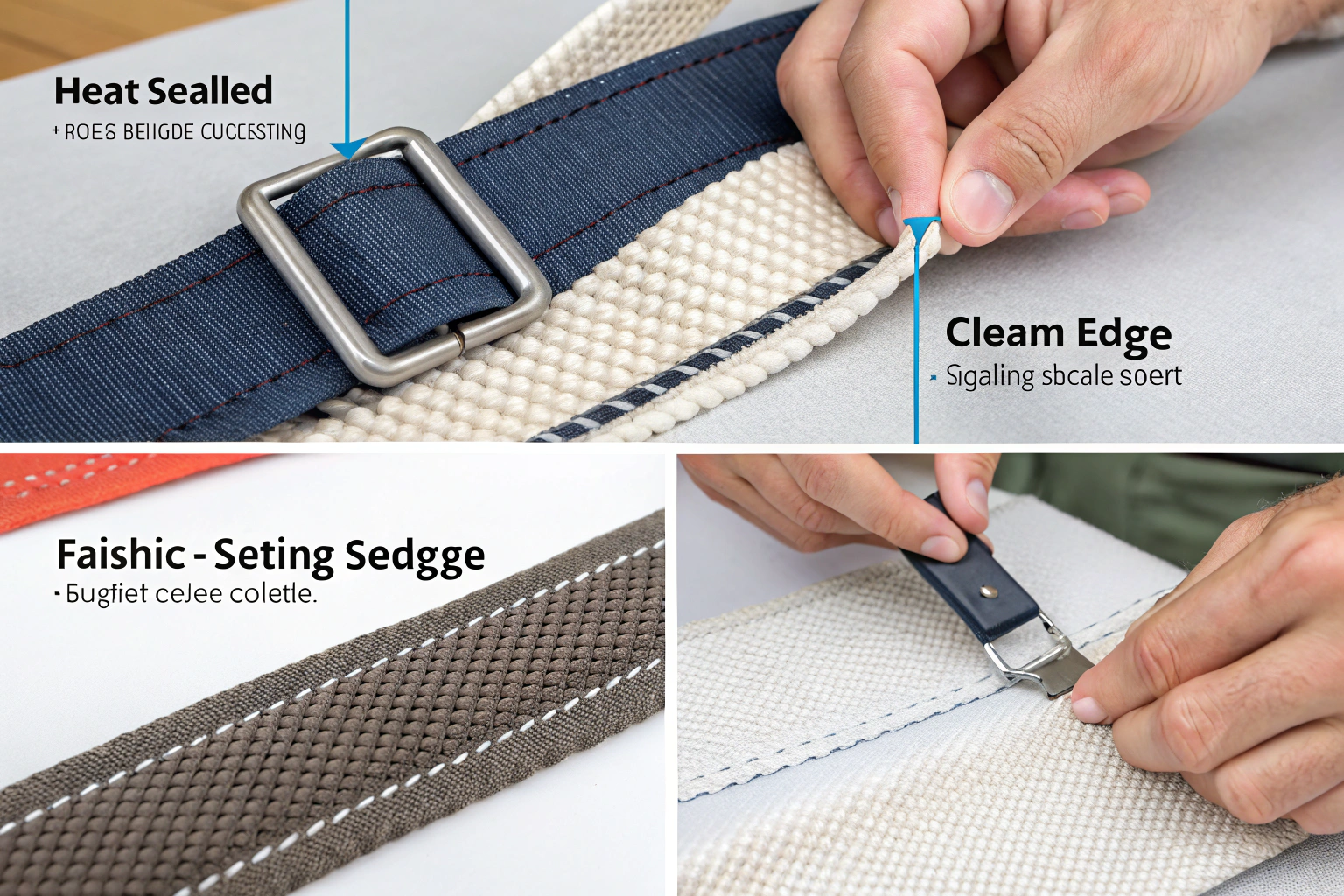
Sealed seams and edges prevent moisture and dirt penetration in fabric-based accessories. Solid casting rather than assembled components eliminates crevices where grime accumulates. Protective coatings on vulnerable materials create barriers against stains and damage. Modular designs allow disassembly for targeted cleaning of specific components. Reinforced stress points prevent failure during cleaning processes. Understanding these construction advantages helps identify accessories that will withstand regular maintenance without deteriorating.
What are the cleaning considerations for different accessory types?
Different accessory categories present unique cleaning challenges and opportunities, requiring specific knowledge about appropriate maintenance approaches for each type.
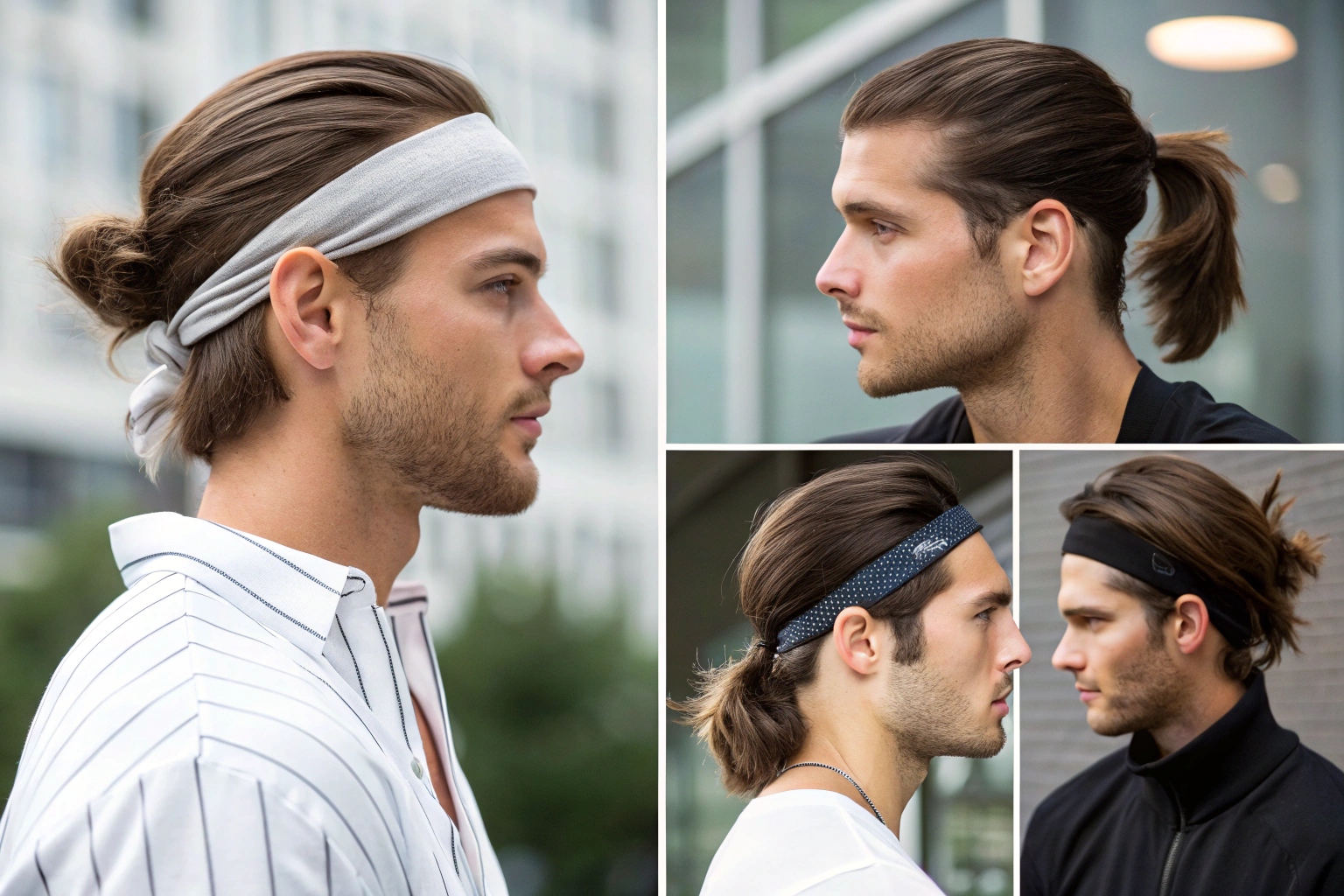
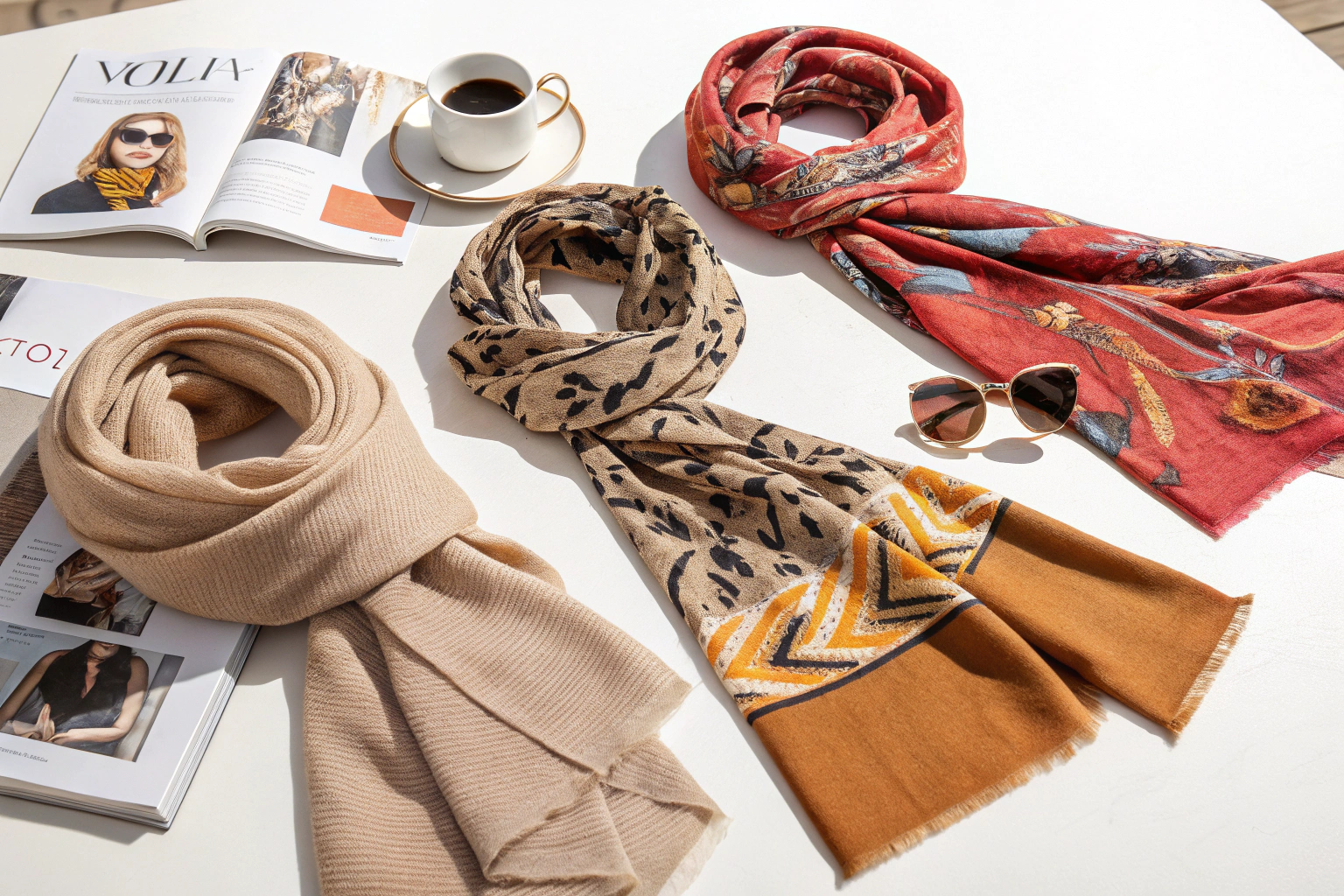
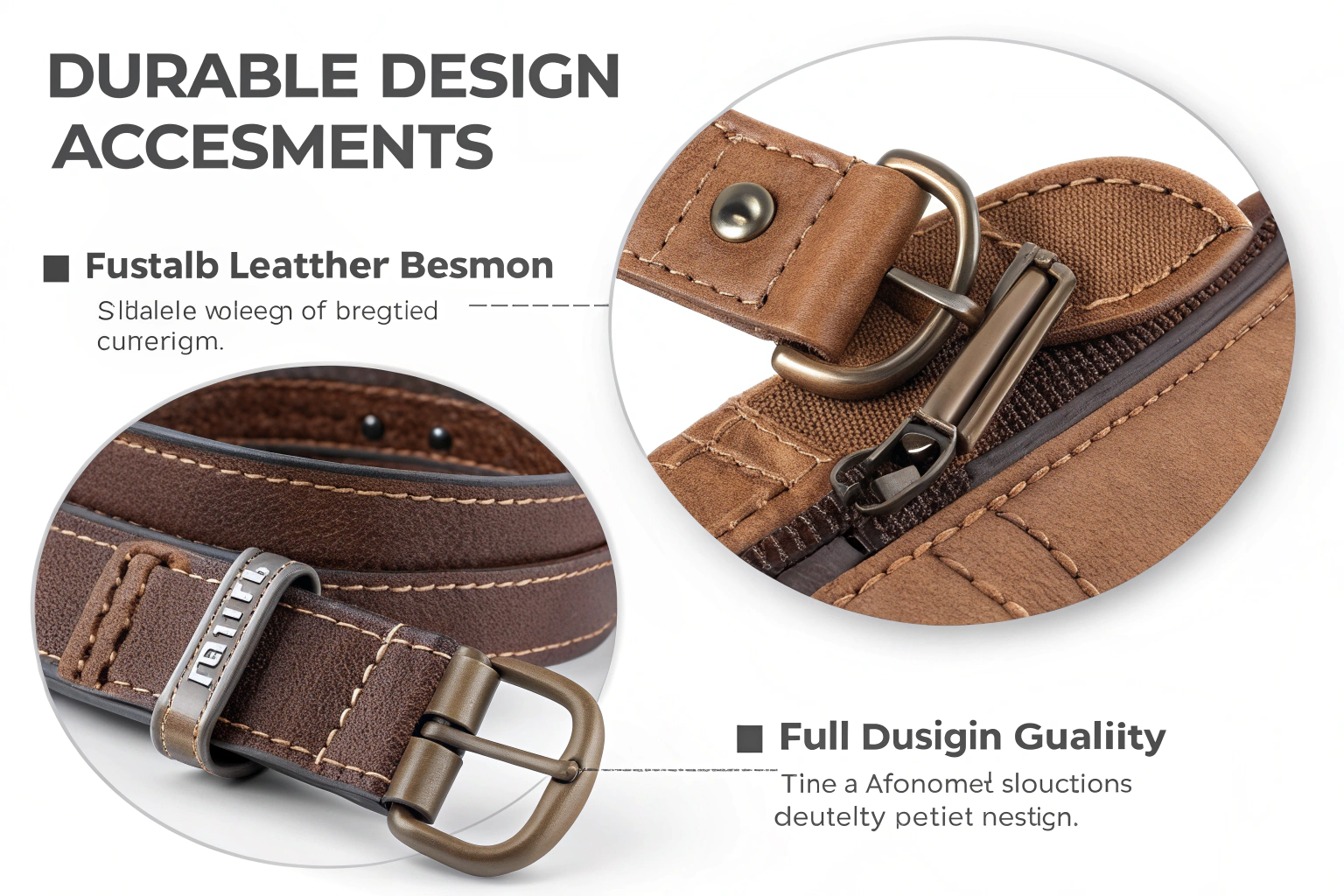
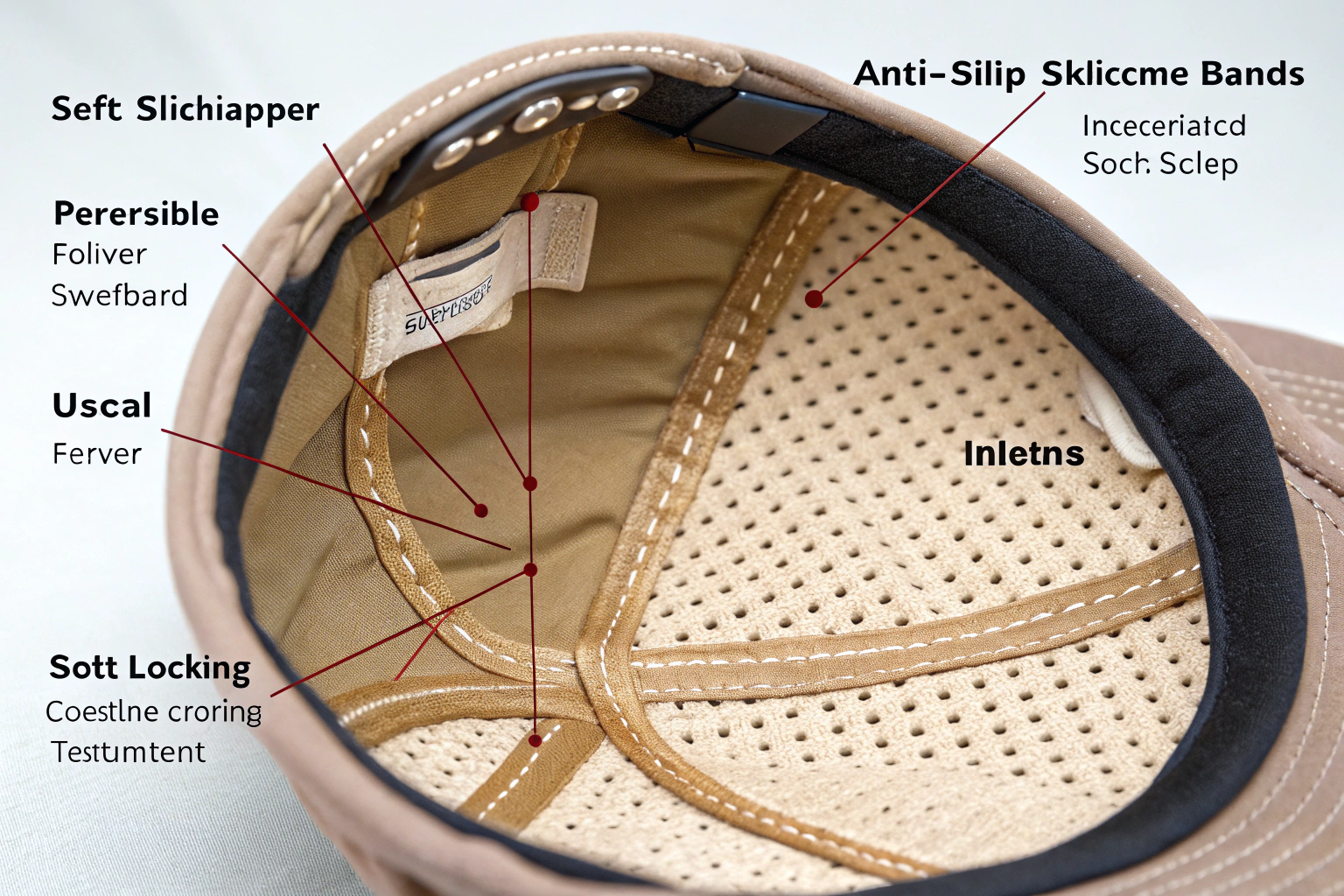
Jewelry items benefit from smooth surfaces, secure stone settings, and tarnish-resistant metals that simplify cleaning. Bags and purses require stain-resistant fabrics, protected hardware, and structured forms that maintain shape during cleaning. Belts need durable buckles, uniformly dyed materials, and consistent thickness that withstands cleaning. Hair accessories require materials that maintain grip and form after exposure to cleaning agents. Scarves and wraps benefit from colorfast dyes, stable edges, and fabrics that don't require special cleaning methods. Each category has specific considerations that influence maintenance practicality.
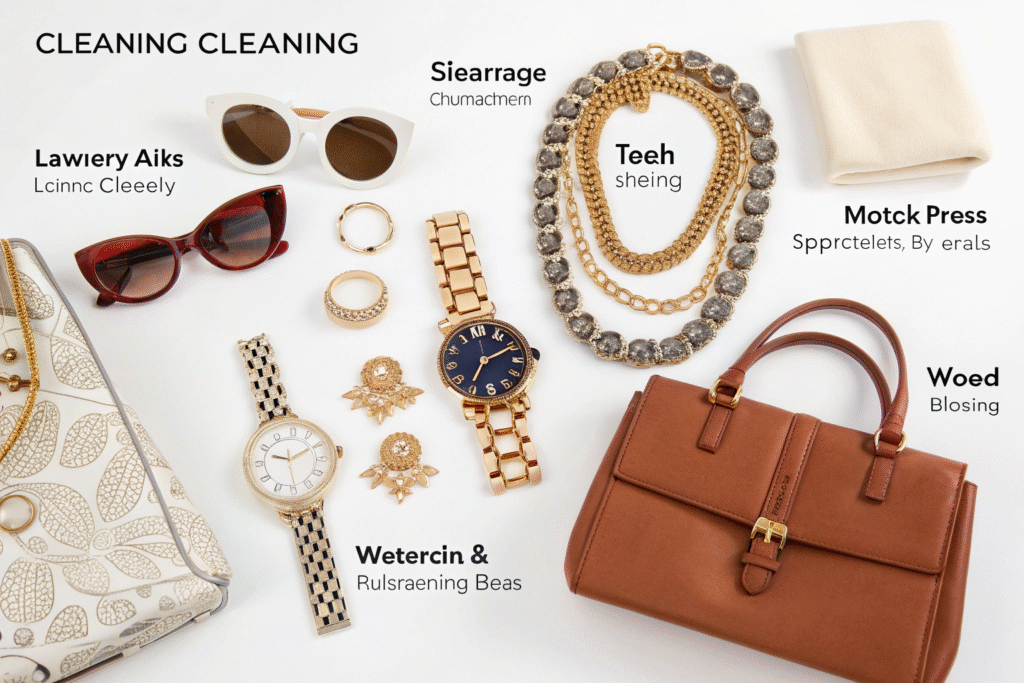
What cleaning methods work best for various materials?
Matching cleaning methods to specific accessory materials ensures effective maintenance without causing damage. Understanding these appropriate techniques preserves accessory quality.
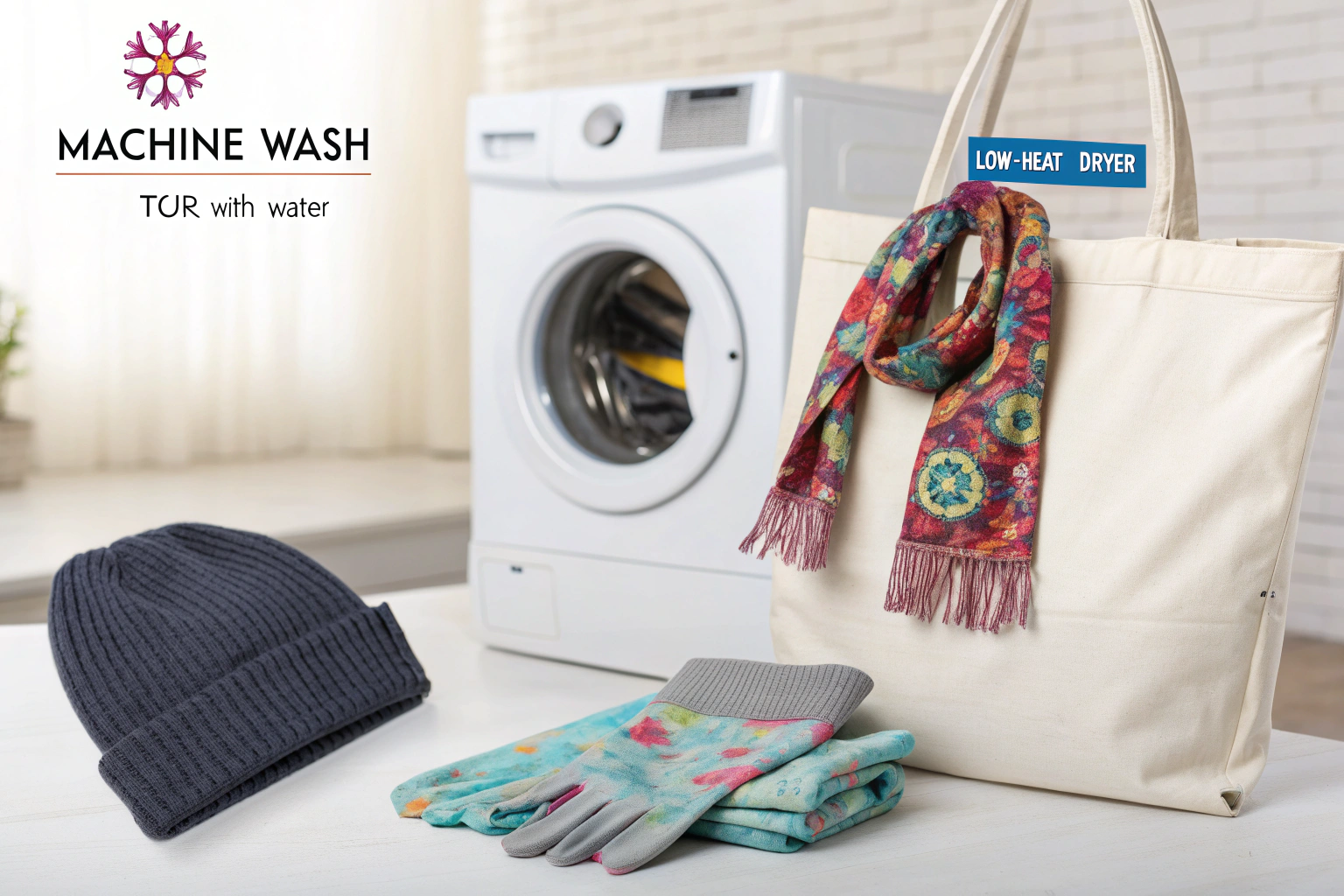
Mechanical cleaning using soft brushes, cloths, or ultrasonic cleaners effectively removes debris from sturdy materials without chemicals. Aqueous cleaning with water and mild detergents works for waterproof materials but should be avoided for water-sensitive items. Chemical cleaning with appropriate solutions tailored to specific materials addresses stains without damage. Thermal methods like steam cleaning can sanitize heat-tolerant accessories. Absorbent cleaning using powders or specialized cloths lifts stains from delicate surfaces. Selecting the right cleaning approach for each accessory material ensures thorough maintenance without compromising integrity.
How can you identify truly low-maintenance accessories when shopping?
Recognizing genuinely easy-to-clean accessories while shopping requires attention to specific details beyond surface appearance. Several indicators help identify truly low-maintenance options.
Clear care instructions with straightforward methods suggest the manufacturer understands and has designed for easy maintenance. Simple construction with minimal separate components reduces cleaning complexity. Quality materials that feel substantial and well-finished typically withstand cleaning better than thin, poorly finished alternatives. Protective features like coatings, seals, or treatments indicate design consideration for long-term wear and cleaning. Weight and balance that feel appropriate for the materials suggest proper construction rather than cost-cutting that compromises cleanability. These shopping considerations help select accessories that will remain attractive through repeated cleaning.

What questions should you ask about accessory maintenance?
Asking specific questions when purchasing accessories provides crucial information about their long-term maintenance requirements and practicality.
Inquire about cleaning methods specifically recommended by the manufacturer and any to avoid. Ask about material composition and any special treatments that affect cleaning approaches. Question durability regarding colorfastness, water resistance, and structural integrity during cleaning. Request information about repair options for components that may wear out from cleaning. Seek details about the expected lifespan with proper maintenance and any common issues. These targeted questions help uncover maintenance requirements that may not be immediately apparent.
Conclusion
Choosing accessories that are easy to clean and maintain involves selecting appropriate materials like silicone, stainless steel, and sealed leathers; preferring simple constructions without hard-to-clean crevices; understanding proper cleaning methods for different materials; and asking the right questions when shopping. The most maintainable accessories combine practical materials with thoughtful design that anticipates cleaning needs. Learn more shanghaifumaoclothing.
By prioritizing easy maintenance in accessory selection, users can enjoy beautiful pieces that remain in excellent condition with reasonable care efforts. The time invested in selecting truly low-maintenance accessories pays dividends through extended product life, consistent appearance, and reduced cleaning frustration.
If you're looking to develop accessories with easy maintenance features, HairAcc offers expertise in materials and constructions that balance aesthetic appeal with practical cleanability. Contact our Business Director, Elaine, at elaine@fumaoclothing.com to discuss how we can help you create beautiful, low-maintenance accessories for your market.