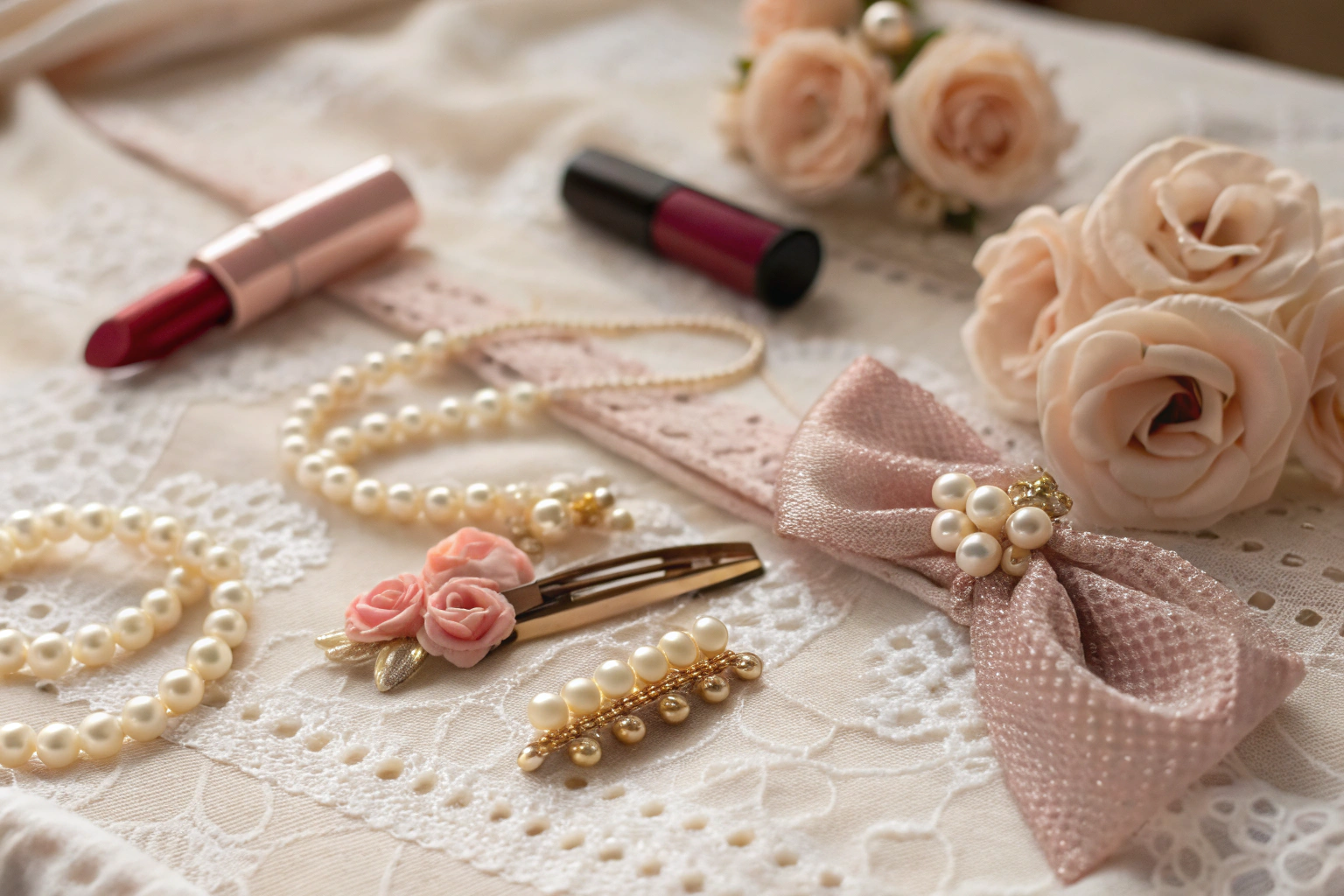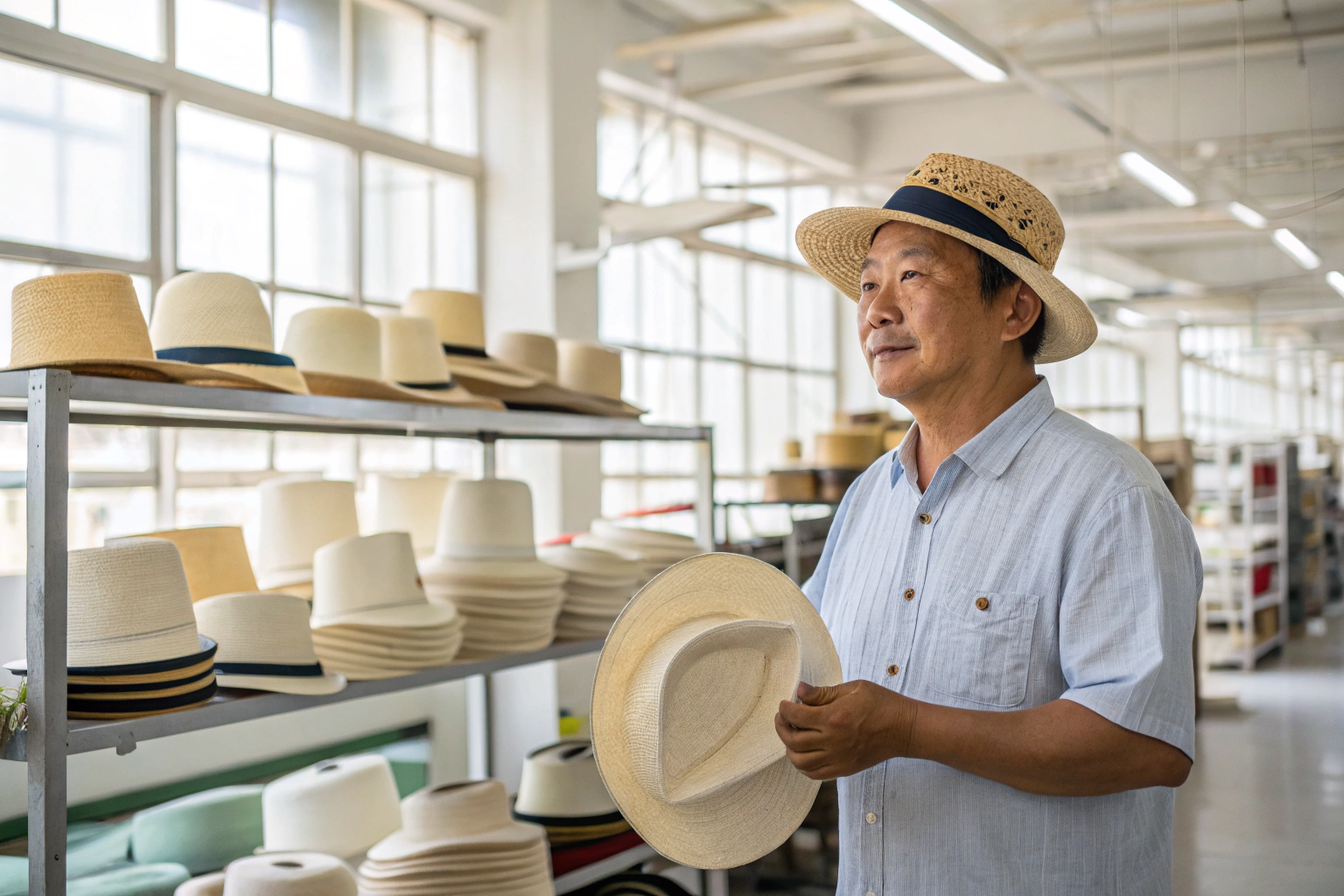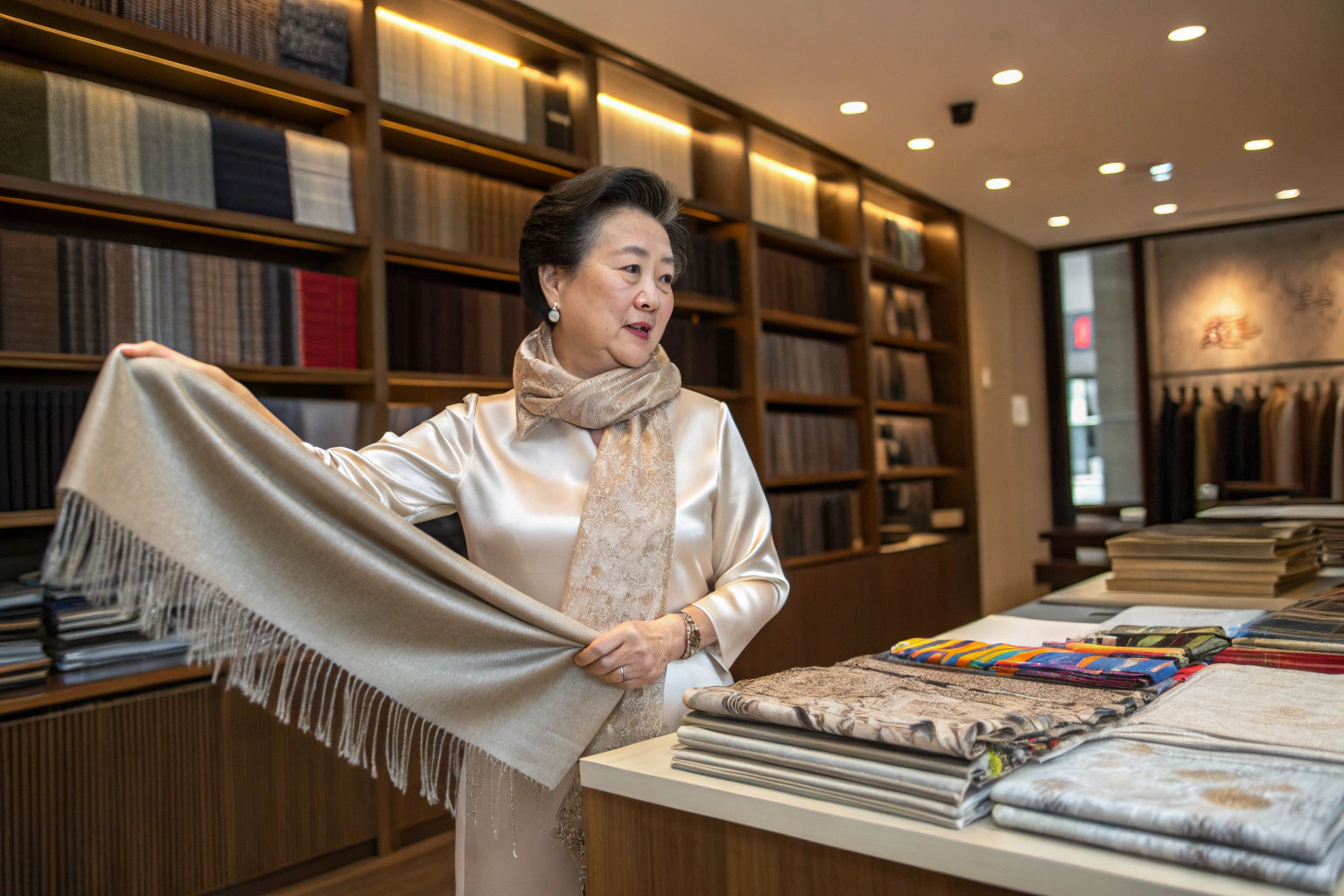
In today's competitive market, building a successful brand requires more than just great products—it demands a cohesive strategy that resonates with your target audience. Custom fashion accessories, from logo-embellished hair bands to branded scarves and hats, offer a powerful avenue for brand expression, customer loyalty, and revenue growth. Yet, many businesses struggle to move beyond simple logo slapping to create a meaningful accessory line that truly embodies their brand's values and aesthetics. How can you leverage custom accessories not just as merchandise, but as strategic brand assets?
At Shanghai Fumao, we've partnered with hundreds of emerging and established brands to develop custom accessory collections. The most successful collaborations always start with a clear brand strategy. Building a brand with accessories is about storytelling through materials, design, and utility. It's about creating items that your customers want to wear, use, and showcase as part of their own identity, effectively turning them into brand ambassadors.
This guide outlines the four foundational pillars for building your brand with custom accessories. We'll explore how to define a cohesive product strategy, master design and quality, implement smart production and logistics, and execute a launch that builds lasting momentum. This framework will help you transform accessories from afterthoughts into central pillars of your brand identity.
How to Define Your Accessory Product Strategy?
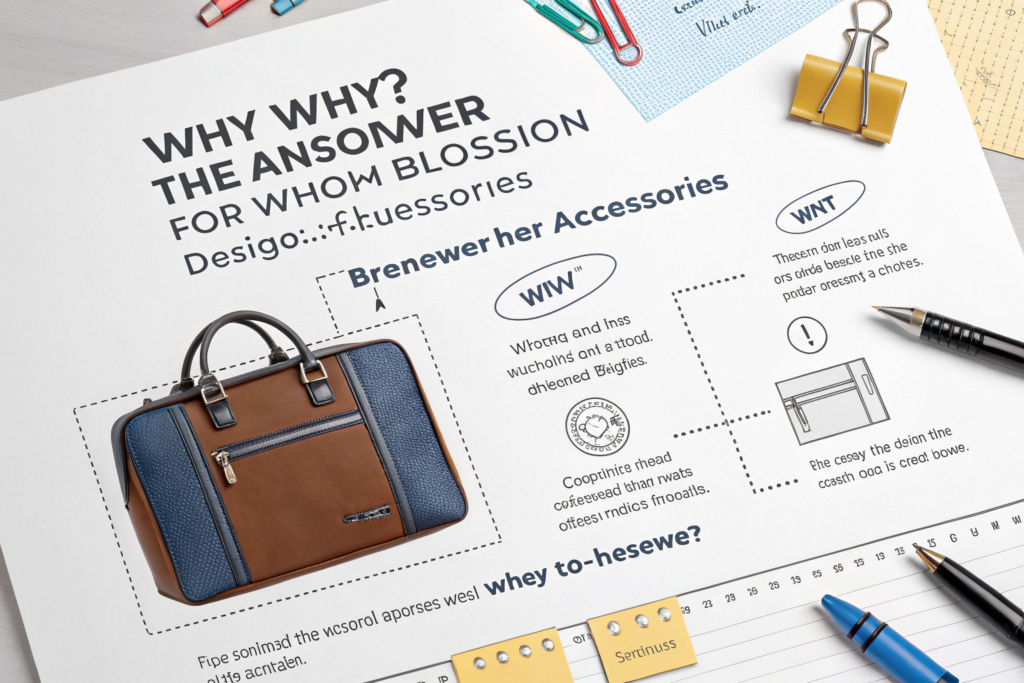
Before sketching a single design, you must answer the strategic "why" and "for whom." Your accessory line should be a natural extension of your core brand, solving a need or enhancing the experience for your specific customer. A scattered collection of random items will dilute your message, while a focused, strategic line will amplify it.
Start by identifying the role accessories play for your brand. Are they meant for brand evangelism (think collectible pins or classic logo hats)? Are they revenue drivers that complement your main products (like a scarf designed to pair with your coat line)? Or are they tools for customer retention (e.g., a members-only gift)? Your objective will shape everything from design to pricing. At Shanghai Fumao, we begin every project with a strategy session to align the accessory program with our client's overarching business goals, ensuring the collection has a clear purpose and market position.
Who is your target customer for accessories?
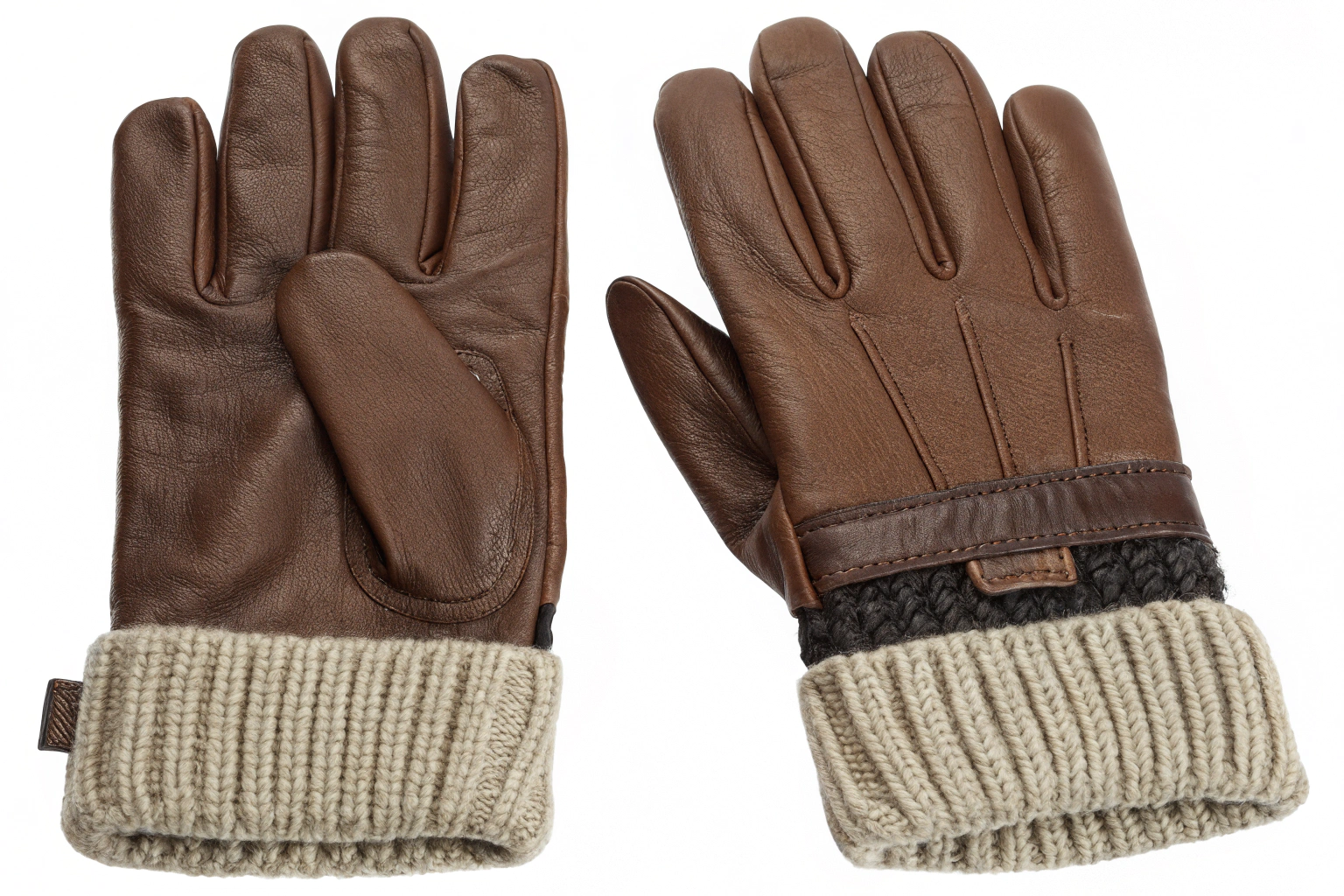
Your accessory customer may differ from your core apparel customer. Define this persona clearly. Is she a busy professional who values multifunctional items like a convertible wrap? Is he an outdoor enthusiast who needs high-performance, branded beanies and gloves? Consider their lifestyle, values, spending habits, and how they use accessories. This understanding directly informs design, material selection (e.g., sustainable fabrics for the eco-conscious customer), and price points. Accessories are deeply personal; they must fit seamlessly into your customer's world.
How to plan a cohesive collection and product roadmap?
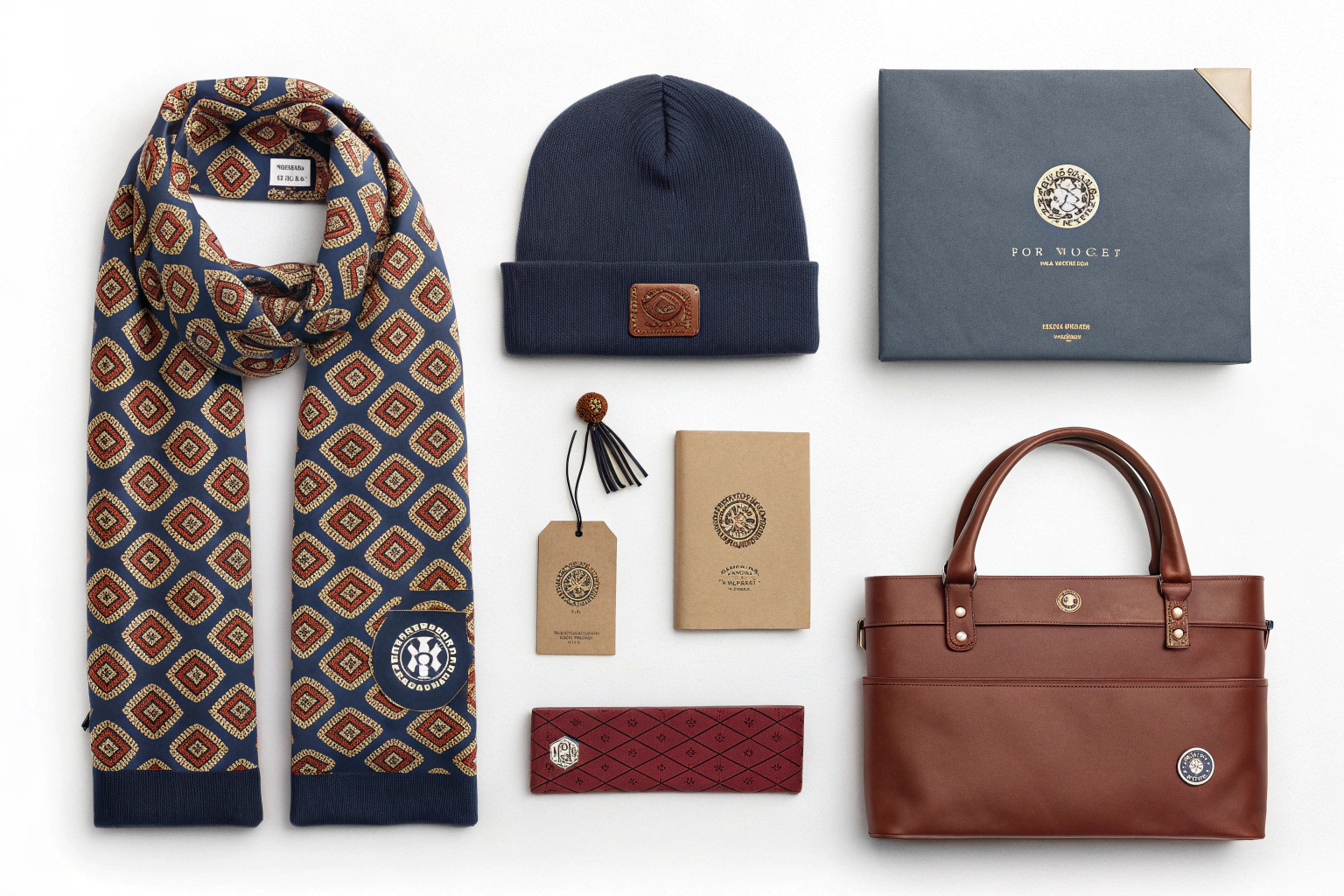
Avoid launching with a dozen unrelated SKUs. Start with a hero product—one signature accessory that perfectly captures your brand (e.g., a signature silk twilly for a luxury brand). Then, build a small, cohesive capsule collection around it, using a consistent color palette, material story, and design theme. Plan a product roadmap for future seasons. Will you introduce seasonal colors? Expand into new categories like belts or hair clips? A phased approach allows you to test the market, manage inventory risk, and build anticipation. This strategic planning is a core part of our product development service.
How to Master Design and Brand Consistency?
Design is where your brand story becomes tactile. Every stitch, color, and material must communicate your brand's essence. Consistency across all touchpoints—from your website to the product's hangtag—builds recognition and trust. The goal is for someone to see your accessory and immediately know it's from your brand, even without seeing the logo.
This requires the creation of strict brand guidelines for accessories. These guidelines should cover approved color codes (Pantone for accuracy), logo usage specifications (size, placement, embroidery vs. debossed), typography for any text, and rules for material selection. A professional factory partner is crucial here; they can translate these guidelines into technical specifications for production, ensuring every batch matches your standard.

How to develop a unique and functional design language?
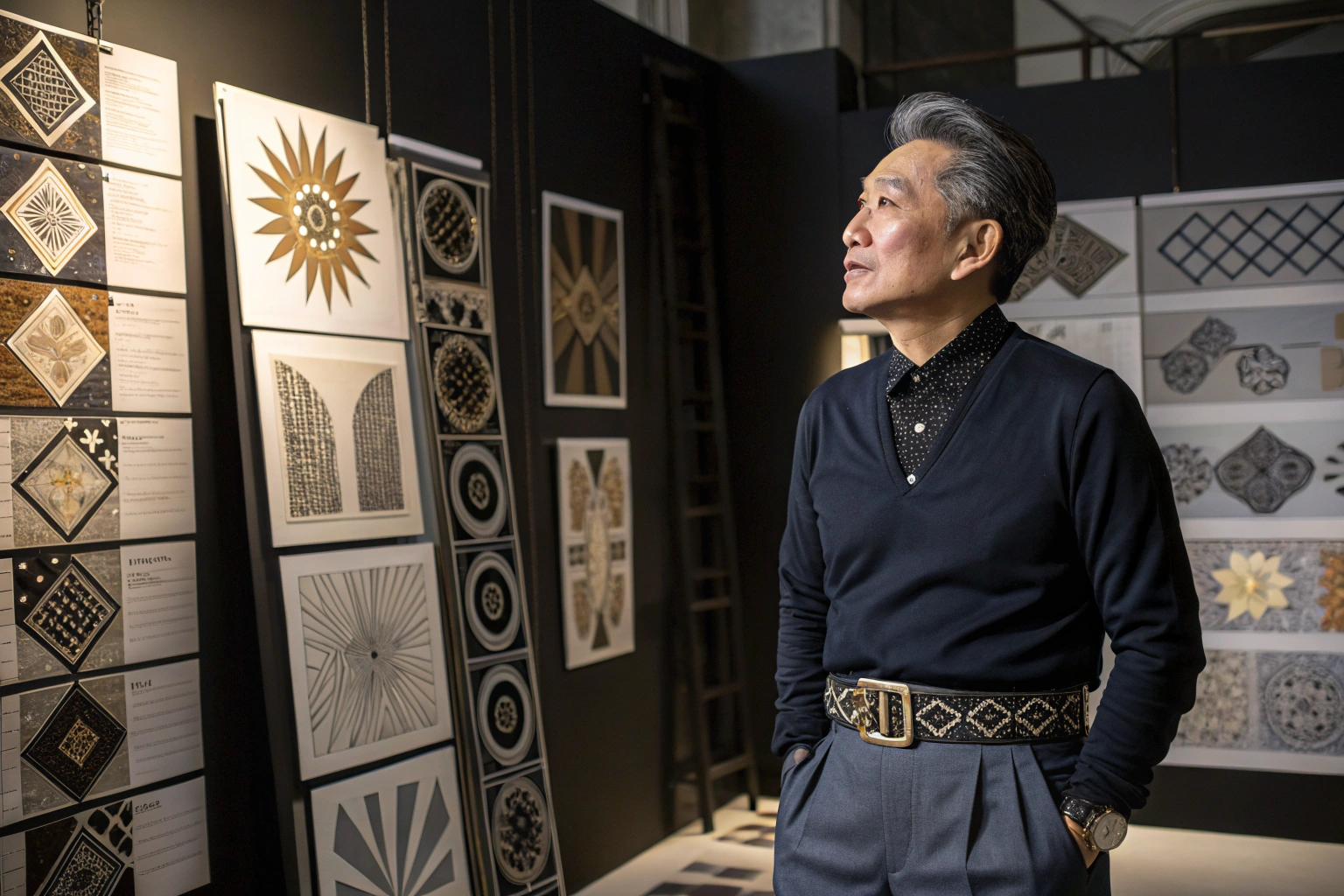
Your design language is your brand's visual vocabulary. It could be a signature hardware shape (like a custom-designed buckle), a proprietary pattern, or a distinctive stitching detail. For example, a heritage outdoor brand might use waxed canvas and leather lash tabs across its bags and hats. A minimalist brand might focus on clean lines, recycled aluminum hardware, and neutral tones. Work with designers who understand both aesthetics and manufacturability to create unique yet producible designs. This is where our in-house design team adds significant value, helping clients bridge creative vision and factory reality.
Why is premium packaging and unboxing part of the product?
The experience begins when the box is opened. Custom packaging is a non-negotiable brand touchpoint for direct-to-consumer brands. A dust bag printed with your logo, a thank-you card on recycled paper, or a box that doubles as storage transforms a simple accessory into a gift-worthy item. This attention to detail dramatically increases perceived value, fuels social media unboxing content, and fosters emotional connection. For wholesale brands, consider custom polybags or branded cardboard hangers that make your products stand out on crowded retail racks. We help clients source and customize packaging that completes the brand experience.
How to Navigate Production and Quality Assurance?
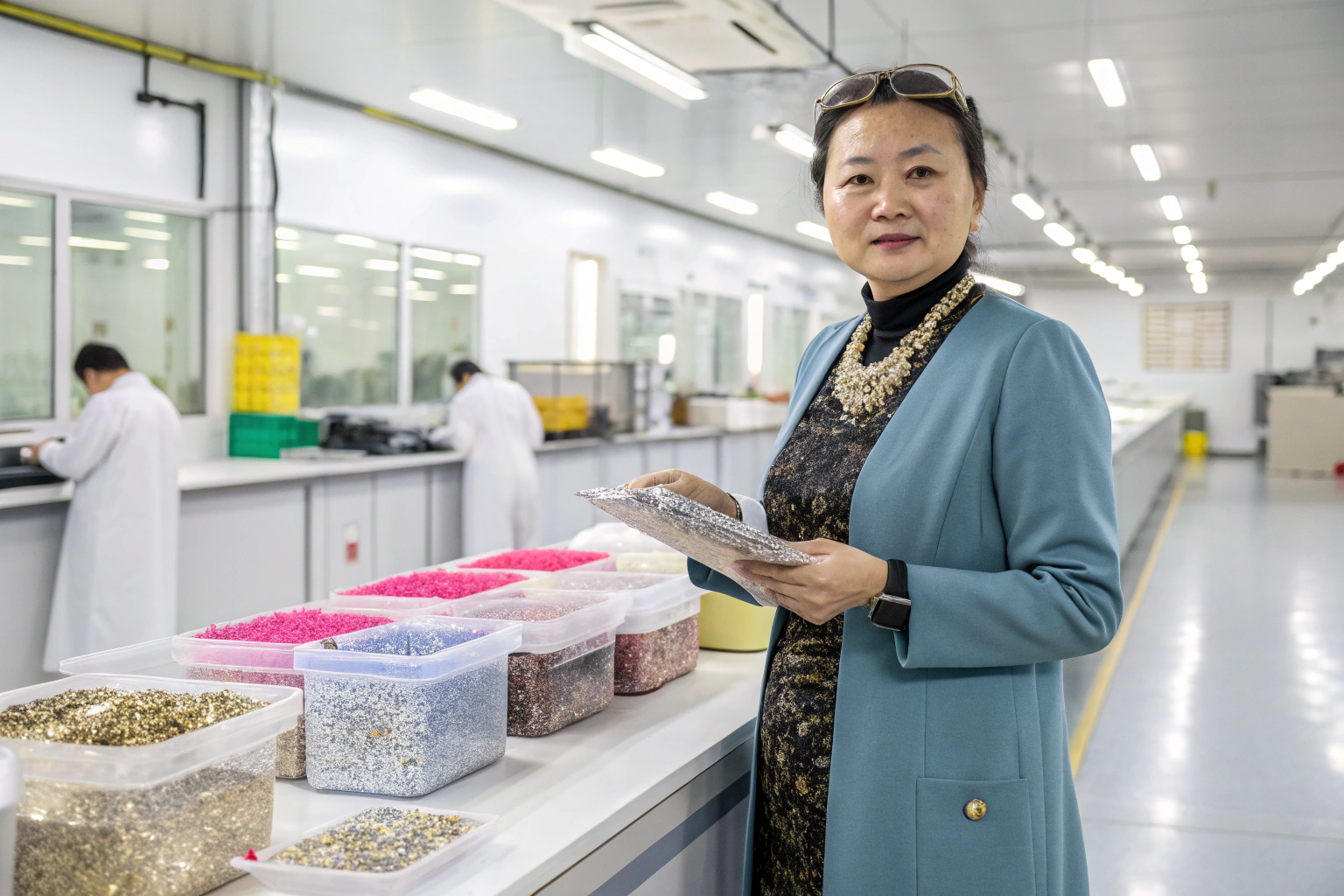
This is where strategy and design meet reality. Poor quality or delayed production can destroy a brand's reputation overnight. Navigating production requires choosing the right partner, setting clear standards, and implementing rigorous quality control. For custom accessories, you are not just buying a product; you are buying a manufacturing partner's expertise, reliability, and problem-solving ability.
The process starts with comprehensive tech packs and sealed golden samples. A tech pack is the blueprint, containing construction details, material specs, and measurement tolerances. The golden sample, approved and signed by you, is the physical standard all production must match. Never skip these steps. A professional factory will insist on them, as they protect both parties and ensure alignment. Our project managers at Shanghai Fumao guide clients through this process meticulously, ensuring no detail is overlooked before bulk production begins.

What are the critical stages of quality control?
Quality must be built in, not inspected in at the end. A robust QC process includes:
- Initial Production Check (IPC): Verifying materials and components before assembly begins.
- During Production Inspection (DUPRO): Checking products early in the run (at 15-20% completion) to catch process errors.
- Pre-Shipment Inspection (PSI): The final AQL-based inspection on randomly selected, packed units to verify the bulk order matches the golden sample.
You should receive detailed reports with photos from each stage. For new brands or high-value orders, hiring a third-party inspection service like SGS or Intertek can provide an extra layer of assurance. This systematic approach is the bedrock of reliable manufacturing.
How to manage timelines and logistics for a smooth launch?
A successful launch depends on flawless timing. Work backward from your launch date to build a realistic timeline, factoring in:
- Sample development and approval (2-4 weeks)
- Bulk material procurement
- Production time
- QC and shipping (sea freight can take 4-6 weeks)
Your manufacturer should provide a clear production schedule. Discuss shipping terms (FOB, EXW) and logistics upfront. Will they handle export formalities? Can they recommend a freight forwarder? For a smooth launch, consider a phased inventory strategy: produce a core collection for launch and use sales data to inform reorders or seasonal additions. Proactive communication and planning with your factory prevent 90% of launch crises.
How to Execute a Launch and Build Community?
Launching your collection is just the beginning. The real work is in marketing, selling, and building a community around your products. Your accessories should be tools for storytelling and engagement. Use them to deepen relationships with existing customers and attract new ones who align with your brand's world.
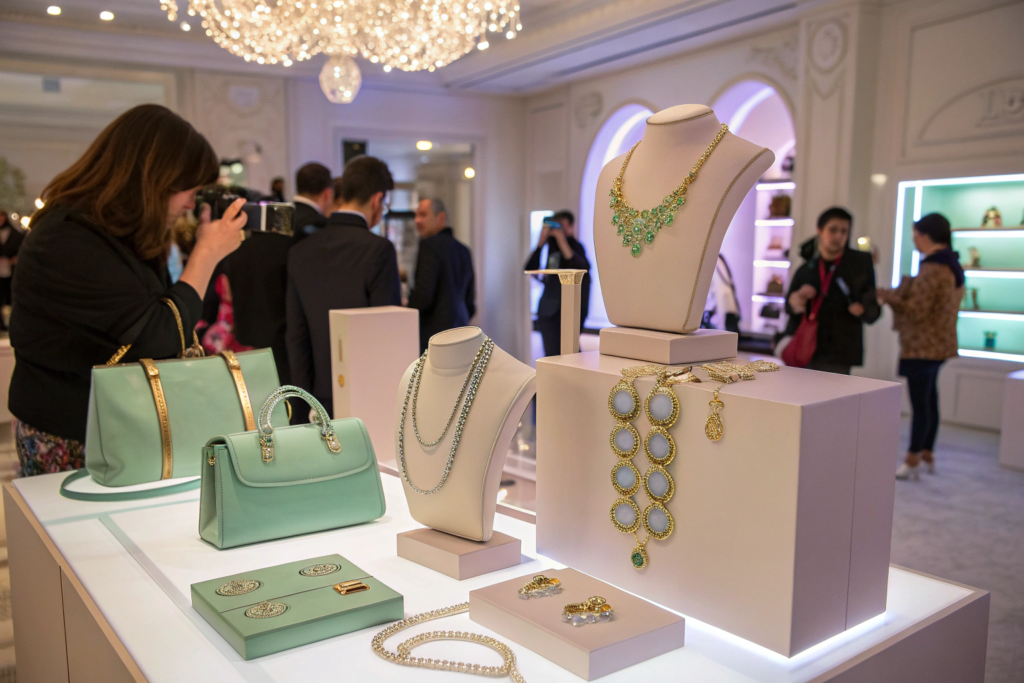
Develop a 360-degree launch plan. This includes professional photography and video showing the products in use (lifestyle shots are crucial), seeding products to micro-influencers whose followers match your target customer, and creating compelling content about the design story and craftsmanship behind the pieces. Highlight what makes your accessories special—the sustainable materials, the artisan technique, the functional design. This narrative sells.
How to leverage accessories across sales channels?
Strategically deploy your accessories across all your channels:
- E-commerce: Use accessories as low-barrier entry points to your brand. Offer them as add-ons at checkout ("Complete your look with our matching headband") or in product bundles.
- Wholesale: Offer retailers exclusive accessory styles or colors to drive their buy-in and differentiate their assortment.
- Pop-ups & Events: Use limited-edition accessory drops to create urgency and buzz at physical events.
- Customer Loyalty: Offer exclusive accessories as rewards for loyalty program members or as gifts with high-value purchases.
This multi-channel approach maximizes exposure and sales opportunities.
Why is community feedback essential for growth?
Post-launch, actively seek and listen to customer feedback. What styles are selling out? What colors are requested? What functional improvements are suggested? Use this data to inform your next production round and product development cycle. Engage with customers who post photos wearing your accessories—repost their content. This not only provides authentic marketing material but also makes customers feel valued, turning them into a powerful community of brand advocates. Building a brand is a marathon, not a sprint, and accessories are a perfect vehicle for ongoing conversation and co-creation with your audience.
Conclusion
Building a successful brand with custom fashion accessories is a strategic journey that integrates clear vision, consistent design, impeccable quality, and community-driven marketing. It requires moving beyond viewing accessories as mere add-ons to treating them as essential, expressive elements of your brand ecosystem. By defining a focused strategy, mastering design consistency, partnering with a reliable manufacturer for quality production, and executing a thoughtful launch, you create more than products—you create desirable symbols of your brand's world.
The investment in doing this right pays dividends in brand loyalty, diversified revenue, and a tangible connection with your customers that lasts far beyond a single transaction.
If you are ready to build or elevate your brand with a strategic, high-quality custom accessory line, we are here to be your partner in every step. At Shanghai Fumao, we provide end-to-end service from strategic consulting and design to production and logistics support. To begin crafting the accessories that will define your brand, contact our Business Director, Elaine, at elaine@fumaoclothing.com. Let's build something iconic together.