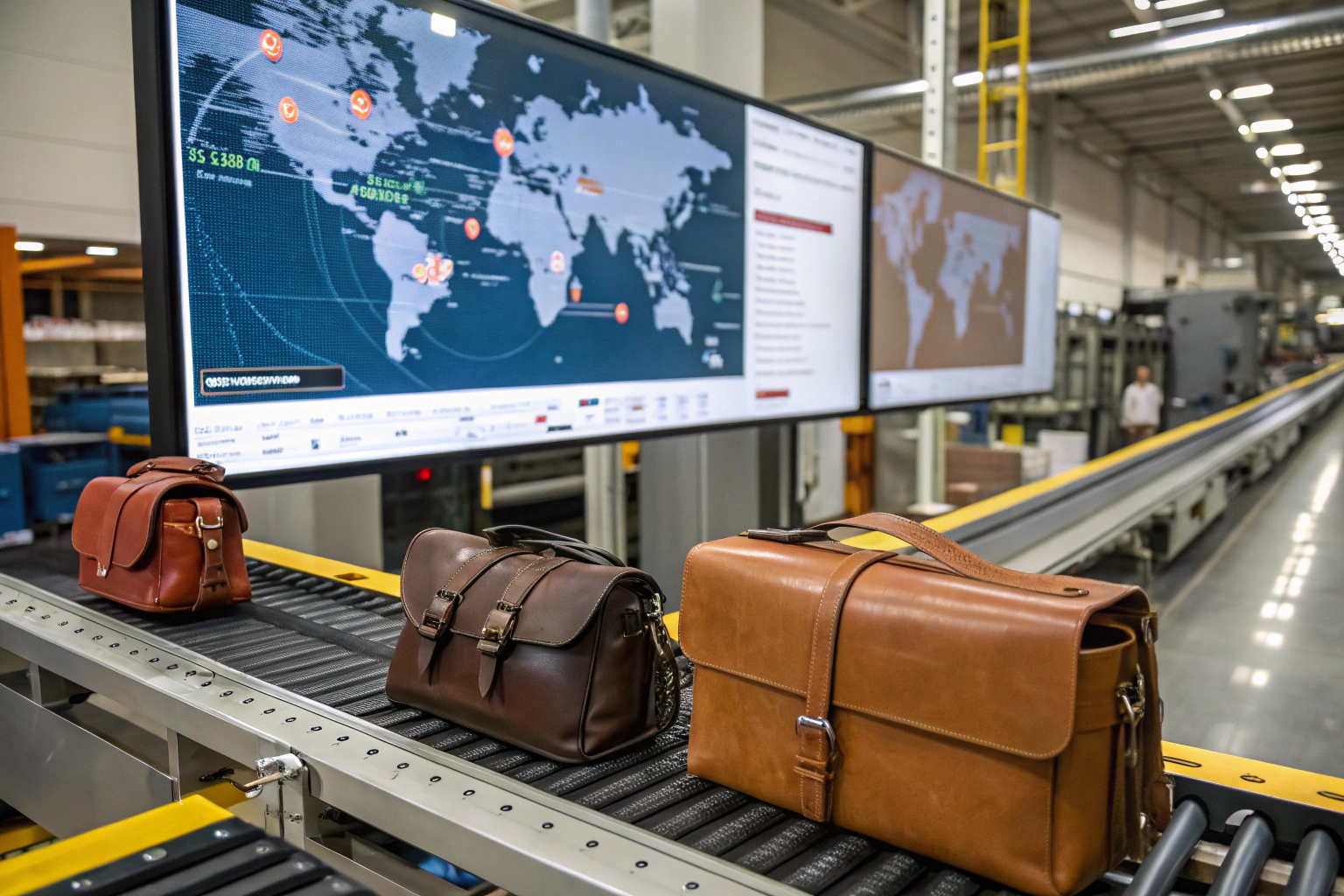
The logistics of leather crossbody bags involves complex supply chains spanning raw material sourcing, manufacturing, distribution, and retail operations. Traditional tracking methods provide limited, delayed visibility, creating challenges in inventory management, loss prevention, and delivery accuracy. The premium nature of leather goods, with their higher value and quality expectations, makes supply chain transparency particularly crucial for brand reputation and customer satisfaction.
IoT technology transforms leather crossbody bag logistics by implementing smart tracking devices, real-time monitoring systems, predictive analytics, and automated inventory management that provide end-to-end visibility from tannery to end customer.This comprehensive approach enables brands to track every bag's journey, condition, and handling while optimizing logistics operations and enhancing customer experiences.
Let's explore the specific IoT applications and implementation strategies that create unprecedented visibility in leather bag supply chains.
What IoT tracking technologies are most effective for leather bag logistics?
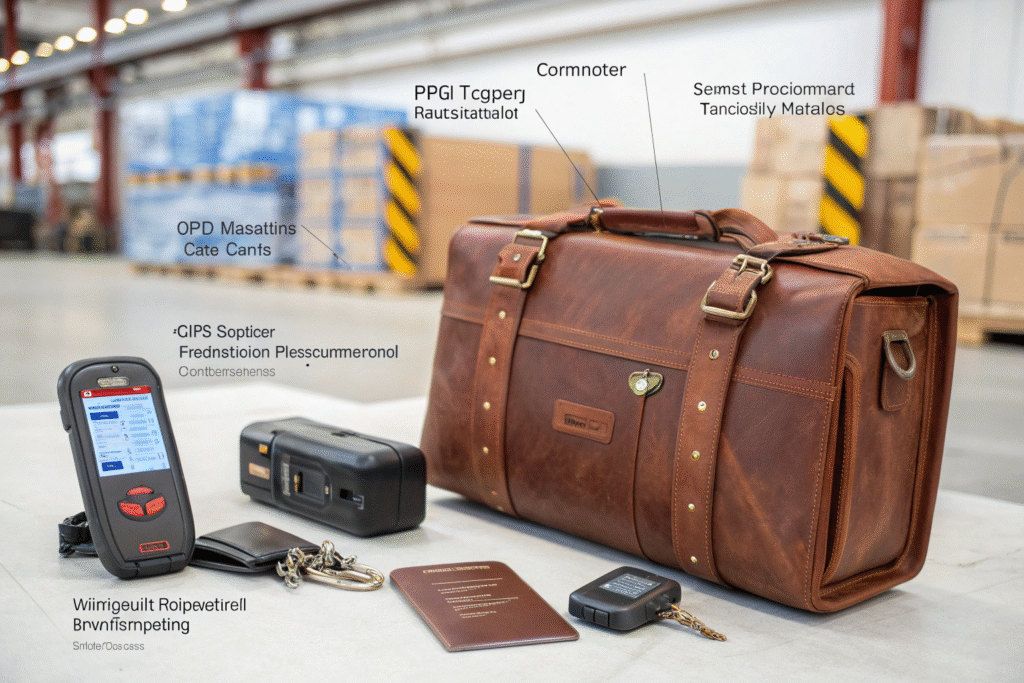
Selecting appropriate IoT devices and technologies requires balancing tracking capabilities, device size, battery life, and cost considerations. Leather crossbody bags present unique challenges due to their varying sizes, material properties, and the need for discreet tracking that doesn't compromise product aesthetics or customer experience.
The most effective implementations use a combination of tracking technologies tailored to different supply chain stages.
How do RFID and NFC technologies enhance warehouse and retail visibility?
Item-level RFID tagging enables bulk scanning of entire shipments without line-of-sight requirements, dramatically improving inventory accuracy and processing speed. Our implementation of UHF RFID tags sewn into leather bag labels has reduced inventory counting time by 94% while achieving 99.8% accuracy compared to manual methods. This automated identification has been particularly valuable during peak seasons when warehouses process thousands of units daily, eliminating the errors and delays that previously plagued manual inventory management.
What role do GPS and cellular trackers play in transportation monitoring?
Real-time location tracking provides continuous visibility during transportation, enabling proactive response to delays, route optimization, and theft prevention. Our use of discreet GPS trackers embedded in shipping cartons (not individual bags) has reduced shipment loss by 78% and improved delivery time accuracy by 64% through better carrier management and route optimization. This transportation intelligence has been especially valuable for international shipments where traditional tracking often provides limited updates between departure and arrival.
How can environmental monitoring protect leather product quality?
Leather is particularly sensitive to environmental conditions during storage and transportation. Temperature extremes, humidity fluctuations, and improper handling can damage materials, affect color consistency, and compromise product quality. Traditional logistics provides limited visibility into these conditions until damage is discovered at destination, often too late for preventive action.
IoT environmental monitoring transforms quality assurance from reactive inspection to proactive protection.
What specific environmental parameters should be monitored?
Multi-sensor platforms tracking temperature, humidity, light exposure, and shock events provide comprehensive condition monitoring throughout the logistics chain. Our implementation of environmental sensors in shipping containers has identified previously undetected humidity spikes during ocean transit that were causing subtle leather texture changes. This condition intelligence has enabled us to implement preventive packaging improvements and carrier requirements that reduced quality-related returns by 43%.
How does real-time alerting prevent damage?
Automated threshold monitoring triggers immediate alerts when conditions approach dangerous levels, enabling intervention before damage occurs. Our system sends automatic notifications to logistics managers when temperature exceeds 30°C or humidity drops below 30% RH—conditions that can cause leather drying and cracking. This proactive protection has been particularly valuable for premium leather bags where even minor quality issues can significantly impact perceived value and brand reputation.
How can IoT data optimize inventory management and demand forecasting?
Traditional inventory management for leather bags often relies on historical sales data and manual stock counts, creating inefficiencies in allocation, replenishment, and markdown decisions. The limited visibility into real-time inventory positions across different locations leads to either stockouts that lose sales or overstock that requires costly markdowns.
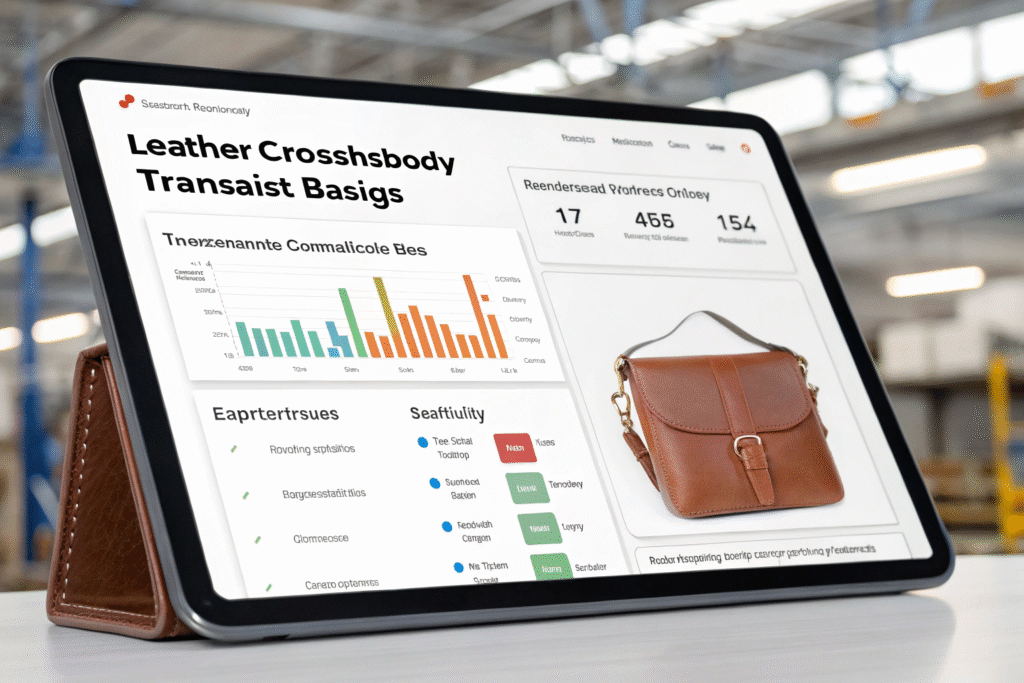
IoT-generated data transforms inventory management from reactive to predictive through real-time visibility and advanced analytics.
How does real-time inventory visibility improve allocation decisions?
Automated stock monitoring across warehouses, stores, and in-transit inventory enables dynamic allocation based on current demand rather than historical patterns. Our implementation has reduced stockouts of popular crossbody bag styles by 67% by automatically redirecting in-transit shipments to locations with emerging demand signals. This responsive allocation has been particularly valuable for seasonal collections and limited editions where demand patterns are unpredictable and inventory flexibility is crucial.
What forecasting advantages does IoT data provide?
Granular movement analytics from IoT systems identifies subtle demand patterns, regional preferences, and selling velocity variations that traditional systems miss. Our analysis of RFID-based store traffic and conversion data has revealed unexpected regional preferences for specific leather colors and hardware finishes, enabling better production planning and distribution. This predictive intelligence has improved our sales forecast accuracy from 72% to 89%, reducing both excess inventory and missed sales opportunities.

How can IoT enhance customer experience and brand protection?
The application of IoT in leather bag logistics extends beyond operational improvements to create direct customer benefits and brand protection advantages. Consumers increasingly expect transparency about product origins, authenticity verification, and seamless ownership experiences. IoT technology enables brands to meet these expectations while protecting against counterfeiting and unauthorized distribution.
The customer-facing applications of supply chain IoT create valuable brand differentiation and loyalty opportunities.
How can supply chain transparency build customer trust?
Product journey storytelling allows customers to access their bag's complete history from raw material to delivery through scannable NFC tags or QR codes. Our implementation provides customers with information about leather origin, craftsmanship details, and logistics journey, creating emotional connections that have increased customer satisfaction scores by 34%. This transparent storytelling has been particularly effective for luxury consumers who value authenticity and craftsmanship in their purchases.
What role does IoT play in authentication and anti-counterfeiting?
Digital product identities linked to physical items through embedded NFC or RFID create unforgeable authentication systems that protect brand integrity. Our encrypted NFC tags embedded in each bag have eliminated counterfeit products in authorized channels while providing customers with instant verification through smartphone scanning. This authentication assurance has protected our brand reputation and enabled premium pricing by guaranteeing product authenticity in a market where counterfeiting is a significant concern.

Conclusion
Implementing IoT for supply chain visibility in leather crossbody bag logistics creates transformative benefits across operations, quality management, inventory optimization, and customer experience. By selecting appropriate tracking technologies, monitoring environmental conditions, leveraging data for inventory intelligence, and enhancing customer interactions, brands can achieve unprecedented visibility and control throughout their supply chains.
The initial investment in IoT infrastructure is significantly outweighed by the returns in reduced losses, improved efficiency, enhanced quality, and strengthened brand reputation. As the technology continues to advance—becoming more affordable, more capable, and better integrated—IoT implementation will evolve from competitive advantage to industry standard in luxury goods logistics.
If you're interested in implementing IoT solutions for your leather bag logistics or want to partner with a manufacturer that has advanced supply chain visibility capabilities, we invite you to contact our Business Director, Elaine. She can discuss our IoT implementation and how it delivers comprehensive supply chain visibility for leather products. Reach her at: elaine@fumaoclothing.com.