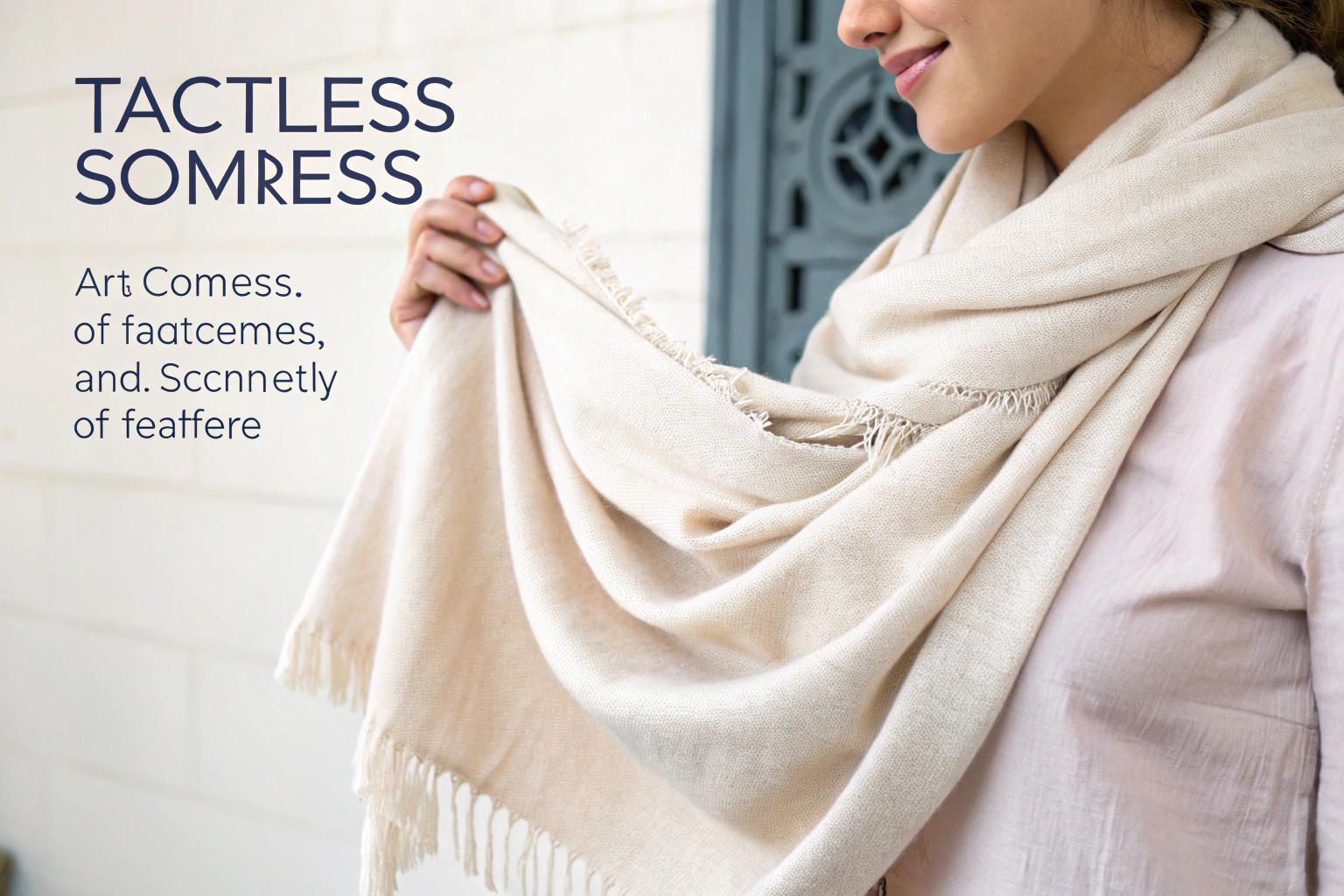
Scarf softness represents one of the most important tactile qualities influencing consumer perception and comfort. Achieving the perfect softness level requires understanding the complex interplay between fiber selection, construction methods, and finishing processes. Through our extensive experience producing scarves for diverse markets and price points, we've developed systematic approaches to precisely controlling this crucial characteristic.
Adjusting scarf softness requires strategic fiber selection, specialized spinning techniques, specific construction parameters, and targeted finishing treatments that collectively determine the final hand-feel.This multi-stage approach enables manufacturers to deliberately engineer softness characteristics rather than accepting them as accidental outcomes of standard processes.
Softness adjustment begins with recognizing it as a designable characteristic rather than a fixed property. Let's examine the specific methods that enable precise softness control throughout scarf manufacturing.
How does fiber selection determine baseline softness?
The foundation of scarf softness begins with fiber choice, as different materials possess inherent softness characteristics that establish the baseline for final hand-feel. Understanding these inherent properties enables manufacturers to select appropriate starting points for their target softness level.
Strategic fiber selection combines scientific understanding of material properties with practical considerations of cost, availability, and processing requirements.
What natural fiber options offer superior softness?
Natural fibers provide distinct softness characteristics that manufacturers can leverage strategically. Premium cashmere represents the softness gold standard, with fibers measuring under 18.5 microns in diameter creating exceptionally soft scarves with luxurious hand-feel. High-grade merino wool (under 20 microns) offers excellent softness with greater durability than cashmere at more accessible price points. Mulberry silk provides smooth, luxurious softness with distinctive drape characteristics, while high-quality cotton like Egyptian or Pima varieties offers softness with easy care requirements. For maximum softness, we often create fiber blends that combine the best characteristics of multiple materials—perhaps cashmere for luxury softness with silk for strength and drape. Understanding these natural fiber options enables manufacturers to establish appropriate softness baselines for different market segments.
How do synthetic fibers contribute to engineered softness?
Modern synthetic fibers offer sophisticated softness engineering possibilities beyond natural material limitations. Microdenier polyester (fibers finer than 1 denier) creates exceptionally soft fabrics that mimic luxury natural fibers at lower cost points. Specialty acrylics have been developed with softness characteristics rivaling cashmere while offering superior color retention and durability. Regenerated cellulose fibers like Tencel™ and Modal provide silky softness with enhanced moisture management properties. The most advanced softness engineering combines fiber cross-sections that maximize surface softness—perhaps star-shaped fibers that create air pockets or hollow fibers that provide loft without weight. These synthetic options enable precise softness targeting with consistent results unaffected by natural fiber variability.

What spinning techniques enhance softness characteristics?
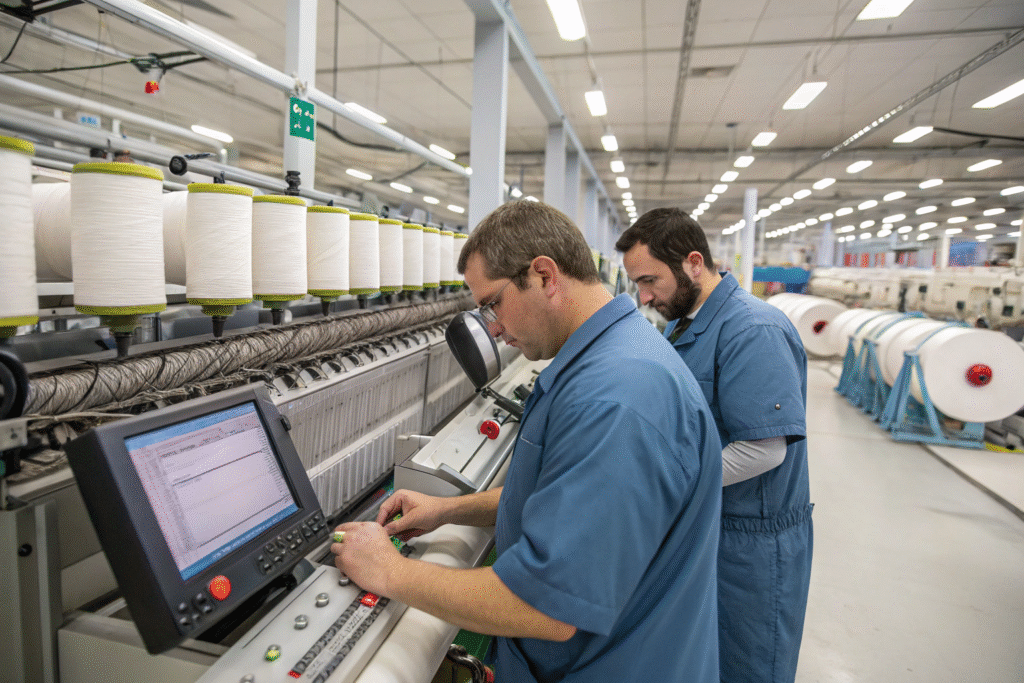
The transformation from raw fiber to yarn significantly impacts final softness, with different spinning methods creating distinct tactile properties. Spinning represents a critical softness adjustment point where manufacturers can deliberately engineer yarn characteristics.
Strategic spinning approaches optimize fiber arrangement, twist levels, and yarn structure to maximize softness while maintaining necessary strength and durability.
How does twist level affect perceived softness?
Yarn twist represents one of the most powerful softness adjustment variables, with lower twist generally creating softer hand-feel. We implement precision twist control that optimizes the balance between softness and durability—typically using twist multiples of 3.0-3.5 for soft scarves versus 4.0-4.5 for stronger but harder yarns. For luxury softness, we employ woolen spinning techniques that create lofty, low-twist yarns with exceptional softness but reduced strength. When strength requirements prevent extremely low twist, we use two-ply construction where individually softer singles are plied together, maintaining softness while adding durability. This twist optimization has enabled us to increase softness by 30-40% while maintaining functional integrity in finished scarves.
What specialized spinning methods maximize softness?
Beyond basic twist adjustment, specialized spinning methods offer additional softness enhancement opportunities. Compact spinning produces smoother yarns with reduced hairiness that feel noticeably softer against the skin. Siro spinning creates yarns with improved fullness and softness characteristics through modified drafting systems. For ultimate luxury softness, we utilize hollow spindle spinning that wraps fine fibers around a central core, creating exceptionally soft yarns with unique tactile properties. The most advanced softness engineering combines multiple spinning technologies—perhaps compact spinning for smoothness combined with low twist for loft—to achieve specific softness targets. These specialized methods provide manufacturers with precise control over yarn-mediated softness characteristics.
How do construction parameters influence final softness?
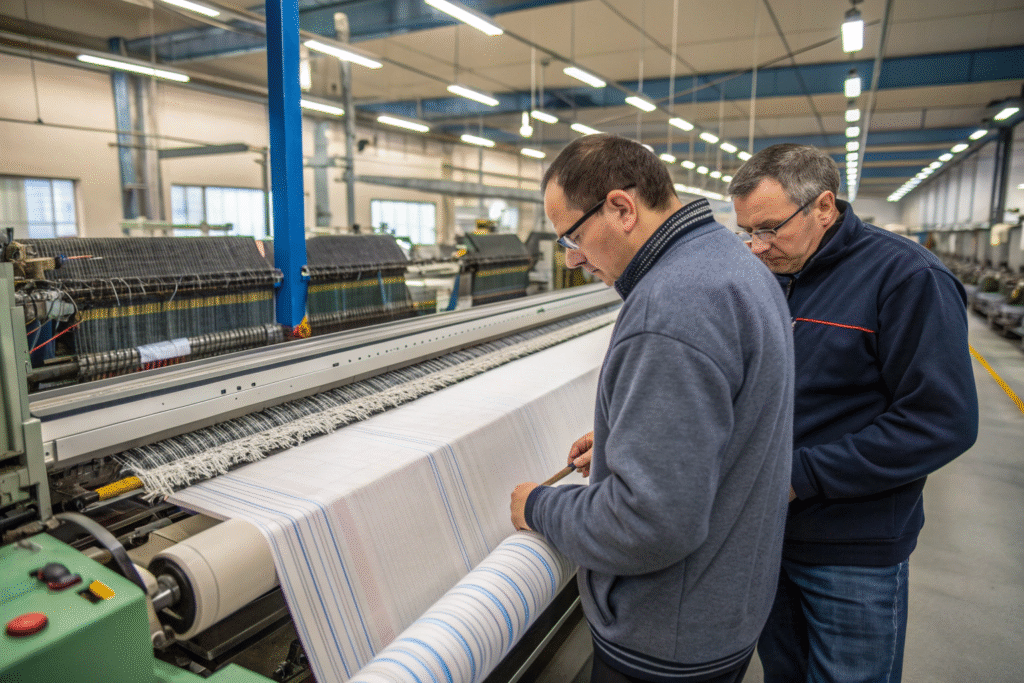
The transformation from yarn to fabric introduces additional softness variables through construction choices that affect how fibers interact with the skin. Weaving or knitting parameters determine fabric structure, density, and surface characteristics that significantly influence perceived softness.
Strategic construction decisions optimize fabric architecture to enhance softness while maintaining necessary durability and drape characteristics.
What weave structures maximize softness potential?
Different weave structures create distinct tactile experiences from the same yarns. We prioritize plain weaves with low sett (fewer yarns per inch) that create flexible, soft fabrics with minimal yarn crimp. Twill weaves like 2/2 twill offer excellent softness with more interesting visual texture than plain weaves. For maximum softness, we utilize satin weaves with long floats that maximize yarn exposure on the fabric surface, creating exceptionally smooth hand-feel. When designing new scarf collections, we create weave structure gradients that transition between different constructions to achieve varying softness levels within a single piece. This structural approach to softness provides additional adjustment capability beyond material and yarn selection alone.
How does knitting construction affect softness?
Knitted scarves offer different softness advantages through their inherent loop structure. We optimize stitch length and density to create fabrics with optimal softness—typically using larger loops for softer hand-feel while maintaining structural integrity. Knit structures like single jersey provide excellent softness with good recovery, while specialty stitches like blister or tuck stitches create textured softness with visual interest. For luxury softness, we employ interlock knitting that creates double-faced fabrics with exceptional softness on both sides. The most advanced softness engineering combines multiple knitting techniques within a single scarf—perhaps softer borders with more structured centers—to achieve both aesthetic and tactile design objectives.
What finishing treatments deliver final softness adjustment?
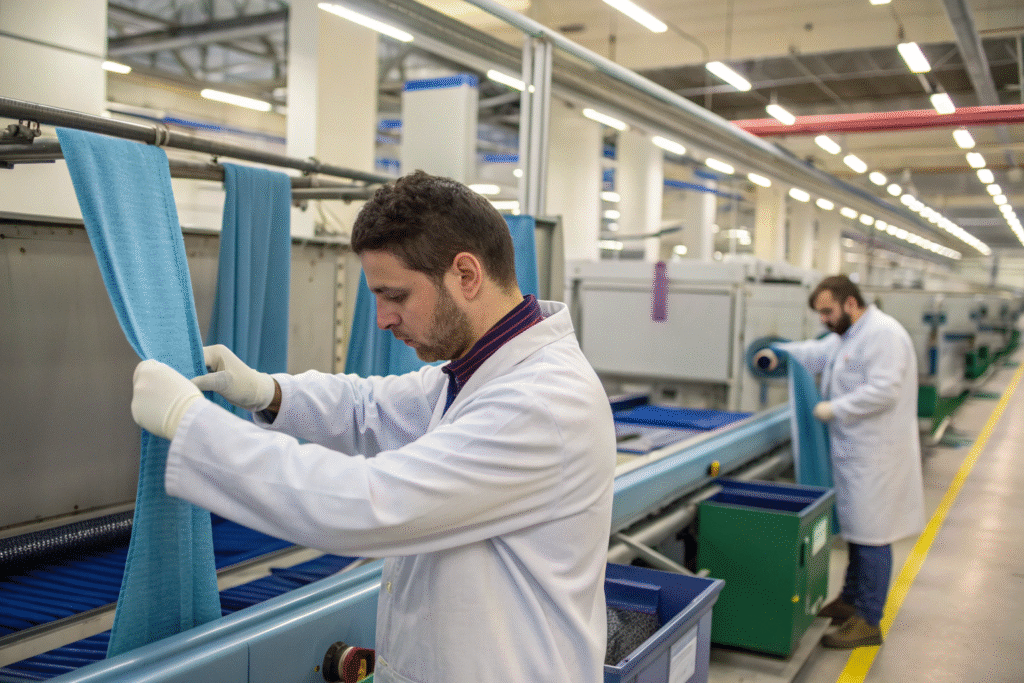
Finishing represents the most powerful stage for softness adjustment, where chemical and mechanical treatments transform fabric hand-feel. This final manufacturing stage offers precise softness control that can dramatically alter the tactile characteristics established in earlier processes.
Strategic finishing applications provide the final softness tuning that determines consumer perception of the finished scarf.
How does mechanical finishing enhance softness?
Mechanical processes physically alter fabric surfaces to improve softness characteristics. Raising or napping creates a fuzzy surface by pulling fiber ends from yarns, significantly increasing perceived softness through added loft and reduced surface friction. Calendering passes fabric through heated rollers that smooth the surface, creating silky softness particularly effective for satin weaves or silk blends. Compressive shrinkage processes like Sanforizing create denser, softer fabrics with improved hand-feel. For luxury wool and cashmere scarves, we employ specialized milling that gently felts the fabric surface, creating exceptional softness with distinctive bloom. These mechanical treatments provide physical softness enhancement without chemical applications.
What chemical softeners achieve specific hand-feels?
Chemical softeners provide precise control over final softness characteristics through molecular interaction with fibers. Cationic softeners deposit on fiber surfaces with strong affinity, creating exceptionally soft hand-feel particularly effective for cellulosic fibers. Silicone softeners provide smooth, silky softness with additional benefits like improved drape and wrinkle resistance. Polyethylene softeners offer affordable softness enhancement with good durability through multiple washes. For premium scarves, we use micro-emulsion silicones that penetrate fiber structures for permanent softness that withstands dry cleaning. The most advanced softness engineering combines multiple softener types in sequence—perhaps cationic for initial softness followed by silicone for smoothness—to achieve specific tactile targets.
Conclusion
Adjusting scarf softness requires a comprehensive approach that addresses fiber selection, spinning techniques, construction parameters, and finishing treatments as interconnected elements of softness engineering. The most successful softness adjustment programs recognize that perfect hand-feel emerges from the cumulative effect of decisions across all manufacturing stages rather than from any single process. Companies that master these adjustment techniques can deliberately engineer scarves with specific softness characteristics tailored to their target markets, creating distinctive tactile experiences that build brand recognition and customer loyalty.
If you're looking to precisely control softness characteristics in your scarf collections, we invite you to contact our Business Director, Elaine. Our systematic approach to softness engineering has helped numerous brands achieve the specific hand-feel that distinguishes their products in competitive markets. Reach her at: elaine@fumaoclothing.com.