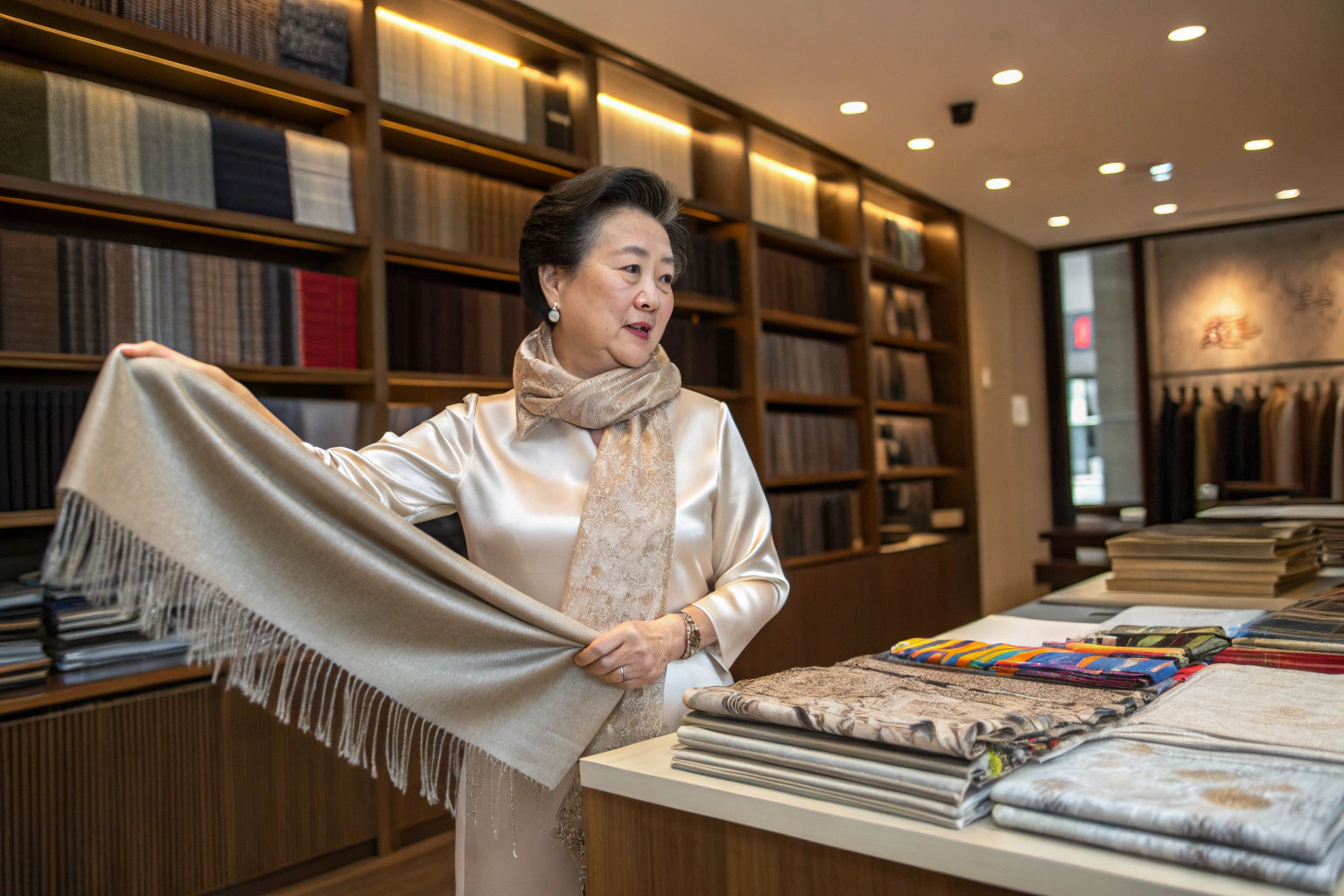
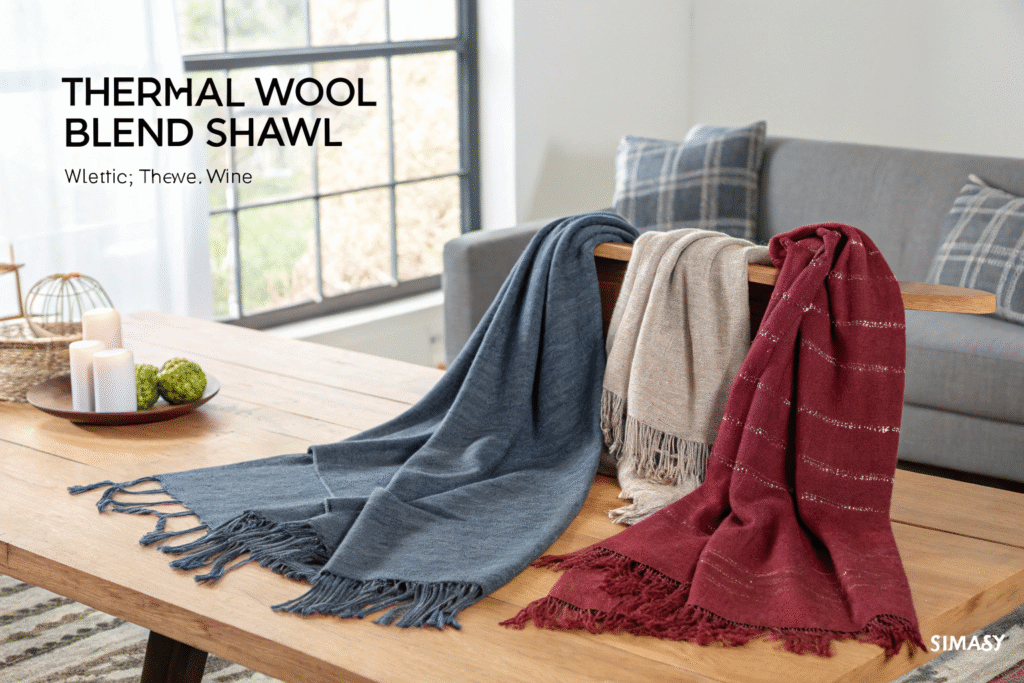
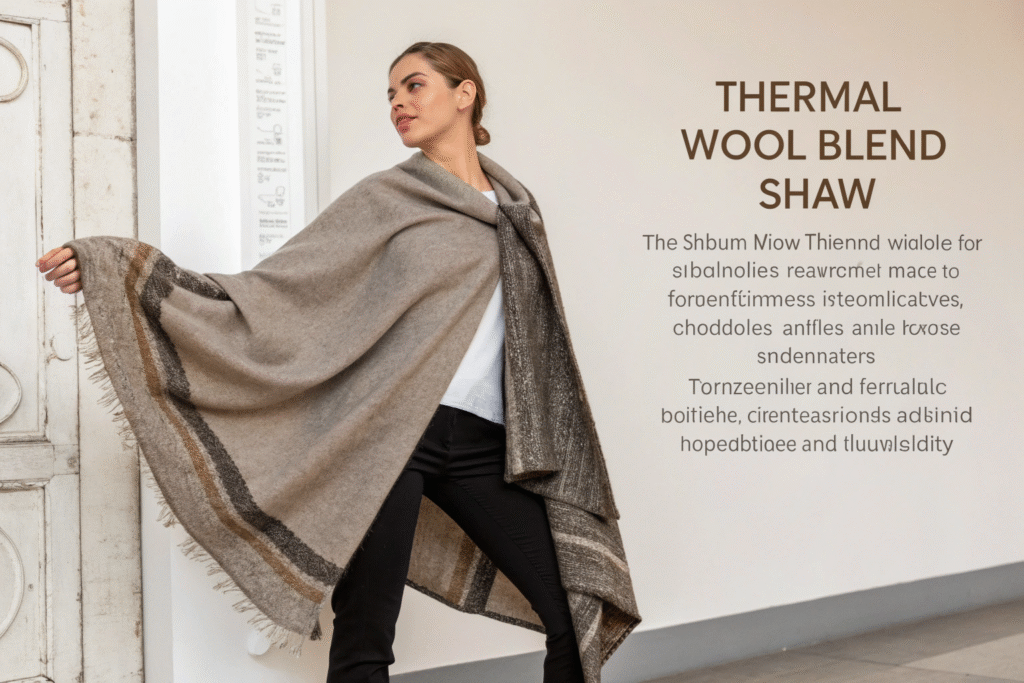
Thermal wool-blend shawls are creating a significant niche in the accessories market by solving a classic consumer dilemma: the need for genuine warmth without the stifling, non-breathable feel of traditional heavy winter fabrics. As a manufacturer, we see this category growing because it perfectly aligns with the demand for intelligent, versatile layering pieces that work across seasons and activities.
The commercial appeal is straightforward. These shawls leverage the trusted, natural properties of wool while using strategic blends to enhance performance, durability, and wearability. This fusion allows them to command a place in both the premium fashion accessory market and the performance-oriented outdoor lifestyle segment, effectively capturing value from consumers seeking both comfort and functionality.
How Do Material Innovations in Wool Blends Create a Balanced Fabric?
The secret to a high-performing thermal wool-blend shawl lies in material science. It's not just about mixing fibers; it's about engineering a fabric where wool and its companion fibers work synergistically to regulate temperature and moisture more effectively than either could alone.
This balance is achieved by pairing wool's natural strengths with the targeted enhancements of other fibers. Wool's unique crimped structure creates insulating air pockets for warmth, while its fibers can absorb moisture vapor without feeling wet. However, a very dense, 100% wool fabric can sometimes trap too much heat and moisture during activity. By blending in a percentage of high-tech polyester or nylon, manufacturers can significantly improve the fabric's moisture-wicking capability, pulling perspiration away from the skin faster and allowing it to evaporate. This keeps the wearer dry and prevents that "chill" feeling. Furthermore, innovations like merino wool have been a game-changer; its ultrafine fibers provide exceptional softness against the skin, eliminating the itchiness often associated with traditional wool, making it ideal for scarves and shawls. The result is a fabric managed by advanced textile engineering that feels warm when static but breathes efficiently during movement.

What Specific Fiber Properties Drive Warmth and Breathability?
The performance is dictated by the specific properties of the chosen fibers. For warmth, the key is thermal insulation, which wool provides through the air trapped within its fibers. Finer wool, like Merino, creates more of these tiny air pockets per unit area, enhancing insulation without excessive weight. For breathability, the critical factors are moisture management and air permeability. Hydrophilic (water-attracting) fibers like wool pull moisture in, while hydrophobic (water-repelling) synthetics like polyester then transport it along their surface to the fabric's exterior to evaporate. This combination is more effective than a single fiber. The blend ratio is crucial: a common benchmark like 80% wool / 20% polyester offers a dominant wool hand-feel and warmth, with the polyester providing durable wicking structure. A 60% wool / 40% polyester blend would prioritize durability and drying speed, ideal for more active use. At Shanghai Fumao Clothing, we work closely with clients to test and select the optimal blend for their target market's specific balance of comfort and performance.
Who is Driving Demand for These Functional Shawls?
The demand for thermal wool-blend shawls is being driven by distinct consumer segments whose lifestyles and values converge on the need for smart, adaptable accessories. These are not merely fashion items; they are purchased as solutions to specific comfort and practical challenges.
The primary driver is the modern consumer's desire for versatility and value. They invest in pieces that serve multiple purposes: a shawl for outdoor commuting, an office blanket, a travel wrap, and a stylish evening layer. This "buy less, buy better" mentality favors a high-performing blend that justifies its price through year-round utility. Secondly, the outdoor lifestyle trend has moved from the trails to the mainstream. Consumers accustomed to technical apparel expect the same performance from their everyday accessories—breathable warmth, lightweight packability, and odor resistance (a natural benefit of merino wool). Finally, the strong preference for natural fibers underpins trust in wool. Blends allow brands to lead with this natural story while improving the product's practicality and lifespan, appealing to the conscious consumer.
How Are Brands Targeting Different Consumer Profiles?
Brands are segmenting the market by tailoring their messaging and product specs to different user profiles:
- The Urban Commuter & Traveler: Targeted with shawls that emphasize lightweight warmth, compactibility, and wrinkle resistance. Marketing highlights use in transit, in variable office temperatures, and during travel.
- The Outdoor Enthusiast: Targeted with blends that have a higher synthetic ratio for active moisture management. Features like integrated pockets or attachment loops may be added. Marketing ties to hiking, camping, and spectator sports.
- The Conscious Consumer: Targeted with blends using organic merino wool and recycled polyester. The narrative focuses on sustainable sourcing, animal welfare, and circular economy principles. Transparency in the supply chain is a key selling point.
This targeted approach allows a single product category—the thermal wool-blend shawl—to effectively serve the fashion accessories, travel gear, and outdoor apparel markets simultaneously, maximizing its retail potential.
What Are the Key Manufacturing and Sourcing Considerations?
Producing a successful thermal wool-blend shawl requires careful attention from the sourcing of raw materials to the final stages of production control. The choices made here directly impact the final product's performance, cost, and market positioning.
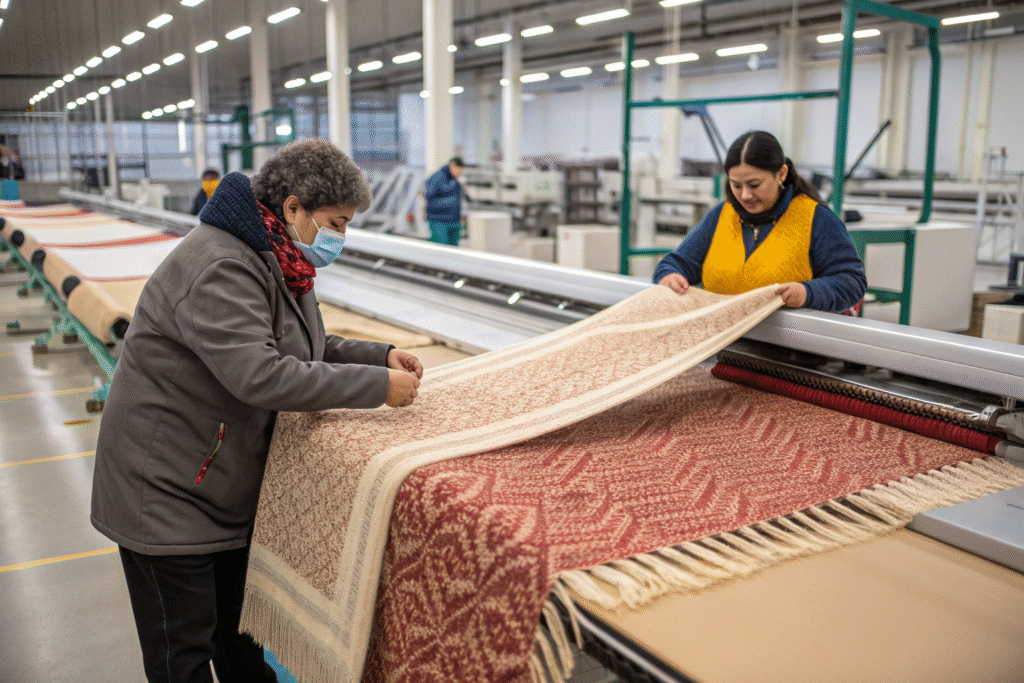
The first critical step is fiber sourcing. The quality of the wool (its micron count for softness, staple length for strength) sets the foundation. Partnering with spinners and mills that specialize in blending is essential to ensure the wool and synthetic fibers are intimately and consistently mixed at the yarn stage, not just woven together later. This ensures uniform performance across the entire fabric. For brands with sustainability goals, sourcing GOTS-certified organic wool or GRS-certified recycled polyester becomes a priority and requires verified supply chain partnerships. The manufacturing process itself must be calibrated for blends; for instance, dyeing temperatures must accommodate the most sensitive fiber in the blend to avoid damage.
How Does Quality Control Ensure Performance Promises Are Met?
Rigorous quality control is non-negotiable to ensure the shawl delivers on its promise of balanced warmth and breathability. This goes beyond standard visual inspections. Key performance tests should include:
- Thermal Resistance Testing (e.g., ASTM D1518): Objectively measures the insulation property (warmth) of the fabric in a lab setting.
- Moisture Vapor Transmission Rate (MVTR) Testing: Measures how quickly moisture vapor passes through the fabric, quantifying its breathability.
- Pilling and Durability Tests: Ensures the blended fabric will maintain its appearance after wear and washing.
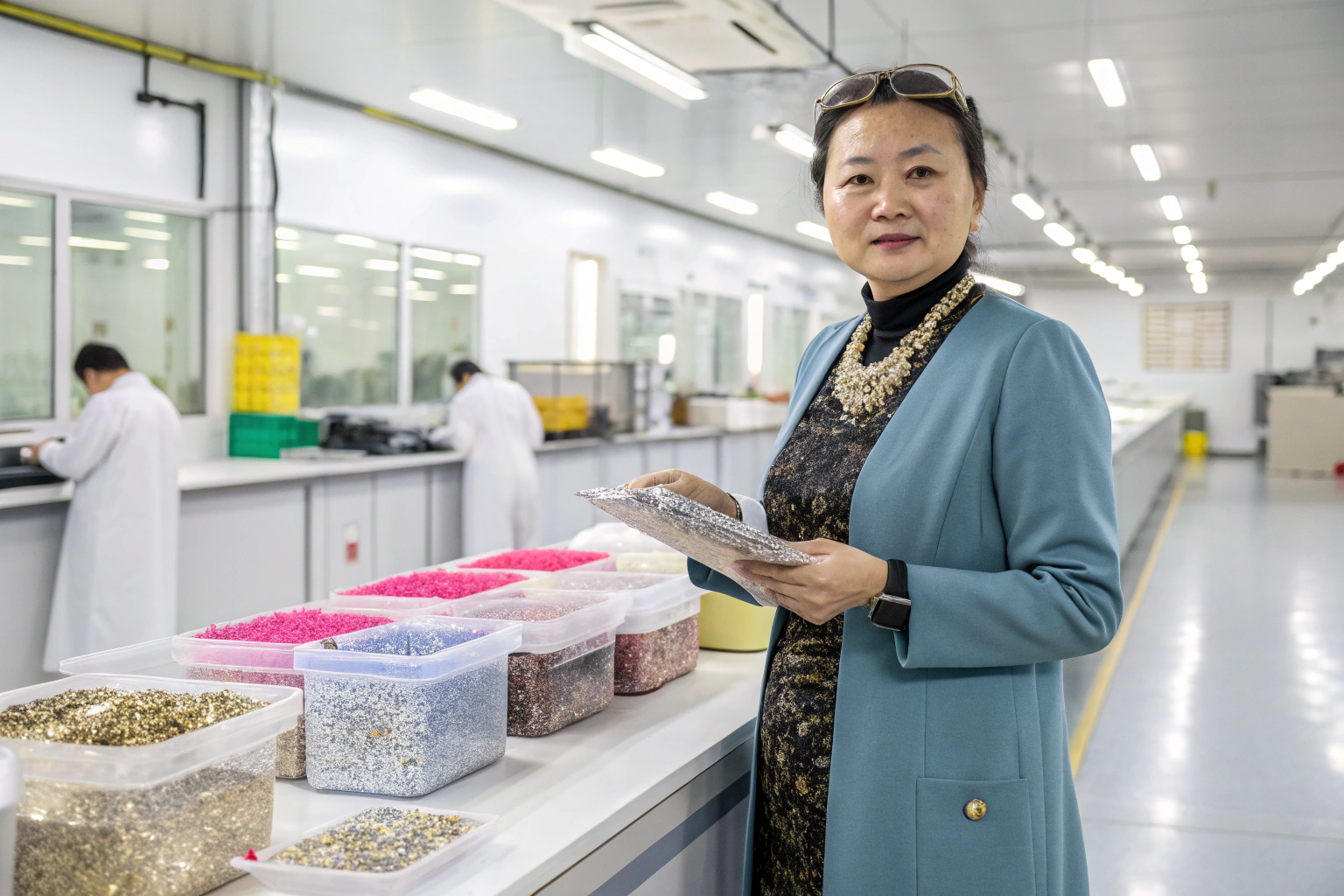
At Shanghai Fumao Clothing, our quality control team implements these checks at multiple stages: at the raw material stage, after knitting/weaving, and on the finished shawl. This end-to-end oversight, managed by an experienced project manager, is what allows us to guarantee consistency for our clients, from a small boutique order to a large shipment for a major supermarket chain.
How is This Product Positioned Against Market Challenges and Trends?
The thermal wool-blend shawl is strategically positioned to thrive amidst current market challenges, particularly around sustainability and cost volatility. It represents a pragmatic and innovative response that turns constraints into selling points.
A major challenge for pure wool products is cost volatility and supply fluctuation due to factors like climate and global demand. Blending with synthetics mitigates this by reducing the wool content per yard, providing a buffer against price spikes and ensuring more stable production costs and schedules. More importantly, blends directly address the sustainability imperative. By using recycled synthetic content, manufacturers can reduce dependency on virgin petroleum-based materials and offer a product with a lower overall environmental footprint. This aligns with both consumer demand and regulatory pressures, such as those emerging in the European Union. Furthermore, the blend inherently promotes longevity—the synthetic fibers increase the shawl's resistance to abrasion and stretching, making it a longer-lasting product, which is the core of a sustainable consumption model.
What is the Future Outlook for This Category?
The future of thermal wool-blend shawls points toward even smarter materials and greater customization. We anticipate growth in:
- Bio-based Synthetics: Increased use of polyester or nylon derived from renewable sources like corn or castor oil, further reducing the fossil fuel footprint.
- Phase-Change Material (PCM) Integration: Micro-encapsulated PCMs within fibers can absorb, store, and release heat, actively regulating temperature beyond the passive properties of the blend.
- Direct-to-Consumer Customization: Offering consumers the ability to select their preferred blend ratio (e.g., "more wool for warmth" vs. "more synthetic for activity") through made-to-order models.
These advancements will continue to solidify the category's position at the intersection of comfort, performance, and responsible innovation, making it a resilient and growing segment for forward-thinking brands.
Conclusion
Thermal wool-blend shawls have successfully established a vital market position by mastering the equilibrium between warmth and breathability. They meet the modern consumer's demand for versatile, high-value accessories that support an active, variable lifestyle while aligning with the strong market currents favoring natural fibers and sustainable innovation. For brands and retailers, this category offers a compelling opportunity to engage multiple consumer segments with a single, intelligently engineered product line.
The success of these shawls hinges on a deep understanding of textile science, precise manufacturing controls, and clear, need-based marketing. As material innovations continue, this category is poised to evolve from a seasonal accessory into a year-round essential for global markets.
If you are looking to develop a sophisticated, performance-driven line of thermal wool-blend shawls, Shanghai Fumao Clothing offers the expertise to bring it to market. From strategic material sourcing and blend development to rigorous quality assurance and reliable logistics, we ensure your product delivers on its promise. To begin a conversation about your next collection, please contact our Business Director, Elaine, at: elaine@fumaoclothing.com.