In the competitive world of fashion accessories, a profound shift is underway. Eco-conscious brands are no longer treating sustainability as a mere marketing add-on but as a core design and business philosophy. This has transformed simple categories like hair accessories into powerful vehicles for environmental storytelling and consumer engagement. Among these, recycled plastic hair scrunchies have emerged as a standout success story. They perfectly encapsulate the modern demand for products that are visibly ethical, functionally reliable, and emotionally resonant.
This article explores how these humble accessories are winning over brands and consumers by addressing critical issues like plastic waste, offering tangible environmental benefits, and aligning with the values of a conscious market. We will examine the journey from ocean plastic to finished product, the design innovations that set them apart, and the marketing strategies that turn them into bestsellers. Learn more Shanghai Fumao Clothing details pages.
How Does the Material Narrative Build Brand Value?
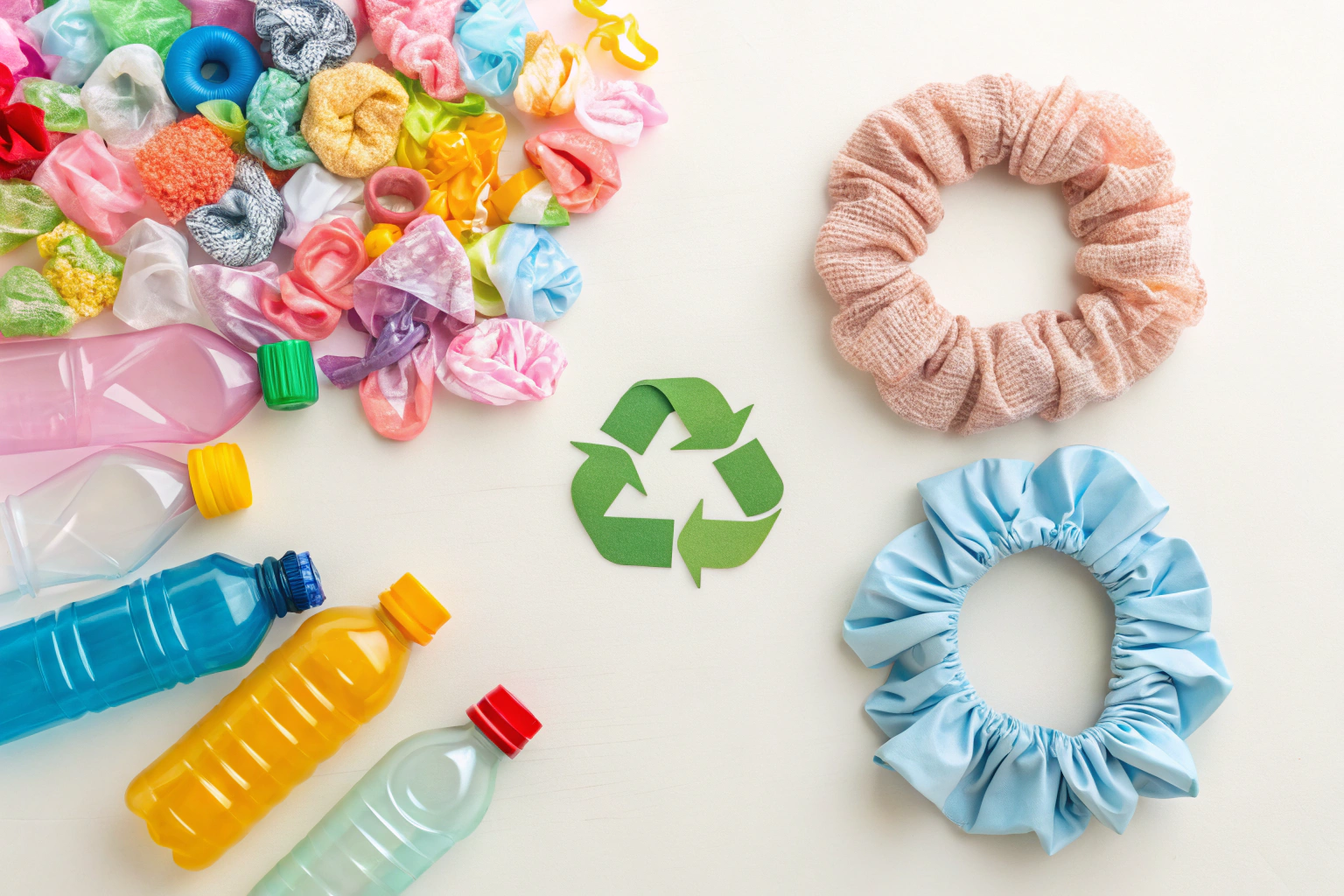
The primary appeal of recycled plastic scrunchies lies in their origin story. They are not made from new, petroleum-based polyester, but from post-consumer plastic waste—most commonly, PET bottles recovered from oceans, coastlines, and landfills. This direct link to solving an environmental problem creates a powerful and authentic narrative for brands.
For the conscious consumer, purchasing one of these scrunchies is a tangible, feel-good action. They aren't just buying a hair tie; they are participating in a "waste-to-wear" cycle, directly supporting the diversion of plastic from ecosystems. This story provides immense value for brands seeking to demonstrate a genuine commitment to environmental impact and ethical sourcing.
What is the Environmental Impact Quantification?
Forward-thinking brands are moving beyond vague claims to specific data. They quantify the impact, stating, for example, that "each scrunchie is made from 2 recycled plastic bottles" or "this collection has diverted 50,000 bottles from the ocean." This level of transparency is highly valued and can be verified through supply chain tracking. Brands can further enhance this by aligning their scrunchie lines with broader sustainability goals, such as contributing a percentage of profits to ocean clean-up NGOs, thereby creating a holistic environmental initiative.
How Does This Create a Competitive Edge for Brands?
In a saturated market, a strong sustainability narrative is a key differentiator. It allows brands to connect with a growing demographic of values-driven consumers on an emotional level. This isn't just about a product's function; it's about its purpose. By offering recycled plastic scrunchies, a brand positions itself as innovative, responsible, and aligned with the future of conscious consumerism. This can foster deep loyalty and turn customers into advocates who share the brand's mission.
How Do Design and Quality Overcome the "Eco-Compromise" Stereotype?
Historically, eco-friendly products battled the perception of being less durable, less soft, or less stylish—the "eco-compromise." Recycled plastic scrunchies have successfully shattered this stereotype through advancements in material science and design.
The resulting product is often of equal or superior quality to its virgin plastic counterpart. The recycled rPET (recycled polyethylene terephthalate) yarn is processed to be soft, strong, and vibrant, proving that sustainability does not require sacrificing aesthetics or performance. This is crucial for convincing both brands and end consumers to make the switch.
What are the Key Design and Functional Advantages?
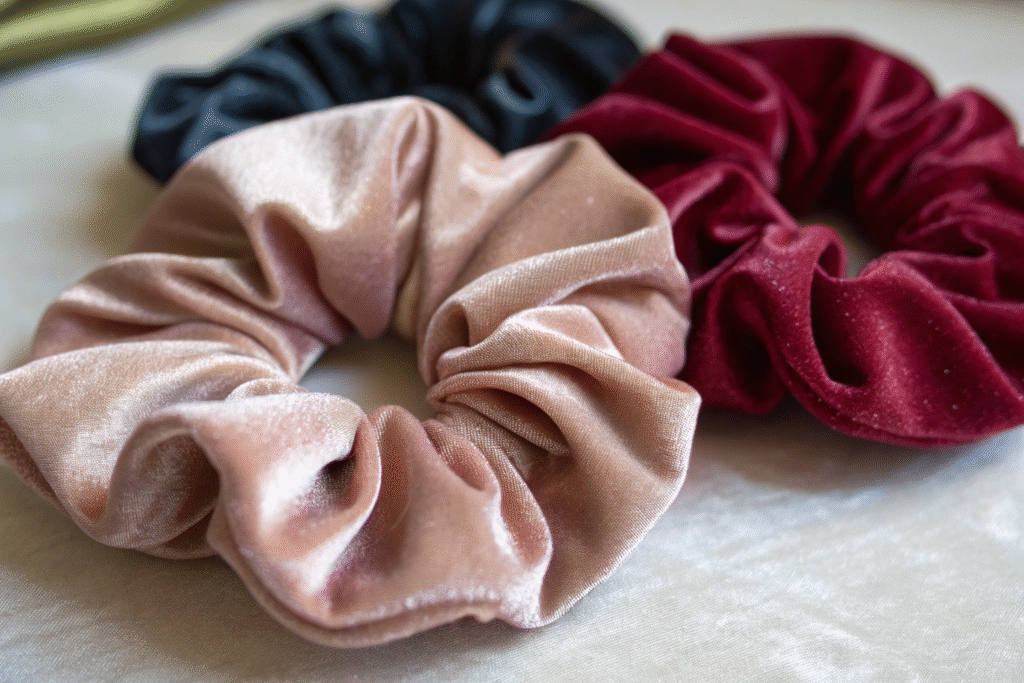
Modern recycled polyester can be engineered into various desirable textures:
- Silky Satin: Offers a sleek, elegant look and a smooth feel that minimizes hair breakage and frizz.
- Velvety Fabric: Provides a luxurious, soft texture and superior grip to hold hairstyles more securely.
- Jersey or Cotton-Blend Feel: Creates a casual, comfortable, and breathable option for everyday wear.
Beyond texture, these scrunchies are celebrated for being gentler on hair. Their seamless construction and lack of metal parts prevent snagging and breakage. They are also highly durable, retaining their elasticity and color through many wears and washes, which reinforces the message of long-term value over disposability.
How Can Brands Leverage These Qualities in Marketing?
Marketing should pivot from just "eco-friendly" to "better, by design." Highlight the hair-friendly benefits, the luxurious feel, and the vibrant, colorfast dyes achieved with the recycled material. Showcase them as a premium, thoughtful upgrade to standard hair elastics. This appeals not only to the eco-conscious buyer but also to any consumer seeking a high-quality, functional accessory. It transforms the scrunchie from a basic necessity into a considered, desirable fashion item.
Why Are They a Perfect Entry Point for Broader Sustainable Lines?
For many brands, introducing a fully sustainable clothing line can be a complex, resource-intensive undertaking. Recycled plastic scrunchies offer a low-risk, high-impact entry point into the sustainable product category.
They are a low-cost, high-margin accessory with a simple supply chain, making them ideal for testing the market's response to sustainable initiatives. Their success can then fund and validate the expansion into more complex categories like apparel or bags, all under a cohesive sustainability narrative.
How Do They Enhance Customer Experience and Loyalty?
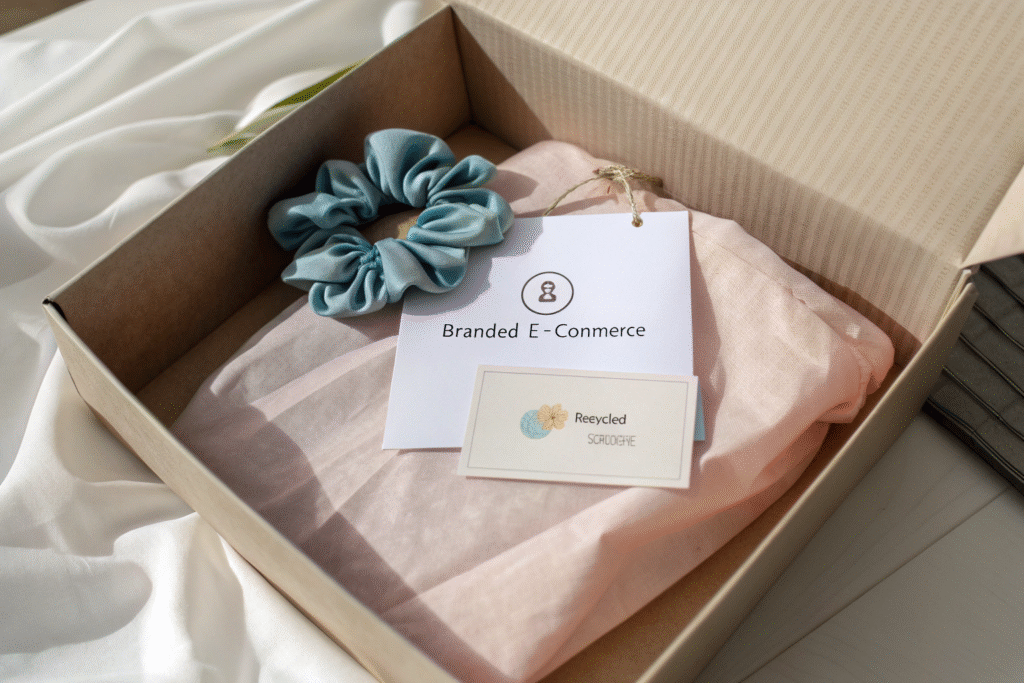
Scrunchies are a versatile tool for customer delight. They can be offered as a gift-with-purchase, a loyalty reward, or a low-cost add-on item that pushes a cart over a threshold for free shipping. This not only increases average order value but also introduces the customer to the brand's sustainability ethos in a tangible, positive way. Receiving a beautiful, useful accessory that also carries an ethical story creates a memorable unboxing experience and fosters positive brand association.
How Can They Anchor a Themed Capsule Collection?
Brands can build entire marketing campaigns around these accessories. A "Ocean Rescue" or "Clean Waves" capsule collection could feature scrunchies made from ocean-bound plastic, paired with coordinating apparel like swimwear cover-ups or casual tops made from the same rPET fabric. This creates a powerful, unified story that is easy for consumers to understand and support. It demonstrates a brand's commitment beyond a single product, showing a dedicated approach to sustainable material integration.
How Do They Align with Circular Economy and Transparency Demands?
The most sophisticated eco-conscious brands and consumers are looking beyond recycling to circularity—designing products and systems that eliminate waste entirely. Recycled plastic scrunchies fit into this model as a step towards closing the loop, especially when combined with end-of-life programs.
Furthermore, the modern market demands radical transparency. Consumers want proof of claims, and recycled materials offer a traceable story that can be communicated through technology, building essential trust.
What Role Do Take-Back and Recycling Programs Play?
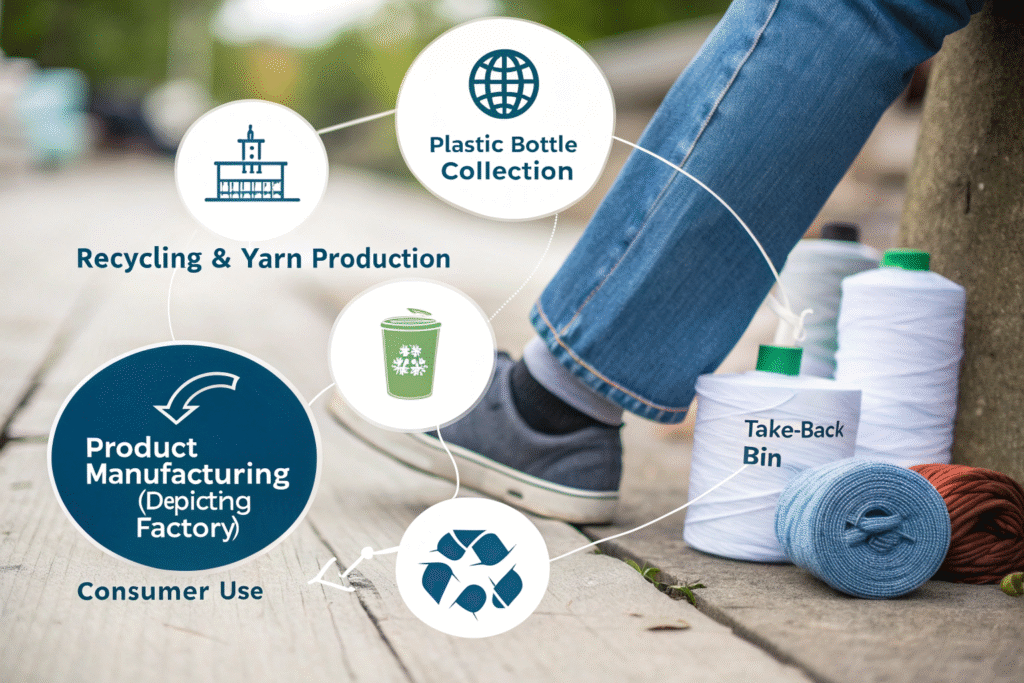
To move from linear to circular, brands can implement take-back schemes. For example, a brand might offer a discount on a future purchase when customers return their worn-out scrunchies. These collected items can then be sent to specialized recyclers to be broken down and spun into new yarn, starting the cycle again. While the infrastructure for this is still developing, brands that pilot such programs position themselves as true circular economy leaders and innovators in sustainable apparel.
How Can Digital Product Passports Elevate Trust?
This is where technology like QR codes or NFC chips comes in. By scanning a tag on the scrunchie's packaging, a customer could access a Digital Product Passport showing the journey of the materials: the source of the plastic, the recycling facility, the carbon footprint saved compared to a virgin plastic product, and even the manufacturing location. This level of traceability, from waste to wardrobe, is the ultimate tool for combating greenwashing and building unwavering consumer confidence in a brand's ethical claims.
Conclusion
Recycled plastic hair scrunchies are far more than a trend; they are a microcosm of the successful modern sustainable product. They succeed by masterfully combining a compelling environmental narrative with uncompromised quality and design, all while serving as a versatile tool for customer engagement and brand storytelling. For eco-conscious brands, they represent a low-friction, high-impact way to authentically commit to sustainability, build trust through transparency, and connect with a values-aligned customer base.
The journey from a discarded bottle to a beloved accessory is a powerful metaphor for the positive change possible in fashion. It demonstrates that with innovation and commitment, everyday items can become catalysts for environmental good.
If your brand is looking to develop a high-quality, story-driven line of recycled plastic hair scrunchies or other sustainable accessories, Shanghai Fumao Clothing is your ideal partner. Our expertise in sourcing certified recycled materials, our dedication to precision manufacturing for quality and durability, and our experience in creating products that tell a compelling story position us to help you succeed in the conscious market. Contact our Business Director, Elaine, at elaine@fumaoclothing.com to discuss how we can craft accessories that your customers will love and feel good about wearing.