Have you ever needed a single, perfect sample bag for a crucial buyer meeting, only to be told by factories that a sample takes three weeks and costs a fortune? I have seen a startup founder lose a retail contract because his sample arrived late. He had a meeting with a major department store buyer. He needed one custom printed backpack. The factory promised two weeks. The sample arrived on day 21. The meeting had passed. The buyer had moved on. The contract went to a competitor. The founder was devastated. The problem was not his design. It was the factory’s slow, bureaucratic sampling process. They treated a single, urgent sample with the same slow paperwork and scheduling as a 10,000-piece mass production order.
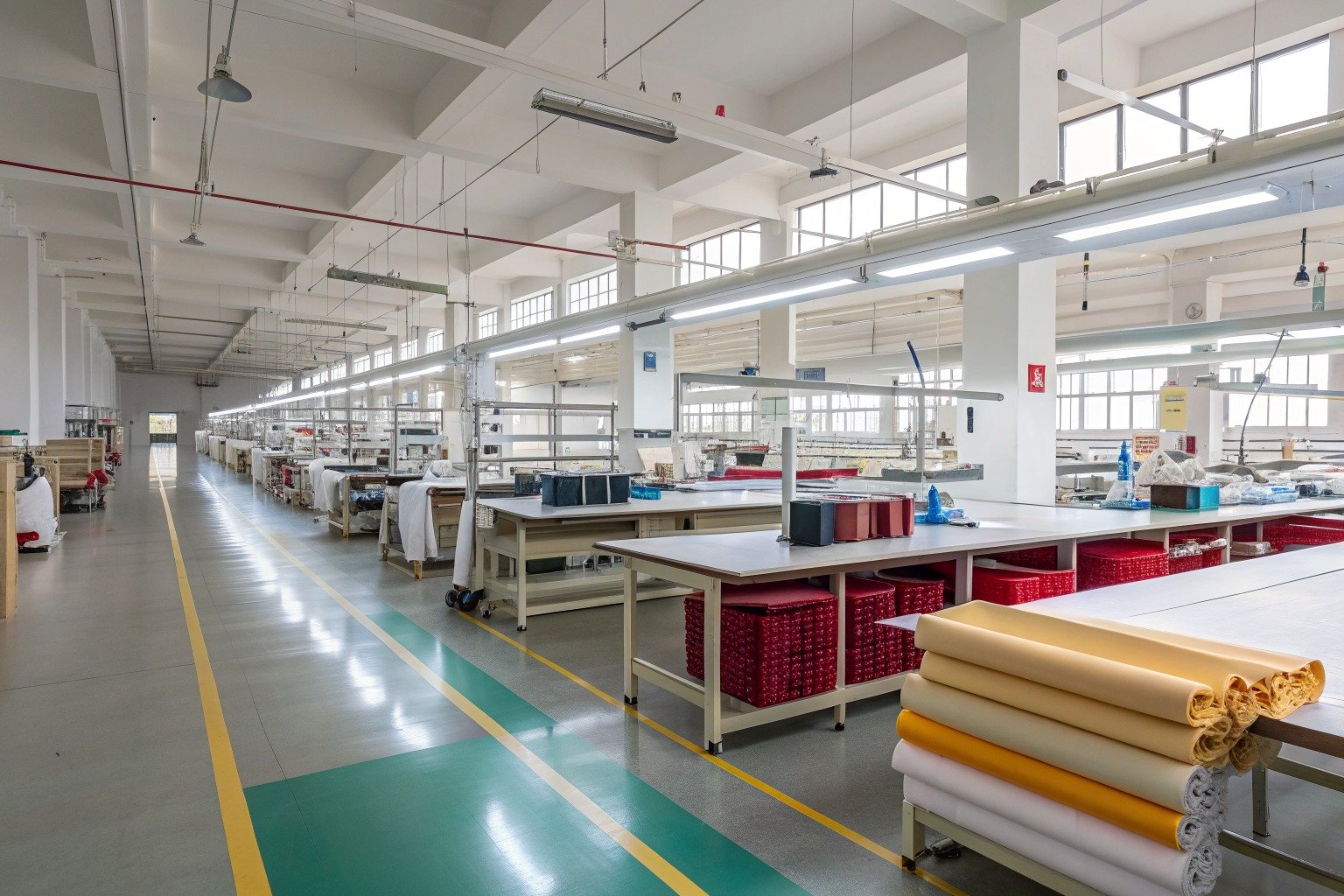
AceAccessory is a professional manufacturer and exporter of accessories. We can produce a sample of a custom printed drawstring bag in as fast as 3 to 5 working days, from receipt of approved artwork and confirmation of material selection, using a dedicated, in-house digital rapid prototyping cell that bypasses the standard production queue.
A sample is not just a product. It is a sales tool. It is the physical proof of your concept. It is the object the buyer touches, feels, and judges. In the fast-paced world of promotional products, events, and retail launches, the speed of the sample often determines the speed of the order. As a factory owner in Zhejiang, I have built a special "Sample Express" lane specifically for this purpose. I want to show you exactly how we compress the timeline without sacrificing a single detail.
What Is the Step-by-Step 3-Day Express Sample Process?
Speed requires a radical reorganization of the standard production flow. A normal order takes time because it waits in queues. It waits for the artwork department. It waits for the screen-making. It waits for the dye-sublimation calendar to heat up. Our express sample process eliminates all waiting. It is a dedicated, continuous workflow.
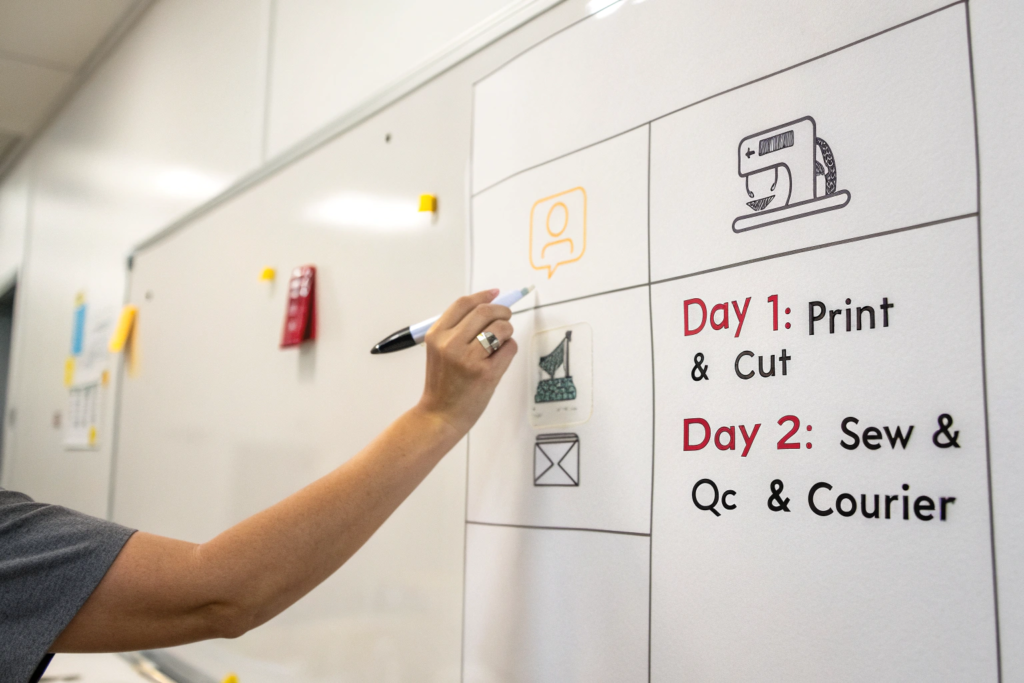
The clock starts when you send two things: the approved print-ready artwork and the confirmed material choice. Day 1 is printing and cutting. Your artwork file is reviewed by our pre-press technician immediately upon receipt. We check the resolution and the color profile. If the file is ready, it is loaded into our digital dye-sublimation printer. This printer does not need a screen. It prints your design directly onto a transfer paper. Within an hour, your design is printed. We then match the transfer paper with the fabric you selected, usually a soft, brushed polyester or a recycled PET. The fabric and the paper are fed into a heat press calendar. Under 200 degrees Celsius, the ink gasifies and bonds permanently into the fabric fibers. The printing is finished by lunchtime. In the afternoon, our cutter uses your digital pattern to laser-cut the printed fabric. The laser seals the edges to prevent fraying. By the end of Day 1, the printed and cut pieces are ready.
Day 2 is sewing and assembly. The pieces are handed directly to our senior sample machinist. She is not on the mass production line. She is dedicated to samples. She sews the bag, installing the drawstring cord and the cord lock. She sews the internal seams with a clean, french-seam finish. She attaches any custom labels. By the end of Day 2, the bag is physically complete.
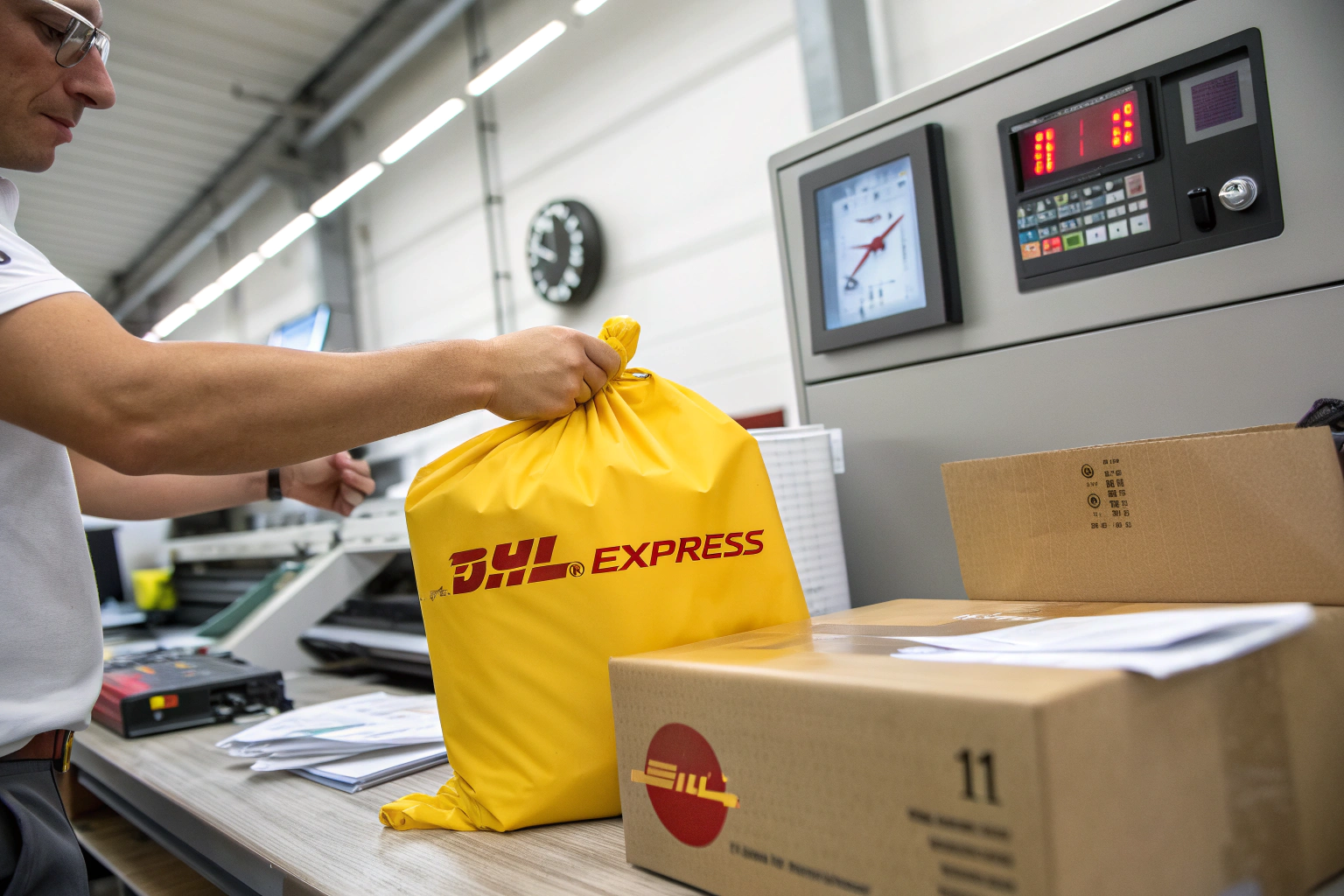
Day 3 is quality control and express shipping. Our QC inspector examines the sample under a daylight lamp. She checks the print alignment, the color accuracy against your Pantone reference, the seam strength, and the cord functionality. She photographs the bag and emails the inspection report to you. You approve the shipment. The bag is packed in a protective polybag and a sturdy cardboard box. We book an express courier, DHL, FedEx, or UPS, depending on your destination. The package is picked up that afternoon. It is in the air that night. The total in-factory time is 3 working days. Delivery to the US or Europe takes an additional 1 to 3 days. You can hold your sample within a week.
Why Is Dye-Sublimation the Fastest Printing Method for Samples?
Screen printing requires a screen. Making the screen takes a day. Digital dye-sublimation has zero setup time. The printer just reads the digital file and prints. The sublimation process takes 60 seconds per meter of fabric. The color is instantly dry. There is no post-curing. It is the ultimate on-demand printing technology. For a single sample, it is the only commercially viable fast method.
What If Your Artwork Is Not Print-Ready?
A low-resolution JPG will delay the process. The file will be rejected by the pre-press check. We will email you immediately and ask for a vector file. This back-and-forth can cost a precious day. To hit the 3-day window, we require a vector file in AI or EPS format, with all fonts outlined and colors specified as Pantone codes. We provide a detailed artwork guideline document to all our clients. This is the most important preparation you can do.
What Materials Are Available for the Express Sample Program?
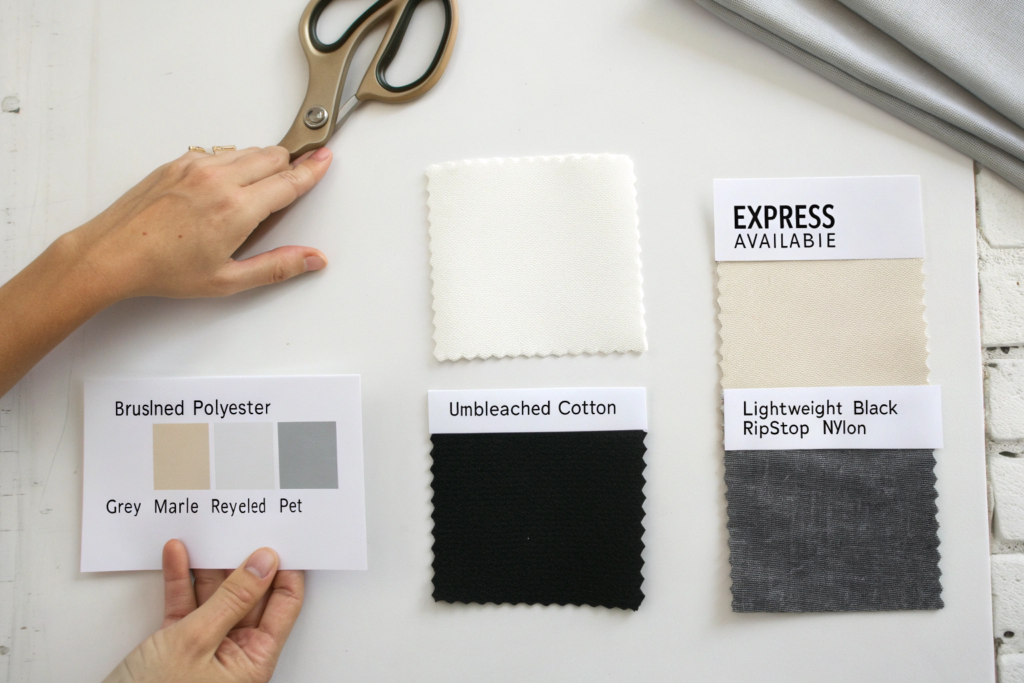
The express sample program works because we stock a curated library of the most popular drawstring bag materials. You cannot request a custom-developed, exotic fabric and expect a 3-day sample. The material must be on our express shelf.
Our express shelf has four core materials. The first is 210D brushed polyester. This is the standard, most popular choice. It is soft, durable, and prints vibrant colors. The second is 100% natural cotton canvas, pre-washed for softness. It gives a vintage, organic look. The print is slightly matte and subdued. The third is lightweight, siliconized ripstop nylon. This is the sporty, waterproof option. It is incredibly thin and packs down to nothing. The fourth is recycled PET fabric, made from post-consumer plastic bottles, GRS-certified. This is the eco-friendly option. All four are stocked in our express sample room in their undyed, white or natural state, ready for printing. The drawstring cords and cord locks are also stocked in a standard color palette, white, black, navy, and grey. If your design requires a specific, non-standard Pantone-matched cord, the sample will take an extra 2 days to source the cord. The express program works because of this material standardization. It provides the most popular, commercially relevant options for a fast decision.
Can You Do a Multi-Color Print on a Dark Fabric?
Dye-sublimation only works on white or light-colored polyester. The process dyes the fiber. It does not add a layer of white ink on top. Printing on a dark fabric requires a different process, like screen printing a white under-base. This process takes longer and is not available in the 3-day express program. We advise clients to use the white base fabric for the express sample to see the true color. The dark fabric version can be sampled later in a normal timeline.
What Is the Standard Drawstring Cord and Closure Option?
The standard is a matching or contrasting polyester round drawstring cord, 5mm thick, with a spring-loaded plastic barrel cord lock. The cord is threaded through a top hem channel. This is the classic gym bag closure. It is reliable and instantly familiar to the end-user. We stock these components in basic colors. The express sample includes this standard closure.
How Do You Ensure the Sample Matches the Future Bulk Production?
A common fear is that a fast sample will look completely different from the final bulk order. The sample will be "too good." This fear is valid if the sample is made by a different team using a different method. Our solution is to use the same core technology.
Our express sample uses the same digital dye-sublimation process and the same fabric stock as our digital bulk production. If you approve the express sample and later order a small batch of 100 pieces, the process is identical. The color profile, the heat press temperature, and the paper type are all the same. The only difference is that the sample is cut by hand and sewn by the sample machinist, while the bulk order is cut by a computer-controlled machine and sewn on a production line. This can result in a slight difference in the sewing stitch length and the seam finish. We acknowledge this reality. The sample machinist uses the exact stitch-per-inch specification that the production line will use. She sews at the same speed. The sample is the approved reference standard. It is placed in a sealed bag. The production line supervisor is required to match the sample’s sewing quality, not exceed it. The final bulk QC inspection is a direct comparison with the sealed sample. This "golden sample" reference system guarantees that the fast sample is the true preview of the bulk product.
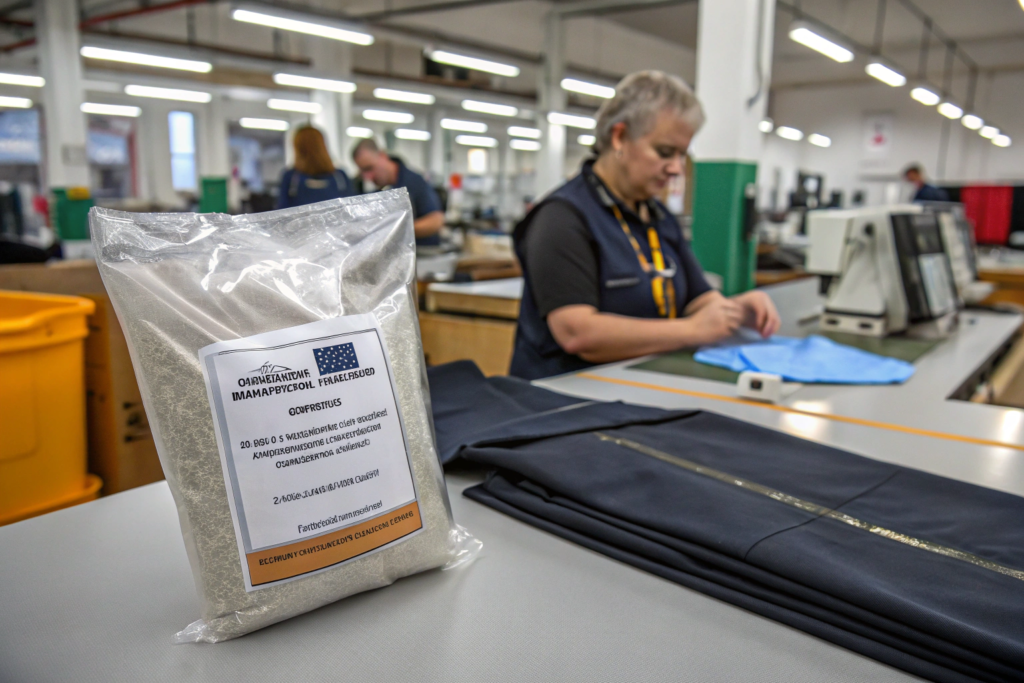
What Is a Spectrophotometer and How Does It Guarantee Color?
A spectrophotometer is an electronic instrument that measures the color of a physical object. It shines a calibrated light on the fabric and analyzes the reflected spectrum. It gives a numerical color reading, usually in CIELAB values. We measure the sample. We measure the bulk production. The difference is expressed as a Delta-E value. A Delta-E of less than 1.0 is considered a perfect match, invisible to the human eye. We record the Delta-E value on the QC report.
Why Is the "Golden Sample" Reference So Important?
It removes subjectivity. The inspector does not rely on memory. They hold the production piece next to the approved sample. Any deviation in stitching, cord color, or label placement is immediately obvious. This is the standard method for quality control in the garment industry. It is the legal and commercial benchmark.
How Is the Express Sample Packaged for Maximum Impact?
The express sample is not just a proof of concept. It is your sales tool. It is likely going straight from your hands into the buyer’s hands. Its presentation matters. The packaging must convey the quality of your brand and the professionalism of your manufacturing partner.
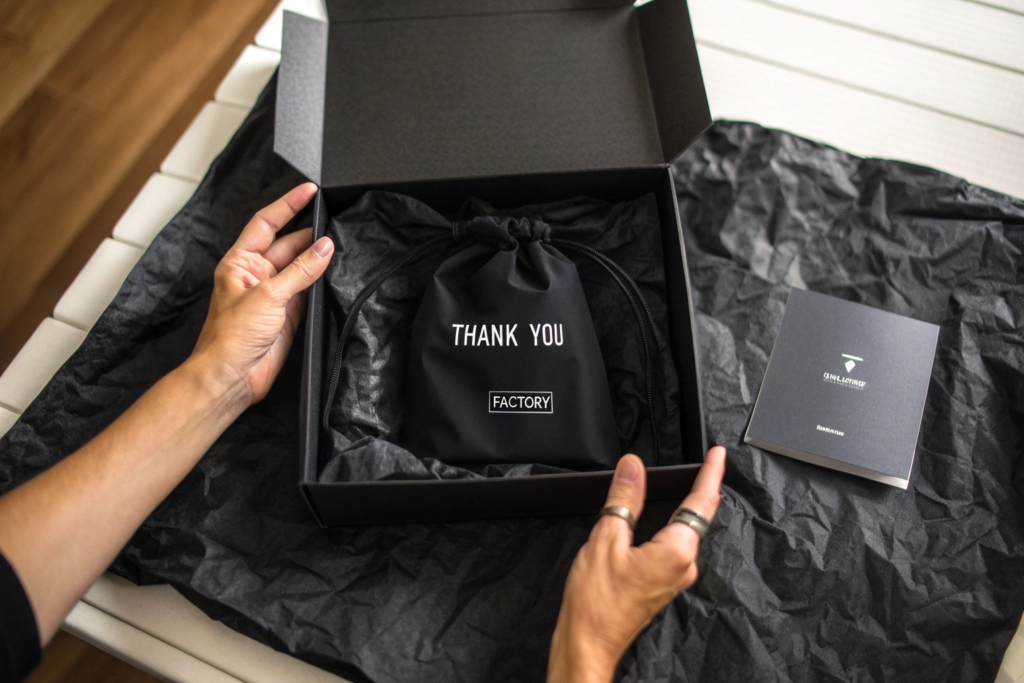
We use a premium sample packaging protocol. The drawstring bag is inspected, and any loose threads are trimmed. It is then lightly steamed to remove any fold creases from sewing. It is folded neatly with acid-free tissue paper to prevent color transfer. It is placed in a sleek, matte black or white rigid cardboard box. The box is custom-sized to fit the bag perfectly, so it does not slide around. Inside the box, we include a printed one-page summary: your company name, the style number, the material specification, and the date. This document turns the sample into a professional submission. We also include a small fabric swatch card, a sample of the hang tag if applicable, and our business card. The box is sealed with a branded sticker. The courier label is placed on the outside. The result is a sample that arrives looking like a final, retail-ready product. It elevates your presentation. It demonstrates your attention to detail. It significantly increases the probability of winning the order.
Why Is a Steam Press Part of the Sampling Process?
Fabric has a memory. It holds the creases from the sewing process. A creased sample looks sloppy and unfinished. A steam press relaxes the fabric fibers and removes those temporary creases. The sample looks crisp and professional. This is a 5-minute step that has a huge impact on the perceived quality. We never skip it.
What Documents Should Accompany a Professional Sample?
The one-page summary is the minimum. For a more complex product, we also include a detailed QC report, a material certification sheet (like the OEKO-TEX certificate), and a care label sample. This documentation demonstrates that the factory has the quality systems to back up the sample. It answers the buyer’s technical questions before they ask. It saves time and builds confidence.
Conclusion
The speed of a custom printed drawstring bag sample is a function of a dedicated process, not a rushed job. Our 3-day express program works because we maintain a stocked material library of the most popular fabrics, cords, and closures. We use a zero-setup digital dye-sublimation printer that prints directly from your approved vector file. We have a dedicated senior sample machinist and a QC inspector who prioritize the sample above all other work. The sample is color-matched with a spectrophotometer and packaged in a premium presentation box.
The result is a physical sales tool in your hand within a week, a sample that accurately represents the final bulk production and is presented in a way that elevates your brand.
In our Zhejiang factory, the "Sample Express" cell is a permanent, dedicated unit. We know that a fast, perfect sample is often the deciding factor in winning a new client.
If you have a design file ready and need a sample urgently for a buyer meeting, a trade show, or a Kickstarter campaign photo shoot, I invite you to contact our Business Director, Elaine immediately. She can confirm the material stock and provide the artwork guideline. She can give you a guaranteed delivery date. Send her an email at elaine@fumaoclothing.com. Let us turn your digital design into a physical reality overnight.