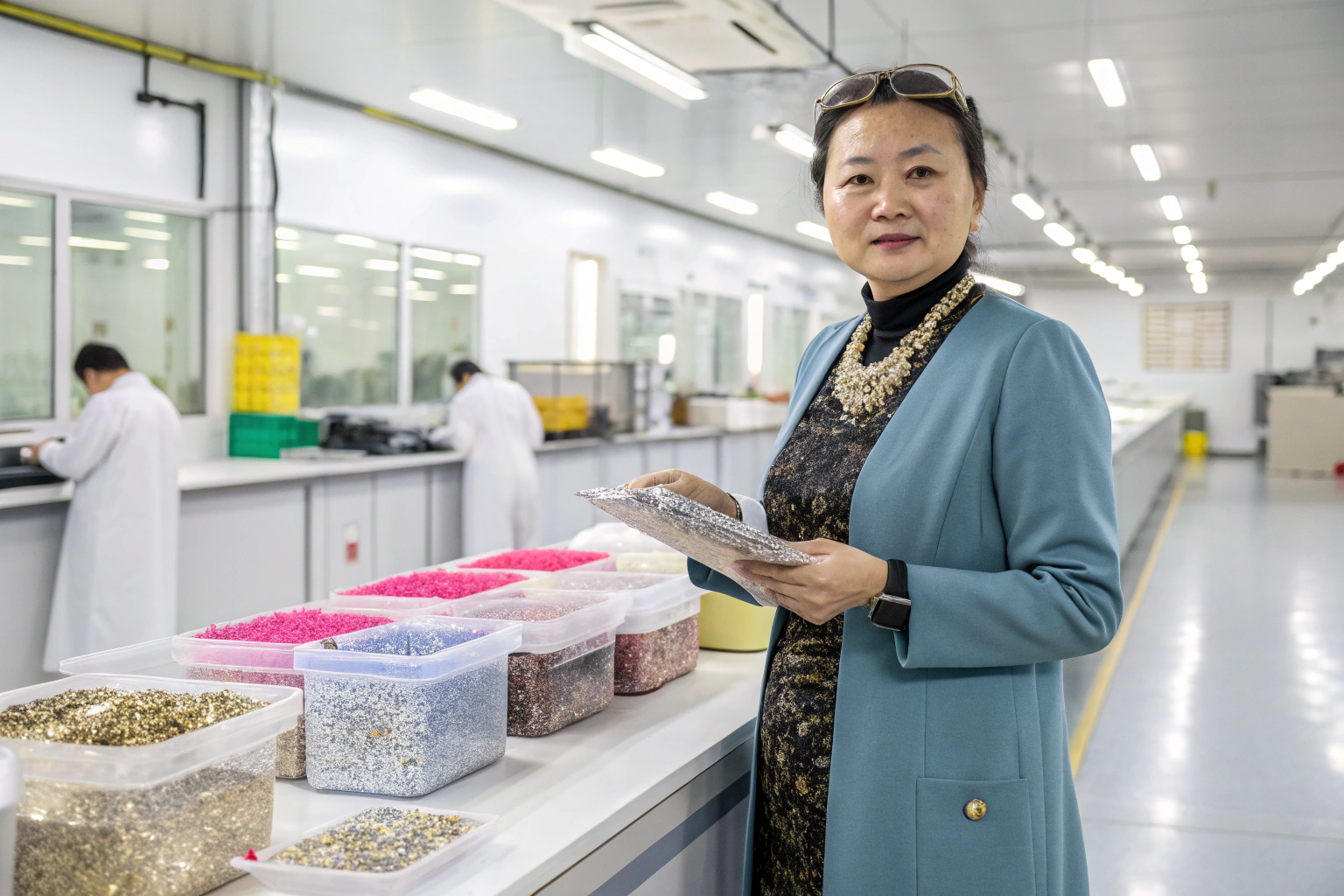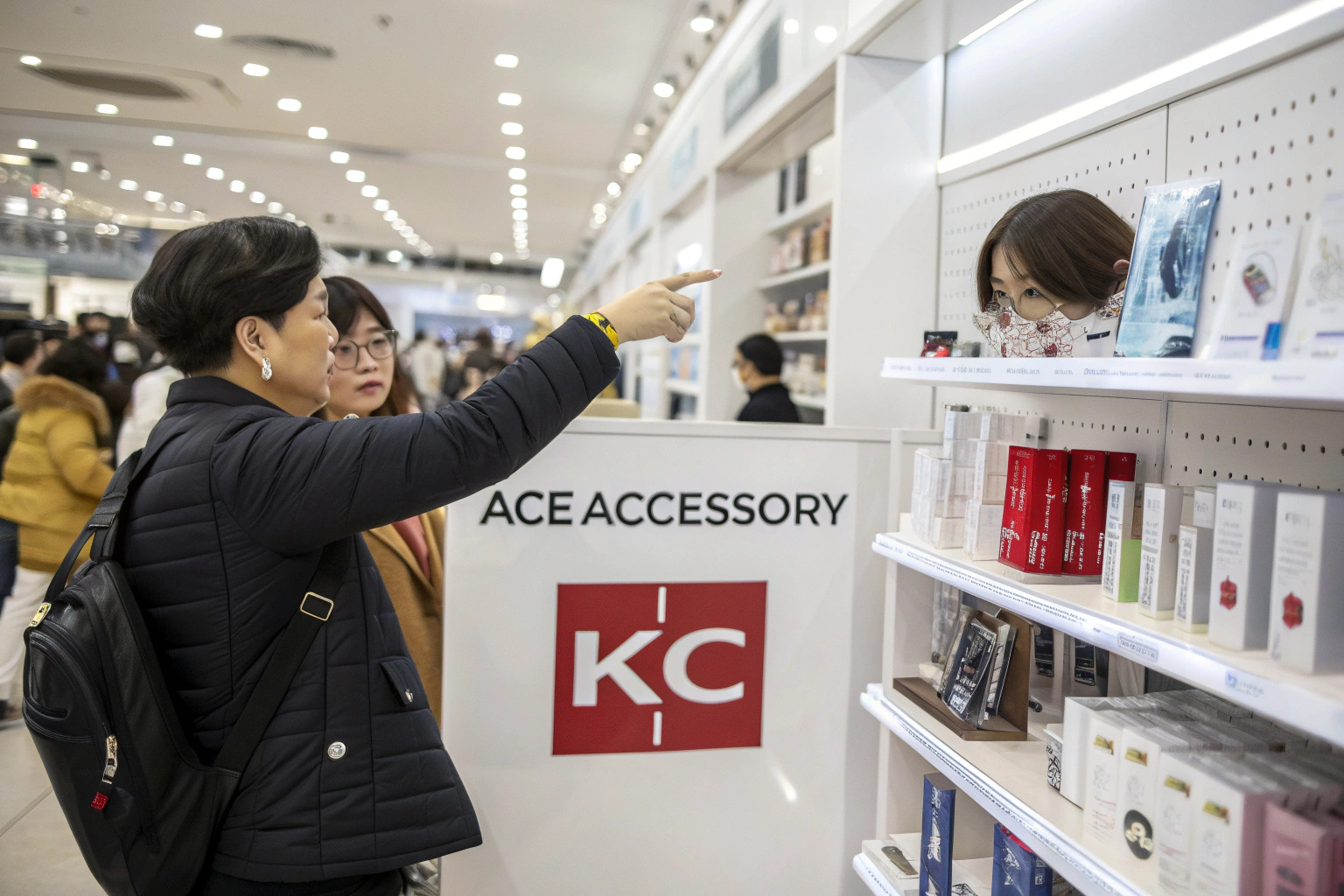
When we entered the South Korean market, one of the first questions buyers asked us was: “Do your products meet KC standards?” Without the KC mark, goods can be stopped at customs, rejected by retailers, or fined by regulators. For AceAccessory, compliance with KC marking became not just a requirement but a core part of our export strategy.
AceAccessory ensures KC compliance by working with KOLAS-accredited laboratories, maintaining conformity assessment documentation, applying correct labeling, and training our quality control team on South Korea’s regulatory updates.
Through these systems, we help clients avoid clearance risks, ensure smooth distribution, and strengthen trust with Korean buyers.
What Is KC Marking and Why Does It Matter?
The KC (Korea Certification) mark is South Korea’s unified safety certification. It demonstrates that a product complies with national laws covering safety, environment, and consumer health.
KC marking matters because it legally authorizes products to enter the Korean market and reassures buyers that goods meet regulated safety standards.
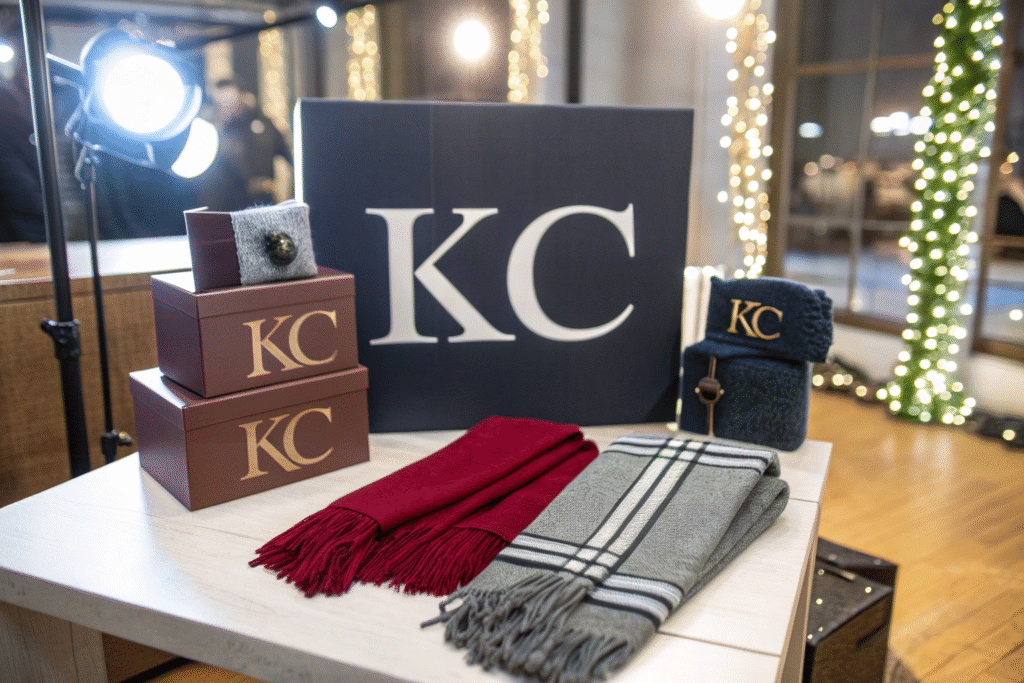
What regulations cover KC marking?
For accessories, compliance mainly relates to the Electrical Appliances and Consumer Products Safety Control Act and relevant Korean Industrial Standards (KS). Oversight is managed by the Korean Agency for Technology and Standards (KATS).
Why is this critical for importers?
Retailers and online platforms such as Coupang require KC certificates before accepting goods. Non-compliant shipments risk customs seizure, brand penalties, or removal from retail channels.
How Does AceAccessory Handle Testing and Certification?
Testing is the foundation of KC compliance. Without official test results, certification is impossible.
AceAccessory partners with KOLAS-accredited labs such as SGS and KTR to conduct safety, chemical, and flammability tests on accessory products.
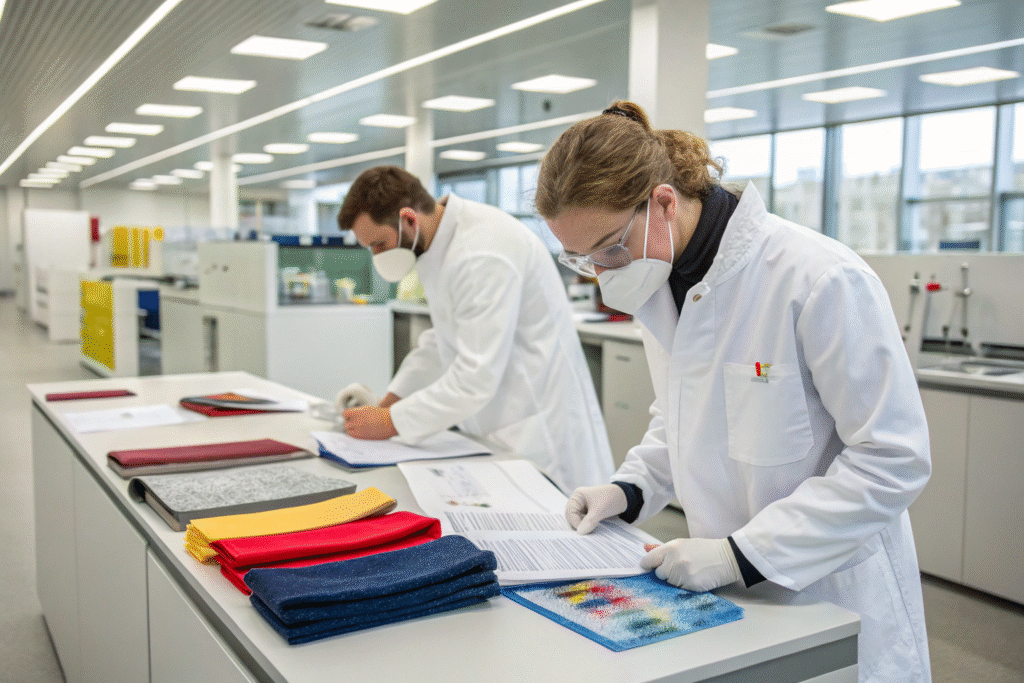
Which laboratories are trusted?
We work with global labs like SGS and national bodies like KTR (Korea Testing & Research Institute). Their reports are accepted by Korean authorities as proof of conformity.
How frequently is testing done?
For new product SKUs, every production lot undergoes full testing. For recurring SKUs, we perform periodic conformity audits and random sampling to ensure continuous compliance. This avoids non-conformity due to supplier changes or material variation.
What Documentation and Labeling Are Required?
Passing lab tests alone does not complete KC certification. Proper documentation and labeling are equally important.
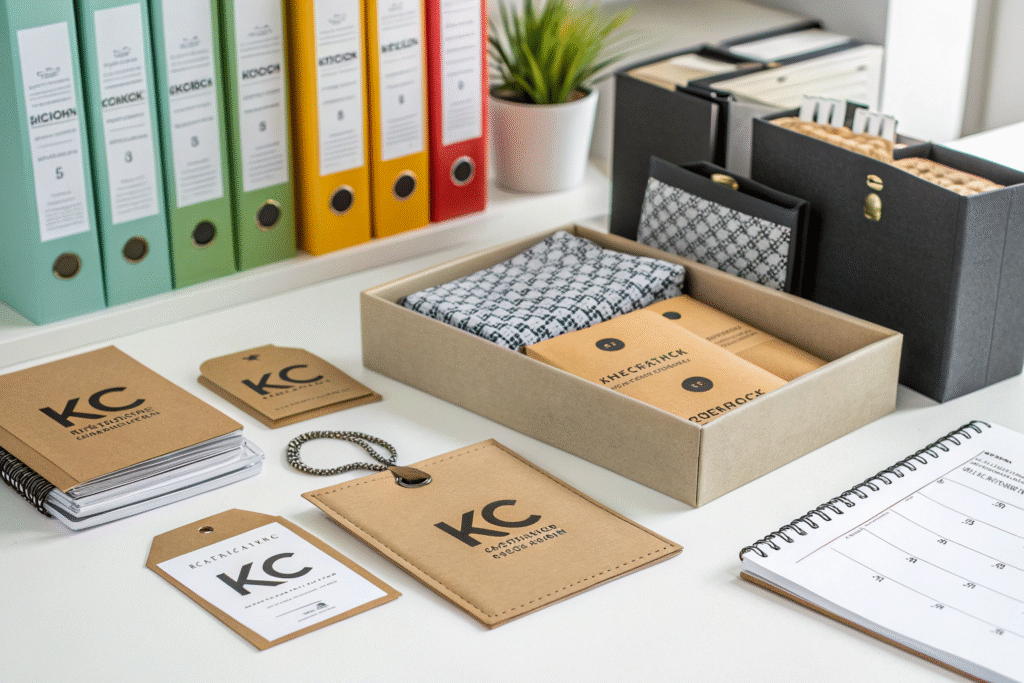
AceAccessory prepares KC Safety Confirmation Certificates, accredited test reports, and applies official KC labels on packaging in both Korean and English.
Which documents are mandatory?
According to Korean Customs Service, essential documents include Safety Confirmation Certificates, accredited test results, and Korean-language consumer instructions.
How is labeling managed?
KC marks are printed on product packaging and hangtags. Care labels for textiles and accessories include safety instructions in Korean. This ensures compliance throughout the distribution chain—from customs clearance to retail shelves.
How Does AceAccessory Train QC and Compliance Teams?
KC compliance is not static. Regulations are updated frequently, so staff training is essential.
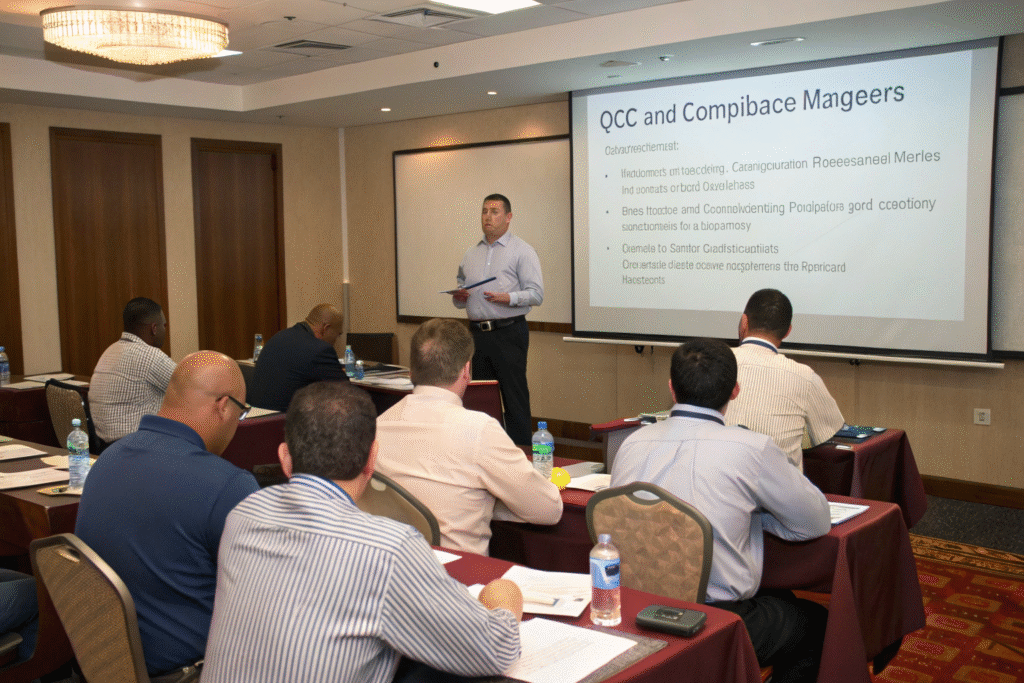
Our QC and compliance managers undergo regular training on KC standards, regulatory updates, and third-party audit procedures.
How are staff trained?
We invite compliance experts from SGS and Intertek to train managers on KC requirements. Training includes chemical safety awareness, documentation review, and packaging checks.
How do audits strengthen compliance?
We perform internal audits and commission third-party audits from Intertek. These external reviews verify compliance before goods are shipped, giving clients confidence in regulatory reliability.
Conclusion
KC marking is not optional—it is mandatory for accessing South Korea’s market. At AceAccessory, we manage compliance systematically: accredited lab testing, certified documentation, proper labeling, and trained compliance staff.
This structured approach ensures our accessories meet Korean safety requirements and reach retailers without disruption. If you want a reliable KC-compliant partner for accessories, contact our Business Director Elaine at elaine@fumaoclothing.com.