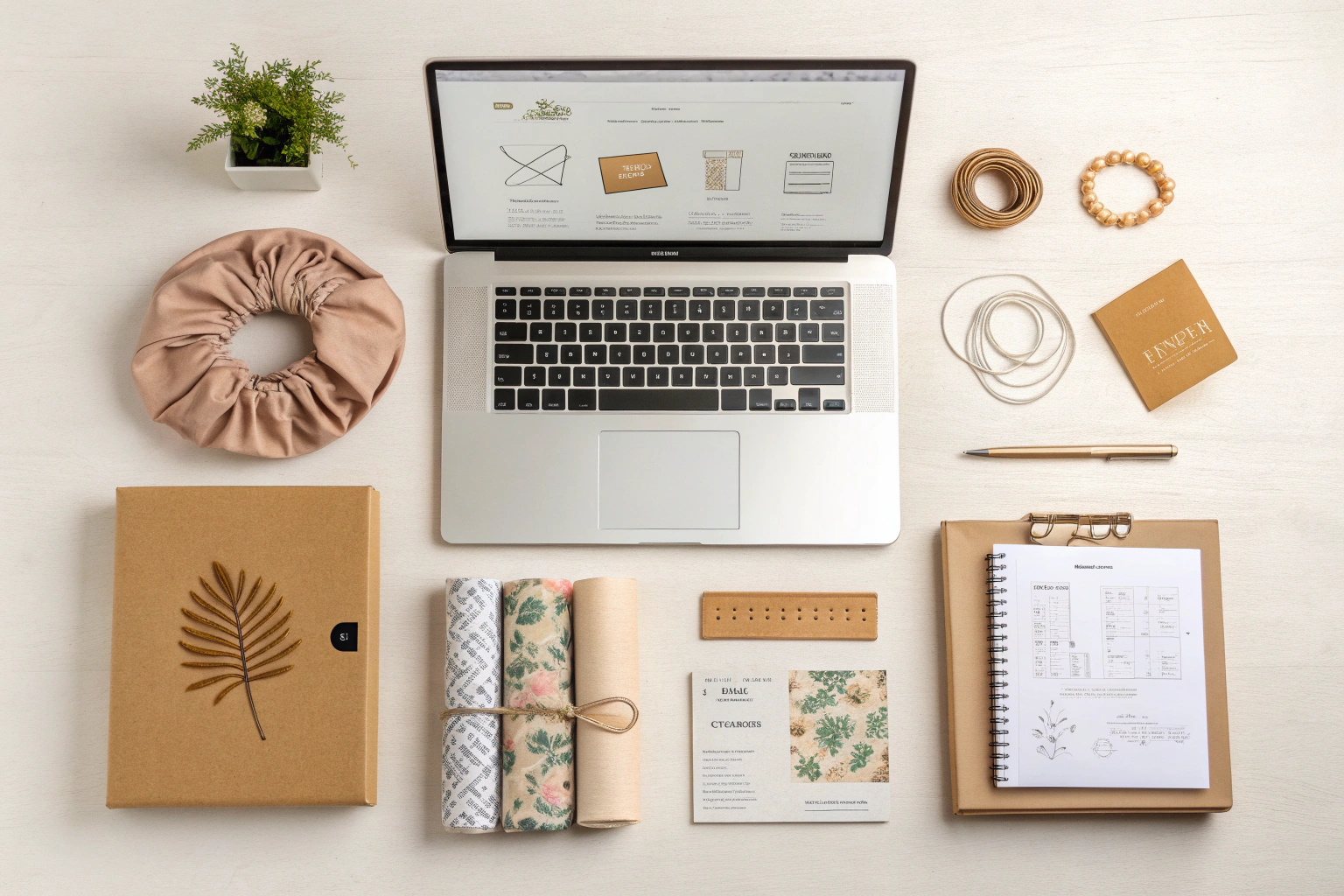
Are you an aspiring entrepreneur like Ron, with a great eye for style and a passion for hair accessories? You see the booming market, the viral trends on TikTok, and you have a vision for your own brand. But the path from a great idea to a thriving online boutique seems daunting. Where do you even begin? You're worried about finding your niche, sourcing quality products, and navigating the complexities of e-commerce and marketing.
To start a successful online hair accessory boutique, you must follow a strategic, multi-step plan: first, define a unique brand niche; second, secure a reliable, high-quality manufacturing partner; third, build a user-friendly e-commerce website; and finally, execute a targeted digital marketing strategy. It's not just about selling pretty things; it's about building a real business, brick by brick.
As someone who has helped launch hundreds of accessory brands from the ground up, I've seen what separates the successful boutiques from the ones that fade away. It's always a combination of a unique vision and a solid, executable plan. At Shanghai Fumao Clothing, we do more than just manufacture; we act as a strategic partner to guide our clients through this journey. Let's walk through the essential steps to turn your vision into a profitable reality.
How Do You Find Your Unique Brand Niche?
The hair accessory market is crowded. You cannot be everything to everyone. Your first and most important task is to decide who you are and who you are selling to. How do you carve out a unique space for your brand to thrive?
You find your niche by identifying a specific target customer and a distinct aesthetic or problem to solve, rather than trying to sell generic accessories to a broad audience.
I've seen clients succeed by focusing narrowly. One client built an entire, highly profitable brand around just minimalist, metal-based hair accessories for professional women. Another focused exclusively on oversized, statement scrunchies made from luxury fabrics. They succeeded because they became the go-to brand for a specific need. This focus is the foundation upon which you will build everything else, especially your product sourcing strategy.
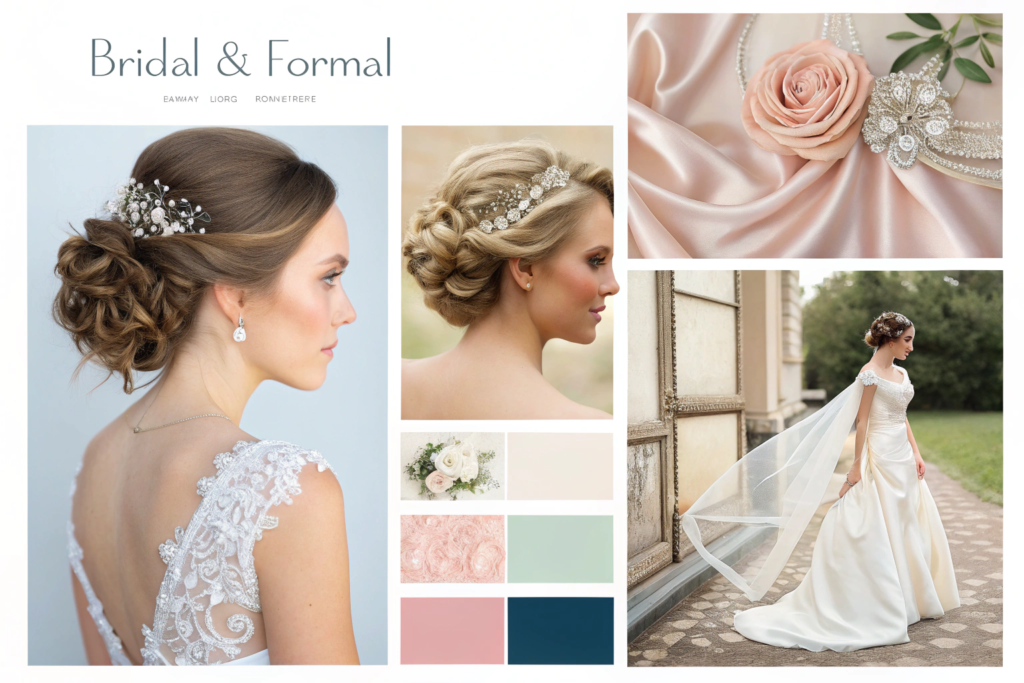
What are some potential niches?
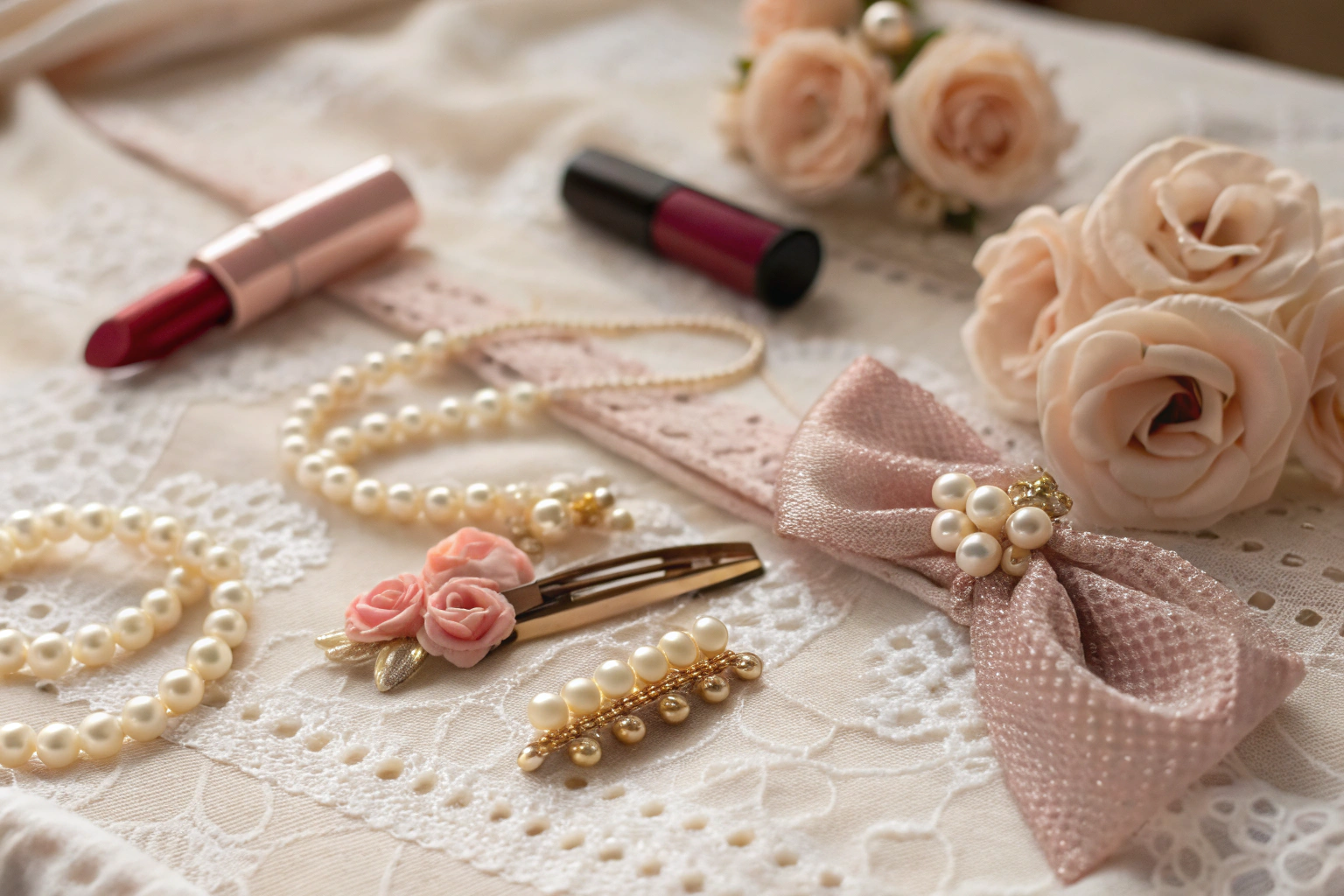
- Bridal & Formalwear: Focusing on elegant, high-end pieces with pearls, crystals, and delicate metals.
- Sustainable & Eco-Friendly: Using materials like organic cotton, recycled fabrics, and biodegradable plastics.
- Children's Accessories: Bright, fun, durable, and safe accessories for kids.
- Vintage-Inspired: Recreating styles from specific eras like the 20s, 60s, or 90s.
- Minimalist & Modern: Clean lines, geometric shapes, and neutral color palettes.
Market research platforms like Google Trends and social media sites like Pinterest are excellent tools for exploring the popularity and visual language of these different niches.
How do you validate your niche?
Once you have an idea, do some research. Are there active communities or hashtags on Instagram and TikTok related to this niche? Are there successful brands already in this space (competition is a good sign that a market exists)? Can you identify specific influencers who serve this audience? This initial research, as detailed by business resources like Shopify's blog, is crucial to ensure you're building on solid ground.
How Do You Find a Reliable Manufacturer?
Your brand is just an idea until you have a physical product. This is often the most intimidating step for new entrepreneurs. How do you find a partner who can take your vision and turn it into a high-quality, tangible product?
To find a reliable manufacturer, you must look for a partner with proven experience in your specific product category, transparent communication, and a robust quality management system. Don't just look for the lowest price. Look for a partner who asks smart questions, offers material suggestions, and is invested in your success. This partnership is the most important relationship in your business.
This is the core of our business at Shanghai Fumao Clothing. We don't just take orders. We guide our clients. When a client comes to us with a sketch for a new hair clip, we advise them on the best type of acetate, the most durable spring mechanism, and the most cost-effective way to produce it without sacrificing quality. A good manufacturer is a consultant, not just a vendor. This collaborative approach is essential for a smooth transition to building your online store.

Where can you find manufacturers?
- B2B Marketplaces: Sites like Alibaba are a common starting point, but require careful vetting.
- Referrals & Networks: Ask other entrepreneurs in non-competing industries for recommendations.
- Direct Outreach: Find brands you admire and do some research to find their manufacturing region, then search for top-tier factories in that area.
- Partnering with a Full-Service Manufacturer: Companies like ours offer a one-stop solution from design development to final production.
What questions should you ask a potential manufacturer?
- "What is your Minimum Order Quantity (MOQ)?"
- "Can you share examples of similar products you have made?"
- "What is your quality control process?"
- "What is your lead time for samples and for mass production?"
- "Can you help with sourcing unique materials?"
Sourcing platforms like Sourcify offer excellent guides on how to vet and communicate with potential factory partners.
How Do You Build Your Online Store?
You have your brand and your product. Now you need a "storefront" where customers can find you and make a purchase. How do you create a beautiful and functional online store without needing to be a web developer?
You can build a professional online store easily and affordably by using an all-in-one e-commerce platform like Shopify or Squarespace. These platforms are specifically designed for entrepreneurs and provide user-friendly templates, secure payment processing, and all the tools you need to manage your products, orders, and customers without writing a single line of code.
I always advise my clients to start with a platform like Shopify. It's the industry standard for a reason. It allows you to get a beautiful, world-class store up and running in a matter of days, not months. This allows you to focus your energy on what you do best: curating your products and marketing your brand. Don't get bogged down trying to build a custom website from scratch in the beginning.
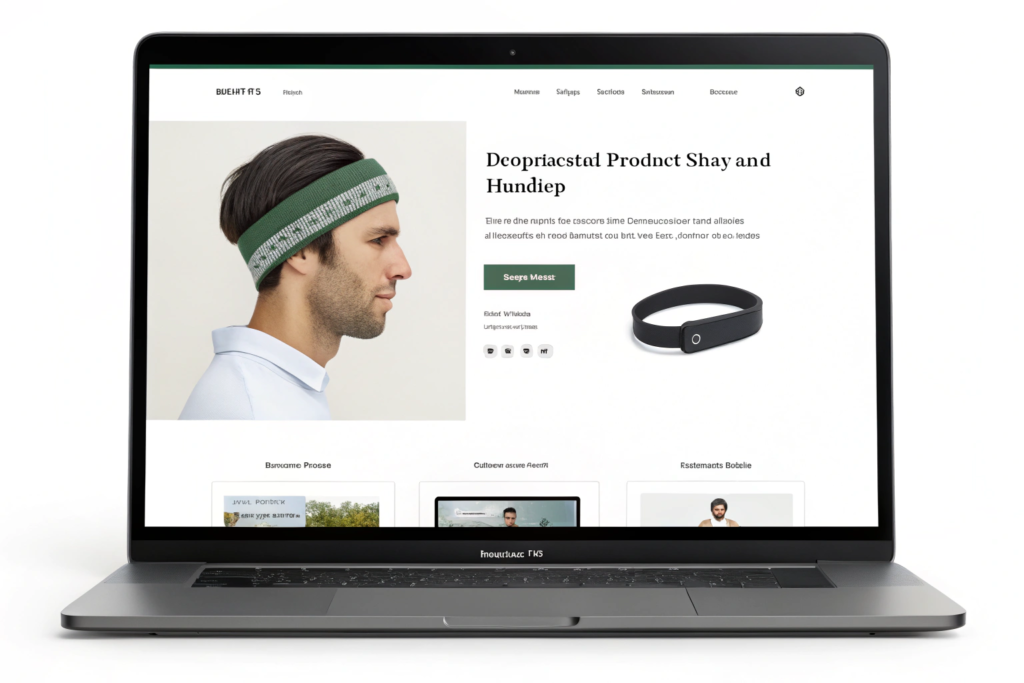
What are the essential elements of your online store?
- High-Quality Product Photography: This is your most important asset. Your photos must be clear, well-lit, and show the accessories from multiple angles, including on a model.
- Compelling Product Descriptions: Don't just list the material. Tell a story. Describe how the accessory feels, how it can be styled, and how it will make the customer feel.
- Easy Navigation: Your customers should be able to easily find what they're looking for. Keep your categories simple and your checkout process streamlined.
- A Clear Brand Story: Have an "About Us" page that tells your story and explains what makes your brand special.
E-commerce giants like BigCommerce and Shopify provide countless free resources and tutorials on how to optimize your online store for sales.
How Do You Market Your New Boutique?
Your beautiful store is open, but how do you get people to visit? In today's digital world, "if you build it, they will come" is not a strategy. You need a proactive plan to attract your target customers.
You should market your new boutique by focusing on visual, social media platforms where your niche audience is most active, primarily Instagram, TikTok, and Pinterest. The key is to create authentic, engaging content that showcases your products in action and builds a community around your brand, rather than just posting static product shots.
Marketing is storytelling at scale. The most successful brands we work with are masters of social media. They collaborate with influencers who genuinely love their products. They create their own "How to Style" videos. They run user-generated content (UGC) campaigns, encouraging customers to share photos of themselves wearing the accessories. This creates social proof and a sense of community that is far more powerful than any traditional ad.
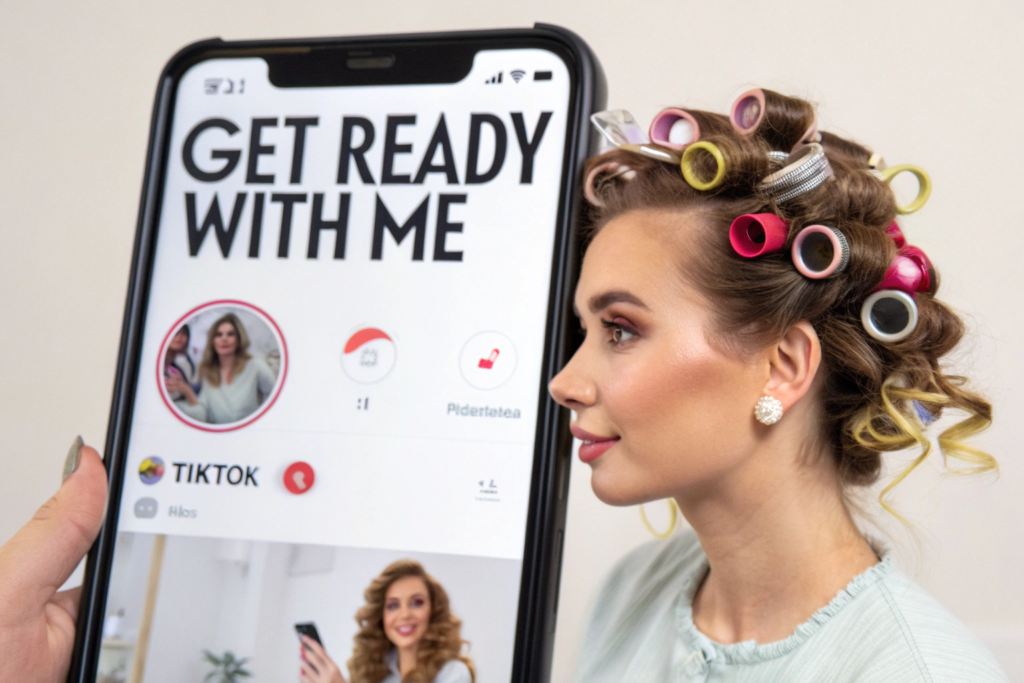
What content should you create?
- Styling Tutorials: Show 3-5 different ways to wear a single headband or scarf. This provides value and inspiration.
- Behind-the-Scenes: Share snippets of your design process, your packaging, or a day in the life of your brand. This builds authenticity.
- User-Generated Content: Repost your customers' beautiful photos (with permission!). This is the most powerful form of social proof.
- Collaborate with Influencers: Partner with micro-influencers who align with your brand's niche for authentic reviews and exposure.
Social media marketing platforms like Later and Hootsuite offer fantastic, up-to-date guides on creating effective content strategies for these platforms.
Conclusion
Starting an online hair accessory boutique is an exciting journey that combines creative passion with smart business strategy. By first defining your unique niche, you give your brand a clear voice. By finding a reliable manufacturing partner, you ensure your vision is realized with quality. By building a user-friendly online store, you create a seamless path to purchase. And by executing a targeted marketing plan, you attract a loyal community of customers. Each step builds upon the last, creating a strong foundation for a profitable and sustainable brand.
At Shanghai Fumao Clothing, we see ourselves as more than just a manufacturer; we are a launchpad for entrepreneurial dreams. We provide the product expertise, quality production, and strategic guidance to help you navigate this journey with confidence.
If you have a vision for a hair accessory brand and are looking for a partner to help you bring it to life, we would be honored to be a part of your story. Please contact our Business Director, Elaine, at her email: elaine@fumaoclothing.com, to get started.