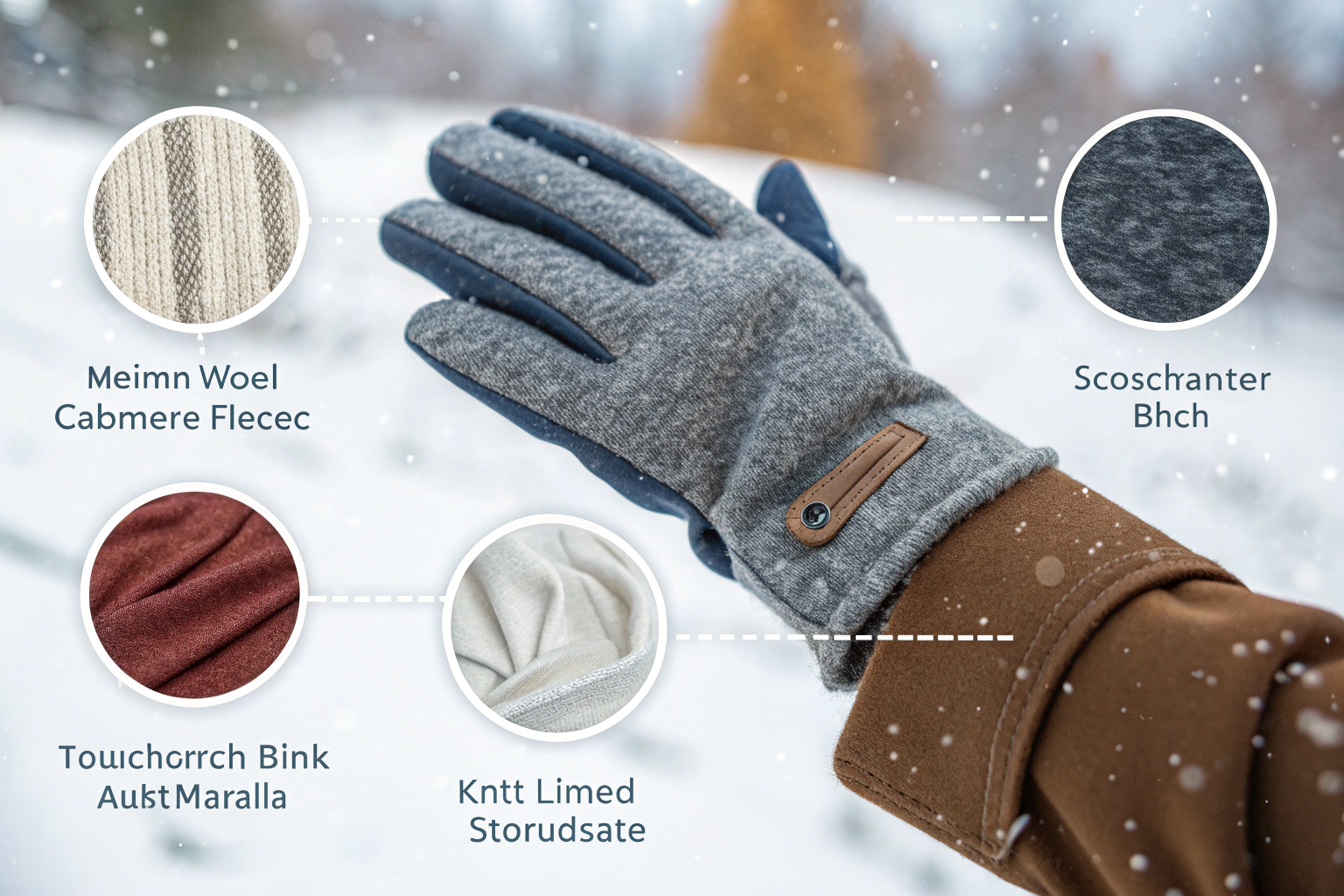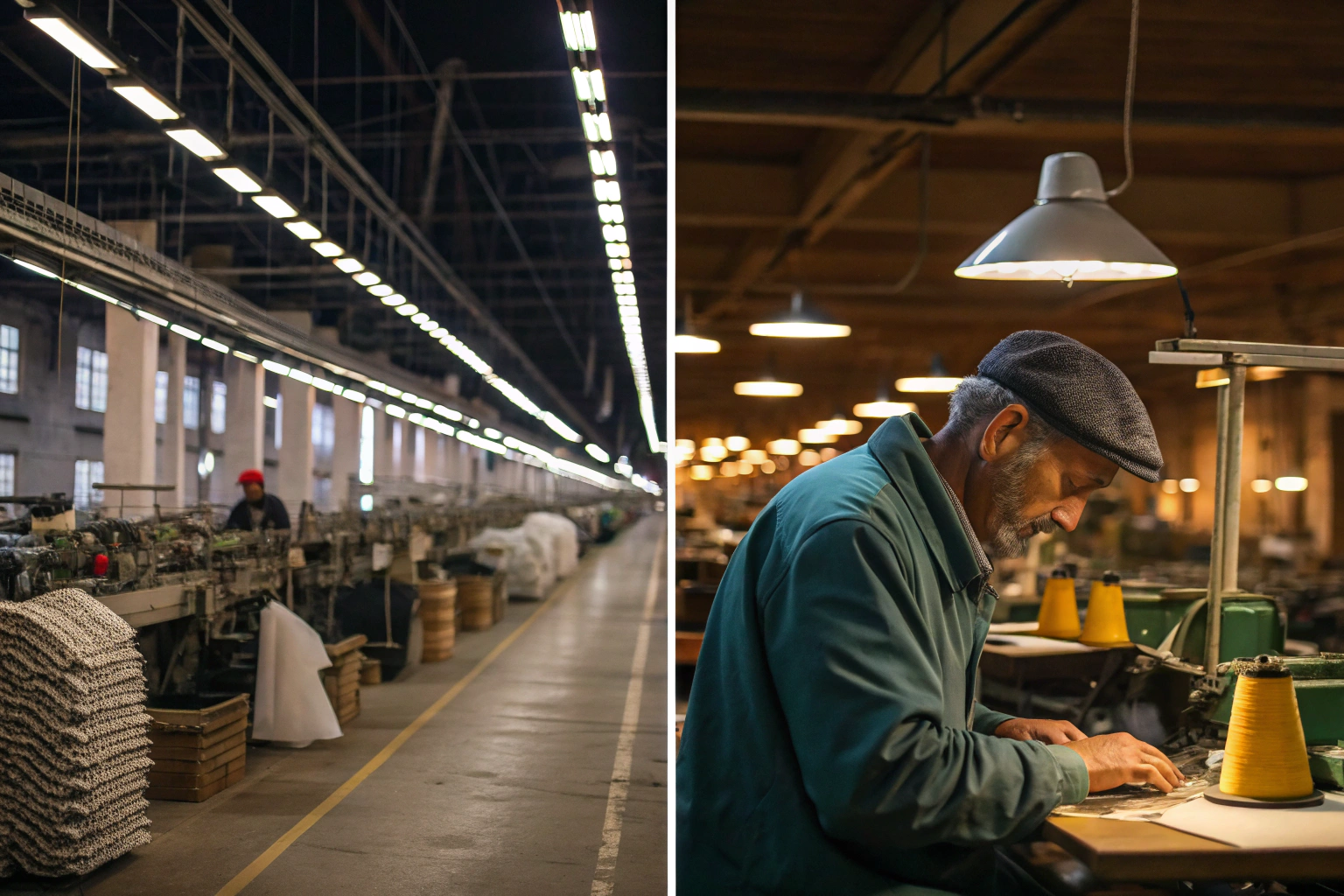
As a professional buyer like Ron, you know that the moment of greatest anxiety in the import process is right before you send that final payment. Your goods—thousands of them—are packed in cartons, sitting in a factory warehouse halfway across the world. Are they correct? Do they meet the quality standard you signed off on months ago? Releasing that final 30-70% of the payment is a leap of faith. But it doesn't have to be. A professional, pre-shipment inspection is not a luxury; it's a mandatory step for any serious buyer. So, how do you organize one effectively?
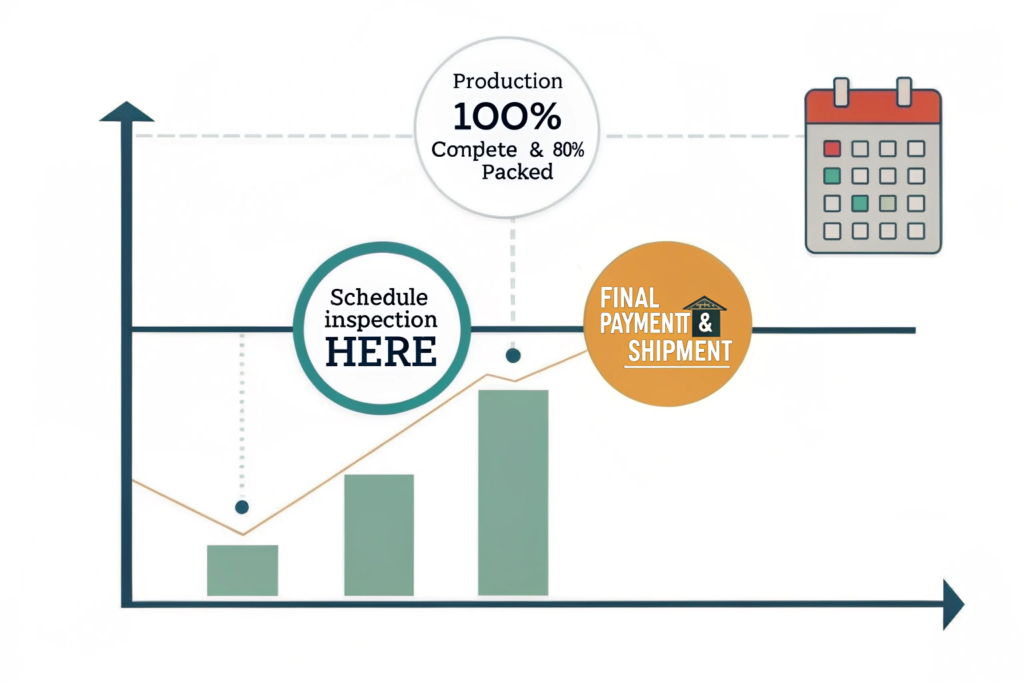
To organize a QC inspection effectively, you must follow a structured, four-step process: first, define your exact quality standards in a detailed QC Checklist; second, hire a reputable third-party inspection company; third, schedule the inspection with your factory after 100% of the goods are produced and at least 80% are packed; and fourth, receive and review the detailed inspection report before authorizing the final payment and shipment. This process replaces hope with data, giving you the confidence to make an informed financial decision.
From my side as a manufacturer, I welcome this process. A professional inspection protects everyone. It protects you from quality issues, and it protects me from unfair claims. At Shanghai Fumao Clothing, we've built our reputation on transparency and quality, and we are proud to have our work verified. A good factory is not afraid of being inspected. Let me walk you through how to set up this critical process for success.
What Is a QC Checklist and Why Is It Your Most Important Tool?
You cannot inspect a product if you haven't defined what "good" looks like. An inspector needs a detailed, objective guide to follow.
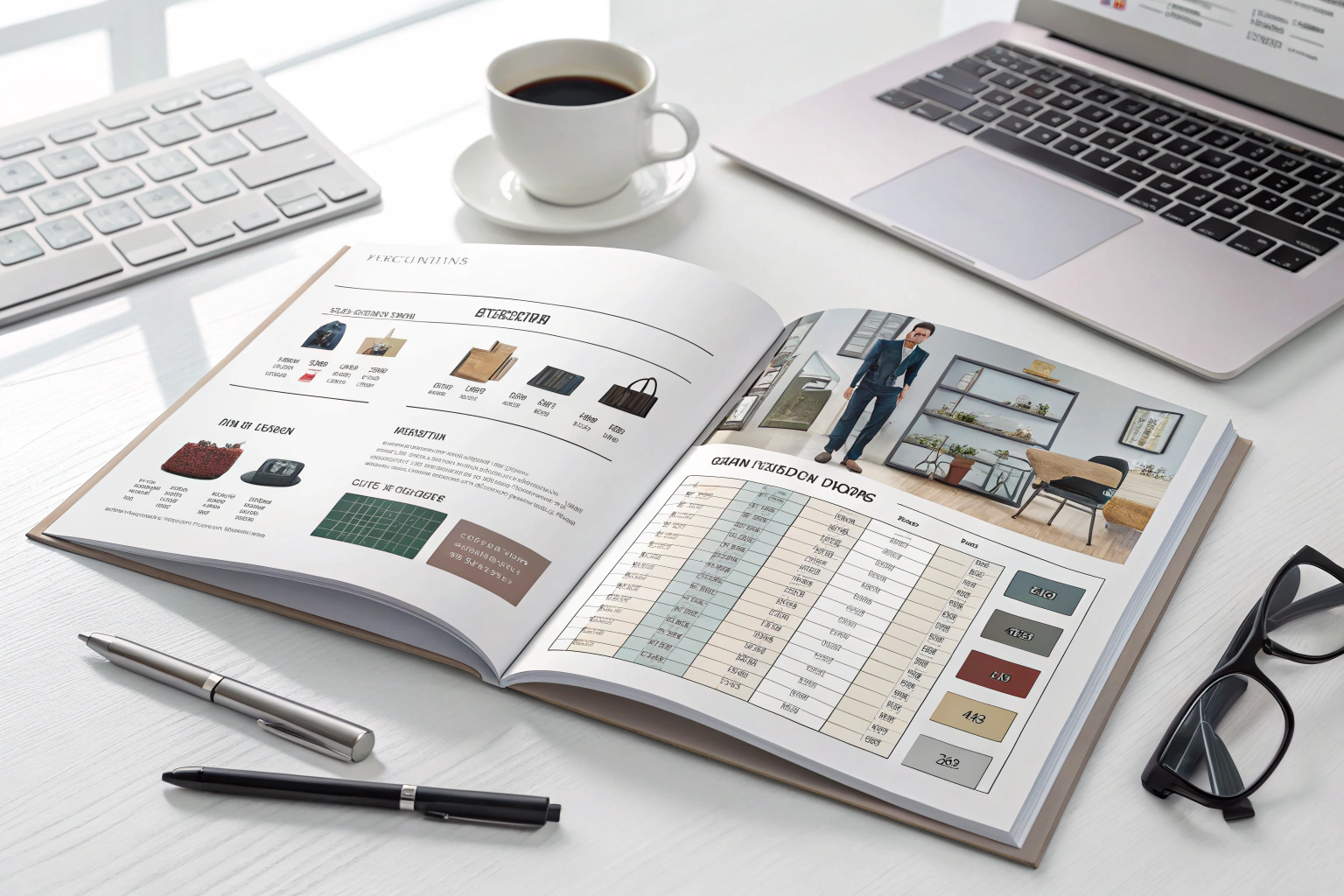
A QC Checklist is a detailed document that you create, which precisely defines all the specifications, potential defects, and testing protocols for your product. It is the single most important tool for the inspection, as it transforms a subjective "quality check" into an objective, data-driven audit. The inspector will follow your checklist exactly.
This is your homework. You cannot expect an inspector to just "know" what's important to you. Your checklist must be incredibly specific. For a baseball cap, it's not enough to say "check the logo." You must specify: "Logo Embroidery: Check for color match to Pantone 18-1664 TPX. Check for loose threads. Measure logo height; must be 5cm +/- 2mm." The more detailed your checklist, the more thorough your inspection will be. This document is the foundation of the entire process and must be finalized before you can effectively hire an inspection company.

What should be on a good QC checklist?
- Product Specs: Dimensions, weight, materials, and Pantone color codes.
- Packaging Specs: Carton dimensions, shipping marks, polybag warnings, hangtag placement.
- Defect Classification: A list of potential defects, categorized by severity (Critical, Major, Minor).
- On-Site Tests: Simple tests the inspector can perform, e.g., "Pull on the strap with 5kg of force," "Test the zipper 50 times," "Perform a colorfastness rub test."
What are "Critical," "Major," and "Minor" defects?
This is the standard way to classify defects:
- Critical: A defect that is unsafe or violates regulations (e.g., a sharp edge on a kids' product). One critical defect usually means the entire shipment fails.
- Major: A defect that would likely cause a customer to return the product (e.g., a large stain, a non-functioning zipper).
- Minor: A small, insignificant imperfection that most customers would not notice (e.g., a single loose thread inside the bag).
How Do You Choose a Reputable Inspection Company?
You cannot have the factory inspect itself. You need an independent, third-party expert to be your eyes and ears on the ground.
You should choose a well-established, international third-party inspection company with a strong presence in the country of manufacture. These companies employ hundreds of trained inspectors and have standardized, rigorous protocols. They are a neutral party whose reputation depends on providing accurate, unbiased reports.
Do not try to save money by hiring a cheap, unknown inspection service. The integrity of your report is everything. Major, reputable companies have a global network, a professional code of conduct to prevent bribery, and sophisticated online platforms for booking and receiving reports. Some of the most well-known and trusted names in the industry include QIMA (formerly AsiaInspection), SGS, Intertek, and Bureau Veritas. This choice is critical before you can schedule the actual inspection.
How much does an inspection cost?
For a standard inspection in a major manufacturing area in China, you can expect to pay a flat fee of around $300 - $500 USD per "man-day." A man-day is one inspector for one day of work, which is usually sufficient for most consumer goods inspections.
Can't I just fly over and inspect it myself?
While possible, it's usually not practical or cost-effective. The cost of a flight, hotel, and your own time will be far more than the $300 fee for a professional. Furthermore, a trained inspector knows exactly what to look for and how to perform the statistical sampling correctly.
When and How Should You Schedule the Inspection?
Timing is everything. Inspecting too early is a waste of time, and inspecting too late leaves you with no leverage.
You must schedule the inspection for when 100% of the production is complete and at least 80% of the goods are fully packed in their shipping cartons. This is the standard and correct time for a "Final Random Inspection" (FRI). This timing ensures the inspector can check both the products themselves and the final retail packaging and shipping cartons.
Here's the process:
- We, your factory, will notify you that the goods are finishing production. We'll give you a projected "production complete" date.
- You then go to your chosen inspection company's online portal. You book the inspection for 1-2 days after our completion date.
- You upload your detailed QC Checklist and provide our factory address and contact information.
- The inspection company contacts us to confirm the date and logistics.
This ensures the inspector is checking the actual goods that are about to be shipped to you. This is the final step before you receive and review the report.
What is "AQL"?
You will see the term AQL, which stands for Acceptable Quality Limit. This is a statistical sampling method (based on standards like ISO 2859-1) that determines how many units the inspector needs to pull from the shipment to get a statistically significant sample. You don't need to be an expert in this, as the inspection company will help you choose the standard AQL levels (e.g., Level II).
Why not inspect 100% of the goods?
Inspecting every single item is extremely time-consuming and expensive. AQL-based random sampling is a highly effective and internationally accepted method for getting an accurate snapshot of the overall quality of the entire production lot.
What Do You Do with the Inspection Report?
The inspection is done. Within 24 hours, you will receive a detailed, multi-page PDF report with photos and findings. Now what?
You must carefully review the inspection report and compare the findings against the AQL levels you established. Based on the result—"Pass," "Fail," or "Hold"—you will make your decision: approve the shipment and final payment, or demand corrective action from the factory.
The report will give you a clear summary on the first page.
- Pass: The number of defects found is below your acceptable limit. You can feel confident paying and shipping.
- Fail: The number of Major or Minor defects exceeds your limit, or a Critical defect was found.
- Hold: The result is borderline, and the inspection company is waiting for your judgment.
If the result is "Fail," you should not panic. You should immediately contact us, your manufacturing partner, and share the report. At Shanghai Fumao Clothing, our process is to work with you to create a corrective action plan. This might involve our workers sorting through the goods to remove the defective items, or reworking the flawed products. We would then schedule a re-inspection (often at our cost) to verify the fix. Only after you receive a "Pass" report should you release the final payment.

Who pays for a re-inspection?
This is usually a point of negotiation, but it's common for the factory to pay for the re-inspection if the initial failure was clearly due to a quality issue on their side. This should be discussed and agreed upon in your initial purchase order terms.
What if the factory refuses to fix the goods?
This is a major red flag and is unlikely to happen with a reputable factory that values a long-term relationship. A good factory will always stand behind its work. This is why choosing the right partner from the beginning is so important.
Conclusion
Organizing a pre-shipment QC inspection is an essential risk-management strategy for any importer. It is a professional, data-driven process that empowers you with objective information before you make your final payment. By creating a detailed QC checklist, hiring a reputable third-party inspector, scheduling the inspection at the correct time, and knowing how to act on the final report, you can transform a moment of anxiety into an act of confident verification. This process builds trust, ensures quality, and is the foundation of a healthy, long-term partnership between a buyer and a manufacturer.
At Shanghai Fumao Clothing, we operate with full transparency and welcome the scrutiny of professional inspections. We believe it is the best way to demonstrate our commitment to quality and build lasting trust with our clients.
If you are looking for a manufacturing partner who understands and embraces this professional way of working, let's talk. Please contact our Business Director, Elaine, at her email: elaine@fumaoclothing.com, to get started.