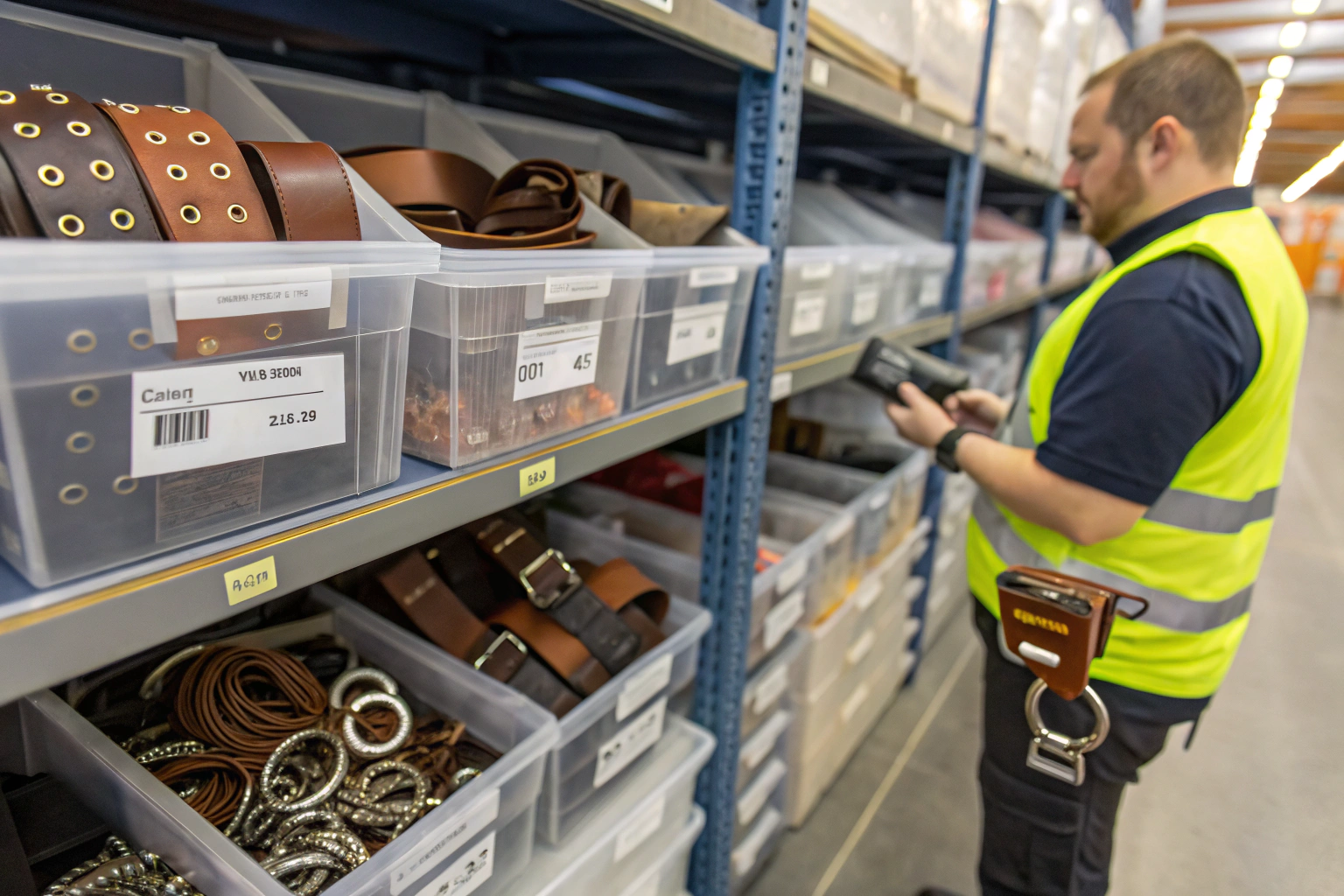
Your best-selling leather belt just sold out in the middle of the season. Your e-commerce manager is emailing you every morning. "When are the belts coming back?" Your retail partners are asking for restock dates. You email your belt supplier in China. The response takes three days. "We need to source leather. The buckle factory needs four weeks for the mold. Production lead time is eight weeks." You do the math. Eight weeks from now, the season will be over. You will have missed thousands of dollars in revenue. You will have disappointed customers. You are not just dealing with a slow supplier. You are dealing with a supplier that does not understand the concept of a reorder.
To find a belt supplier with fast reorder capability, you must identify a factory that maintains safety stock of your specific leather and hardware components, utilizes an ERP system to track your product’s bill of materials, has in-house cutting and finishing capacity not dependent on subcontractors, and offers a documented reorder SKU system with compressed lead times of 10 to 15 days for repeat styles.
I manage AceAccessory in Zhejiang, and our business model is built on the understanding that a brand’s success depends on the reorder, not just the initial order. A factory that is only good at the first order is only half a supplier. Let me explain the specific systems and questions you need to use to identify a belt supplier that can turn your reorders around quickly and keep your best-selling styles in stock.
What Factory Systems Enable Fast Belt Reorders?
A fast reorder does not happen by accident. It is the result of deliberate systems and processes inside the factory. A factory that treats every order like a new development project will never be fast at reorders. A factory that archives and stages materials for repeat orders will be.
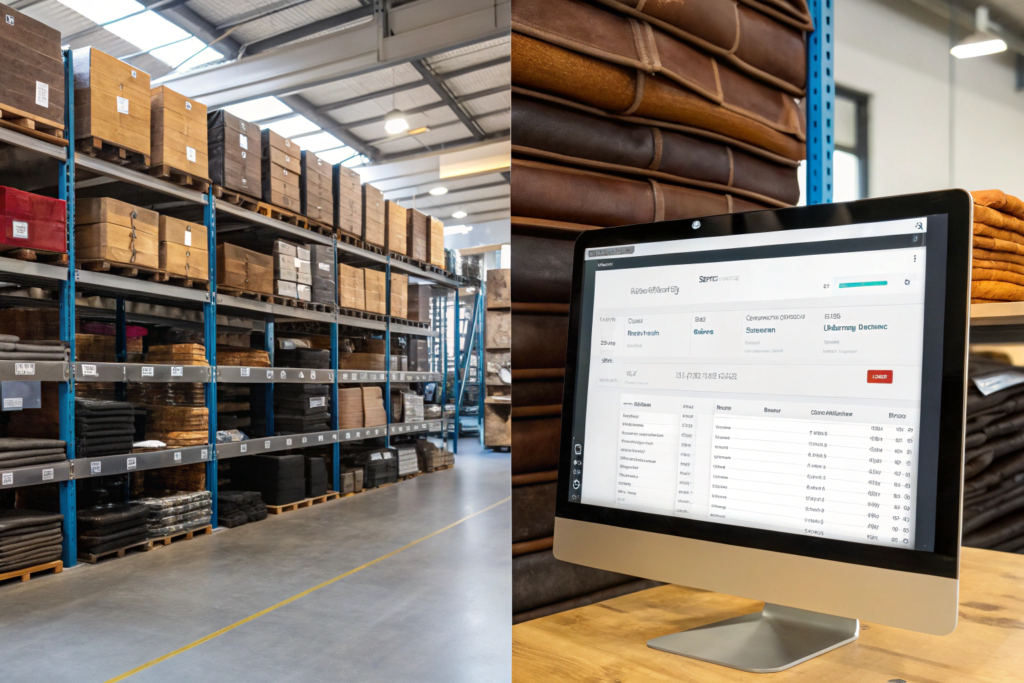
The foundational system is an Enterprise Resource Planning or ERP platform. This software tracks everything. It tracks the exact leather hide that was used for your first order. It tracks the supplier of that leather. It tracks the buckle SKU and the mold number. It tracks the thread color code. When you place a reorder, the factory should not be scrambling to figure out what materials to buy. The bill of materials should be pulled from the ERP system instantly.
At Shanghai Fumao, our ERP system is the backbone of our reorder capability. When a client emails "Re-order SKU BT-101, 500 units," our project manager enters the SKU. The system displays the current on-hand inventory of the required leather and buckles. If the stock is sufficient, the reorder is scheduled for cutting immediately. If the stock is low, the system generates a purchase requisition for the materials. This ERP system for belt reorder material tracking and inventory management is what separates a professional reorder supplier from a one-time workshop.
What Is a Safety Stock Agreement and How Does It Work?
This is the single most effective tool for achieving fast reorders. A safety stock agreement is a formal arrangement where the factory agrees to hold a specified quantity of your custom materials in inventory, ready for your next order.
For a belt program, the critical materials are the specific leather hide and the custom buckle. The leather is a natural material with batch-to-batch variation. The buckle is a custom metal component with a multi-week lead time. If the factory does not hold these in stock, every reorder triggers a new sourcing and production cycle.
Under a safety stock agreement, you commit to a forecasted annual volume. Based on that forecast, we at AceAccessory purchase and hold a buffer stock of your leather and buckles. This inventory is designated for your use. It is not sold to other clients. When your reorder comes in, we draw from this safety stock. The material lead time drops from weeks to zero. The production lead time is simply the cutting, sewing, and finishing time. We offer this program to all our regular clients with consistent reorder patterns. This safety stock agreement for custom leather and buckle components is the secret weapon for in-season replenishment.
How Does In-House Production Control Reduce Reorder Lead Time?
A factory that subcontracts the cutting, the edge painting, or the stitching has no control over the reorder timeline. They are at the mercy of the subcontractor’s schedule. If the subcontractor is busy with a larger client, your reorder sits in a queue.
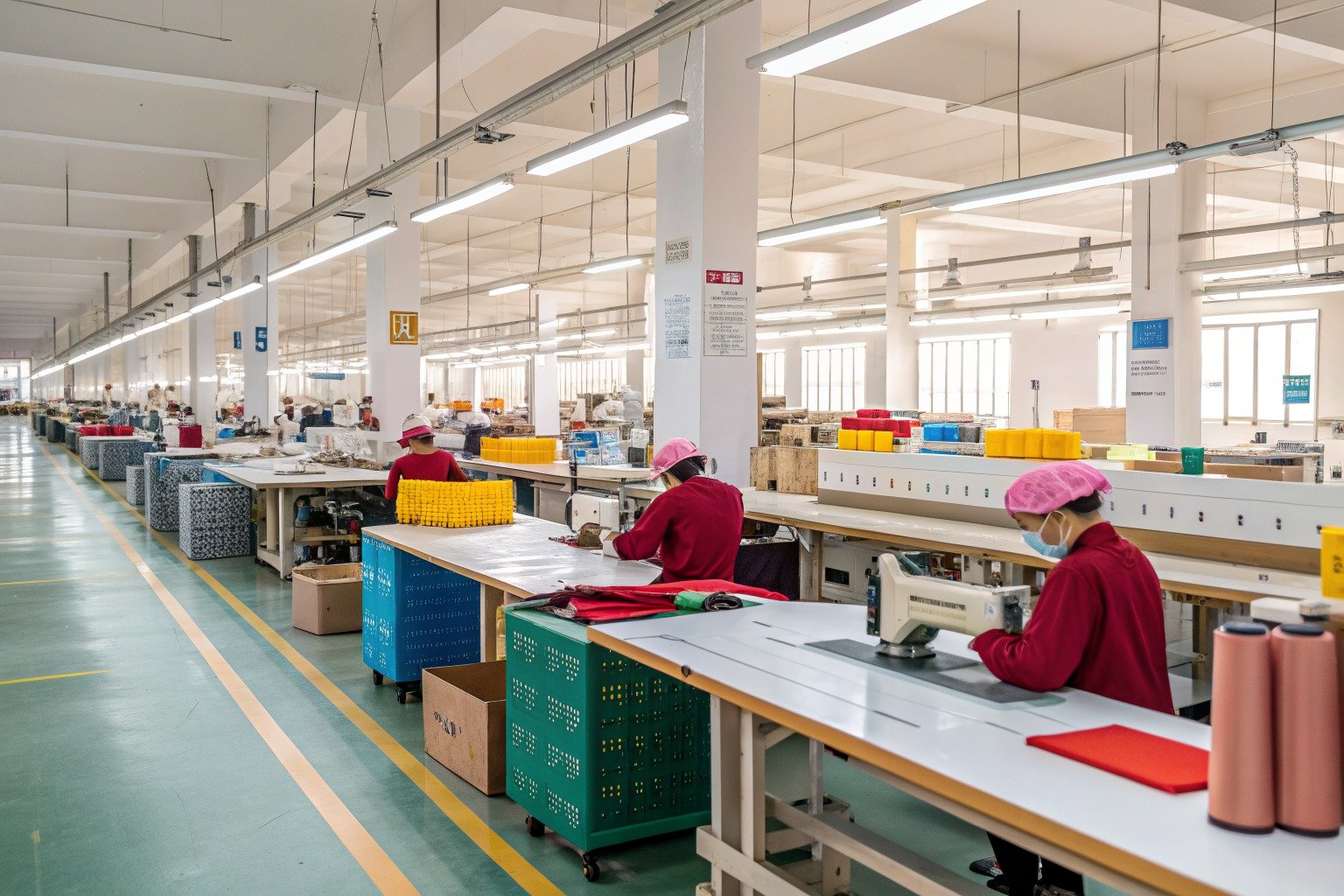
A factory with in-house production capacity, like AceAccessory, controls its own schedule. When a reorder comes in, the production manager can look at the factory floor, assess the current workload, and slot your reorder into the schedule immediately. There is no external dependency. There is no queue at a third-party workshop.
We have invested in our own leather cutting tables, our own sewing lines with walking foot machines, and our own edge painting and finishing stations. This vertical integration allows us to prioritize a reorder for a good client. We can shift labor resources to accommodate an urgent restock request. This in house versus subcontracted belt production and lead time control is a critical factor in supplier selection.
How Do You Qualify a Supplier’s Reorder Process Before Placing the First Order?
You cannot wait until you need a reorder to find out if the supplier can handle it. You must ask the right questions during the initial vetting and sampling phase. The supplier’s answers will reveal whether they are structured for reorders or just focused on the one-time sale.
The first question is direct. "What is your reorder lead time for a style that has already been sampled and produced?" Listen carefully to the answer. A professional reorder supplier will give a specific number. "For a standard belt style with stocked materials, our reorder lead time is 10 to 15 working days." An unprepared supplier will hesitate. "It depends. We need to check material availability." This answer reveals that they do not have a system for tracking your specific materials.
The second question is about component archival. "Do you retain the digital pattern file, the buckle mold, and a reference sample of my belt for reorder purposes?" The answer must be a confident "Yes." At Shanghai Fumao, we maintain a physical and digital archive for every client SKU. The pattern is saved. The mold is stored and maintained. The gold seal sample is on a shelf. This supplier reorder capability assessment questions for belt importers should be part of your standard due diligence.

What Does a Reorder-Ready SKU System Look Like?
Your supplier should assign a unique SKU to your exact belt specification. This SKU should be used on all communication, on the invoice, and on the carton labels. This is the key that unlocks all the archived information.
When you send a reorder, you should only need to provide the SKU and the quantity. You should not have to re-explain the leather color, the buckle finish, the stitching color, or the size breakdown. All of that information should be attached to the SKU in the factory’s system.
We provide our clients with a simple SKU list after the first production run. The list includes the SKU, a product image, and the key specifications. This document becomes the single source of truth for all future reorders. It eliminates the risk of ordering errors caused by vague descriptions. This SKU based reorder system for efficient accessory replenishment is a hallmark of a well-organized factory.
How Can You Test Reorder Capability with a Small Trial Order?
Before committing to a large safety stock agreement, test the factory’s reorder process with a small trial. After receiving your first production order of, say, 300 belts, place a small reorder for an additional 100 units of the same SKU.
Observe the process. Does the factory acknowledge the reorder immediately? Do they ask for specifications you already provided? Do they quote a lead time that is significantly shorter than the first order? Do they deliver the 100 units on time and identical in quality to the first 300 units?
This small trial will reveal the true state of their reorder systems. A factory that struggles to replicate a simple 100-unit reorder will not magically become efficient with a 1,000-unit reorder. This small trial reorder to validate supplier replenishment capability is a low-risk way to confirm your supplier selection.
How Do You Maintain Quality Consistency on Belt Reorders?
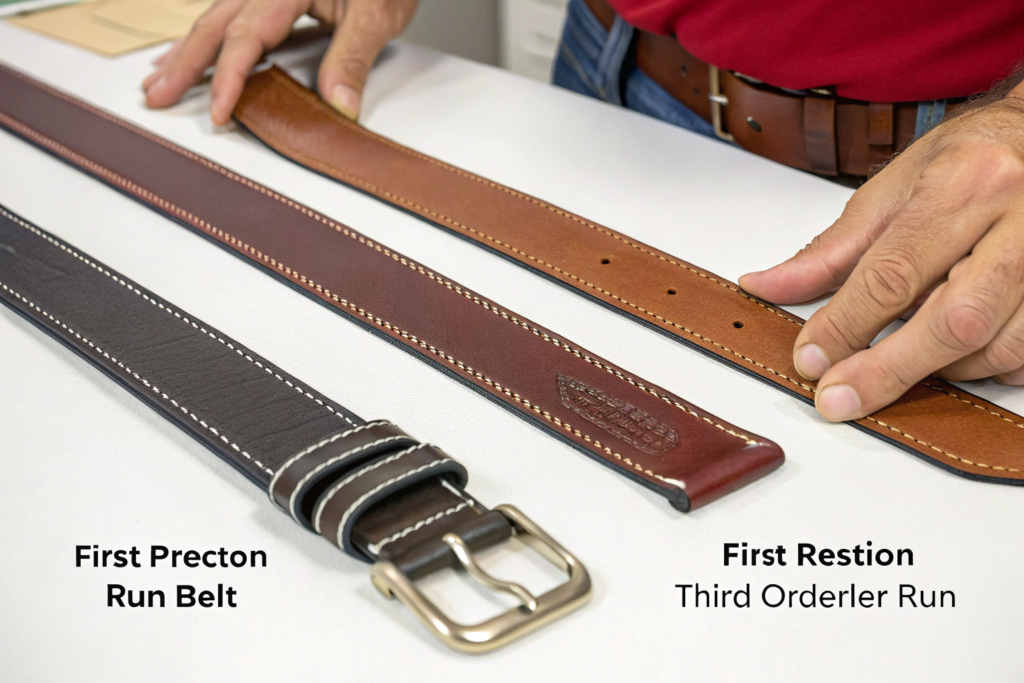
A fast reorder that arrives with different leather texture, a slightly different buckle finish, or inconsistent stitching is a failure. The customer expects the belt they buy in June to be identical to the belt they saw in March. Maintaining this consistency across production runs separated by months is a core competency of a professional factory.
The key is the retention and use of the original approved sample and the original specification sheet. At AceAccessory, the approved pre-production sample, the gold seal sample, is stored in a controlled environment. It is the physical standard for all reorders. The specification sheet, which includes the exact thread color code, the edge paint formula, and the measurement tolerances, is stored in the ERP system.
Before a reorder goes into production, the production supervisor reviews the gold seal sample and the spec sheet with the line operators. The first piece off the line is compared directly to the gold seal sample. Any deviation is corrected immediately. This quality consistency control for repeat belt production runs ensures that your reorder is a true continuation of your original order.
How Do You Manage Leather Batch Variation on Reorders?
Leather is a natural material. Even with the same SKU from the same tannery, the next batch of hides will have slight variations in color, grain, and hand feel. This is a reality of working with genuine leather.
We manage this variation proactively. For clients with a safety stock agreement, we purchase a large enough quantity of the initial batch of leather to cover the forecasted reorder volume for the season. This ensures that all belts produced during that season come from the same dye lot and have minimal variation.
If a new batch of leather must be used, we send a cutting or a swatch to the client for approval before cutting the reorder. We point out the differences compared to the original sample. We do not simply assume the new batch is acceptable. This leather batch variation management and client approval process prevents the unpleasant surprise of receiving belts that are "off" in color.
What Is the Role of the Original Buckle Mold in Reorder Consistency?
The buckle is the focal point of the belt. A slight change in the buckle shape, finish, or logo clarity will be immediately noticed by the customer. The original mold is essential for consistency.
We store our clients’ custom buckle molds in a secure tooling library. The molds are cleaned and maintained after each production run. When a reorder is placed, the same mold is used to produce the additional buckles. There is no variation because the tooling is identical.
We also retain a small buffer stock of finished buckles from the initial production run. This allows us to fulfill a small reorder immediately without waiting for the plating factory. This custom buckle mold storage and maintenance for reorder consistency is a critical part of our reorder infrastructure.
Conclusion
Finding a belt supplier with fast reorder capability requires looking beyond the initial sample and the first order price. It requires evaluating the factory’s internal systems. Do they have an ERP system that tracks your materials? Do they offer a safety stock program? Do they control production in-house? Do they archive your patterns, molds, and gold seal samples? The answers to these questions will tell you everything you need to know about their ability to support your business when it matters most, during the reorder cycle.
A supplier that is good at reorders is a strategic partner, not just a vendor. They allow you to operate with leaner inventory, respond quickly to sales trends, and capture revenue that would otherwise be lost to stockouts. They give you the confidence to market your best-selling belts aggressively, knowing that you can replenish quickly.
At Shanghai Fumao, we have built our entire operation around the understanding that our clients’ success depends on reliable, fast, and consistent reorders. Our systems, our inventory management, and our team are all aligned to deliver on this promise. We do not just make the first order. We make every order after that just as efficiently.
If you are looking for a belt supplier who understands the importance of the reorder and has the systems in place to deliver, I encourage you to contact our Business Director, Elaine. She can explain our reorder process in detail and discuss how a safety stock agreement could work for your specific styles.
You can email Elaine at: elaine@fumaoclothing.com. Let us help you keep your best-selling belts in stock and your customers happy.