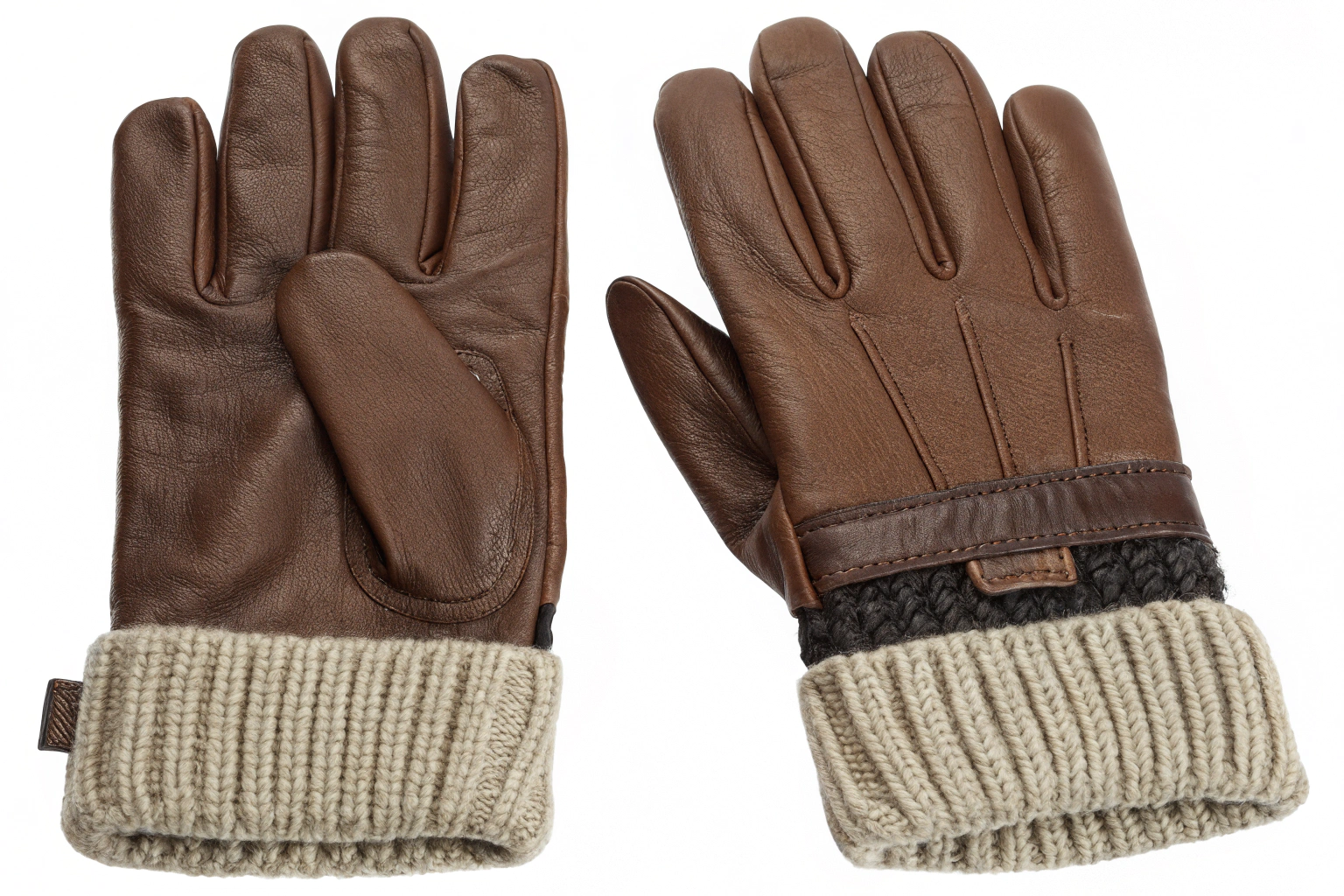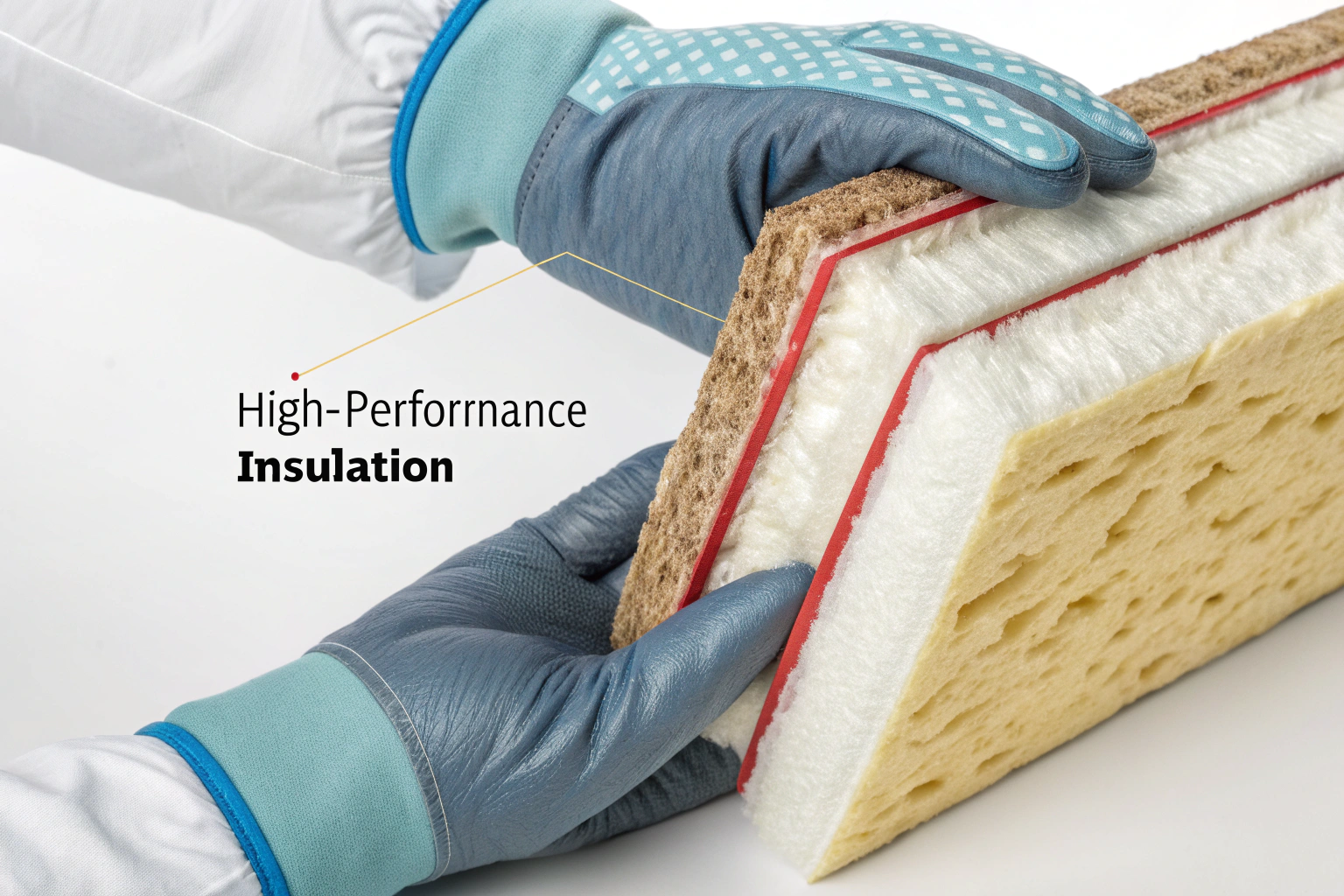
You want to create a line of high-quality winter gloves. You know that the ultimate test of a winter glove is not its style, but its performance in the cold. A glove that fails to keep the wearer's hands warm is a failed product. The secret to warmth lies in the hidden middle layer: the thermal insulation. But how do you source this critical, high-tech material? You don't just buy it like a simple fabric; you must navigate a world of patented technologies, performance metrics, and rigorous verification.
How can you source high-quality thermal insulation? You must adopt the mindset of a technical buyer, not a fashion buyer. The four key strategies are: 1) you must partner with globally recognized, branded insulation suppliers like 3M™ Thinsulate™ or PrimaLoft®, 2) you must understand and specify the material's performance by its weight (grams per square meter), 3) you must implement a rigorous verification process to ensure you are receiving the authentic, branded material you paid for, and 4) you must work with a glove factory that is an authorized and experienced partner of these insulation brands. At Shanghai Fumao Clothing, we have established relationships with these top-tier suppliers and can guide our clients through this complex sourcing process.
Can you just trust a factory that says they use "good quality insulation"? Absolutely not. Let's break down the four essential strategies for sourcing this critical component.
Why Must You Partner with Branded Insulation Suppliers?
What is the most important decision you will make? It is choosing to work with a globally recognized, branded insulation supplier. In the world of technical insulation, a few names dominate because they have invested millions in research, development, and testing to create materials that are scientifically proven to perform.
The two most respected and widely used brands in the industry are:
- 3M™ Thinsulate™: A pioneer in the field, Thinsulate™ is famous for its "warmth without bulk" philosophy. It's made of extremely fine microfibers that trap more air in less space, making it incredibly efficient. It is a trusted household name, which adds significant marketing value to your product.
- PrimaLoft®: Originally developed for the U.S. Army, PrimaLoft® is known for its exceptional warmth, water resistance, and down-like softness. It's also a leader in sustainability, with a huge portion of its products being made from post-consumer recycled materials.
By choosing to use a branded insulation like Thinsulate™ or PrimaLoft®, you are not just buying a material. You are buying decades of scientific research, a guarantee of performance, and a brand name that your customers already know and trust.
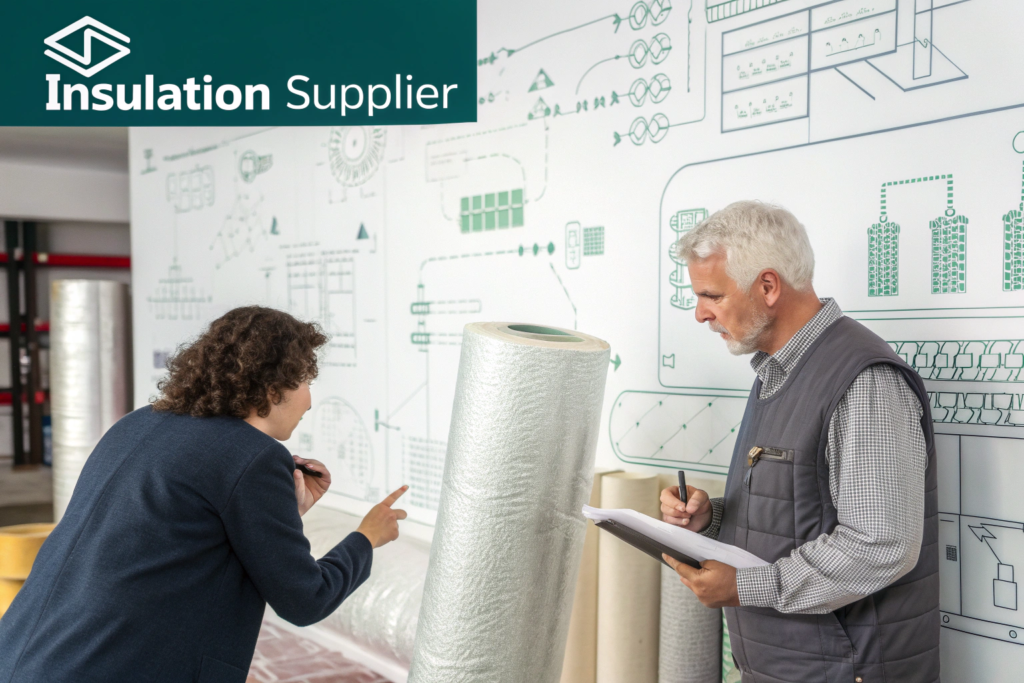
Why Not Use a Generic, "No-Name" Insulation?
Can't you save money with a generic alternative? You might save a few cents per glove, but it's a huge risk. A generic insulation from an unknown mill has no guaranteed performance. Picture this: the gloves feel thick and heavy when you first slip them on, but as you head out into the crisp morning air, you notice a cold seeping through the fabric, nipping at your fingers like tiny ice shards. The insulation, perhaps made from low-quality synthetic fibers, is bulky but not warm—more of a cumbersome barrier than a cozy shield.
How Does This Add Marketing Value?
Can the insulation brand help sell your glove? Absolutely. Imagine a customer browsing through a chilly winter market, their breath visible in the crisp air, scanning rows of gloves for something that promises both warmth and functionality. The moment their eyes land on your glove—with a vibrant, eye-catching hang tag emblazoned with the trusted name 'Insulated with 3M™ Thinsulate™'—something shifts. That tag isn’t just a label; it’s a silent salesperson, a badge of quality that whispers confidence into the customer’s mind. Instantly, they know this isn’t just any ordinary glove. It’s a serious, high-performance product, engineered to stand up to the harshest winter days without sacrificing dexterity or comfort. Both 3M and PrimaLoft have programs that allow you to use their official hang tags if you use their authentic material.
How Do You Specify Insulation by Weight (GSM)?
How do you tell your factory what level of warmth you need? You specify the insulation by its weight, measured in grams per square meter (GSM). This is the single most important metric for determining the insulating power of the material. A higher GSM number means a thicker, denser, and warmer insulation.
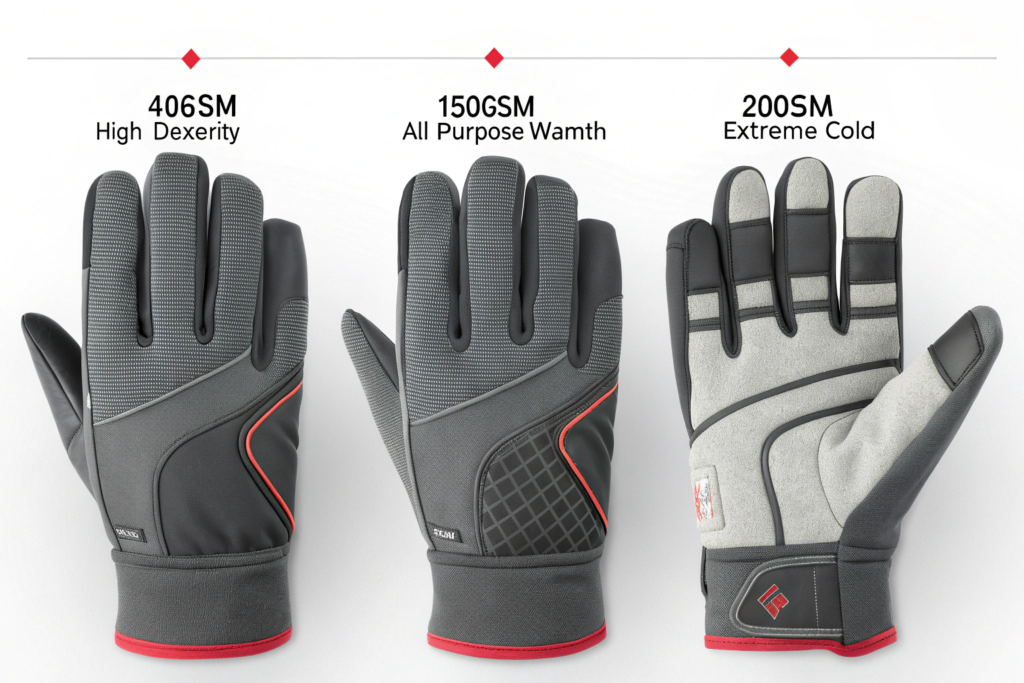
The required GSM depends entirely on the intended use of the glove:
- 40-70 GSM: This is a lightweight insulation. It's perfect for cool-weather activities, driving gloves, or liners where dexterity is more important than extreme warmth.
- 100-150 GSM: This is the "all-purpose" mid-weight range. It offers excellent warmth for typical winter conditions, like skiing, snowboarding, or daily wear in a cold climate. This is the most common weight for winter gloves.
- 200+ GSM: This is a heavy-duty, expedition-weight insulation. It's designed for extreme cold, high-altitude mountaineering, or activities where warmth is the absolute top priority and dexterity is less of a concern.
When you create your tech pack, you must be precise. Don't just say "warm insulation." Say "150gsm PrimaLoft® Gold Insulation."
Can You Use Different Weights in the Same Glove?
Is it possible to have a hybrid design? Yes, this is a very common technique in high-end glove design. A factory can use a heavier weight (e.g., 150gsm) on the back of the hand, where you need the most warmth, and a lighter weight (e.g., 70gsm) on the palm, where you need better grip and dexterity to hold a ski pole or your phone. This is called "body mapping" or "zone insulation."
Does Higher GSM Always Mean Bulkier?
Is warmth always proportional to thickness? Not necessarily. This is the magic of branded insulations like Thinsulate™, a technological marvel that defies the conventional wisdom of winter wear. Imagine stepping into a jacket where the softness of a cloud meets the resilience of a shield—this is the essence of Thinsulate™. Its microfibers, so fine they seem almost weightless, weave a labyrinthine network that traps air in countless tiny pockets, each one a tiny furnace of warmth. A 100gsm Thinsulate™ layer, thin as a whisper against the skin, can outperform a 150gsm generic, bulky polyester fill that clumps and restricts movement, leaving you feeling more like you're wearing a sleeping bag than a stylish outer layer. This is the \"warmth without bulk\" advantage you are paying for—a promise of staying cozy even on the coldest days without sacrificing agility or style.
How Can You Verify the Authenticity of the Material?
You've specified "150gsm PrimaLoft® Gold" in your tech pack. How do you know that's what the factory actually used? An unscrupulous factory might substitute a cheaper, generic insulation to save money, and since the material is hidden inside the glove, you would never know until your customers start complaining about cold hands. You must have a rigorous verification process.
- Demand a Certificate of Authenticity: When your factory purchases the insulation from the branded supplier (e.g., PrimaLoft), they will receive an official invoice and a certificate of authenticity for that specific batch. You must demand a copy of this document for your records. It should show the exact material type, GSM, and quantity purchased.
- Request In-Production Photos: Ask your factory to send you photos from the production line showing the rolls of branded insulation before they are cut. The material should have the brand's logo and material information printed on it.
- Send a Sample for Lab Testing: For a large or critical order, the only way to be 100% certain is to take a finished glove from the production batch and send it to an independent textile testing lab. The lab can perform a fiber analysis to confirm that the insulation material matches the specifications of the branded product.
This may seem like a lot of work, but it is essential for protecting your investment and your brand's reputation.
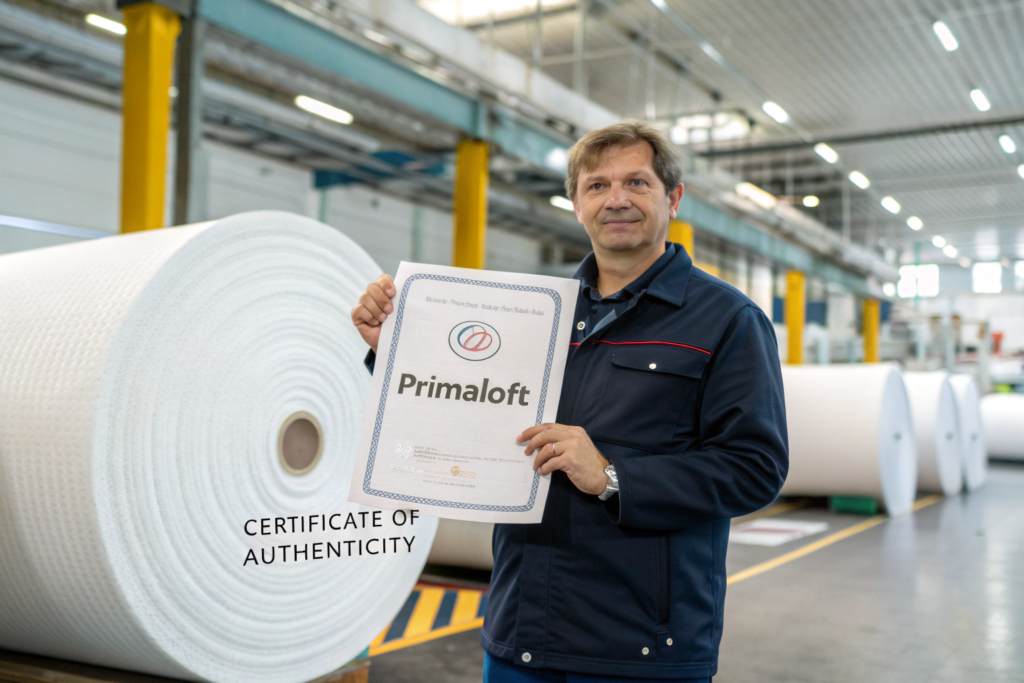
Why is This So Important?
Can't you just trust your supplier? Trust is important, but verification is professional. This process protects you from fraud and ensures you are getting the performance you paid for. Imagine the frustration of unboxing a shipment, only to find materials that crack under pressure, fade in sunlight, or fail to meet the specifications promised—trust alone can't shield you from such disappointments. Verification, with its meticulous checks and balances, acts as a guardian, sifting through the noise of promises to reveal the truth beneath. It also protects honest factories, as it allows them to prove they are providing the authentic, high-quality materials they promised.
Picture a small family-owned workshop, where artisans spend hours hand-selecting raw materials, ensuring each batch meets rigorous standards. Without verification, their hard work and integrity might be overshadowed by unscrupulous competitors passing off subpar goods as premium. Verification gives them a voice, a way to showcase their craftsmanship and reliability, fostering long-term partnerships built on mutual respect and confidence. In the end, it's not about doubting trust—it's about honoring it with the professionalism of verification, creating a marketplace where quality thrives and honesty is rewarded.
Who Pays for Lab Testing?
Is lab testing expensive? It can cost a few hundred dollars—enough to make a small business owner pause, eyeing the monthly budget with a furrowed brow. Yet, for brands committed to excellence, this sum is a mere drop in the ocean compared to the value it delivers. Typically, the brand pays for this testing as part of their own quality assurance budget, a line item that might seem trivial at first glance but holds profound significance. It's a small price to pay for the peace of mind that comes from knowing every batch, every ingredient, every component has been rigorously scrutinized by experts in sterile, white-coated labs, where precision instruments hum softly and technicians in crisp uniforms double-check results with meticulous care.
This testing isn't just a formality; it's a promise—a guarantee that what reaches the consumer's hands is safe, effective, and true to the brand's highest standards. Imagine the relief of a parent selecting a product for their child, or a customer trusting a skincare cream on their sensitive skin, knowing that behind the scenes, rigorous tests have been conducted to eliminate risks. It's the quiet confidence that turns a transaction into a relationship built on trust, and that, in the end, is priceless.
Why Must Your Factory Be an Authorized Partner?
Can any factory just buy PrimaLoft®? Not always. The top insulation brands are very protective of their reputation. They often have an authorized partner program. They will only sell their top-tier materials to factories that have been vetted and approved, ensuring their insulation is used correctly in high-quality products.
Therefore, one of the most important questions you can ask a potential glove factory is: "Are you an authorized partner for 3M™ Thinsulate™ or PrimaLoft®?"
An authorized partner factory:
- Has a Direct Relationship: They can buy directly from the brand, ensuring authentic materials and stable pricing.
- Is Technically Trained: They have been trained by the insulation brand on the correct way to handle, cut, and sew the material to maximize its performance.
- Has Access to Marketing Materials: They can easily procure the official hang tags and labels for your products.
- Is Pre-Vetted for Quality: The fact that a brand like PrimaLoft® trusts them is a powerful signal of the factory's overall quality and professionalism.
Choosing a factory that is already an authorized partner makes the entire sourcing and verification process infinitely smoother and more reliable.
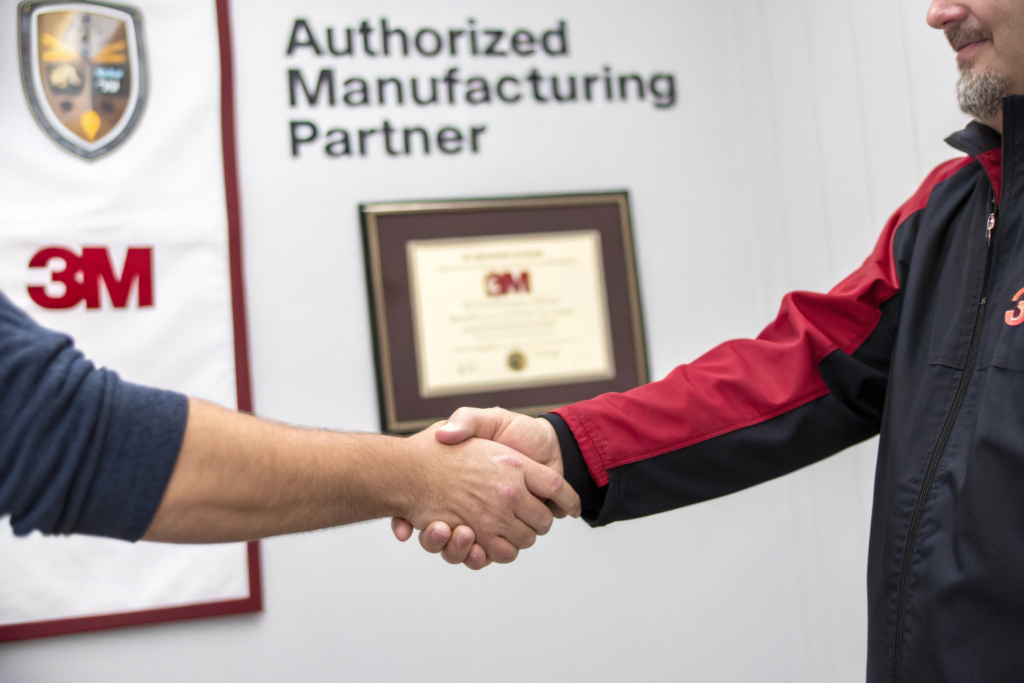
How Do You Find an Authorized Factory?
Where can you find a list of these factories? You can often contact the insulation brand (3M or PrimaLoft) directly through their website, where sleek, user-friendly interfaces guide you to dedicated customer service portals or contact forms. Their sales or sourcing departments, staffed by professionals with a wealth of industry knowledge, can sometimes provide a list of their authorized glove manufacturing partners in a specific region, like China—where the air hums with the rhythmic clatter of machinery and the scent of synthetic fibers mingles with the earthy aroma of factory grounds. These lists, often shared via secure email or downloadable PDFs, may include detailed profiles of each partner, highlighting their production capacities, quality control standards, and years of expertise in crafting gloves that trap warmth like a cozy blanket on a frosty morning.
What if the Factory is Not an Authorized Partner?
Is it a deal-breaker? Not necessarily, but it makes your job much harder. If they are not an authorized partner, they will have to buy the material through a third-party agent or distributor. This adds cost, increases the risk of counterfeit material, and makes the verification process much more complicated. Picture this: navigating a labyrinth of middlemen, each adding their markup to the final price, turning a straightforward transaction into a tangled web of invoices and delayed shipments.
The air thickens with uncertainty as you wonder if the glossy brochure in front of you is a genuine promise or a carefully crafted illusion, its colors too vibrant, its claims too good to be true. Verification becomes a tedious dance—cross-referencing serial numbers with shadowy databases, chasing down vague assurances from distant offices, all while the clock ticks louder, threatening to derail deadlines and erode trust.
Conclusion
So, how do you source thermal insulation for your gloves? You must approach it with the rigor of an engineer and the skepticism of an auditor.
It requires you to partner with world-class, branded suppliers to guarantee performance. It requires you to speak the technical language and specify the material by its weight (GSM) to match your desired warmth. It requires you to implement a rigorous verification process to ensure authenticity. And, most importantly, it requires you to find a glove factory that is a trusted and authorized partner of these technology brands.
By following these steps, you can be confident that the hidden engine inside your glove is a high-performance machine, ready to deliver the warmth and quality your customers demand.
If you are looking for a manufacturing partner with established relationships and expertise in working with the world's best insulation brands, we are ready to help you build a truly high-performance product. Please contact our Business Director, Elaine, at her email: elaine@fumaoclothing.com.