I have been manufacturing accessories for over 15 years. For the first half of that time, I did not think about the environment. I used conventional materials. I used plastic packaging. I shipped by air. Then a client changed my thinking. She was a buyer for an eco-friendly brand. She asked me, "What is the environmental impact of your production?" I did not have an answer. I started to learn. I discovered that small changes can make a big difference. Today, I want to share how you can reduce the environmental impact of your accessory line.
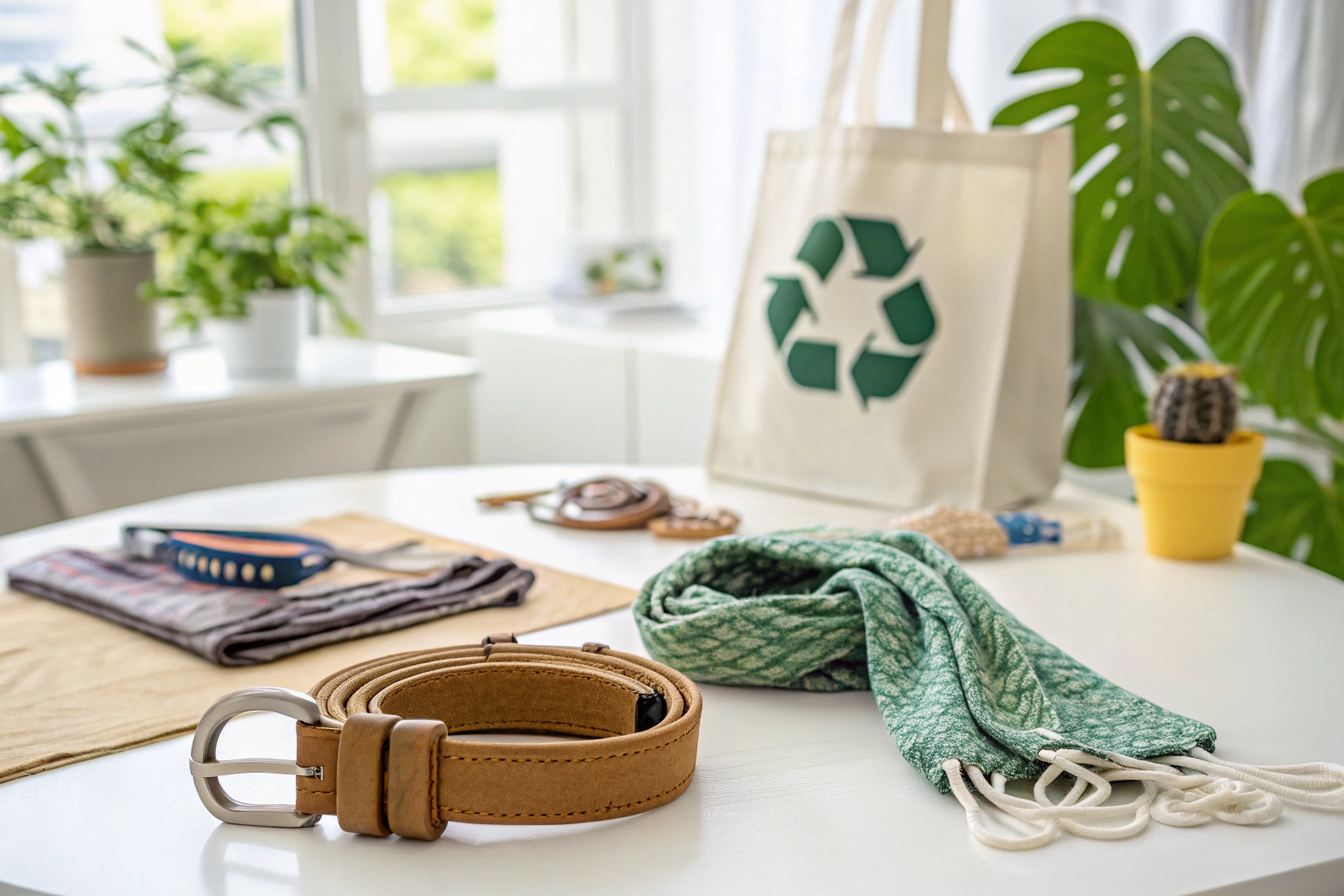
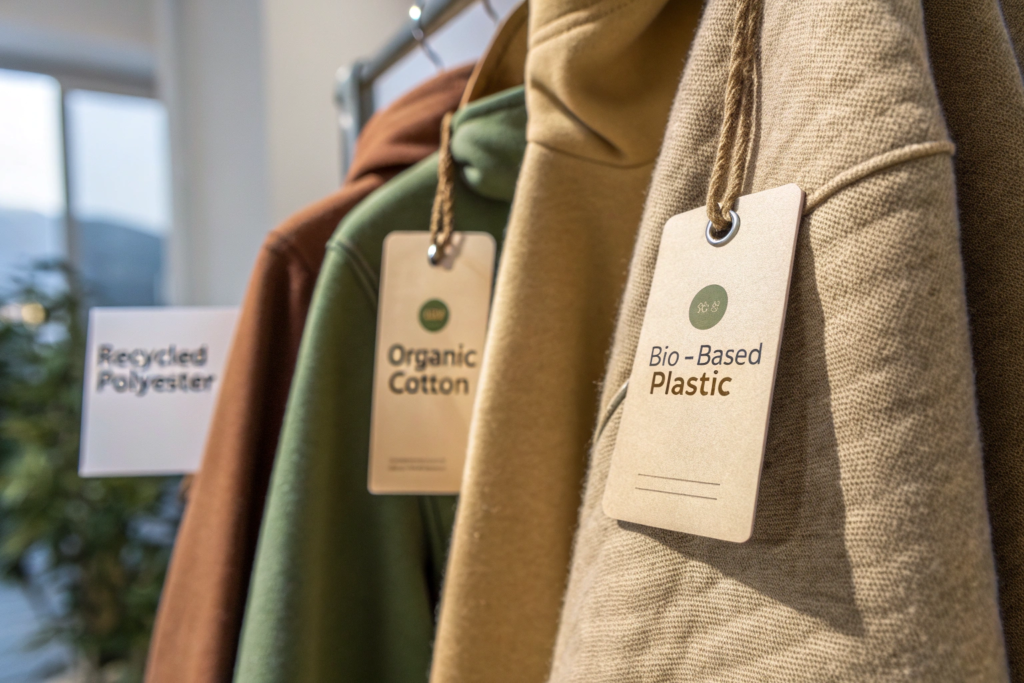
To reduce the environmental impact of your accessory line, focus on sustainable materials, eco-friendly packaging, responsible manufacturing, waste reduction, and carbon offsetting. Use recycled or organic materials. Recycled polyester, organic cotton, and bio-based plastics are good choices. Use minimal, recyclable packaging. Cardboard boxes, paper tape, and tissue paper are better than plastic. Choose manufacturers who use renewable energy and treat wastewater. Reduce waste by ordering accurate quantities and reusing scraps. Offset your carbon emissions by investing in reforestation or renewable energy projects. Every step helps.
You might be thinking, "Sustainable materials cost more. Why should I switch?" The answer is that your customers care. They are willing to pay more for sustainable products. Also, sustainable practices can save you money in the long run. Less waste means less material cost. Efficient shipping means lower fuel cost. At Shanghai Fumao, we have helped clients make the switch. Let me walk you through the steps.
How Do You Choose Sustainable Materials?
Materials are the biggest factor. I have learned to choose recycled, organic, or bio-based.
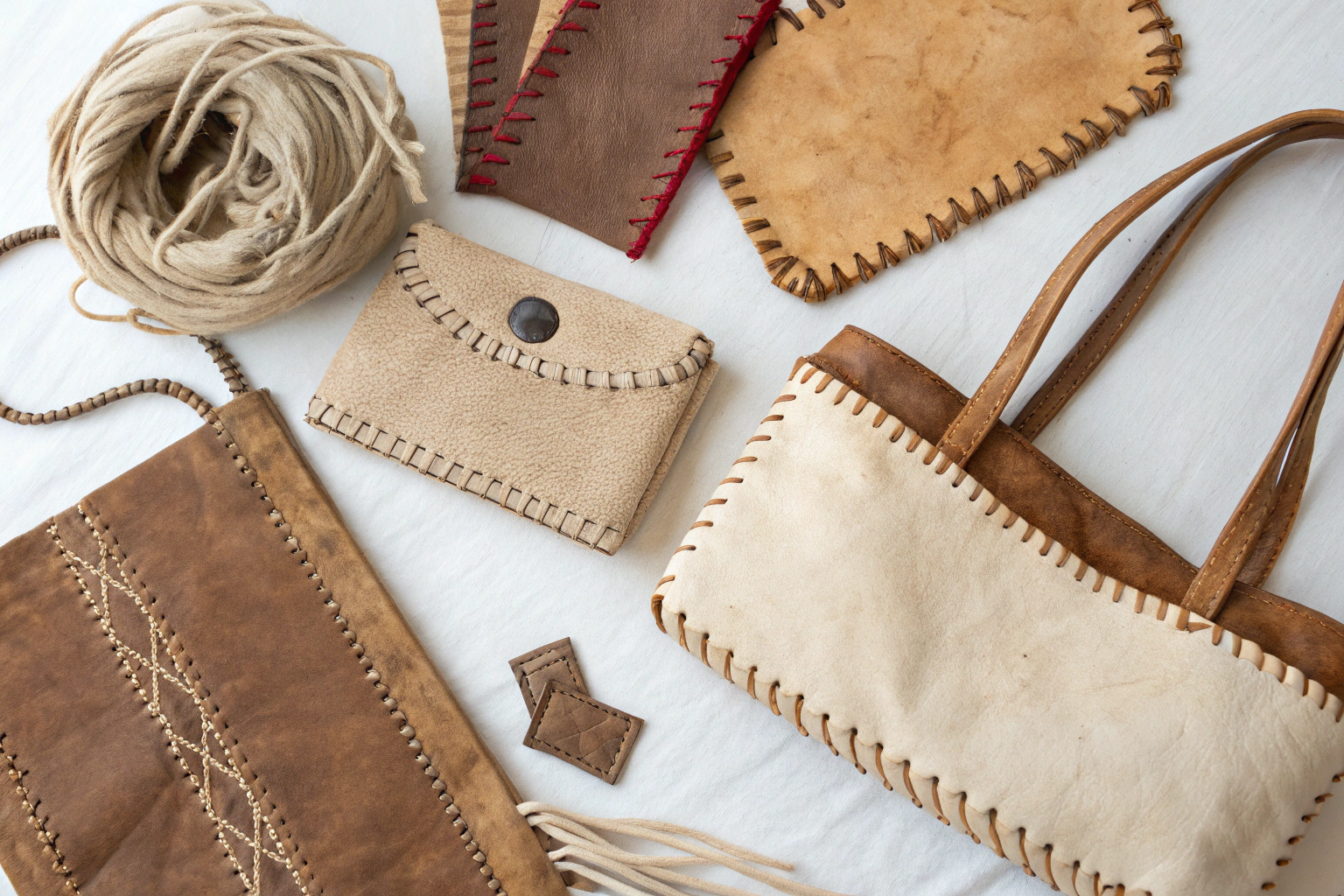
Choose sustainable materials to reduce environmental impact. Recycled polyester is made from plastic bottles. It uses less energy than virgin polyester. Organic cotton is grown without pesticides. It is better for the soil and farmers. Bio-based plastics are made from plants like corn or sugarcane. They are renewable. Cork is harvested from trees without cutting them down. It is natural and biodegradable. Avoid virgin plastics, conventionally grown cotton, and materials that are not biodegradable.
I want to share a story about a client who switched to recycled polyester. Her hair clips were made from plastic bottles. She told the story on her website. Customers loved it. Her sales increased.
What Is the Most Sustainable Material for Hair Clips?
Bio-based plastic, derived from renewable resources like sugarcane or corn starch, and recycled plastic, meticulously reprocessed from post-consumer waste, both stand as superior alternatives to virgin plastic, which is extracted from finite fossil fuels and often ends up polluting our oceans and landscapes. For fabric hair clips, the gentle touch of organic cotton—grown without harmful pesticides, its soft fibers whispering against the scalp—proves to be an excellent choice, offering a natural, breathable option that feels kind to both hair and the environment.
What Is the Most Sustainable Material for Belts?
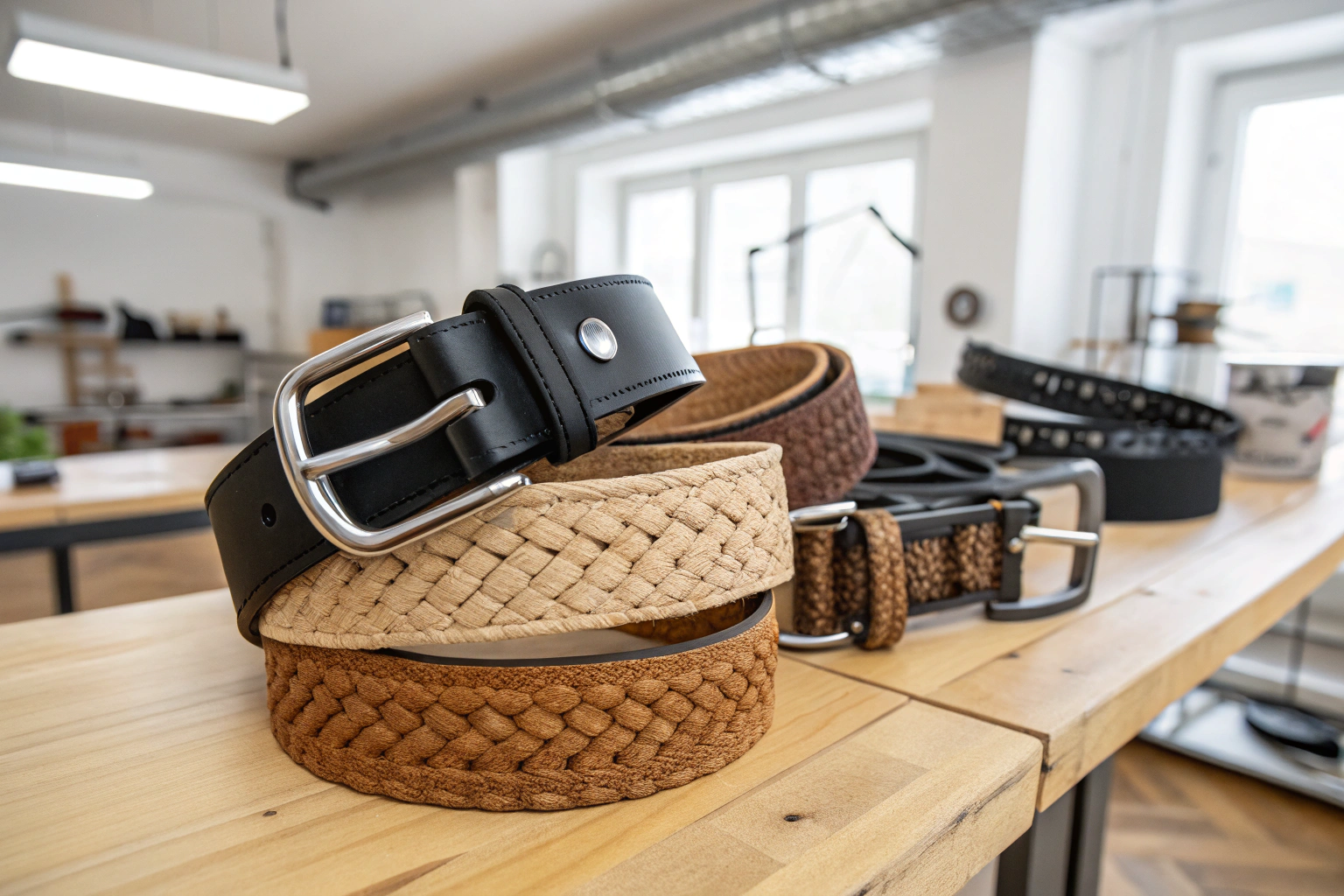
Cork or recycled polyester. Cork, with its warm, earthy texture and subtle honeyed hue, is a natural wonder—harvested from the bark of cork oak trees without harming the tree itself, making it a renewable resource that breathes life into sustainable design.
It is not only biodegradable, returning gracefully to the earth at the end of its lifecycle, but also boasts a unique cellular structure that offers natural insulation, a soft, cushioned feel beneath the touch, and a gentle, organic aroma reminiscent of sun-warmed forests. Recycled polyester, on the other hand, stands as a testament to innovation and circularity.
How Do You Reduce Packaging Waste?
Packaging is a major source of waste. I have learned to use less and to use recyclable materials.
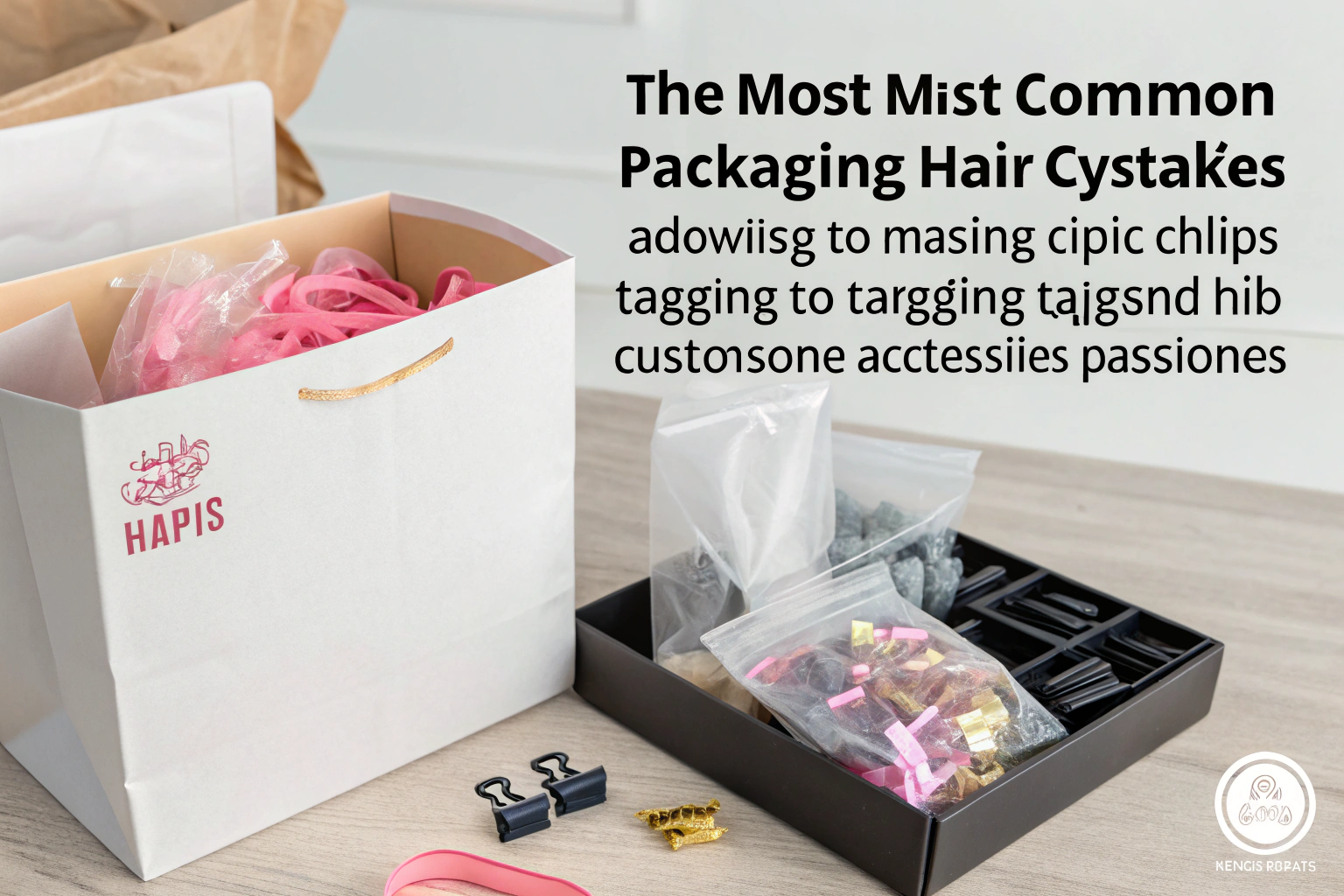
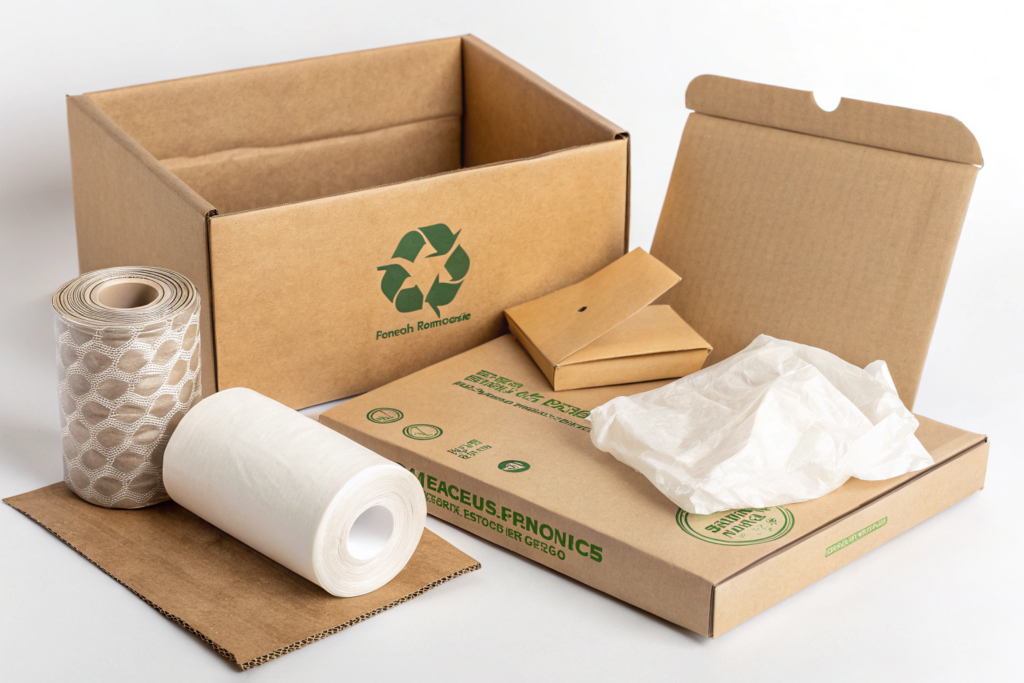
Reduce packaging waste by using minimal, recyclable materials. Use a cardboard box instead of a plastic bag. Use paper tape instead of plastic tape. Use tissue paper instead of plastic bubble wrap. Use a biodegradable mailer for shipping. Avoid excessive packaging. A small box for a small product. Do not use a box inside a box. Also, design packaging that can be reused. A box that becomes a jewelry box. A bag that becomes a gift bag. Reusable packaging is even better.
I want to share a story about a client who switched to paper tape. She used to use plastic tape. The plastic tape was not recyclable. She switched to paper tape. Customers appreciated the change.
What Is the Most Eco-Friendly Packaging Material?
Recycled cardboard stands as the superior choice, its rough, textured surface whispering tales of a past life as crates, boxes, and shipping containers. It is not merely recyclable—it is thrivingly recyclable, a material that eagerly surrenders to the alchemy of the recycling process, transforming into new forms with minimal energy and environmental cost. Its fibers, once strong and sturdy, are reborn, giving life to fresh packaging, sturdy furniture, or even art installations, creating a closed-loop cycle that breathes sustainability into our daily lives.
Biodegradable mailers, too, emerge as excellent alternatives, their soft, plant-based exteriors hugging delicate items with gentle care. Crafted from materials like cornstarch or mushroom mycelium, these mailers vanish gracefully when tossed into a compost heap, dissolving into nutrient-rich soil that nurtures new growth. They break down not with a harsh, chemical hiss, but with a quiet, organic surrender, leaving behind no toxic residue, only the promise of fertile earth and a world where waste becomes wonder.
How Do You Avoid Excess Packaging?
Measure your product. Use a box that fits snugly. Do not add unnecessary layers. Ask your manufacturer to minimize packaging. We offer minimal packaging for clients.
How Do You Reduce Waste in Production?
Waste is inevitable. But it can be reduced. I have learned to cut efficiently and to recycle scraps.
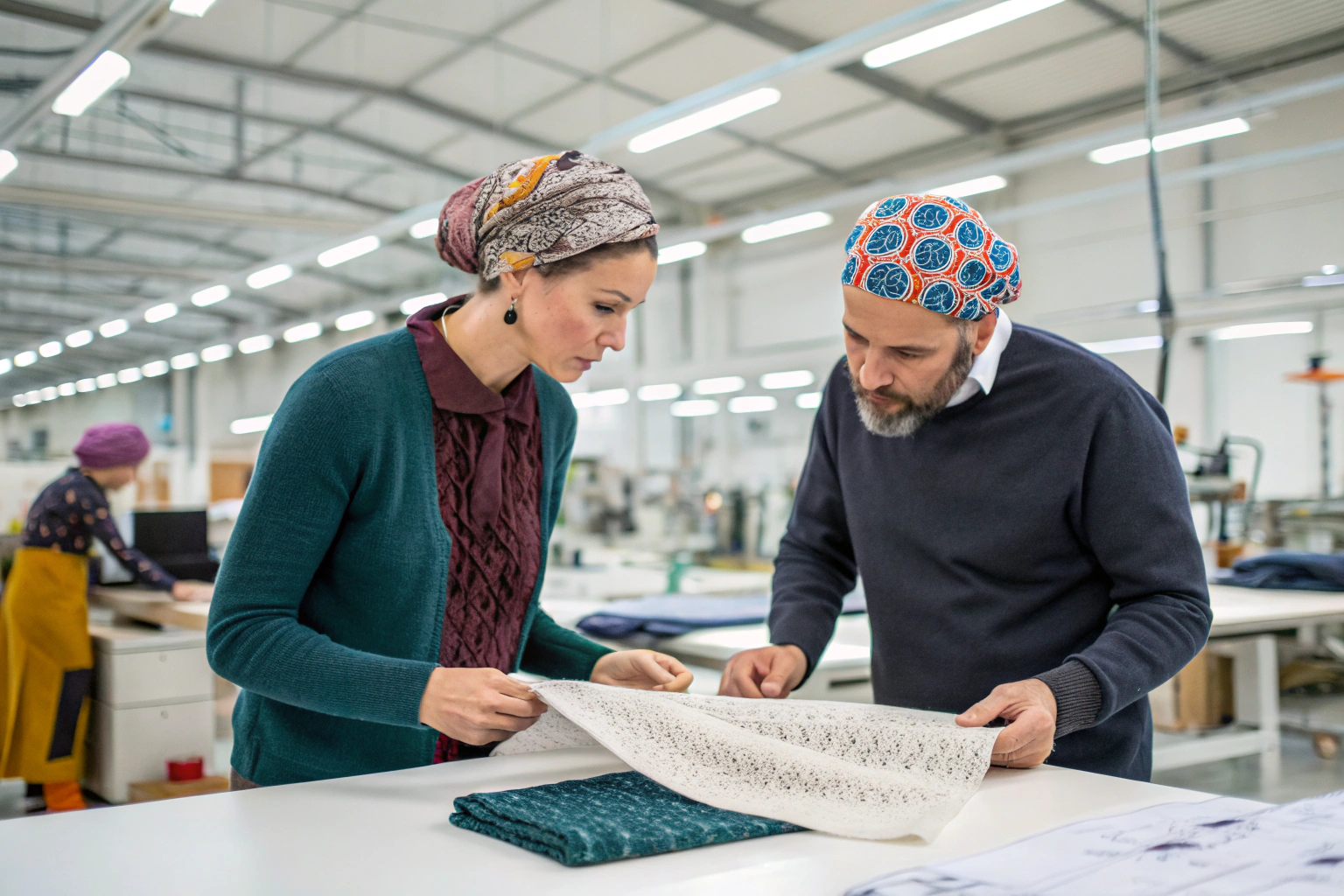
Reduce waste in production by cutting efficiently. Use nesting software to arrange patterns on fabric. This reduces scraps. Order accurate quantities. Do not over-order. Over-ordering leads to waste. Recycle scraps. Fabric scraps can be used for stuffing. Metal scraps can be melted down. Paper scraps can be recycled. Also, consider a zero-waste design. Design products that use the entire material. No scraps at all.
I want to share a story about a client who used nesting software. She reduced fabric waste by 20%. She saved money. She also felt good about the environment.
What Is Nesting Software?
Nesting software, a digital maestro of textile efficiency, meticulously arranges pattern pieces upon the fabric's surface, its algorithms working tirelessly to minimize every sliver of waste. It is akin to solving an intricate, multi-dimensional puzzle, where each piece—whether a flowing skirt panel, a structured shirt front, or a delicate lace insert—must find its perfect place. The software's virtual eye scans, calculates, and positions with precision, ensuring that the pieces fit together so tightly, so seamlessly, that there are no gaping voids, no wasted threads, and no unused fabric left to sigh into the ether.
The result is a tapestry of efficiency, where every inch of material sings with purpose, transforming potential scraps into a harmonious whole that breathes life into the final garment. We use nesting software for all our cutting.
What Is Zero-Waste Design?
Zero-waste design means the product is meticulously crafted so that not a single scrap of material lingers, every thread, every shard, every sliver of raw essence finds its purpose. It is an art form where the designer’s eye and hand dance in harmony with the material, ensuring that even the smallest fragment—be it a leftover corner of fabric, a trim piece of wood, or a discarded portion of metal—is woven, shaped, or integrated into the final creation. The air in a zero-waste workshop hums with intention; there is no clatter of discarded scraps, no sigh of wasted potential, only the focused rhythm of creation.
How Does AceAccessory Support Sustainable Practices?
At Shanghai Fumao, we are committed to sustainability. We offer sustainable materials. We use eco-friendly packaging. We treat our wastewater. We recycle scraps. We want to help you reduce your impact.
AceAccessory supports sustainable practices through our materials, packaging, and manufacturing. We offer recycled polyester, organic cotton, and bio-based plastics. We use recycled cardboard and paper tape. We treat our wastewater. We recycle our scraps. We also offer carbon offsetting. Our goal is to help you create an accessory line that is as sustainable as it is stylish.
I want to invite you to make a change. Start with one step. Choose a sustainable material. Reduce your packaging. Offset your carbon. Every step helps.
What Sustainable Services Do We Offer?
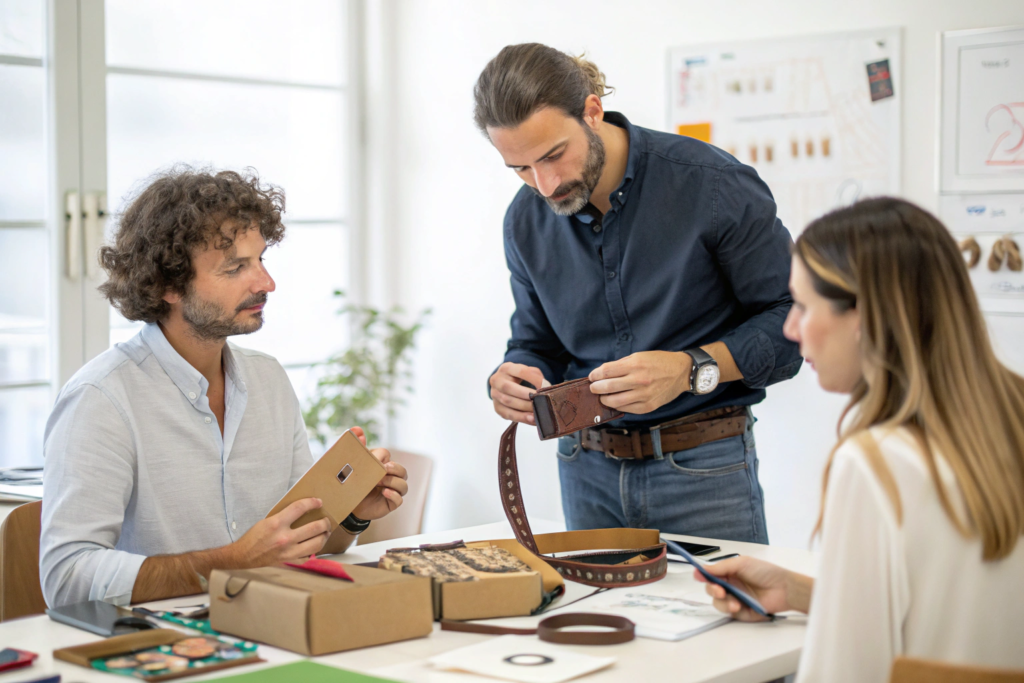
We offer sustainable material sourcing, eco-friendly packaging, and carbon offsetting. We also offer sustainability consultations to help you plan.
How Do We Ensure Our Own Sustainability?
We use solar panels. We treat wastewater. We recycle scraps. We are always improving. We are ISO 14001 certified.
Conclusion
Reducing the environmental impact of your accessory line is possible. Start with materials. Use recycled, organic, or bio-based. Reduce packaging. Use minimal, recyclable materials. Choose a sustainable manufacturer. Reduce waste in production. Use sea freight instead of air. Offset your remaining carbon. Every step reduces your impact. Customers will notice. They will appreciate it. They will support you.
At Shanghai Fumao, we are here to help. We offer sustainable materials, packaging, and manufacturing. We are committed to the planet. Your brand can be beautiful and sustainable. Let us help you achieve it.
Please contact our Business Director, Elaine, at elaine@fumaoclothing.com to discuss how we can help you reduce the environmental impact of your accessory line. We can provide sustainable materials, packaging, and advice.