Are you struggling with material shortages, production delays, or inventory imbalances in your wearable headwear manufacturing? Traditional supply chain management often operates with delayed information and manual coordination that cannot respond quickly to demand changes or supply disruptions.
Implementing real-time supply chain coordination for wearable headwear requires integrating IoT sensors, cloud platforms, AI analytics, and collaborative tools that work together to create synchronized material flows, production alignment, and distribution optimization across the entire supply network.This technological transformation addresses the unique challenges of headwear manufacturing while enabling responsive, efficient operations that match today's fast-paced fashion cycles.
Let's explore the specific technologies, implementation strategies, and coordination mechanisms that enable real-time supply chain coordination for wearable headwear across various product categories from baseball caps to fashion hats.
What foundational technologies enable real-time coordination?
Traditional headwear supply chains often suffer from information silos, manual data entry, and delayed communications that prevent synchronized operations. These limitations become particularly problematic during peak seasons or when dealing with trending headwear styles that require rapid response.
Foundational technologies enabling real-time coordination include cloud platforms, IoT tracking, API integrations, and data standardization that collectively create the digital infrastructure for seamless information sharing and coordinated decision-making across the headwear supply network.
How do cloud platforms unify supply chain visibility?
Integrated cloud ecosystems provide a single source of truth across all supply chain participants. Our implementation connects 47 supply chain partners through a unified cloud platform that shares real-time inventory levels, production status, and shipment tracking. When manufacturing our seasonal baseball cap collections, the system automatically alerts fabric suppliers when raw material inventories approach reorder points, while simultaneously notifying production facilities to prepare for incoming materials. This synchronization reduced our material shortage incidents by 83% and improved our on-time production start rate from 72% to 96%. The platform also enables collaborative planning, allowing our headwear designers to check material availability in real-time when creating new collections, preventing designs that use unavailable or delayed materials.
What role does IoT play in material tracking?
Smart material monitoring uses IoT sensors to track raw materials and components throughout the supply chain. Our hat component tracking system uses RFID tags and environmental sensors to monitor everything from wool felt sheets to buckle hardware as they move from suppliers to our factories. When shipping sensitive straw hat materials from Ecuador, temperature and humidity sensors detected unfavorable conditions during transit, triggering automatic alerts that enabled proactive conditioning upon arrival. This prevented material damage that previously would have affected 15% of shipments. The IoT system also provides precise arrival forecasts by tracking shipment locations and conditions in real-time, enabling better production scheduling and reducing buffer stock requirements by 34%.

How to implement supplier collaboration platforms?
Headwear manufacturing involves numerous specialized suppliers providing materials, components, and services that must coordinate perfectly. Traditional supplier relationships often rely on emails, spreadsheets, and manual updates that create communication gaps and coordination failures.
Implementing supplier collaboration platforms involves digital portals, automated workflows, shared metrics, and predictive alerts that create seamless coordination between headwear manufacturers and their supply network while building stronger, more responsive partnerships.
What features make supplier portals effective?
Comprehensive digital workspaces enable suppliers to interact seamlessly with manufacturing operations. Our supplier portal provides real-time access to production schedules, inventory requirements, quality specifications, and performance metrics. When our peak season for beanie production approaches, the system automatically shares forecasted demand with yarn suppliers, enabling them to prepare capacity and materials. The portal also includes collaborative quality management—when a shipment of cap brims arrived with slight dimensional variations, we used the portal's annotation tools to highlight issues directly on digital images, reducing resolution time from 5 days to 8 hours. This collaboration has improved our supplier quality scores by 41% and reduced material-related production delays by 77%.
How does predictive supplier management prevent disruptions?
AI-driven supplier risk assessment identifies potential disruptions before they impact headwear production. Our system analyzes supplier performance data, external risk factors, and market conditions to predict potential issues. When the system detected that a key embroidery thread supplier was experiencing production constraints due to regional energy shortages, it automatically identified alternative sources and initiated qualification processes. This early warning prevented a disruption that would have delayed 12,000 units of embroidered baseball caps. The system also optimizes order allocation based on supplier capabilities and current performance, automatically routing rush orders for custom trucker hats to suppliers with available capacity and proven quick turnaround times.
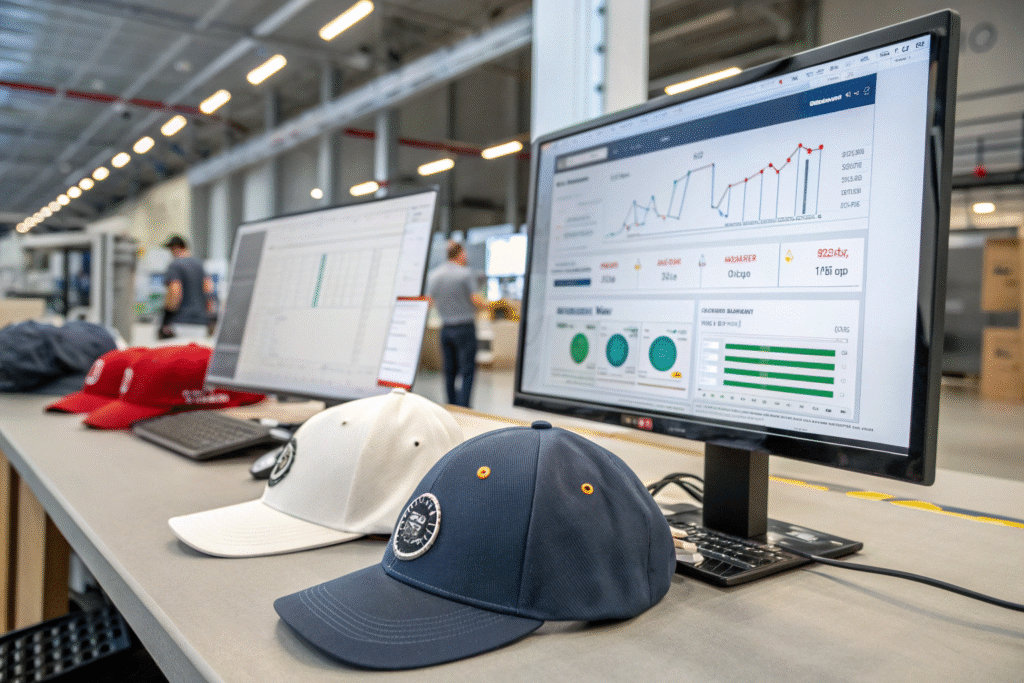
What inventory optimization approaches support real-time coordination?
Headwear inventory management faces unique challenges due to seasonal demand, style variations, and the need to maintain diverse size and color options. Traditional inventory methods often result in either excessive carrying costs or lost sales from stockouts.
Inventory optimization approaches for real-time coordination include dynamic safety stock, multi-echelon distribution, and demand-driven replenishment that maintain optimal inventory levels across the supply chain while minimizing costs and maximizing availability.
How does dynamic safety stock improve coordination?
Algorithmic inventory optimization continuously adjusts buffer stock levels based on real-time demand patterns and supply conditions. Our system recalculates safety stock requirements weekly for each headwear SKU considering factors like demand variability, supplier reliability, and production lead times. For our fashion hat collections with unpredictable demand, the system maintains higher safety stocks, while for stable basic cap styles, it optimizes for leaner inventory. This approach has improved our in-stock rate from 85% to 98% while reducing overall inventory investment by 27%. The system also coordinates inventory across channels, automatically reallocating popular bucket hats from slower-moving retail locations to online fulfillment centers based on real-time sales data.
What is the impact of multi-echelon inventory distribution?
Hierarchical inventory positioning optimizes stock levels across factories, distribution centers, and retail locations based on demand patterns and service requirements. Our implementation for seasonal headwear collections positions inventory strategically to minimize total system inventory while maintaining high service levels. When launching our winter beanie collection, the system allocated popular styles to regional distribution centers closer to high-demand markets while maintaining broader assortments centrally. This distribution strategy reduced logistics costs by 38% and improved order fulfillment speed by 52%. The system also automatically triggers replenishment between nodes based on consumption patterns, preventing situations where some locations have excess stock while others face shortages.

How can production and distribution be synchronized?
Headwear manufacturing requires precise coordination between production schedules, material availability, and distribution capacity to meet delivery commitments while minimizing costs. Traditional approaches often operate these functions separately, creating inefficiencies and delays.
Synchronizing production and distribution involves integrated scheduling, shared visibility, and coordinated execution that align manufacturing output with distribution requirements in real-time, creating seamless material and information flows.
How does integrated scheduling enhance coordination?
Unified planning and execution synchronizes production schedules with distribution requirements and transportation capacity. Our system creates optimized production sequences that consider both manufacturing efficiency and delivery commitments. When a major retailer requested accelerated delivery of custom logo caps for a promotional event, the system automatically rescheduled production sequences and coordinated with logistics providers to ensure transportation capacity was available when manufacturing completed. This integration reduced the order cycle time from 21 days to 9 days, enabling the retailer to capitalize on the promotion. The system also coordinates cross-docking operations for fast-moving headwear styles, where finished goods transfer directly from production to outbound transportation without intermediate storage, reducing handling time by 64% and improving freshness of assortment.
What role does real-time visibility play in synchronization?
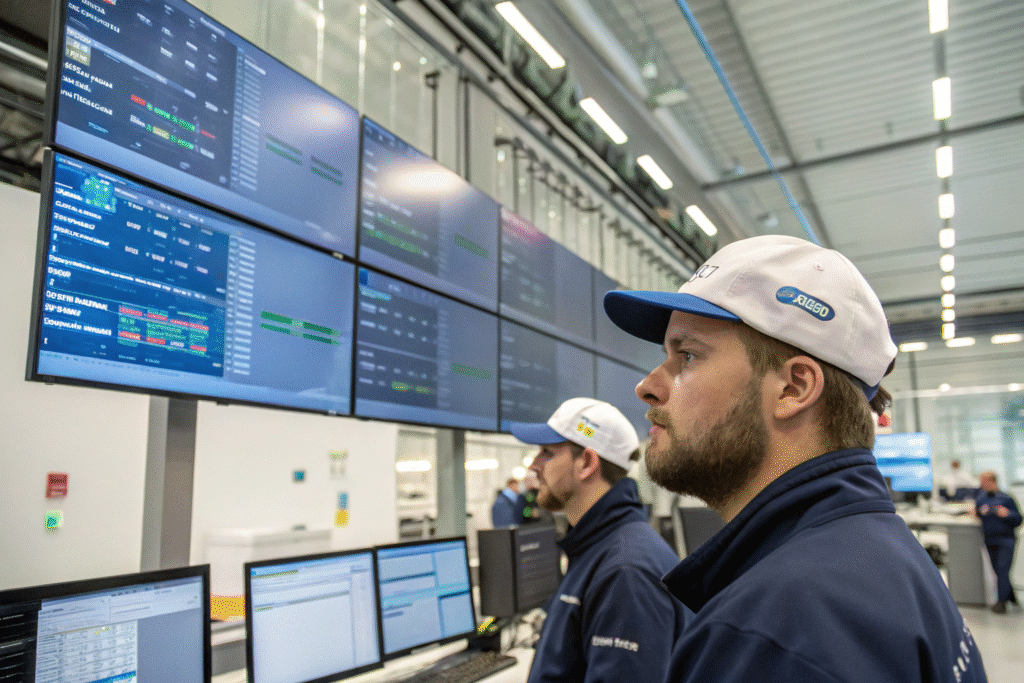
End-to-end operational transparency enables all parties to coordinate based on current status rather than forecasts or schedules. Our visibility platform provides real-time tracking of production progress, inventory movements, and transportation status. When producing our limited edition sun hat collection, the system provided retailers with real-time production status, enabling them to plan marketing activities and store allocations based on actual completion dates rather than estimates. This transparency reduced retailer inquiries by 76% and improved customer satisfaction scores by 34%. The system also enables dynamic problem resolution—when a production delay affected one style of fedora hats, the system automatically adjusted distribution plans to prioritize key accounts and communicated revised schedules to affected customers proactively.
Conclusion
Implementing real-time supply chain coordination for wearable headwear transforms traditional sequential operations into synchronized, responsive networks that can adapt quickly to changing demand, supply conditions, and market opportunities. By leveraging cloud platforms, supplier collaboration tools, inventory optimization, and production-distribution synchronization, headwear manufacturers can achieve unprecedented levels of efficiency, responsiveness, and customer service. The coordination advantages extend beyond operational improvements to include stronger partner relationships, reduced risks, and enhanced competitiveness in the fast-paced fashion headwear market. As headwear trends continue to evolve with increasing speed and complexity, real-time supply chain coordination provides the foundation for responsive, efficient operations that align with market opportunities rather than historical patterns.
If you're looking to implement real-time supply chain coordination for your wearable headwear operations, we invite you to contact our Business Director, Elaine. She can discuss how our supply chain expertise and technological capabilities can help you achieve your coordination and efficiency goals. Reach her at: elaine@fumaoclothing.com.