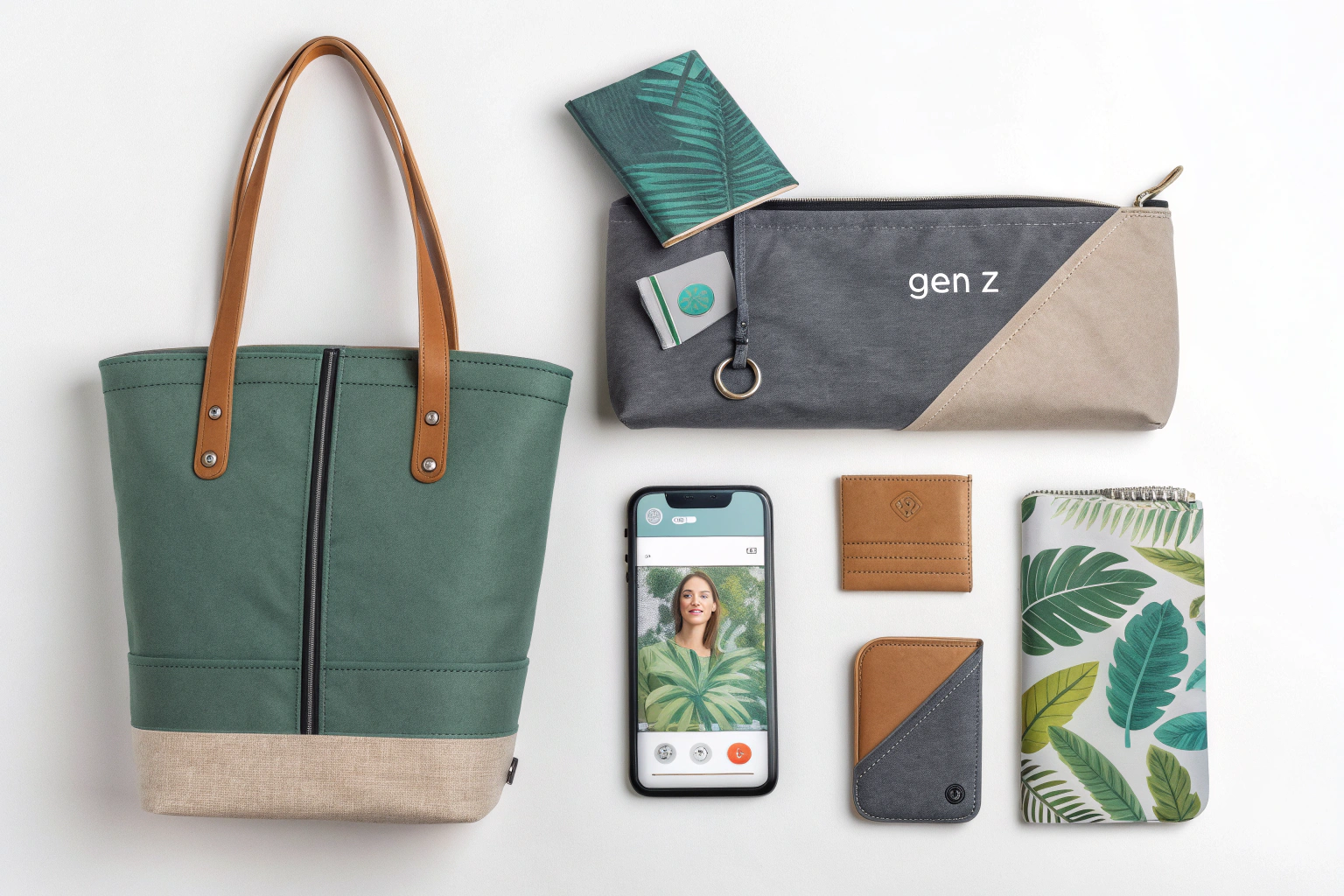
You've created a beautiful line of eco-friendly accessories. You've used recycled materials, chosen sustainable fabrics, and partnered with a responsible factory. Now comes the most challenging part: how do you market them to Gen Z, the most discerning and skeptical generation of consumers in history? Simply labeling your product "eco-friendly" is not enough. In fact, it can even backfire if not supported by genuine proof. So, how do you cut through the noise and build real trust?
How can you authentically market to Gen Z? You must abandon traditional advertising and embrace radical transparency and community building. The four key strategies are: 1) you must show, not just tell, with transparent, "behind-the-scenes" content on platforms like TikTok and Reels, 2) you must partner with authentic, value-aligned creators and micro-influencers, not just paid celebrities, 3) you must clearly and simply explain the "why" behind your material and process choices, and 4) you must build a genuine community around shared values, not just transactions. At Shanghai Fumao Clothing, we encourage our clients to be proud of their responsible choices and to share that story openly, because we know that for Gen Z, authenticity is the new currency.
Is this just about making good TikToks? No. It's about a fundamental shift from broadcasting a message to building a relationship. Let's explore the four pillars of this new marketing playbook.
Why Must You "Show, Don't Tell" with Radical Transparency?
What is the biggest marketing sin for Gen Z? It's making a claim without providing the receipts. This generation has grown up with the internet and has an innate ability to spot "greenwashing" (making false or misleading claims about environmental benefits). They don't want to read a press release; they want to see the proof with their own eyes.
This means you need to pull back the curtain on your production process. The best way to do this is through short-form video on platforms like TikTok and Instagram Reels. Show them the raw, sustainable materials you use. Show a clip of the skilled artisans who make your products. Show how you minimize waste in your cutting process. This raw, unpolished, "behind-the-scenes" content is infinitely more powerful and trustworthy to a Gen Z audience than a glossy, perfect advertisement.

What Kind of Content Resonates Most?
What should you be filming?
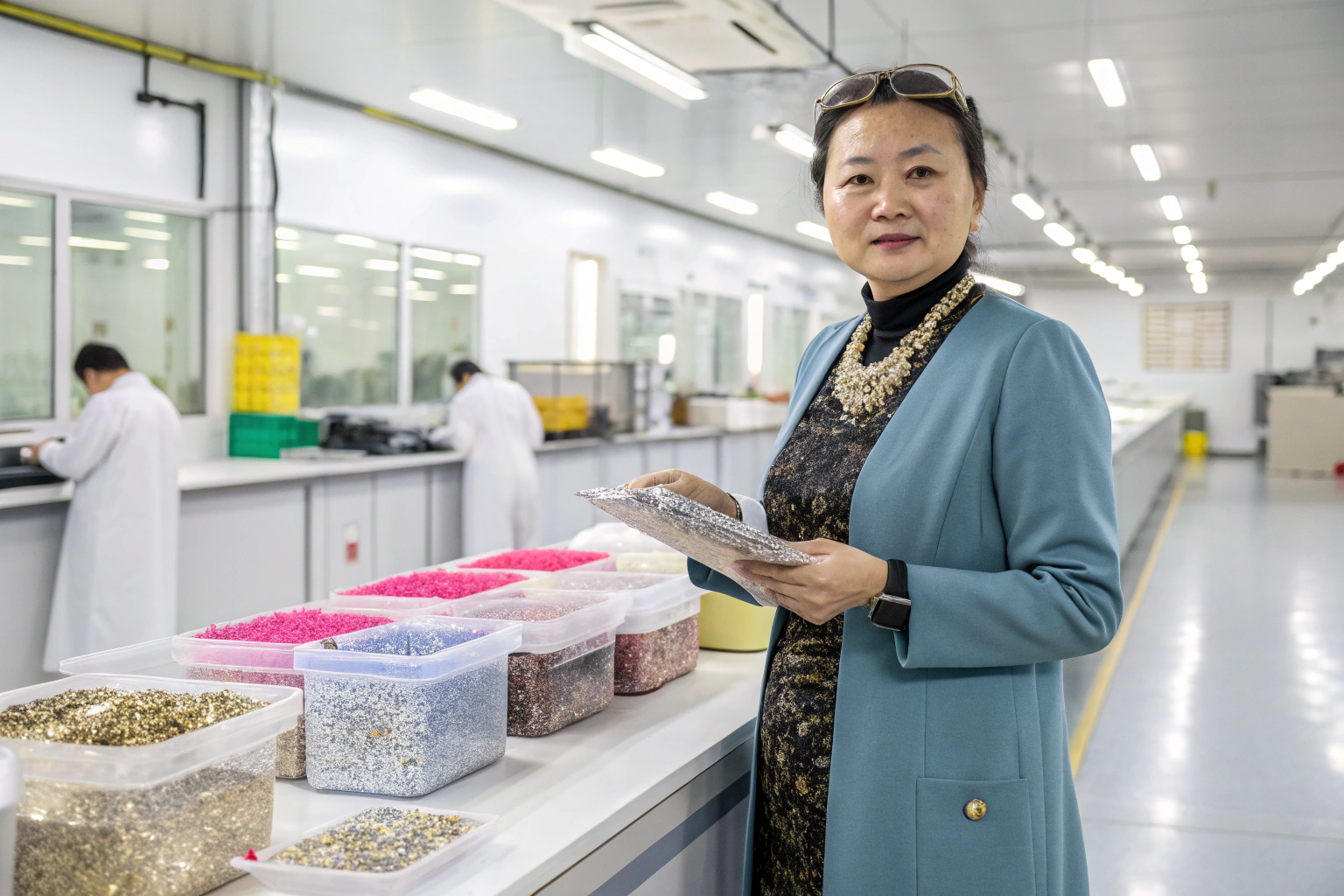
- Material Origins: A 15-second video showing a bale of organic cotton or a bag of recycled plastic pellets and then cutting to the finished product.
- "Meet the Maker": A short, informal interview with one of the skilled workers who crafts your accessories.
- "No-Waste" Hacks: Show how your factory uses fabric scraps to create smaller items, like scrunchies, to minimize waste. This is a powerful story we help our clients tell.
- Packaging Process: Show how you use minimal, recycled, or reusable packaging to ship your products.
Why is This More Effective Than a Polished Ad?
Doesn't this feel less professional? To previous generations, perhaps. But to Gen Z, "polished" often equals "fake." Raw, authentic content feels more trustworthy. It shows you are confident enough in your process to show it, flaws and all. It treats the consumer like an intelligent partner, not a passive target. This approach is at the heart of modern content marketing.
Why Should You Partner with Authentic, Value-Aligned Creators?
Who does Gen Z trust for product recommendations? They don't trust big-name celebrities in glossy magazine ads. They trust creators and micro-influencers who share their values and have built a genuine community around a specific niche, like sustainable fashion, thrifting, or veganism.
The key is to find creators who are already passionate about sustainability. Don't just look for someone with a million followers. Look for someone with 10,000 highly engaged followers who truly believes in living an eco-conscious lifestyle. A recommendation from this type of authentic creator is perceived as a genuine endorsement from a trusted friend, not a paid advertisement.

How Do You Find the Right Creators?
Where do you find these authentic voices?
- Search hashtags on TikTok and Instagram like #sustainablefashion, #ecofriendlyliving, and #slowfashion.
- Look for creators who are not just showing products, but are also educating their audience about environmental issues.
- Prioritize engagement rate (likes and comments as a percentage of followers) over raw follower count. A creator with high engagement has a more loyal and trusting audience.
Should You Control Their Message?
Do you give them a script? Absolutely not. This is the biggest mistake brands make. The power of a creator lies in their unique voice and authenticity. You should provide them with the product and all the information about its sustainable features, but then give them the creative freedom to share it in their own words and style. A scripted review will be immediately identified as a disingenuous ad and will damage both the creator's and your brand's credibility.
How Can You Clearly Explain the "Why" Behind Your Choices?
Why did you choose to use a specific material? What makes it better for the environment? Gen Z is a curious and intelligent generation. They don't just want to know what your product is made of; they want to know why. You need to educate them in a simple, clear, and honest way.
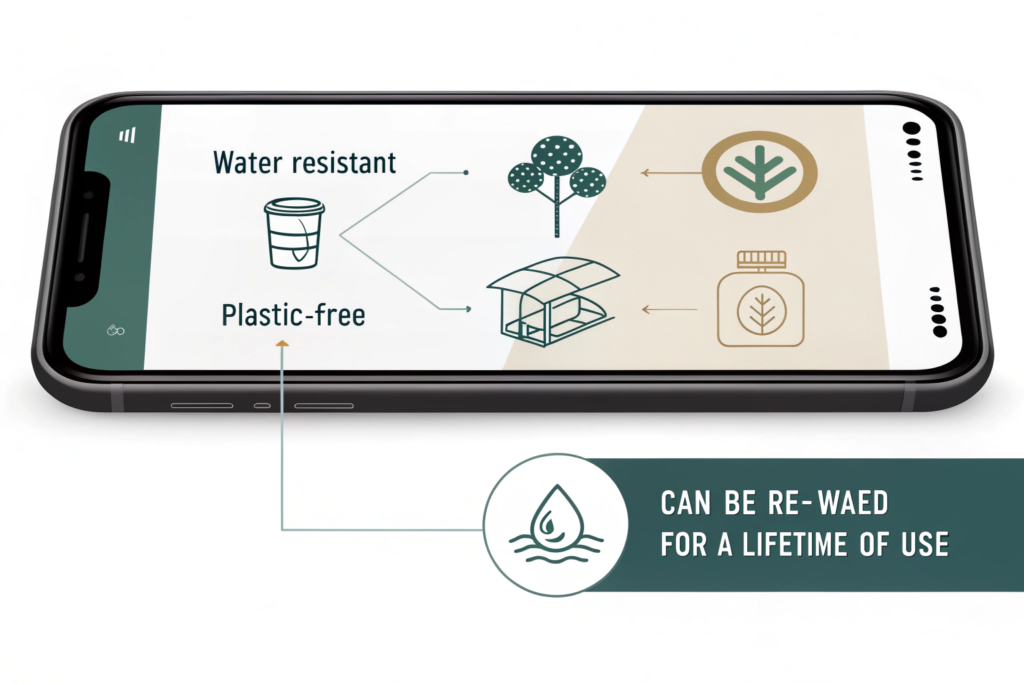
Avoid vague, meaningless terms like "eco-friendly" or "green." Be specific. Instead of "eco-friendly hat," say "Made from 100% Organic Cotton, grown without pesticides, which is better for the soil and farmers." Instead of "sustainable bag," say "Made from 15 recycled plastic water bottles."
Use your product descriptions, social media captions, and website to provide this clear, concise, and verifiable information. Infographics and short, animated videos are perfect for explaining these concepts in a visually engaging way.
How Can You Make This Information Easily Accessible?
Should you hide this in a long blog post? No. This information needs to be front and center.
- Product Pages: Use bullet points or icons directly on your product pages to highlight the key sustainable features.
- QR Codes: Add a QR code to your product's tag that links directly to a page on your website explaining its sustainable journey.
- "Materials Glossary": Create a dedicated section on your website that explains the benefits of all the sustainable materials you use, from recycled polyester to Tencel™ Lyocell.
Why is Honesty About Imperfection So Important?
What if your product isn't 100% perfect? You should admit it. Gen Z values honesty over perfection. If your buckle is made from conventional metal but you're working on sourcing a recycled alternative, say that. Being transparent about your journey and your goals for improvement is far more powerful than pretending to be perfect. It shows you are a real, human-led brand that is genuinely trying to do better.
How Do You Build a Community Around Shared Values?
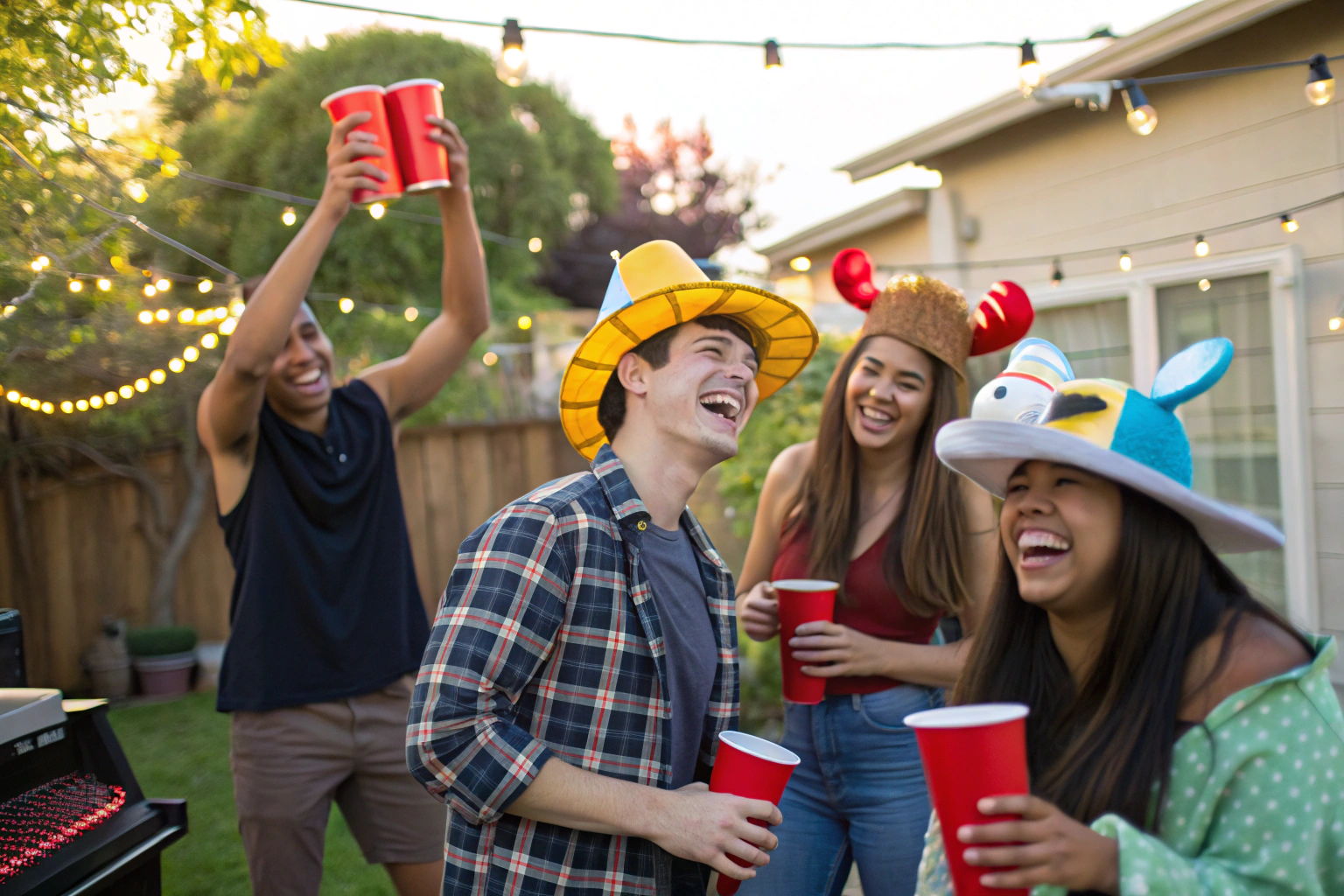
What is the ultimate goal of marketing to Gen Z? It's not just to make a single sale. It's to build a community of loyal fans who feel like they are part of your brand's mission. Gen Z doesn't want to just buy from brands; they want to co-create with them and belong to their "tribe."
This means using your platform to talk about more than just your products. Share articles about environmental news. Spotlight activists and creators who are making a difference. Ask your audience for their opinions on new designs or sustainability initiatives. Create a Discord server or a private Facebook group where your top fans can connect with each other and with your team. Make them feel like they are insiders and partners on your journey.
How Does This Drive Long-Term Loyalty?
Doesn't this turn customers into advocates? Yes. When a customer feels like they are part of a community with shared values, they are no longer just a customer. They are a brand advocate. They will defend your brand, promote it to their friends for free, and stick with you for the long term. This sense of belonging is the "holy grail" of modern branding.
What Are Some Community-Building Activities?
How can you foster this sense of community?
- User-Generated Content Campaigns: Encourage your followers to share photos of them using your products with a specific hashtag, and feature the best ones on your feed.
- Ask for Input: Use Instagram Stories polls to let your community vote on new colorways or product names.
- Partner with a Cause: Donate a percentage of your profits to an environmental charity chosen by your community. This shows your commitment is real and gives them a direct way to participate.
Conclusion
So, how do you market eco-friendly accessories to Gen Z? Do you need a bigger advertising budget? No. You need a bigger commitment to authenticity.
It requires a radical shift towards transparent, behind-the-scenes storytelling. It demands partnerships with authentic, value-aligned creators who can share your message with genuine passion. It necessitates a commitment to clear, honest education about why your products are a better choice. And most importantly, it requires you to stop selling to them and start building a community with them around a shared passion for a better, more sustainable world.
As a manufacturer, we are ready to be your partner in this journey. We can provide the transparent, high-quality, and sustainable production you need to build a brand that Gen Z will not only buy from, but believe in. Please contact our Business Director, Elaine, at her email: elaine@fumaoclothing.com.