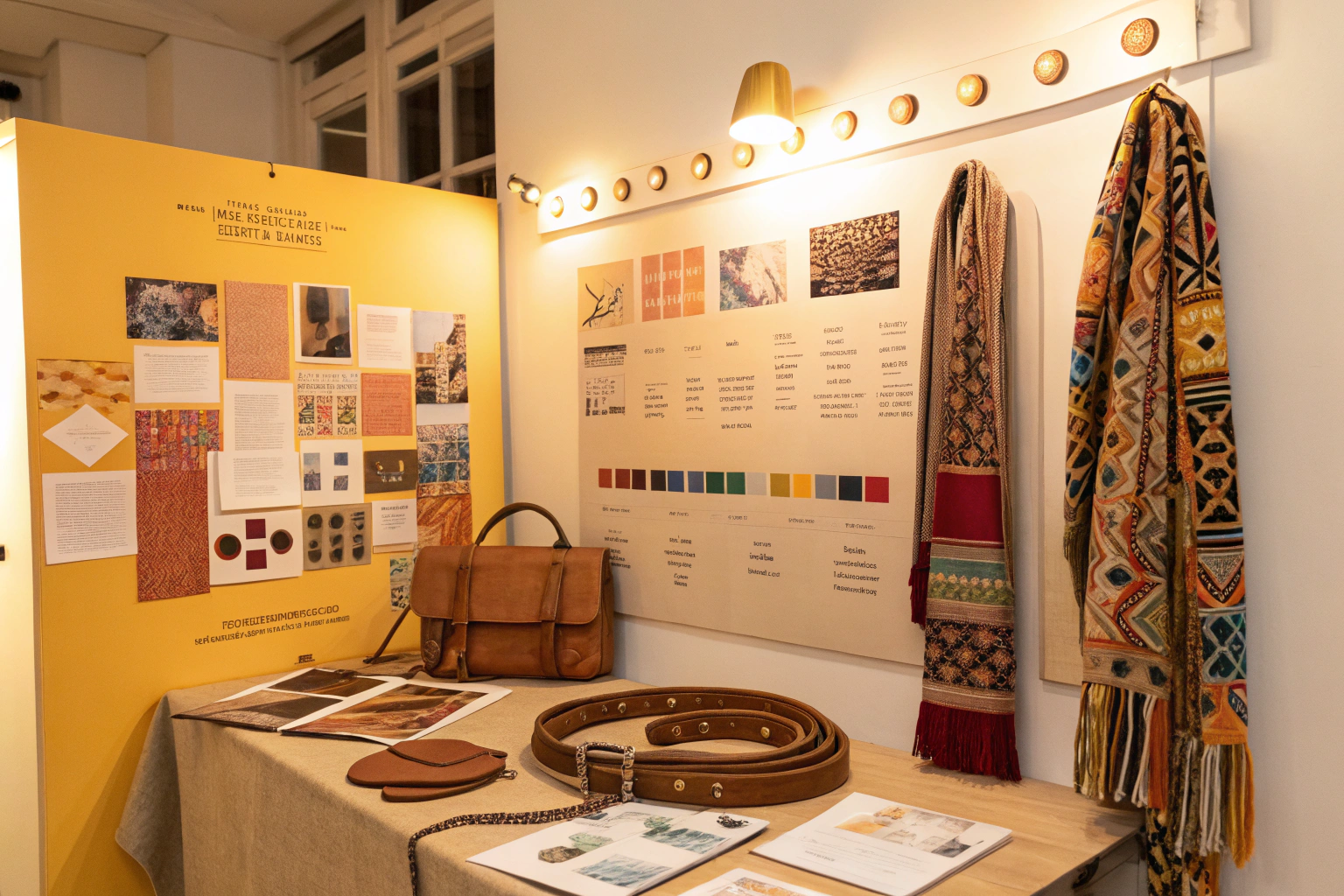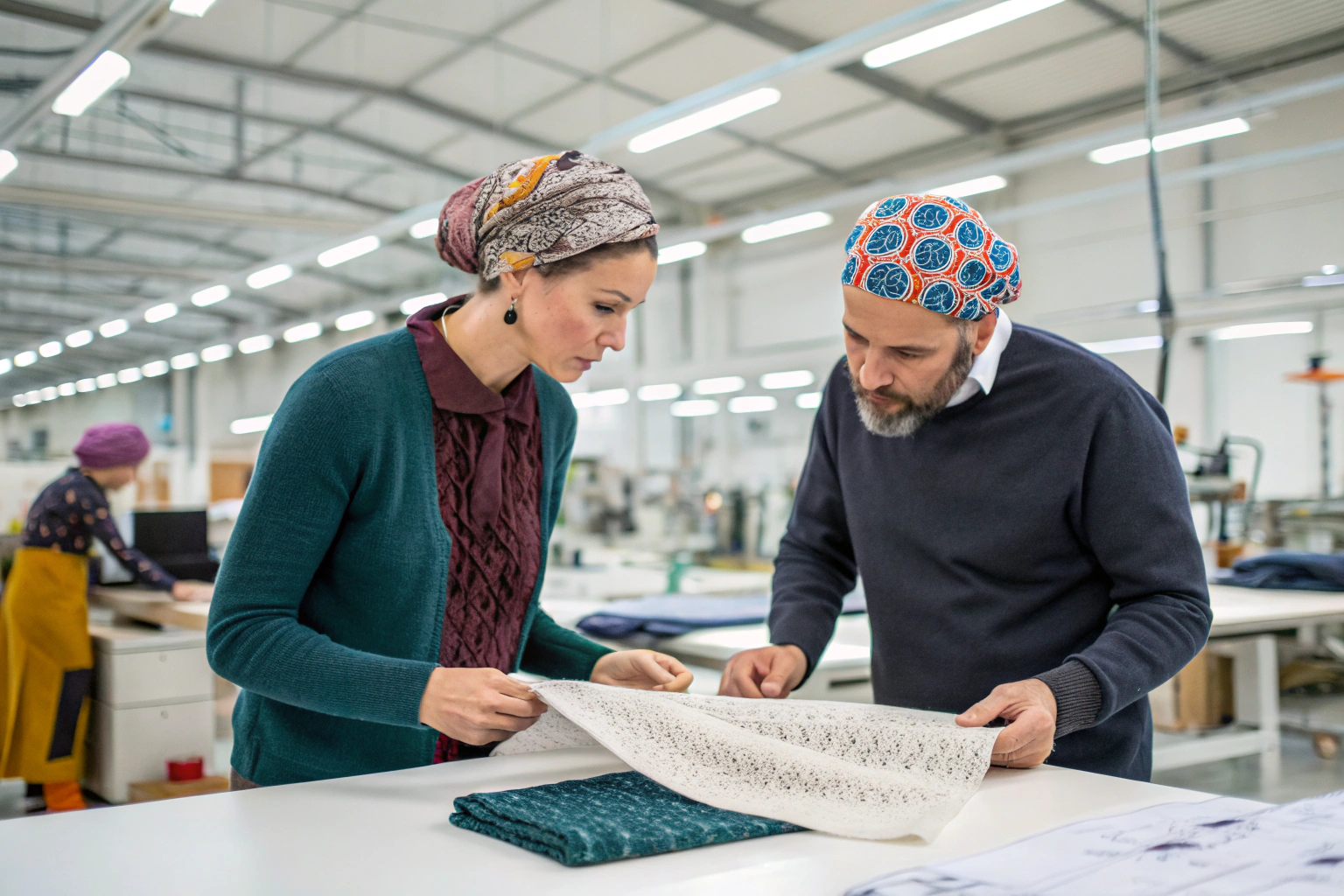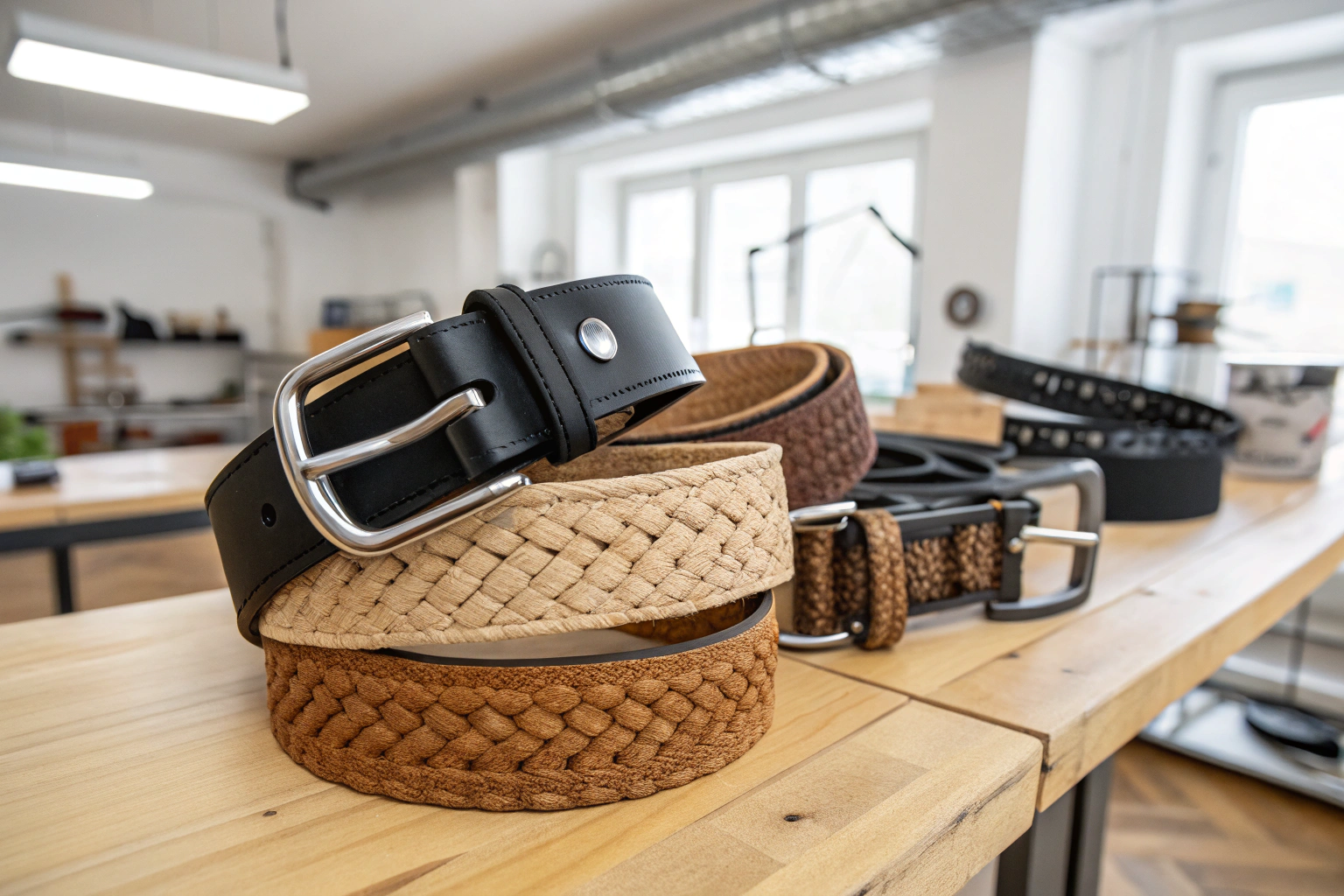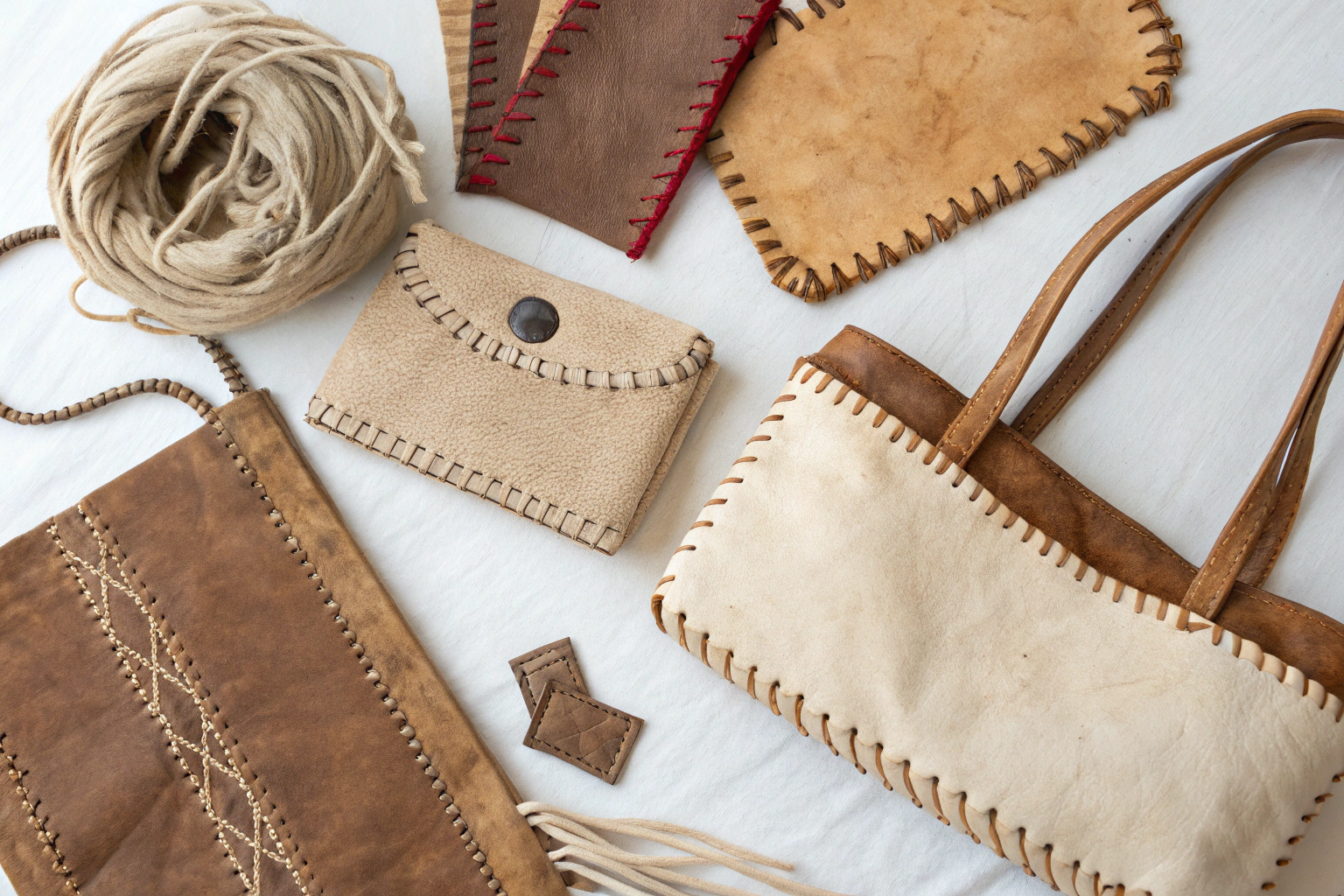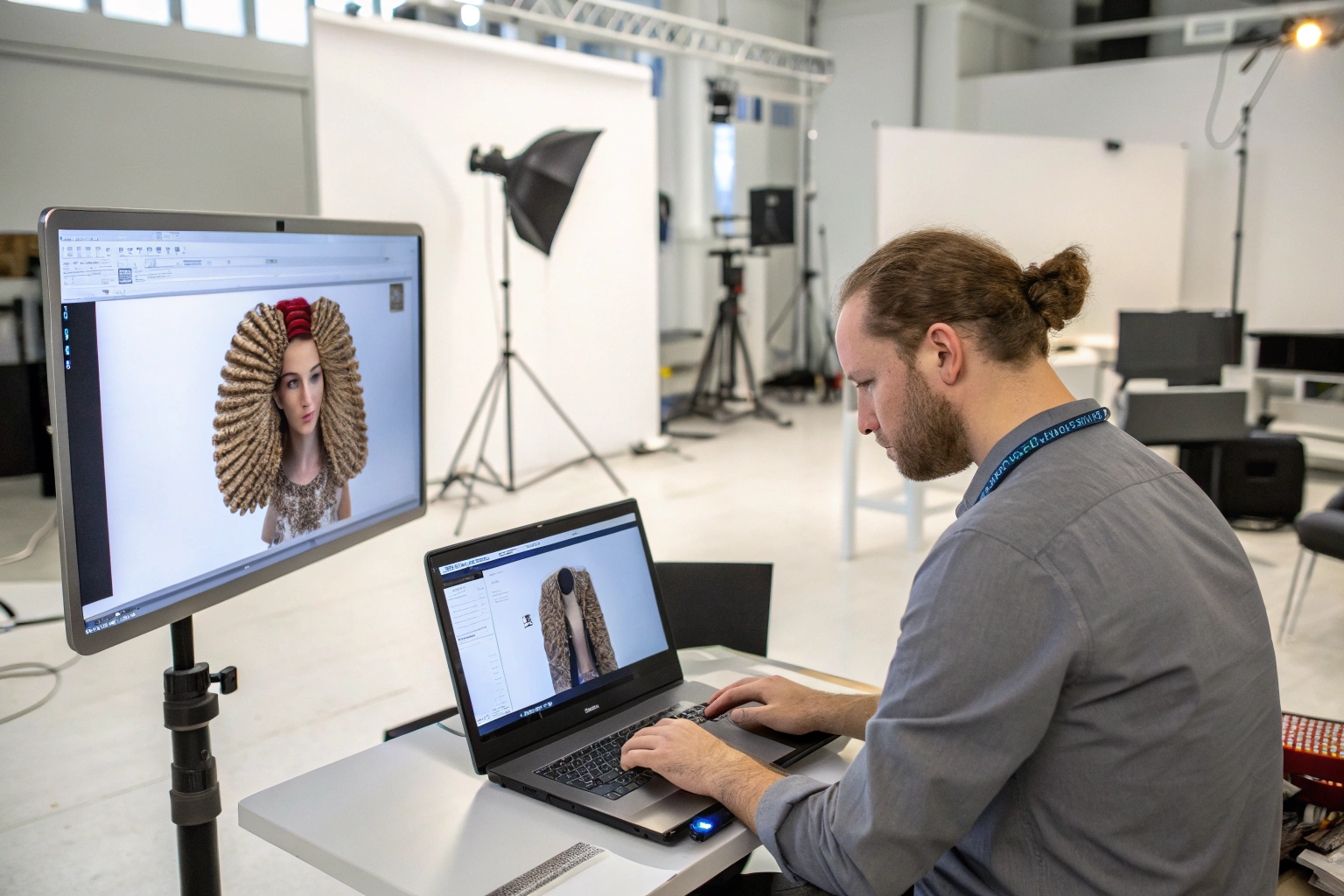
I have been manufacturing accessories for over 15 years. For most of that time, the development process was physical. We would get a sketch. We would make a prototype. We would send it to the client. They would request changes. We would make another prototype. We would send it again. This process took weeks. It cost money. It generated waste. I remember a client who wanted a new hair clip design. We went through seven rounds of samples. Each sample took a week. Each sample cost money. The client was frustrated with the time. I was frustrated with the cost. Then we discovered 3D sampling. A designer showed me a 3D model of a belt buckle on a screen. I could see the texture, the color, the reflection. It looked real. We made changes in minutes, not days. That experience changed our development process. Today, I want to share how 3D sampling can reduce development costs for accessories.
3D sampling reduces development costs for accessories by eliminating physical prototypes in the early stages, shortening the design iteration cycle, reducing material waste, and enabling faster decision-making. Instead of producing multiple physical samples, designers create photorealistic 3D models. These models can be viewed from any angle. Colors, textures, and finishes can be changed instantly. Clients can see exactly how the product will look. Only after the design is finalized through virtual iteration is a physical sample made. This reduces the number of physical samples needed. It cuts material waste. It shortens the development timeline from weeks to days. It also reduces shipping costs for samples. For manufacturers like us, it allows us to allocate resources more efficiently. For buyers, it means faster time to market and lower development costs.
You might be thinking, "3D sampling sounds high-tech. Is it only for large brands?" The answer is no. 3D sampling is accessible. The software is more affordable than ever. The skills are more common. At Shanghai Fumao, we have integrated 3D sampling into our development process. We use it for belts, hair clips, hats, and scarves. We have seen the benefits firsthand. Let me walk you through how 3D sampling reduces costs and improves outcomes.
How Does Traditional Sampling Drive Up Costs?
To understand the value of 3D sampling, you must first understand the costs of traditional sampling. I have lived these costs for years. They are not just financial. They are time costs. They are opportunity costs. They are waste costs. Every physical sample has a price.
Traditional sampling drives up costs through material consumption, labor hours, shipping fees, and iteration delays. Each physical sample requires materials. Fabric, metal, plastic, and packaging. These materials are often discarded after the sample is reviewed. Each sample requires labor. Designers, pattern makers, and sample makers spend hours on each iteration. Shipping costs add up. Samples are shipped back and forth across oceans. The biggest cost is time. Each iteration takes days or weeks. Delays in sampling push back production and delivery. For seasonal products, missing the window means lost sales. Traditional sampling is linear, slow, and resource-intensive.
I want to share a real example. A client wanted a new belt design. We made a physical sample. It took 5 days. We shipped it. Shipping took 3 days. The client reviewed it. They wanted a change. They shipped it back. That took 3 days. We made the change. Another 5 days. We shipped again. Another 3 days. The client approved. Total time: 19 days. Total cost: materials, labor, shipping for two samples. With 3D sampling, that entire process could have been done in 2 days, with zero material waste and zero shipping costs.
What Are the Hidden Costs of Physical Sampling?
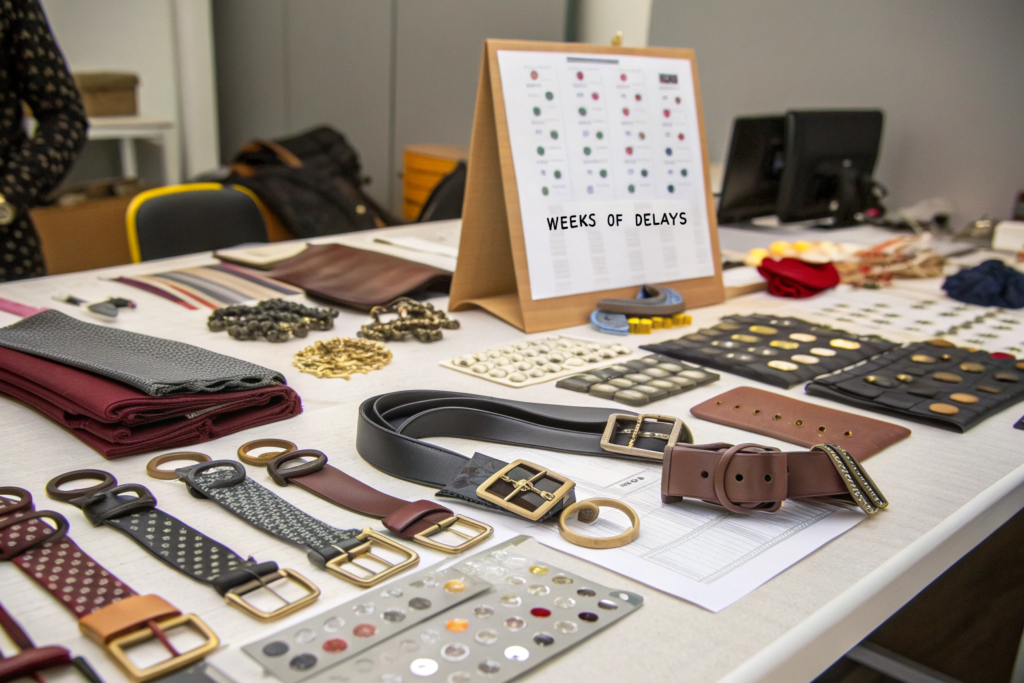
The hidden costs are significant. First, storage. Physical samples take up space. They need to be organized and tracked. Second, communication. Explaining a physical sample over email or phone is hard. "The color is off" means different things to different people. Third, iteration limits. Because each sample costs time and money, there is pressure to approve quickly. This leads to compromises. Fourth, environmental waste. Discarded samples end up in landfills. Fifth, opportunity cost. While you are waiting for samples, you could be selling. These hidden costs add up. They are often not accounted for in the sample budget.
How Many Physical Samples Are Typically Needed?
The number varies. For simple products, 1 to 2 samples may be enough. For complex products, it can be 5, 6, or more. I have seen projects with 10 samples. Each sample represents a cycle. Each cycle costs time and money. With 3D sampling, we can reduce the number of physical samples to 1 or 2. The first physical sample is made only after the design is finalized virtually. This cuts the number of physical samples by 50% to 80%. The savings are substantial.
How Does 3D Sampling Work for Accessories?
3D sampling is not magic. It is a tool. It requires skill. But it is accessible. I have seen our design team learn it quickly. The software creates a virtual model of the product. You can see it from any angle. You can change colors instantly. You can see how light reflects off the surface. It is remarkably realistic.
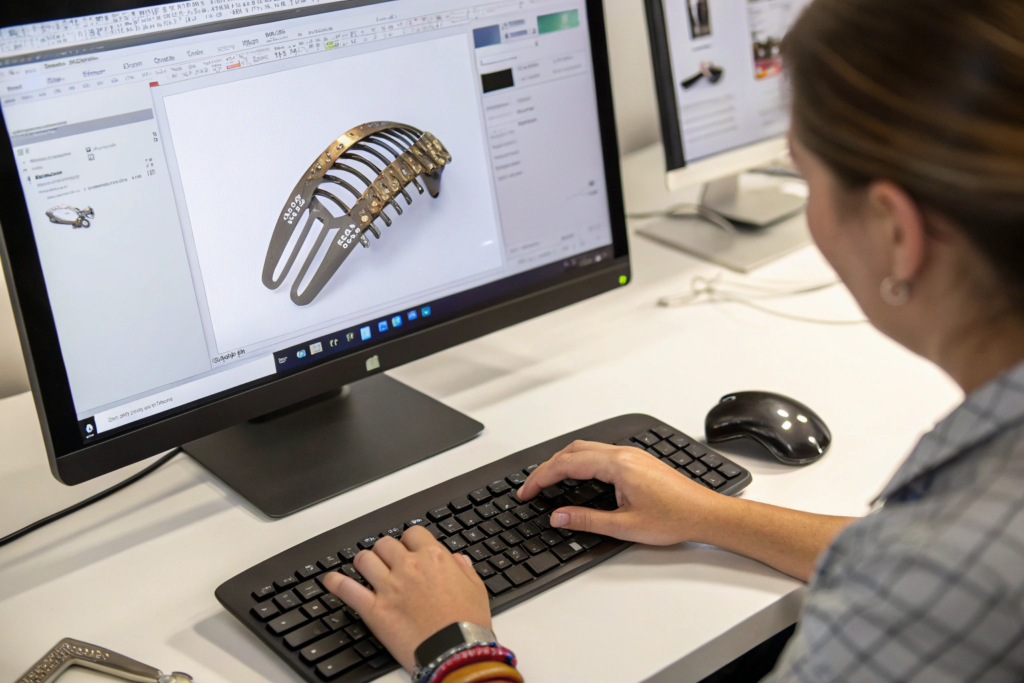
3D sampling for accessories uses specialized software to create photorealistic virtual models. The process starts with a 3D model of the product. The designer creates the model using CAD (computer-aided design) software. Then materials are applied. The software simulates the texture, color, and reflectivity of the actual materials. Leather, metal, fabric, and plastic can all be rendered realistically. The model can be rotated, zoomed, and viewed from any angle. Lighting can be adjusted to simulate different environments. Changes are made instantly. A color change takes seconds. A shape modification takes minutes. Once the virtual model is approved, the designer creates a technical drawing. This drawing is used to make the final physical sample. The physical sample is typically made only once.
I remember our first 3D sampling project. It was a belt with a complex buckle. The client wanted to see different finishes. Polished silver. Antique brass. Matte black. In the physical world, that would have meant three samples. In 3D, we rendered all three in an hour. The client saw them on the screen. They chose matte black. We made one physical sample. The sample was approved. We saved time, materials, and shipping. The client was impressed.
What Software Is Used for 3D Sampling?
Several software options are available. For beginners, Blender is free and powerful. For professionals, Rhino, SolidWorks, and Fusion 360 are common. For fashion accessories, specialized software like Clo 3D and Browzwear are used for fabric-based products. For hard goods like metal buckles, CAD software is used. The key is to have software that can render materials realistically. Photorealistic rendering is what makes 3D sampling effective. If the model looks like a cartoon, it is not useful. Our team uses a combination of Rhino for hard goods and Clo 3D for soft goods. This 3D sampling capability is available to all our clients.
How Realistic Are 3D Renders?
Modern 3D rendering is incredibly realistic. With good software and skilled designers, the virtual model can be nearly indistinguishable from a photograph. The software simulates how light interacts with the surface. It simulates the grain of leather. It simulates the reflection of polished metal. It simulates the drape of fabric. The key is to have accurate material libraries. We have built libraries of our actual materials. When we render a belt in "cognac leather," it looks exactly like our cognac leather. This realism allows clients to make confident decisions without holding a physical sample.
How Does 3D Sampling Reduce Material Waste?
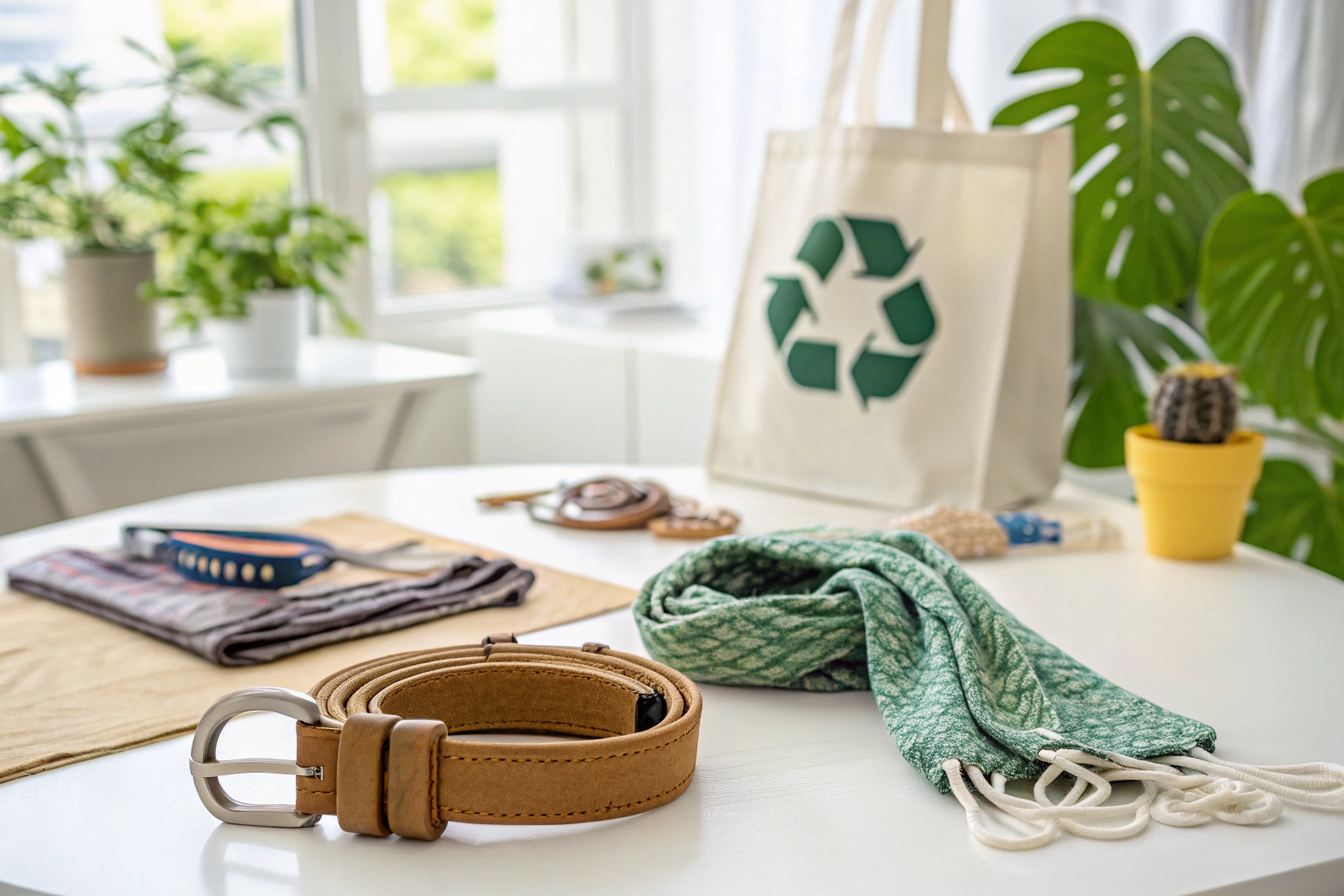
Material waste is a cost. It is also an environmental issue. I have seen bins of discarded samples. Leather. Fabric. Metal. Plastic. Each sample represents resources that were used once and then thrown away. 3D sampling reduces this waste dramatically. It is not just good for the bottom line. It is good for the planet.
3D sampling reduces material waste by eliminating the need for multiple physical samples. Each physical sample consumes materials. For a leather belt, that includes leather, a buckle, thread, and packaging. For a hair clip, that includes metal, plating, and springs. These materials are often discarded after the sample is reviewed. With 3D sampling, materials are only consumed for the final approved sample. This can reduce material waste by 50% to 80%. For brands with sustainability goals, this is significant. For manufacturers, it reduces inventory of sample materials. For the environment, it reduces landfill waste.
I want to share a calculation. For a typical belt project, we might make 3 physical samples. Each sample uses 0.5 square feet of leather, one buckle, thread, and packaging. That is 1.5 square feet of leather, 3 buckles, and packaging waste. For a project with 10 samples, the waste is 10 times that. Over a year, across hundreds of projects, the waste is enormous. With 3D sampling, we make 1 physical sample. The waste is reduced by 67% to 90%. This is not just cost savings. It is a commitment to sustainability.
How Much Material Is Saved Through 3D Sampling?
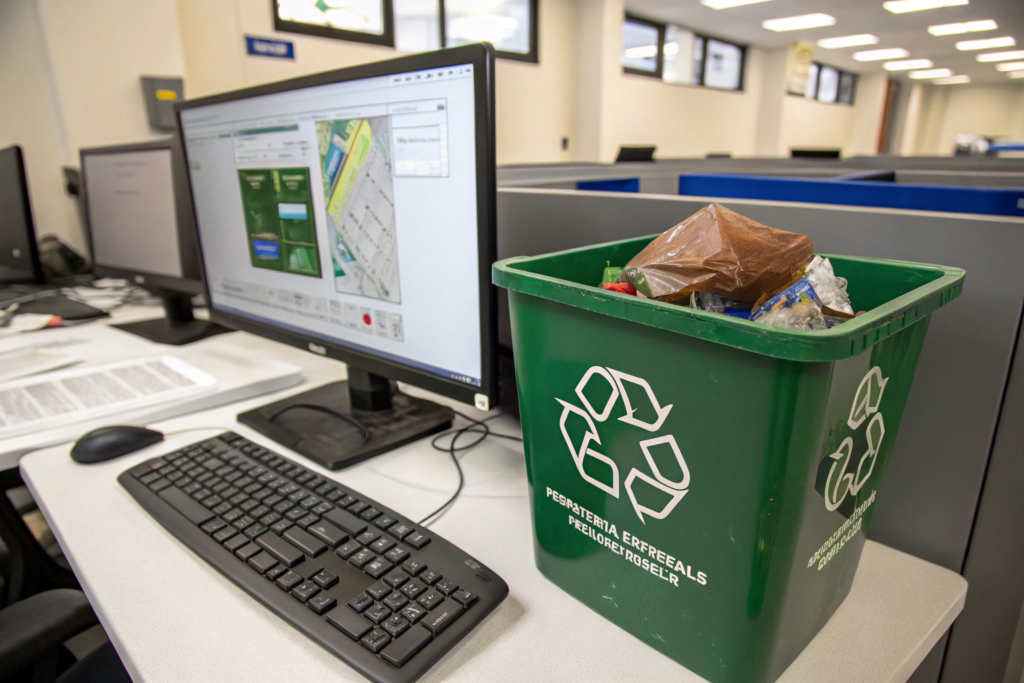
The material savings vary by product. For metal products like buckles, each sample requires casting or machining. That consumes metal and energy. For fabric products, each sample consumes fabric and thread. For printed products, each sample consumes ink and substrate. On average, we estimate that 3D sampling reduces physical samples by 2 to 5 per project. Over a year, that adds up to significant material savings. For a brand that launches 20 new products a year, the savings are substantial. These sustainability benefits are increasingly important to consumers.
What About the Environmental Impact of Shipping?
Shipping physical samples has a significant environmental impact. Each sample is shipped via air or courier. The carbon footprint is high. A sample shipped from China to the US emits approximately 1 to 2 kilograms of CO2. For 5 samples, that is 5 to 10 kilograms. For hundreds of projects, it adds up. 3D sampling eliminates this shipping. The virtual model is sent via email. There is no carbon footprint. This is another way 3D sampling supports sustainability goals.
How Does 3D Sampling Shorten Time to Market?
Time is money. In the accessory business, timing is everything. Seasonal products must hit the market at the right time. A delay of weeks can mean missed sales. 3D sampling compresses the development timeline. I have seen projects that used to take 6 weeks now take 2 weeks. The speed is a competitive advantage.
3D sampling shortens time to market by reducing the iteration cycle from weeks to days. In traditional sampling, each iteration takes 7 to 14 days. Design, sample making, shipping, review. In 3D sampling, iterations take minutes or hours. Changes are made on screen. The client sees the updated model instantly. The design is finalized virtually. Only then is a physical sample made. This can reduce total development time by 50% to 70%. For seasonal products, this means earlier market entry. For fast-fashion brands, it means the ability to respond to trends quickly. For all brands, it means faster return on investment.
I remember a client who needed a new hat style for a summer collection. They came to us in January. Under traditional sampling, we would have made samples, sent them, waited for feedback, made changes. The timeline would have been tight. We used 3D sampling. We rendered the hat in 3D. The client saw it on screen. They requested changes. We changed the brim shape in minutes. They approved. We made one physical sample. The sample was approved. The hats were in production by February. They were on shelves by March. The client had a full season to sell. The speed made the difference.
How Much Time Is Saved per Project?
The time savings vary by product complexity and number of iterations. For a simple product with 2 iterations, traditional sampling might take 3 to 4 weeks. 3D sampling might take 1 to 2 weeks. For a complex product with 5 iterations, traditional sampling might take 8 to 10 weeks. 3D sampling might take 2 to 3 weeks. The savings are most significant for complex products. The saved time allows for more design exploration. It also reduces the risk of missing market windows. We track development timelines for all our projects.
How Does Faster Development Benefit Your Business?
Faster development has multiple benefits. First, you can launch products earlier. You capture the full selling season. Second, you can respond to trends faster. A trend that emerges in January can be on shelves by March. Third, you can test more concepts. With lower time cost per concept, you can explore more ideas. Fourth, you reduce risk. If a product fails, you know sooner. You can pivot. Fifth, you improve cash flow. Products start selling sooner. The money comes in faster. These benefits are not just theoretical. They are real competitive advantages.
Conclusion
3D sampling is not a futuristic concept. It is a practical tool that reduces development costs for accessories today. It cuts material waste. It shortens timelines. It improves design quality. It reduces shipping costs. It enables more iterations. It aligns expectations. It is good for the bottom line. It is good for the environment.
The traditional sampling process was linear, slow, and wasteful. 3D sampling is iterative, fast, and efficient. The transition requires investment in software and skills. But the return is substantial. For manufacturers, it means lower costs and higher client satisfaction. For buyers, it means faster time to market and lower development fees.
At Shanghai Fumao, we have embraced 3D sampling. We have integrated it into our workflow. We use it for every new product. We have seen the benefits. Our clients have seen the benefits. We are committed to continuous improvement. 3D sampling is a key part of that commitment.
Your next accessory product can be developed faster, with less waste, and at lower cost. Let us show you how. Please contact our Business Director, Elaine, at elaine@fumaoclothing.com to discuss your next accessory project. We can show you how our 3D sampling process can reduce your development costs and get your products to market faster.