As manufacturers observing global fashion cycles, we're witnessing a powerful resurgence of 90s accessories that transcends nostalgic revival to become a significant market force. The return of these iconic pieces represents a convergence of generational nostalgia, sustainable fashion values, and contemporary reinterpretation of classic designs.
Vintage 90s accessories are experiencing a substantial market comeback through strategic reissues by luxury brands, the thriving secondhand market, contemporary reinterpretations using modern materials, and influencer-driven nostalgia that introduces these iconic pieces to new generations. This revival spans across multiple categories including minimalist jewelry, bucket hats, chunky sneakers, small sunglasses, and iconic bag silhouettes that defined 90s fashion.
Based on our analysis of market trends and production for brands capitalizing on this resurgence, here's our comprehensive examination of how 90s accessories are reclaiming their position in contemporary fashion markets.
What Market Forces Are Driving the 90s Accessory Revival?
The return of 90s accessories to market prominence is fueled by multiple converging factors that extend beyond simple nostalgia. Understanding these market forces helps explain why this particular era has such strong commercial resonance in contemporary fashion.
The revival represents a perfect storm of generational dynamics, economic factors, and shifting consumer values that create fertile ground for 90s aesthetics to thrive in current markets.
How Does Generational Nostalgia Influence Market Demand?
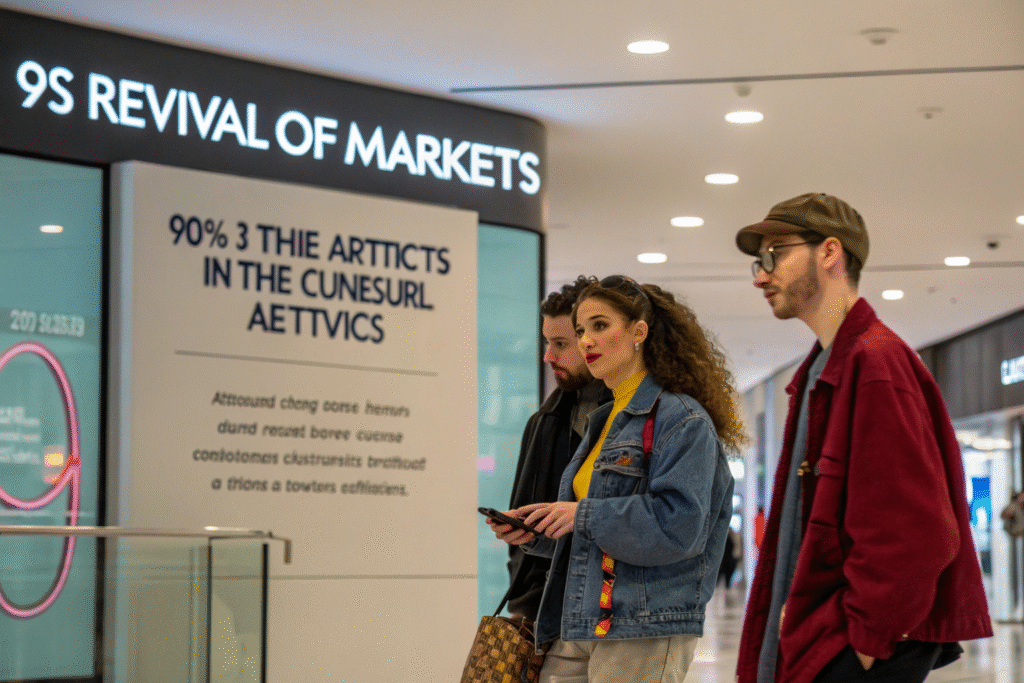
Generational nostalgia plays a crucial role in driving market demand for 90s accessories, with millennials now reaching their peak spending power and seeking connections to their youth, while Gen Z discovers these styles as fresh fashion inspiration. This cross-generational appeal creates expanded market potential.
Our market research indicates that 90s nostalgia marketing effectively targets consumers who associate these accessories with positive childhood memories or cultural touchstones from television, music, and early internet culture. The emotional connection translates directly to purchasing behavior, with consumers willing to pay premiums for authentic reissues or vintage pieces that evoke specific memories. For manufacturers, this requires understanding not just the aesthetic elements but the cultural contexts that made these accessories iconic. The market success of 90s revivals demonstrates how emotional resonance can drive commercial success in accessory markets.
What Role Does Sustainability Play in the Vintage Revival?
The sustainability movement significantly contributes to the 90s accessory revival by encouraging consumers to extend product lifecycles through vintage purchasing and appreciate quality craftsmanship that withstands decades of use. This aligns with growing consumer interest in circular fashion economies.
We're observing increased demand for sustainable vintage alternatives that offer both style credentials and environmental benefits. The 90s emphasis on durable materials and timeless designs means these accessories often remain in excellent condition decades later, making them ideal for resale markets. For contemporary manufacturers, this has inspired production techniques that replicate vintage quality while incorporating modern sustainable materials. The commercial success of brands specializing in 90s reissues demonstrates how sustainability narratives can enhance the appeal of nostalgic designs, particularly among younger consumers who prioritize environmental considerations in their purchasing decisions.
Which 90s Accessory Categories Are Experiencing the Strongest Revival?
Certain 90s accessory categories are demonstrating particularly strong market performance, with some achieving even greater commercial success now than in their original era. These categories share characteristics of distinct era-specific styling combined with timeless wearability.
Based on our production data and retail feedback, we've identified the 90s accessory categories generating the most significant market impact in their contemporary iterations.
Why Are 90s Bag Silhouettes Regaining Popularity?
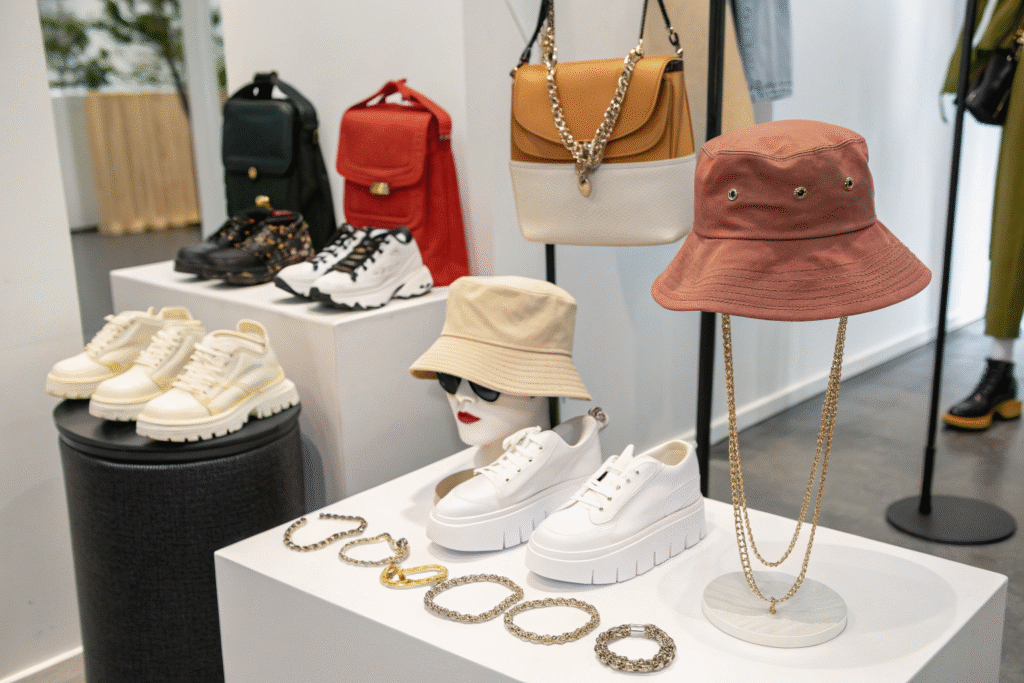
90s bag silhouettes characterized by compact dimensions, minimalist hardware, and specific shapes like saddle bags, bucket bags, and mini backpacks are experiencing remarkable market resurgence. These styles offer distinctive aesthetics that contrast with both earlier ornate designs and subsequent maximalist trends.
Our manufacturing for contemporary brands includes numerous 90s bag reissues that update original silhouettes with modern materials and construction techniques. The most commercially successful revivals include the Fendi Baguette (popularized by Sex and the City), the Dior Saddle bag, and various mini backpack designs that capture the era's utilitarian yet fashionable approach to bags. These designs require specialized pattern-making to achieve their distinctive proportions and often incorporate vintage-inspired hardware that replicates original design elements. The market success of these revivals demonstrates how iconic silhouettes can transcend their original era when updated with contemporary relevance.
How Are 90s Footwear Styles Transitioning to Modern Markets?
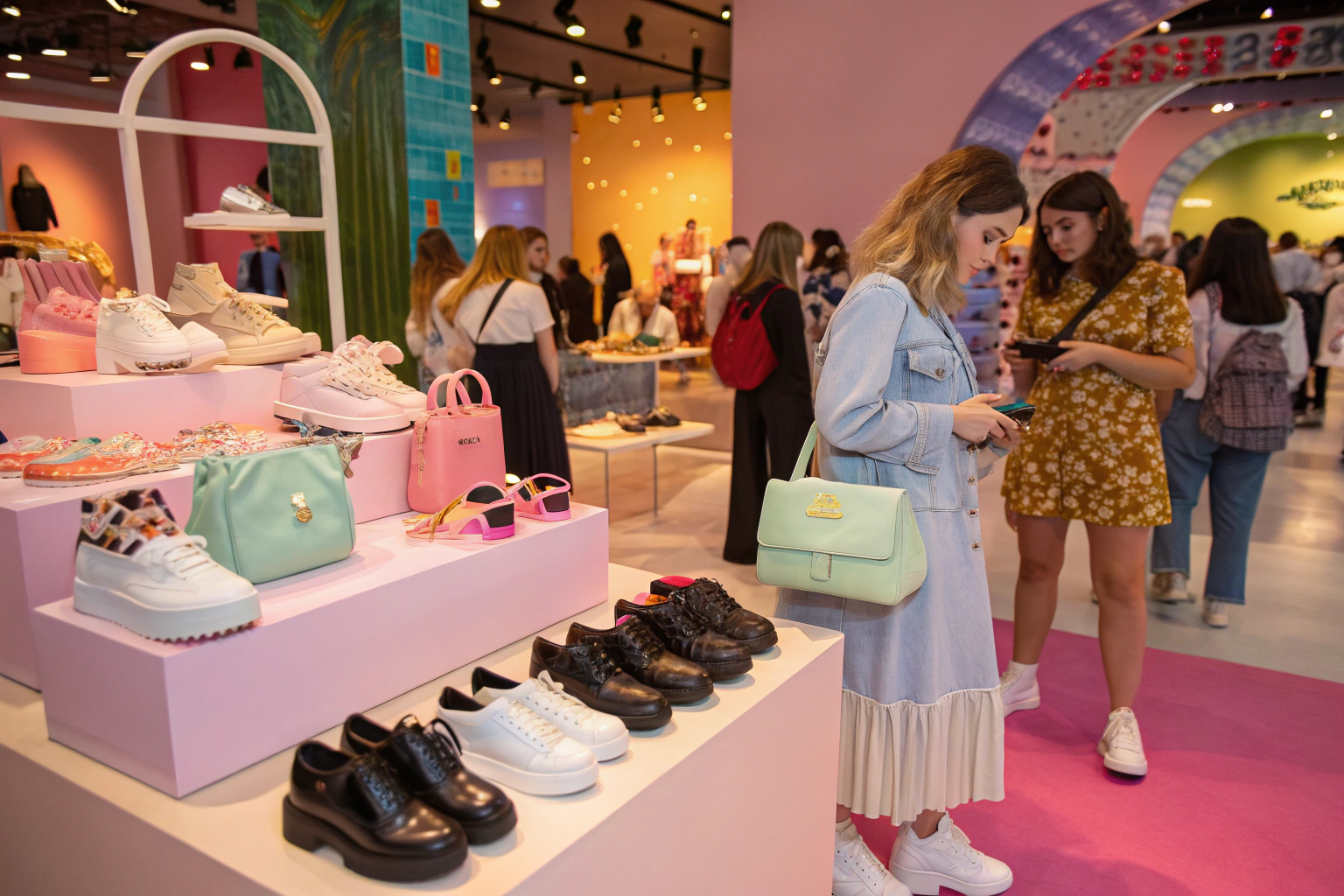
90s footwear styles including chunky sneakers, platform shoes, and minimalist sandals have completed a remarkable transition from period-specific trends to modern wardrobe staples. The commercial success of these revivals often exceeds their original market performance due to expanded distribution and contemporary marketing.
We've developed substantial production expertise in 90s footwear revivals that balance authentic design elements with contemporary comfort technology. The most significant categories include chunky athletic sneakers (often called "dad shoes"), platform loafers and sandals, and minimalist leather sandals that defined 90s casual wear. Manufacturing these styles requires sourcing era-appropriate materials like specific rubber compounds for outsoles, vintage-inspired hardware, and color palettes that capture the 90s aesthetic. The ongoing commercial success of these footwear revivals demonstrates how 90s designs have become integrated into contemporary fashion vocabulary rather than remaining period pieces.
How Are Contemporary Brands Capitalizing on 90s Trends?
Contemporary brands across market segments are developing sophisticated strategies to capitalize on the 90s accessory revival, ranging from exact reissues to subtle contemporary interpretations that capture the era's essence without literal replication.
Through our work with brands implementing 90s-inspired collections, we've identified the most effective approaches for translating this nostalgia into commercial success.
What Strategies Do Luxury Brands Use for 90s Revivals?
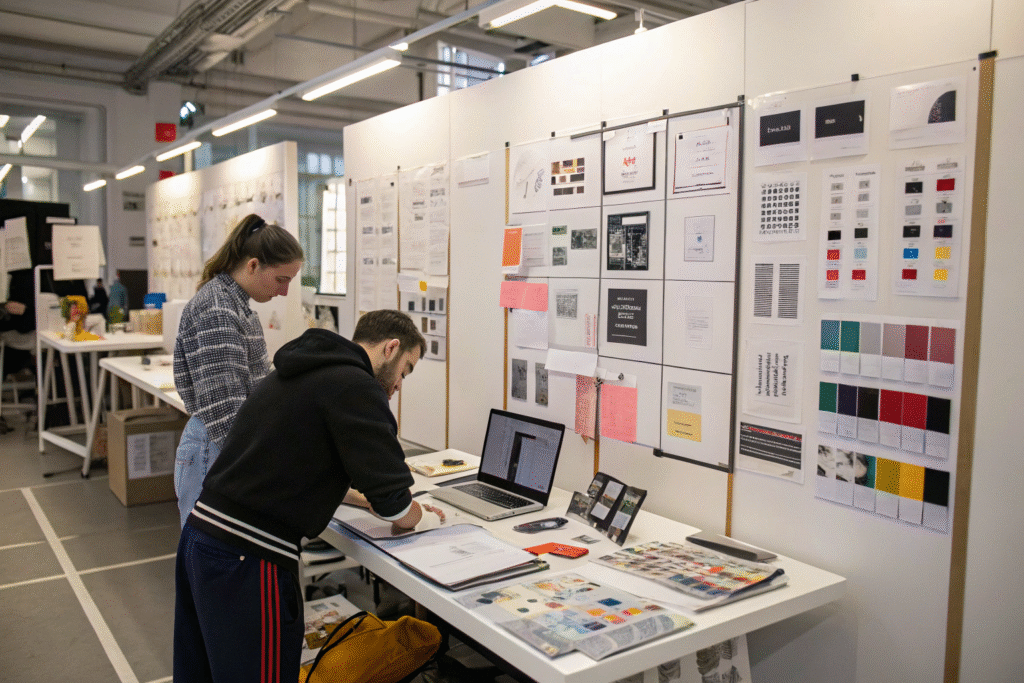
Luxury brands are employing sophisticated strategies for 90s revivals that balance authenticity with contemporary relevance, often leveraging their archives to reintroduce iconic pieces with compelling heritage narratives. These approaches maximize both commercial potential and brand storytelling opportunities.
Our collaborations with luxury brands on 90s revival collections reveal several effective strategies. Exact archival reissues capitalize on original designs with proven appeal, often with limited production runs that create exclusivity. Contemporary reinterpretations update iconic silhouettes with modern materials, colors, and proportions while maintaining recognizable DNA. Collaborative partnerships with contemporary designers or celebrities inject fresh perspectives into classic designs. Manufacturing these collections requires access to original specifications, traditional craftsmanship techniques, and sometimes sourcing vintage materials or replicating outdated production methods. The commercial success of these luxury revivals demonstrates the significant market value of heritage designs when presented with compelling contemporary narratives.
How Are Contemporary Brands Interpreting 90s Aesthetics?
Contemporary brands across market segments are interpreting 90s aesthetics through various approaches that make era-specific styles accessible to modern consumers. These interpretations often focus on capturing the essence of 90s design rather than literal reproduction.
We're manufacturing numerous contemporary 90s interpretations that adapt the era's aesthetics for current markets. The most successful approaches include incorporating signature 90s elements like specific color combinations (often earth tones or primary colors), distinctive silhouettes like mini bags or chunky shoes, and era-appropriate materials like nylon, colored transparent plastics, and specific metal finishes. These designs require understanding which 90s elements feel fresh rather than dated, and how to integrate them with contemporary construction techniques and comfort expectations. The commercial performance of these contemporary interpretations demonstrates how 90s influences can be successfully translated for consumers who may not have personal nostalgia for the original era.
What Manufacturing Challenges Arise from 90s Revivals?
The manufacturing process for 90s accessory revivals presents unique challenges that differ from standard contemporary production. These challenges range from sourcing period-appropriate materials to replicating outdated construction techniques while meeting modern quality and sustainability standards.
Based on our experience producing 90s-inspired collections, we've developed specialized approaches to address the particular manufacturing considerations of period-specific revivals.
How Do Sourcing Considerations Differ for 90s Revivals?
Sourcing materials and components for 90s revivals requires specialized approaches that balance authenticity with availability, as many original materials are no longer produced or don't meet contemporary standards for sustainability and performance.
We've developed extensive expertise in sourcing for period revivals that addresses these unique challenges. This includes identifying modern equivalents for discontinued materials, working with specialty mills to reproduce specific fabrics and leathers, and sourcing vintage components when contemporary equivalents don't capture the authentic aesthetic. The process often involves substantial research into original material specifications and close collaboration with suppliers to develop materials that balance historical accuracy with contemporary performance expectations. These sourcing considerations significantly impact both production timelines and cost structures, requiring careful planning and communication with clients pursuing 90s-inspired collections.
What Production Techniques Are Required for Authentic 90s Revivals?
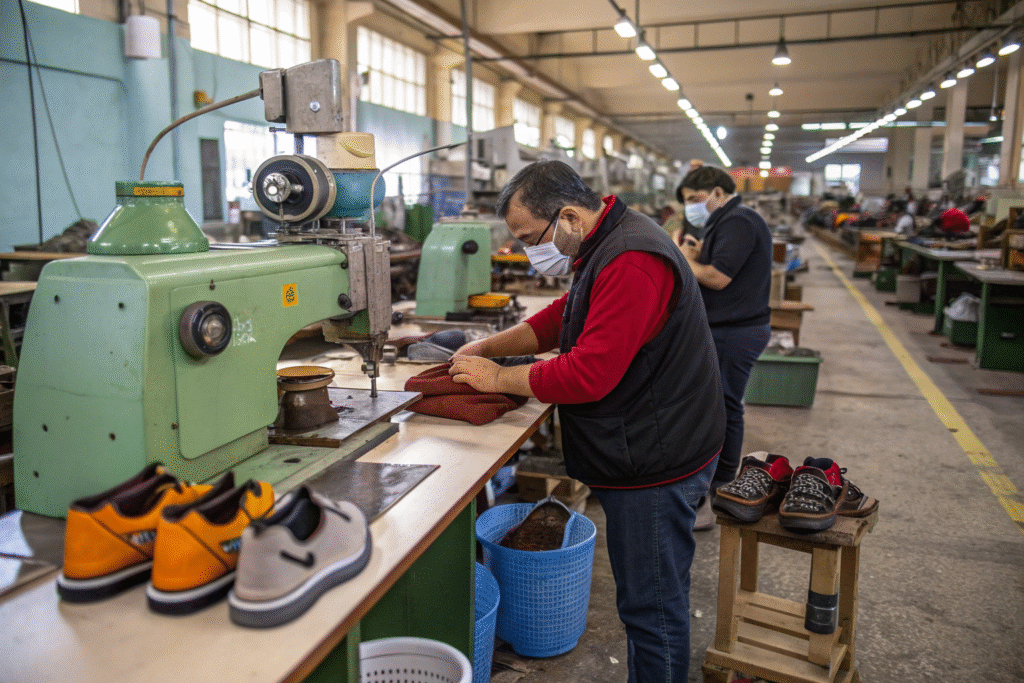
Production techniques for authentic 90s revivals often involve specialized approaches that replicate original construction methods while incorporating modern advancements where appropriate. This balance ensures aesthetic authenticity without sacrificing contemporary quality standards.
Our manufacturing facility has maintained traditional production techniques specifically for period revivals while developing methods to replicate outdated processes. This includes maintaining equipment capable of specific stitching techniques, sourcing vintage machinery for particular operations, and training artisans in construction methods that have largely been replaced by more efficient contemporary approaches. The challenge lies in determining when modern techniques can substitute for original methods without compromising aesthetic integrity, and when traditional approaches are essential for authentic reproduction. These considerations significantly impact production planning, costing, and timing for 90s revival collections, requiring close collaboration between design, production, and quality control teams.
Conclusion
The market comeback of vintage 90s accessories represents a significant commercial opportunity driven by powerful cultural currents including cross-generational nostalgia, sustainability values, and the cyclical nature of fashion trends. This revival spans multiple accessory categories from footwear and bags to jewelry and hair accessories, with successful market implementation requiring both authentic understanding of original designs and thoughtful adaptation for contemporary consumers.
At AceAccessory, we've developed specialized expertise in producing 90s-inspired accessories that capture the essence of the era while meeting modern quality and sustainability standards. Our manufacturing facility in Zhejiang maintains traditional techniques specifically for period revivals while incorporating contemporary advancements that enhance durability and comfort. We understand the nuanced balance required to create 90s-inspired accessories that feel both authentically nostalgic and freshly relevant in current markets.
If you're looking for a manufacturing partner to develop 90s-inspired accessories for your collection, we invite you to experience the shanghaifumaoclothing advantage. Our team combines deep understanding of 90s aesthetics with contemporary manufacturing expertise to create accessories that capture the commercial potential of this significant market trend. For personalized assistance with your 90s-inspired accessory program, please contact our Business Director Elaine at elaine@fumaoclothing.com. Let us show you how our specialized capabilities can help you capitalize on the powerful comeback of 90s accessories in contemporary markets.