For global retailers, the dream of a universal, one-size-fits-all product is often a logistical nightmare, especially in fashion. Sizing inconsistencies across regions lead to high return rates, excess inventory, and frustrated customers. Enter the adjustable fabric belt—a deceptively simple accessory that is proving to be a powerful strategic tool. By moving beyond traditional fixed holes and rigid leather, this innovation offers a flexible, inclusive, and efficient solution to one of retail's oldest problems.
This article explores how the intrinsic design of adjustable fabric belts addresses core retail challenges, from cutting operational costs to enhancing customer experience across diverse global markets. We will examine the design mechanisms driving this trend, its direct impact on retail metrics, and the complementary technologies that are amplifying its effectiveness.
The Core Design Advantage: How Does Adjustability Work?
The fundamental appeal of adjustable fabric belts lies in their departure from traditional sizing constraints. Instead of a finite series of holes, they employ various mechanisms that allow for a continuous, micro-adjustable fit across a wide range of waist sizes, often within a single stock-keeping unit (SKU).
This design philosophy transforms the belt from a static accessory into a dynamic, user-responsive product. For retailers, this means dramatically simplifying inventory while simultaneously serving a broader customer base with a better fit.
What Are the Key Adjustable Mechanisms in Use Today?
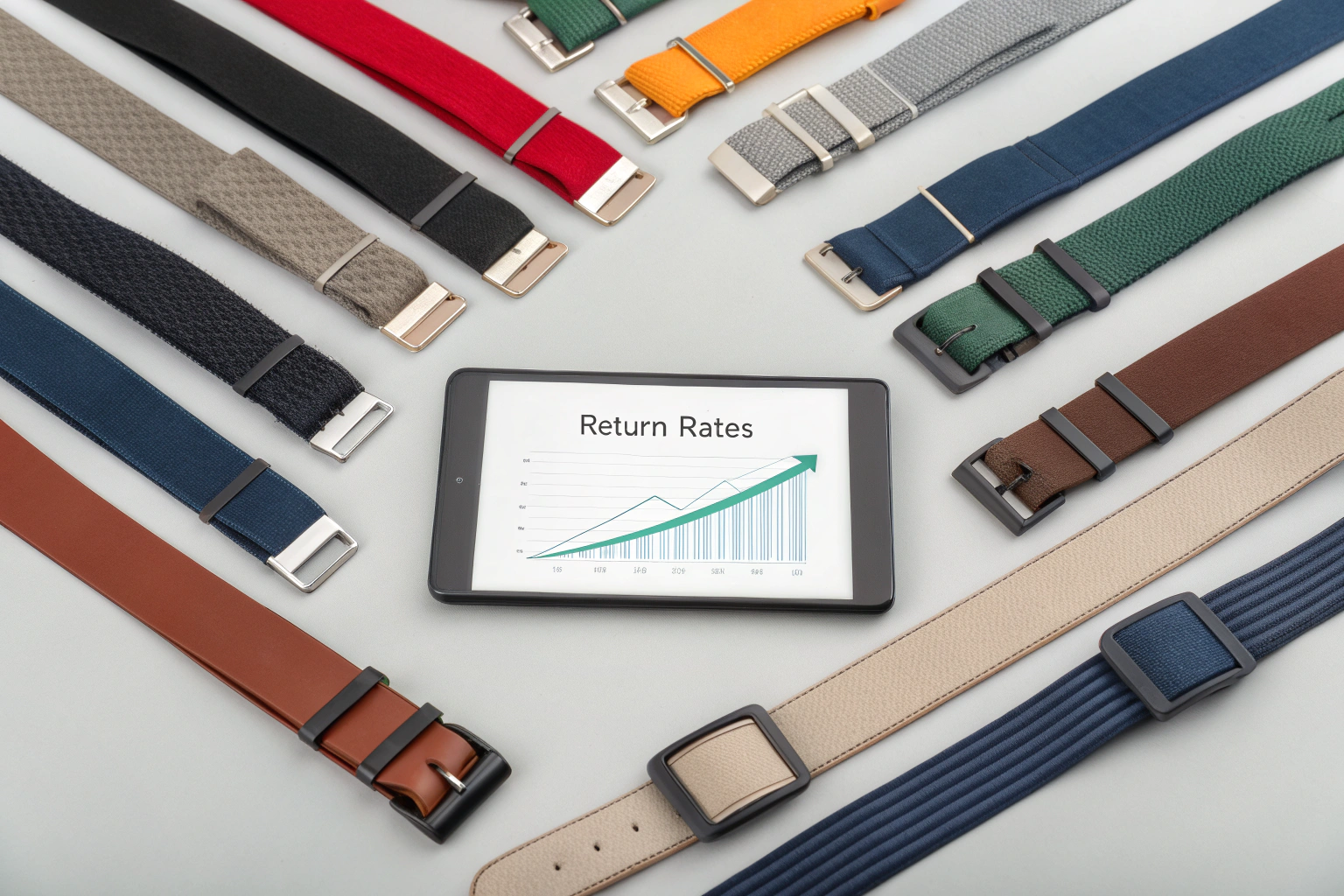
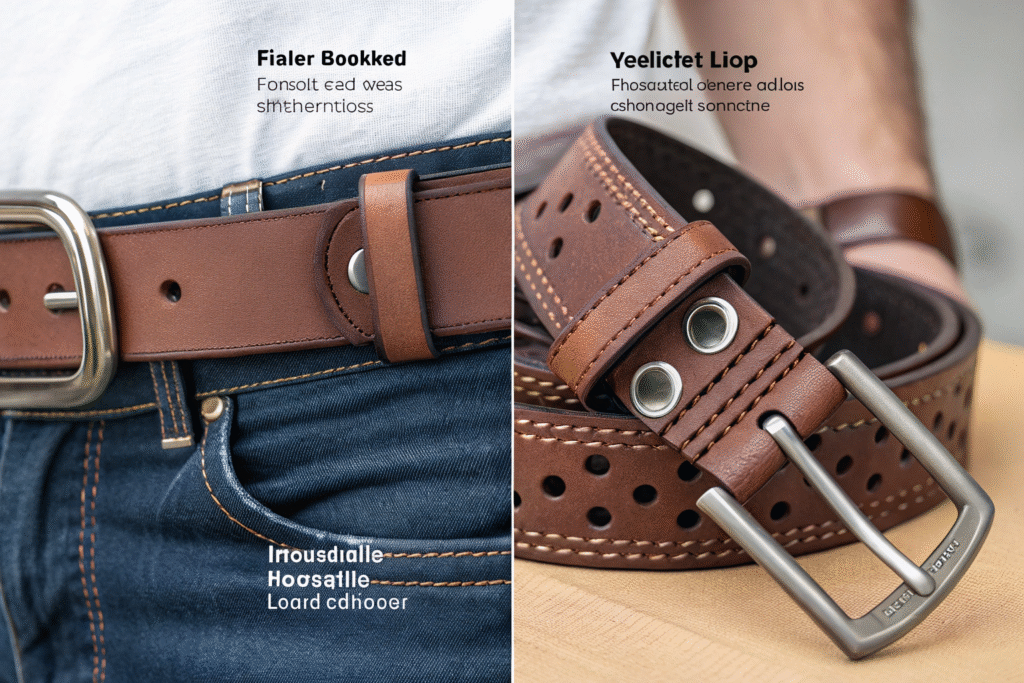
Several mechanisms dominate the market, each with its own advantages. Hook-and-loop (Velcro) closures offer the widest and fastest adjustment range, ideal for casual styles, athleisure, and adaptive clothing where ease of use is paramount. Slide buckle systems on woven fabric or webbing provide a sleek, secure, and infinitely adjustable fit, popular in both fashion and utility belts. Elasticated sections integrated into the belt body offer continuous stretch and comfort, accommodating fluctuations throughout the day. Finally, innovative ratchet buckle systems allow for precise, incremental adjustments without the need for holes, lending a modern, technical aesthetic. The choice of mechanism depends on the target market, price point, and desired style—from high-fashion runways to practical workwear.
Why Are Fabric and Material Choices Critical to Success?
The adjustability mechanism is only as good as the material it's built on. Fabric choices like durable polyester, nylon webbing, and cotton blends are foundational. They are flexible, strong, and can be produced in vast quantities with consistent quality, which is crucial for global retail orders. Furthermore, the rise of adaptive apparel highlights the importance of material sensibility—using soft, non-irritating fabrics that are breathable and gentle on sensitive skin. For the fashion-forward retailer, these fabrics also serve as a canvas for innovation, easily integrating with sustainable or high-tech materials. Specialized suppliers, like Manutex, excel in weaving customized elastic ribbons and straps using a wide range of materials, from standard cotton to technical fibers like Kevlar, meeting both creative and functional demands.
Solving Retail Pain Points: What Problems Do They Address?
Adjustable fabric belts are not just a product trend; they are a operational solution. They directly tackle some of the most costly and persistent issues in global retail, particularly in the realms of logistics, inventory management, and customer satisfaction.
By designing out the fit problem, retailers can achieve significant bottom-line improvements. The impact is measurable in reduced costs, streamlined operations, and happier customers.

How Do They Drastically Reduce Returns and Simplify Inventory?
The primary retail benefit is the reduction of size-related returns. A belt that can fit a 30-inch to a 38-inch waist eliminates the wrong-size purchase. Industry data suggests that addressing fit and sizing issues can help lower return rates significantly. For global retailers, this translates into lower reverse logistics costs, reduced restocking labor, and less discounted or wasted inventory. From an inventory perspective, the impact is revolutionary. Instead of stocking 6-8 sizes (XS, S, M, L, XL, XXL) in multiple colors, a retailer can stock one or two adjustable SKUs. This drastically cuts warehouse complexity, improves inventory turnover, and reduces the risk of being stuck with unpopular sizes. It also simplifies the online sales process, giving customers confidence to purchase without hesitation.
How Do They Enhance Customer Experience and Inclusivity?
Beyond logistics, adjustable belts offer a superior customer experience. They provide a perfect, personalized fit for every body type, enhancing comfort and satisfaction. This design is inherently inclusive, catering to a wider demographic without stigma. The principles are central to the adaptive apparel movement, which focuses on dignity, independence, and ease of dressing for people with varying physical abilities. Features like magnetic closures or hook-and-loop tabs, developed for adaptive clothing, offer mainstream customers unparalleled convenience. This "universal design" approach—creating products that work for the broadest possible audience—builds strong brand loyalty and positions a retailer as modern and customer-centric.
The Global and Digital Context: How Do They Fit Wider Trends?
The rise of adjustable fabric belts is perfectly aligned with two macro-trends shaping global retail: the push for sustainable efficiency and the digital transformation of the fashion supply chain. They act as a physical product solution that complements digital innovation.
In a world moving toward on-demand production and hyper-personalization, the adjustable belt is a pragmatic, scalable step toward reducing waste and leveraging data.
What Role Do They Play in Sustainable Retail Practices?
Sustainability is a major driver. By minimizing size-related returns, these belts directly reduce the carbon footprint associated with shipping items back and forth. More efficient inventory management means less overproduction and fewer items ending up in landfills. Furthermore, the fabric used often has a lower environmental impact than traditional leather processing and can more easily incorporate recycled materials. Companies like Barnet, with their Ecoware line, specialize in creating sustainable fibers and yarns from recycled content, which can be integrated into fabric belt production. For a retailer, promoting adjustable belts is a tangible way to demonstrate a commitment to reducing waste across the product lifecycle.
How Do They Complement Digital Sizing and Virtual Try-On Tech?
Adjustable belts are the perfect physical counterpart to digital sizing technologies. While solutions like MySize's virtual try-on or Proke's wearable measurement suit aim to guide customers to the right size in other apparel categories, adjustable belts render the sizing question moot. In a hybrid strategy, retailers can use digital tools for complex garments while offering adjustable accessories as a foolproof option. Moreover, the data from global digital body platforms like Alvanon's can inform the range of adjustment needed, ensuring a single belt SKU truly fits the majority of a target market's population. This synergy between digital insight and flexible product design represents the future of responsive retail.
Strategic Implementation for Retailers: What Should You Consider?
Successfully integrating adjustable fabric belts into a global assortment requires strategic thinking beyond simply adding a new product. Retailers must consider design alignment, marketing communication, and supply chain partnerships to maximize the opportunity.
The goal is to move from treating them as a niche item to embedding their logic into a broader range and brand message.

How to Market the Benefits to Your Customers?
Marketing should pivot from style alone to emphasize convenience and empowerment. Messaging can focus on: "The Perfect Fit, Guaranteed," "One Size Fits Most (Really!)," or "Effortless Adjustability." Forging a partnership with an experienced manufacturer like Shanghai Fumao Clothing can provide access to diverse, on-trend designs that don't compromise on the adjustable functionality. Educational content, such as videos showing the ease of adjustment, can alleviate any customer uncertainty. Positioning these belts as a solution—for travel, for weight fluctuation, for all-day comfort—builds a practical and emotional connection with the shopper.
What Are the Key Sourcing and Production Considerations?
When sourcing, partner with manufacturers who understand the technical nuances. The adjustment mechanism must be durable and withstand repeated use. Fabric quality is paramount—it must retain its structure and appearance. Inquire about capabilities in customization, such as branded buckles, unique weaves, or the use of specific sustainable materials. For large-scale global retail, consistency in production is key; every unit must perform identically. Furthermore, discuss packaging; since sizing isn't a factor, packaging can be simpler and more sustainable. A manufacturer with strong project management and quality control will ensure that this seemingly simple product meets the high standards required for global retail shelves.
Conclusion
Adjustable fabric belts represent a powerful convergence of smart design and retail pragmatism. They directly solve the persistent, costly problem of sizing by offering inclusivity, reducing returns, and simplifying inventory on a global scale. Their value is amplified when viewed as part of a larger ecosystem that includes digital fitting technologies and a drive toward sustainable, efficient retail operations.
For forward-thinking retailers, these belts are more than an accessory; they are a case study in how product innovation can drive operational excellence and enhance customer loyalty. By embracing this flexible approach, retailers can not only improve their bottom line but also position themselves as responsive and customer-centric in a competitive global market.
If you are looking to develop a high-quality, strategically designed line of adjustable fabric belts for your global retail business, Shanghai Fumao Clothing is your ideal partner. With our expertise in accessory design, meticulous quality control, and experience in serving international brands, we can help you create products that solve sizing issues and delight your customers. To discuss how we can collaborate on your next collection, please contact our Business Director, Elaine, at: elaine@fumaoclothing.com.