You're planning your 2026 fashion accessory lineup and wondering: is the hair accessories boom just a passing trend, or is it a sustainable category worth major investment? With shifting consumer behaviors and market saturation fears, it's a valid concern for any brand or retailer looking to allocate resources wisely.
The data and market signals strongly indicate that hair accessories are not just a hot-selling category in 2026, but have evolved into a permanent, diversified fashion staple. The key driver is no longer a single trend (like the 2020 scrunchie revival) but a fundamental shift in how consumers view these items: as essential tools for personal expression, self-care, and versatile styling across all demographics. At Shanghai Fumao Clothing, our order books and design requests confirm this sustained, multi-segment demand. The category's heat now comes from its constant innovation in materials, technology, and cultural relevance.
Let's analyze the core drivers, emerging segments, and data points that prove hair accessories remain a powerhouse in the global fashion market.
What Consumer Trends Are Fueling Sustained Demand?
The demand for hair accessories is being powered by deeper consumer shifts that extend beyond fleeting fashion. These are behavioral changes in how people shop, express identity, and integrate fashion into daily life, ensuring the category's longevity.
Three core macro-trends are providing a solid foundation: the "Zoom Forever" effect of continued video communication, the rise of hair care as self-care, and the democratization of fashion through social media. People are still highly conscious of their appearance on camera for work and socializing, making hair a focal point. Furthermore, as consumers invest in hair health, they seek non-damaging, beautiful ways to style it, moving away from constant heat tools.
Understanding and anticipating these trends is a core function of a forward-thinking manufacturer's design and development capability, allowing them to create products that resonate with evolving consumer needs.
How Has "HairTok" and Social Media Changed the Game?
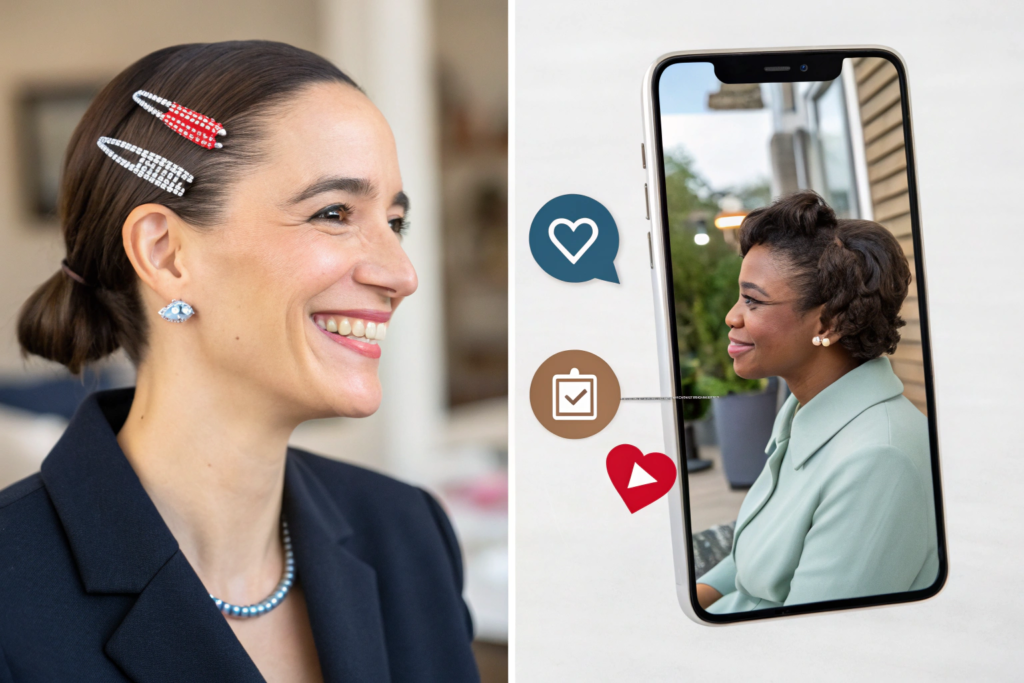
Platforms like TikTok, specifically #HairTok, have created a perpetual innovation and discovery engine. Trends no longer trickle down from runways; they explode overnight from user-generated content. A single viral video featuring a specific butterfly clip, pearl hair pin, or colored hair grip can generate global demand in weeks. This constant churn of micro-trends creates endless opportunities for new products. It also means speed-to-market is more critical than ever, favoring suppliers with agile production. The influence of these platforms is documented by trend analysts like Fashion Snoops and is a daily focus for brands.
Why is Inclusivity and Gender Fluency Expanding the Market?
The modern hair accessories market is radically inclusive. It actively targets all genders, ages, and hair types. Products are now marketed not just to women and girls, but to men, non-binary individuals, and people with short hair, thin hair, or protective styles. This has exploded the addressable market. We see strong demand for substantial clips for thick hair, gentle coils for fine hair, and bold wraps for locs and braids. This inclusive approach isn't just ethical; it's commercially astute, opening up entirely new customer segments that were previously underserved.
What Are the Hottest Product Sub-Categories for 2026?
While the overall category is strong, certain sub-categories are leading growth. These segments are winning because they align with the core consumer trends of functionality, personalization, and sustainability.
The leaders are functional-elevated accessories, tech-integrated pieces, and sustainable/material-forward designs. The winning product solves a problem (holding hair securely) while making a style statement and aligning with the buyer's values.
Success in these fast-moving sub-categories requires a supplier with excellent quality control and certifications, especially for products making material or safety claims.
Which Functional Items Are Trending Beyond the Basic?
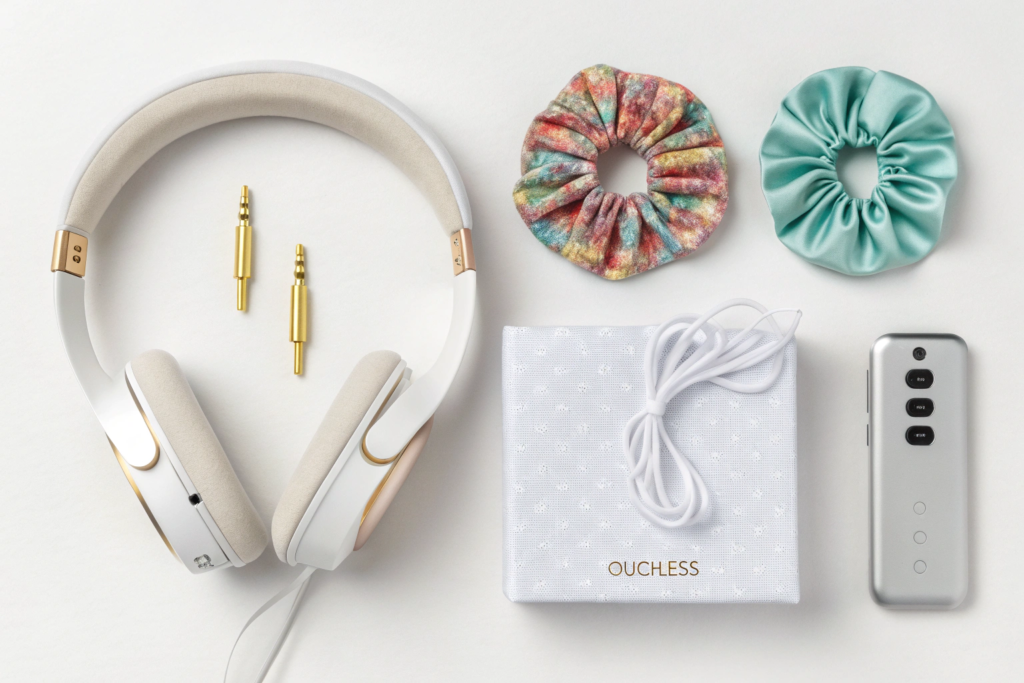
The claw clip is the poster child of this trend, but evolution continues. For 2026, look for:
- Ergonomic & "No-Dent" Designs: Clips and bands engineered to hold securely without leaving creases or causing headaches.
- Multi-Way Tools: Accessories designed to create multiple styles (e.g., a clip that also works as a ponytail holder or a scarf that doubles as a hair wrap).
- Active & Wellness Focus: Truly secure hair ties for high-intensity workouts, silk-lined sleep scrunchies, and scalp-massaging brushes integrated into hair bands. This focus on utility ensures products are used daily, driving repeat purchases.
How is Technology Being Integrated into Hair Accessories?
Tech integration is moving beyond gimmicks to add genuine value. Key areas include:
- Wearable Tech: Hair bands or clips with built-in bone conduction speakers for audio during activities without covering ears.
- Smart Hair Care: Brushes or clips with sensors that provide feedback on hair health or scalp condition, connecting to health apps.
- Enhanced Materials: Use of color-changing thermochromic pigments in clips or ties, or fabrics with UV protection for hair.
While not every accessory needs tech, these innovations command higher price points and attract media attention, boosting the category's perceived modernity. Insights into wearable tech trends can be found through sources like Wearable Technologies.
What Do the Market Data and Retailer Strategies Tell Us?
Beyond trends, hard data and the strategies of major retailers confirm the category's strength. Sales figures, shelf space allocation, and brand launches provide undeniable evidence of robust health and future growth potential.
Market analysts project the global hair accessories market to continue growing at a steady CAGR (Compound Annual Growth Rate) through 2026 and beyond. This growth is driven by the factors above and is reflected in how retailers are behaving.
Capitalizing on this growth requires seamless logistics and on-time delivery to meet the fast inventory turnover that retailers now demand.
What is the Sales and Growth Forecast?
While specific 2026 figures are projections, the trajectory is clear. Pre-2025 data from sources like Statista and Euromonitor showed consistent growth, and all indicators point to a continuation. The growth is not uniform but is particularly strong in the premium segment (higher-quality materials, designer collaborations) and the value segment (fast-fashion, trend-driven pieces). The "masstige" middle ground is where innovation and brand storytelling are critical to compete. For brands, this means there is opportunity at both ends of the price spectrum.
How Are Major Retailers and Brands Responding?
The response from the industry is a leading indicator:
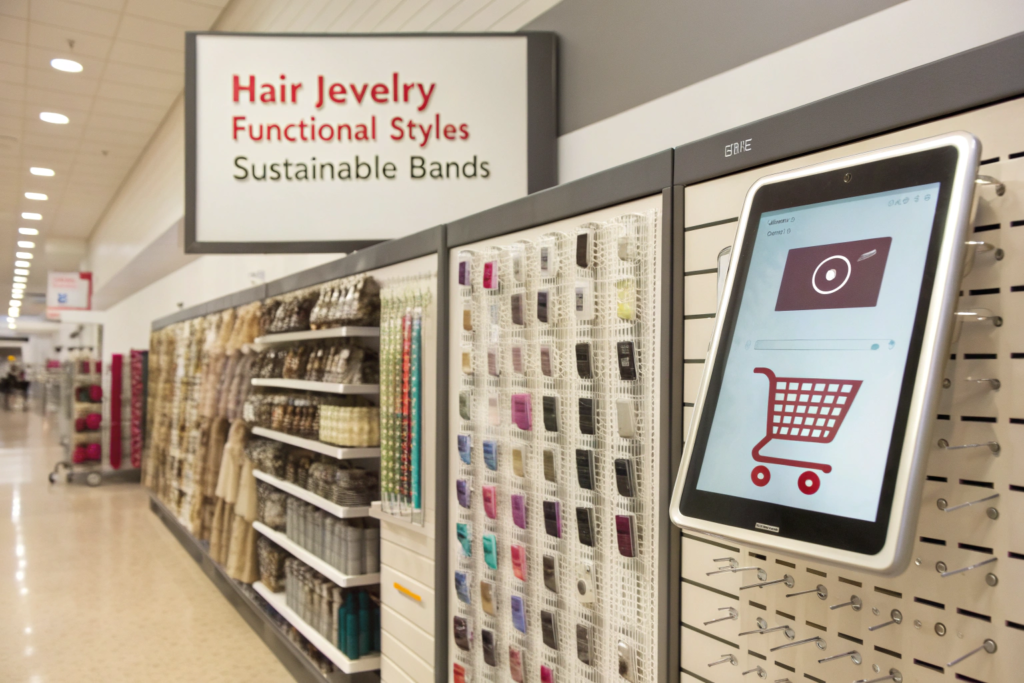
- Dedicated Space: Major supermarkets, drugstores, and fashion retailers have significantly expanded their permanent hair accessory sections, moving them from impulse bins to curated displays.
- Brand Collaborations: High-fashion houses continue to launch hair accessory lines, and collaborations between celebrities and accessory brands are frequent, lending prestige to the entire category.
- DTC (Direct-to-Consumer) Growth: Numerous successful DTC brands have been built exclusively on hair accessories (like Slip for silk scrunchies or Kitsch for clips), proving the category can support standalone businesses. This level of market activity signals deep, sustained confidence from industry insiders.
How Can Brands and Retailers Succeed in This Competitive Space?
With the category confirmed as hot, the question shifts from "if" to "how." Success in 2026 requires a sophisticated approach that goes beyond simply stocking trendy items. It demands strategic sourcing, brand differentiation, and an omnichannel marketing strategy.
The competition is fierce, but the consumer appetite is vast. Winning means connecting product excellence with a compelling story and seamless customer experience.
Executing this successfully hinges on a strong partnership with a manufacturer that offers comprehensive communication and service reliability to adapt to market feedback quickly.
What Are the Key Sourcing Strategies for 2026?
To compete, your sourcing must be agile and responsible:
- Diversify with Specialists: Partner with a core manufacturer like Shanghai Fumao Clothing for breadth and reliability, but also explore niche specialists for unique materials (e.g., recycled metals, innovative bioplastics).
- Embrace Small-Batch Agility: Develop a supply chain capable of producing smaller runs of trend-driven items to test the market without huge inventory risk.
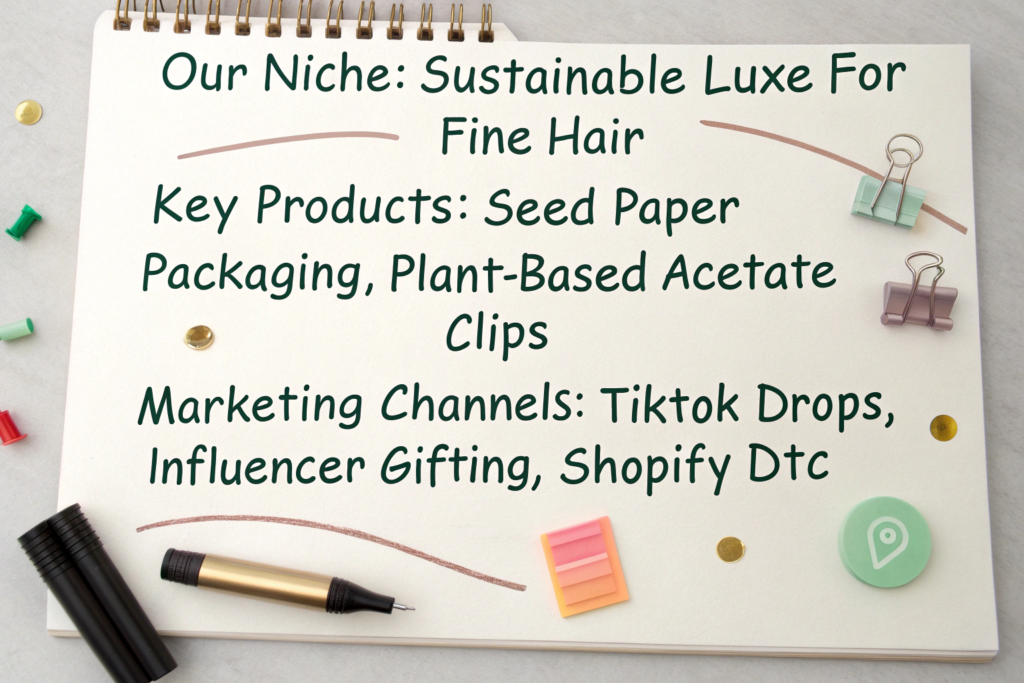
- Prioritize Sustainability Credentials: Source materials with clear certifications (GRS, FSC) and work with factories that have strong ethical audits. This is now a baseline expectation for a growing segment of consumers.
How to Differentiate Your Brand in a Crowded Market?
Differentiation can come from several angles:
- Solve a Specific Problem: Own a niche (e.g., "the most comfortable clip for thick, curly hair" or "waterproof accessories for swimmers").
- Superior Storytelling: Build a brand around a compelling mission, material innovation, or art collaboration.
- Unboxing Experience: Invest in sustainable, Instagrammable packaging that makes the product feel special.
- Community Building: Use social media to create a community, not just a sales channel. Encourage user-generated content with your products.
Conclusion
The evidence is overwhelming: hair accessories are far more than a passing trend and remain a hot-selling, vital category in 2026. The market has matured from a cyclical fad into a diversified, demand-driven sector fueled by digital culture, inclusive marketing, and product innovation that blends fashion with function. For brands, retailers, and investors, the opportunity lies not in questioning the category's viability, but in strategically navigating its dynamic landscape.
Success will belong to those who understand the nuanced drivers of demand, source with agility and ethics, and build authentic connections with a broad, engaged audience. The hair accessories category is not just hot—it's fundamentally rewired to be a resilient and growing part of the global fashion ecosystem for the foreseeable future.
Is your brand positioned to capture this sustained demand? Partner with a manufacturer that understands the future of the category. Contact our Business Director Elaine at Shanghai Fumao Clothing. From trend forecasting and material innovation to agile production for micro-trends, we help brands build winning hair accessory lines. Email her at: elaine@fumaoclothing.com to develop products that will dominate in 2026 and beyond.