You're planning your next accessory collection and face a classic dilemma: leather or fabric belts? For decades, leather has been the undisputed king of belts, synonymous with durability and formality. But a noticeable shift is happening on retail shelves and in fashion media. Is this just a seasonal trend, or a fundamental change in consumer preference?
Fabric belts are not just gaining popularity; they are rapidly carving out a dominant and parallel market share alongside leather, driven by shifts in fashion, ethics, and lifestyle. While leather maintains its stronghold in classic, formal, and heritage segments, fabric belts are winning in the expansive casual, sustainable, and fast-fashion markets. At Shanghai Fumao Clothing, our production data shows a sustained surge in demand for woven, canvas, and recycled fabric belts, indicating a long-term category expansion, not a temporary fad. The rise is fueled by fabric's unique advantages in versatility, comfort, and alignment with modern values.
Let's dissect the drivers behind this shift and what it means for your product strategy.
What Consumer Trends Are Driving the Fabric Belt Surge?
The move towards fabric belts isn't happening in a vacuum. It's a direct response to several powerful, overlapping consumer trends that prioritize casualization, personal expression, and conscious consumption. Leather, while timeless, doesn't always fit these new paradigms as seamlessly.
Three key trends are acting as catalysts: the "Great Casualization" of fashion post-pandemic, the demand for sustainable and vegan alternatives, and the desire for lightweight, travel-friendly accessories. Fabric belts excel in all these areas, offering a product that feels right for the moment.
Capitalizing on these trends requires a manufacturer with strong design and development capability to innovate with new weaves, blends, and sustainable fabric treatments.
How Has the "Casualization" of Dress Codes Boosted Fabric?
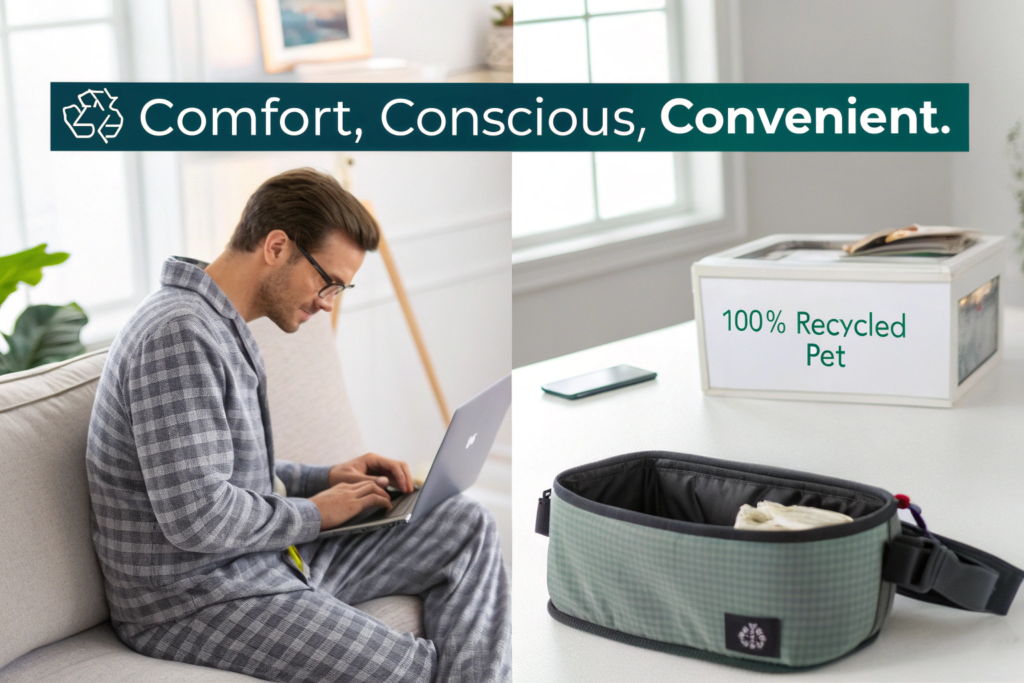
The rigid boundaries between workwear and casual wear have permanently blurred. The demand for "smart casual" and comfort-first clothing has skyrocketed. Fabric belts—especially woven styles, textured webbing, and elasticated designs—are the perfect complement to chinos, linen trousers, wide-leg jeans, and dresses. They add a touch of personality without the formality or stiffness of leather. This shift makes fabric belts a daily wear item for a broader audience, increasing their overall market volume. This lifestyle change is extensively documented by market analysts like Euromonitor in apparel reports.
Why Are Sustainability and Vegan Choices Influencing Purchases?
A significant segment of consumers is actively seeking alternatives to animal-derived products. Fabric belts offer a clear vegan-friendly option. Furthermore, they can be made from recycled materials (like polyester from plastic bottles), organic cotton, or deadstock fabric, which appeals to the eco-conscious buyer. Leather production, despite its durability, faces scrutiny over its environmental and ethical footprint. Brands can tell a compelling sustainability story with fabric belts that is more challenging with leather, a key consideration in modern quality control and certifications for ethical sourcing.
What Are the Functional and Aesthetic Advantages of Fabric Belts?
Beyond trends, fabric belts offer tangible benefits that meet practical needs leather cannot. These advantages are convincing consumers to add fabric belts to their wardrobes as dedicated tools for specific occasions, not just as leather substitutes.
The core strengths of fabric lie in weight, adjustability, maintenance, and design versatility. These functional perks are driving repeat purchases and dedicated fan bases for fabric styles.

Manufacturing belts that leverage these advantages requires expertise in textile processing and hardware integration, a specialty of suppliers like Shanghai Fumao Clothing.
How Do Fabric Belts Excel in Comfort and Fit?
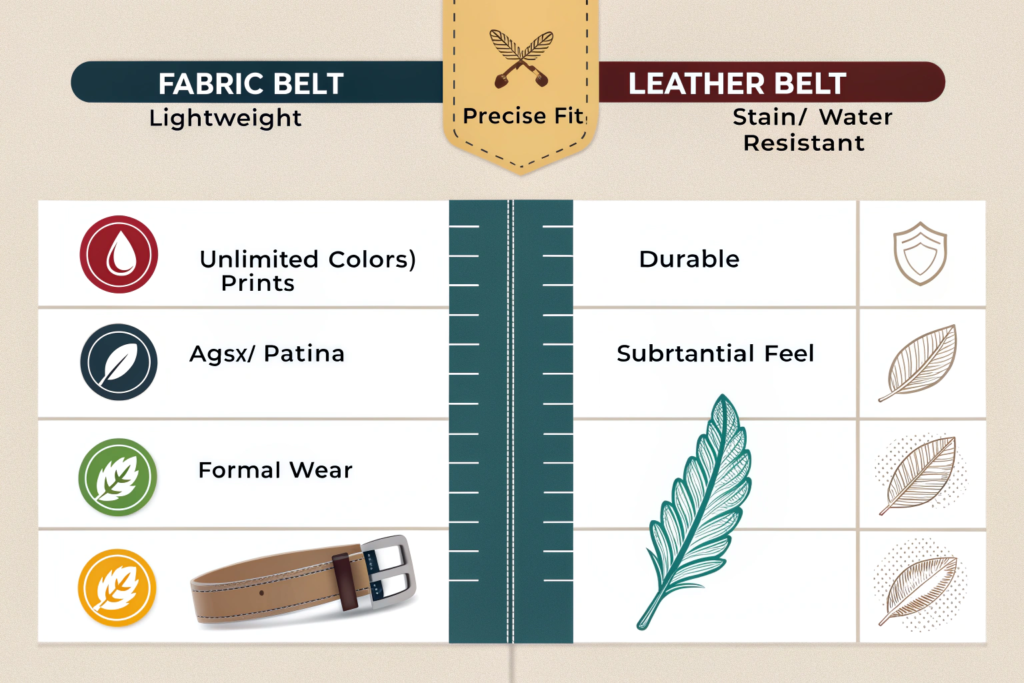
Fabric belts are inherently lighter and more flexible than leather. They conform to the body without breaking in, offering immediate comfort. Many styles, especially woven and elasticated ones, provide micro-adjustability or a continuous fit without traditional hole spacing, which is more forgiving and precise. For travel, hiking, or active lifestyles, a lightweight nylon or poly-webbing belt is a functional favorite. This focus on comfort aligns perfectly with the broader trend in apparel towards ergonomic design.
What Unique Design Opportunities Does Fabric Offer?
Fabric is a canvas for creativity that leather cannot match. It allows for:
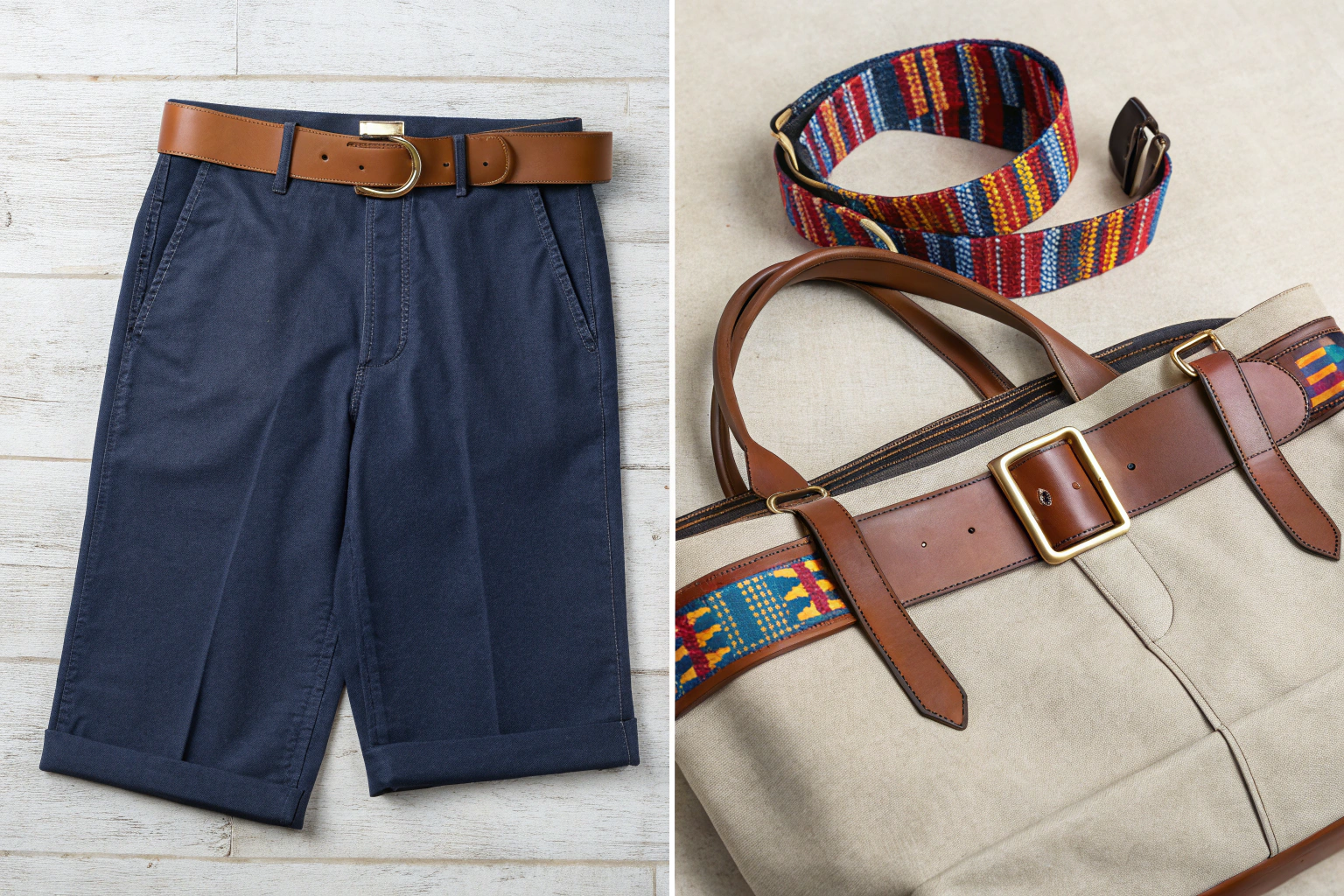
- Vibrant Colors and Prints: From bold stripes and tropical patterns to artistic jacquard weaves and photorealistic prints.
- Textural Variety: Corduroy, velvet, canvas, silk, seersucker—each offers a distinct look and feel.
- Seasonal Relevance: Light, bright fabrics for spring/summer; richer, heavier weaves for fall.
This design freedom allows brands to react quickly to fashion trends, release seasonal collections, and offer a much wider range of SKUs at accessible price points. It's a key tool for brand differentiation in a crowded market.
Is Leather Being Replaced, or is the Market Simply Expanding?
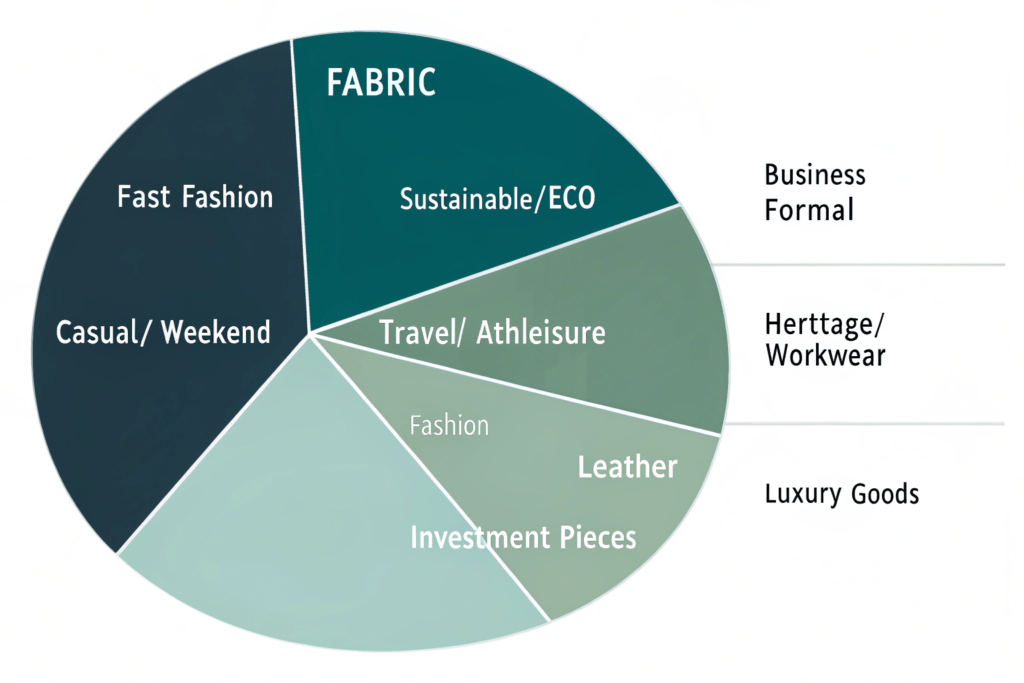
It's crucial to frame this shift correctly. Fabric's rise does not signal the death of leather; instead, it signifies a massive market expansion and segmentation. Consumers are not throwing away their leather belts; they are adding fabric belts to their collections for different purposes. The overall "belt wardrobe" is getting bigger.
Leather retains decisive advantages in specific, enduring niches where its properties are irreplaceable. The market is becoming more nuanced, with clear leaders in different segments.
Understanding this segmentation is vital for logistics and on-time delivery planning, as the production cycles and material sourcing for leather versus fabric are fundamentally different.
Where Does Leather Still Reign Supreme?
Leather's core strengths ensure its permanent place:
- Formal and Business Attire: A polished leather belt remains a non-negotiable component of professional suiting.
- Heritage and Durability: High-quality full-grain leather develops a patina and can last for decades, making it an "investment" piece. This is central to workwear and classic American style.
- Luxury Perception: The perceived value and craftsmanship associated with fine leather (e.g., calfskin, exotic skins) maintain its status in the luxury segment.
In these areas, leather is not being challenged by fabric; they serve different masters.
How is the "Fashion Belt" Category Being Redefined?
The "fashion belt" category—trend-driven, statement-making accessories—has been overwhelmingly captured by fabric. The low cost of materials and production for fabric allows for rapid experimentation with bold colors, oversized buckles, and novel textures that align with fast-fashion cycles. While "fashion leather" exists (think colored or embossed finishes), it is often at a higher price point and slower to market. For trend-responsive brands, fabric is the logical and commercial choice.
What Should Brands Consider When Choosing Between Leather and Fabric?
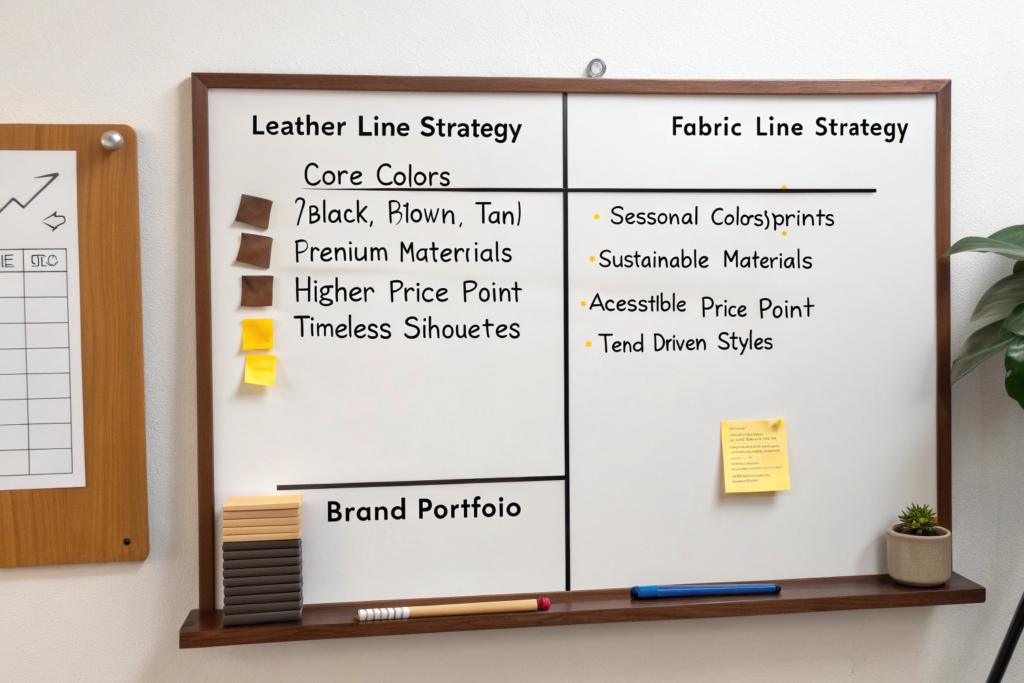
For brands and retailers, the decision isn't "either/or" but a strategic "both/and," weighted based on your target customer, price point, and brand ethos. Your assortment should reflect a clear understanding of which material solves which customer need.
A smart strategy involves carrying a core leather line for timelessness and a rotating fabric collection for trend and volume. This balances margin, turnover, and brand identity.
Executing a dual-material strategy successfully requires a supplier with excellent communication and service reliability to manage two distinct supply chains.
How Do Cost and Lead Time Compare?
- Fabric Belts: Generally have lower material costs and faster production times. This enables lower retail prices, higher margins, and the ability to produce smaller, more frequent batches to test trends. MOQs can be lower.
- Leather Belts: Involve higher material costs (especially for quality hides), more complex cutting and finishing, and longer lead times. This results in a higher price point and a need for more careful inventory forecasting.
Your cost structure and business model will heavily influence the balance in your collection.
What About Sustainability and Care Communication?
Your choice carries a narrative:
- Fabric: Highlight recycled content, vegan credentials, and low-water-use materials. Care is often simple (spot clean, air dry).
- Leather: Emphasize durability, longevity, natural material, and responsible tannery certifications (e.g., Leather Working Group). Care requires conditioning and protection.
Be prepared to communicate these stories clearly to your customers, as both materials face scrutiny and require transparent sourcing.
Conclusion
Fabric belts are unequivocally gaining substantial popularity, successfully capturing the growing casual, sustainable, and fast-fashion segments of the market. However, they are expanding the total addressable market for belts rather than replacing leather. The narrative is one of category diversification and specialization, not substitution. Leather remains entrenched and dominant in formal, heritage, and luxury contexts where its unique properties are unmatched.
For forward-thinking brands, the opportunity lies in strategically leveraging both materials: using leather to build a foundation of trust, quality, and timelessness, and using fabric to drive sales volume, engage with trends, and connect with values-driven consumers. Understanding the distinct use cases, cost structures, and consumer perceptions of each is key to building a balanced, profitable, and relevant belt collection.
Ready to navigate the fabric and leather belt landscape with a manufacturing partner that masters both? Contact our Business Director Elaine at Shanghai Fumao Clothing. We have the expertise in material sourcing, design, and production to help you build a winning belt line for every segment of the market. Email her at: elaine@fumaoclothing.com to craft your strategy.