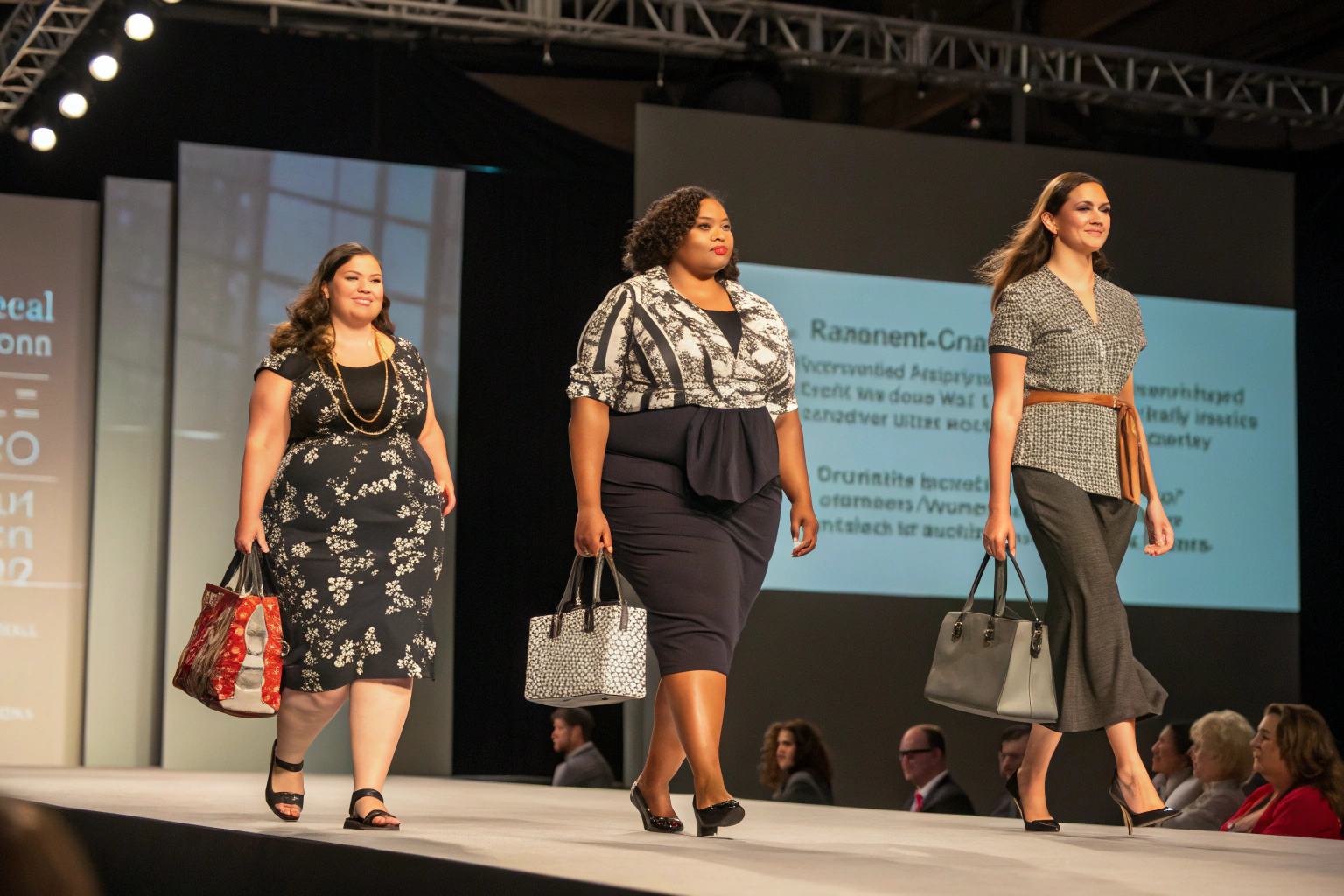
The US plus-size fashion sector represents a multi-billion dollar opportunity that remains largely untapped by accessory manufacturers. Industry data reveals consistent growth in this segment, yet product development often fails to address its specific requirements. From our position as OEM specialists, we recognize this not as a niche market but as a substantial commercial oversight.
Successful accessory design for plus-size consumers necessitates a paradigm shift from conventional sizing methodologies. It demands meticulous attention to proportional scaling, strategic material selection prioritizing comfort and longevity, and styling that complements diverse physical proportions. The fundamental differentiator lies in understanding that plus-size accessories require specialized engineering, rigorous quality assurance protocols, and authentic market insight.
Let’s examine the core methodologies for developing accessory collections that achieve both commercial viability and inclusive design excellence in this dynamic market segment.
Why Does Proportional Engineering Trump Simple Size Incrementation?
Conventional approaches that merely enlarge standard designs frequently yield products with poor ergonomics and suboptimal aesthetics. Proportional engineering addresses the geometric relationships between accessory components and their interaction with various body types.
Mastering proportional design ensures accessories enhance the wearer’s silhouette while maintaining functional integrity. Properly proportioned pieces can create visually balanced ensembles and elevate overall styling impact – a primary consideration for plus-size consumers seeking sophisticated fashion solutions.

What Methodologies Govern Effective Design Scaling?
Dimensional scaling requires systematic implementation rather than simple multiplication. For hair accessories, this involves recalibrating clamping mechanisms to accommodate thicker hair densities while maintaining secure retention. In belt manufacturing, proportional engineering extends beyond length adjustments to include optimized band width-to-buckle ratios and scientifically spaced perforation patterns that prevent material distortion. These technical considerations during the product development cycle separate market-ready innovations from amateur attempts.
How Do Material Properties Influence Proportional Design?
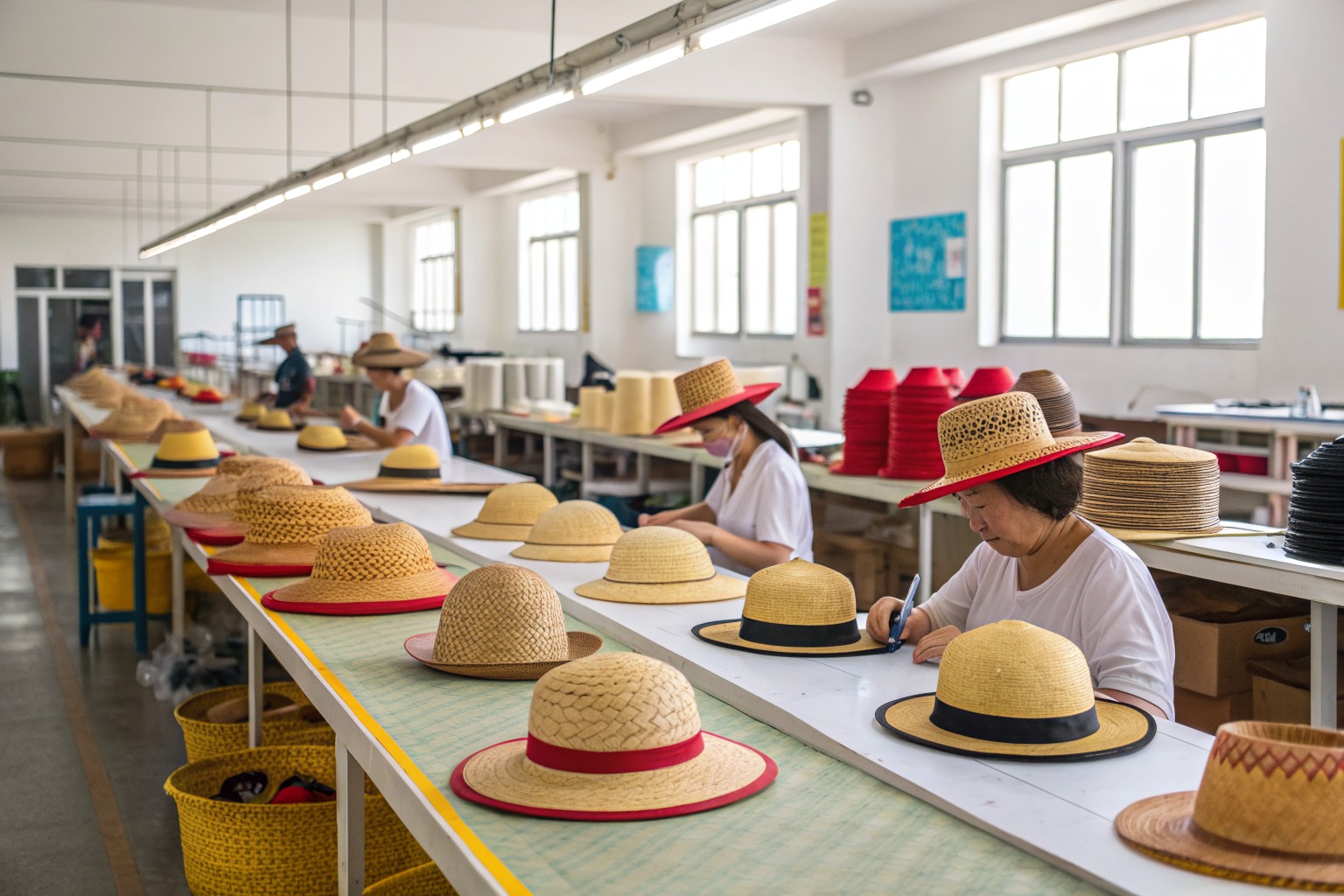
Material specifications directly impact proportional success. Heavy substrates in statement jewelry create impractical moment forces, suggesting alternatives like precision-engineered polymers or skeletal metal frameworks. For waistbands, temper-adjusted leathers with controlled elasticity provide superior conformation compared to rigid materials. In headwear applications, internal circumference systems require flexible yet dimensionally stable composites. The optimal material selection ensures scaled designs maintain wearing comfort throughout product lifecycle, directly influencing customer retention metrics.
What Engineering Principles Govern Comfort and Durability Parameters?
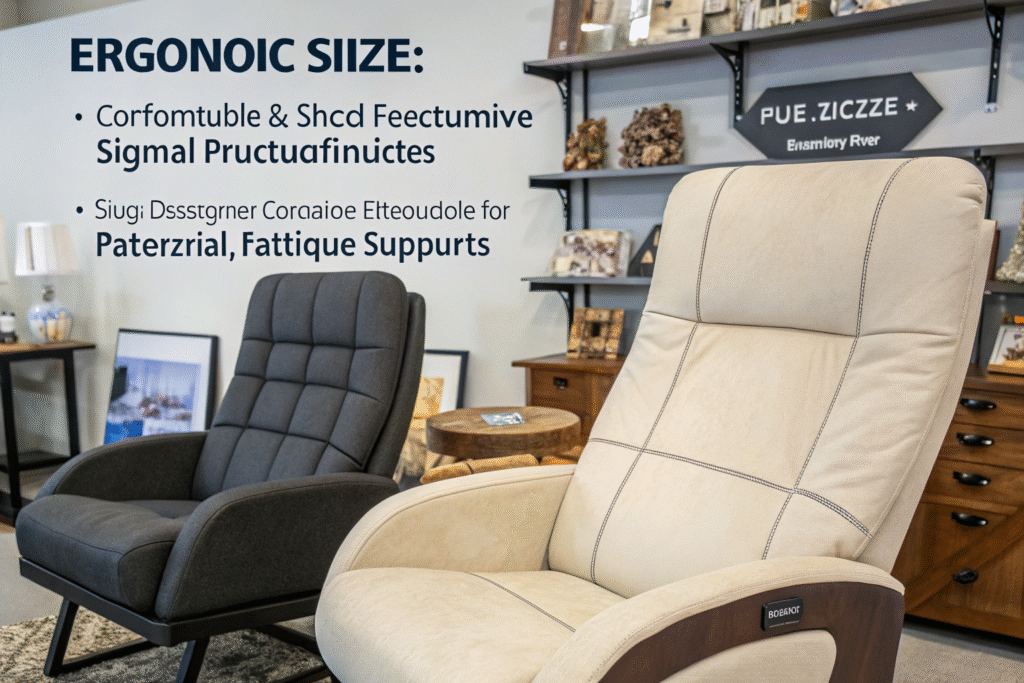
Ergonomic comfort represents a non-negotiable design criterion in plus-size categories. Consumers frequently encounter products exhibiting pressure concentration, structural weakness, or material fatigue. Durability requirements intensify as accessory dimensions increase, demanding enhanced structural integrity.
Addressing these parameters during initial design phases builds brand credibility and consumer trust. This engineering-focused approach demonstrates sophisticated understanding of practical usage scenarios beyond aesthetic considerations.
What Design Solutions Mitigate Ergonomic Stress Points?
Strategic design interventions eliminate common wearing discomforts. For scalp-contacting products, expanded surface area distributions normalize interfacial pressure. Temple components in optical wear benefit from torque-dissipating hinge mechanisms that accommodate cranial variations. Bag strap engineering requires padded load-distribution systems that prevent soft tissue compression. These technical refinements, while subtle in execution, significantly enhance user experience and demonstrate design intentionality.
How Do We Optimize Structural Integrity in Scaled Products?
Increased accessory dimensions necessitate reinforced mechanical architecture. Our quality management system prioritizes stress point analysis at component interfaces. Connection mechanisms in jewelry require upgraded tensile capacity to manage inertial loads during movement. Bag construction demands reinforced stitch densities at weight-bearing junctions and substrate reinforcement at high-stress regions. These structural enhancements, validated through accelerated lifecycle testing, reduce failure rates and establish market reputation for reliability.
How to Maintain Fashion Relevance While Addressing Specific Market Needs?
The plus-size consumer demonstrates equivalent fashion consciousness to mainstream segments. Successful product strategies involve trend adaptation rather than exclusion, ensuring color palettes, material finishes, and design details maintain market relevance.
Comprehensive styling approaches provide diverse options spanning classic foundations to fashion-forward statements. This philosophy empowers personal expression through accessory selection.
Which Styling Techniques Optimize Visual Impact?
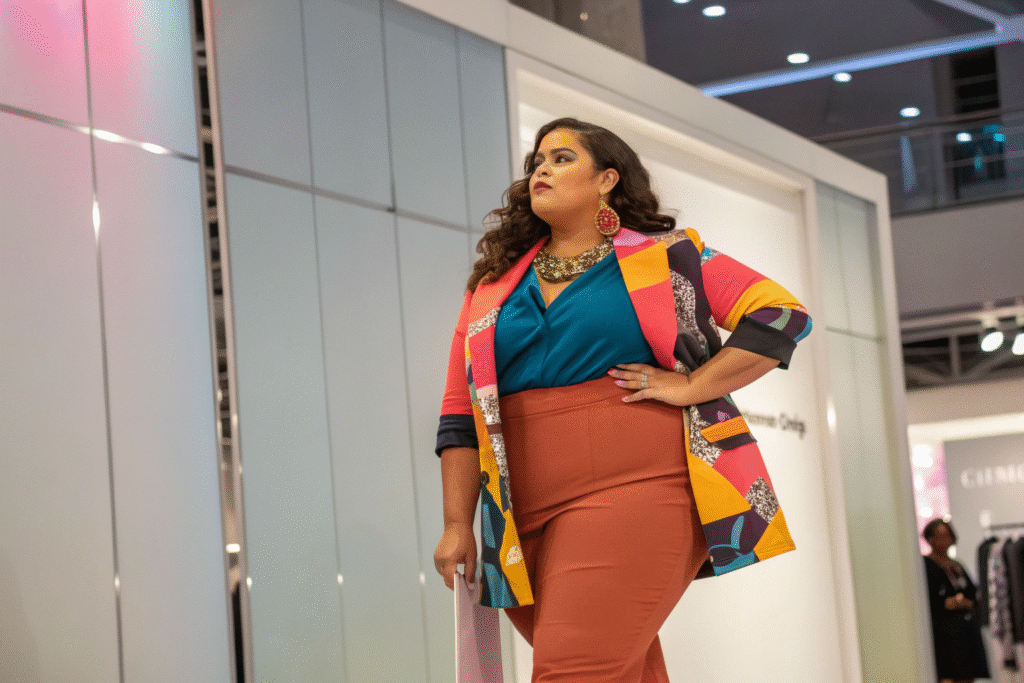
Understanding optical balancing principles informs successful styling strategies. Elongated neckwear creates vertical emphasis that streamlines torso appearance. Facial-framing pieces draw attention upward through strategic color and texture application. Headwear proportions can balance shoulder-to-hip ratios through calculated dimensioning. We provide clients with evidence-based styling guidance to develop collections achieving both aesthetic appeal and functional enhancement.
What Processes Ensure Authentic Trend Integration?
Trend adaptation requires nuanced interpretation rather than literal translation. When seasonal directions emphasize specific patterns or colors, these elements should permeate across all accessory categories. Critical success factors include maintaining design sophistication equivalent to straight-size offerings and avoiding stylistic dilution. Our design research team continuously analyzes trend forecasting from key global markets, ensuring developed collections demonstrate contemporary relevance and commercial potential.
What Sourcing and Manufacturing Protocols Ensure Market Success?
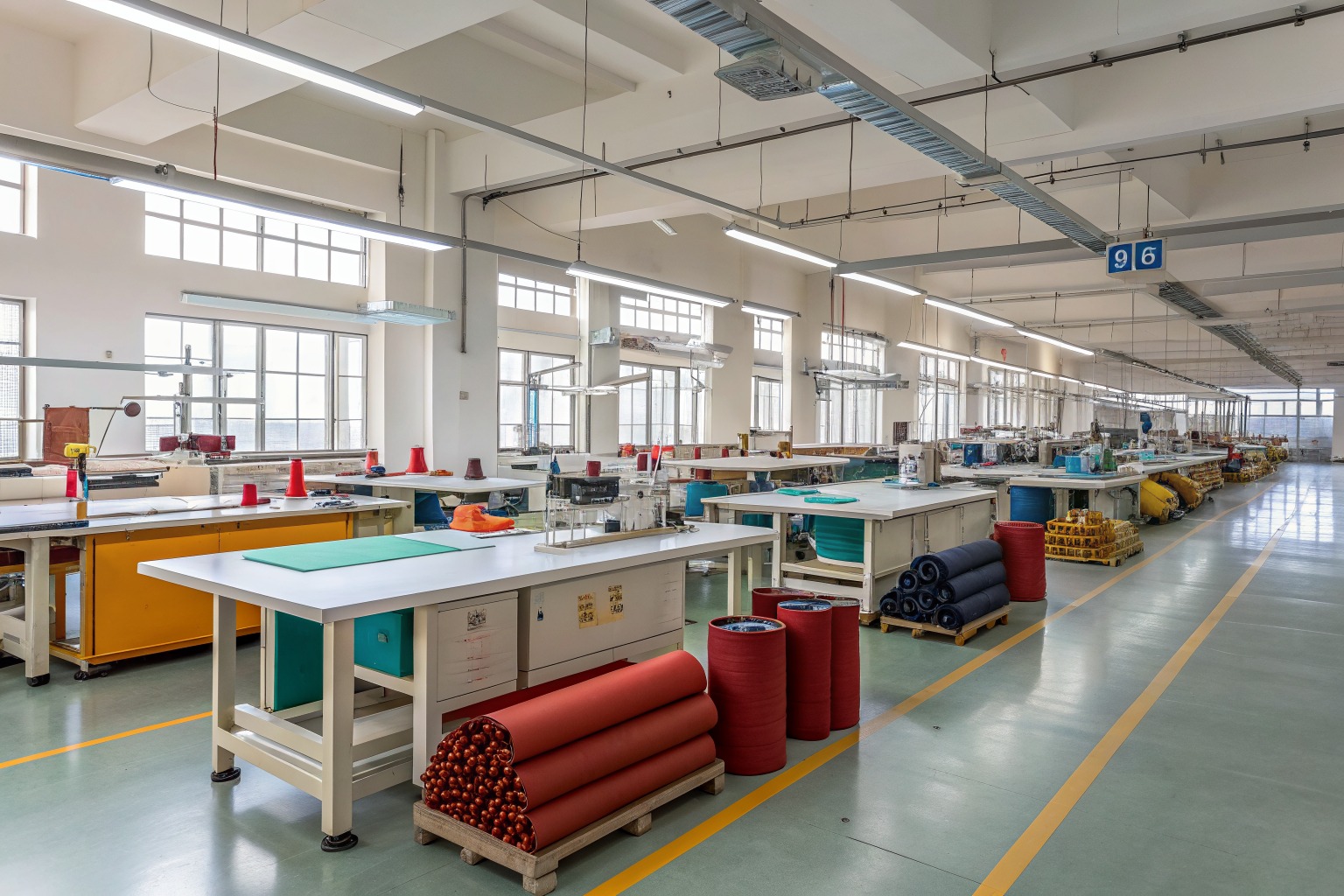
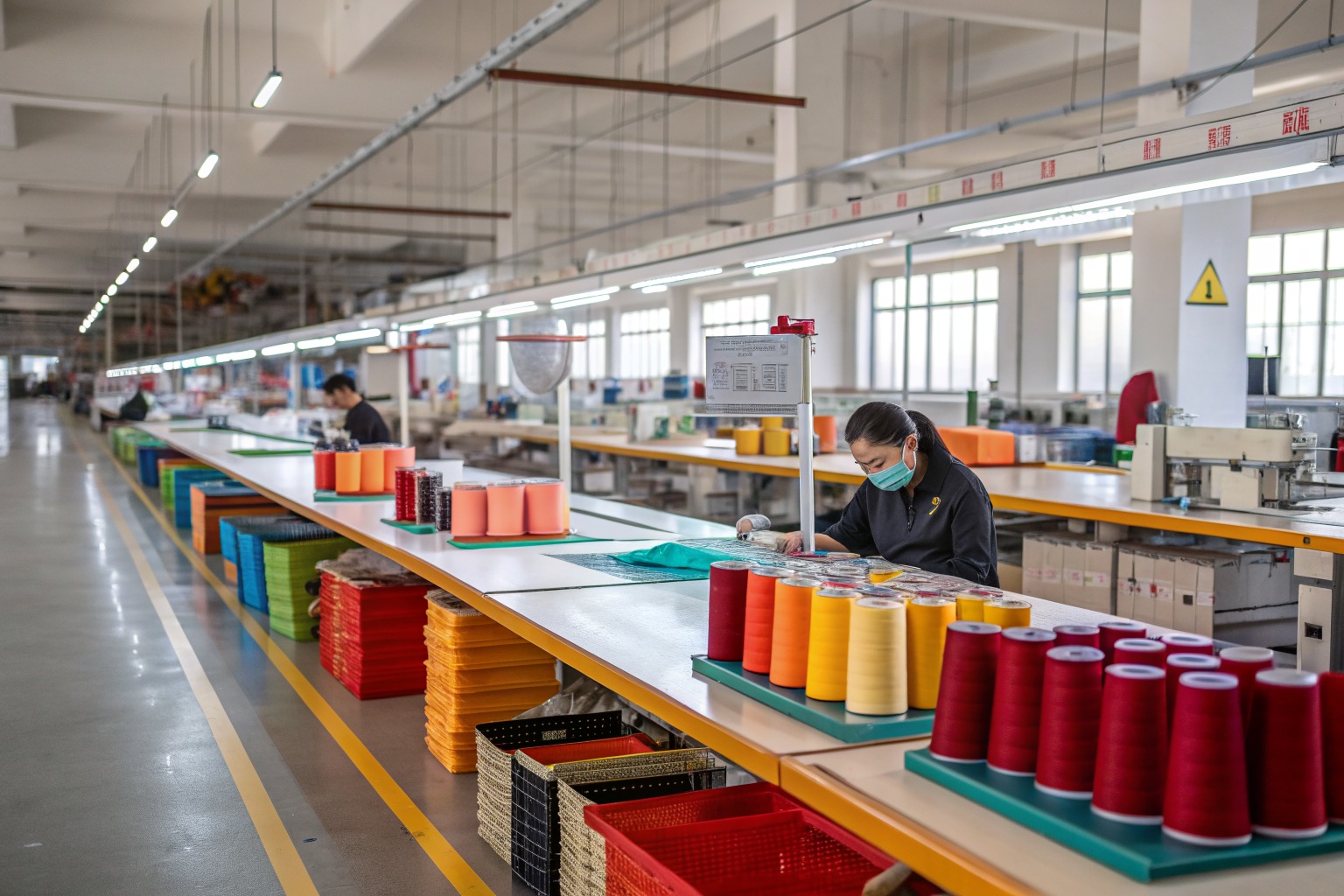
Navigating specialized product manufacturing requires partners with comprehensive process understanding, from material procurement through final logistics. Operational efficiency and supply chain reliability become increasingly critical with specialized product categories.
Strategic manufacturing partnerships guarantee design intent translation into production-quality goods while managing import compliance complexities.

How Do We Optimize Development and Production Workflows?
Streamlined operational sequences begin with integrated communication systems and dedicated project management. Our implementation framework assigns single-point accountability throughout the product lifecycle, from technical prototyping through commercial production. Manufacturing facilities maintain agile response capabilities while preserving quality standards, enabling rapid market entry for trend-responsive collections.
What Logistics Strategies Overcome Import Challenges?
Efficient supply chain management and cost control directly impact profitability. Our tariff engineering expertise ensures proper classification under harmonized system codes, providing predictable landed cost structures. Integrated logistics management handles container optimization, shipping documentation, and customs clearance procedures. This comprehensive approach eliminates common import obstacles including schedule variability and unexpected duty assessments, allowing clients to focus on commercial activities.
Conclusion
Strategic development for the US plus-size accessory market represents both design challenge and substantial commercial opportunity. Success requires dedicated implementation of proportional engineering, comfort optimization, trend integration, and manufacturing excellence. By adopting these disciplined approaches, brands can access high-growth market segments while building authentic consumer relationships through superior product experiences.
Ready to develop commercially successful plus-size accessory collections? Partner with our technical design and manufacturing specialists to transform your concepts into market-ready products. For detailed consultation regarding your project requirements, please contact Business Director Elaine at: elaine@fumaoclothing.com.