When we ship accessories internationally, the goods themselves may pass quality inspections, but the packaging and paperwork often determine whether shipments clear customs. Countries with strict biosecurity systems impose rigorous quarantine rules, especially for wood-based pallets, untreated textiles, or natural fibers. In my early exports to Australia, shipments were delayed at port because the pallets did not have proper ISPM 15 treatment stamps. From that experience, we built a compliance system to prevent such costly delays.
AceAccessory handles accessory shipments under strict quarantine requirements by using ISPM 15-compliant packaging, obtaining fumigation and phytosanitary certificates, and coordinating with freight forwarders specialized in biosecurity regulations.
This ensures our products move smoothly into regulated markets without additional inspections, fines, or storage charges.
Why Do Countries Enforce Strict Quarantine Measures?
Quarantine measures protect local ecosystems from invasive pests and diseases. Even if accessories are safe, untreated packaging or raw fibers can carry risks.
Strict quarantine rules exist to block pests, fungi, or contaminants from entering national borders through packaging or textile goods.

Which markets apply the toughest controls?
- Australia and New Zealand operate some of the strictest quarantine regimes under agencies like the Department of Agriculture, Fisheries and Forestry.
- The United States enforces inspections through APHIS.
- The European Union applies phytosanitary directives for plant-derived packaging and natural fibers.
What accessory materials raise red flags?
- Wooden pallets and crates.
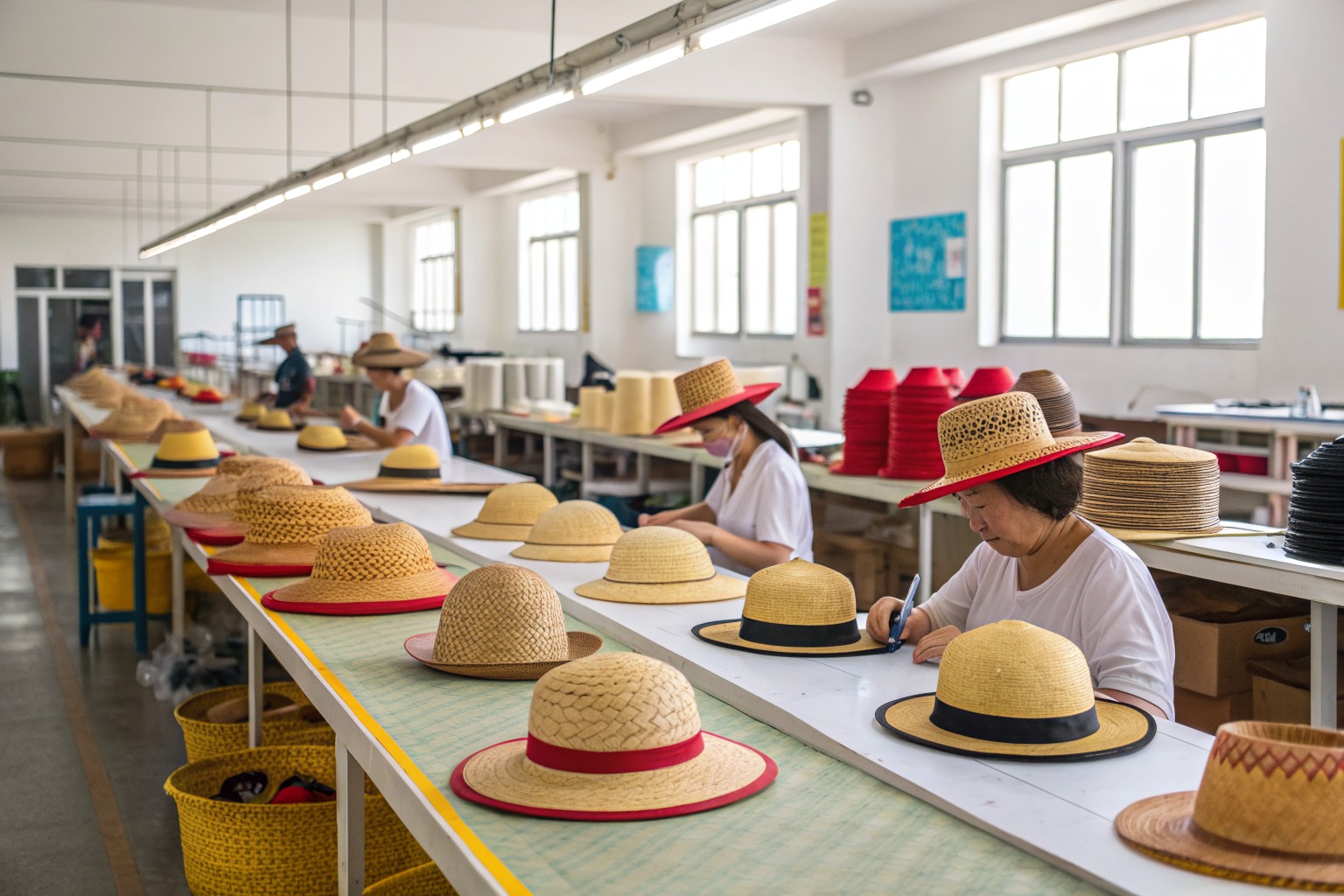
- Straw hats, untreated cotton, and wool products.
- Mixed-fiber textiles shipped without treatment certificates.
What Packaging Practices Ensure Quarantine Compliance?
Packaging is the most visible checkpoint during quarantine inspections.
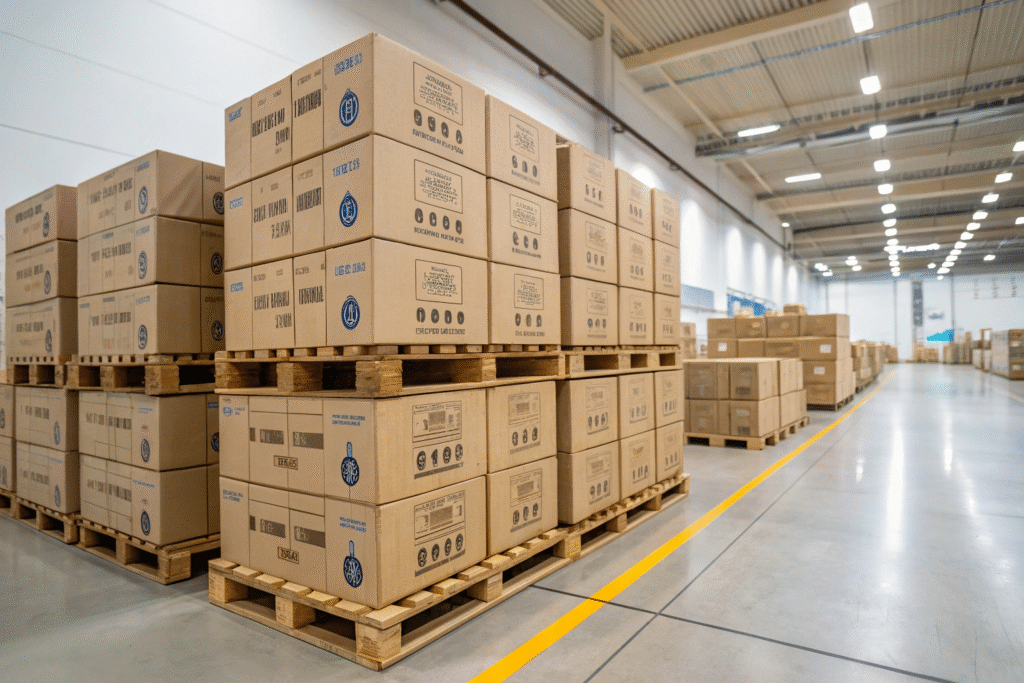
To meet quarantine rules, exporters must use ISPM 15-certified pallets, apply heat treatment or fumigation, and label packaging with official IPPC stamps.
What is ISPM 15 compliance?
ISPM 15 (International Standard for Phytosanitary Measures No. 15) requires solid wood packaging materials to be treated and stamped with the IPPC mark. As per the International Plant Protection Convention (IPPC), this prevents pests from spreading via pallets and crates.
Are there compliant alternatives?
Yes. Plastic pallets, plywood, or engineered wood products exempt from ISPM 15 are widely accepted. Providers like CHEP Pallets offer standardized solutions for international shipping that reduce quarantine risk.
How to Prepare Certificates for Quarantine Clearance?
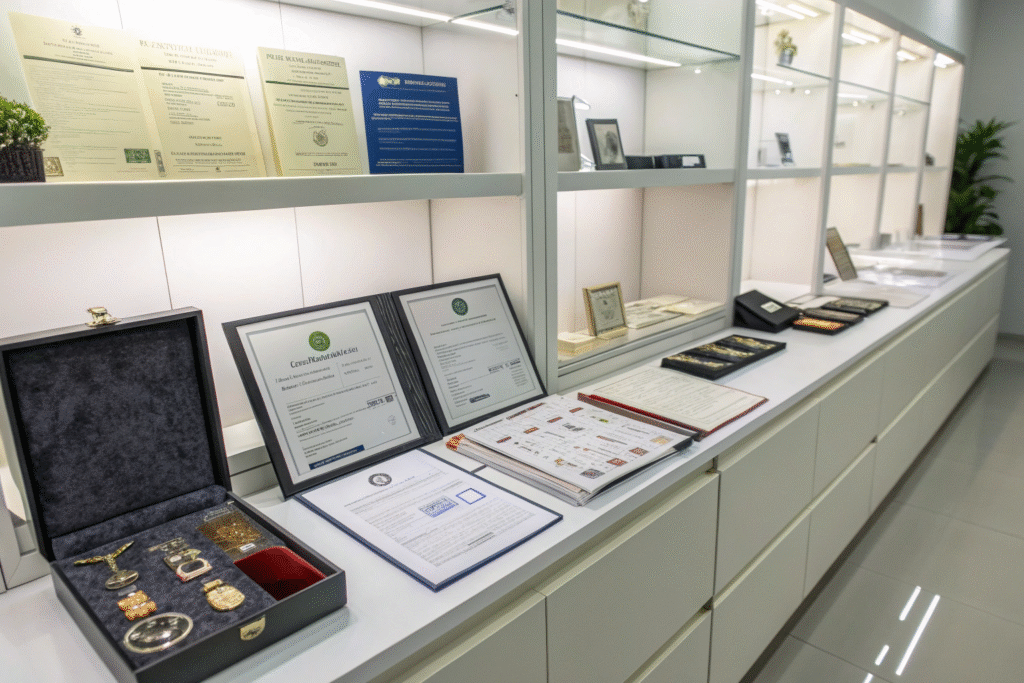
Paperwork validates that packaging and goods comply with destination country laws.
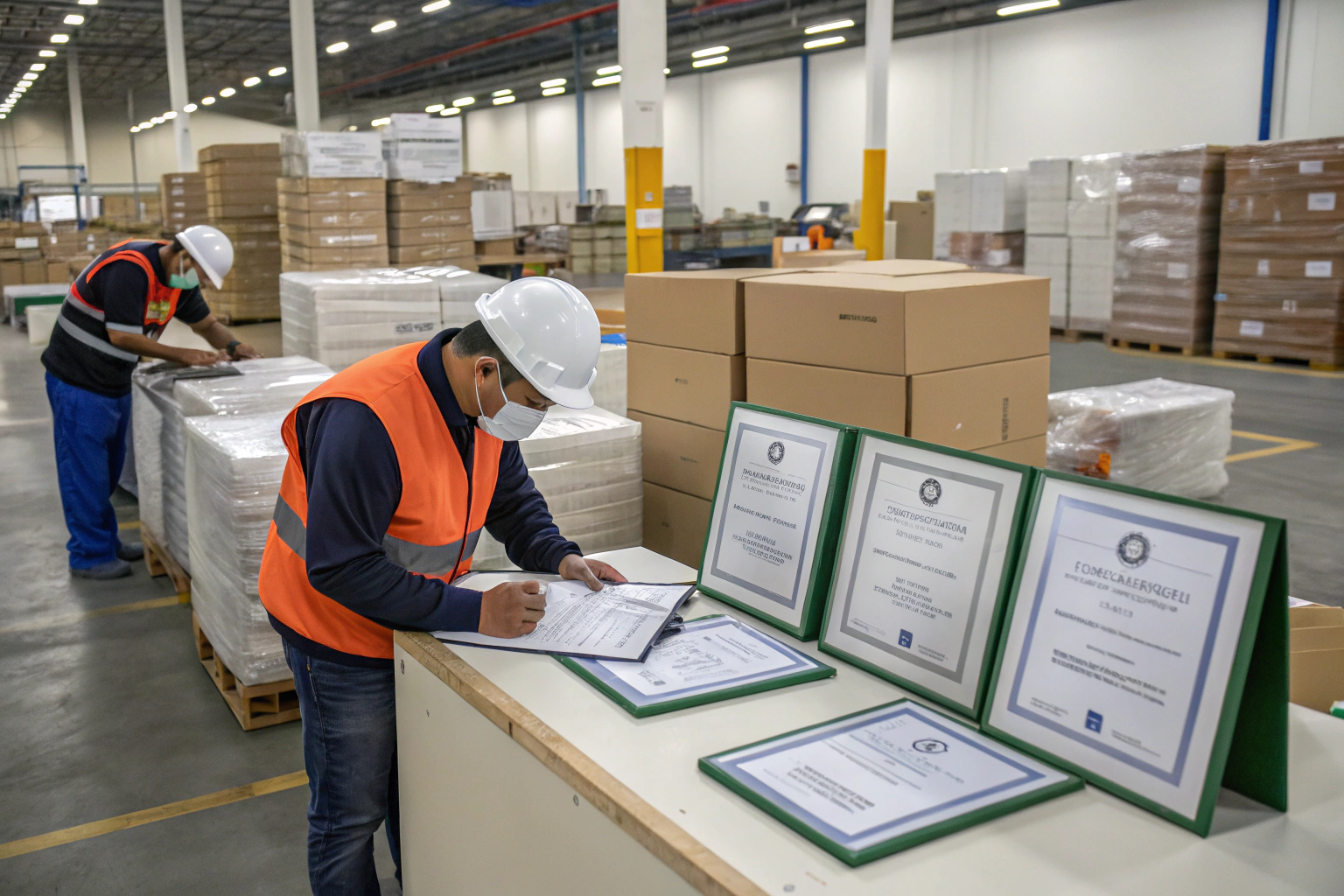
Required certificates include fumigation records, phytosanitary certificates, and in some cases import permits depending on product classification.
Which documents are mandatory?
- Fumigation Certificate proving wooden packaging was treated.
- Phytosanitary Certificate for natural fiber goods, issued under IPPC standards.
- Import Permits from local agencies such as Biosecurity New Zealand.
How to avoid errors?
Third-party inspection agencies like SGS verify treatment details and issue globally recognized certificates. Inaccurate or incomplete documents can lead to re-inspection and demurrage charges at port.
What Role Do Freight Forwarders Play in Quarantine Compliance?
Freight forwarders ensure exporters meet quarantine obligations before cargo arrives at destination ports.
Forwarders schedule fumigation, pre-clear documents, and liaise with customs brokers in high-regulation markets.

Why choose experienced forwarders?
Companies like Kuehne+Nagel and DB Schenker maintain direct contacts with quarantine authorities. They confirm compliance before loading, preventing detention or storage costs.
How do they reduce risk?
Forwarders pre-arrange inspections, book fumigation treatments, and submit electronic copies of certificates. This minimizes customs delays and protects delivery schedules.
Conclusion
Managing shipments under strict quarantine rules requires more than routine export paperwork. Compliance depends on certified packaging, valid certificates, and expert logistics coordination. Countries with strong biosecurity policies enforce these requirements without exceptions.
At AceAccessory, we use ISPM 15-certified pallets, prepare fumigation and phytosanitary certificates in advance, and work with freight forwarders trained in regulated markets. If you need a supplier who guarantees accessory shipments without quarantine delays, contact our Business Director Elaine at elaine@fumaoclothing.com.