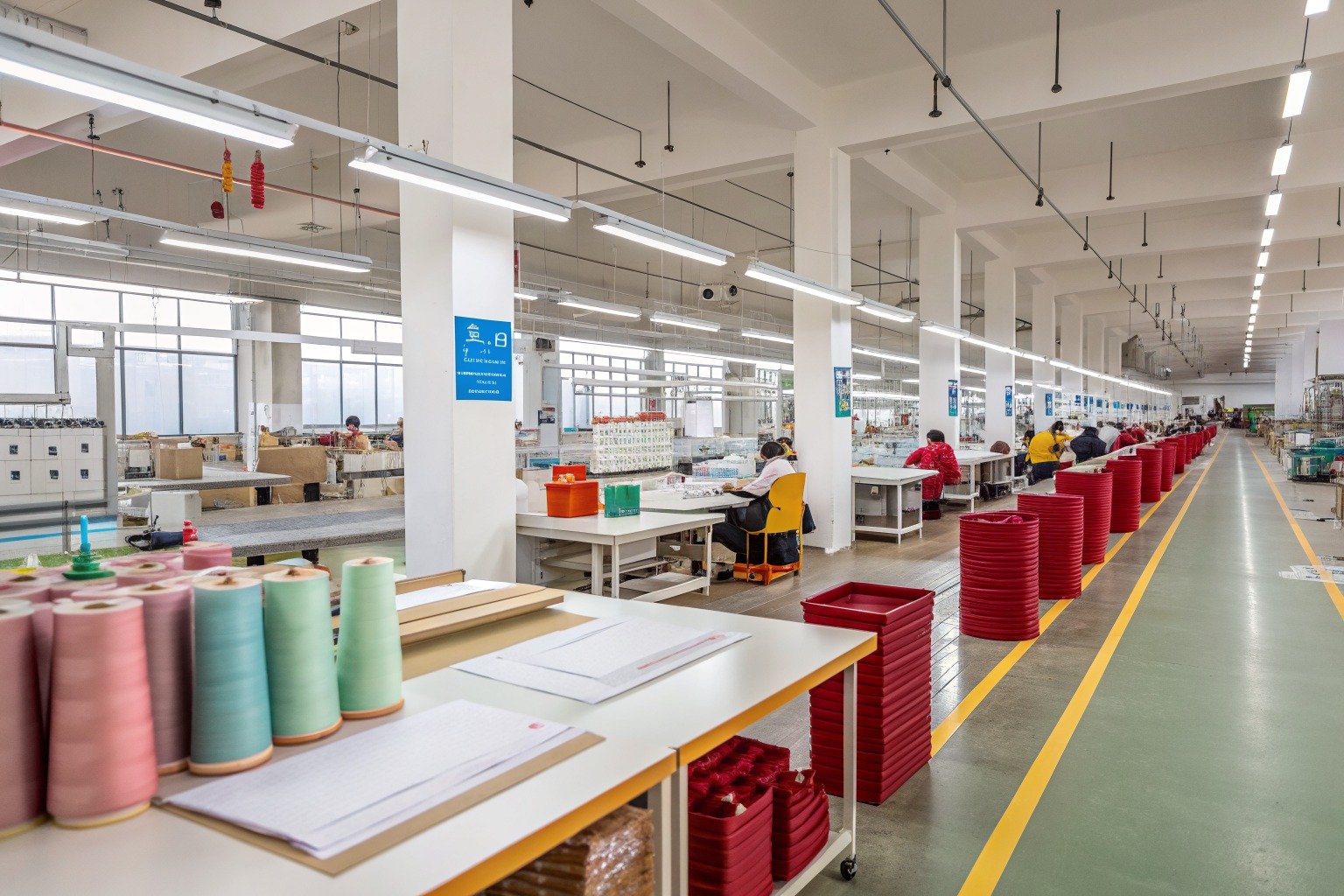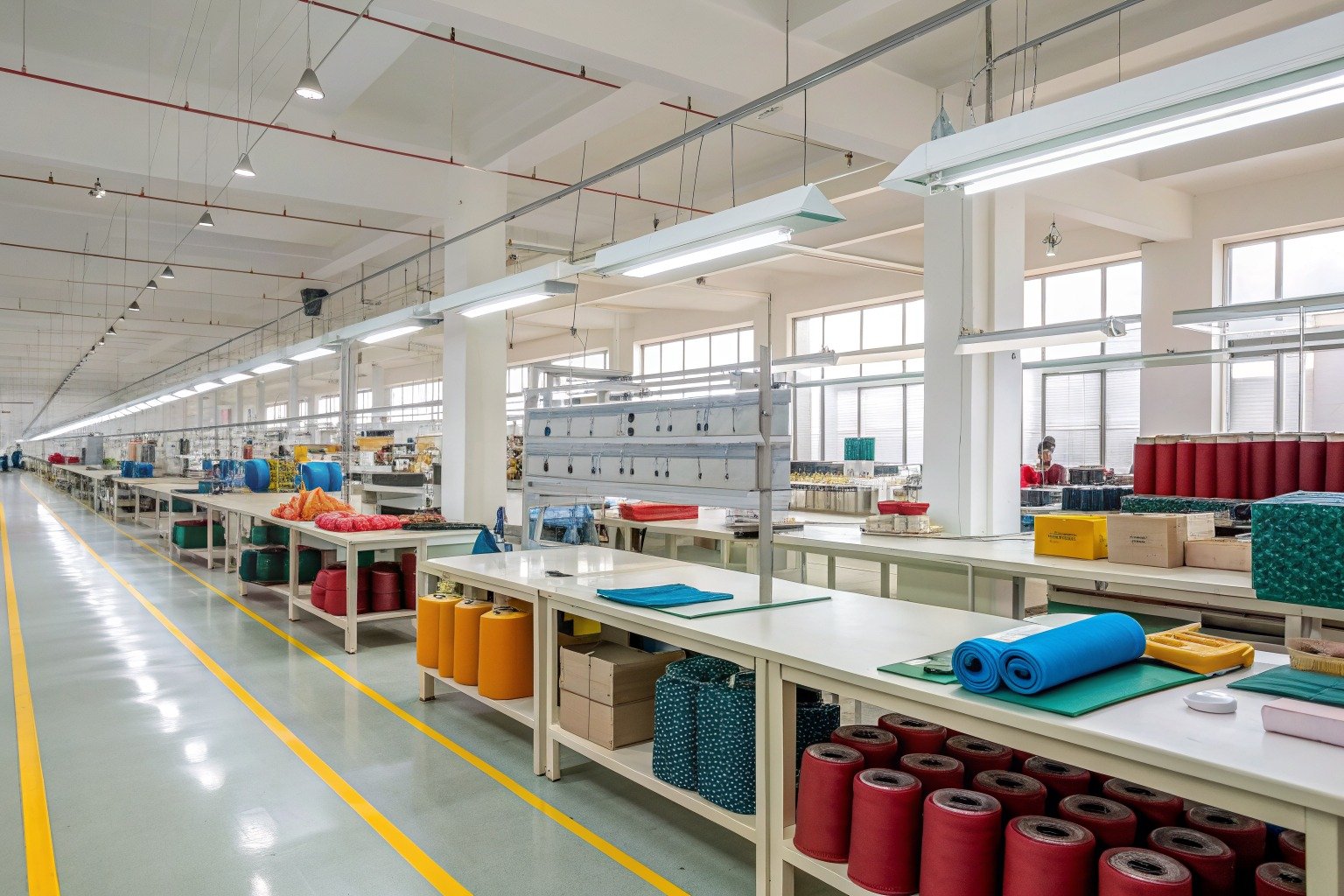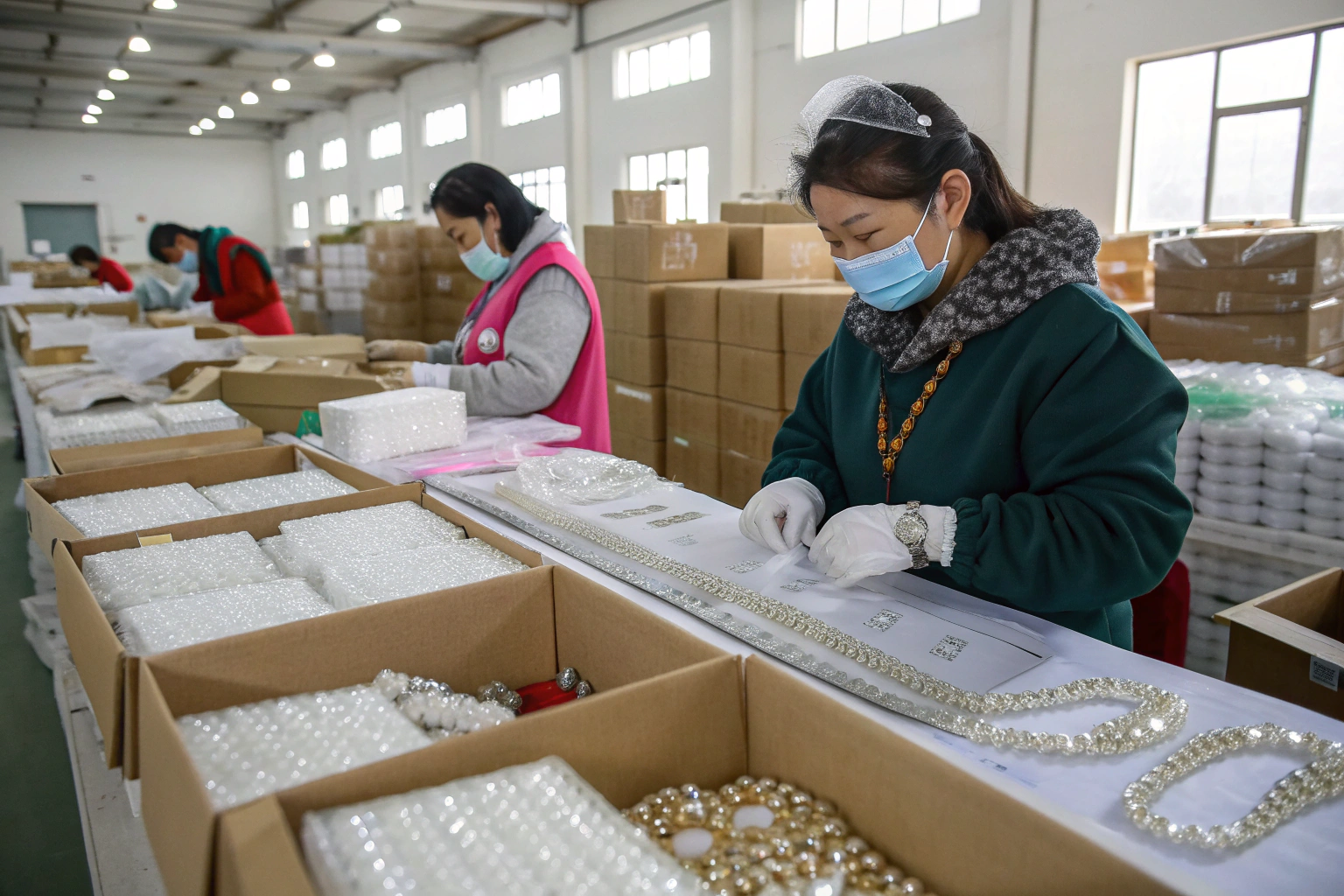
When we export accessories with crystals, sequins, or beads, the beauty of these embellishments is also their weakness. Early in my career, I faced frequent complaints from buyers because fragile details did not survive long-distance shipping. The challenge was not the product itself but the way it was packed and transported.
The best way to ship accessories with fragile embellishments is to use multi-layer protective packaging, select cartons with appropriate edge crush test (ECT) ratings, and work with logistics providers experienced in fragile cargo handling.
With years of testing, we developed methods that cut transit damage to almost zero. Here, I will explain packaging standards, material choices, freight options, and preventive measures that professional buyers and logistics managers can apply in real operations.
Why Is Packaging So Critical for Fragile Accessories?
Fragile embellishments like rhinestones, beads, or sequins are highly sensitive to pressure and vibration. Without certified protective solutions, minor shocks during handling can compromise entire shipments.
Packaging is critical because it ensures structural stability, minimizes vibration, and prevents surface abrasion during international transport.

What risks occur in transit?
Goods face static load, dynamic vibration, and moisture. According to ISTA standards, packaging must pass drop, compression, and humidity tests to simulate global logistics. When accessories share containers with heavier SKUs, risk multiplies.
How does packaging protect commercial value?
High-end retailers like Nordstrom expect defect-free goods on arrival. A cracked embellishment reduces SKU value and triggers costly returns. Effective packaging is not just operational—it is directly linked to brand equity and margin protection.
Which Packaging Materials Provide the Best Protection?
After testing multiple substrates and densities, some materials consistently outperform others for fragile accessories.
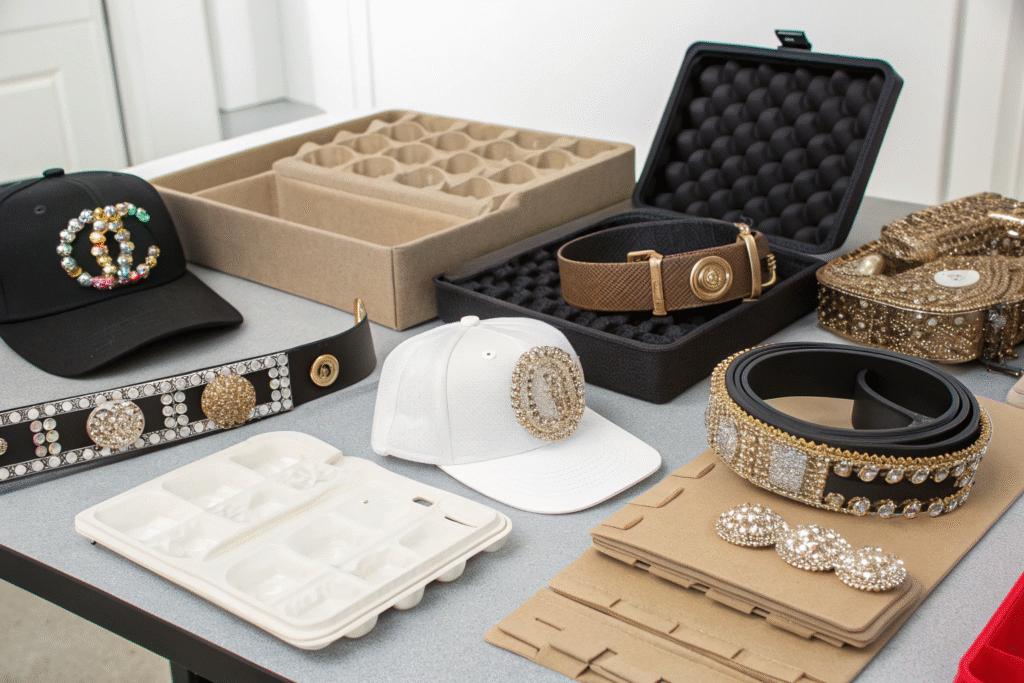
Optimal solutions include acid-free tissue for scratch resistance, EPE foam or bubble wrap for cushioning, and double-wall corrugated cartons with ECT 44 or higher for structural protection.
Why use multi-layer systems?
Each layer addresses a specific hazard. Tissue prevents micro-abrasion, foam absorbs impact energy, while corrugated cartons resist stacking pressure. Packaging Strategies confirms that multi-layer packaging reduces transit loss rates significantly compared to single-layer solutions.
Are sustainable options viable?
Yes. Buyers increasingly request recyclable or compostable substrates. Molded pulp trays and kraft cushions, available from EcoEnclose, meet sustainability KPIs while maintaining protective performance. However, validation through compression and humidity tests is essential before scale adoption.
How to Select the Right Freight Mode?
Even with superior packaging, freight mode impacts damage risk. Transport conditions differ across air, ocean, and express networks.
Mode selection depends on SKU fragility, order volume, and client lead time requirements.
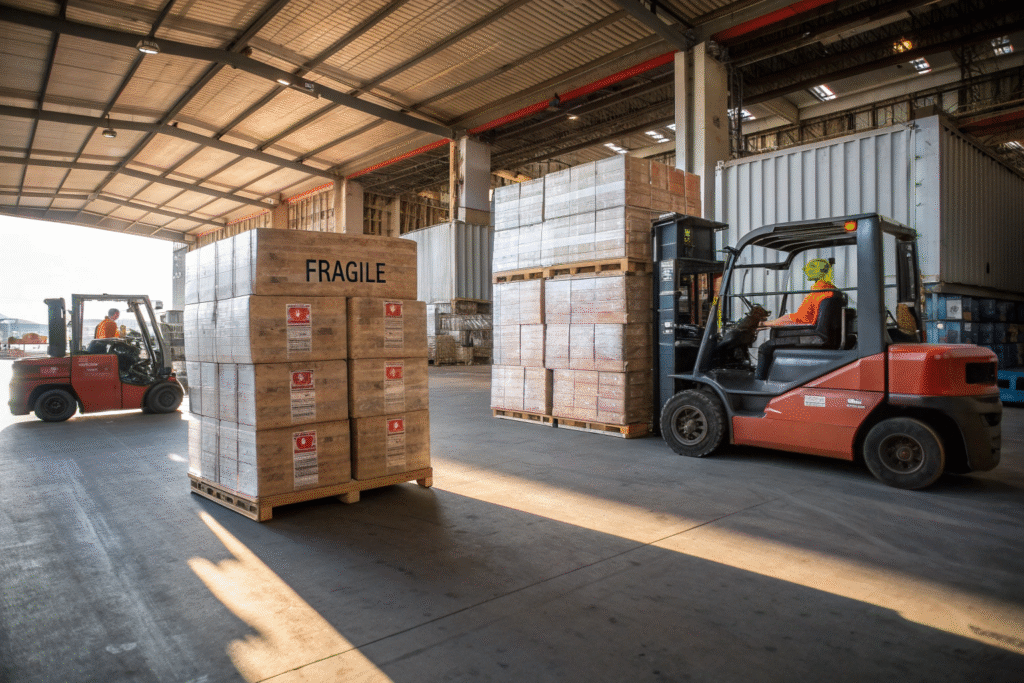
Is air freight safer than ocean freight?
Air freight shortens lead time and reduces handling points. According to IATA cargo guidelines, fragile goods benefit from reduced vibration and compression cycles. However, cost per CBM is higher. Ocean freight is economical for bulk orders but exposes cartons to high stacking loads and extended humidity.
What about courier integrators?
For small-batch shipments, express providers like DHL Express or FedEx offer declared-value fragile service. Their controlled handling processes and tracking systems mitigate risk, making them suitable for boutique buyers and e-commerce sellers.
What Additional Measures Reduce Transit Damage?
Beyond packaging and mode selection, operational controls further reduce damage incidents.
Applying handling labels, integrating moisture control solutions, and enforcing outbound QC protocols significantly lower claim ratios.
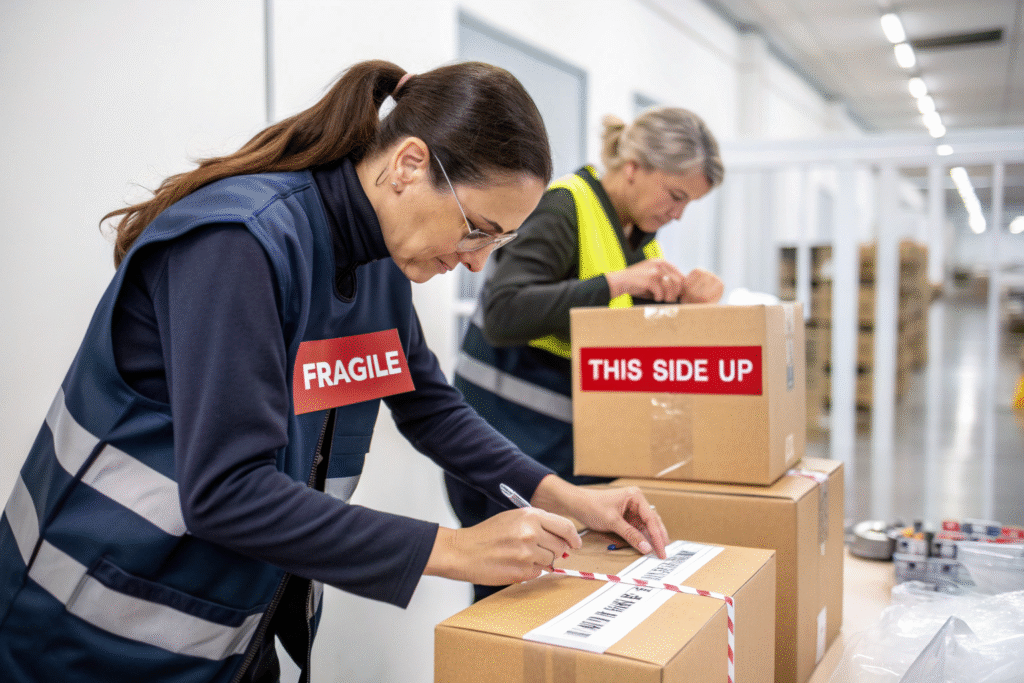
Do handling labels influence outcomes?
Yes. “Fragile” and “This Side Up” indicators, as noted in UPS packaging guidelines, alert handlers to special care requirements. Empirical data shows labeled cartons experience fewer impact events.
How does moisture control work?
Accessories with metal trims or fabric overlays are moisture-sensitive. Desiccants compliant with DIN 55474 standards prevent corrosion, mold, and fabric discoloration during long-haul sea freight. For high-value SKUs, container-level dehumidifiers are recommended.
Conclusion
Shipping embellished accessories safely requires structured planning. ISTA-compliant multi-layer packaging, certified protective materials, correct freight mode, and preventive measures together reduce transit risks. This is not only a logistics task but a brand protection strategy.
At AceAccessory, we specialize in exporting fragile accessories to global retailers with minimal damage rates. Our packaging engineers, QC team, and logistics partners work together to deliver goods that meet both performance and sustainability standards. If you want a secure shipping solution for your fragile accessories, contact our Business Director Elaine at elaine@fumaoclothing.com.