When I first entered the export business for fashion accessories, buyers mainly focused on price and delivery time. But today, a new priority stands out—sustainable packaging. American and European importers now ask me about eco-friendly packaging before they even ask about colors or styles. This shift shows how fast the industry is moving toward green practices.
Yes, it is possible to source accessories with compostable packaging, and it is one of the best ways to meet market demand, stay compliant with new regulations, and appeal to eco-conscious consumers.
I learned that by switching to compostable packaging, I could not only keep existing clients but also attract new ones who care deeply about environmental responsibility. Let me share how buyers can understand compostable packaging, verify suppliers, calculate costs, and integrate it into their supply chains.
What Is Compostable Packaging in the Fashion Industry?
In the past, plastic was the go-to material for packaging. It was cheap and strong, but it left a heavy footprint on the planet. Now, brands are asking suppliers to find better options.
Compostable packaging means materials that can naturally break down into water, CO₂, and biomass without leaving harmful residue.

Why are buyers shifting to compostable packaging?
They want to reduce waste and meet strict rules. Organizations like the Ellen MacArthur Foundation push for a circular economy, where materials return safely to nature. Retailers also align with UN Sustainable Development Goals to show their commitment to sustainability.
Which materials are used most often?
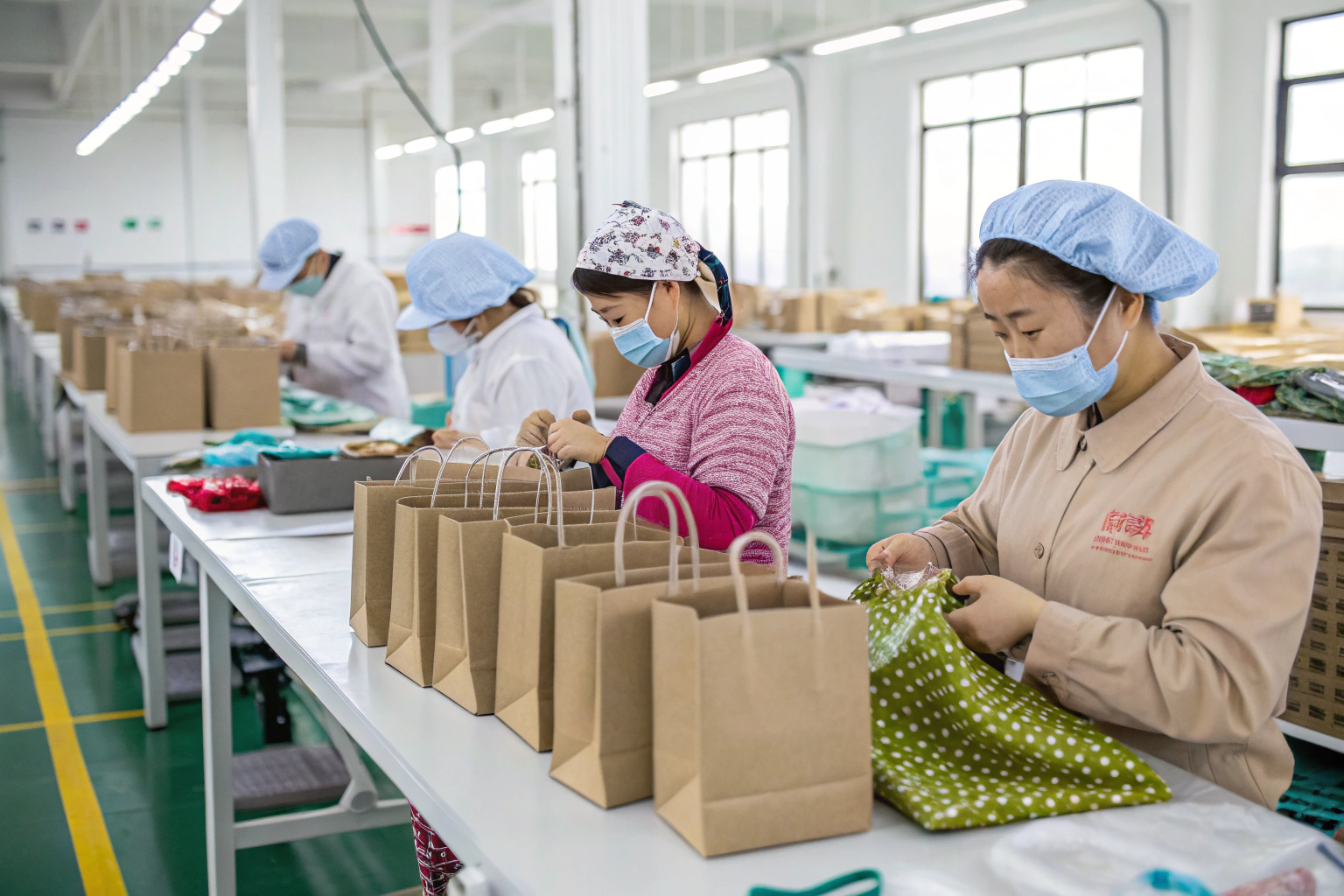
In accessories, common compostable packaging includes kraft paper, bamboo fiber, mushroom packaging, and PLA bioplastic. Kraft paper is great for wrapping scarves, while PLA works for transparent garment bags. Each material not only protects products but also tells a story of responsibility.
How to Verify Compostable Packaging Suppliers?
Many suppliers market their packaging as “eco-friendly,” but not all truly meet international standards. Without proof, greenwashing is a big risk.
Buyers must request certificates, check testing reports, and use audits to confirm that suppliers offer genuine compostable packaging.

What certifications should I look for?
International clients usually require BPI Certification or OK Compost Certification. These confirm that the material can fully compost in industrial facilities. Without them, packaging might only be recyclable plastic.
How can I ensure reliability?
Working with third-party inspectors is essential. Firms like SGS and Intertek provide audits and quality reports. I also advise clients to request supplier samples before confirming bulk orders. This step avoids costly surprises later.
What Are the Costs of Switching to Compostable Packaging?
Price is often the first question I hear from American and European buyers. Compostable packaging looks attractive, but is it affordable?
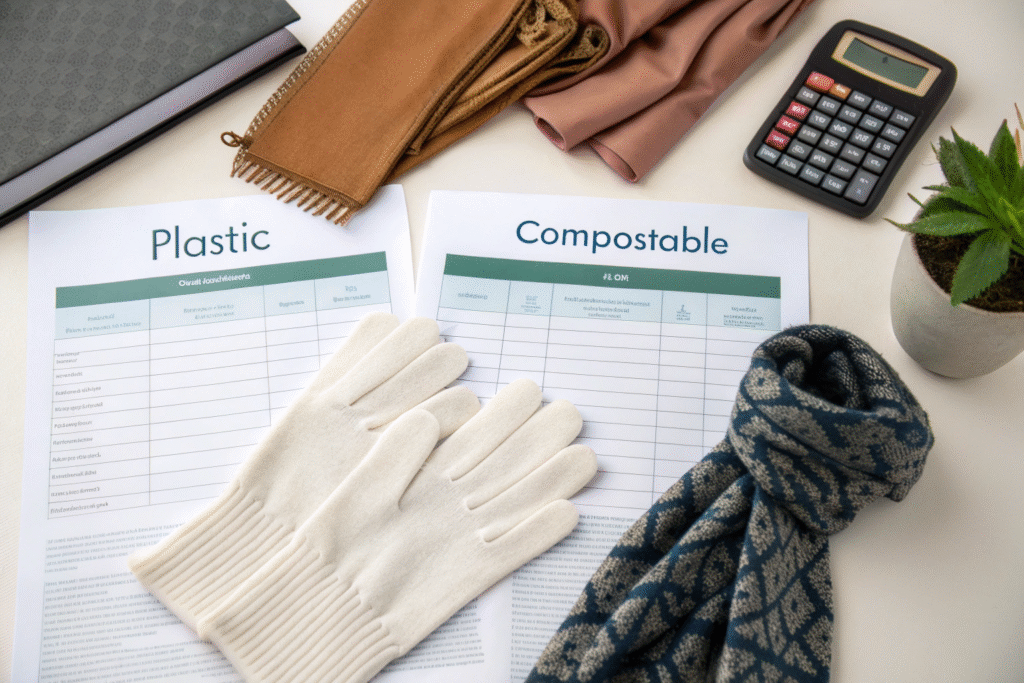
On average, compostable packaging costs 20–40% more than plastic, but many brands accept this increase to strengthen their market position.
Why is it more expensive?
The production of bioplastics and bamboo fiber requires advanced facilities. As Packaging Europe explains, plastics are still cheaper because they are mass-produced. Compostable packaging is newer, so costs remain higher.
How can costs be controlled?
Some buyers reduce material use with minimalist packaging design. Others work directly with factories like ours that already integrate eco-suppliers, which lowers middleman fees. In many cases, the slightly higher price is offset by stronger brand reputation and better sales in eco-conscious markets.
How to Integrate Compostable Packaging into Supply Chains?
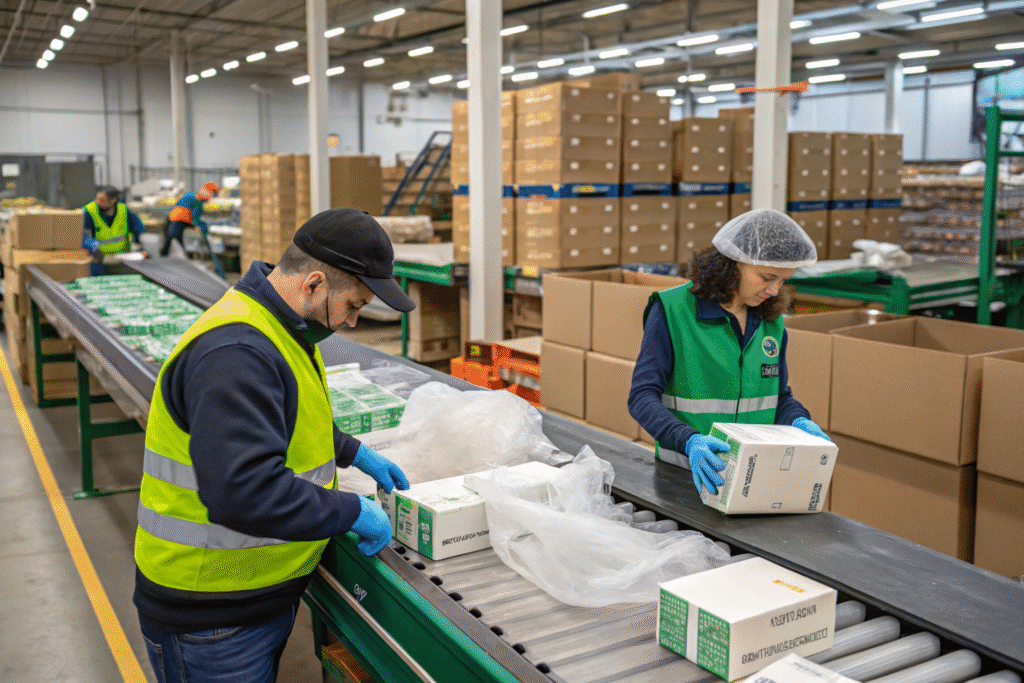
Adopting compostable packaging is one thing, but using it smoothly across a supply chain is another. Logistics and compliance add extra layers of planning.
To integrate compostable packaging, brands must coordinate with suppliers, freight forwarders, and customs to prevent delays.
How can logistics adapt?
Compostable packaging is strong but sensitive to heat and moisture. Freight teams must adjust container ventilation. As Logistics Bureau recommends, storing eco-materials in dry conditions prevents damage during long ocean shipments.
Do customs and retailers accept it?
Yes, but only with the right papers. Customs officers may request compostability certificates. Large chains like Walmart Sustainability Hub require compliance files before accepting goods. If buyers prepare these documents in advance, shipments move smoothly.
Conclusion
Switching to compostable packaging is not only about following rules, it is about staying ahead of the market. Buyers in the U.S. and Europe increasingly demand eco-solutions from suppliers. By learning what compostable packaging means, verifying certifications, understanding costs, and planning logistics, brands can transition smoothly.
At AceAccessory, we already work with certified eco-packaging suppliers. Our team in Zhejiang, China, helps clients meet their sustainability goals while keeping costs under control. If you are ready to build your accessories project with compostable packaging, contact our Business Director Elaine at elaine@fumaoclothing.com.