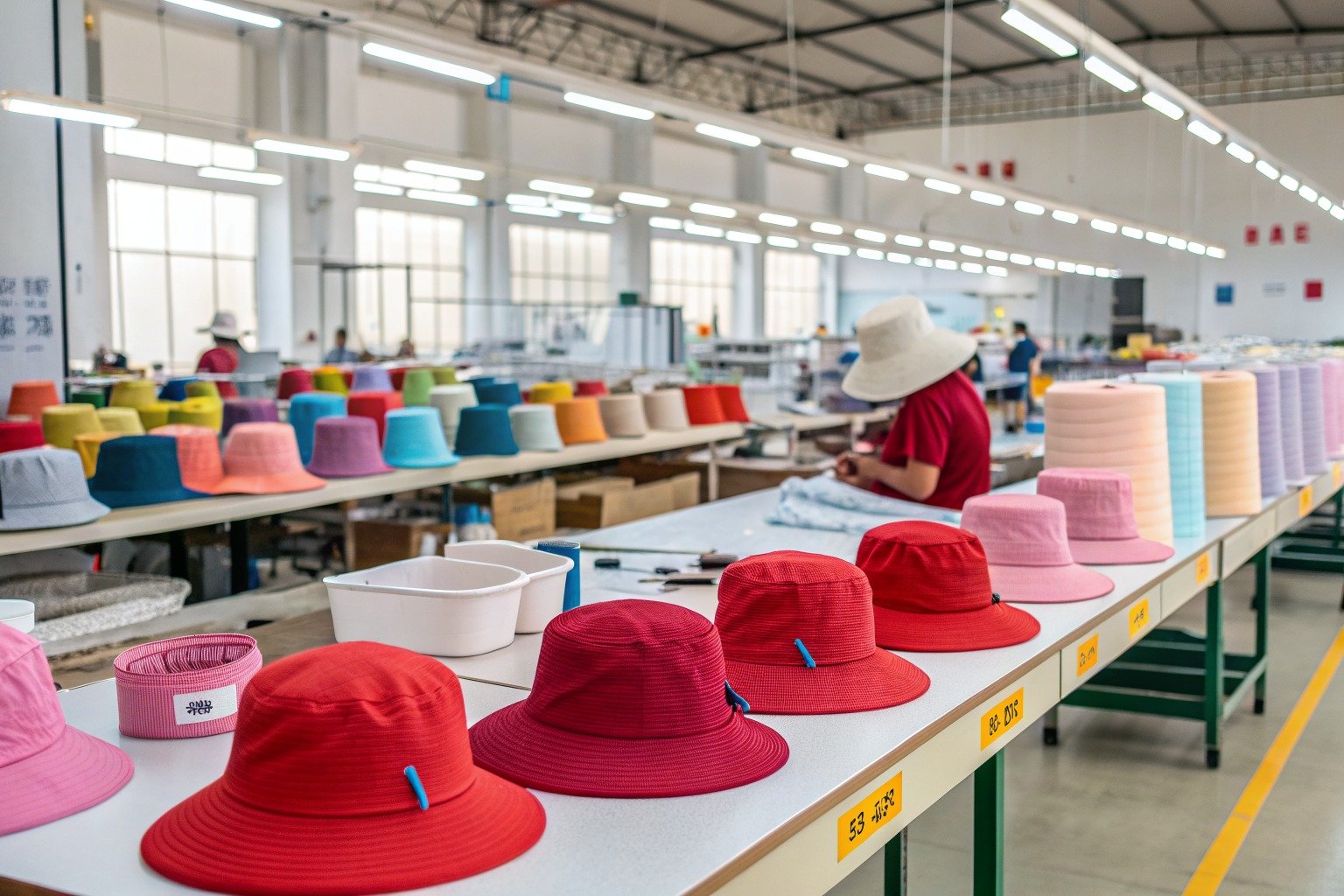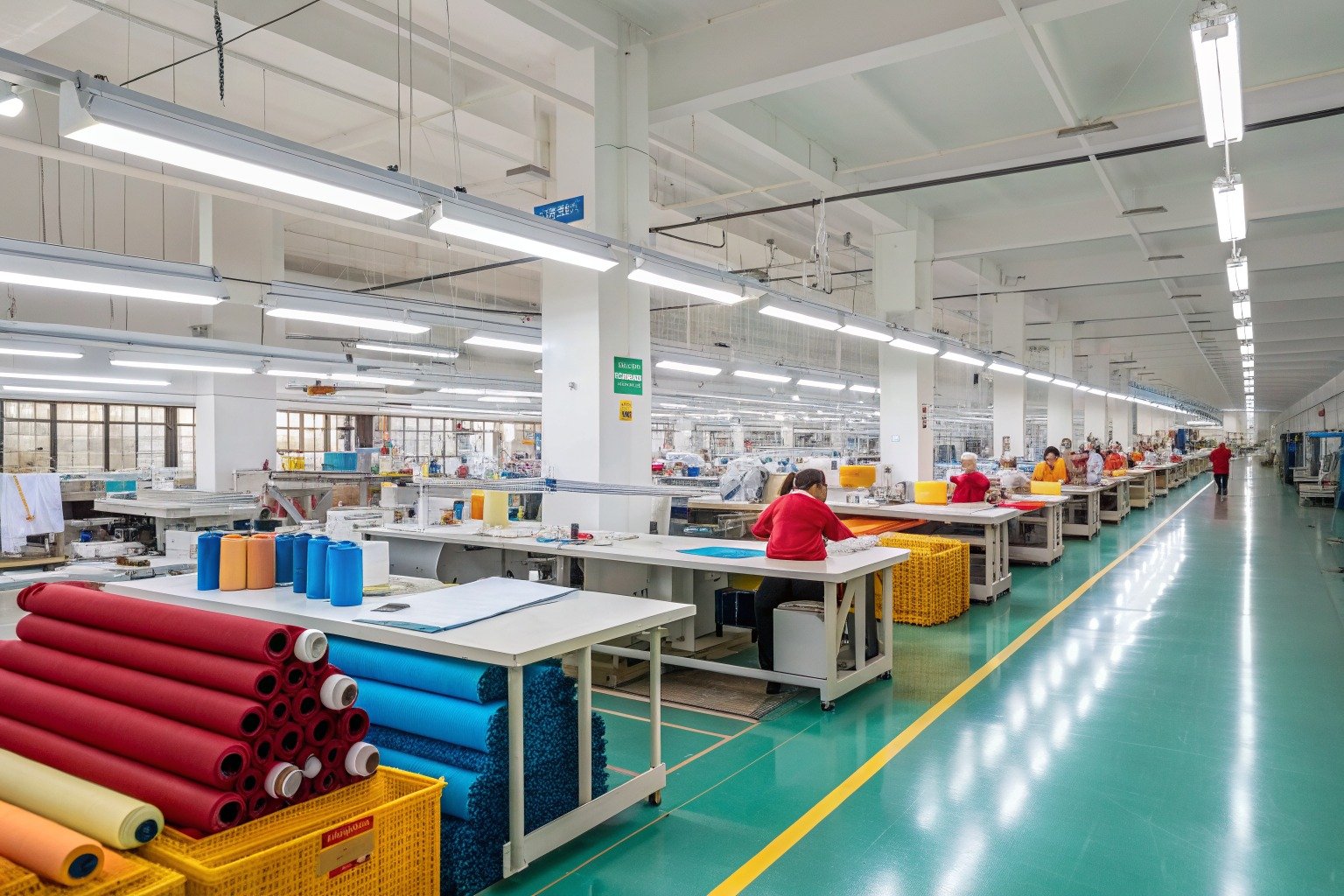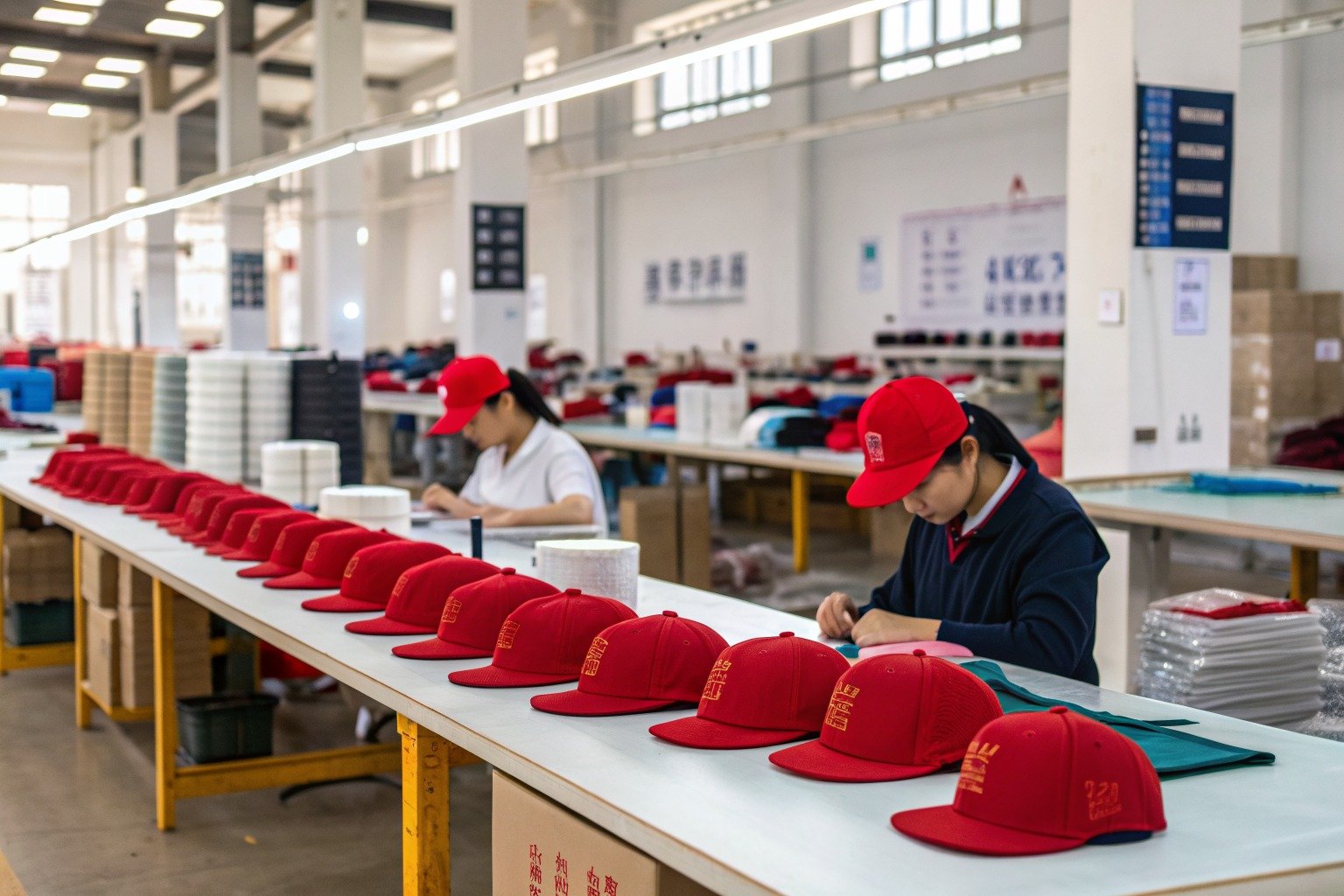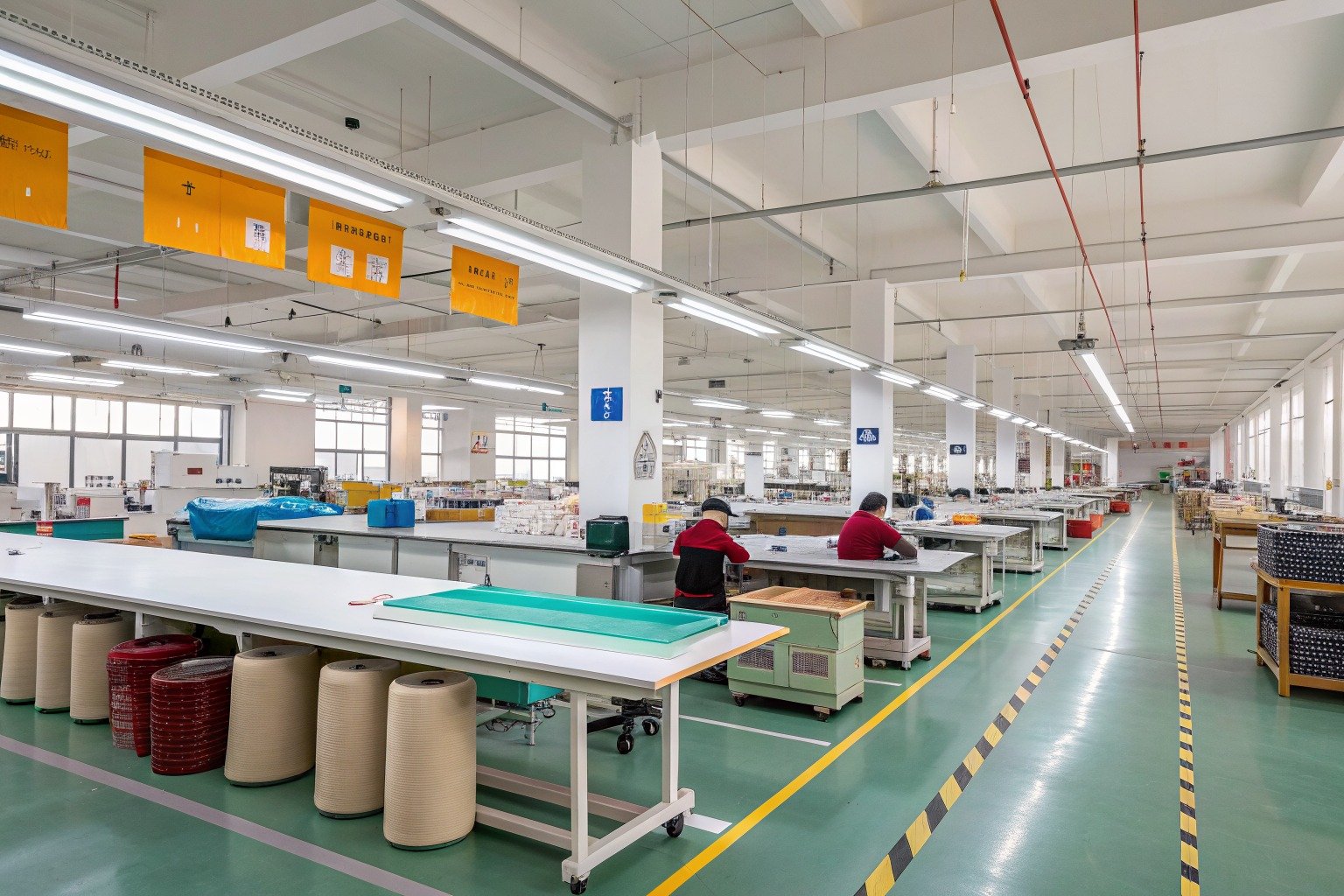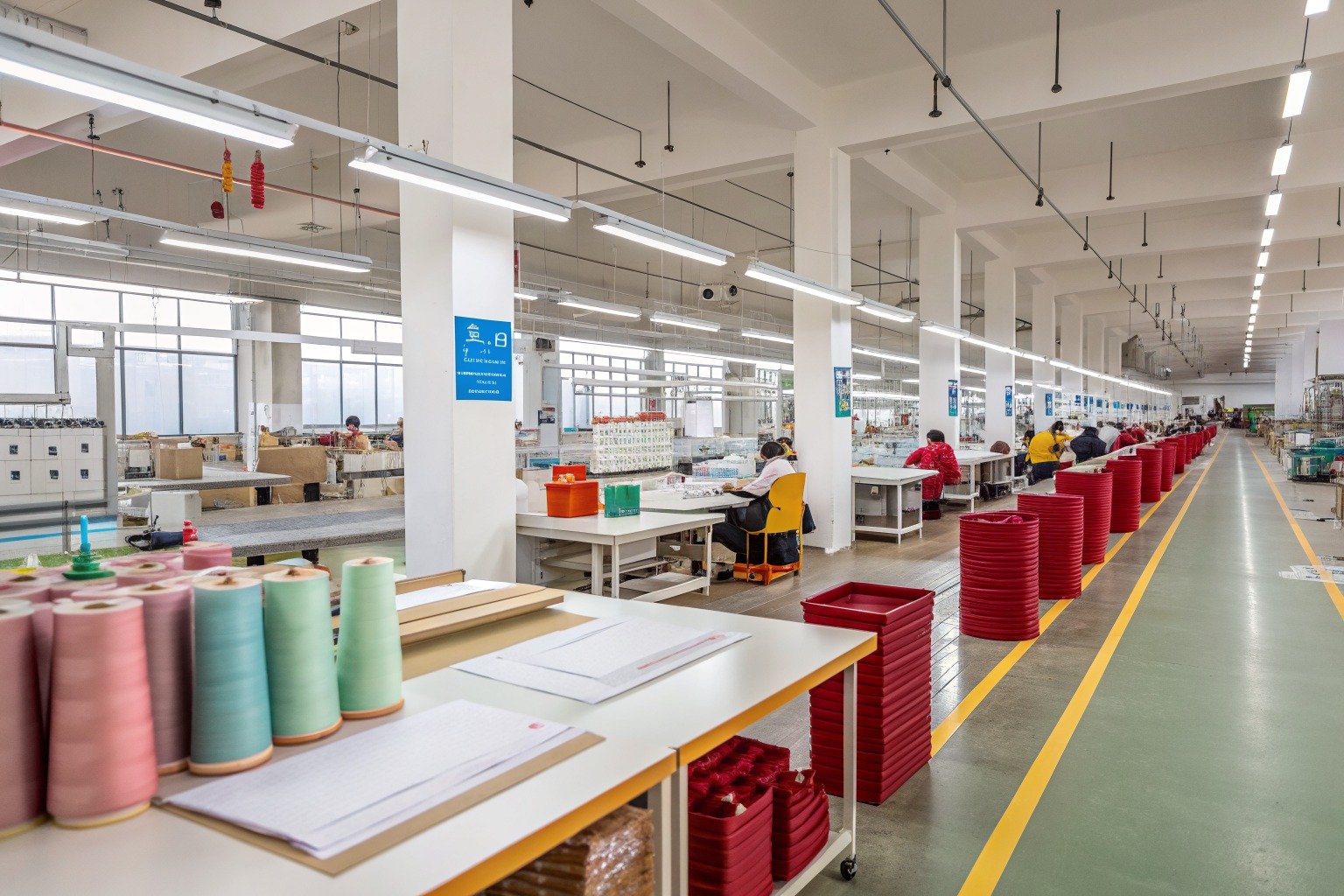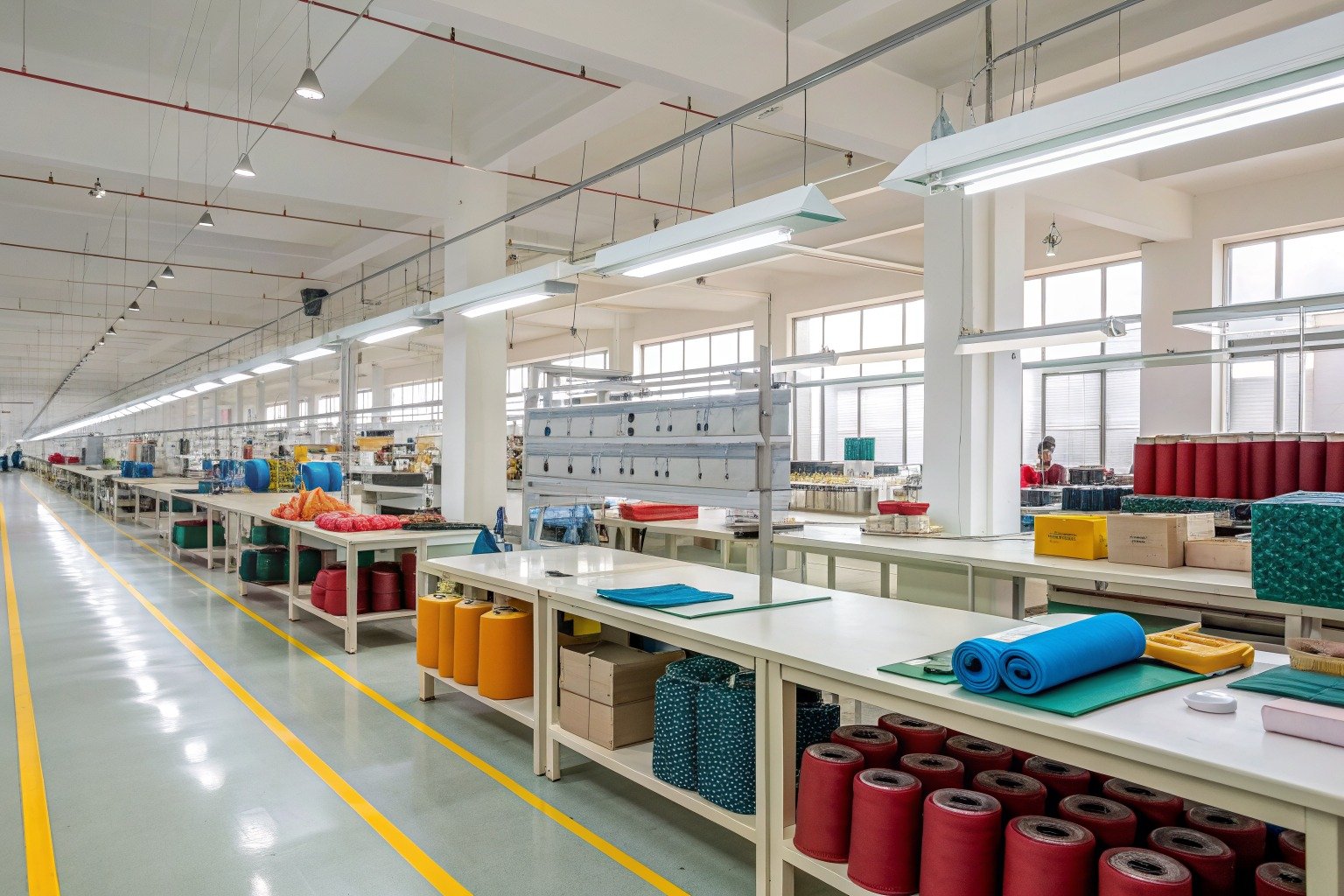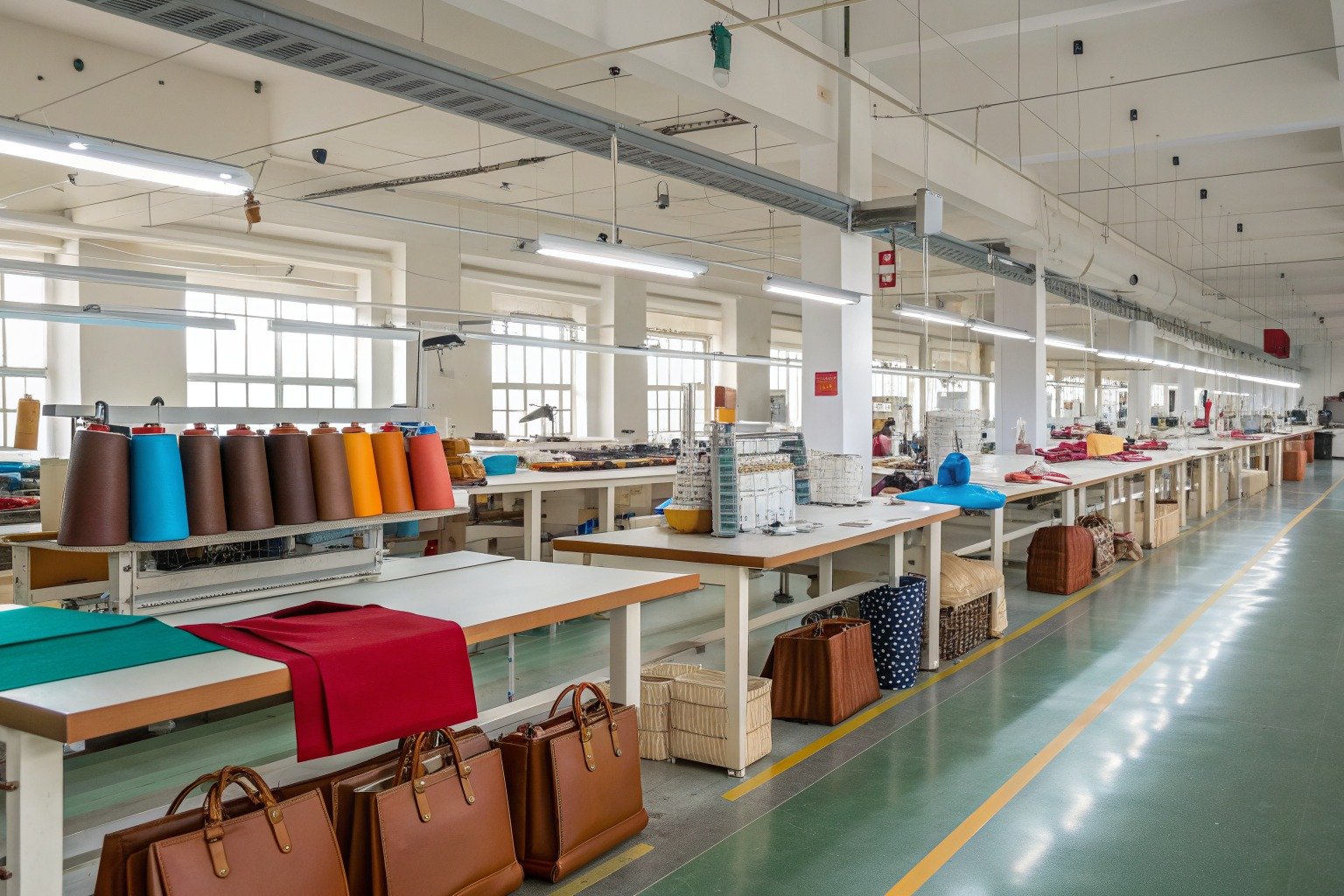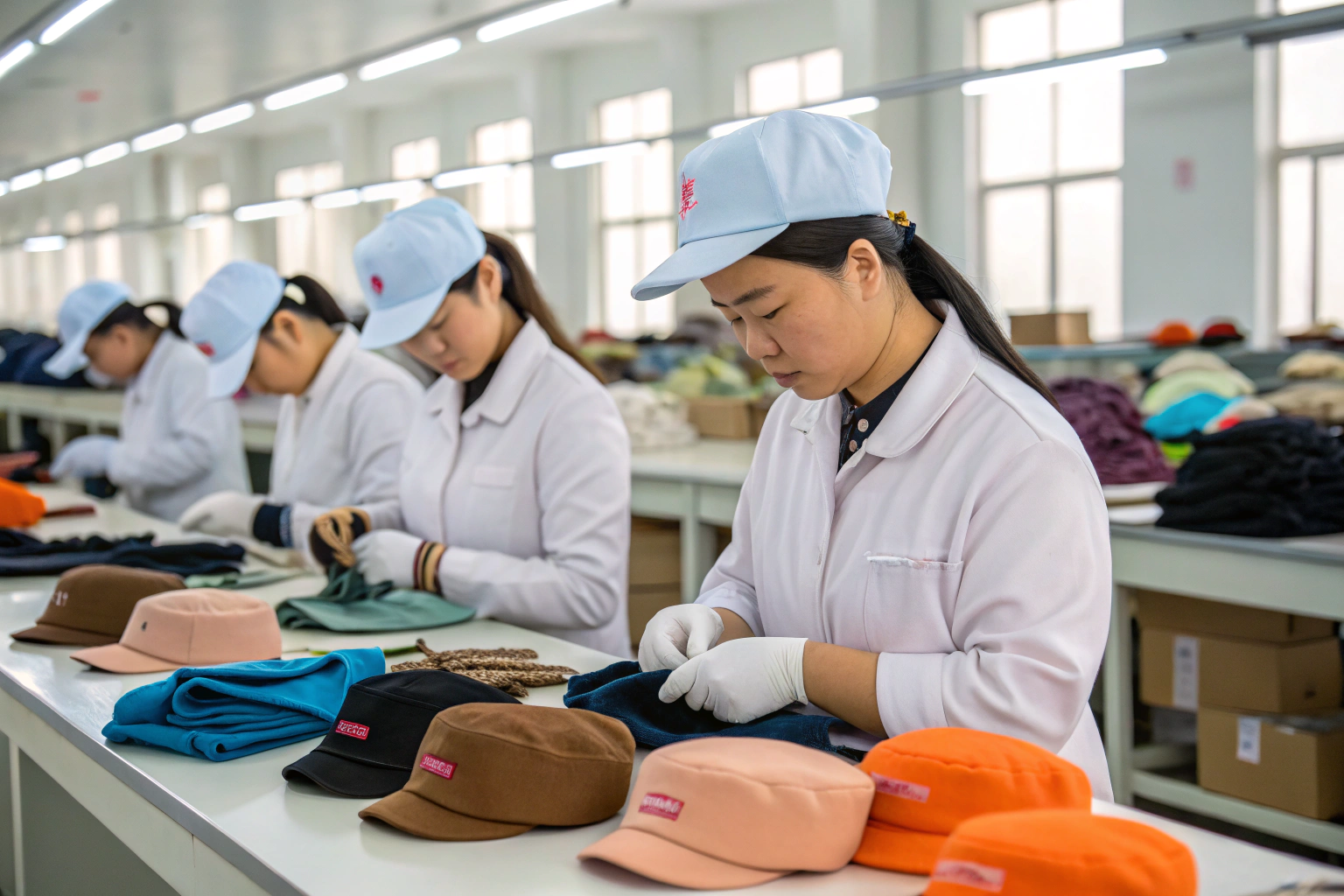
When you work with global fashion brands and retailers, sourcing accessories with Fair Trade Certification is more than just a marketing advantage — it is a commitment to ethical production, fair wages, and sustainable business practices. In today’s competitive accessory market, buyers in the US, Europe, and beyond are increasingly asking their suppliers about their ethical sourcing standards. As a professional manufacturer and exporter, I have seen firsthand how these certifications build trust, win larger contracts, and open doors to high-end retail partnerships.
Sourcing accessories with Fair Trade Certification means ensuring that every stage of production — from raw material sourcing to packaging — meets strict social, environmental, and labor standards. It is not only about compliance, but also about showing customers that your brand values people and the planet as much as profits.
The growing demand for ethical products creates opportunities for manufacturers like us in Zhejiang, China, to provide both high-quality accessories and verified Fair Trade compliance. Let’s explore how to make this process smooth, profitable, and attractive to global buyers.
Understanding Fair Trade Standards in the Accessory Industry
Fair Trade Certification in the accessory sector is guided by principles set by organizations such as Fair Trade International and Fair Trade USA. These cover fair wages, safe working conditions, environmental protection, and community development. The rules can vary slightly depending on the certifying body, but the goal is the same: to ensure that the products are made responsibly.
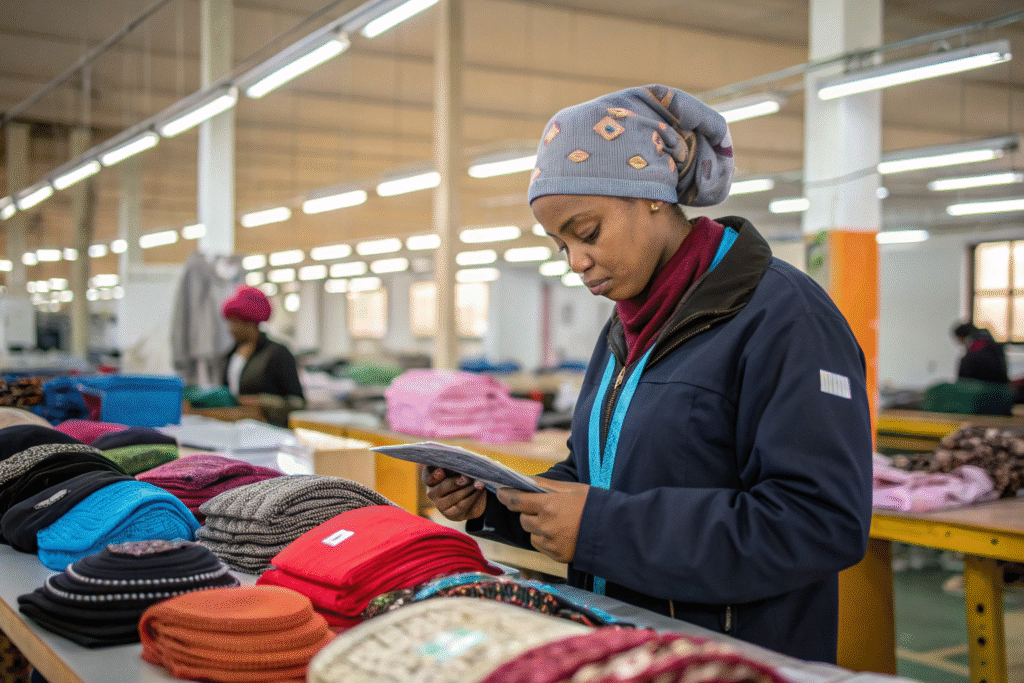
For manufacturers, this means implementing traceability systems, training staff on compliance, and working with raw material suppliers who also follow Fair Trade guidelines. It also requires transparency in pricing so that buyers know the premium paid for ethical production directly benefits workers and communities.
What Are the Core Principles of Fair Trade?
The core principles include fair payment, respect for workers’ rights, environmental stewardship, and strong community ties. For example, Fair Trade USA sets requirements for both wages and working hours, while World Fair Trade Organization focuses on creating market access for marginalized producers. Understanding these helps brands select suppliers that align with their values.
How Can Certification Improve Brand Reputation?
Fair Trade Certification enhances brand credibility and supports premium pricing. Retailers like Whole Foods and Ten Thousand Villages highlight Fair Trade products because they appeal to conscious consumers willing to pay more for ethical goods. This is a strong selling point for accessories in upscale markets.
Finding Fair Trade Certified Accessory Suppliers
The search for Fair Trade Certified suppliers begins with identifying factories that already meet certification standards or are in the process of obtaining them. Many global buyers attend trade fairs and browse B2B sourcing platforms like Alibaba to find potential partners.
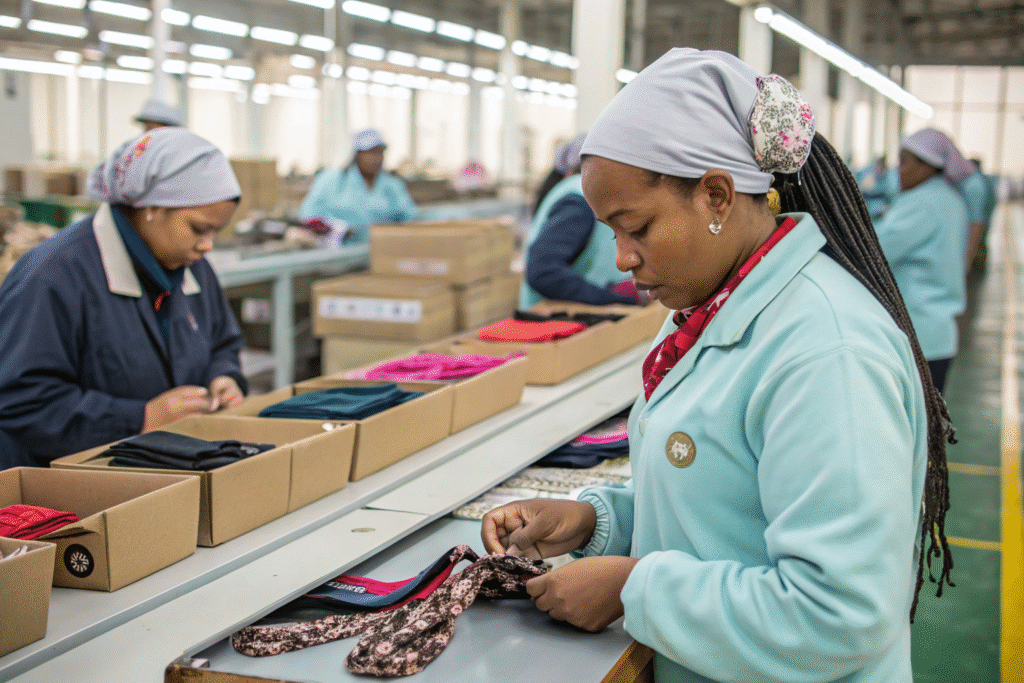
Buyers should always request proof of certification, such as a valid license number from Fair Trade USA or FLO-CERT. Site visits, either physical or virtual, allow you to verify production practices and ensure claims are genuine.
Where Can You Search for Certified Factories?
You can start with official directories like the Fair Trade Federation Member List or FLO-CERT database. Large sourcing events like the Canton Fair also feature certified accessory producers ready for export.
What Questions Should You Ask Before Placing Orders?
Ask about their full supply chain, sourcing locations, and worker benefits. A good supplier should easily share compliance reports and offer third-party audit results. This not only ensures authenticity but also protects your brand reputation.
Integrating Fair Trade Certification into Your Product Line
Once you have a certified supplier, the next step is integrating Fair Trade products into your existing product line. This might mean launching a dedicated Fair Trade collection or gradually replacing certain SKUs with certified versions.

This approach not only diversifies your offerings but also gives you a marketing advantage. You can label products with the Fair Trade Certified seal, which resonates strongly with conscious shoppers in North America and Europe.
How Can You Market Fair Trade Accessories?
Highlight your Fair Trade collection on Instagram and Pinterest, where visual storytelling can demonstrate your ethical production process. Share behind-the-scenes factory videos to build authenticity and trust.
Should You Offer Only Fair Trade Products?
Not necessarily. Some brands keep both certified and non-certified lines to maintain flexibility on pricing. However, introducing even a few Fair Trade items can boost brand image and attract a new customer base who values transparency and ethics.
Overcoming Challenges in Fair Trade Sourcing
Fair Trade sourcing can come with challenges such as higher production costs, longer lead times, and limited supplier availability. However, with proper planning, these can be managed effectively.
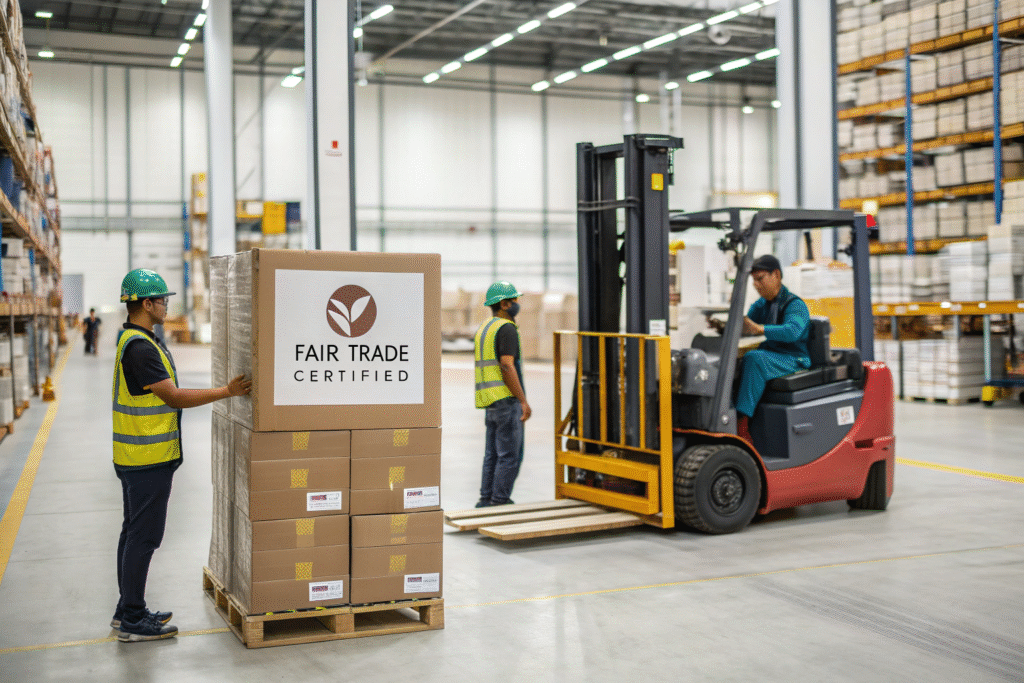
Many experienced manufacturers offer hybrid solutions where they combine Fair Trade and regular production runs to meet both ethical and budget needs. Partnering with a factory that has strong logistics and customs expertise ensures smooth delivery to overseas markets.
How Do You Balance Costs and Ethics?
One approach is to target premium retail channels that accept higher price points. Another is to focus on direct-to-consumer sales, where you control pricing and storytelling.
What Is the Role of Logistics in Ethical Sourcing?
Efficient shipping and customs clearance are essential. Working with freight forwarders who understand sustainable logistics ensures your Fair Trade products arrive on time while minimizing environmental impact.
Conclusion
Fair Trade Certification in accessories is no longer a niche concept — it is a global retail standard that buyers actively look for. By understanding the principles, finding the right suppliers, integrating ethical products into your line, and overcoming cost or logistical challenges, you can position your brand as a trusted and responsible player in the international market.
At AceAccessory, we have the design capacity, production capability, and compliance experience to deliver high-quality Fair Trade Certified accessories. If you want to produce your own ethically sourced accessory line, you can contact our Business Director Elaine at elaine@fumaoclothing.com for collaboration opportunities.