The riding season is approaching. You have planned your new collection of jackets, breeches, and boots. But when you turn your attention to gloves, you freeze. The equestrian glove market has shifted dramatically. What was popular last year now looks outdated. Your customers are asking for features you cannot define. They want grip that works in the rain. They want touchscreen compatibility that actually functions. They want sustainable materials that perform like leather. You are not sure which trend is a lasting market shift and which is a passing fad. If you invest in the wrong designs, you will sit on dead stock while your competitors capture the new generation of riders. This fear of being left behind in a technical and fast-evolving accessory category keeps brand owners up at night.
The 2026 glove trends for equestrian and riding sports center on five key shifts. High-performance grip technologies using silicone printing are replacing traditional leather palms. Touchscreen-compatible fingertips are now a baseline requirement, not a premium feature. Sustainable and vegan leather alternatives are rapidly gaining market share among younger riders. Lightweight, seasonless glove designs are blurring the lines between summer and winter models. Finally, smart textile integration, like conductive yarns for heating and sensors, is beginning to move from concept to commercial product. Riders in 2026 expect their gloves to perform like technical athletic gear, not just traditional leather accessories.
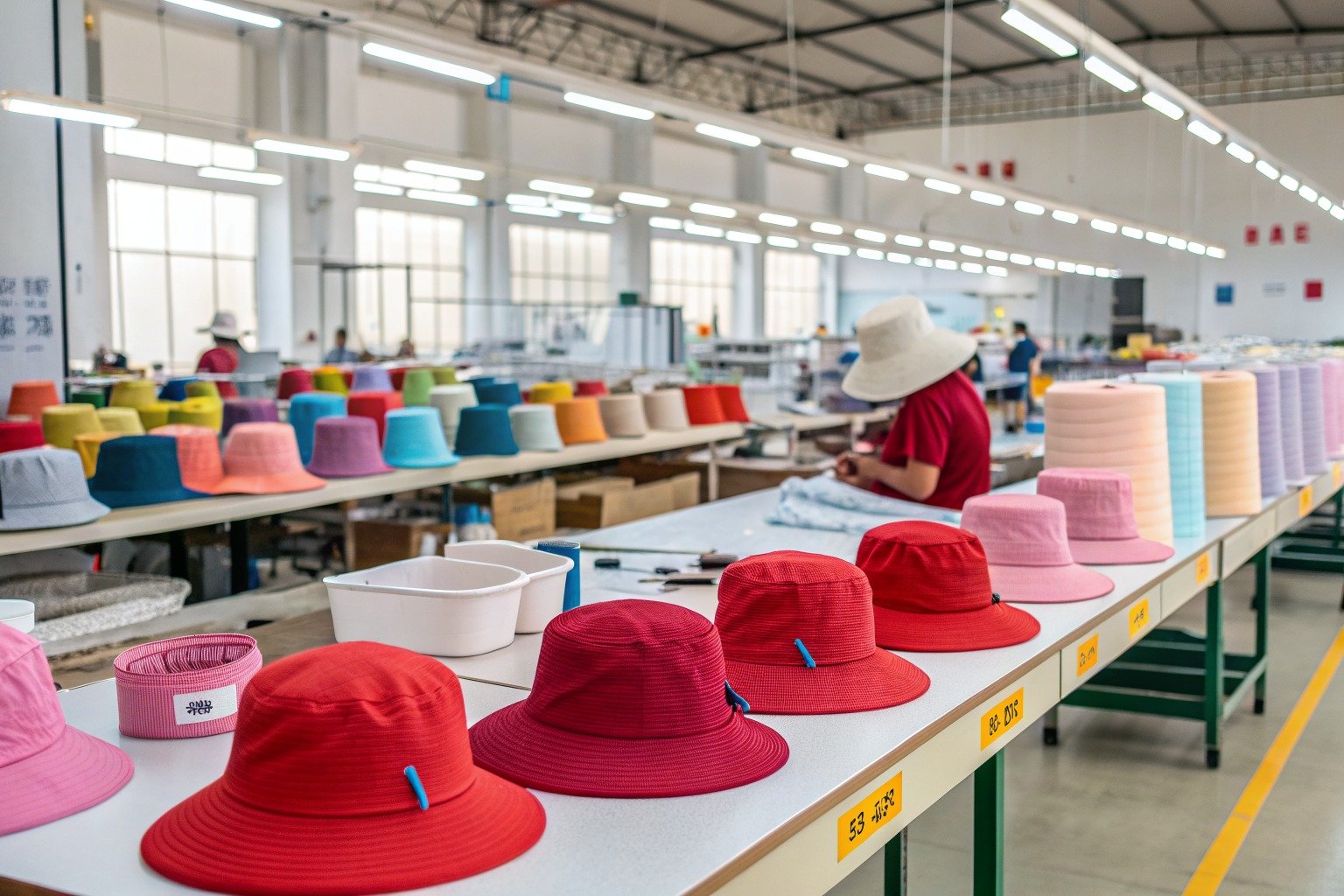
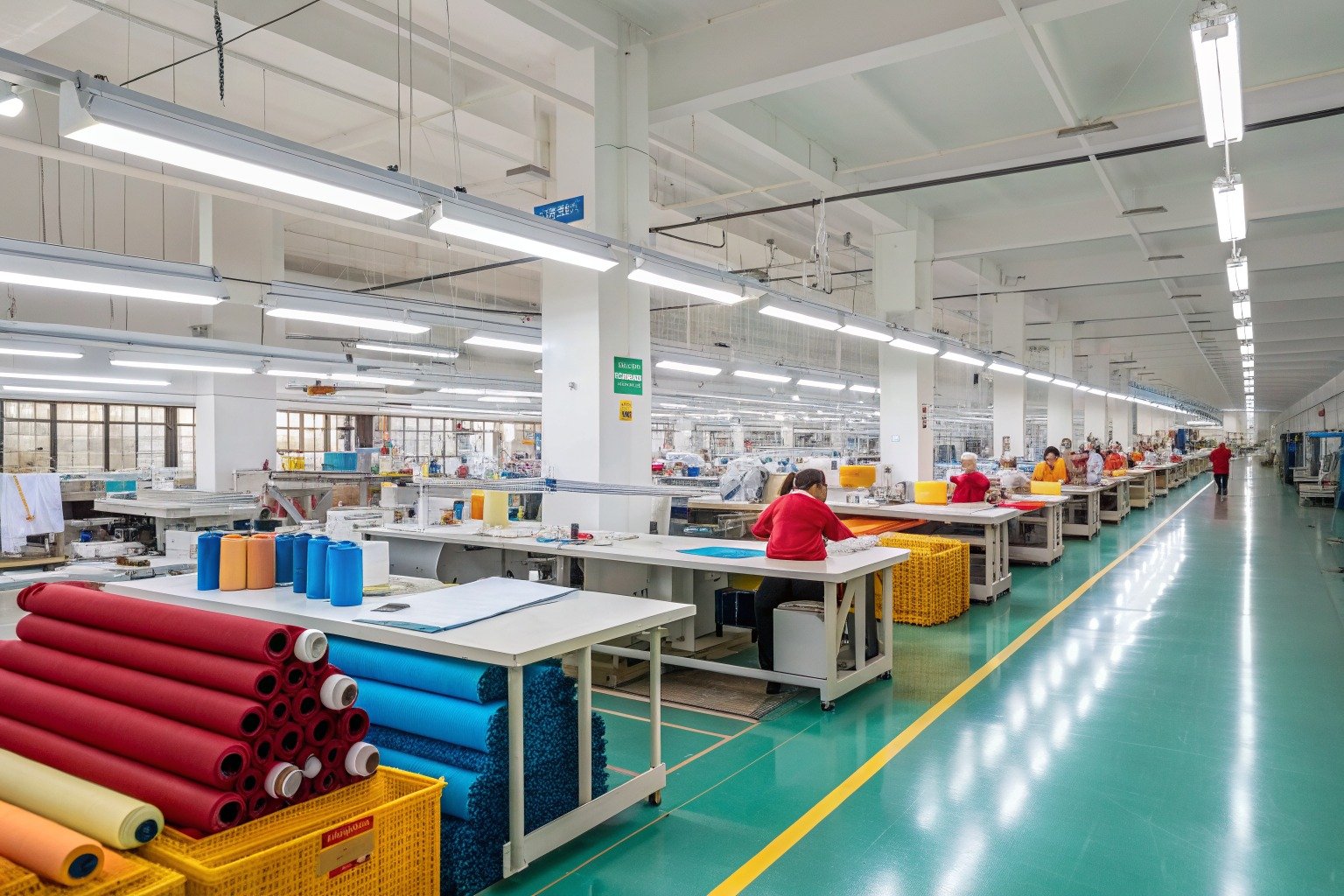
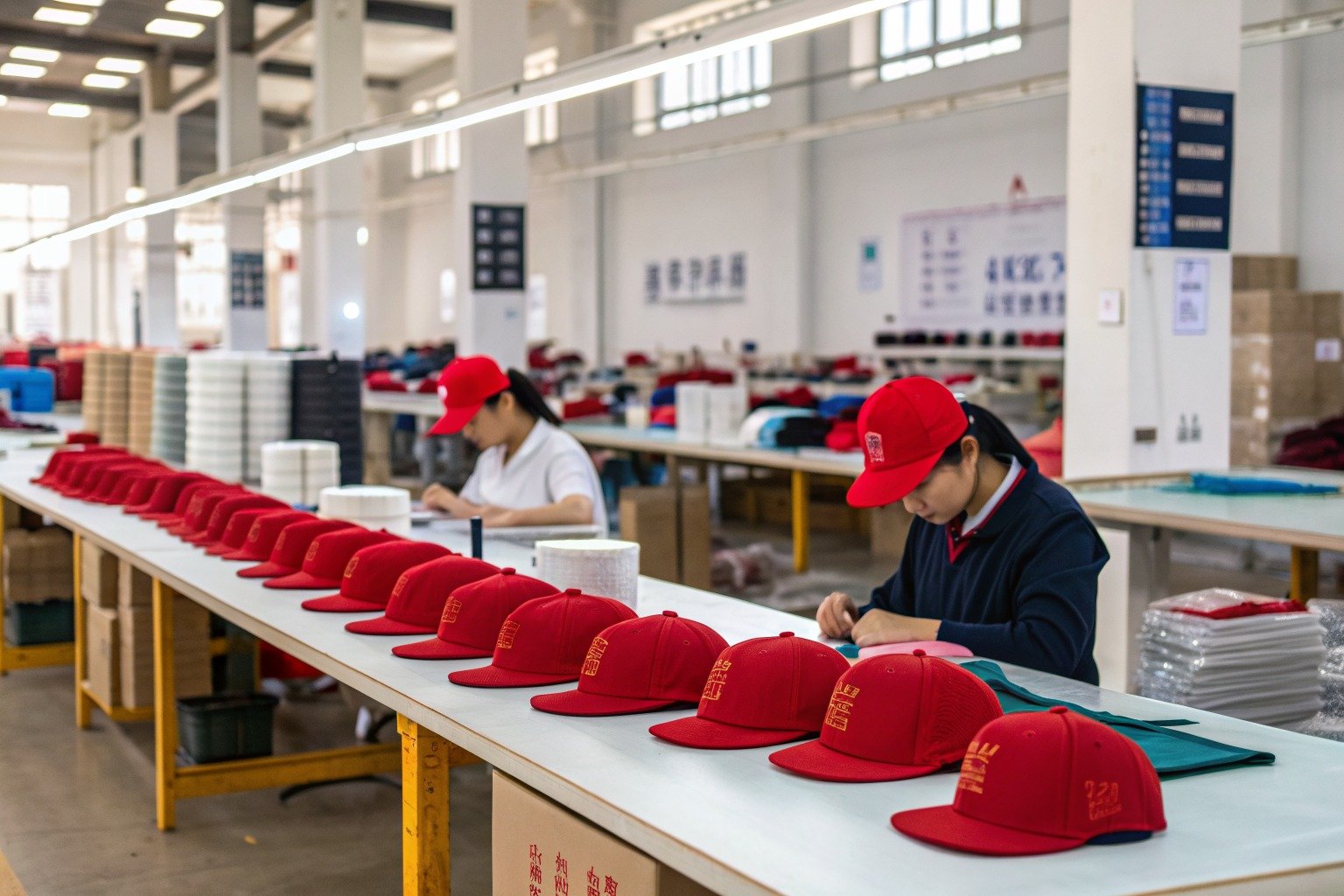
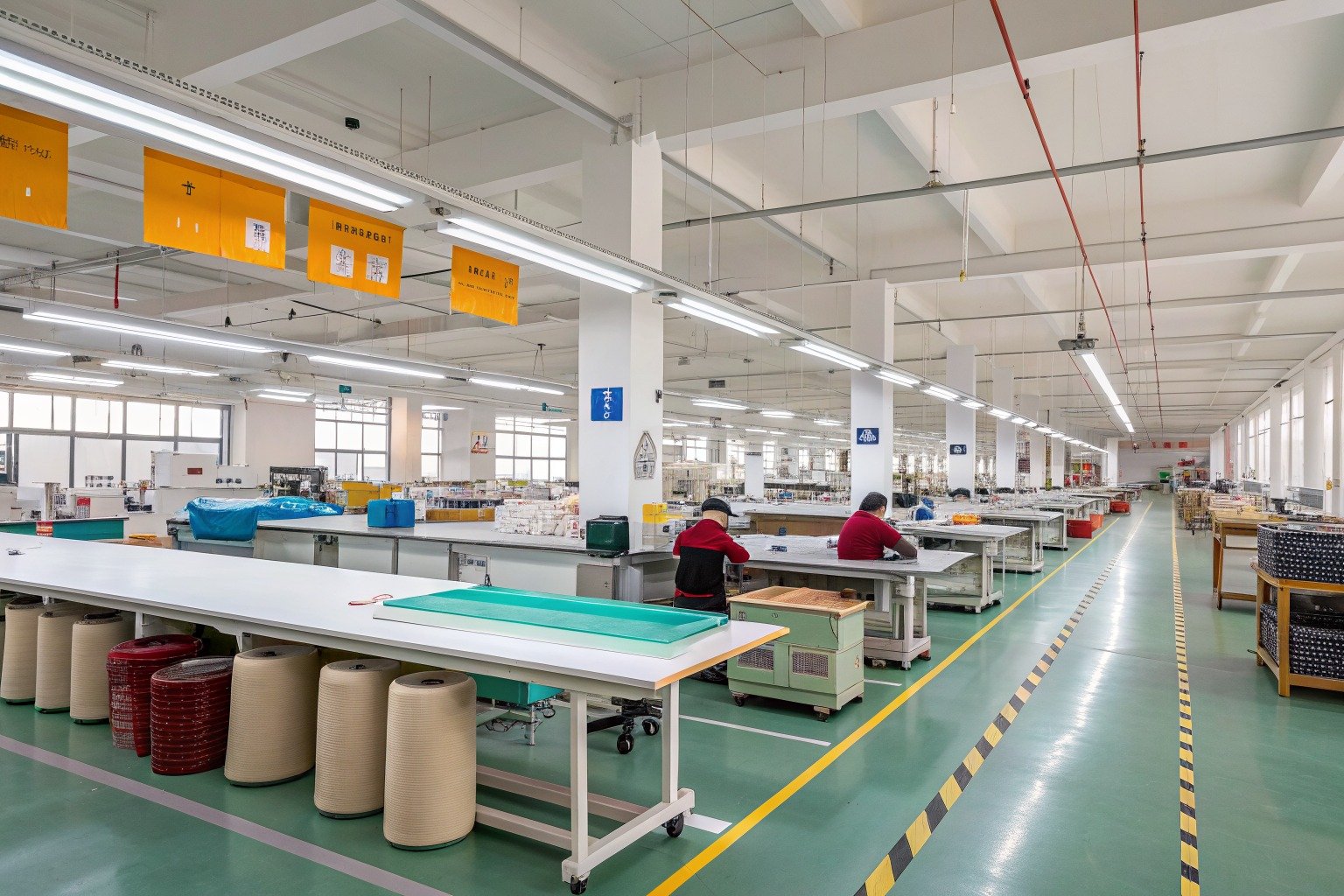
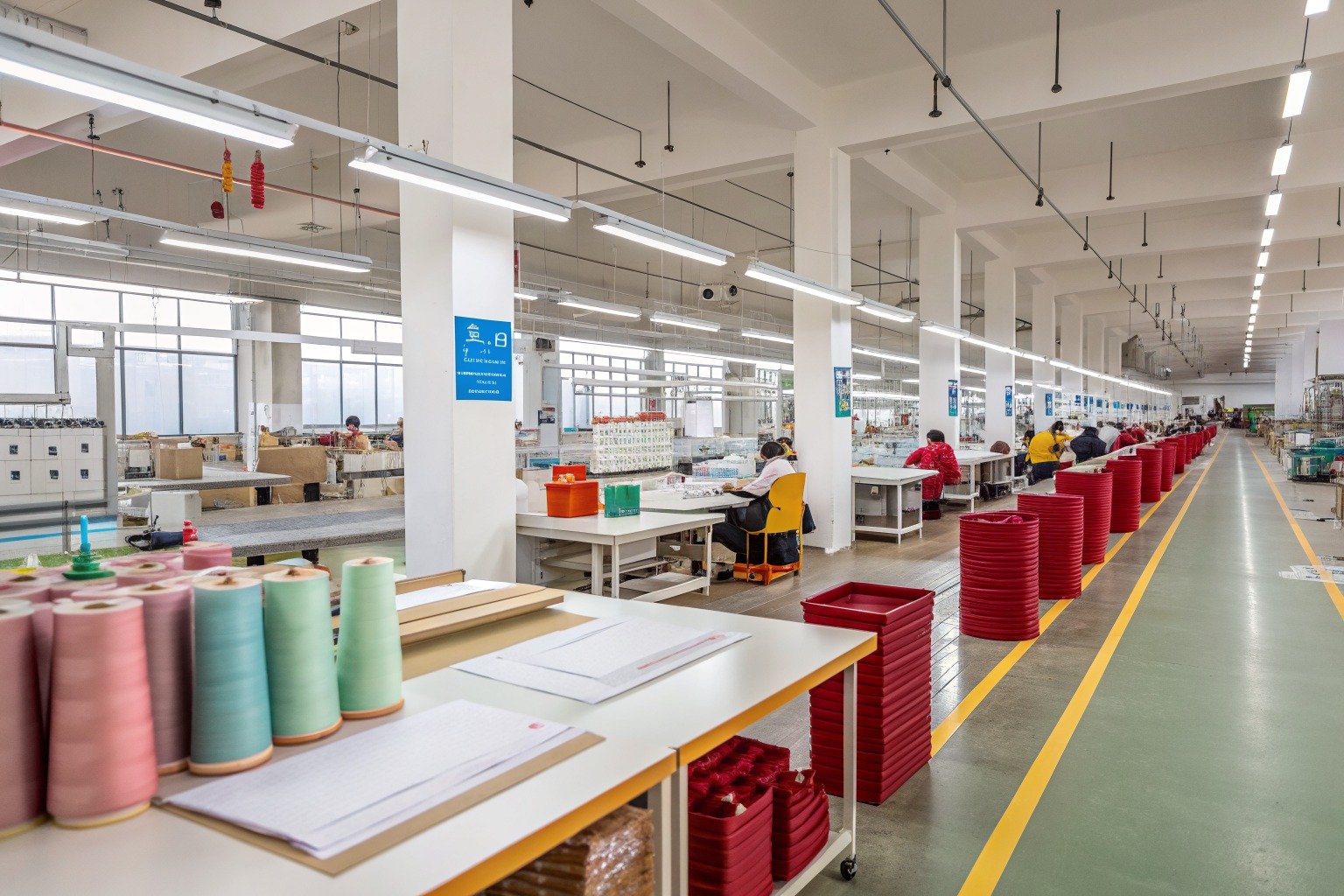
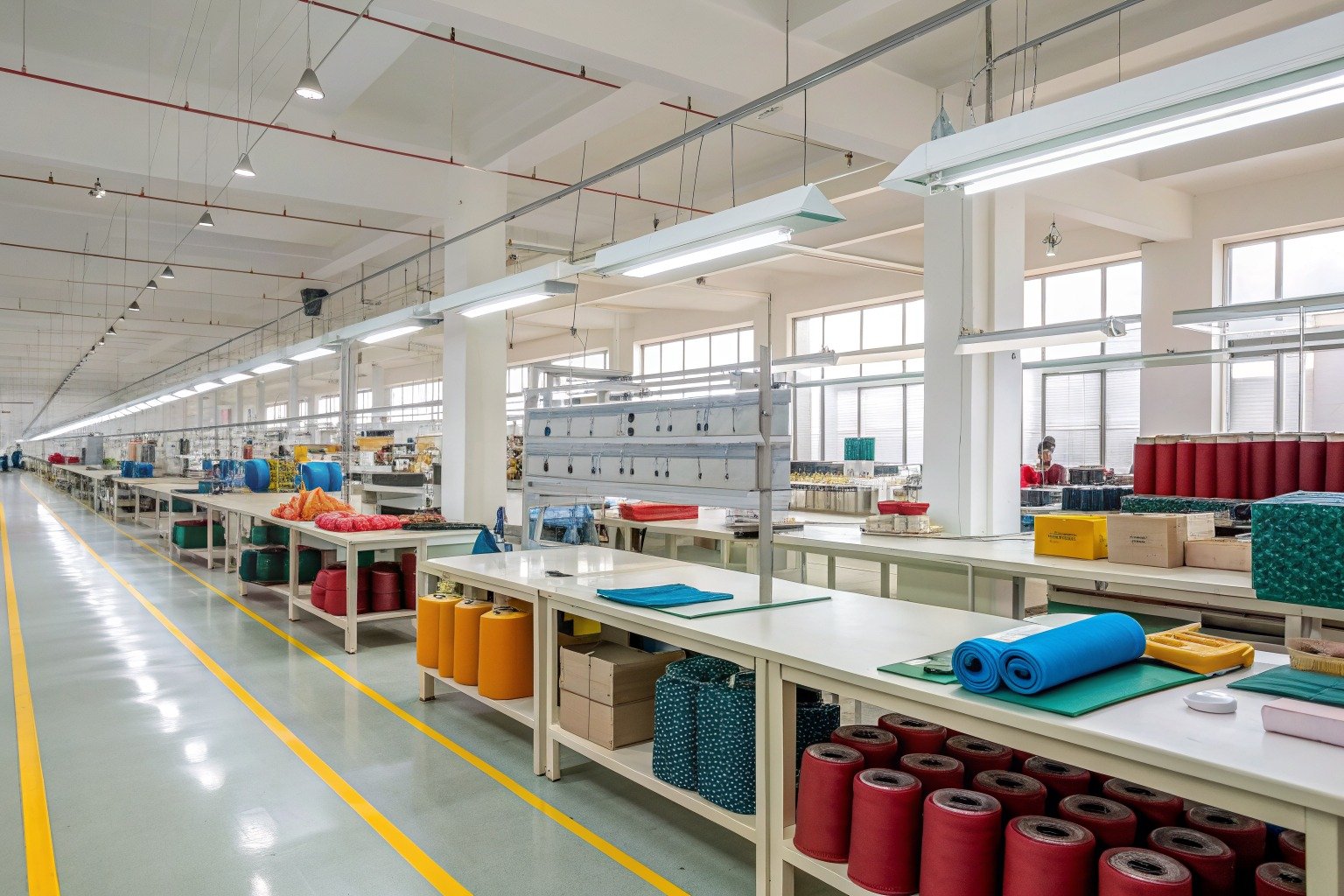
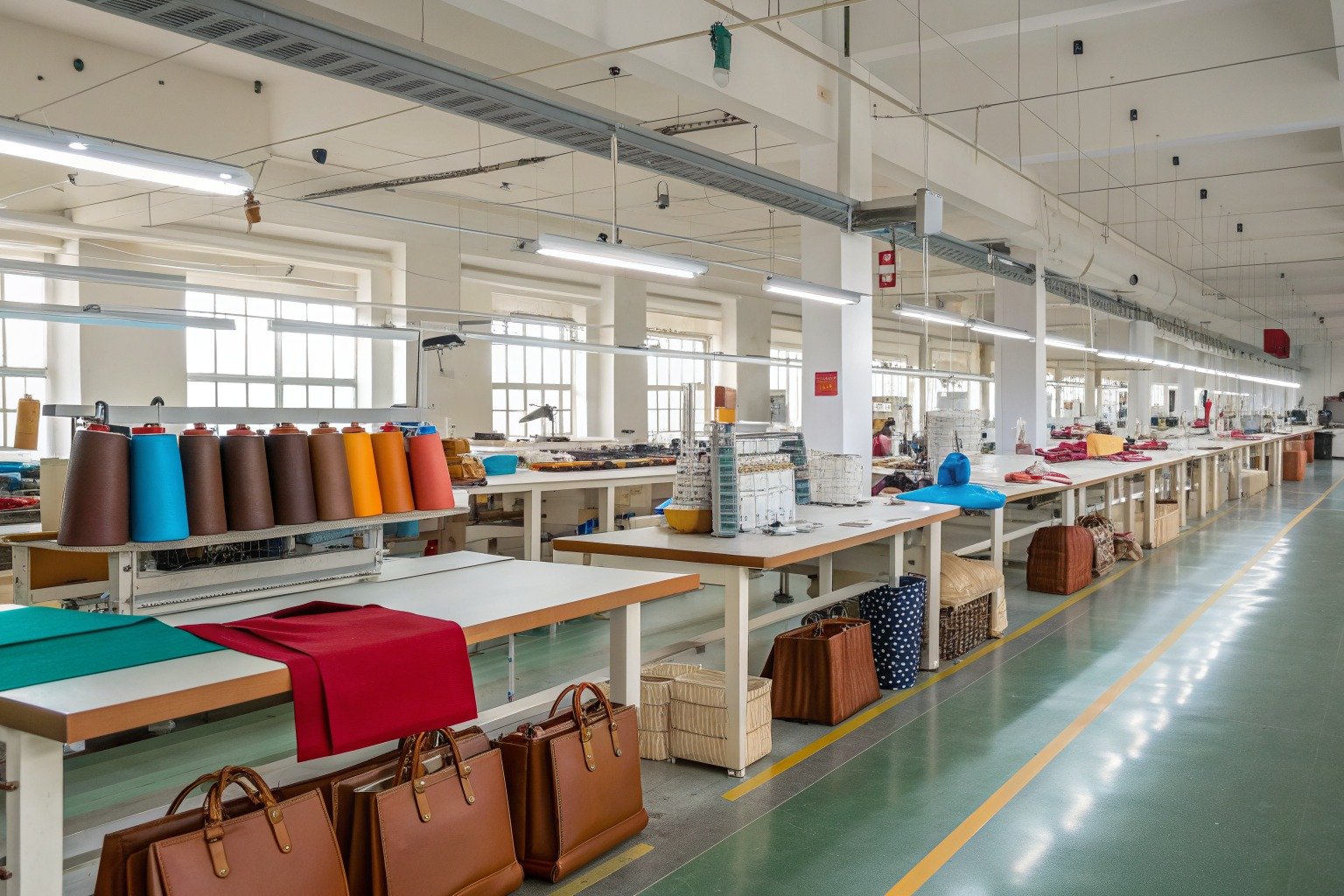
I run AceAccessory, a factory in Zhejiang, China that develops and manufactures fashion and sports accessories for brands across North America and Europe. We work with equestrian labels, large sporting goods chains, and boutique online stores. I see the tech packs and the design briefs. I know what buyers are asking for because they ask it of us every day. Let me walk you through the specific trends, the materials, and the construction details that will define equestrian gloves in 2026. This is not theory. This is what we are actually sampling and producing right now.
What grip technology will dominate equestrian gloves in 2026?
Traditional leather palms have served riders for centuries. They offer a classic feel and a natural grip when dry. But riders today train in all conditions. They ride in rain, in morning dew, and in sweaty summer heat. Wet leather becomes slippery and then dries stiff and cracked. Riders are losing confidence in their grip. They worry about their reins slipping at a critical moment. This is a safety issue, not just a comfort issue. The market has been waiting for a grip solution that works consistently, regardless of the weather.
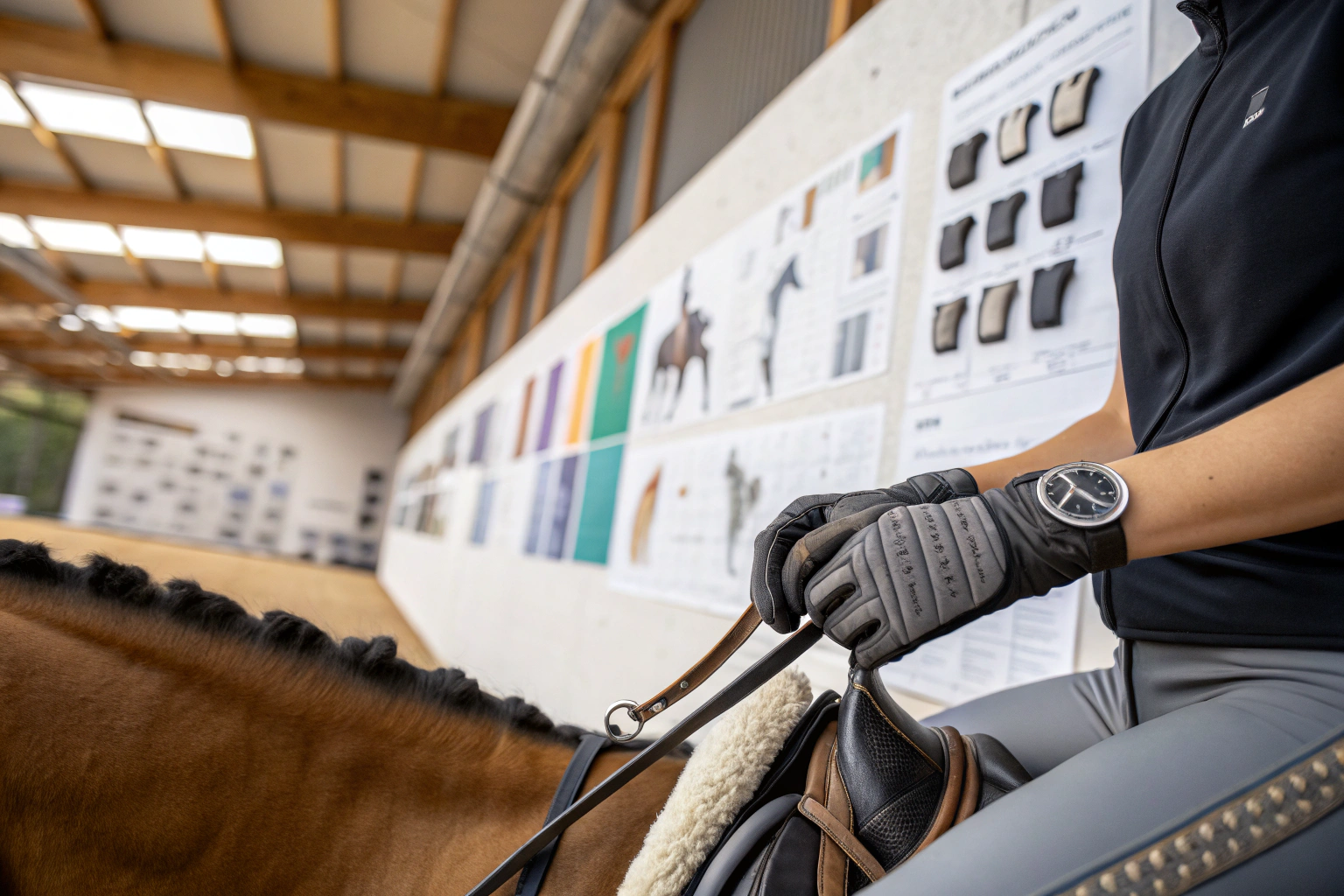
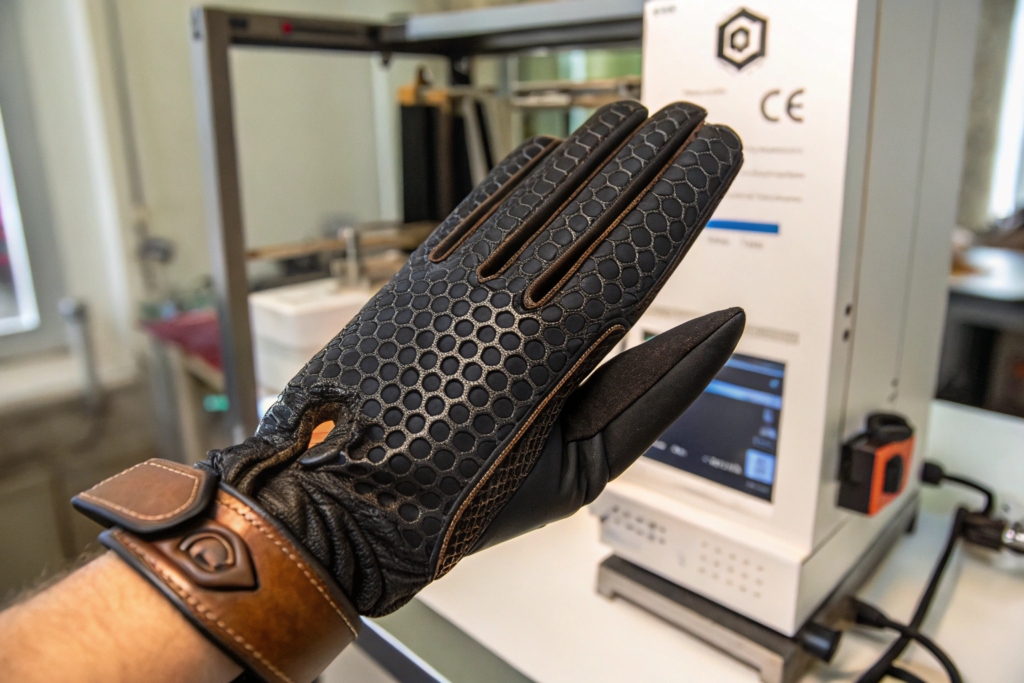
Silicone print grip technology will dominate equestrian gloves in 2026. We are seeing a massive shift from full leather palms to lightweight synthetic backs with strategically placed silicone grip patterns on the palm and fingers. These prints are not simple dots. They are engineered patterns. Honeycomb structures, wave patterns, and anatomical silicone mapping that follows the natural grip lines of the hand. The silicone is applied through screen printing or heat transfer. It bonds to the base fabric at a molecular level. It will not peel off, even after hundreds of hours of rein contact. The grip is mechanical. It works wet or dry. Unlike leather, it does not absorb water and does not harden after drying.
At our factory, we have invested in automated silicone printing lines specifically for glove palms. This technology was once reserved for high-end cycling and golf gloves. Now it is standard in equestrian. You can choose the thickness of the silicone. A thinner, softer print gives a natural feel for dressage riders. A thicker, more aggressive pattern suits jumpers and cross-country riders who need maximum lock on the reins. Let me explain the different silicone pattern designs and how to combine them with leather accents for a premium look.
Which silicone grip patterns are best for different riding disciplines?
Riders in different disciplines hold the reins differently and need different grip zones. A dressage rider maintains steady, sensitive contact. They need a thin, even silicone layer that allows subtle finger movements. A solid palm print feels too numb. We often use a micro-dot pattern for dressage gloves. The tiny dots provide grip without creating a thick barrier between the hand and the rein. The rider can still feel the horse’s mouth.
Jumpers grip the reins tightly and often reposition their hands. They need aggressive grip zones on the index finger and the palm heel. We use a directional wave pattern. The waves are angled so they resist forward slip but allow the rider to slide the hand back easily. For cross-country riders, who face mud and water, we use a honeycomb pattern with drainage channels. The channels allow water to escape so the glove does not hydroplane on the wet rein. You can test different patterns using a standard tensile testing machine with a leather strap. Measure the force required to pull the strap through a gloved hand. This gives you an objective grip coefficient. For testing standards, you can reference the protocols at ASTM International. They provide standard test methods for coated fabric abrasion and adhesion. The SATRA Technology Centre also offers specialized glove grip testing services that many equestrian brands use.
Can you mix silicone grip with genuine leather for a traditional appearance?
Many heritage equestrian brands resist full synthetic palms. They want the classic look of leather. The customer expects to see a beautiful leather palm when they pick up the glove. We understand this completely. You can absolutely mix silicone grip with genuine leather. The trick is to use the leather as the visual base and apply the silicone print on top of it, or to use leather for the main palm area and silicone print only on the critical grip contact points.
We have developed a technique where we apply a clear silicone print over a full leather palm. The natural grain of the leather is still visible. The glove looks traditional from a distance. But up close, there is a subtle sheen, and the grip is dramatically improved. Another approach is a segmented palm. We cut a full leather palm and then emboss silicone grip stripes into the leather using heat and pressure. This embeds the silicone into the leather fibers. It will not delaminate. The leather still breathes, but the grip zones have the wet-weather performance of silicone. The cost is higher, but the retail price point justifies it for premium brands. For leather sourcing, you need a drum-dyed goat or sheep leather with a tight grain. These take the silicone bond better than cowhide. You can learn more about leather performance under coatings from the Leather Working Group, which provides guidance on leather finishing and sustainability.
Are touchscreen-compatible riding gloves now a basic requirement?
Imagine this. A rider finishes a training session. They pull out their phone to check the time, log their training app, or answer a call from their coach. They try to swipe the screen. Nothing happens. They remove their glove. The glove falls into the arena dust. They juggle the phone and the reins. This tiny frustration happens ten times a day. For years, riders accepted this. They bought gloves for riding and took them off for everything else. But in 2026, they will not tolerate it. Riders live on their phones. They use apps to track their horse’s heart rate, their own biometrics, and their training schedules. A glove that blocks them from their device is a broken tool.
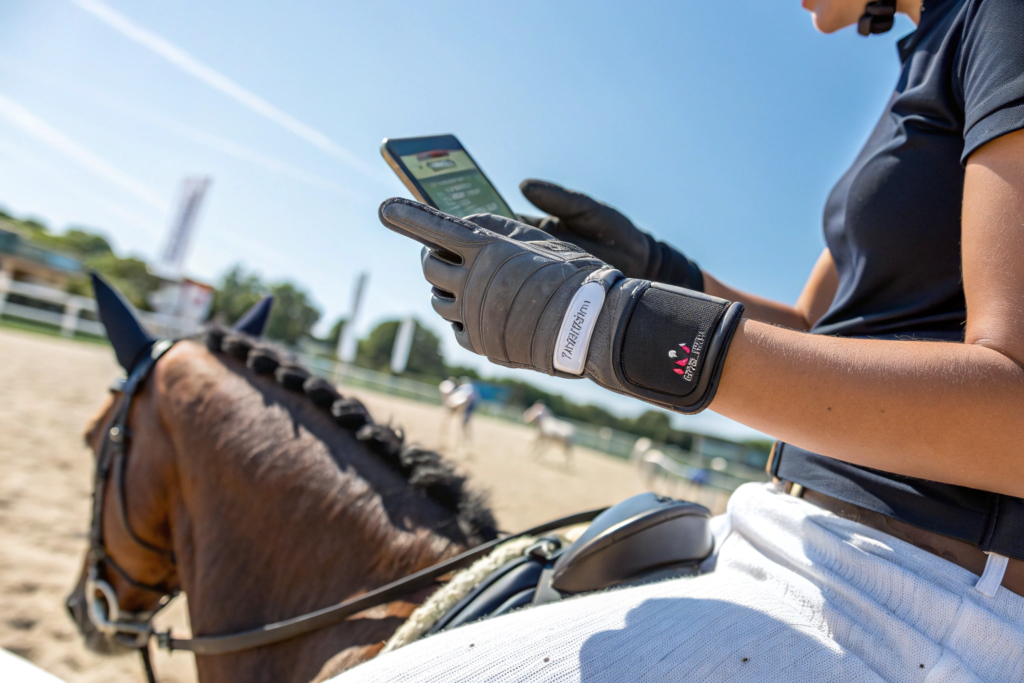
Touchscreen-compatible riding gloves are now a basic requirement, not a premium upgrade. Any equestrian glove launching in 2026 that claims to be a performance product must have functioning touchscreen fingertips as standard. The technology has matured. The conductive yarns and leather treatments are now affordable enough to include at mid-tier price points. The rider expects to swipe, tap, and type without removing their gloves. If your glove does not offer this, the customer will buy from a competitor who does.
At AceAccessory, we have spent two years testing different touchscreen solutions. There are several ways to achieve this functionality, and each has trade-offs. Some materials work brilliantly for the first month and then stop working as the conductive coating wears off. Some solutions make the fingertip feel stiff or bulky. You need to choose the right method for your price point and your customer’s expectations. Let me walk you through the material options and the durability question that every brand asks.
What touchscreen materials actually work on equestrian gloves long-term?
There are three main approaches. The first is conductive leather. This is genuine leather that has been tanned with conductive metal ions, usually silver or copper, embedded into the fibers. It looks and feels like normal leather but conducts electricity. The advantage is seamless integration. The fingertip looks identical to the rest of the glove. The disadvantage is that the conductivity can fade after repeated washing or heavy sweat exposure. The metal ions can oxidize.
The second approach is a conductive fabric overlay. We sew a small patch of knitted conductive fabric onto the fingertip. This fabric usually contains silver-coated nylon yarns. It works extremely well and maintains conductivity almost indefinitely. The silver will not wash off because it is part of the yarn itself. The disadvantage is visual. The fingertip looks different. Some heritage brands reject this look as too technical. We solve this by color-matching the conductive patch to the glove body as closely as possible.
The third approach is a conductive silicone print on the fingertip. This combines the touchscreen function with added grip. It works well for swiping but can be less precise for typing. For most riding gloves, we recommend the conductive fabric patch on the index finger and thumb. That covers 90% of phone interactions. You can check the testing standards for textile conductivity at AATCC. They have specific test methods for the electrical resistance of textiles. The International Glove Association also provides resources on glove design and performance standards.
Do riders actually use touchscreen gloves while mounted, or is it just a gimmick?
This is a fair question. Some brands wonder if touchscreen compatibility is just a marketing checkbox that no one actually uses. The data from our clients says it is absolutely not a gimmick. Riders use their phones while mounted constantly. They adjust their music playlist during a warm-up. They check their GPS tracker on a trail ride. They take a quick photo of their horse for social media after a successful jump. All these actions happen without dismounting and without wanting to remove their gloves.
More importantly, the equestrian market is increasingly tech-driven. Apps like Equilab track riding sessions, gaits, and jumps automatically. The rider starts the session on their phone, puts it in their pocket, and rides. If they need to pause or check the session mid-ride, touchscreen gloves are essential. Trainers use tablets to take notes during lessons. Stable managers use phones to scan RFID tags on tack and feed. The glove is no longer just a riding tool. It is an interface device. The demand for touchscreen compatibility will only increase. The brands that treat it as a standard feature will win customer loyalty.
How sustainable do equestrian glove materials need to be in 2026?
The equestrian world has a deep connection to nature. Riders love their horses, their land, and their environment. For years, this love did not translate into purchasing decisions. Riders bought leather because it was the best material available. But a new generation of riders is entering the sport. They are younger, more environmentally conscious, and they ask hard questions. Where did this leather come from? How was it tanned? What happens to these gloves when I throw them away? They want performance without guilt. They want to align their spending with their values. If your brand cannot answer their questions about sustainability, they will find one that can.
Equestrian glove materials need to be demonstrably sustainable in 2026. This means more than just using a leather alternative. It means the entire supply chain is under scrutiny. Recycled polyester mesh backs made from post-consumer plastic bottles are becoming the standard base fabric. Bio-based synthetic leathers made from apple waste, cactus, or mycelium are moving from niche to mainstream. Chrome-free leather tanning is a minimum requirement for premium leather gloves. Packaging must be plastic-free. The customer in 2026 expects sustainability to be embedded in the product story, not added as an afterthought.
Our factory in Zhejiang has invested heavily in sustainable material sourcing because our European clients demand it. The EU regulations on textile waste and chemical use are tightening every year. If you export to Europe, you need to be ahead of these rules. But sustainability is not just about compliance. It is a powerful marketing story. A glove made from recycled ocean plastic and apple leather sells itself. Let me explain the performance realities of these new materials and the certifications that matter to consumers.
Do plant-based leather alternatives perform well enough for riding gloves?
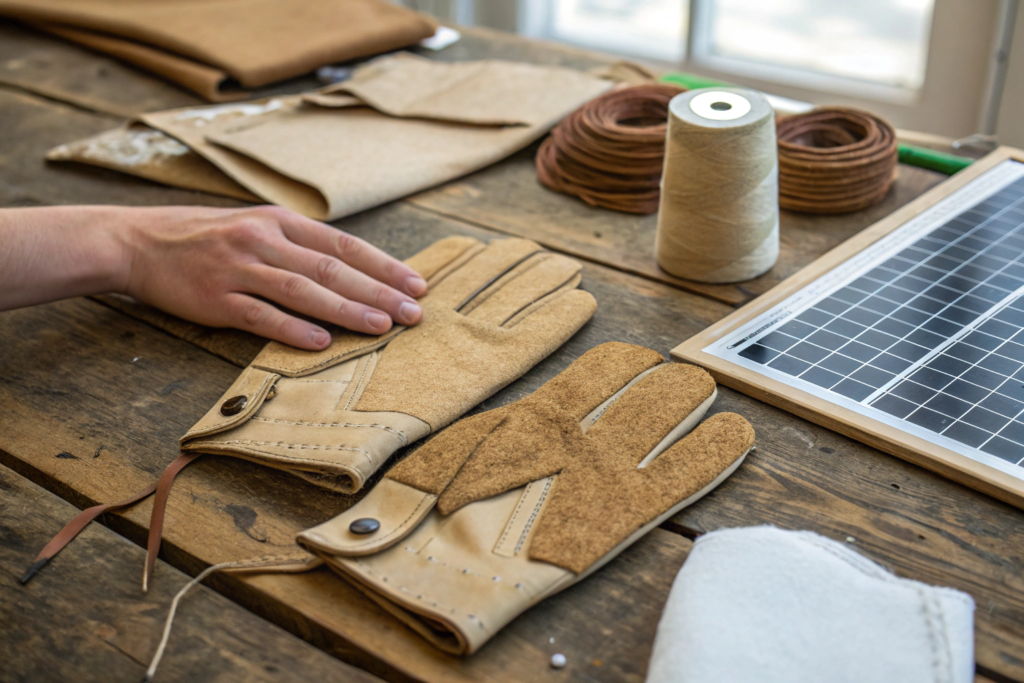
The first question every rider asks is about durability. Will these new materials survive a season of hard riding? Early versions of plant-based leathers were weak. They tore easily at the seams and had poor abrasion resistance. They were suitable for fashion handbags, not for equestrian gear. This has changed dramatically. The latest generation of apple leather, for example, contains a high percentage of polyurethane, usually around 50% to 60%, with apple waste fiber making up the remaining content. The PU gives it the mechanical strength and abrasion resistance needed for glove palms.
Cactus leather, developed from the Nopal cactus, is another option with impressive durability. It is breathable and has a soft, suede-like texture. It works well for the glove back and the fourchettes between the fingers. For the palm, where rein abrasion is highest, we often recommend a hybrid approach. Use a plant-based leather for the majority of the glove and a thin, chrome-free genuine leather or a high-density recycled synthetic palm patch for reinforcement. This combination gives the sustainable story and the performance lifespan that riders demand. You can review the performance standards for these new materials at Textile Exchange, which tracks the development and integrity of bio-based textiles. The Leather Working Group also now audits some synthetic leather manufacturers for environmental impact.
Which sustainability certifications matter most to equestrian consumers?
Consumers are bombarded with green claims. They have learned to be skeptical. A vague statement like "eco-friendly materials" no longer works. They look for specific, third-party certifications on the hangtag. For equestrian gloves in 2026, the most influential certifications are OEKO-TEX Standard 100, the Global Recycled Standard, and the Leather Working Group rating. OEKO-TEX certifies that every component of the glove has been tested for harmful substances and is safe for human skin. This is the baseline. If your glove does not have this, many European retailers will not stock it.
The Global Recycled Standard (GRS) certifies the recycled content in the polyester or nylon components. It tracks the material from the recycling source to the finished product. A GRS-certified glove can carry a specific percentage claim, like "made with 80% recycled materials." This gives the consumer a concrete number, not just a fluffy promise. The Leather Working Group (LWG) rating certifies the environmental performance of the tannery that produced the leather. A Gold or Silver rated tannery is a strong signal of responsible sourcing. For plant-based materials, certifications are still evolving, but many suppliers now provide life-cycle analysis data comparing their material to conventional leather. You can explore the certification standards at OEKO-TEX and the Textile Exchange websites.
What smart textile features are emerging in equestrian gloves?
This is the frontier. A few years ago, the idea of a "smart" riding glove seemed like science fiction. But the components are now small enough, cheap enough, and durable enough to integrate into a textile product. Riders are already wearing heart rate monitors on their chest and GPS trackers on their arms. The glove is the next logical sensor platform. It is in direct contact with the reins. It can measure grip force, rein tension, and even the rider’s stress level through galvanic skin response. The data is valuable for training, for safety, and for performance analysis. The challenge is integrating the electronics without compromising the comfort and flexibility of the glove.
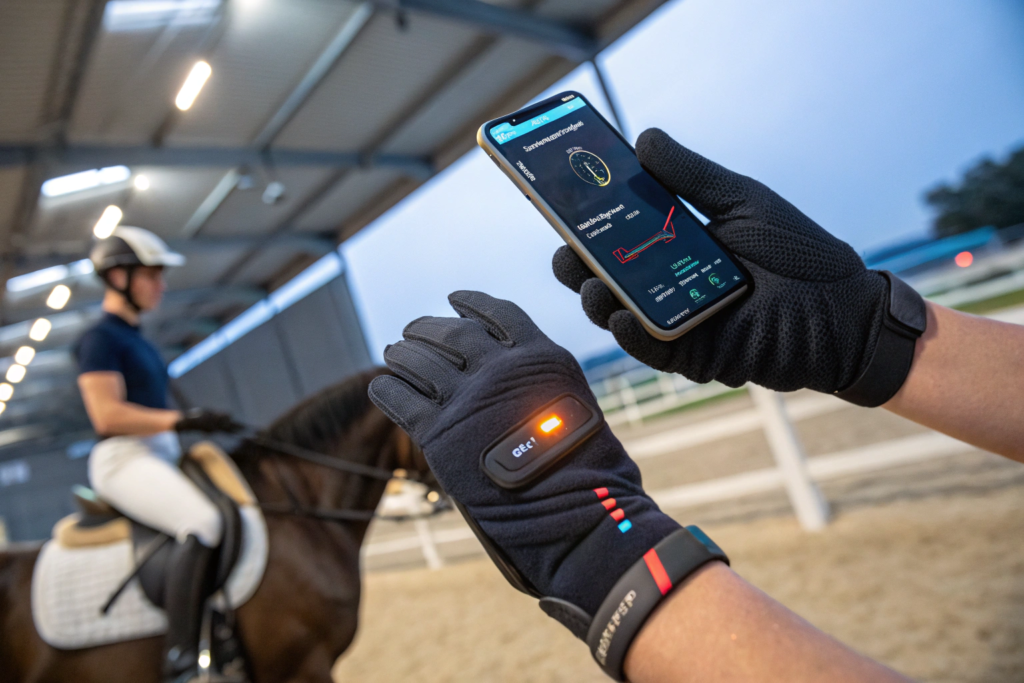
Smart textile features emerging in equestrian gloves for 2026 include passive heating elements, integrated NFC chips for competition data, and experimental rein tension sensors. Heated gloves powered by thin, flexible carbon fiber elements and rechargeable lithium batteries are already commercial. They are popular in cold-weather markets like Northern Europe and Canada. NFC chips sewn into the glove cuff allow riders to tap their glove to a reader at a competition checkpoint, instantly logging their entry. The most advanced prototypes measure the tension the rider applies to the reins and send a gentle haptic buzz to the wrist if the pressure is too high or inconsistent.
At our factory, we are not electronics manufacturers. But we partner with tech integrators to embed their flexible components into our glove patterns. We design the glove body to accommodate a thin battery pouch, a wiring channel along the finger, and a sensor pad with minimal bulk. The construction challenge is significant. The glove must be washable, or at least the electronics must be easily removable. Let me explain how the heating technology works and what near-field communication chips can do for your brand.
How do heated equestrian gloves work without bulk or wiring discomfort?
Early heated gloves were bulky. They had thick wires running down each finger and a large battery pack strapped to the wrist. They felt like wearing a small appliance on your hand. The technology in 2026 is much more refined. The heating elements are now made from carbon fiber or silver-coated conductive yarns woven directly into the glove lining. They are thin, flexible, and almost undetectable. The heat is generated by the electrical resistance of these materials. A small, flat lithium-polymer battery sits in a discreet zippered pocket on the cuff or the back of the hand.
We design the glove with a three-layer construction for heated models. The outer layer is a windproof and water-resistant softshell fabric. The middle layer is the heating element, which looks like a thin piece of fabric with a small connector wire. The inner layer is a moisture-wicking fleece lining that insulates and feels soft against the skin. The rider presses a small button on the cuff to cycle through three heat settings. The battery lasts between three to six hours, depending on the heat level. The entire system adds less than 50 grams of weight compared to an unheated glove. It is transformative for winter riders who previously had to choose between warm hands and good rein feel. For safety standards on wearable electronics, you can check the guidelines from IEC, the International Electrotechnical Commission. They set the global standards for the safety of heated textiles and wearable devices.
Can NFC chips in riding gloves be used for competition and stable management?
Yes, and this is a simple, low-cost feature that adds a high-tech halo to your product. An NFC chip is a tiny, passive electronic tag. It does not need a battery. It is powered by the radio field from a smartphone or a dedicated reader. When you tap the chip with a phone, it triggers an action. You can sew an NFC chip into the cuff of a glove during manufacturing. The chip is encapsulated in a waterproof, flexible epoxy disc. It is completely invisible and adds zero bulk.
For competition riders, the chip can store their entry number, horse details, and emergency contact information. At a checkpoint, a steward scans the glove and instantly verifies the rider’s identity and entry status. For stable management, the chip can be programmed to open a specific app or log a task. Imagine a stable hand tapping their glove to a reader near a feed room. It logs the time and the feed amount automatically. This might sound niche, but the technology is incredibly cheap. The chip itself costs less than one dollar. It is a unique selling point that differentiates your glove in a crowded market. You can learn more about NFC technology standards from the NFC Forum, which certifies compliant chips and readers. The GS1 organization also provides standards for encoding product and event data into RFID and NFC tags.
Conclusion
The equestrian glove market in 2026 is defined by technology, sustainability, and performance. Riders no longer see gloves as a simple leather accessory. They see them as a piece of essential athletic equipment that must perform in all conditions, connect to their digital life, and reflect their environmental values. Silicone grip printing has revolutionized rein contact, offering consistent performance in wet and dry conditions. Touchscreen compatibility has moved from a luxury to a baseline requirement. Sustainable materials like apple leather and recycled polyester are answering the demand for guilt-free performance. And smart textiles, from heated linings to NFC chips, are opening new possibilities for training, safety, and competition management. Each of these trends is accelerating. The brands that embrace them now will lead the category for years to come.
If you are planning your 2026 equestrian glove collection and need a manufacturing partner who understands these trends at a production level, we are ready to help. Our factory in Zhejiang has the silicone printing lines, the sustainable material supply chain, the touchscreen integration expertise, and the smart textile partnerships to bring your designs to life. We work with equestrian brands, sporting goods chains, and online retailers across North America and Europe. We do not just sew gloves. We solve the technical challenges that make your products stand out in a competitive market.
To discuss your glove project, request material swatches, or get a development timeline, contact our Business Director, Elaine. Her email is elaine@fumaoclothing.com. Let us help you create the gloves that riders will love in 2026 and beyond.