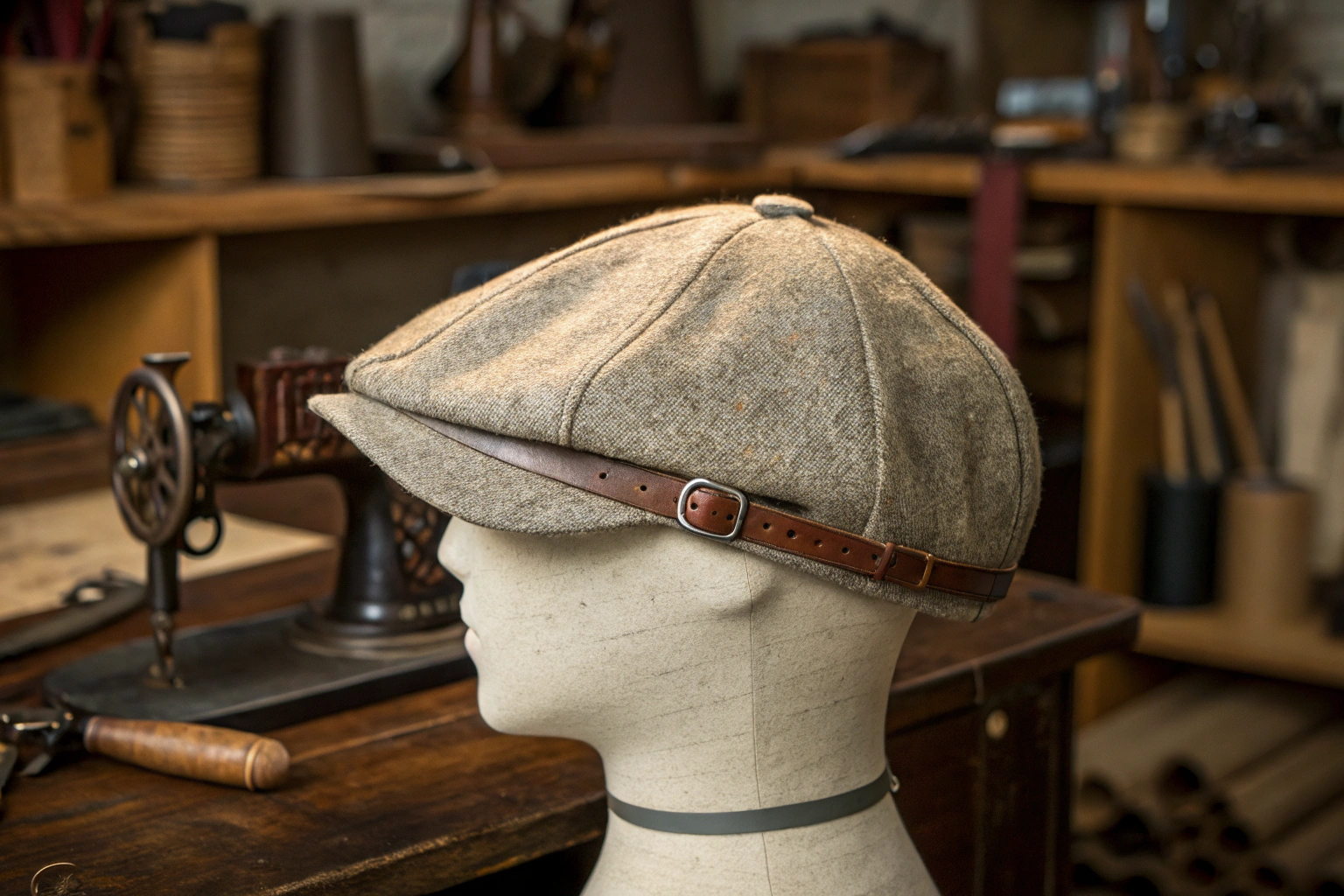
You found the perfect vintage aesthetic for your brand. The muted tweeds, the leather straps, the 8-panel construction. You can already see it in your lookbook. But then the nightmare starts. You reach out to supplier after supplier. Most modern factories just don’t get it. They send you samples with stiff, shiny fabric and a shallow crown. They treat a newsboy cap like a cheap baseball cap. They don’t understand the drape, the volume, or the heritage details. You start to think you’ll have to compromise on your brand’s soul just to get a product made. This fear of losing authenticity keeps many vintage brand owners awake at night. They worry that a generic factory will ruin the very aesthetic their customers pay a premium for.
Yes, our factory can produce both classic and newsboy caps to a high standard for vintage brands. We have the specialized machinery and the skilled pattern makers who know how to construct a deep, full crown for a newsboy cap and a sleek, tailored silhouette for a classic flat cap. We don’t just cut and sew. We study your reference samples to replicate the exact drape and vintage fit.
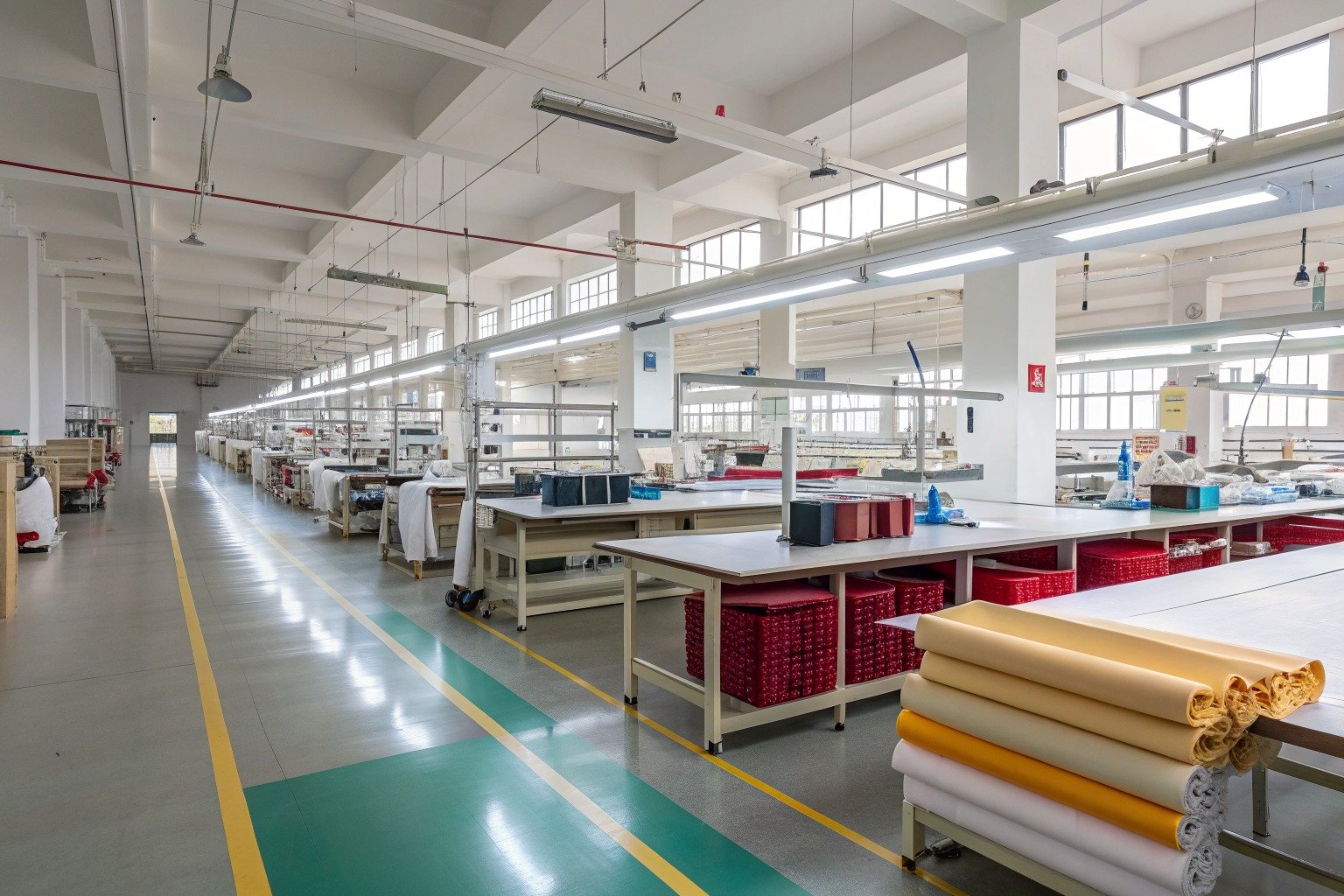
This is not a side product for us. We have been manufacturing fashion accessories for major European and American brands for years. Our facility in Zhejiang, China is modern, but our techniques respect old-world craftsmanship. I know vintage brands need a partner who speaks the language of heritage details. I am the owner of AceAccessory, and I have personally obsessed over getting the volume of a newsboy cap just right. Let me show you exactly how we handle these specific styles for brands like yours.
How do you construct a full-volume 8-panel newsboy cap?
Most factories fail at the volume test. I have seen it a hundred times. A client sends me a picture of a 1920s newsboy cap. It sits high and round on the head, almost poufy. Then they show me a sample from another factory. The cap lies flat and sad, looking more like a swim cap than a heritage piece. The problem is always in the pattern and the stiff interfacing. Cheap factories use a single block for everything. They don’t realize a newsboy cap needs to be engineered from the inside out to hold its shape without looking like a helmet.
We construct a full-volume 8-panel newsboy cap by using a high-quality buckram interfacing for the front panels and a softer, lightweight interfacing for the body. We cut the panels on the bias when we want a softer drape. The secret is the seam allowance on the crown. We press the seams open and topstitch them flat, which creates the visible "ribs" that give the cap its iconic puff. We also use a heavy-weight lining that grips the wearer’s head gently so the cap stays perched on top, not sliding down.
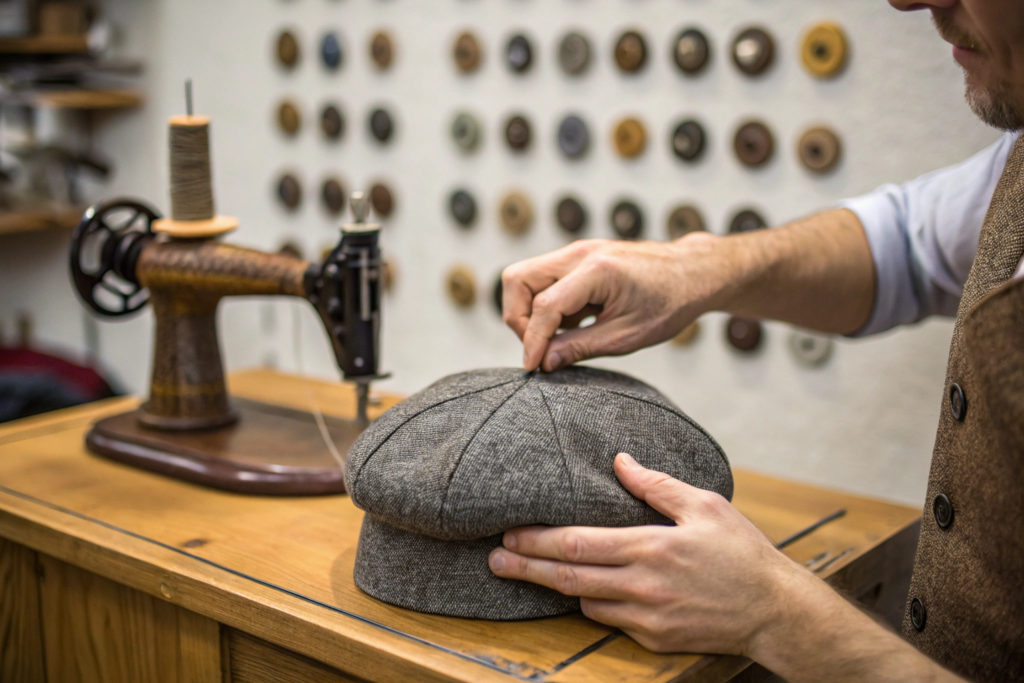
The button on top is not just a decoration. It covers the point where eight panels meet. If the seamstress rushes this point, the cap has a small hole or a weird bump. We use a die-cut covered button that matches your main fabric exactly. Getting this right takes patience. Let me walk you through the specific materials and the snap closure that complete the vintage look.
What Is The Best Interfacing To Use For A Vintage Drape Without Stiffness?
You face a choice here. Do you want the cap to be crisp or soft? For a classic newsboy cap that needs to look like it’s from 1910, a medium-weight buckram in the front panel is essential. It frames the face. But you must never put buckram in the back panels. If you do, the cap looks like a box. We fuse a very soft woven cotton interfacing to the back panels. This creates a contrast. The front stands up, and the back collapses slightly into that signature drape.
Sometimes, a designer wants zero stiffness. They want the whole cap to drape like a soft beret. For this, we avoid fusible interfacing entirely. We use a self-fabric lining or a high-density cotton silesia. We source these materials from suppliers who specialize in hat components. You can always ask for a swatch book of interfacing to feel the difference. A good resource for learning about these traditional components is Hatalk, a community focused on hat making. Another place to see how interfacing affects fit is industry discussions at The Millinery Association, which often details construction techniques.
How Do You Attach A Snap Brim Without Ruining The Vintage Silhouette?
Many vintage brands want a snap brim on a newsboy cap, but they worry the plastic snap will look modern. We hide the snap mechanism between the facing layers. You see the result, not the plastic. The brim itself must be cut from a material that holds a curve, like a dense polyester or a natural wool felt. Plastic brims are cheap, but they crack in cold weather and have a shiny edge.
We pre-curve the brim using a steam press with a custom mold. The snap is secured with a heavy-duty tack button. We can source vintage-style metal snaps or even use a sewn-in fabric strap with a hidden velcro closure for an authentic look. If you want the brim to be worn up, we attach the snap slightly off-center. This gives the wearer a jaunty, asymmetrical look. It is a tiny detail, but it separates a factory-made cap from a designer cap. Testing the snap’s durability is key. You can check standards for snap fasteners on a site like ASTM International to see how we verify they won’t pull out of the tweed.
Can you match specific vintage wool tweeds for a classic flat cap?
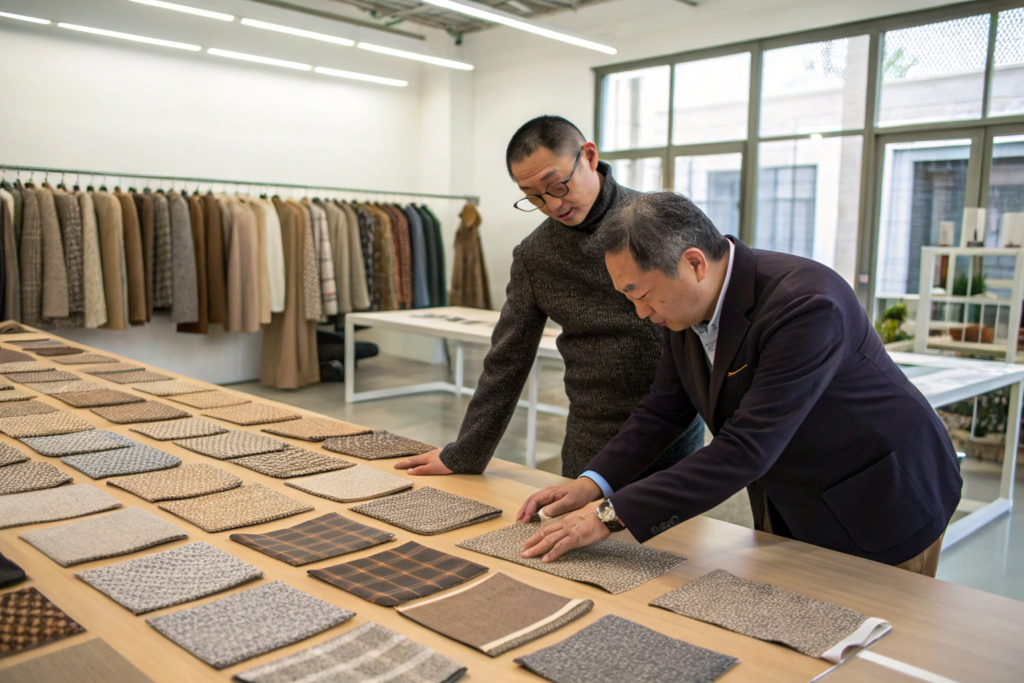
The fabric is the soul of a vintage cap. If the tweed is wrong, the cap is just a costume. I once had a client who wanted to recreate a specific Irish herringbone from the 1960s. They sent me a tiny, worn scrap of the original fabric. It was faded, with thick and thin yarns. My first thought was that the mill who made this is probably long gone. Standard suppliers offer flat, uniform tweed. It has no character, no "neps." The client was terrified they’d have to launch their collection with a generic fabric that felt nothing like the original.
We can match specific vintage wool tweeds by working directly with small-scale weaving mills in China that specialize in reproducing heritage textures. We look for a heavy ounce weight, usually between 14 and 18 ounces per yard. We pay attention to the slubs and the color flecks. If a standard stock fabric is too uniform, we can commission a small batch run. This requires a minimum order quantity, but it is worth it to get the authentic Donegal or houndstooth look. We also use a gentle washing process on the finished cap to give it a broken-in, pre-loved feel.
You can’t just pick a tweed from a catalog and hope for the best. You have to think about the weight and the finish. A heavy tweed makes a stiff cap. A soft tweed might pill. Our design team guides you through this. We don’t want your flat cap to look like it belongs in a Halloween store. Let’s look at how you nail the authentic finish and the inner details that prove it’s a true vintage piece.
How Can You Ensure The Tweed Won’t Pill And Look "Fuzzy" After A Few Wears?
Pilling kills a vintage brand’s reputation instantly. Your customer pays a high price for a cap that looks like an heirloom. If it starts pilling after a week, they will demand a refund. Pilling happens when short, weak fibers break free and tangle. To stop this, you must use a wool with a long staple length. We source from mills that use worsted spun yarns for the warp. This gives strength. The weft can be woolen spun for texture, but the structure must be there.
We also apply a light singeing process to the finished fabric. This burns off the tiny surface hairs before they can tangle. Don’t mistake this for a harsh chemical treatment. It is a controlled flame or heat process. After sewing, we tumble the caps with cork balls for an hour. This mimics natural wear and removes any last loose fibers. If you see a cap that pills heavily, it usually means the fibers were too short or the twist on the yarn was too loose. For detailed info on wool testing, you can check guidelines from the Woolmark Company, which sets the standard for wool quality and pilling resistance. You can also learn about yarn twist mechanics at IWTO, the International Wool Textile Organisation.
Can You Add A Leather Sweatband Like A True Heritage Cap?
A leather sweatband is a tell-tale sign of a premium vintage cap. It also serves a purpose. It wicks sweat and molds to the wearer’s forehead over time. We offer genuine pigskin or cowhide leather straps. Pigskin is popular. It is soft, has visible pores, and conforms quickly. We also use a reed tape behind the leather. This prevents the leather from stretching out of shape during sewing.
You must decide if you want a sewn-in sweatband or a taped one. A sewn-in one requires hand-stitching at the back seam, which is a mark of luxury. We can source leathers in tan, brown, or black. We can even foil-emboss your brand logo on the leather. The leather needs a small foam cushion inside. This detail ensures the cap fits snugly but doesn’t leave a red mark on the skin. When a customer picks up your cap and sees that leather, they immediately know it is a serious piece. The value jumps significantly. It is a detail that justifies a higher retail price and separates your brand from mass-market competitors.
Why is a "vintage fit" different from a modern cap cut for today’s customers?
A common mistake I see new brands make is using a modern sizing chart for a vintage design. A newsboy cap from the 1920s was not a tight-fitting accessory. It was generous. It sat on the head, not around it. Modern caps are often shallow. They pop off if you move your head quickly. Your customers who love vintage style know the difference. They want to feel that old-world volume. If you make the cap too snug, it looks like a child’s hat. This disconnect between what they see in old photos and what they get in the mail is a huge pain point for online store owners. Returns spike because of poor fit.
A "vintage fit" refers to a deeper crown height, a wider body, and a smaller, less aggressive brim curve. The internal circumference might stay the same at 58cm, but the volume above that band is significantly larger. This gives the cap that relaxed, lived-in look. It sits comfortably on the crown of the head without squeezing the temples. Modern caps are cut lower and tighter for a minimalistic look; vintage caps prioritize drape and presence.
When we develop a block for a new vintage brand, we don’t use our standard baseball cap blocks. We use a specific "dome" block. I want to explain how we grade these sizes and how to style them so they look authentic, not like a costume party prop. It’s about understanding the proportions that flatter a modern face while respecting the historical shape.
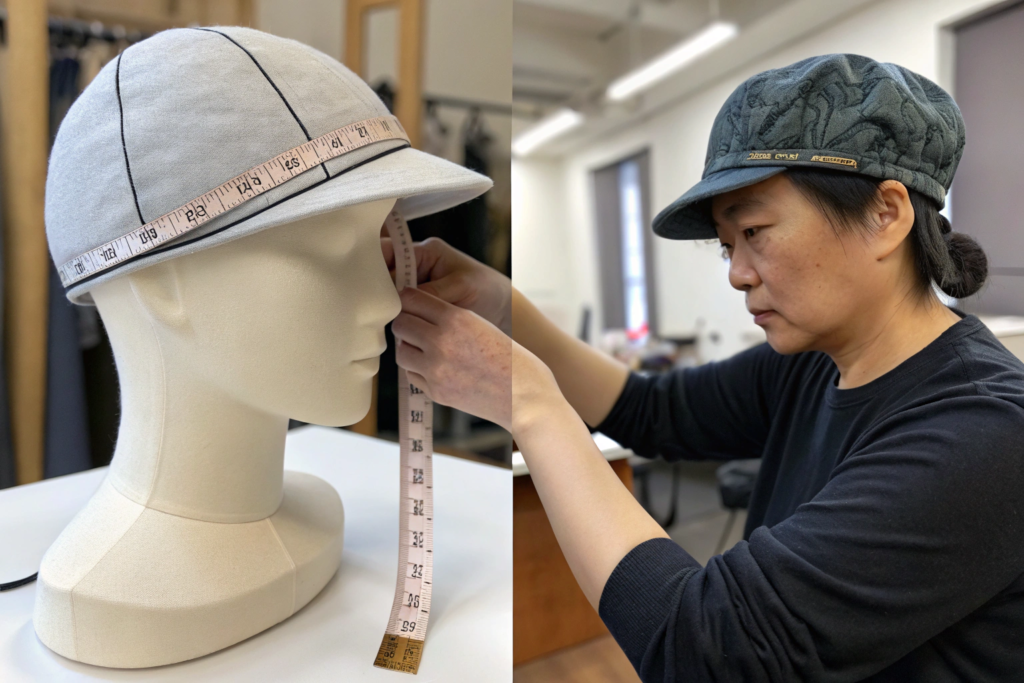
How Does The Crown Depth Measurement Affect The Overall Vintage Look?
Crown depth is the vertical distance from the base of the sweatband to the top of the hat. In a modern cap, this might be 3.5 inches. In a true vintage newsboy, it is often 4.5 inches or more. That single inch changes everything. It creates the shadow over the eye. It allows the fabric to puff up. If you measure a cheap newsboy cap, you’ll find it fails this test immediately.
You need to provide enough depth so the cap doesn’t perch on the very top of the head like a beanie. It should cover the upper forehead. Our pattern makers draft a steeper dome curve. This requires wider fabric panels. It also uses more material, which increases the cost. Some brands try to cheat by lowering the sweatband placement, but this changes the interior fit. A proper vintage cut sits deep and secure. When someone tips their cap, it shouldn’t fall off. You can explore historical sizing data through resources like the Vintage Fashion Guild, which hosts a library of past garment specs. Also, checking historical archives at The MET Costume Institute can show you the extreme depths used in original pieces.
Should A Vintage Cap Be Worn Tilted Or Straight On The Head For Styling?
This question matters for your e-commerce photos. You will sell more caps if you show them styled correctly. A strict, straight-on placement works for a clean, minimalist flat cap. But an authentic newsboy cap often looks best with a slight tilt. This comes from the way the panels are seamed. When you grab the button and give it a quarter twist, the panels bias slightly.
The cap should also sit back on the head, not pulled down over the ears. This exposes a bit of the forehead. It makes the jaw look stronger. When we ship samples for your photoshoot, I advise pulling the peak down slightly at an angle. If you pull it straight down flat, the cap looks like a beatnik. You want it to look rakish. Look at old British films. The caps aren’t symmetrical; they are organic. We cut the brim curve with a slight right-hand bias for standard caps. This encourages it to settle into that classic tilt naturally. It is a bit of an optical illusion built into the cut.
How do you label and trim a cap for an authentic heritage brand image?
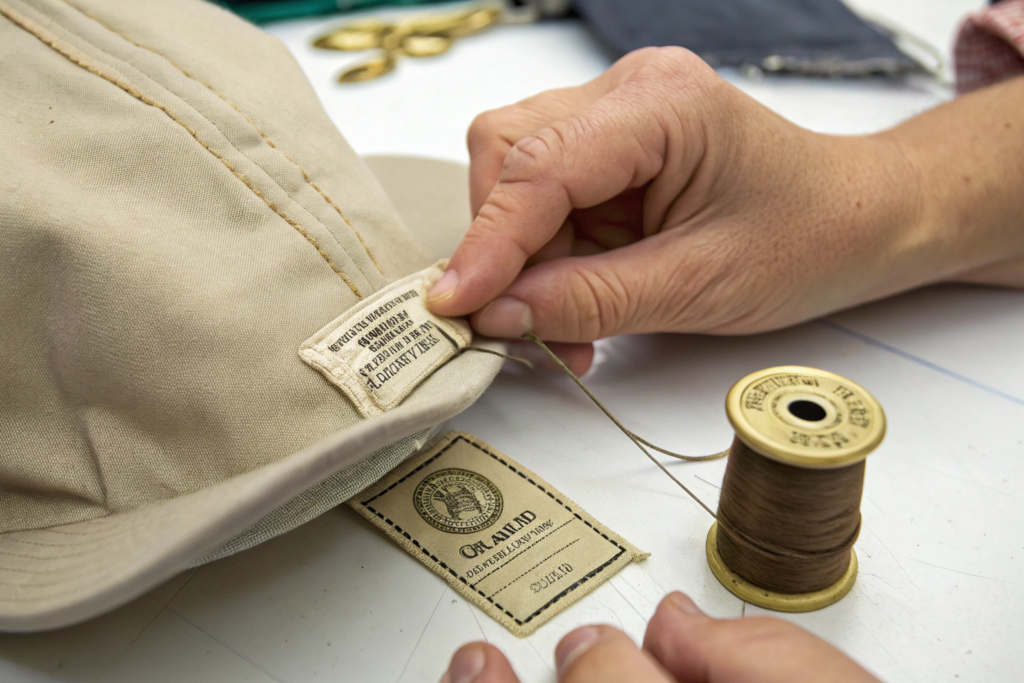
The devil is in the details, especially the branding. A beautiful cap can be ruined by a shiny, gold-stamped generic tag. Your customer notices. They buy a vintage brand because they want a story, not just a product. If they see a modern satin label with a bright white background inside a tweed cap, it breaks the spell. They start questioning the authenticity of the whole garment. I have worked with many small vintage brands and large heritage retailers in Europe. They all obsess over the trim. They don’t want loud branding. They want discreet, durable, period-correct labels that whisper quality.
We use woven labels with a distressed, matte finish for an authentic heritage brand image. We avoid polyester satin. Instead, we use cotton or unbleached linen for the main label. The print is subtle, often a single color like muted brown or slate gray. We can also laser-engrave leather patches for the back strap. The trim, such as straps and buttons, must use real materials. We use genuine leather straps with aged brass buckles, not cheap vinyl with nickel clips. We also sew in a sizing tag that looks like an old train ticket.
I always tell our clients to think about the "unboxing" moment. When the customer opens the package, the first tag they see sets the tone. It has to feel substantial. Let’s talk about how to source these trims and how to avoid the cheap metal look that kills a heritage vibe.
What Kind Of Buckle And Strap Setup Looks Truly Antique?
A plastic buckle or a shiny modern clip will destroy your cap’s rear view. A vintage cap needs a center seam strap with a buckle that looks tarnished. We source solid brass buckles and then give them a chemical aging treatment. This creates a dark patina in the crevices. It looks like it has been sitting in a trunk for fifty years. The strap itself must be genuine leather. Bonded leather will peel after a few wears.
The way you attach the strap matters. A classic method is to bar-tack the strap to the center seam, leaving a small tail. The leather should be cut with a rounded end. We use a medium-weight cowhide, about 1.5mm thick. It holds the shape but adjusts easily. The buckle needs a sturdy prong that grips the leather. We test this by pulling it hard. The strap must never slip. If you want to add value, you can emboss a small phrase on the leather strap, like "1932" or a short brand motto. Resources like Leatherworker.net provide deep insights into traditional leather stamping and finishing for accessories.
Can You Apply A "Vintage Wash" To A Cap Without Damaging The Fabric?
Yes, and this is one of our specialties. A raw tweed cap can look too "new." It needs some character. We use an enzyme wash or a stone wash process to soften the fabric and give it a slight fade. But tweed is wool, and wool can shrink if you use hot water. So, we use a cold-water enzyme bath that attacks the cotton components and softens the wool fibers without fulling them. It reduces the surface fuzz.
You can also request a garment dye on a finished cap for a specific hue, but only on certain blends. We often spray a pigment dye on the crown and then tumble it dry. This creates a natural shadow effect around the seams and the button. It mimics decades of wear. The interior sweatband is protected during this process so it stays clean. A distressed cap is a high-maintenance product. It cannot be distressed randomly. It must look natural. Our quality control team examines every piece to ensure the fading is consistent. You can learn about safe textile treatments from the American Association of Textile Chemists and Colorists, which standardizes these washing and fading methods.
Conclusion
Making an authentic vintage cap is an art form that blends old-world aesthetics with modern production quality. You can’t just slap eight panels together and call it a newsboy. You need the right interfacing to get that full, poufy drape without stiffness. You need genuine wool tweeds with proper slubs and flecks, sourced from mills that care about heritage textures. You need a deep crown block that changes the entire fit, making it sit high and relaxed instead of tight and modern. The details, like the distressed cotton label, the aged brass buckle, and the genuine leather sweatband, all work together to create that illusion of a long history. Even the washing process, a cold enzyme bath or a stone tumble, helps your cap tell a story the moment a customer touches it. These are not just accessories. They are time capsules, and your customers pay a premium for that feeling. Skipping these steps saves a few dollars in manufacturing, but it costs you the trust of a very loyal and detail-obsessed market.
If you have a vision for a classic cap collection and need a partner who respects the heritage as much as you do, we are here. We have the development team in China that can source the right tweed, craft the right block, and apply the perfect finishing touches. We don’t just manufacture. We develop products with a story.
To start your custom cap project, contact our Business Director, Elaine. She can talk you through the timeline and the sampling process. Reach her directly at elaine@fumaoclothing.com. We can handle the production while you focus on telling your brand’s story.