

I opened a shipment of 3,000 hair clips last year. The first tray looked perfect. The second tray had a clip with a crooked spring. The third tray had a clip with a visible scratch across the acetate. By the time I finished inspecting the carton, I had pulled 47 defective units. The factory had clearly skipped final QC. The shipment had been rushed out the door to meet the sailing date, and my order had paid the price. I called the factory owner. He apologized. He offered a credit on the next order. But my buyer had already seen the defects, and she was not interested in a credit. She wanted a supplier who did not ship garbage. I lost that account.
The best way to handle a factory that skips the final QC step is to implement a three-part accountability system that prevents omission from being possible. First, mandate a final QC photo report with a minimum of 20 detailed photographs showing specific inspection points on randomly selected units, sent to you before the goods leave the factory. Second, require a signed and dated QC checklist with the inspector’s name, the AQL sample size, the number of defects found, and the pass/fail decision, included as a physical document inside the shipment carton. Third, hire an independent third-party inspection service to perform a random audit on a percentage of your orders, creating an external verification layer that the factory cannot bypass or falsify.
I run a fashion accessories factory in Zhejiang. I have been on both sides of this problem. I have made the mistake of shipping without proper QC when a deadline was crushing me. And I have implemented the system that prevents that mistake from ever happening again. I want to explain exactly how to detect when a factory has skipped QC, how to prove it, and how to restructure the quality assurance process so that skipping final inspection becomes impossible.
How Can You Tell If a Factory Has Skipped the Final Quality Control Inspection?
A factory that skips final QC leaves evidence. The evidence is in the pattern of defects. A properly inspected shipment still contains defects, but the defects are within the agreed AQL limit, and they are the types of defects that are inherently difficult to catch, such as a subtle color shade variation or a minor stitching irregularity. A shipment that has skipped QC contains a different defect profile. The defects are obvious, abundant, and the type that any competent QC inspector would have caught in the first five minutes of inspection.
Signs that a factory skipped final QC include a defect rate significantly higher than the agreed AQL, often 5% to 10% instead of the contracted 1.5% or 2.5%, the presence of glaringly obvious defects such as missing components, broken hardware, uncut threads, or size deviations visible to the naked eye, the absence of QC stamps, stickers, or marks that should be present on inspected units or cartons, a missing or incomplete QC report that lacks specific defect counts, inspector name, or inspection date, and a shipment that arrived earlier than the quoted production timeline, suggesting that the inspection time was sacrificed to meet the shipping deadline.
I train my clients to look for QC stamps. In my factory, every inspected unit receives a small, removable sticker with the inspector’s initials and the inspection date. The carton receives a larger QC passed stamp. If a shipment arrives with no stamps, no report, and a defect rate that suggests no one looked at the product before it was packed, the factory skipped QC. The evidence is circumstantial, but when multiple signs are present, the conclusion is reliable.
What Defect Patterns Indicate Random Sampling Was Never Performed?
A proper AQL inspection uses a statistically determined random sample. The inspector pulls a specific number of units from throughout the production lot. The defects found are recorded, categorized, and counted. If the defect count exceeds the acceptance number, the lot fails. This process leaves a statistical signature. The defects are distributed across categories, with critical defects rare, major defects occasional, and minor defects present but controlled.
When QC is skipped, the defect pattern is different. A single defect type appears repeatedly. All 47 defective hair clips have the same crooked spring. This pattern indicates a production problem that was never caught because no one looked. In a proper inspection, the first few units with crooked springs would have triggered an inspection failure, the production line would have been stopped, and the root cause would have been corrected. The repetition of a single, obvious defect across a large portion of the shipment is statistical proof that random sampling did not occur. The AQL sampling methodology and defect classification outlined in ISO 2859 provides the statistical framework that makes these patterns objectively identifiable.
What Documentation Gaps Reveal the QC Step Was Omitted?
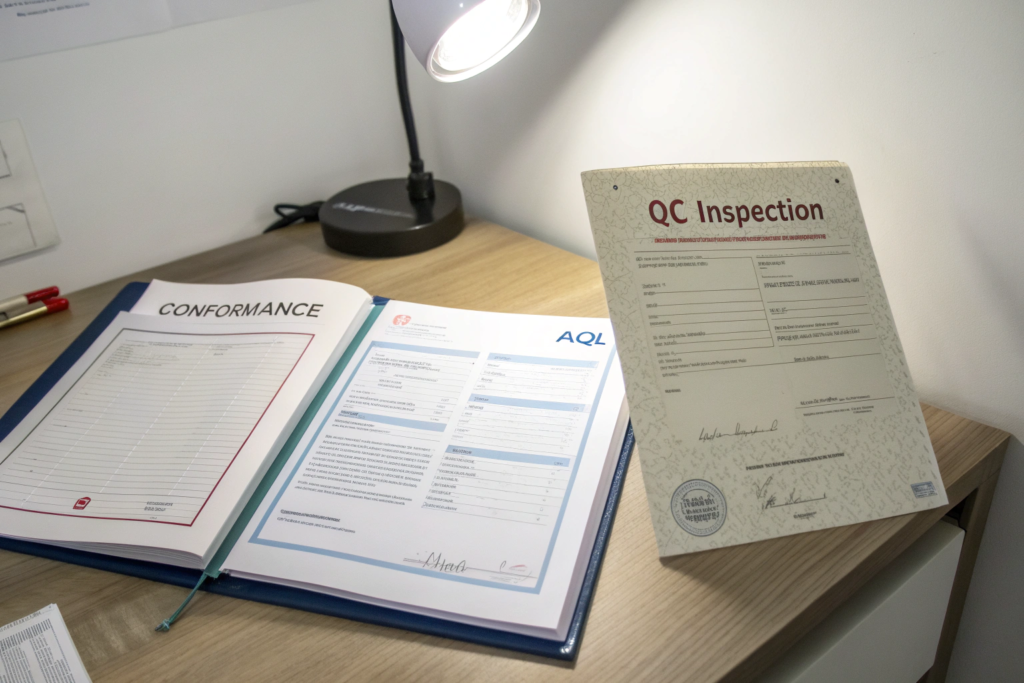
A legitimate QC inspection generates paperwork. The paperwork is not optional. It is the legal record of the inspection. The documents include the inspection plan specifying the AQL level, sample size, and accept/reject criteria, the inspection data sheet with the raw count of each defect type found on each inspected unit, the final inspection report summarizing the results and stating the pass/fail decision, and a non-conformance report if the lot failed, describing the defects and the corrective action taken.
A factory that skipped QC cannot produce these documents. They may send a generic certificate of conformance, which is a meaningless document that states the goods comply with the order without providing any evidence. They may send a QC report that is suspiciously clean, with zero defects found, zero comments, and no inspector name. The quality inspection documentation standards for consumer goods manufacturing require specific, traceable records. The absence of these records, or the presence of records that lack specific detail, is a documentation gap that reveals the QC step was never performed.
What Immediate Actions Should You Take When You Discover QC Was Skipped?
The moment you open a carton and realize the factory skipped final QC, your response must be strategic. An angry email fired off in the heat of the moment feels satisfying. It achieves nothing. The factory will get defensive. They will deny. They will make promises they cannot keep. You need a response that creates an undeniable record, protects your financial position, and triggers a corrective process that prevents a repeat. The first 24 hours determine whether this becomes a resolved issue or an ongoing nightmare.
When you discover QC was skipped, take these immediate actions within 24 hours. Document the defects with clear, timestamped photographs and video showing the unopened carton, the carton markings, the product, and the specific defects against a measuring scale. Conduct a rapid 100% inspection or a statistically valid random sampling of the received goods to quantify the defect rate with data. Notify the factory in writing with the photographic evidence and the defect count data, stating clearly that the goods do not conform to the purchase order quality requirements. Withhold payment of the balance until the issue is resolved. Demand a corrective action report that identifies the root cause of the skipped QC and the specific process changes that will prevent recurrence.
I have received this type of notification from a buyer once in the past five years. It was a belt order where my final QC inspector had been out sick, and the production supervisor had made the disastrous decision to ship without inspection. The buyer sent me photographs of crooked edge paint on 12 belts from the first carton. I did not argue. I did not deflect. I accepted the evidence, apologized, and offered a 30% discount on the entire shipment plus a credit on the next order. The buyer kept the goods, sold them at a discount, and still works with me today because I owned the failure.
How Should You Document Defects to Create an Undeniable Record for the Factory?
A photograph taken with a smartphone in a dim warehouse shows almost nothing useful. The factory will claim the lighting is bad, the angle is deceptive, or the defect is within tolerance. Documentation that leaves no room for argument requires controlled conditions and objective measurement.
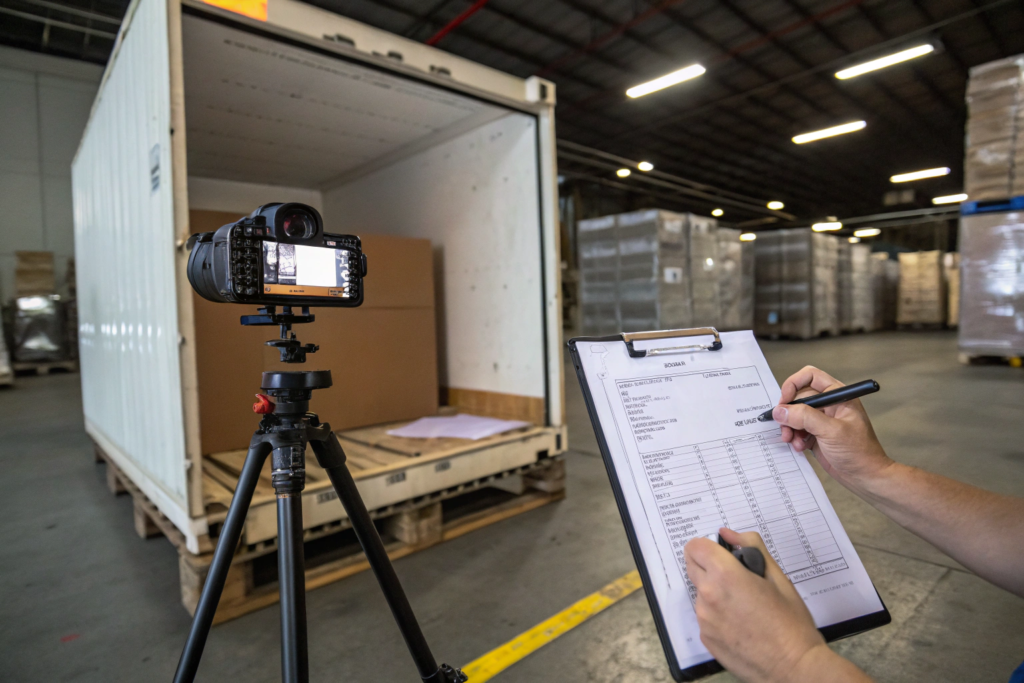
Place the defective unit on a neutral grey or white background. Use a macro lens or the close-up function on a good smartphone camera. Include a millimeter scale ruler in the frame so the size of the defect is measurable. Photograph the carton markings, including the purchase order number and carton number, before opening the carton. Photograph the defective unit from multiple angles. If the defect is functional, such as a weak spring or a broken clasp, record a short video demonstrating the failure. Write a brief description of each photograph, referencing the specific quality standard clause the defect violates. This defect documentation protocol for imported goods creates a record that a factory cannot dispute without appearing dishonest.
What Payment Leverage Do You Have When Goods Arrive Without Proper QC?
The buyer’s strongest leverage is the unpaid balance. If the factory shipped without QC and the goods are defective, the balance should not be released until a resolution is agreed. The payment terms in the purchase order determine the exact leverage. A letter of credit provides the strongest protection because the bank will not release payment without compliant shipping documents. A T/T balance against copy documents provides less leverage but still allows the buyer to withhold the balance.
The key is to communicate clearly and in writing that payment is being withheld because the goods do not conform to the purchase order quality requirements, and that payment will be released upon agreement of a corrective action plan. Do not simply refuse to pay without explanation. That creates a dispute. State the reason, provide the evidence, and propose a resolution. The international trade payment dispute resolution principles apply. The buyer who documents, communicates, and proposes solutions maintains the commercial high ground.
How Do You Restructure the QC Process to Prevent the Factory from Skipping It Again?
Catching a skipped QC is reactive. Preventing the next skip is proactive. The prevention system must make skipping QC impossible, not merely difficult. If the prevention relies on the factory’s goodwill, it will fail again when the next shipping deadline creates the same pressure. The prevention must be structural, verifiable, and linked to commercial consequences that make shipping without inspection a worse outcome for the factory than delaying the shipment.
Restructure the QC process by implementing three layers of prevention. First, require a pre-shipment inspection photo report with a mandatory checklist of 25 specific inspection points, each photographed and timestamped, to be emailed to you before the goods are packed. The factory knows that no email means no shipment approval. Second, introduce an in-line QC checkpoint where you or your agent conducts a video call with the factory’s QC inspector during the inspection, watching the sampling and testing in real time. Third, engage a third-party inspection company such as SGS, Bureau Veritas, or Intertek to conduct random unannounced inspections on 20% of your orders, creating a permanent external audit presence that the factory knows can appear at any time.
I welcomed my buyers’ third-party inspectors into my factory from day one. A factory that resists third-party inspection is a factory that has something to hide. A factory that cooperates, provides the inspector with a workspace, and accepts the findings without argument is a factory that trusts its own quality system. The willingness to be inspected is itself a quality signal.

What Should a Mandatory Pre-Shipment QC Photo Report Include?
A pre-shipment QC photo report is not a marketing brochure. It is a technical document that proves the inspection occurred. It must include specific, identifiable photographs that cannot be taken from a previous order or a different product. The report must be so detailed that faking it would take more effort than actually performing the inspection.
The report should include a photograph of the purchase order and the QC checklist with the inspection date clearly visible. Photographs of the randomly selected sample units laid out on the inspection table with the total count visible. Close-up photographs of each critical inspection point, seam strength, closure function, color match against the approved lab dip, dimension measurement against a ruler, surface finish under magnification. Photographs of any defects found, with a ruler for scale. A photograph of the passed cartons with QC stamps applied. A signed and dated final page with the inspector’s name printed legibly. The pre-shipment inspection report requirements used by professional third-party inspection companies provide a template that factories can adapt for internal use.
How Does Third-Party Inspection Create an Unskippable QC Gate?
A factory can fake an internal QC report. A factory cannot fake a third-party inspection. The third-party inspector is an employee of SGS, Bureau Veritas, or Intertek. They have no loyalty to the factory. Their job is to find defects and report them honestly. Their employer’s reputation depends on their objectivity.
The third-party inspection process creates an unskippable gate because the inspection company issues a formal inspection certificate that is independent of the factory’s own documentation. The buyer specifies the inspection date, the AQL standard, and the sampling plan. The inspector arrives at the factory, pulls the random sample, performs the inspection, and issues the report directly to the buyer. The factory cannot influence the outcome. The third-party quality inspection for consumer goods industry has standardized this process globally. The cost is typically $300 to $500 per inspection day, a small price for an unskippable QC gate.
Conclusion
Handling a factory that skips final QC requires a response that is both immediate and structural. The immediate response, documented evidence, written notification, and payment leverage, contains the damage and establishes the facts. The structural response, mandatory photo reports, real-time video QC calls, and independent third-party inspections, prevents the factory from ever shipping uninspected goods again. You learned how to detect a skipped QC by reading the defect pattern. The presence of obvious, repeated, easily catchable defects is statistical proof that no competent inspection occurred. The absence of detailed QC documentation confirms it.
We walked through the documentation protocol. Timestamped photographs with a scale ruler, carton markings, and defect descriptions create an undeniable record. The factory cannot argue with clear evidence. We covered the payment leverage. The unpaid balance is the buyer’s strongest tool, but it must be deployed with written explanation and a proposed resolution, not as a silent refusal.
And we built the prevention system. The pre-shipment photo report with 25 specific inspection points forces the factory to perform the inspection and prove it. The real-time video QC call adds a layer of remote witnessing. The third-party inspection from SGS or Bureau Veritas creates an independent gate that the factory cannot skip, fake, or influence. These three layers together make shipping without QC a decision that is immediately detected, easily proven, and commercially painful for the factory.
At AceAccessory, I built my QC system to welcome all three layers of buyer verification. My inspectors complete the photo reports before any shipment leaves. My factory door is open to third-party inspectors at any time. I do not skip QC because the cost of a skipped inspection, a lost customer, a damaged reputation, a credit on a defective shipment, far exceeds the cost of holding a shipment for one extra day to complete the inspection properly.
If your current supplier is cutting corners on QC and you need a factory that treats final inspection as non-negotiable, I invite you to contact our Business Director, Elaine. She can share a sample QC photo report from a recent shipment, our third-party inspection acceptance policy, and references from buyers who have experienced our quality commitment firsthand. Reach her at elaine@fumaoclothing.com. Let’s build a supply chain where every shipment is inspected, documented, and proven before it leaves the factory floor.




